Knowledge application Science Worksheets for Ages 4-8
6 filtered results
-
From - To
"Discover the wonders of the world with our Knowledge Application Science Worksheets for ages 4-8! These engaging and educational printables are designed to ignite curiosity and foster a love for science in young minds. From exploring the animal kingdom to understanding weather patterns, each worksheet provides hands-on activities that build critical thinking and problem-solving skills. Ideal for both classroom and at-home learning, our science worksheets are aligned with early childhood education standards and make learning fun and interactive. Harness the power of discovery and give your child a head start in their scientific journey today!"
Note: the provided link page's been influenced in creating relevant and precise content while adhering to a 100-word limit.
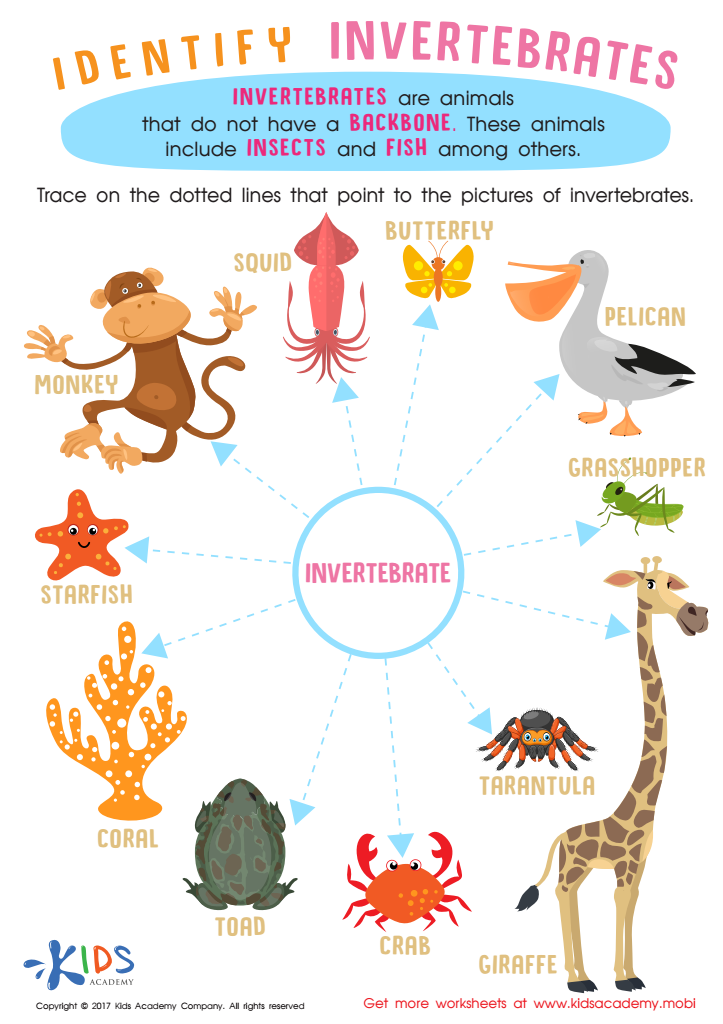
Invertebrates Worksheet for Grade 3
 Assign to My Students
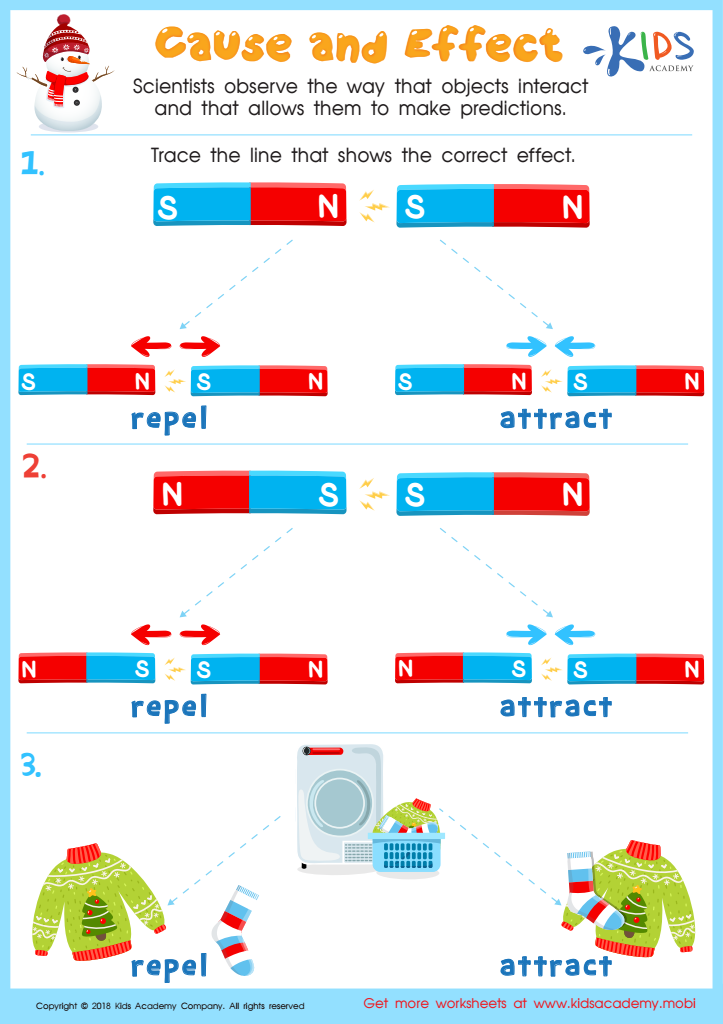
Repel and Attract Magnet Worksheet
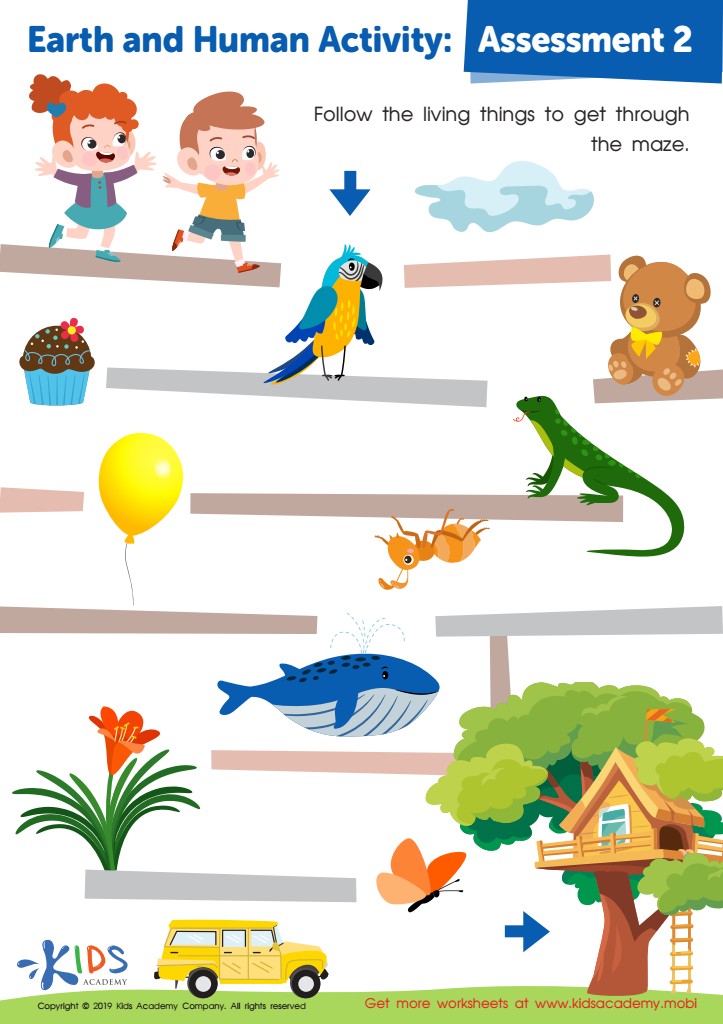
Earth and Human Activity: Assessment 2 Worksheet
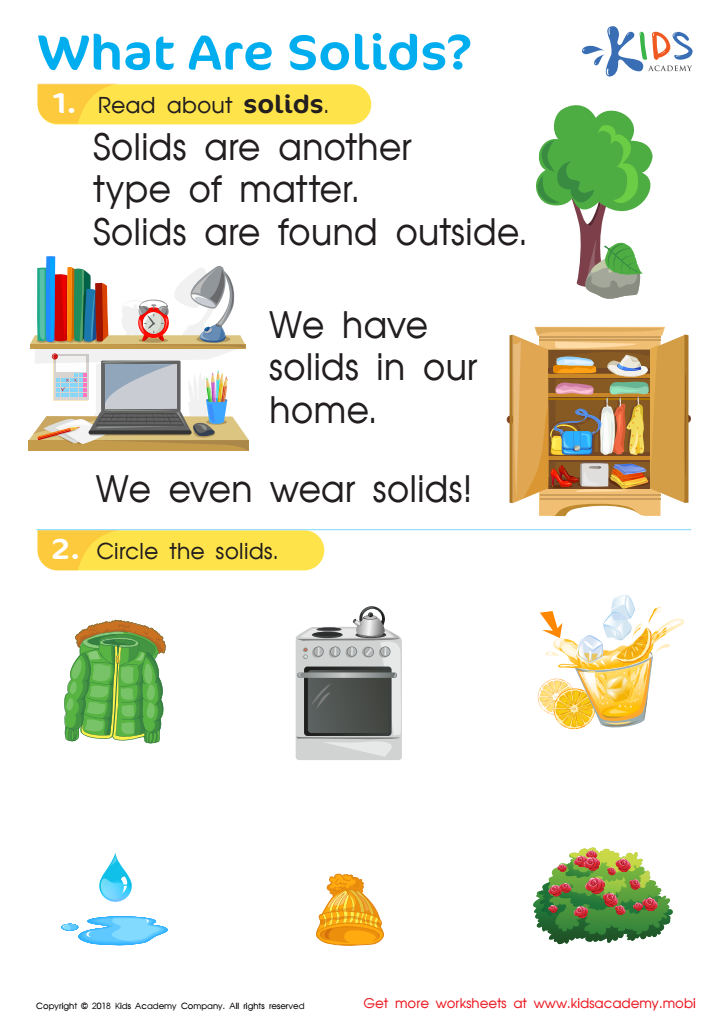
What Are Solids? Worksheet
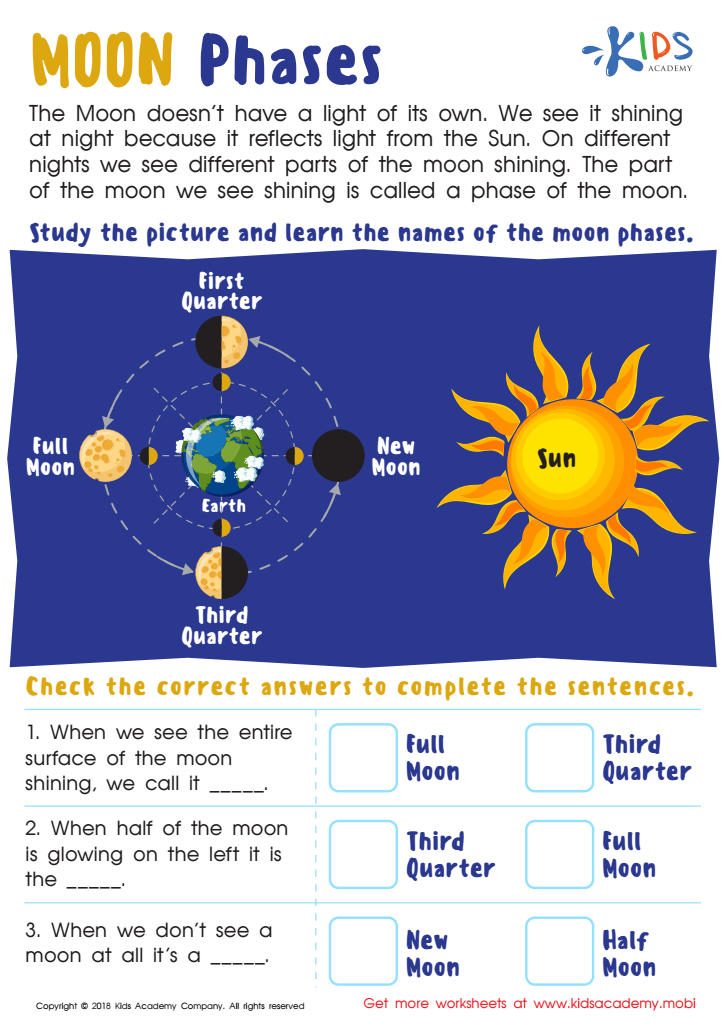
Moon Phases Worksheet
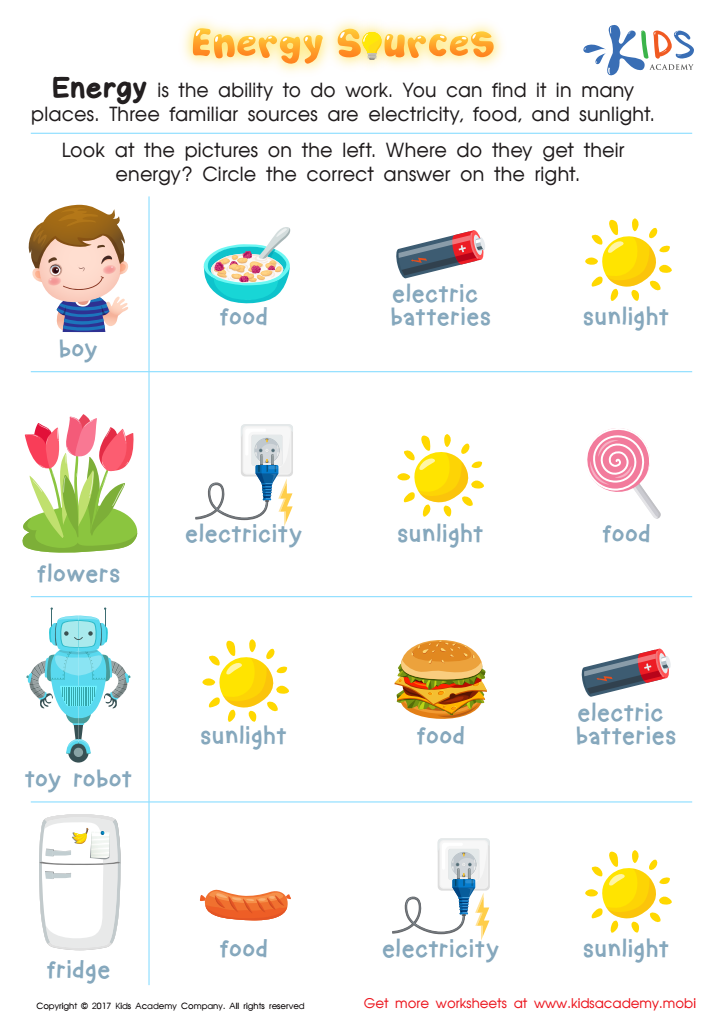
Energy Sources Printable





.jpg)
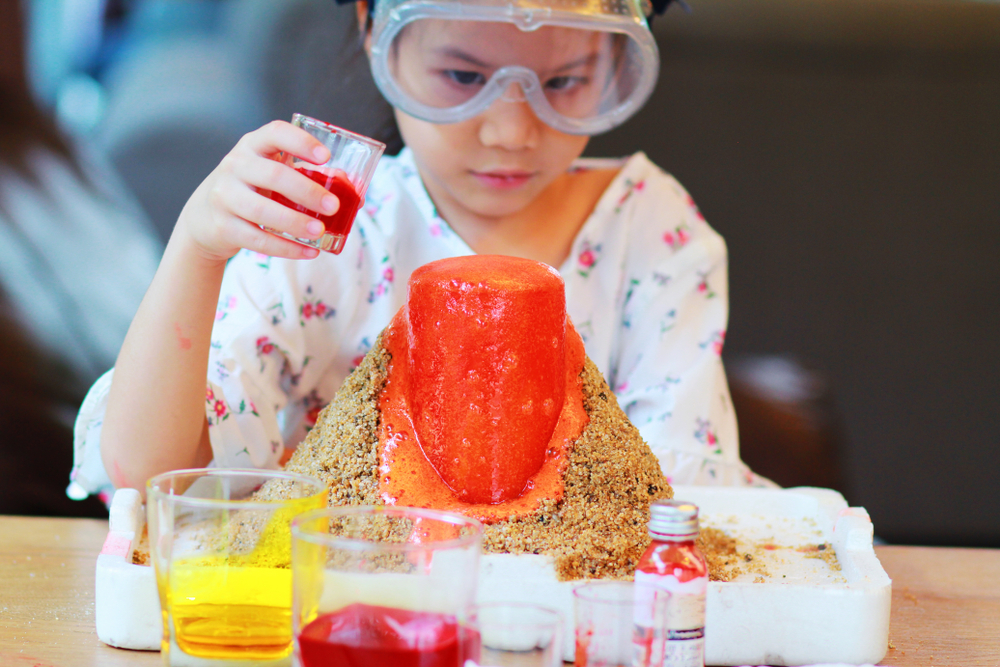
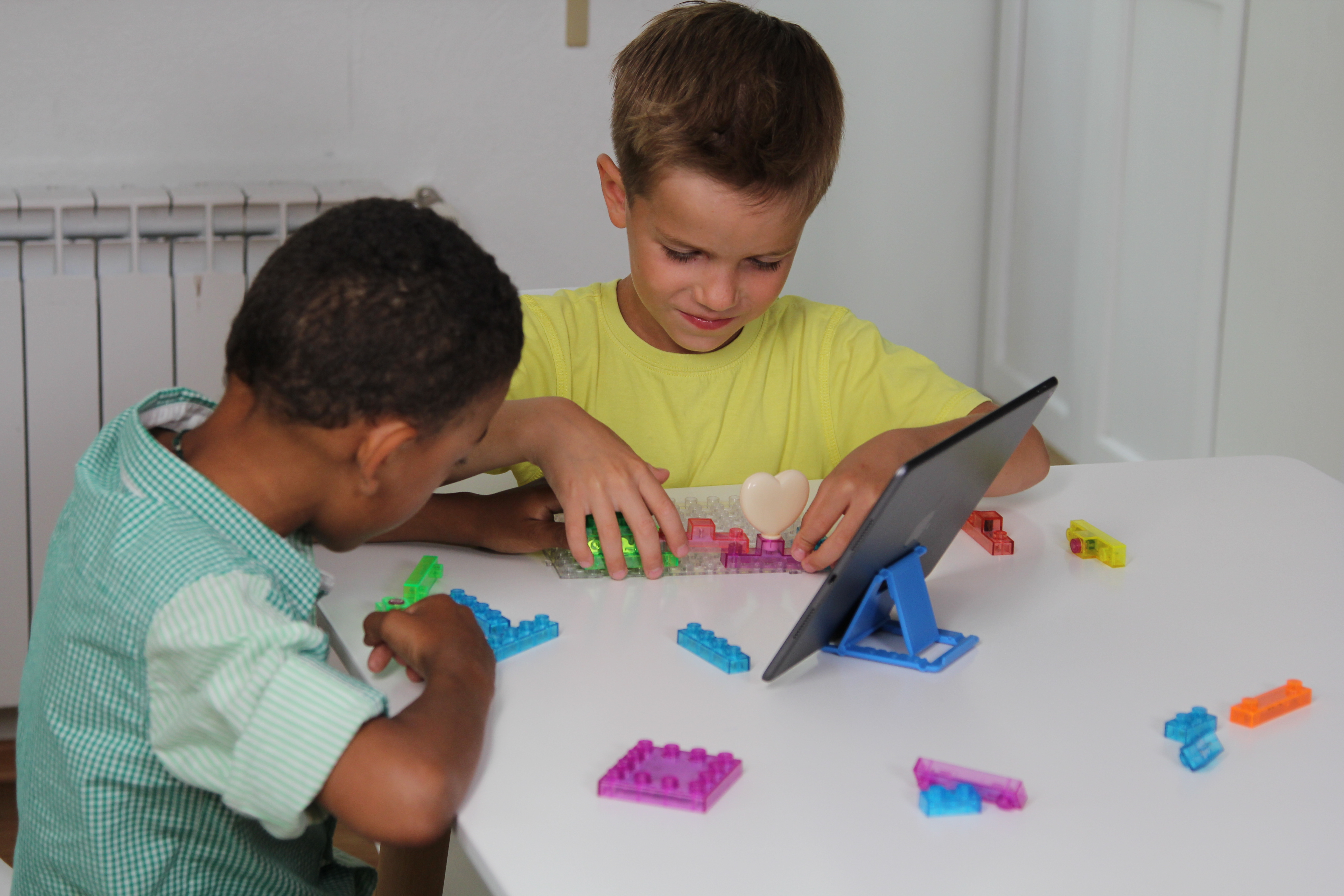
Parents and teachers should care about knowledge application in science for ages 4-8 because early scientific exploration sets the foundation for lifelong learning and curiosity. At this developmental stage, children have a natural curiosity and an innate desire to explore their surroundings. By engaging in hands-on science activities, children learn to observe, ask questions, and think critically; essential skills for their cognitive development.
Scientific activities foster a sense of wonder and excitement about the natural world, making learning enjoyable and memorable. This early exposure helps children develop problem-solving skills and adaptability, which are invaluable across all areas of education and real-life situations. Furthermore, science encourages collaboration and communication among young learners, promoting the development of social skills and teamwork.
For parents and teachers, facilitating early science experiences is crucial for breaking down complex concepts into simple, engaging activities that children can easily grasp. This lays the groundwork for more advanced studies in later years and helps children build a positive attitude toward learning.
Incorporating science into early education cultivates curiosity, nurtures critical thinking, and prepares children for a world that increasingly relies on scientific and technological advancements. Thus, emphasizing the application of knowledge in science enriches children's development, making it an essential aspect of early childhood education.







