
Sequencing Skills Plants and Animals Worksheets for Ages 4-8
4 filtered results
Difficulty Level
Grade
Age
-
From - To
Subject
Activity
Standards
Boost your child's understanding of the natural world with our Sequencing Skills Plants and Animals Worksheets for ages 4-8. Designed to enhance critical thinking, these engaging and educational worksheets help children recognize patterns and sequences in the lives of plants and animals. Through fun, hands-on activities, kids will learn the stages of growth, life cycles, and how different living things interact with their environment. Perfect for early learners, these printable worksheets provide a solid foundation in science while supporting reading and comprehension skills. Foster curiosity and scientific thinking with our expertly crafted resources.
Favorites
With answer key
Interactive
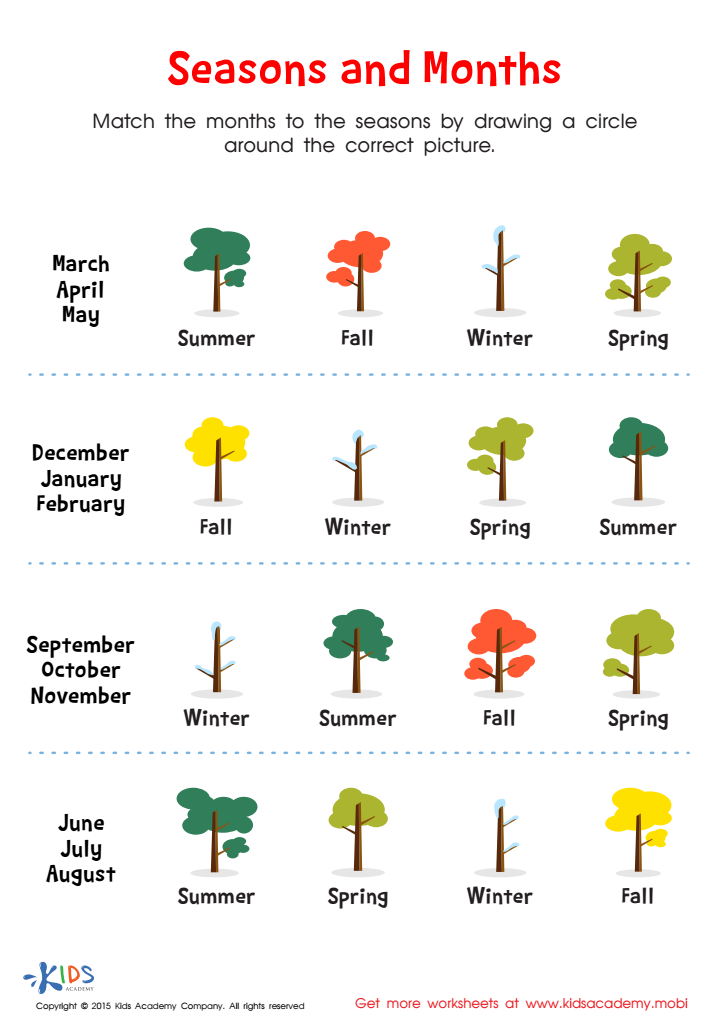
Seasons and Months Worksheet
Help your child explore the world around them with this fun seasons and months printable worksheet. It'll help them understand the months of the year and the seasons connected to them, teaching valuable science knowledge and skills. Plus, engaging in conversations about the current month and season will extend their learning!
 Assign to My Students
Seasons and Months Worksheet
Worksheet











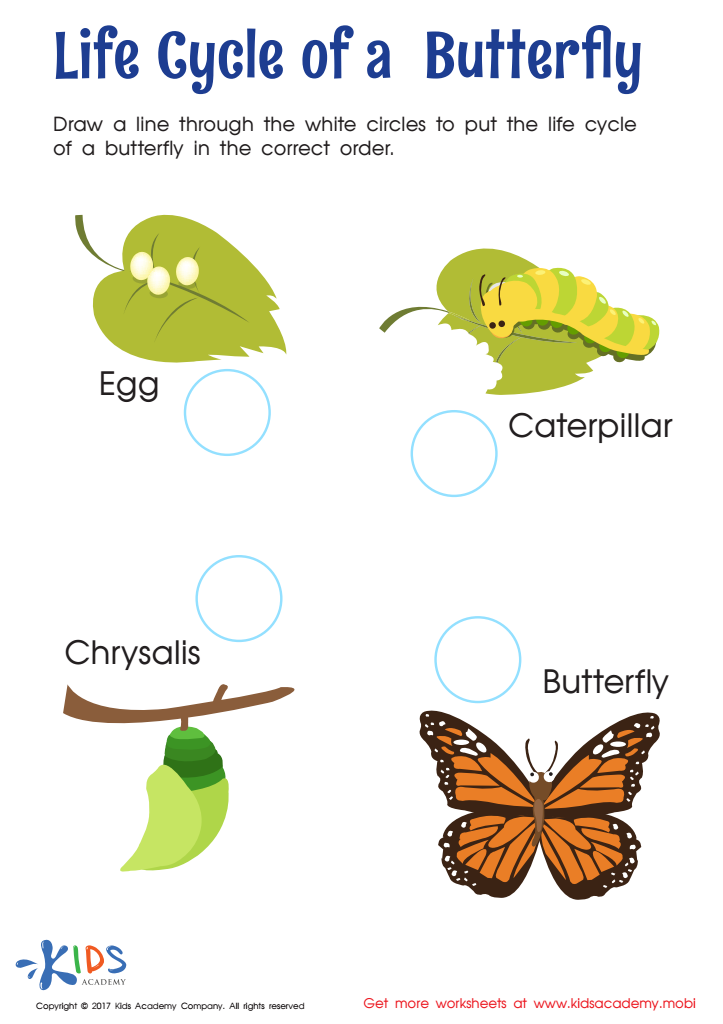
Life Cycle of Butterfly Worksheet
Kids Academy offers an exciting activity – a Life Cycle of a Butterfly Worksheet PDF. It shows four stages in the lifecycle of a butterfly with vivid pictures. Kids put the stages in the correct order to study the lifecycle.
Life Cycle of Butterfly Worksheet
Worksheet
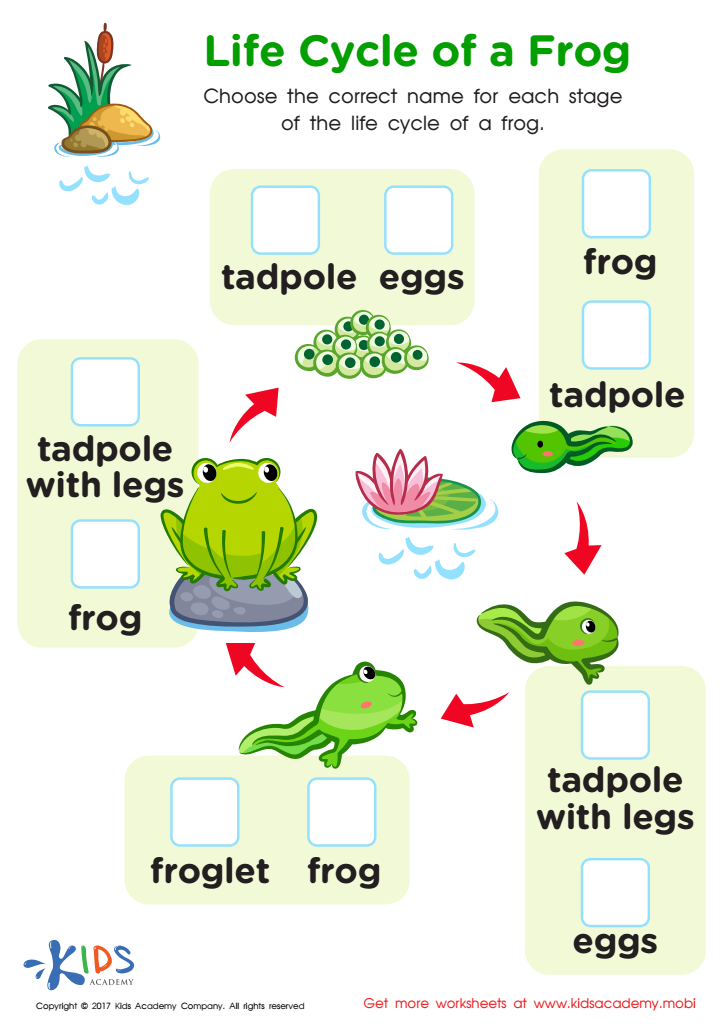
Life Cycle Frog Printable
Kids can explore the life cycle of frog with this fun worksheet! Draw lines from one stage to the next to follow the transformation from tadpole to frog and learn about the cycle of life.
Life Cycle Frog Printable
Worksheet
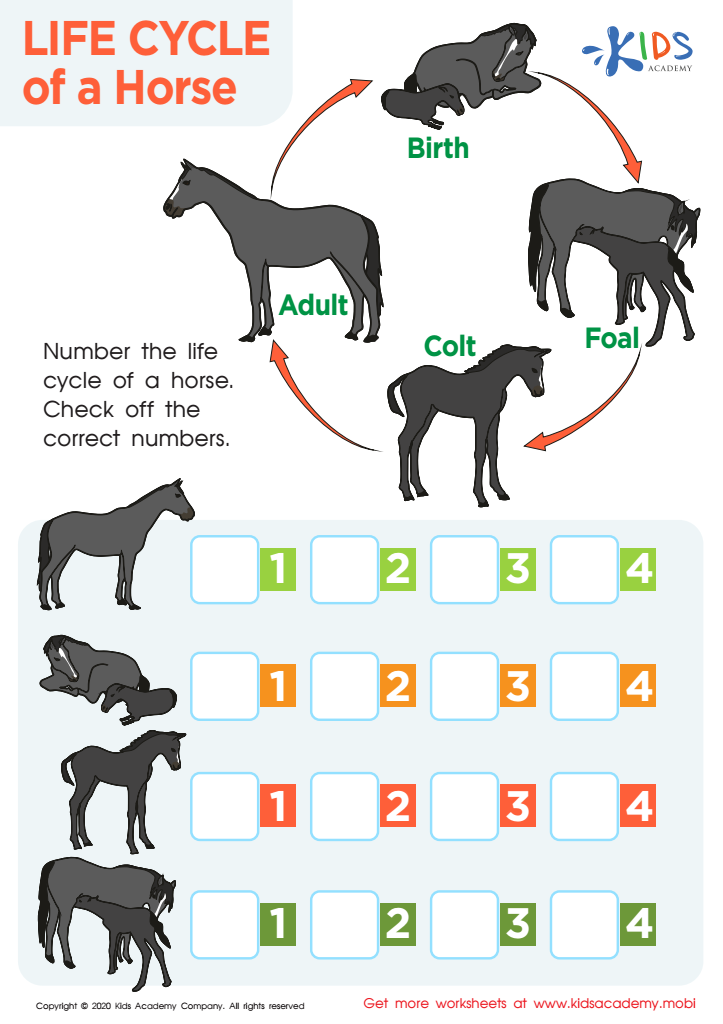
Life Cycle of a Horse Worksheet
Kids Academy's science worksheet on horses' lifecycles offers an engaging way for kids to learn! They'll study the diagram and label each stage of life, from birth to adulthood, and then number the pictures to mark the correct sequence. Fun and educational - a perfect way to get your kids learning!
Life Cycle of a Horse Worksheet
Worksheet
Join Kids Academy for Free
Who is primarily going to use this learning content?








Sequencing skills are foundational cognitive abilities that help children understand the order and flow of events, whether it be in a story, daily routine, or natural processes. For ages 4-8, cultivating these skills in the context of plants and animals is particularly beneficial as it ties directly to core learning objectives in early education.
By focusing on sequencing in nature, children learn to observe and comprehend life cycles and ecological interactions. For example, understanding the stages of a butterfly's metamorphosis or a plant's growth from seed to full bloom allows children to grasp the logical progression of events and cause-and-effect relationships. This not only aligns with science curriculum goals but also nurtures critical thinking and problem-solving skills.
In addition, these lessons enhance language development. When children sequentially narrate how plants grow or animals develop, they practice vocabulary, syntax, and storytelling, which boosts their communication skills.
Socially, working on sequencing activities collaboratively can improve teamwork and patience. Kids gather and sequence steps, fostering a sense of achievement and cooperative learning.
Ultimately, caring about sequencing skills in the context of plants and animals provides a multifaceted educational experience that promotes intellectual and social development, laying a strong foundation for more complex learning in the future.








