Fine Motor Skills Community Worksheets for Ages 4-8
3 filtered results
-
From - To
Enhance your child’s fine motor skills with our engaging Community Worksheets, designed specifically for ages 4-8. These printable resources are crafted to develop essential hand-eye coordination and dexterity through exciting hands-on activities. Designed for an interactive learning experience, each worksheet features themes related to community life, encouraging creativity and exploration. Whether tracing shapes, cutting activities, or coloring community scenes, children will uniquely engage with their surroundings. Perfect for the classroom or home, our worksheets make learning enjoyable while building critical skills. Download now and provide your child with the tools they need to succeed in early development!
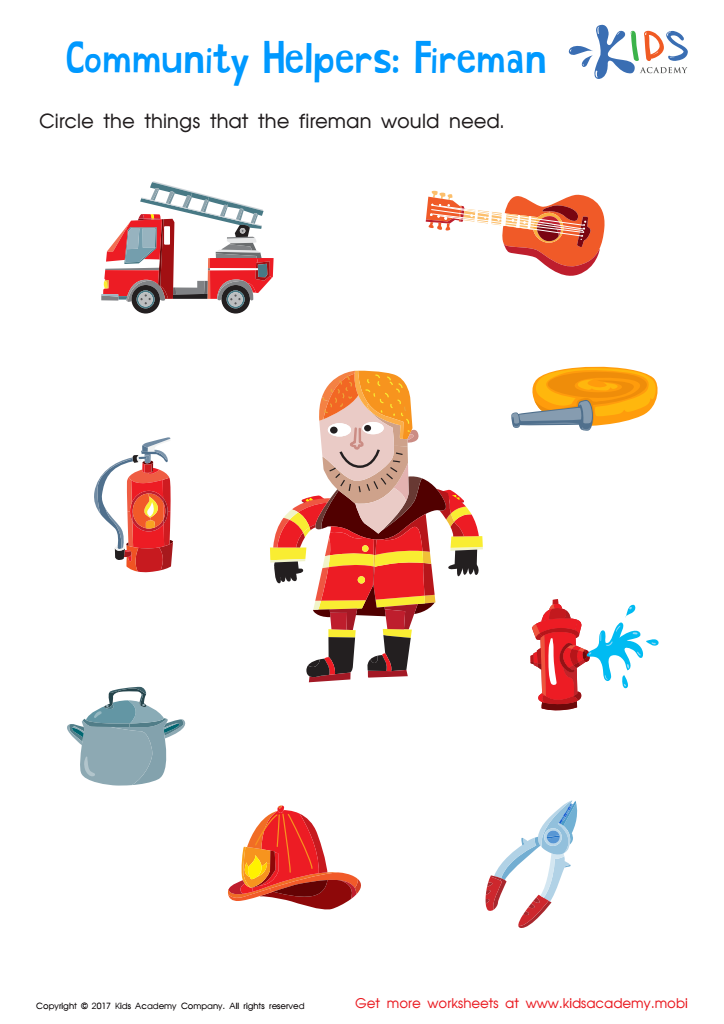
Fireman Worksheet
 Assign to My Students

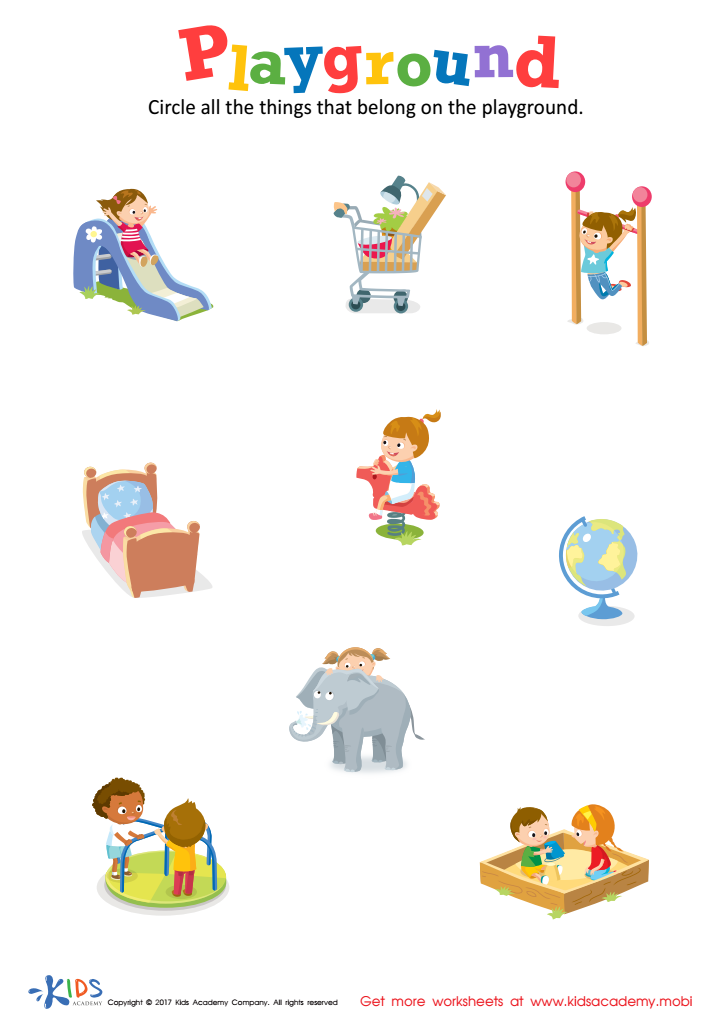
Playground Worksheet








Fine motor skills are essential for young children's overall development, particularly for those aged 4-8. These skills involve the coordination of small muscles in hands and fingers, crucial for tasks like writing, drawing, and manipulating objects. Parents and teachers should care about fostering these skills because they play a vital role in a child's academic success and daily functioning.
Firstly, proficient fine motor skills enhance a child’s ability to perform academic tasks. For instance, writing neatly requires control and dexterity, contributing to better communication and self-expression. Additionally, engaging in activities that promote fine motor skills, such as cutting, coloring, or playing with small toys, helps improve hand-eye coordination, spatial awareness, and concentration.
Moreover, fine motor development contributes to a child’s confidence and independence. As they master these skills, they gain a sense of accomplishment, boosting their self-esteem and encouraging them to take on new challenges. This foundation is essential for later skills needed in adulthood, such as typing, cooking, or crafting.
By actively supporting fine motor development, parents and teachers are investing in a child's holistic growth, setting the stage for successful learning experiences and everyday interactions for years to come.








