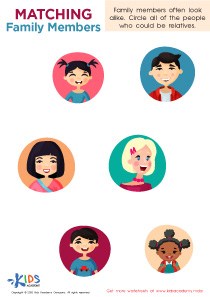
Color recognition History Worksheets for Ages 4-8
3 filtered results
-
From - To
Enhance your child's learning with our "Color Recognition History Worksheets for Ages 4-8"! Our engaging worksheets fuse color recognition with intriguing historical themes, making learning fun and educational. Designed specifically for young learners, these worksheets incorporate vibrant illustrations and interactive exercises that teach essential history concepts while developing color recognition and fine motor skills. Ideal for both classroom and at-home activities, our worksheets provide a captivating way for children to explore history. Help your child discover the magic of learning through color with our expertly designed educational resources. Perfect for ages 4-8!

Happy Diwali Printable
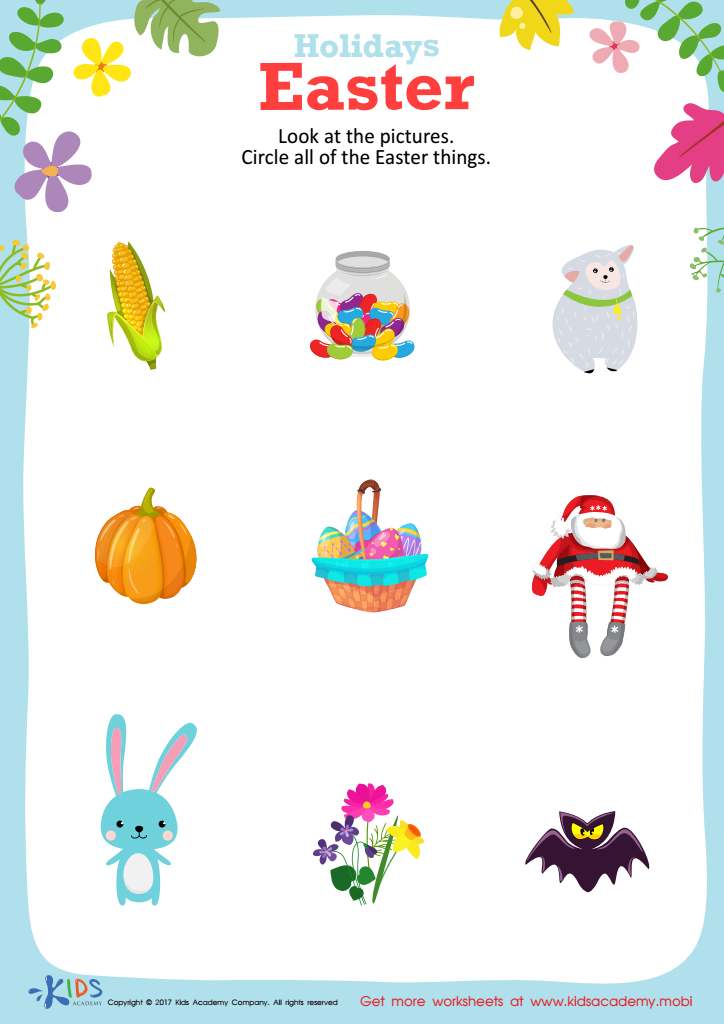
Easter Holiday Printable
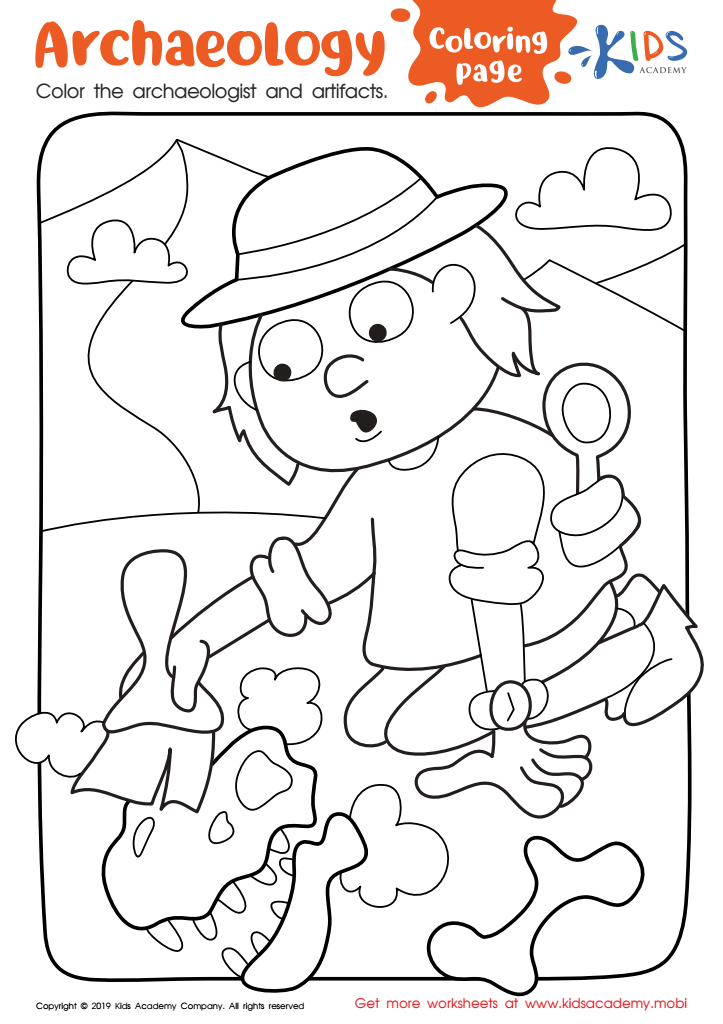
Archaelogy Coloring Page Worksheet
 Assign to My Students








Understanding color recognition is essential for young children ages 4-8 for several reasons tied to their overall development, and is a valuable concept for both parents and teachers to foster.
Firstly, color recognition aids in cognitive development. Differentiating between colors and understanding their names improves memory, associative thinking, and the ability to categorize objects, which are foundational skills for more advanced learning. It also enhances their observational skills and attention to detail.
Secondly, learning colors plays a vital role in language development. Describing objects by color enriches a child’s vocabulary and aids in sentence formation. For example, saying "the blue sky" versus just "the sky" provides more detailed information and helps in developing more sophisticated language skills.
Moreover, color awareness is linked to significant developmental milestones, including emotional understanding. Many children associate colors with feelings and events, helping them to express and manage their emotions better. For instance, red can be associated with anger or excitement, while blue might be associated with calmness.
Additionally, color recognition supports other areas of learning such as math (sorting and patterning by colors), reading (recognizing different text and illustrations), and art, fostering creativity and a sense of aesthetics.
Finally, grasping colors enhances social interactions. Ingroup learning activities, children often use color to discuss, share, and collaborate. Therefore, nurturing color recognition creates a robust foundation for multiple areas of a child's development, making it a priority for parents and teachers alike.