Cultural awareness Social Studies Worksheets for Ages 4-8
16 filtered results
-
From - To
Explore our engaging Cultural Awareness Social Studies Worksheets, designed specifically for children ages 4 to 8. These fun and interactive worksheets introduce young learners to diverse cultures, traditions, and values, fostering appreciation and respect for differences. Activities include vibrant illustrations, simple reading comprehension tasks, and thought-provoking questions that encourage children to think critically about cultural diversity. Plus, our worksheets support essential social skills and help enhance empathy and understanding in young minds. Perfect for classrooms or at-home learning, these resources make it easy for educators and parents to instill a sense of global citizenship in their little ones!
Happy Diwali Printable
 Assign to My Students
Ancient Artifacts Worksheet
US National Flag Day Worksheet
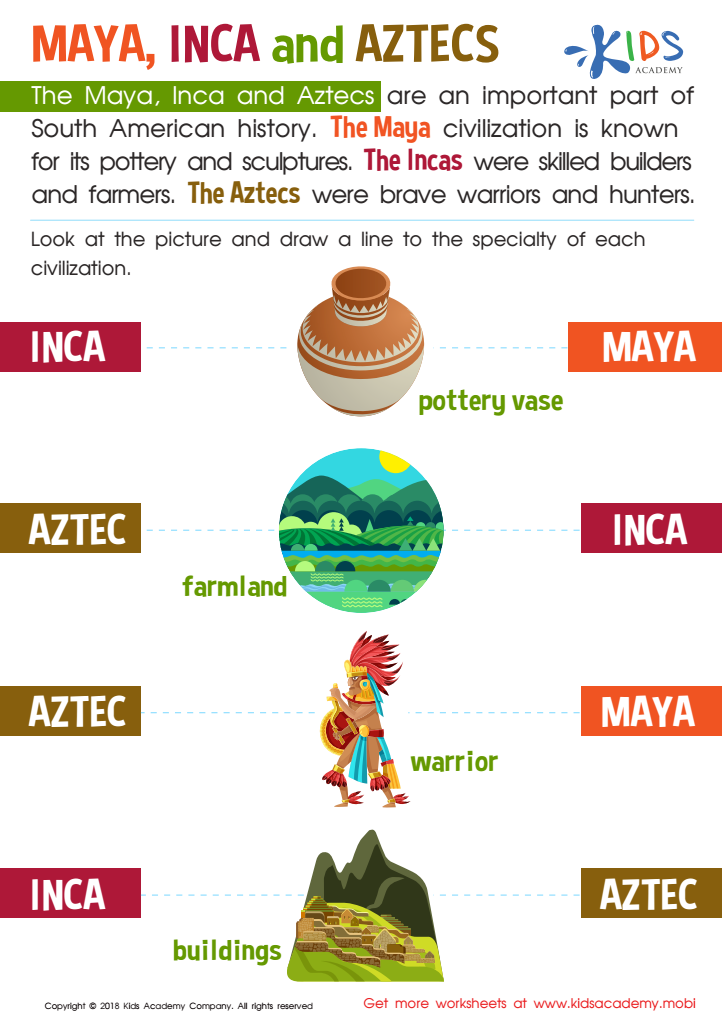
Maya, Inca and Aztecs Worksheet
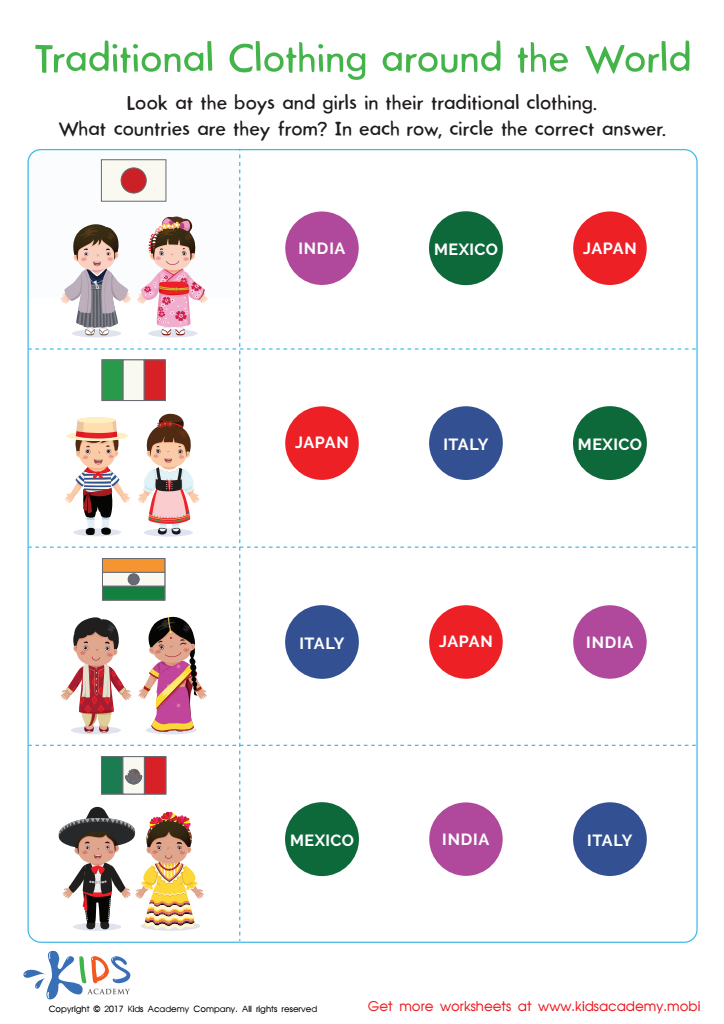
Traditional Clothing Worksheet
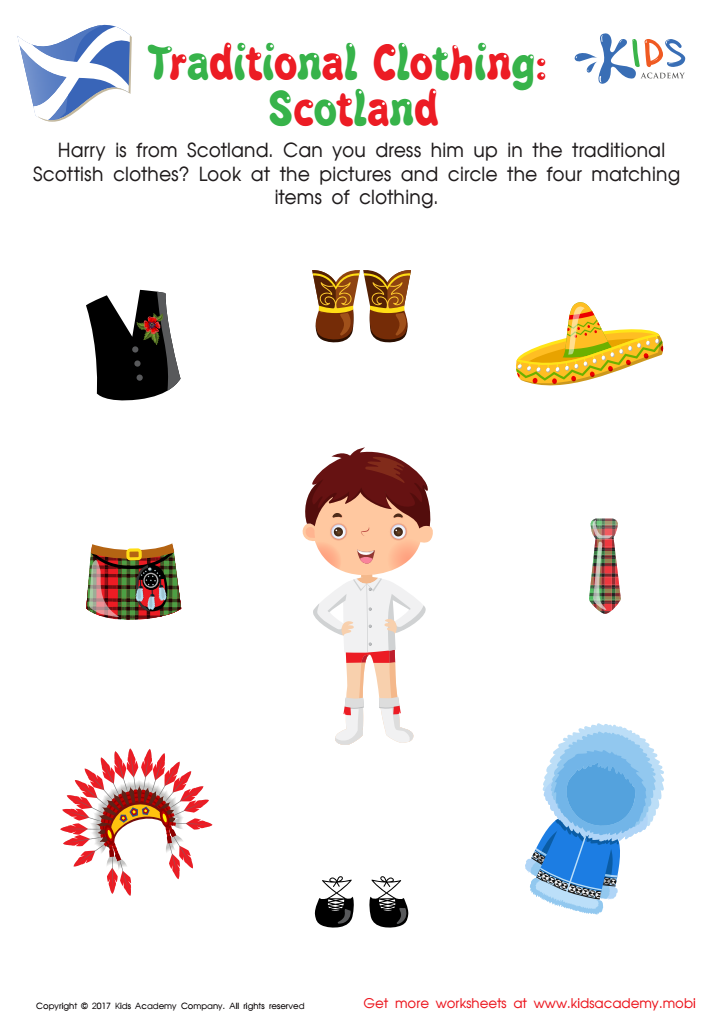
Traditional Clothing in Scotland Worksheet
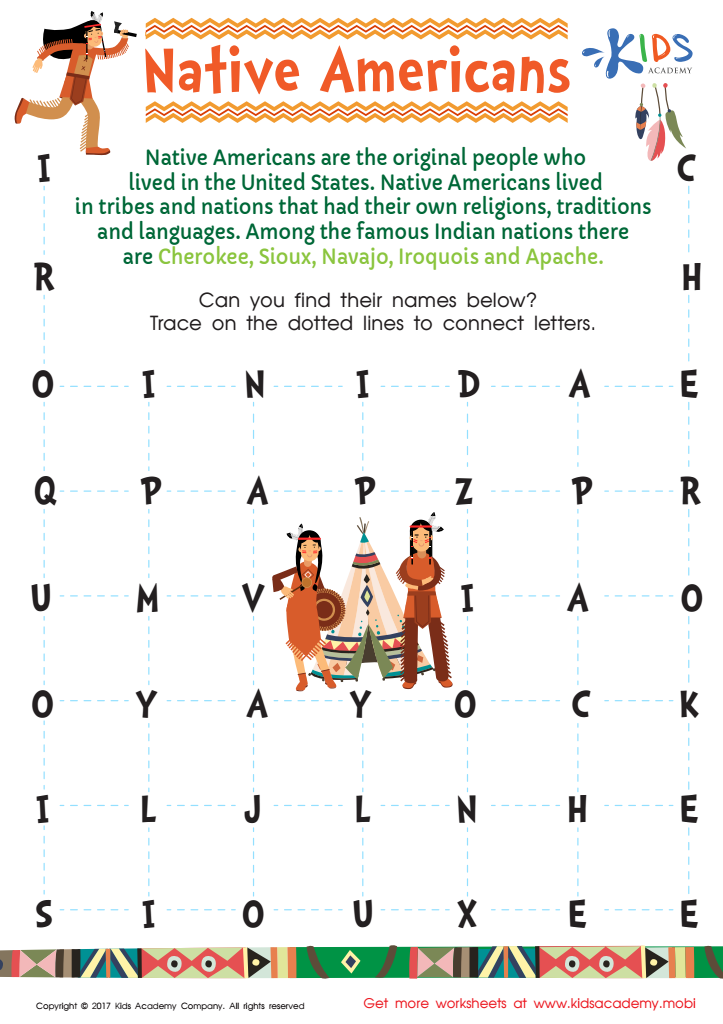
Native American Word Search Printable
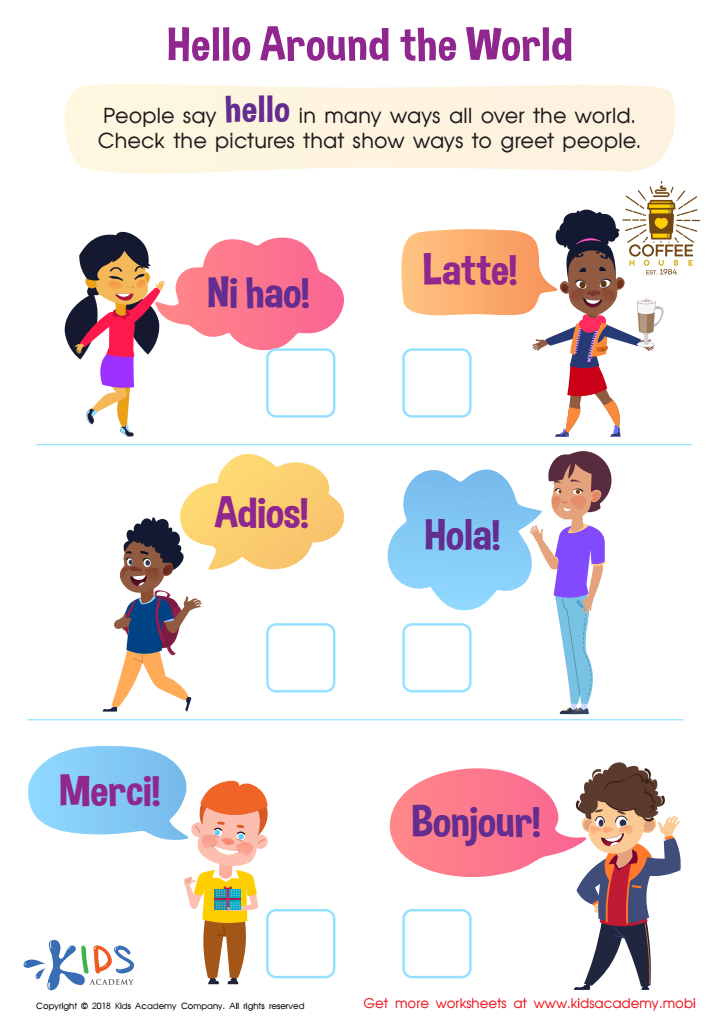
Hello Around the World Worksheet
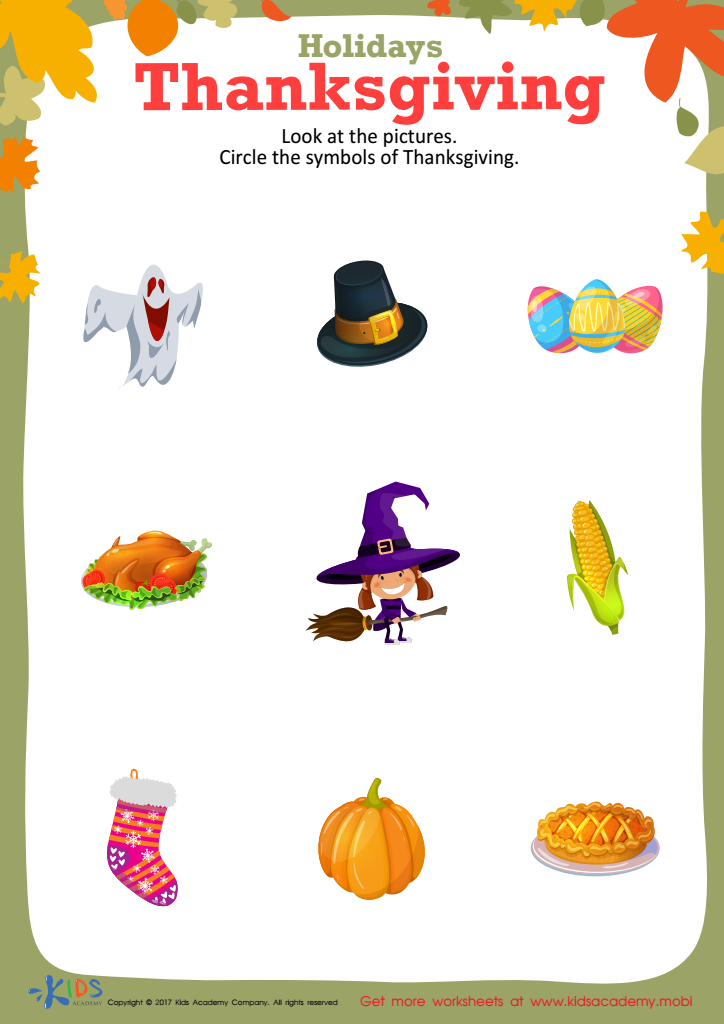
Thanksgiving Holiday Printable
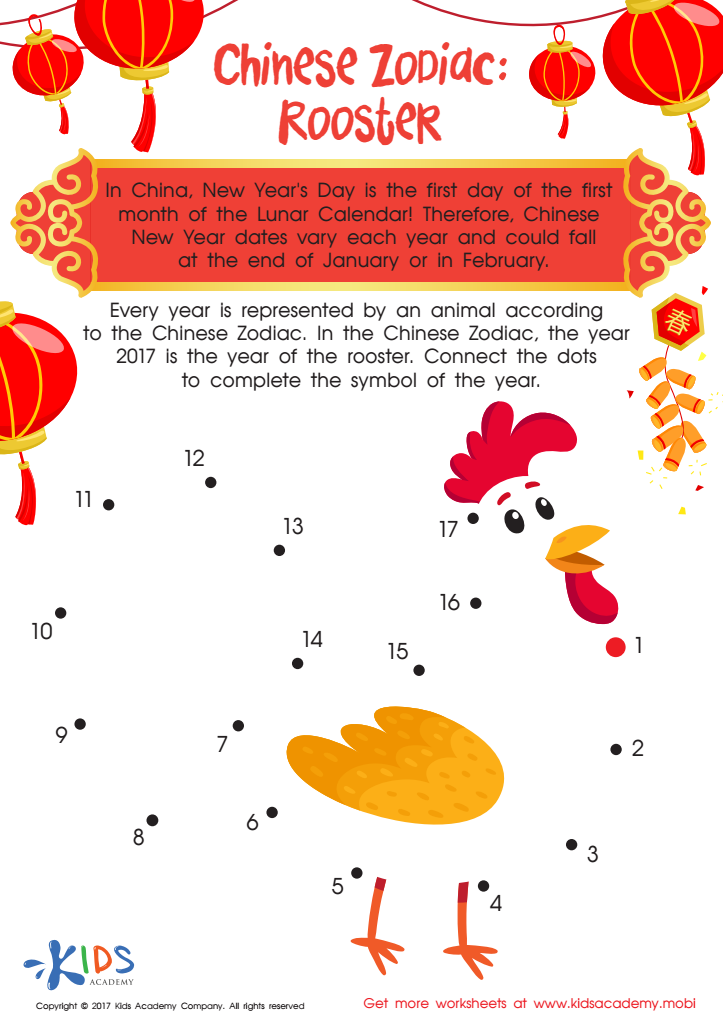
Chinese Zodiac Printable
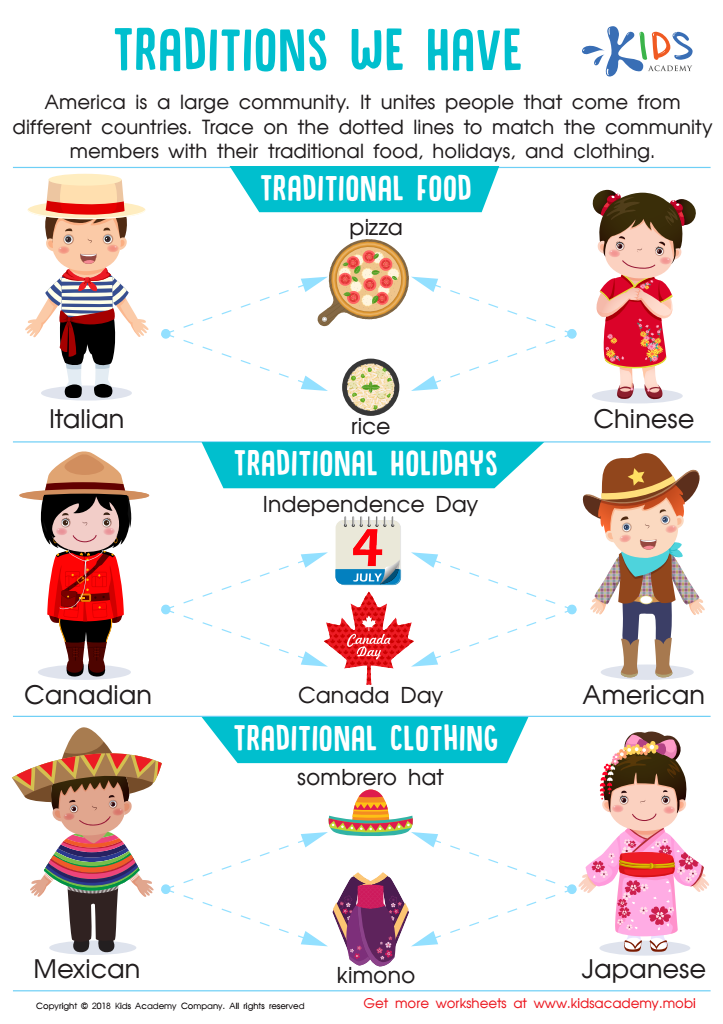
Traditions We Have Worksheet
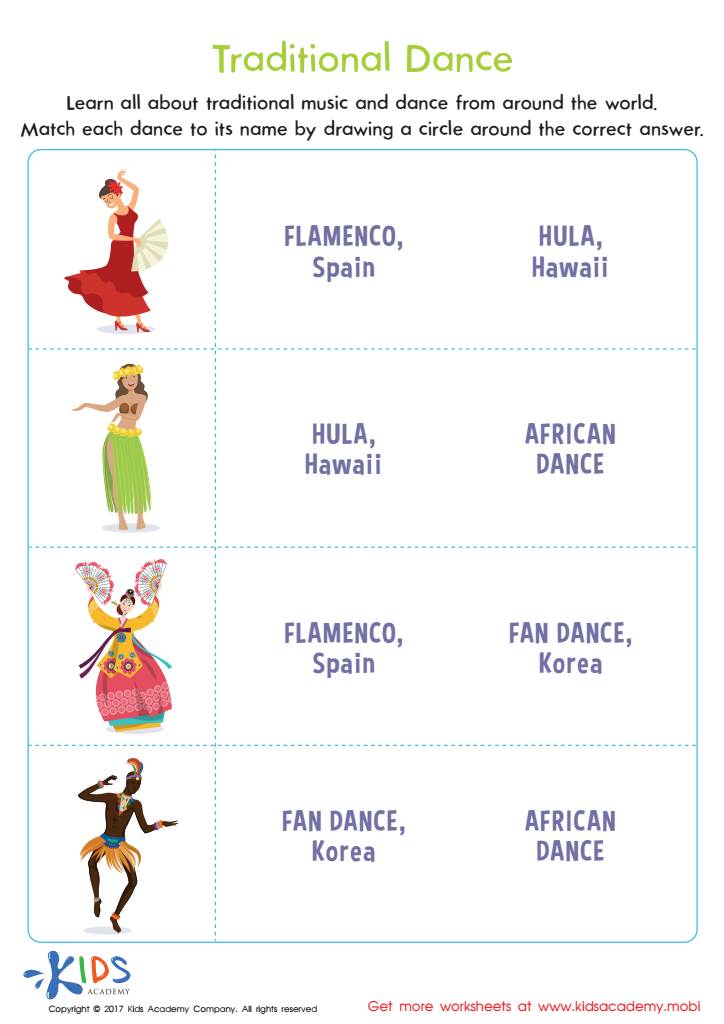
Traditional Dance Printable
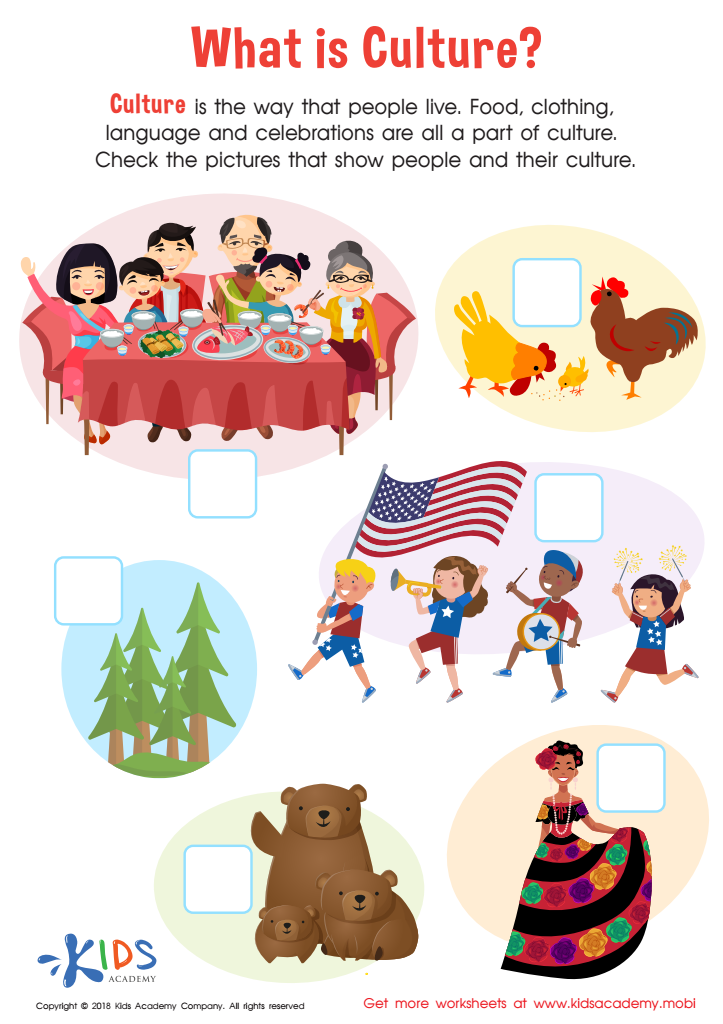
What Is Culture? Worksheet
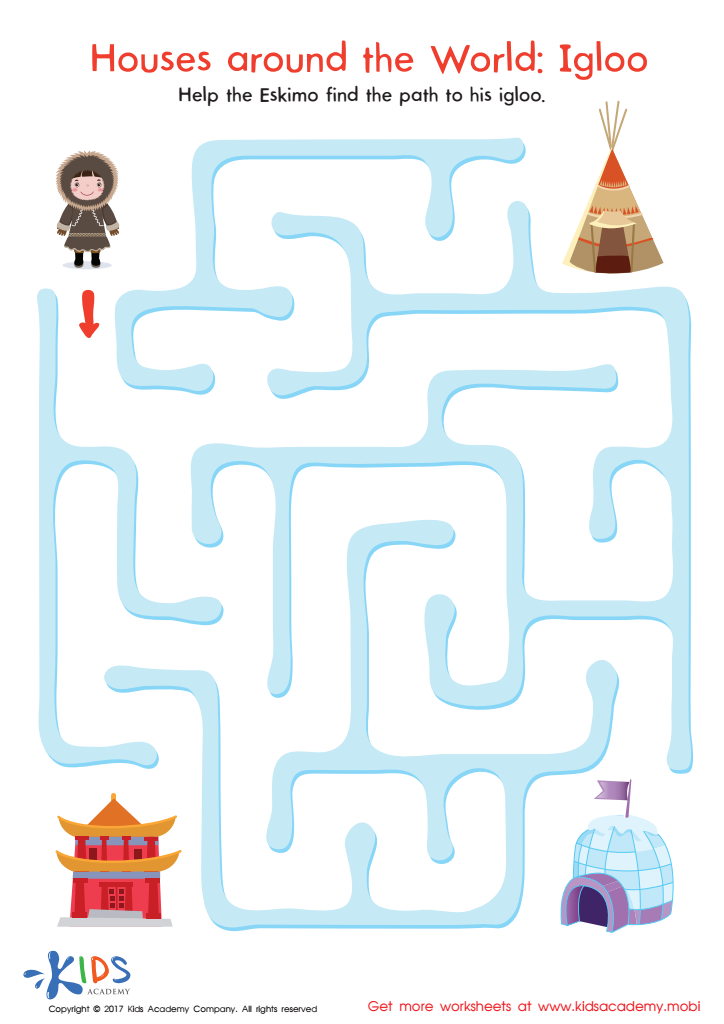
Houses Around the World: Igloo Printable
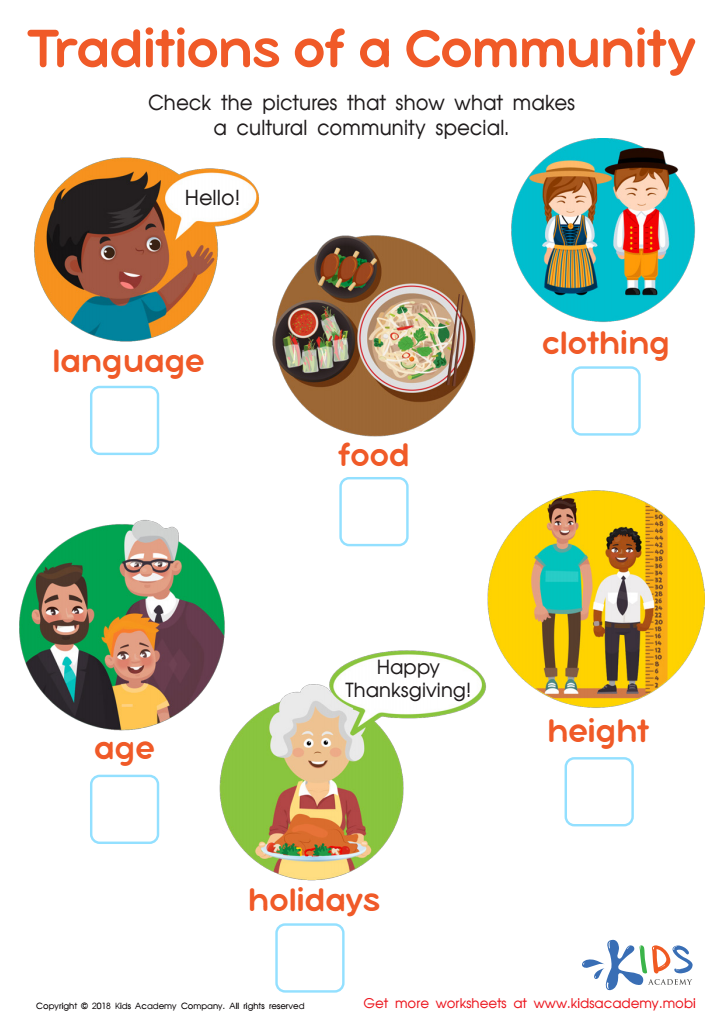
Traditions of a Community Worksheet
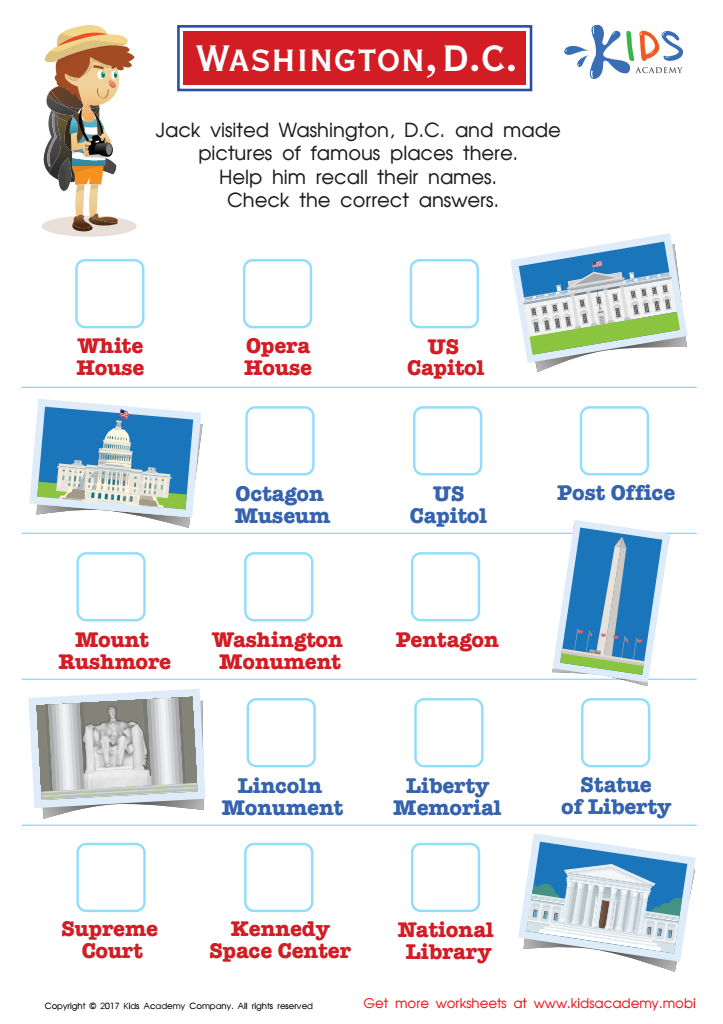
Washington D.C. Printable Worksheet







Cultural awareness in social studies for children ages 4-8 is essential for fostering an inclusive and empathetic mindset. At this early age, children are particularly receptive to learning about diversity, which helps shape their understanding of the world and their place within it. Teaching cultural awareness encourages curiosity about different ways of life, traditions, and languages, promoting respect and acceptance among peers.
Parents and teachers play a crucial role in this formative stage. By introducing culturally diverse materials and activities, educators can engage children in meaningful conversations about differences and similarities in cultures. This lays the groundwork for social skills such as cooperation, empathy, and conflict resolution. Furthermore, cultural awareness enhances critical thinking, as children learn to appreciate various perspectives and ideologies.
Additionally, fostering a sense of cultural identity can bolster self-esteem and belonging in children from diverse backgrounds, ensuring that they feel valued and recognized. Ultimately, nurturing cultural awareness in social studies enriches children’s experiences and prepares them to navigate and contribute to a multicultural society, building a foundation for a more harmonious future. Therefore, it is vital for parents and teachers to prioritize and integrate cultural awareness into their educational practices.