Geographic knowledge Social Studies Worksheets for Ages 4-8
3 filtered results
-
From - To
Discover our engaging Geographic Knowledge Social Studies Worksheets designed specifically for children ages 4-8! These worksheets are perfect for introducing young learners to essential geographical concepts, including maps, continents, landforms, and cultures. Each activity is crafted to spark curiosity and enhance critical thinking skills, making geography fun and accessible. Our resources are colorful, interactive, and align with early educational standards, ensuring a strong foundation in social studies. Whether for classroom use or at-home learning, our worksheets are perfect for supporting your child's educational journey and nurturing a love for exploration and discovery. Start their adventure in understanding our world today!
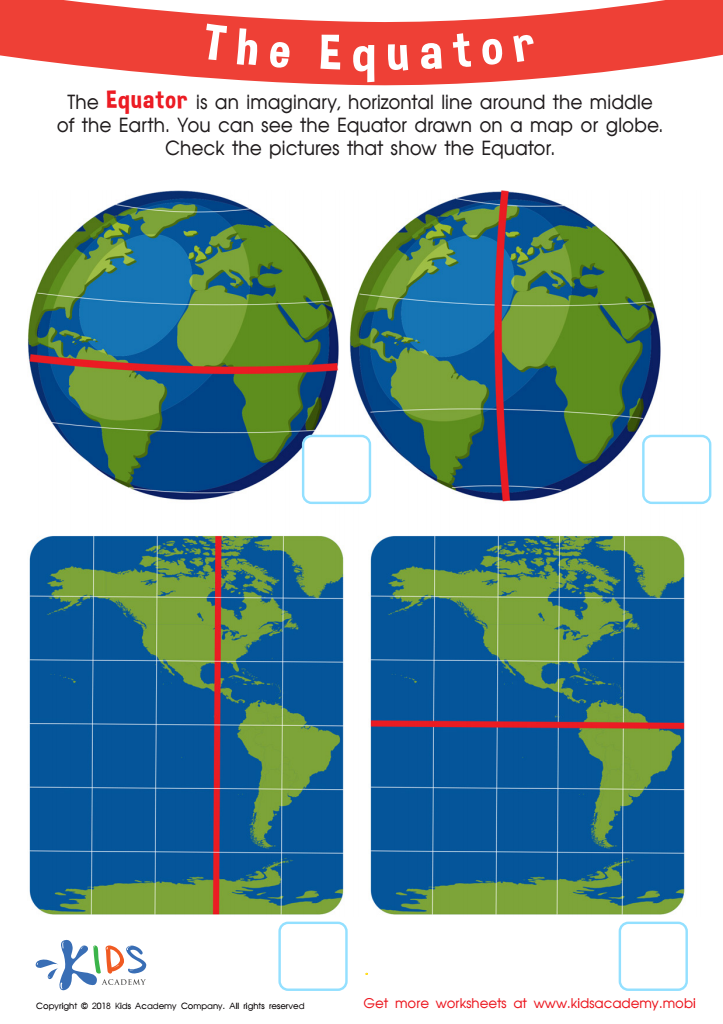
The Equator Worksheet
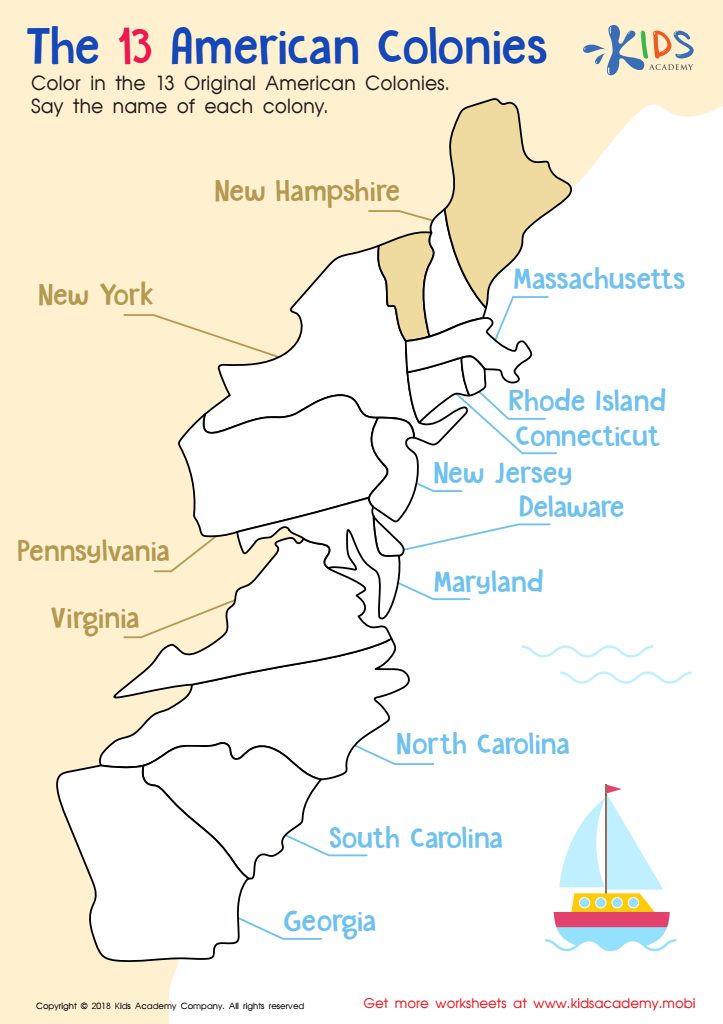
The 13 American Colonies Worksheet
 Assign to My Students
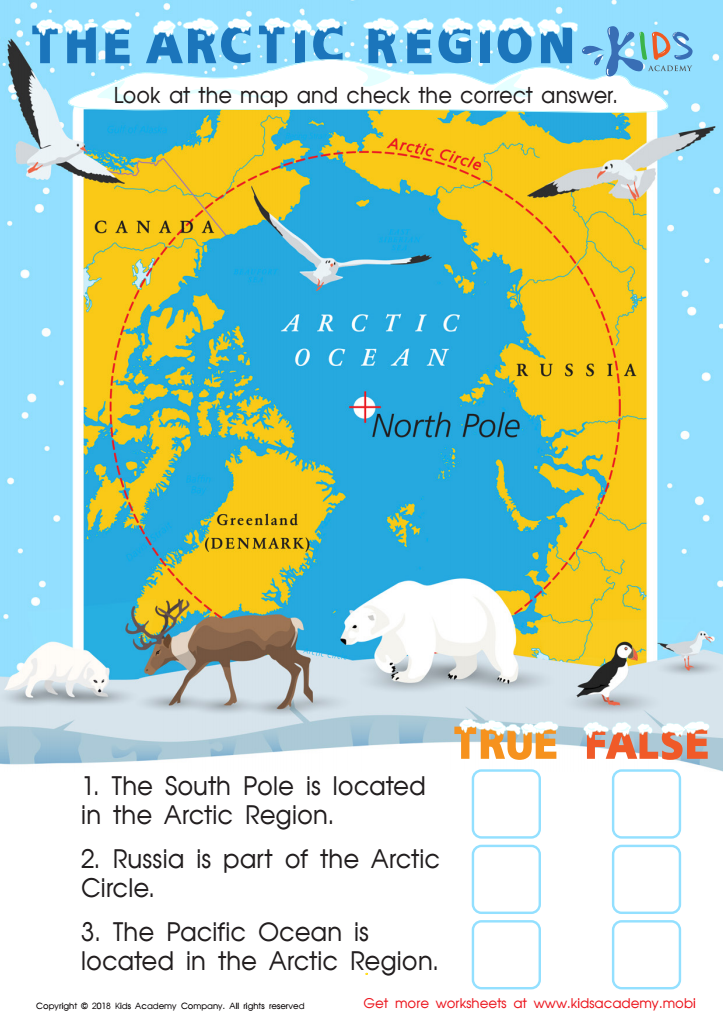
The Arctic Region Worksheet







Geographic knowledge in social studies is vital for children aged 4-8 as it lays a foundational understanding of the world around them. At this age, children are naturally curious about their environment, and fostering an awareness of geography can channel this curiosity into meaningful learning. Understanding concepts like maps, natural landmarks, and different cultures helps children develop critical thinking skills, recognizing patterns and connections between various places and peoples.
Moreover, geographic knowledge promotes inclusivity and empathy. When kids learn about diverse cultures and lifestyles, they develop respect for differences and a sense of global citizenship. This awareness can shape their perspectives, encouraging compassion and a more profound understanding of their role in a diverse world.
Additionally, geography enhances spatial thinking, which is essential for problem-solving in mathematics and science. It supports literacy skills through map-reading activities, boosting language development.
In short, incorporating geographic knowledge into social studies equips young learners with essential life skills, cultivates curiosity about the world, and nurtures respectful and informed citizens of the future, making it a critical component of early education. Parents and teachers should prioritize this subject area to promote holistic development in young children.








