Identification skills Social Studies Worksheets for Ages 4-8
4 filtered results
Difficulty Level
Grade
Age
-
From - To
Subject
Activity
Standards
Explore our engaging Identification Skills Social Studies Worksheets designed for children aged 4-8! Our thoughtfully crafted worksheets help young learners enhance their recognition abilities through fun, interactive activities. Each worksheet focuses on essential social concepts, such as community helpers, shapes, colors, and cultural symbols, making learning both relevant and enjoyable. These resources support early childhood development by promoting critical thinking and visual skills while fostering curiosity about the world around them. Perfect for classrooms or home learning, our identification skills worksheets encourage kids to explore and connect with their environment, laying a solid foundation for future learning in social studies.
Favorites
With answer key
Interactive
What Do You See in the Community Worksheet
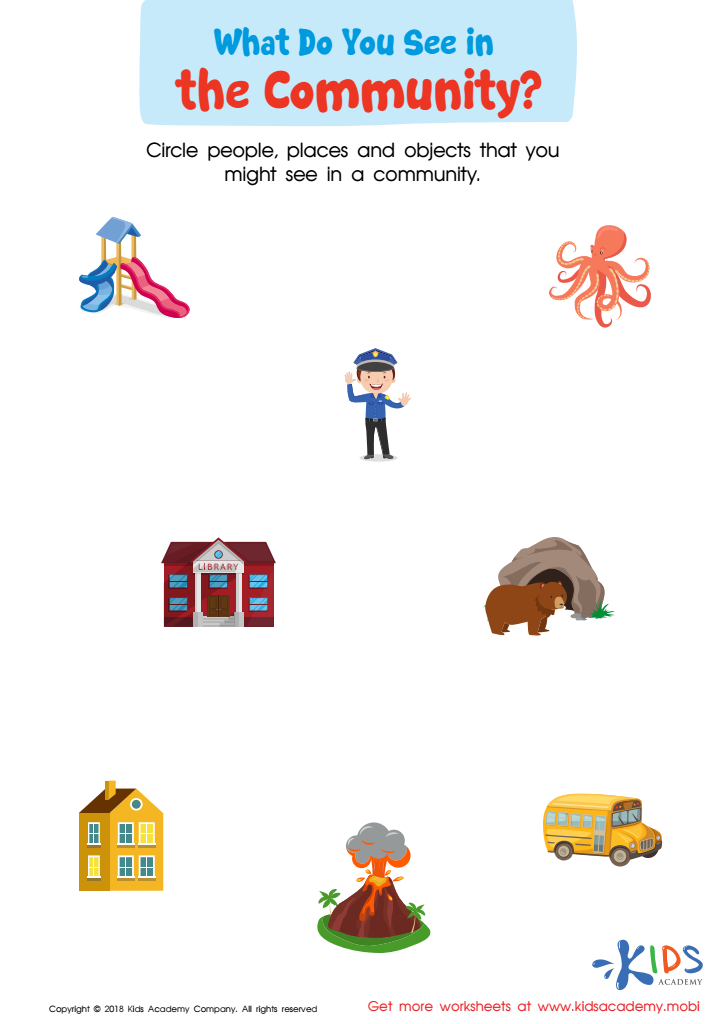
This free social studies PDF can help your children learn about their local community. They'll identify its members, places and objects using engaging and recognizable pictures. As they trace circles around them, they'll also practice fine motor skills. It's a great way to introduce social science concepts and help them understand the importance of community.
 Assign to My Students
What Do You See in the Community Worksheet
Worksheet
Traditional Clothing in Scotland Worksheet
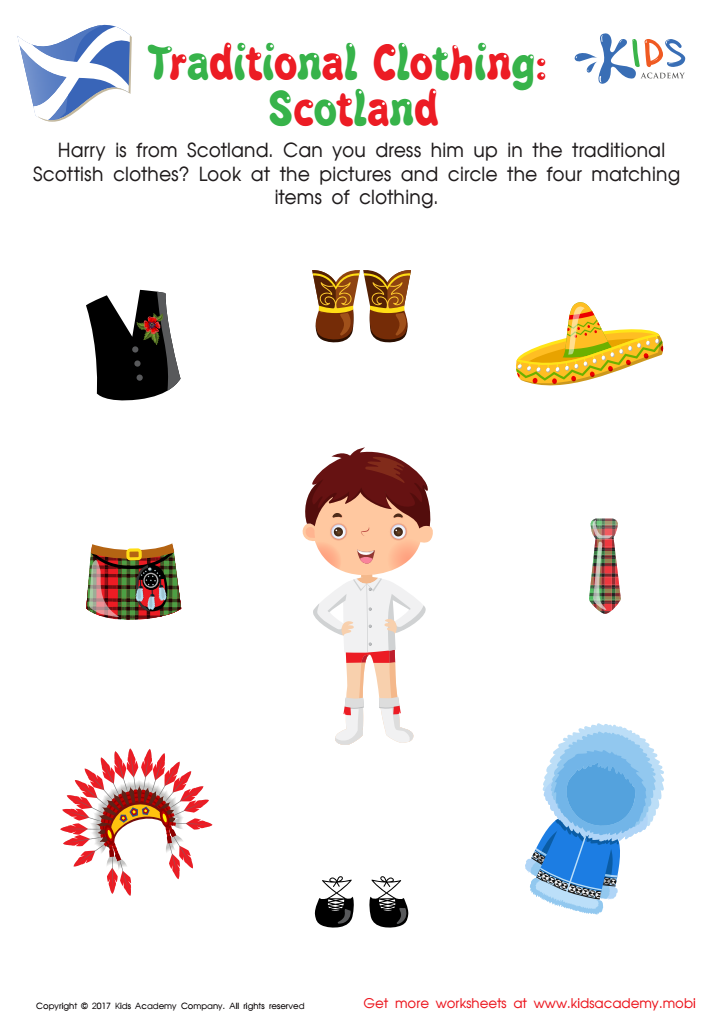
Explore Scotland's traditional clothing without leaving home! This engaging worksheet will help your kid gain a new appreciation for different cultures. They'll have a blast learning about Scotland's clothing!
Traditional Clothing in Scotland Worksheet
Worksheet
Fossil Matching Worksheet
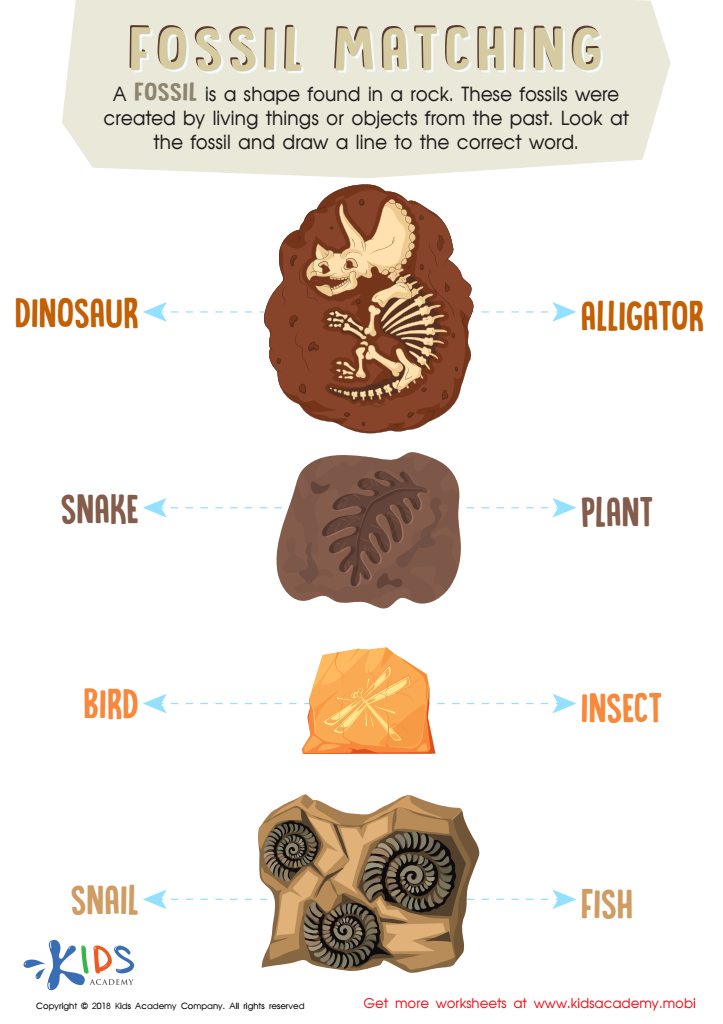
Kids love learning about fossils! Let them go on a dig of their own with this free worksheet. They'll match pictures of fossils with the correct word choice and get tangible representation. Plus, they'll have imagery to refer to when thinking about fossils!
Fossil Matching Worksheet
Worksheet
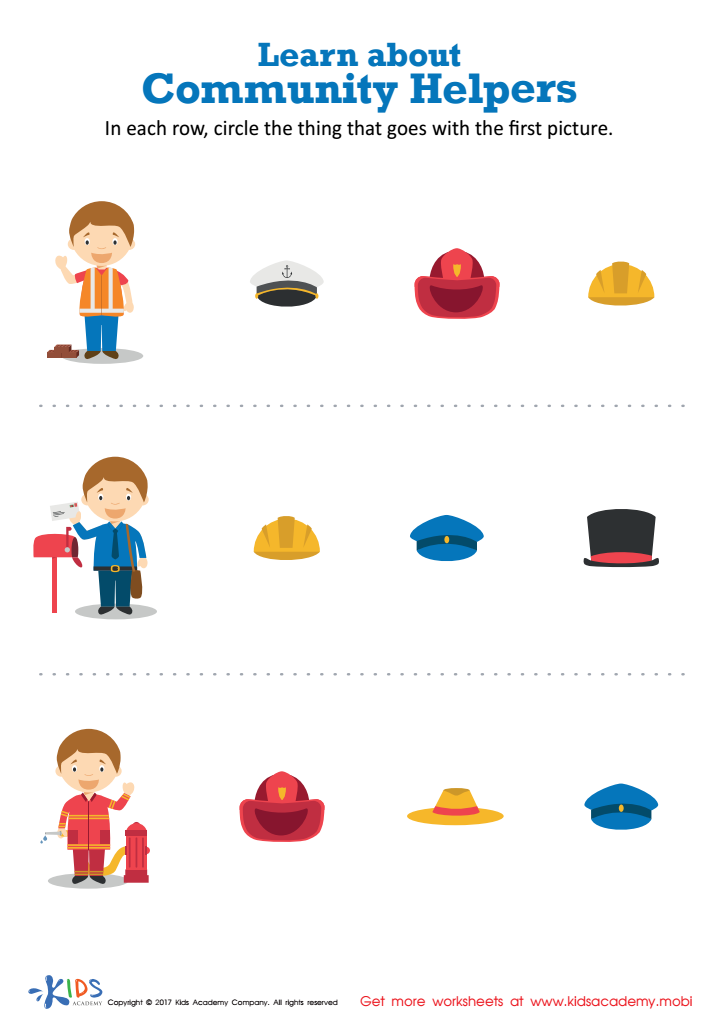
Learn about Community Helpers Printable
Introduce your little one to the amazing and hard-working people in the community with this free worksheet. It will help them use matching and observational skills to match the correct hat to its worker and recognize community helpers. Perfect for early learners, this worksheet uses familiar images to help them gain a deeper appreciation for their community helpers!
Learn about Community Helpers Printable
Worksheet
Join Kids Academy for Free
Who is primarily going to use this learning content?








Identification skills in Social Studies are crucial for children aged 4-8 as they help lay the foundation for critical thinking, awareness, and empathy. During these formative years, children begin to explore their identities and the world around them. Understanding social structures, cultural differences, and basic geography helps them make sense of their environment.
By developing identification skills, children learn to recognize significant symbols, landmarks, and societal roles, allowing them to situate themselves within their communities. This knowledge fosters a sense of belonging and respect for diversity. Additionally, engaging with content such as maps, community helpers, and family structures encourages curiosity and exploration, which are essential for effective learning.
Parents and teachers play a vital role in facilitating this learning. They create opportunities for discussion and exploration, helping children to ask questions and form connections. Understanding these concepts enhances children's ability to relate to others, identify problems, and think critically about social issues.
Cultivating identification skills in early education not only supports academic growth but also nurtures responsible citizens who are aware of their surroundings and prepared to engage in their communities thoughtfully and respectfully as they grow.