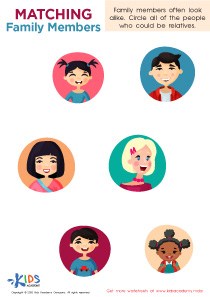
Number Recognition Social Studies Worksheets for Ages 4-8
4 filtered results
-
From - To
Discover engaging Number Recognition Social Studies Worksheets for children ages 4 to 8! Our carefully designed worksheets combine essential number recognition skills with exciting social studies themes, helping young learners develop both numeracy and critical thinking. Each worksheet features fun activities that relate numbers to everyday life, community, and culture, making learning interactive and enjoyable. Perfect for classrooms or home learning, these resources encourage skill mastery while promoting social awareness. With vibrant illustrations and captivating content, your child will enjoy exploring numbers in a meaningful context. Start nurturing foundational math skills today with our comprehensive collection of worksheets!
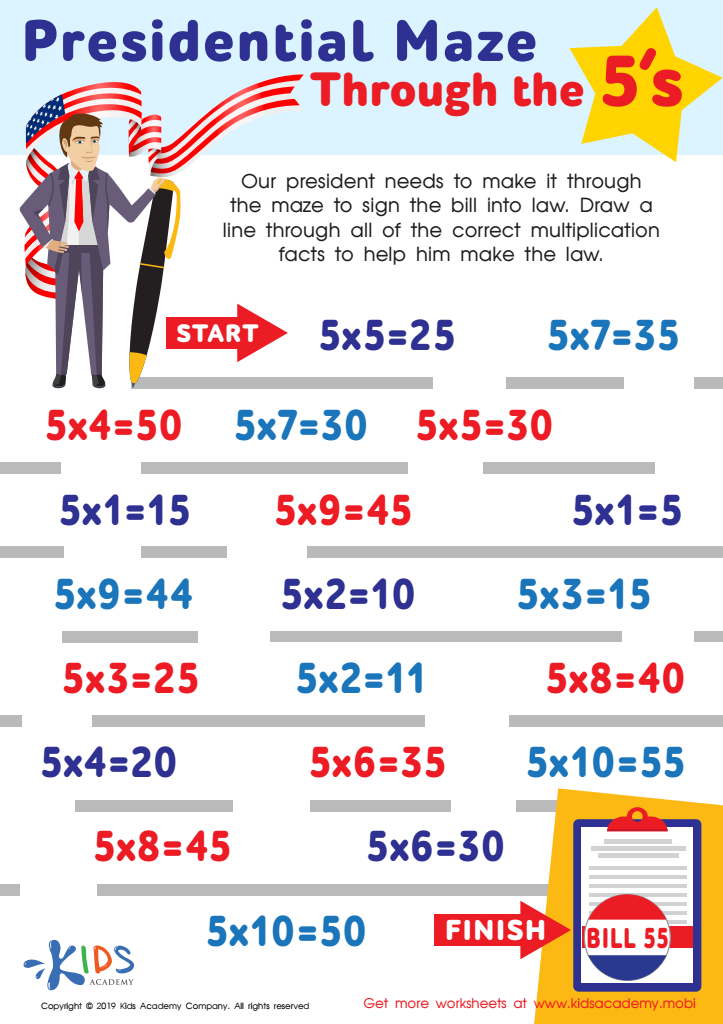
Presidential Maze Through the 5’s Worksheet
 Assign to My Students
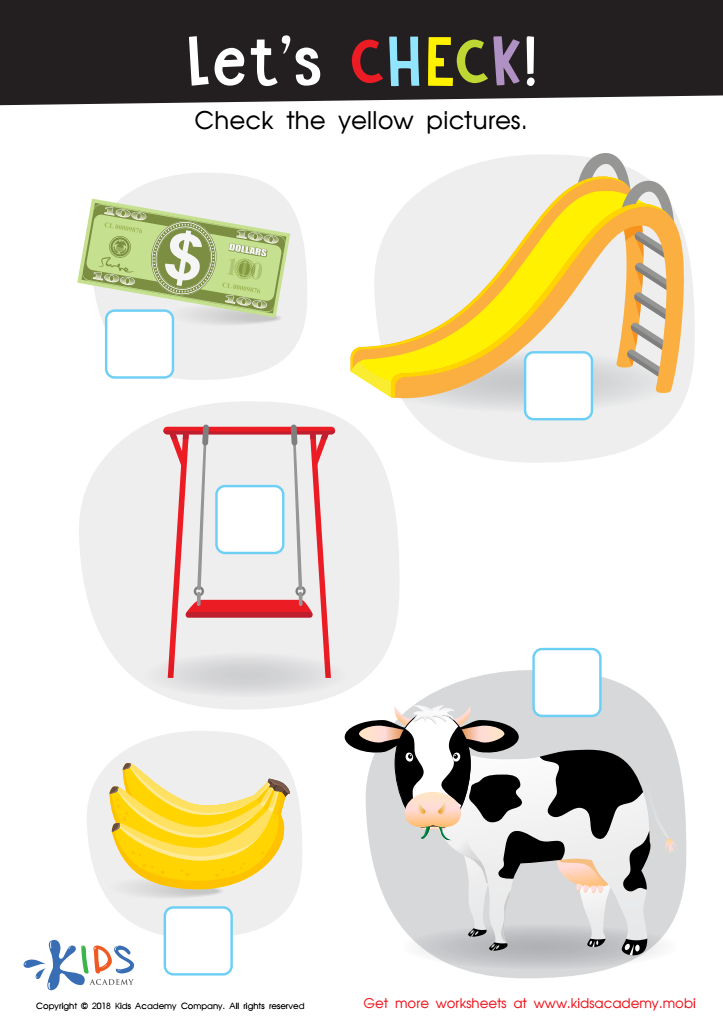
Let's Check! Worksheet

Earth's Systems: Assessment 2
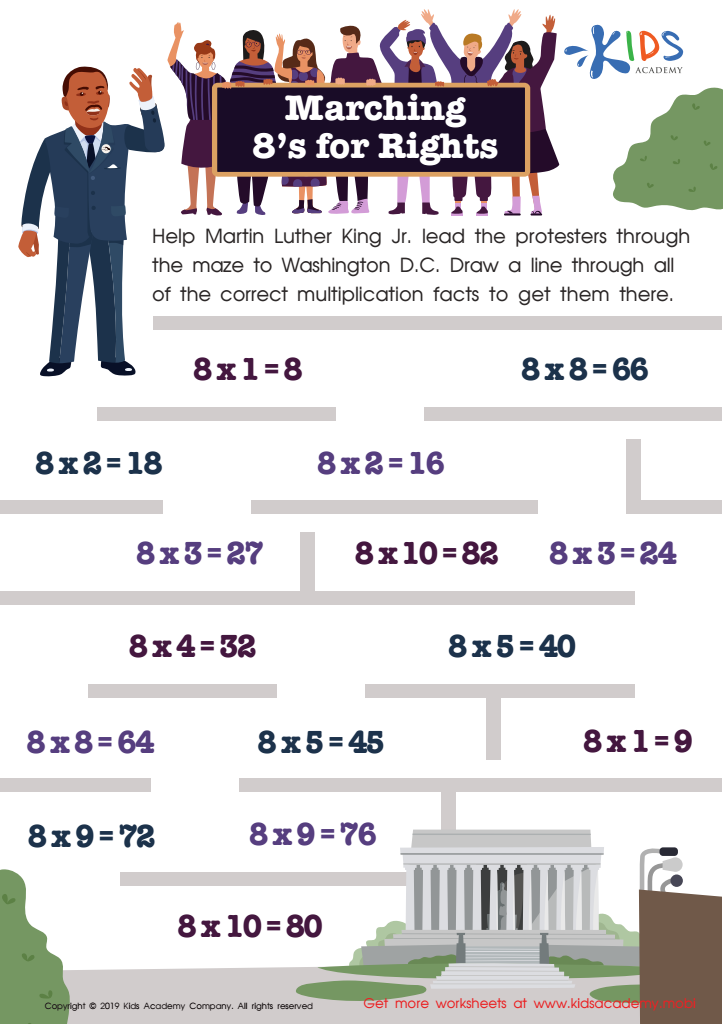
Marching 8’s for Rights Worksheet







Number recognition is a fundamental skill for children aged 4-8, playing a crucial role in social studies development. Understanding numbers helps children make sense of the world around them, as numerical literacy is essential for interpreting data, statistics, and timelines that are often included in social studies lessons. When children can recognize numbers, they can participate more actively in discussions about population sizes, historical timelines, or financial literacy, fostering a deeper understanding of society.
Furthermore, number recognition aids in developing critical thinking skills. For instance, when children encounter maps with population figures or timelines with significant dates, recognizing numbers allows them to draw connections and make informed observations. It encourages inquiry-based learning, as children learn to ask questions based on numerical data.
Parents and teachers should care about fostering number recognition because it contributes to comprehensive education. Facilitating activities that combine numbers with social studies topics helps create meaningful learning experiences. When students see the relevance of numbers in everyday contexts, they are more likely to engage in discussions about their community, culture, and history. Ultimately, nurturing number recognition empowers children to become informed, active participants in their society, which is essential for their personal and academic growth.