Vocabulary expansion Social Studies Worksheets for Ages 4-8 - Page 2
29 filtered results
-
From - To
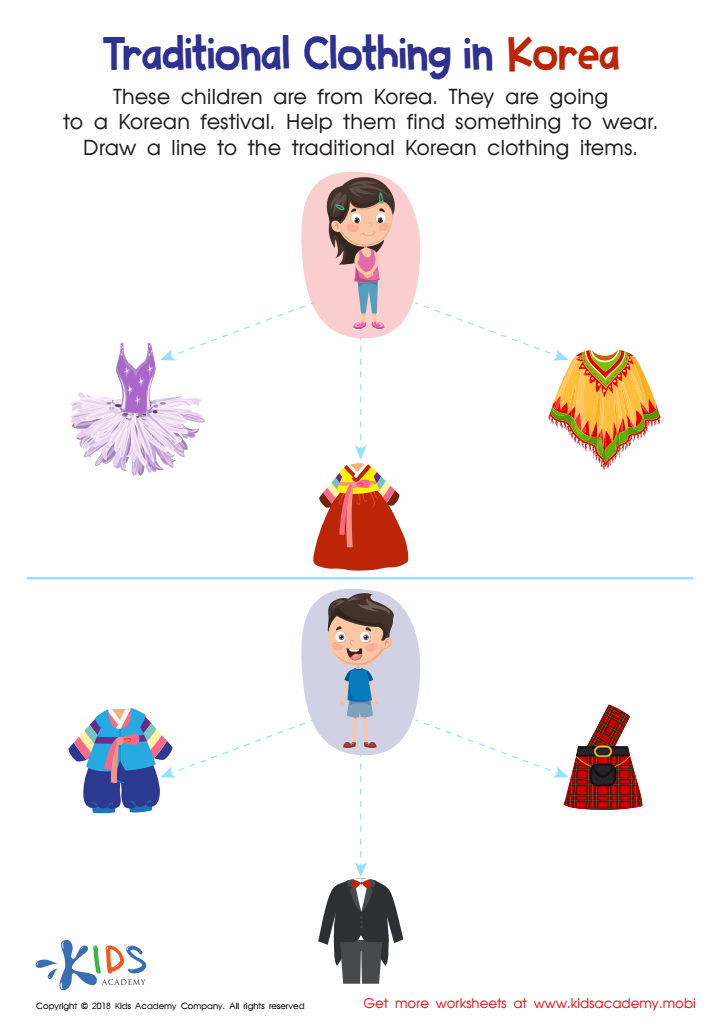
Traditional Clothing in Korea Worksheet

Great Wall of China Worksheet
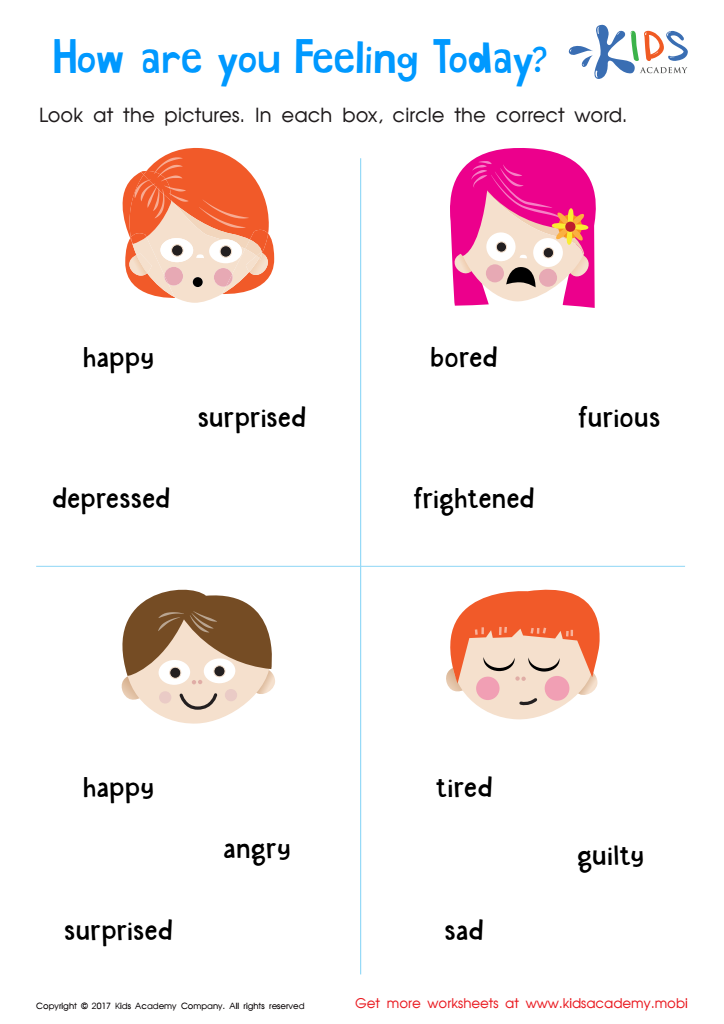
Understanding Feelings Worksheet

Family Coloring Page
 Assign to My Students








Vocabulary expansion in Social Studies for young children, ages 4-8, plays a critical role in cognitive and academic development. During this formative period, children are exceptionally receptive to learning new words and concepts, making it an ideal time to broaden their vocabulary, especially with terms that build their understanding of the world around them.
Firstly, a robust vocabulary is the cornerstone of effective communication. When children learn Social Studies terminology, they gain the ability to discuss history, geography, cultures, and community roles, enhancing their ability to articulate thoughts and engage in meaningful conversations.
Secondly, exposure to varied vocabulary supports reading comprehension. Many Social Studies texts include specialized terms; understanding these is crucial for grasping content, thereby making reading a more enjoyable and fruitful experience. As children decode new words in context, their overall language proficiency improves, laying a solid foundation for future academic success.
Additionally, learning Social Studies vocabulary nurtures critical thinking. It opens doors to discussions about diverse cultures, societies, and historical events, fostering curiosity and global awareness. This early exposure helps children appreciate diversity, understand societal structures, and recognize their role in a broader community.
In summary, prioritizing vocabulary expansion in Social Studies helps children develop academically, socially, and emotionally, equipping them with essential tools for lifelong learning and global citizenship.