Alphabet understanding Alphabet Worksheets for Ages 4-9
11 filtered results
-
From - To
Explore our engaging Alphabet Understanding Worksheets, specially designed for children ages 4-9. These printable resources enhance letter recognition, phonetic awareness, and comprehension of the alphabet's foundational role in literacy. Our fun-filled activities include coloring, tracing, and matching games that ignite curiosity and enjoyment in learning. Tailored to foster essential skills, these worksheets cater to different learning styles, ensuring every child can thrive. Help your little ones build confidence and proficiency in their reading journey with our carefully crafted resources. Get started today and watch their enthusiasm for letters and language soar! Access these valuable tools now and support early literacy development.
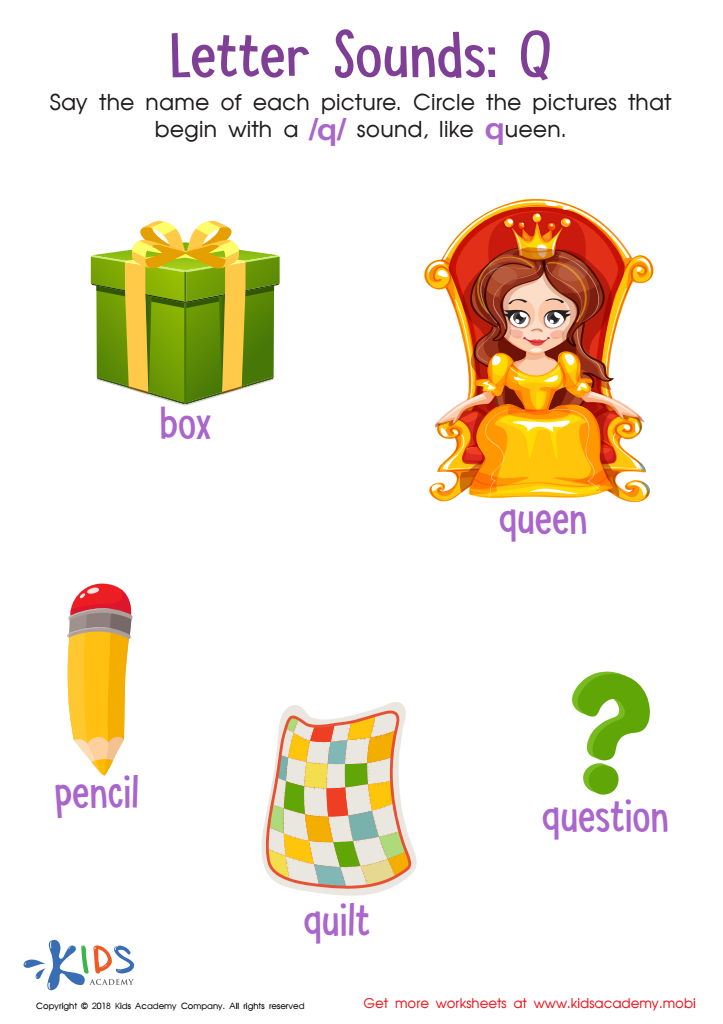
Letter Q Sounds Worksheet
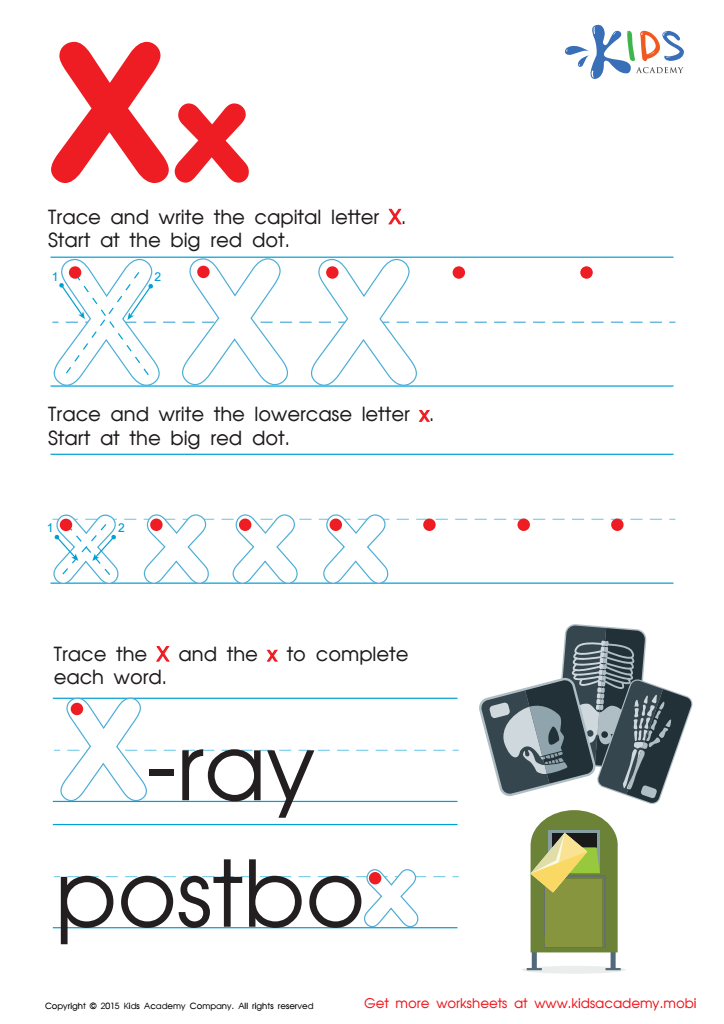
Letter X Tracing Page
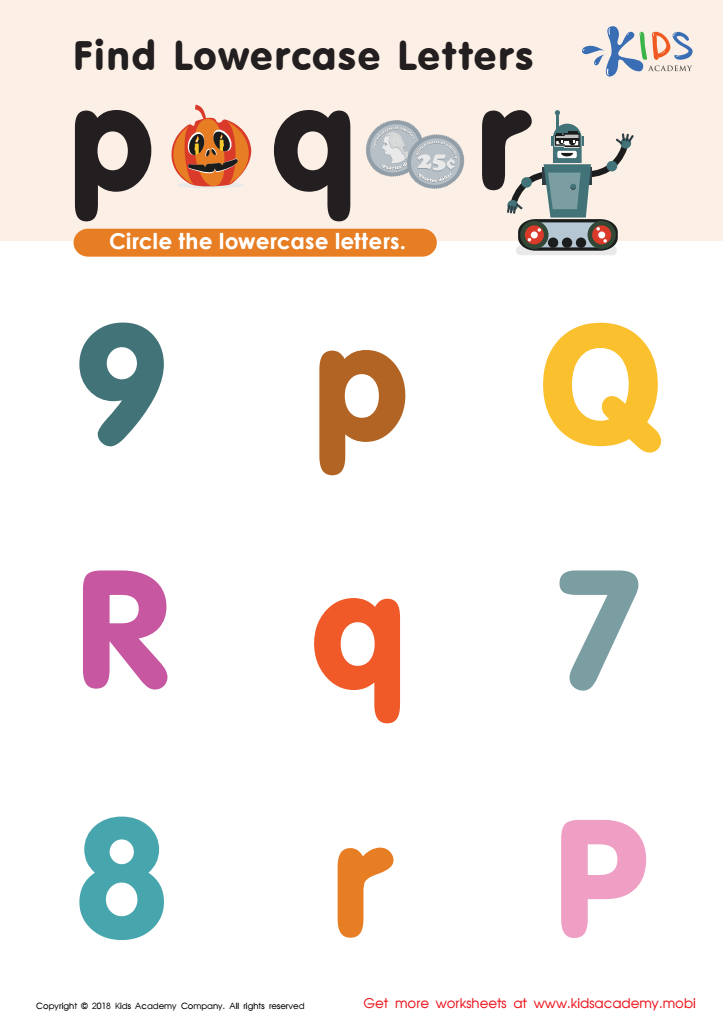
Find lowercase Letters p q r Worksheet
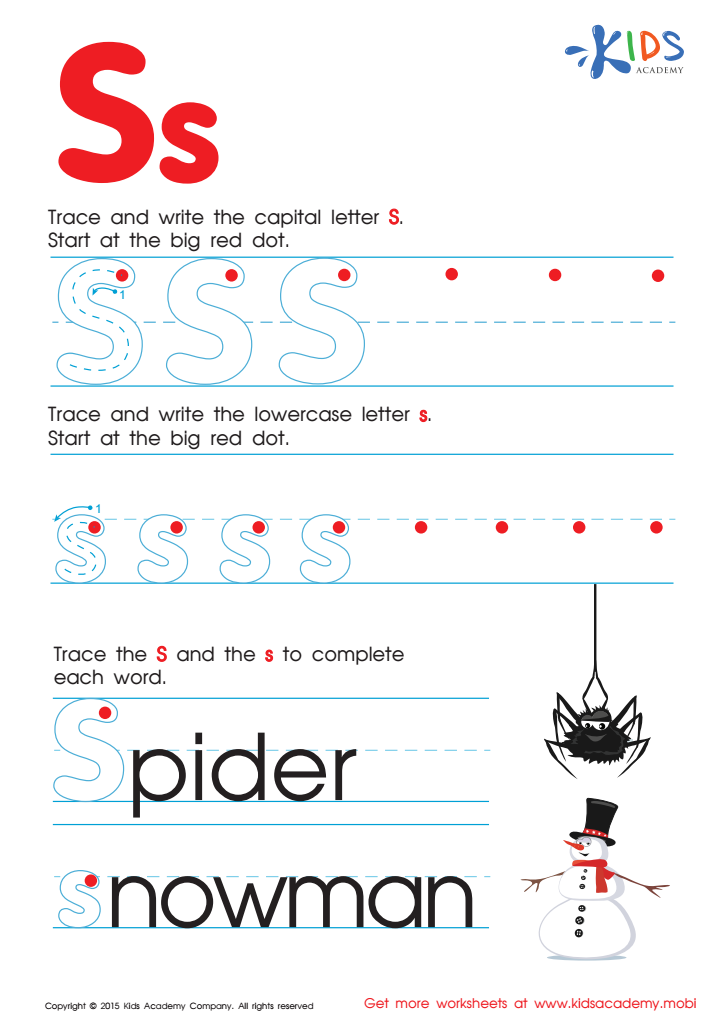
Letter S Tracing Page
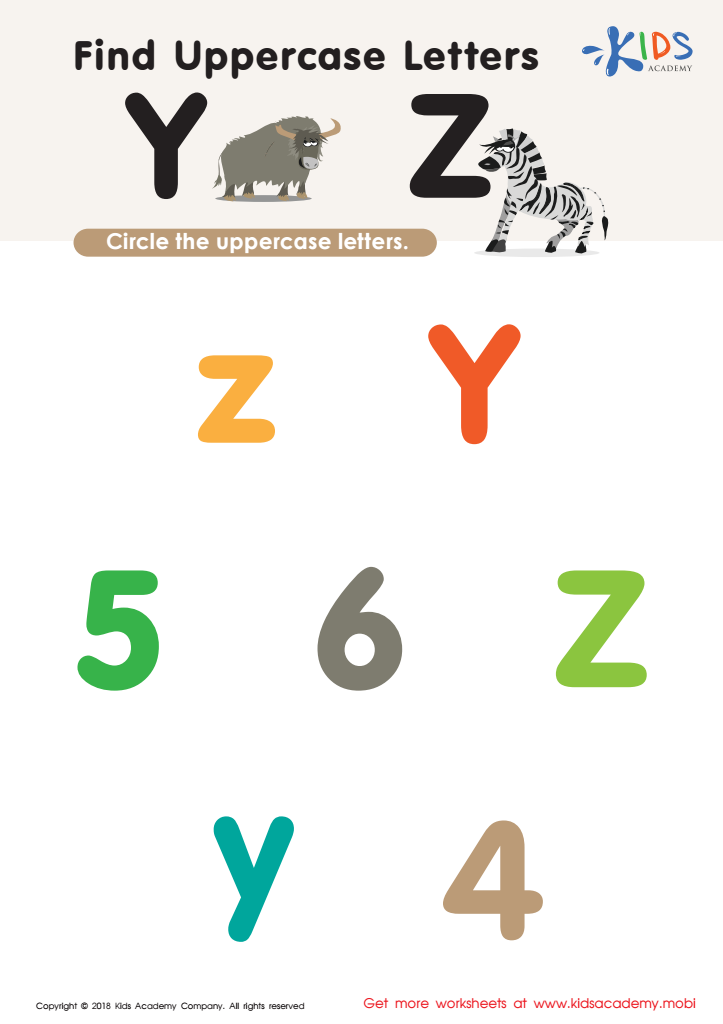
Find Uppercase Letters Y Z Worksheet
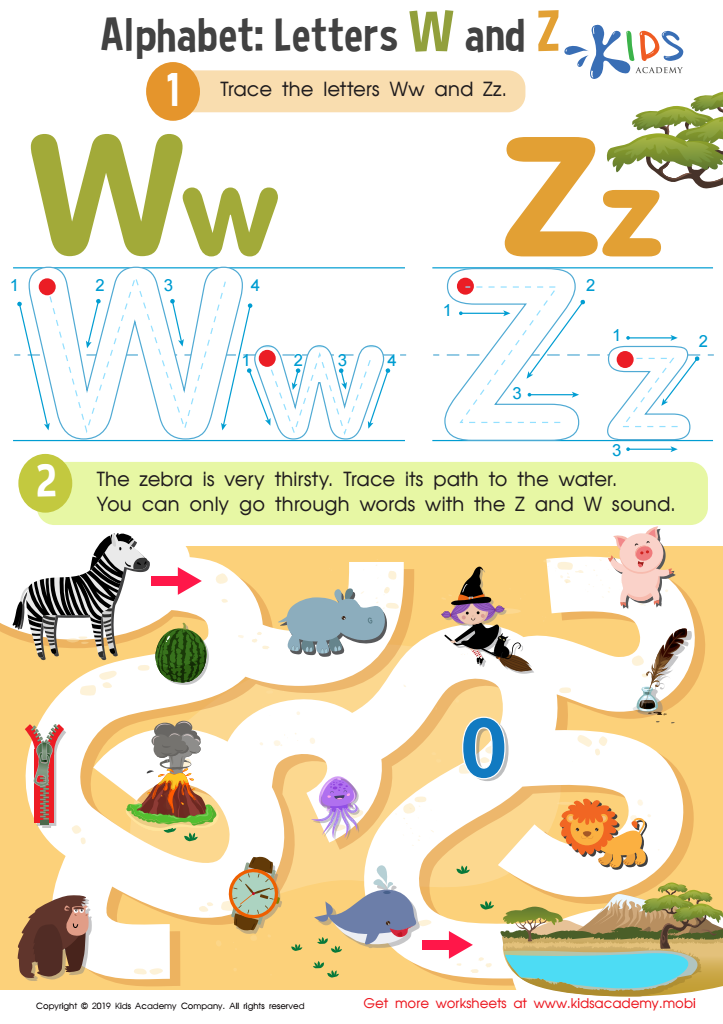
Letters W and Z Tracing Worksheet
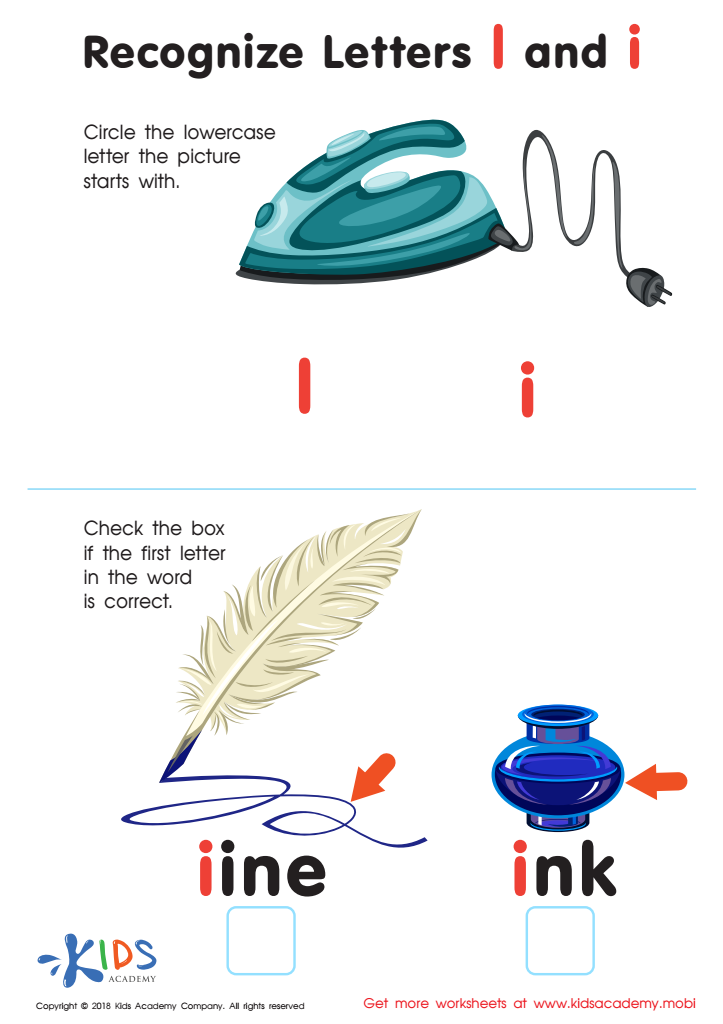
Recognize Letters l and i Worksheet
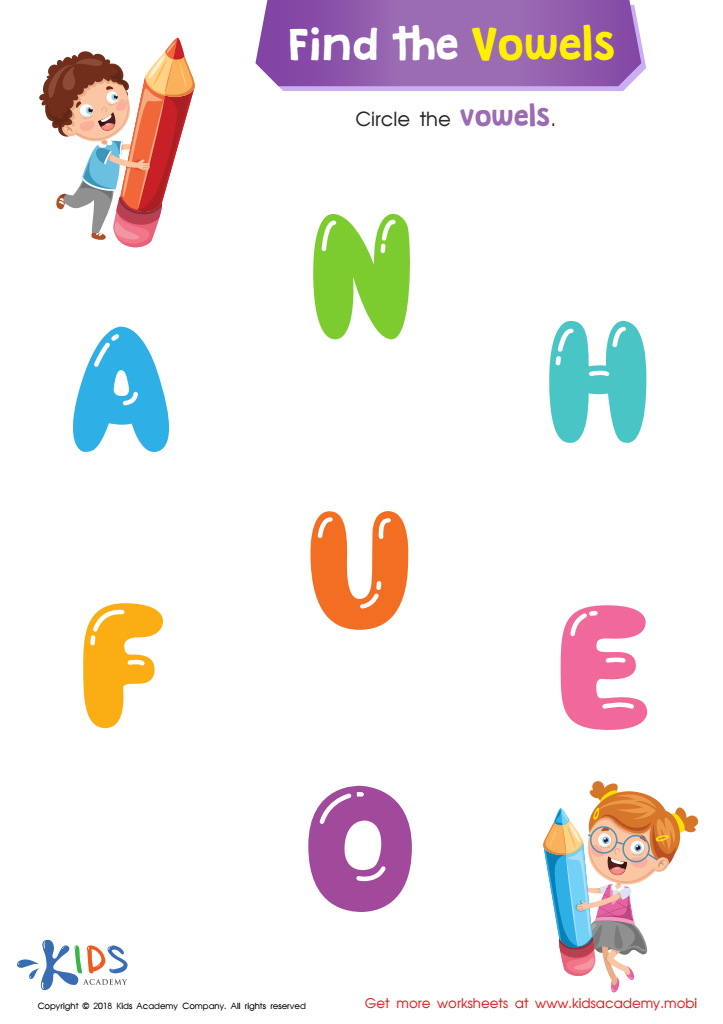
Find the Vowels Reading Worksheet
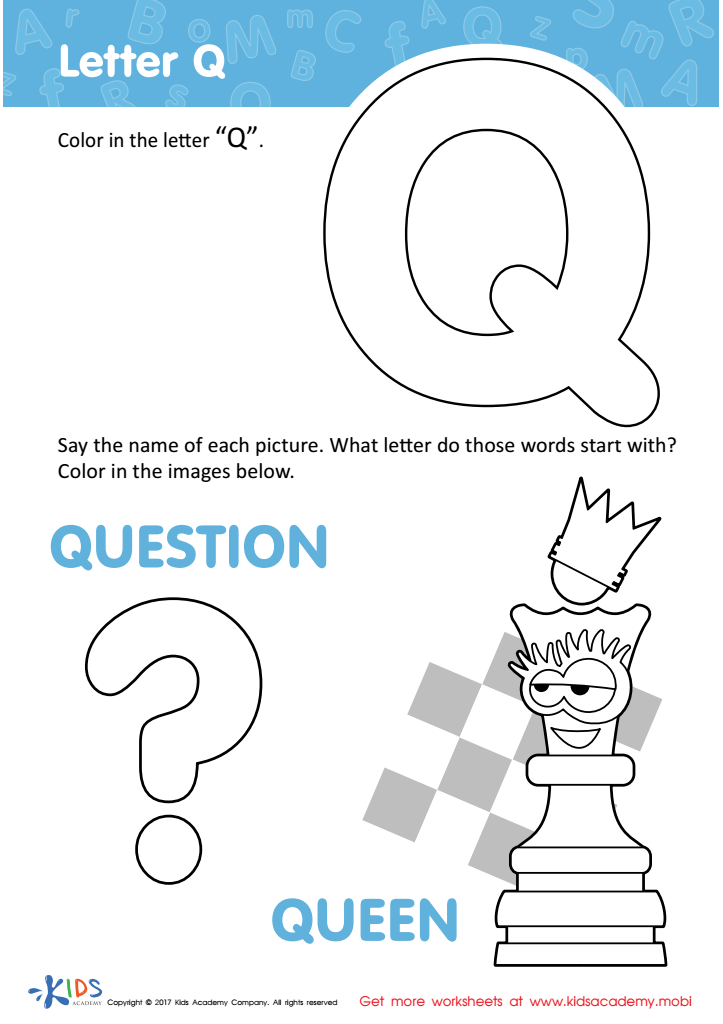
Letter Q Coloring Sheet
 Assign to My Students
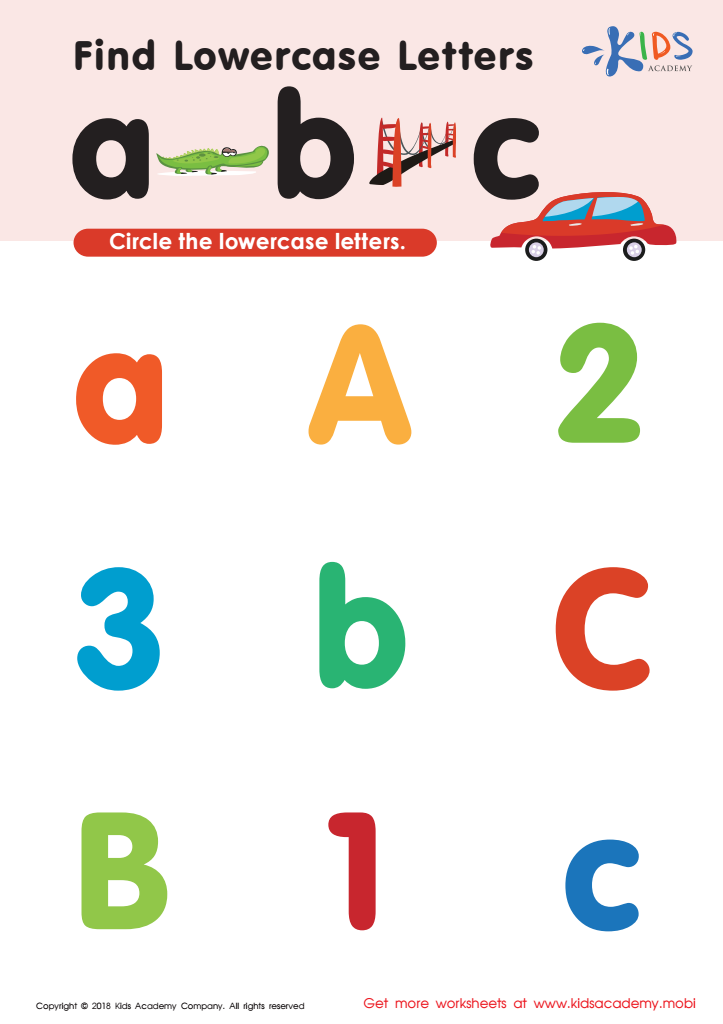
Find lowercase letters a b c Worksheet
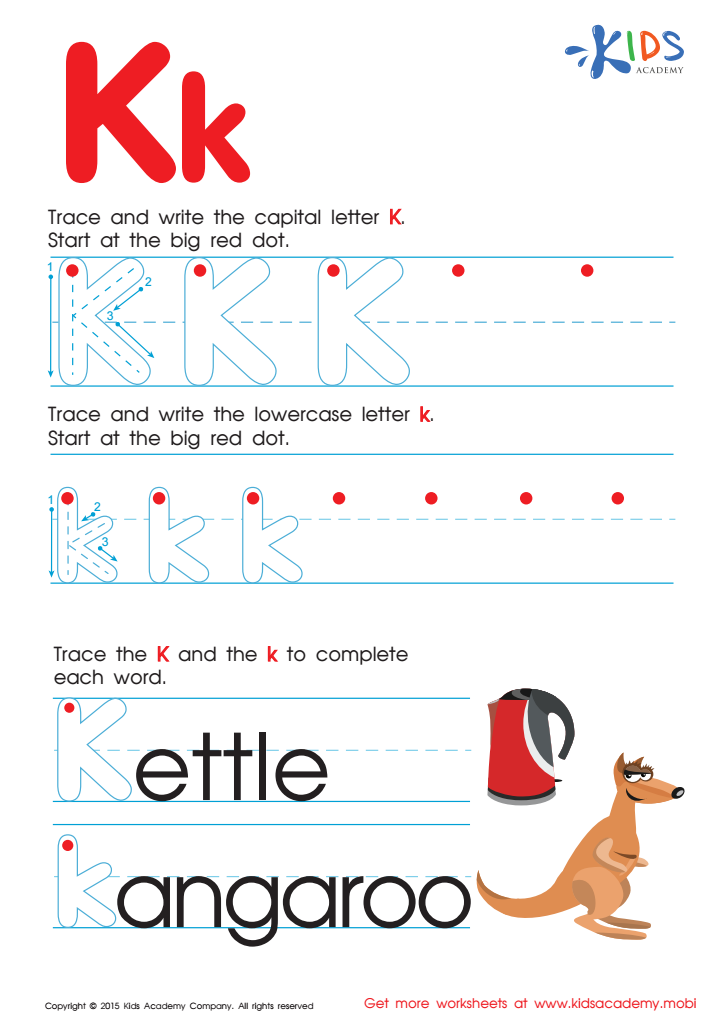
Letter K Tracing Page








Understanding the alphabet is foundational for children's literacy development, making it a critical focus for parents and teachers of children aged 4 to 9. Mastery of the alphabet equips children with the essential skills needed for reading, writing, and effective communication. Recognizing letters and their corresponding sounds, known as phonemic awareness, lays the groundwork for decoding words, which is crucial as they begin to read simple texts.
Moreover, alphabet understanding fosters cognitive development. As children engage with letters and sounds, they develop critical thinking and problem-solving skills, enhancing their overall academic abilities. Socially, when children gain confidence in their literacy skills, they are often more willing to participate in group activities and discussions, promoting a positive learning environment.
For parents and teachers, supporting alphabet acquisition can also strengthen the home-school connection. Activities like reading together, singing the alphabet song, or using letter games create opportunities for meaningful interactions. Ultimately, prioritizing alphabet understanding not only aids children in becoming proficient readers but also supports their emotional and social growth. Hence, it is essential for adults to actively encourage and nurture this critical area of development in early education.







