Handwriting practice Alphabet Worksheets for Ages 4-9 - Page 2
55 filtered results
-
From - To
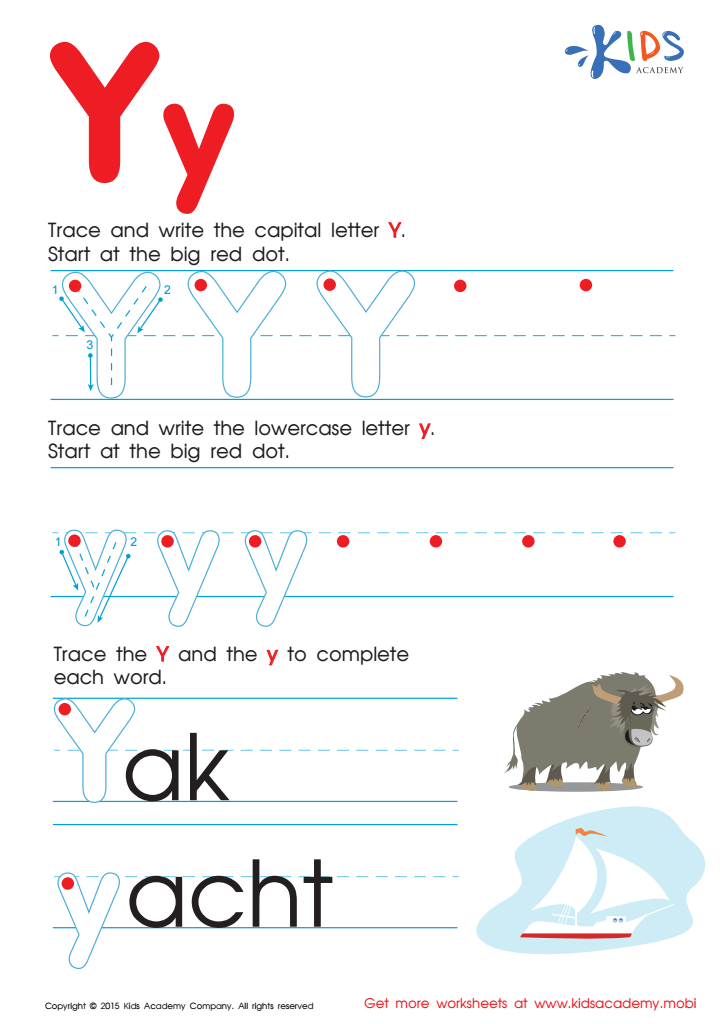
Letter Y Tracing Page
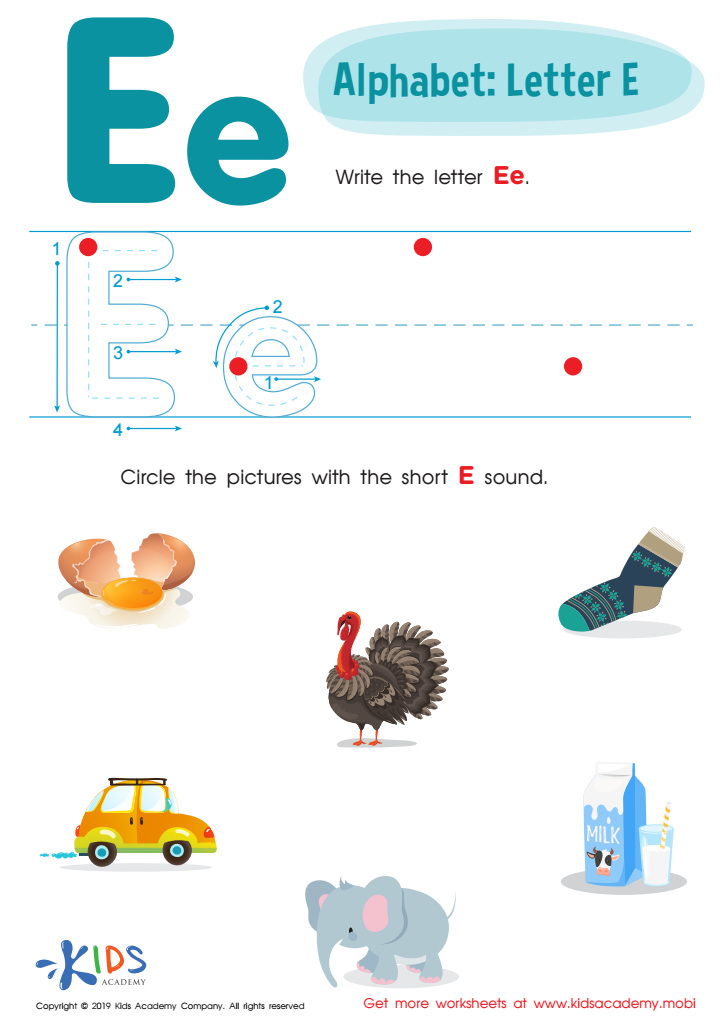
Letter E Tracing Worksheet
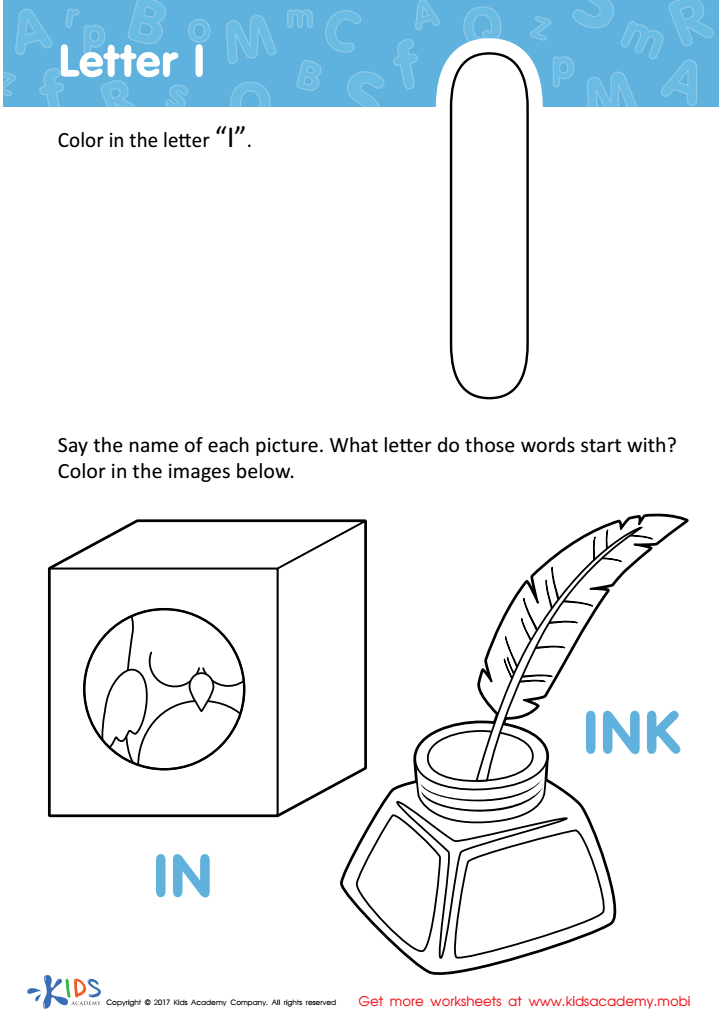
Letter I Coloring Sheet
 Assign to My Students
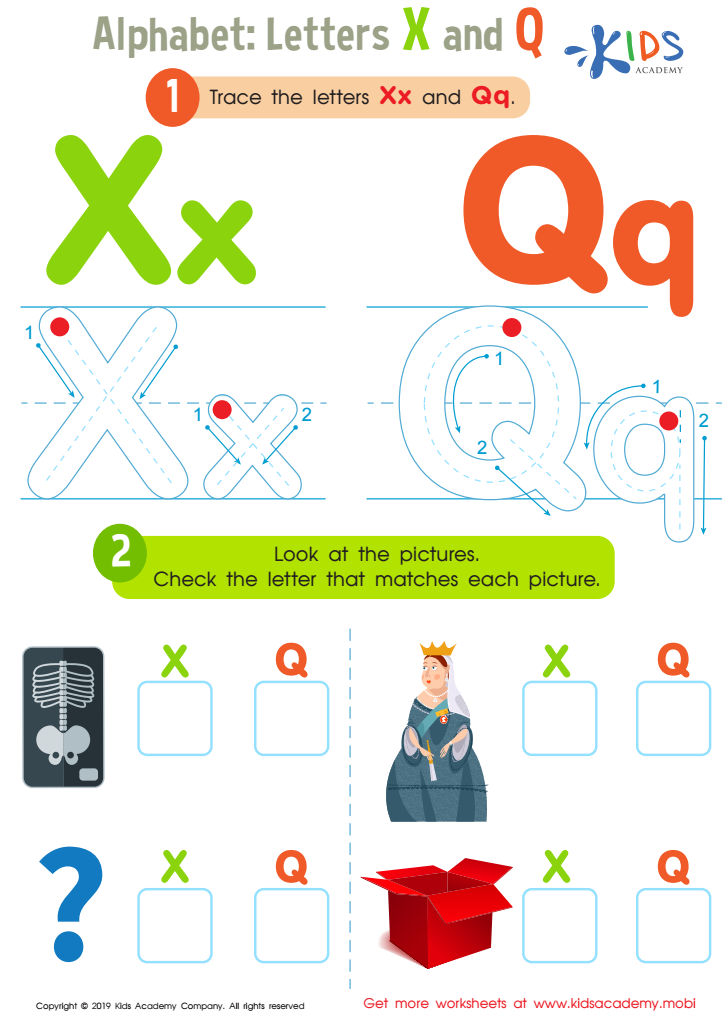
Letters X and Q Tracing Worksheet
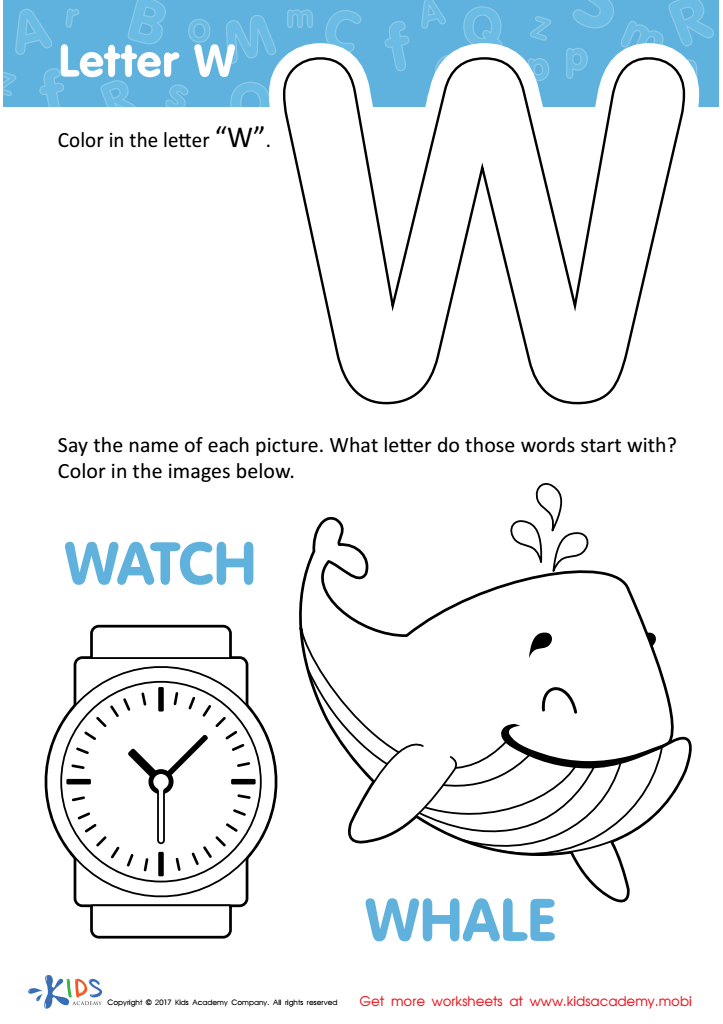
Letter W Coloring Sheet
Assign to My Students
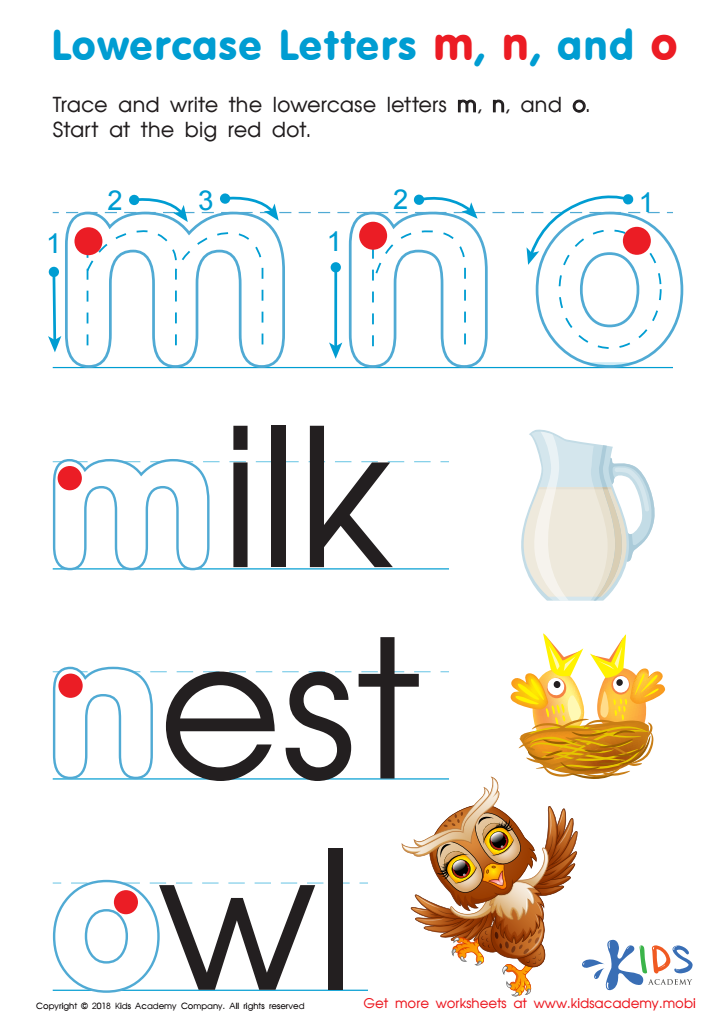
Lowercase Letters m n o Worksheet
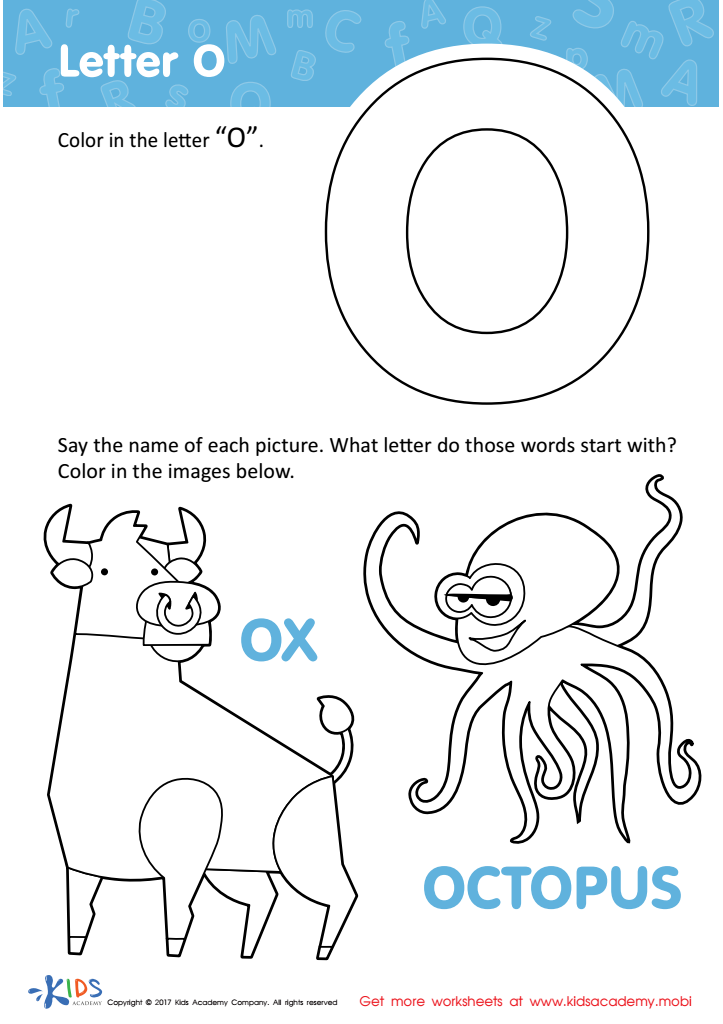
Letter O Coloring Sheet
Assign to My Students
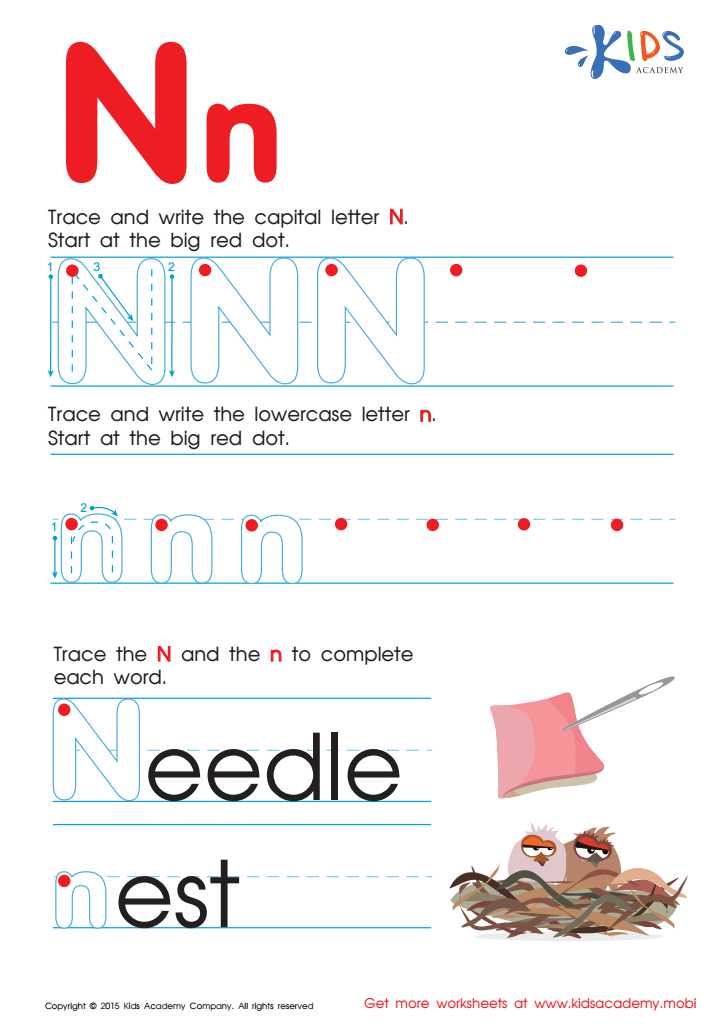
Letter N Tracing Page
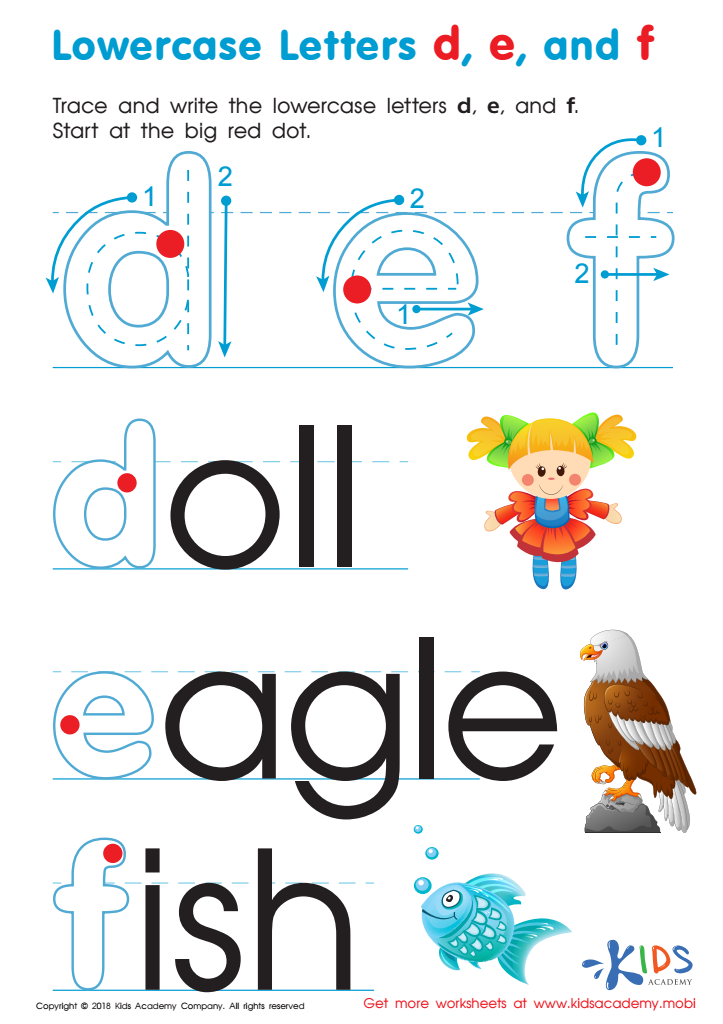
Lowercase Letters d e f Worksheet
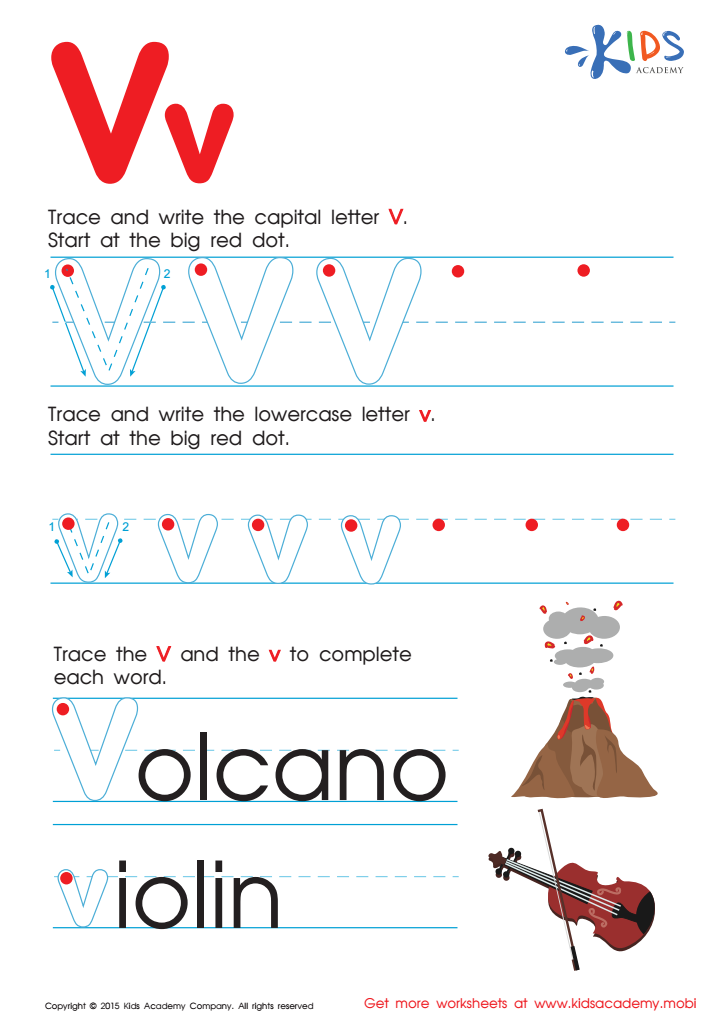
Letter V Tracing Page
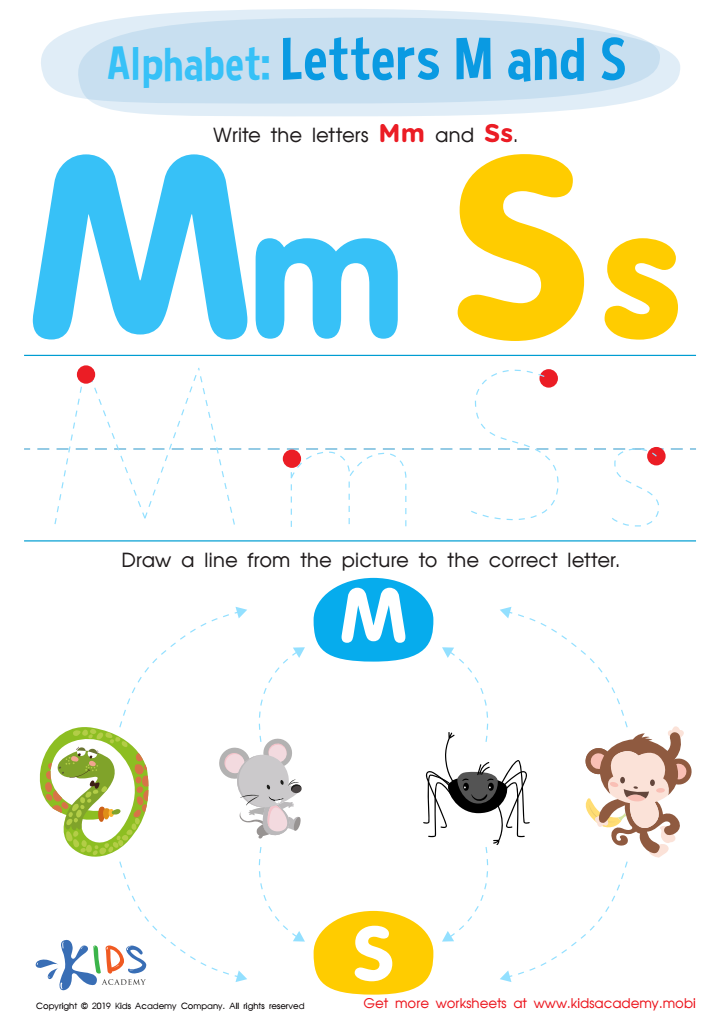
Letters M and S Tracing Worksheet
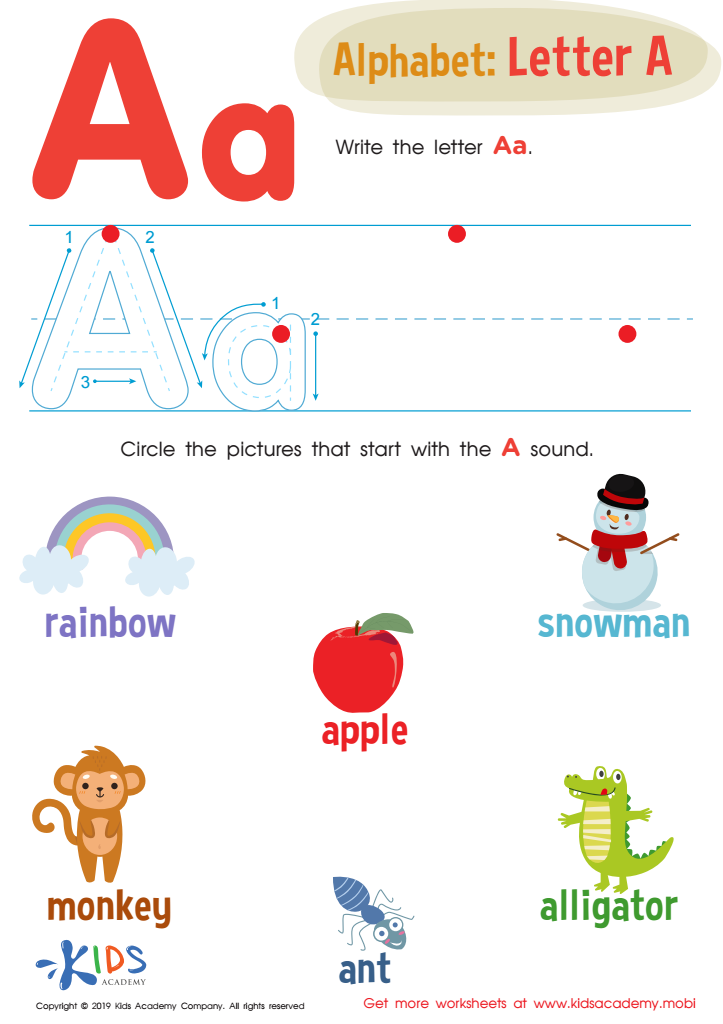
Letter A Tracing Worksheet
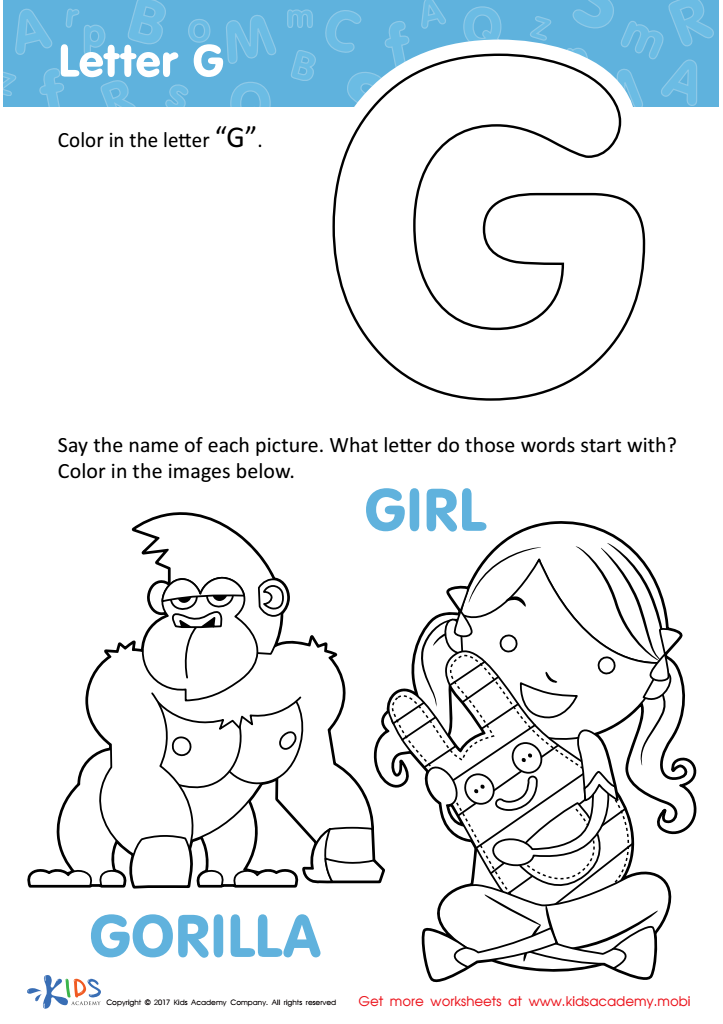
Letter G Coloring Sheet
Assign to My Students
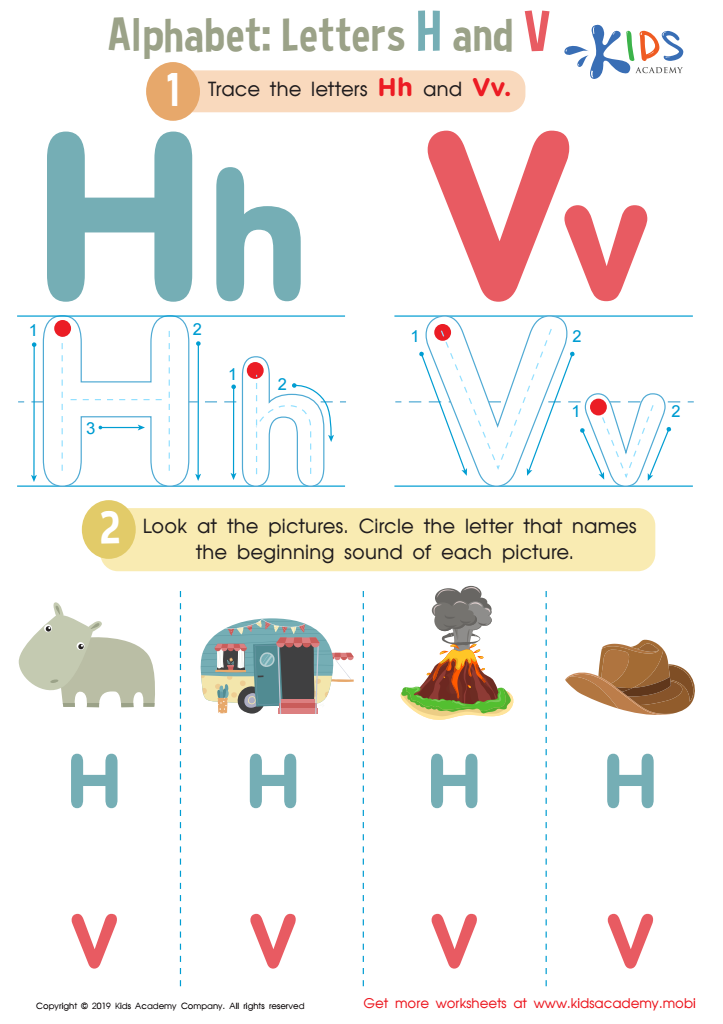
Letters H and V Tracing Worksheet
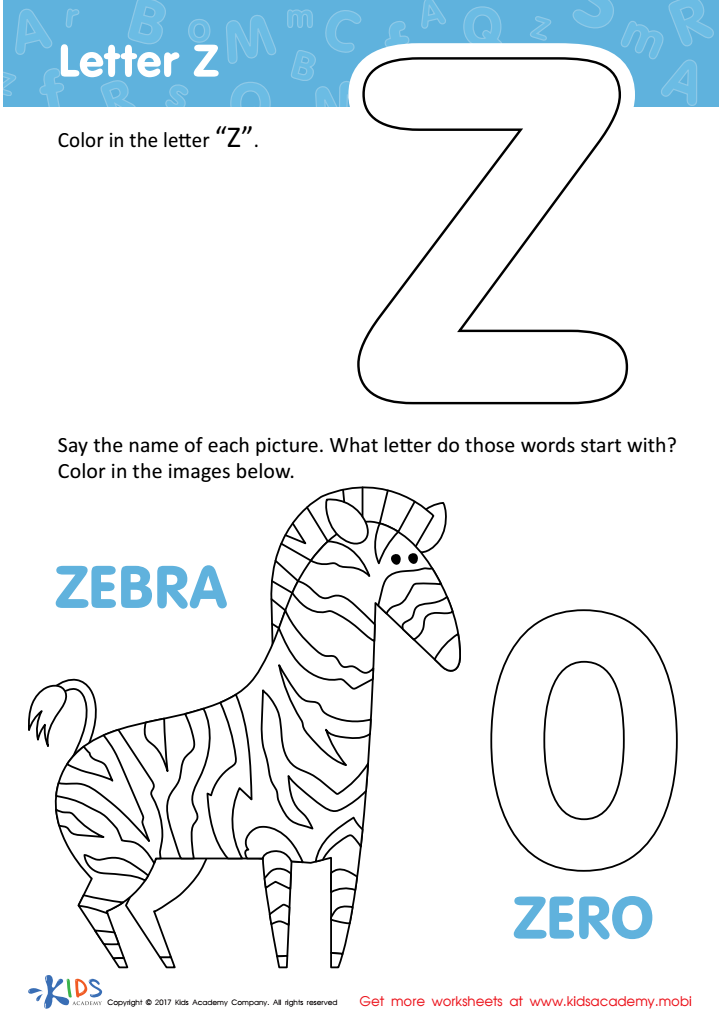
Letter Z Coloring Sheet
Assign to My Students
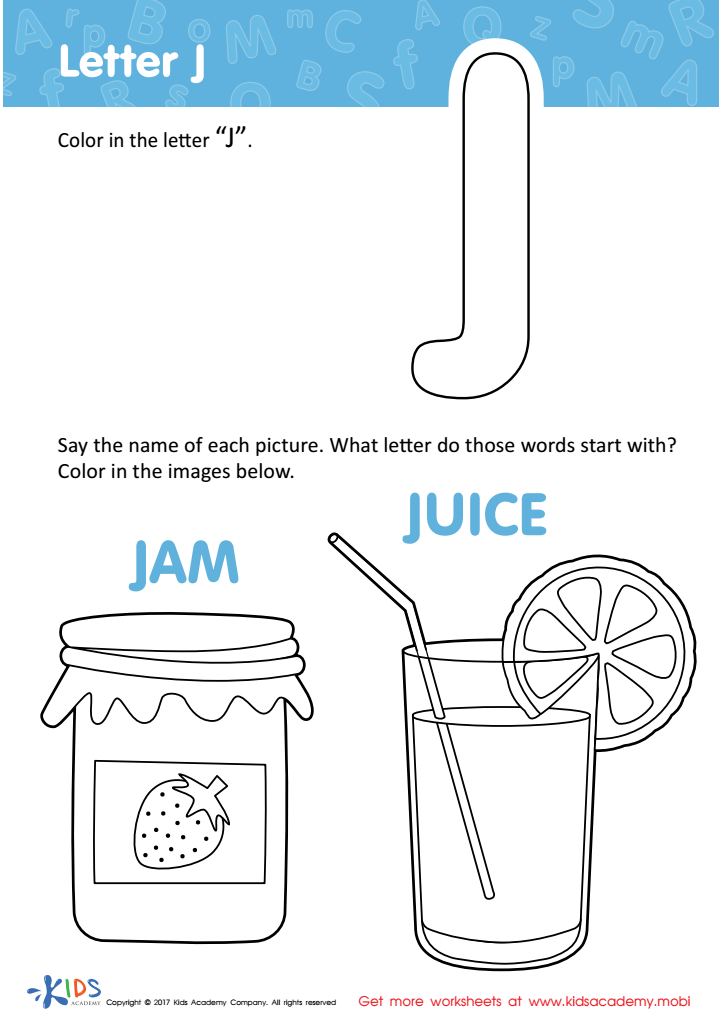
Letter J Coloring Sheet
Assign to My Students
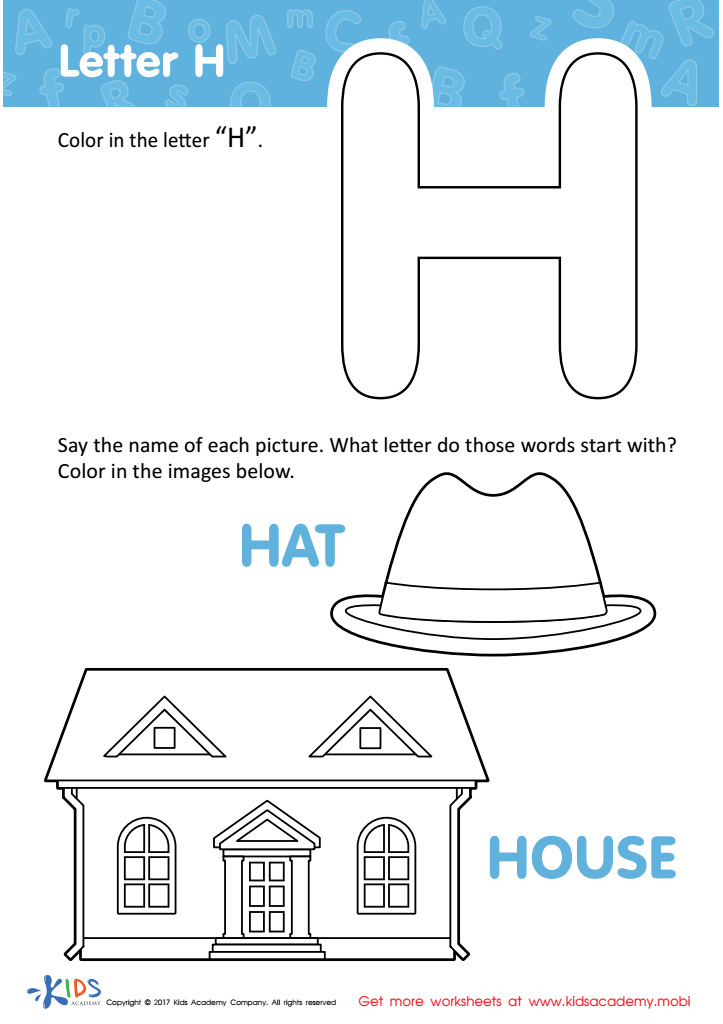
Letter H Coloring Sheet
Assign to My Students
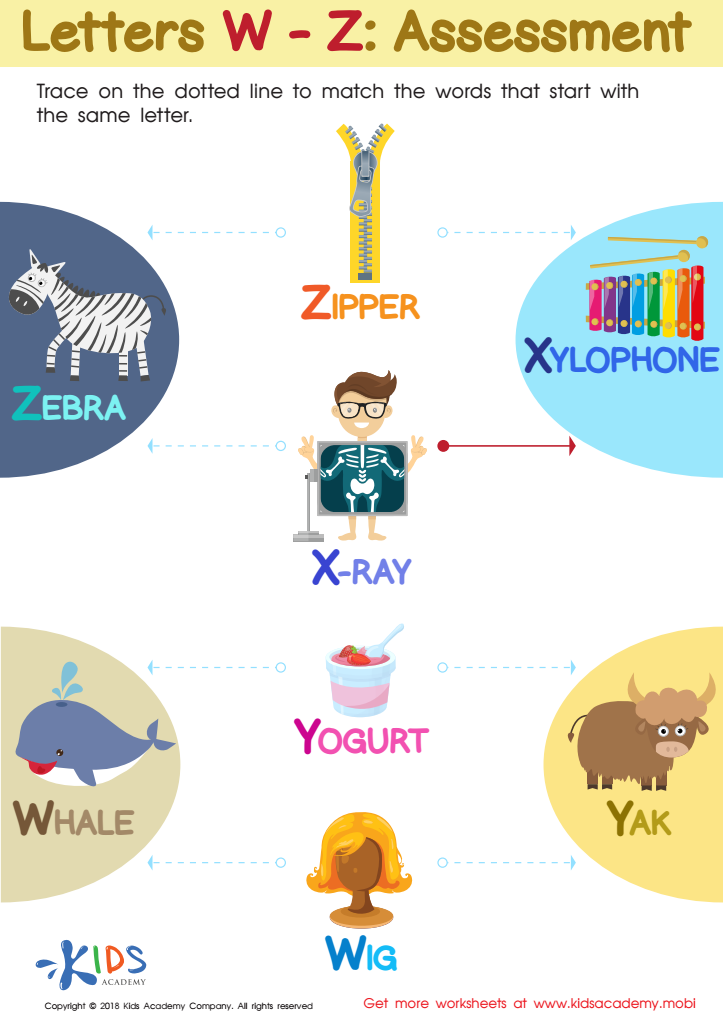
Letters W–Z Tracing Worksheet
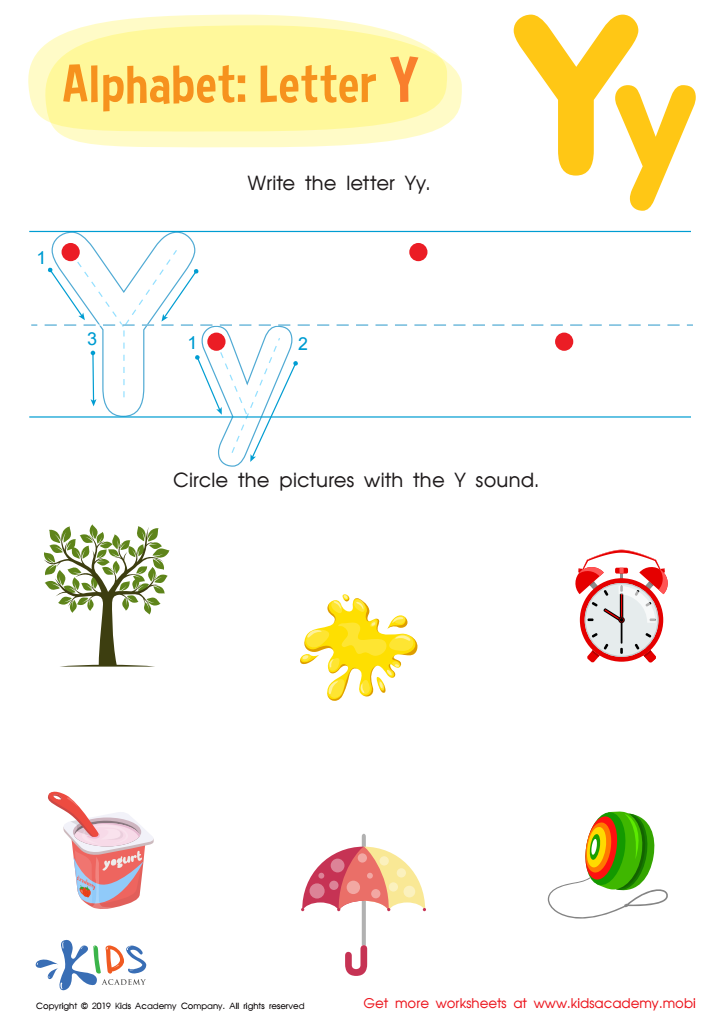
Letter Y Tracing Worksheet
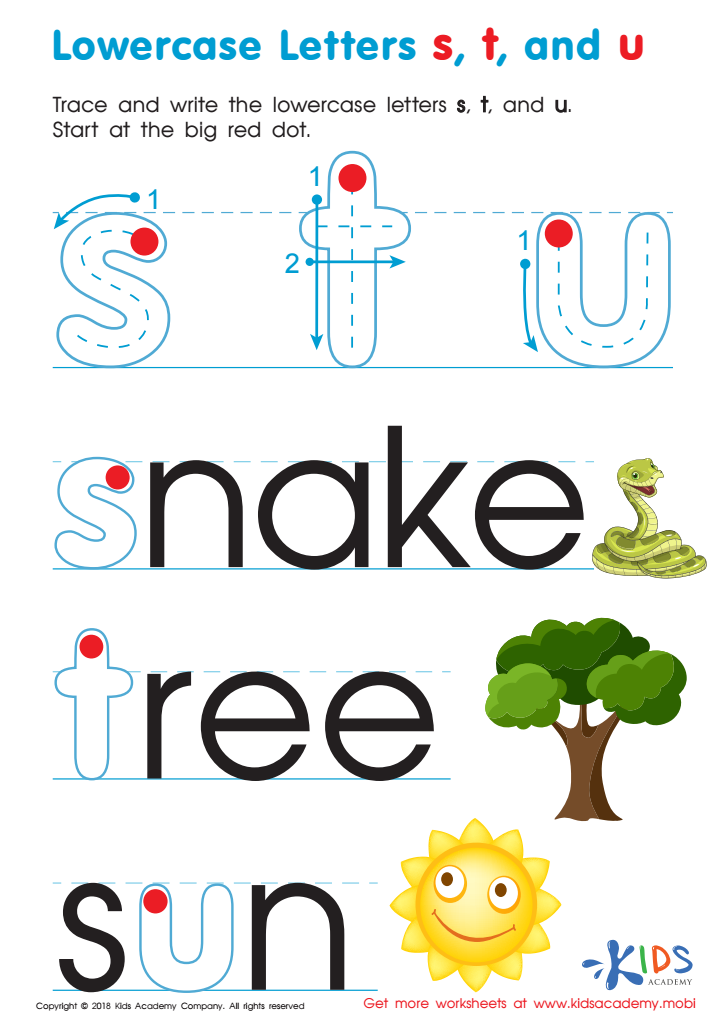
Lowercase Letters s t u Worksheet
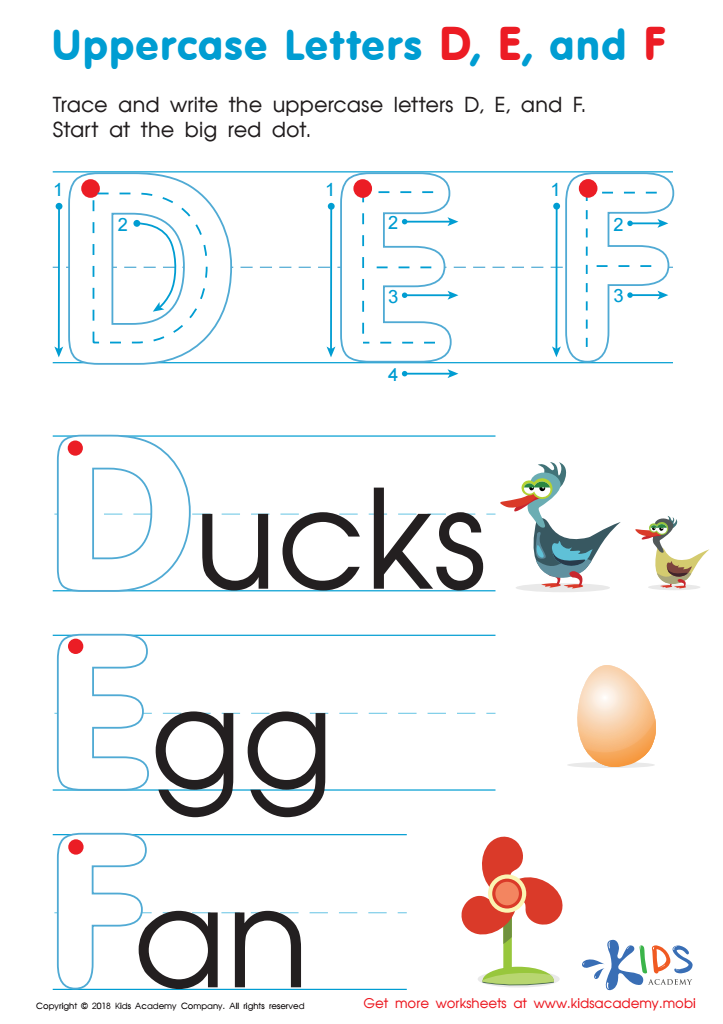
Uppercase Letters D, E, and F Worksheet
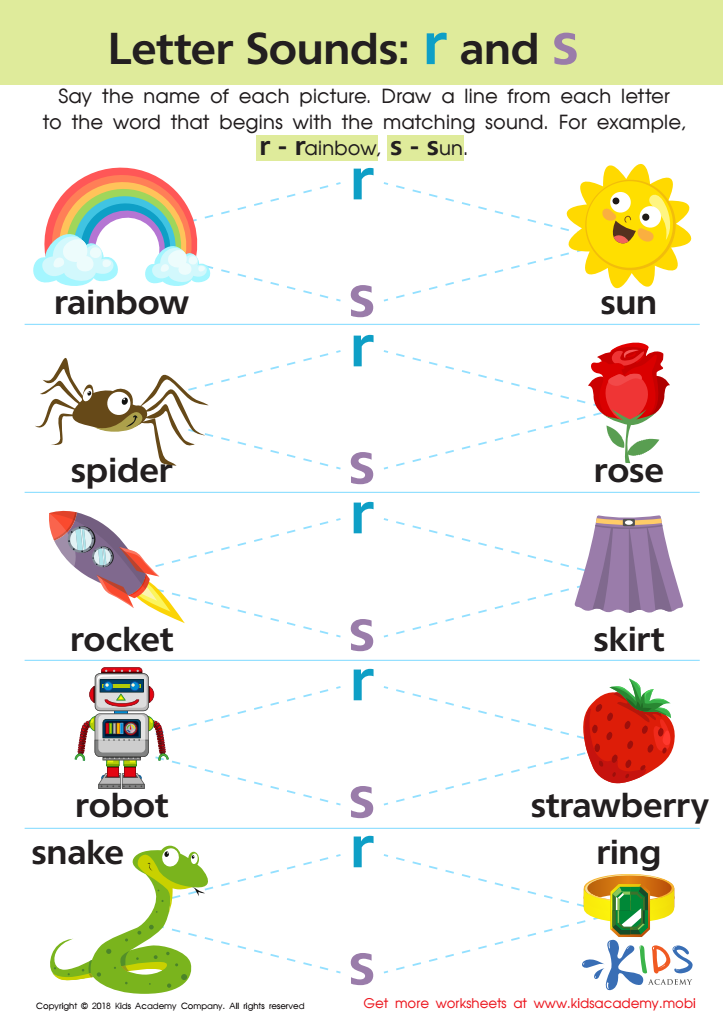
Letter R and S Sounds Worksheet
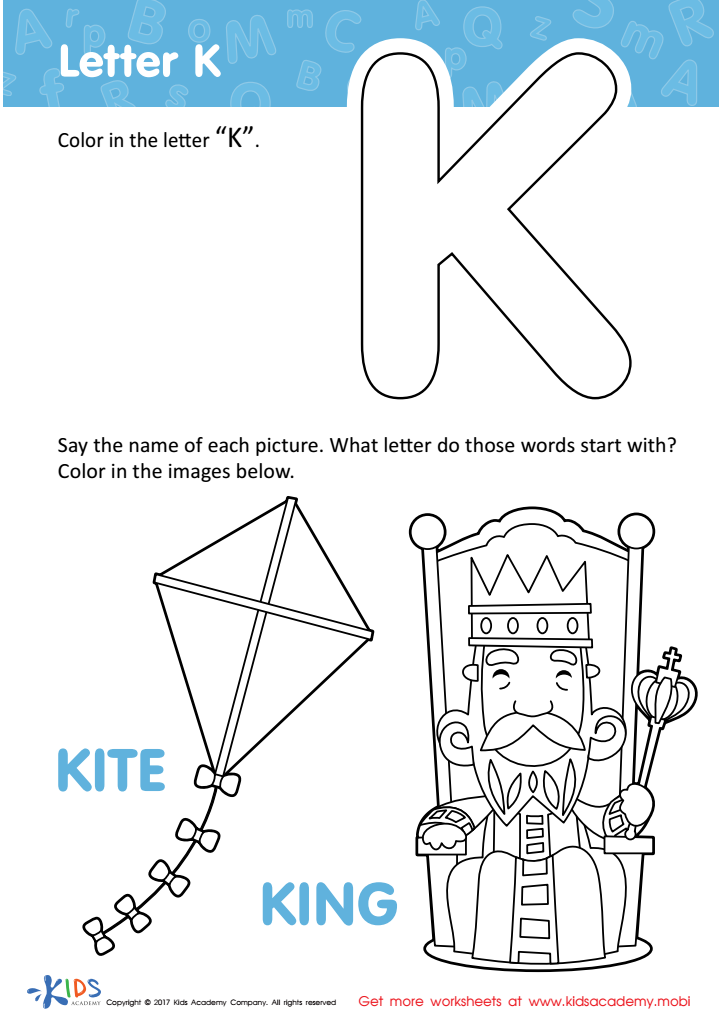
Letter K Coloring Sheet
Assign to My Students
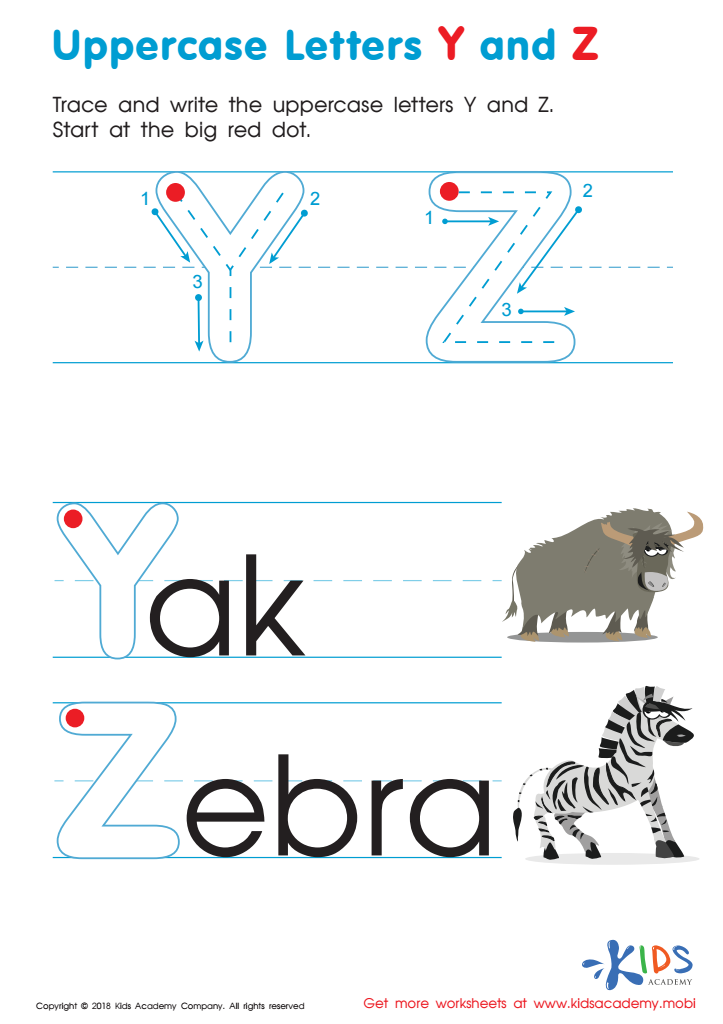
Uppercase Letters Y Z Worksheet







Handwriting practice is crucial for children aged 4-9 as it forms the foundation for effective communication and cognitive development. During this vital stage, children are honing their fine motor skills, which are essential for various tasks beyond writing, such as tying shoelaces and using utensils. Practicing handwriting helps strengthen these skills, leading to improved hand-eye coordination and dexterity.
Furthermore, handwriting is linked to literacy development. Engaging in repetitive practice with letters significantly enhances letter recognition, phonemic awareness, and spelling ability. Children who can create letters independently are better poised to express their thoughts in writing, a skill vital both academically and personally.
Additionally, handwriting practice fosters discipline and attention to detail, encouraging children to take pride in their work. It allows them to develop patience and perseverance, qualities valuable in all aspects of learning.
In today’s digital age, where screens often overshadow traditional writing, it’s essential for parents and teachers to actively promote handwriting. Engaging in this practice equips children not only with essential academic skills but also with confidence in their ability to communicate effectively in an increasingly complex world. Encouraging handwriting versatility will equip children for success in both their educational journeys and everyday life.







