Phonics understanding Alphabet Worksheets for Ages 4-9
6 filtered results
-
From - To
Discover our engaging Phonics Understanding Alphabet Worksheets, designed specifically for children ages 4-9! These printable worksheets foster essential phonics skills, making learning to read and write fun and effective. Our resources focus on letter recognition, sound connections, and blending techniques, helping young learners build a solid literacy foundation. Each worksheet incorporates colorful illustrations and interactive activities that captivate kids’ attention and enhance their understanding of the alphabet. Perfect for classroom settings or at-home practice, these worksheets support phonics development and boost confidence in early learners. Explore our collection today and watch your child's reading skills soar!
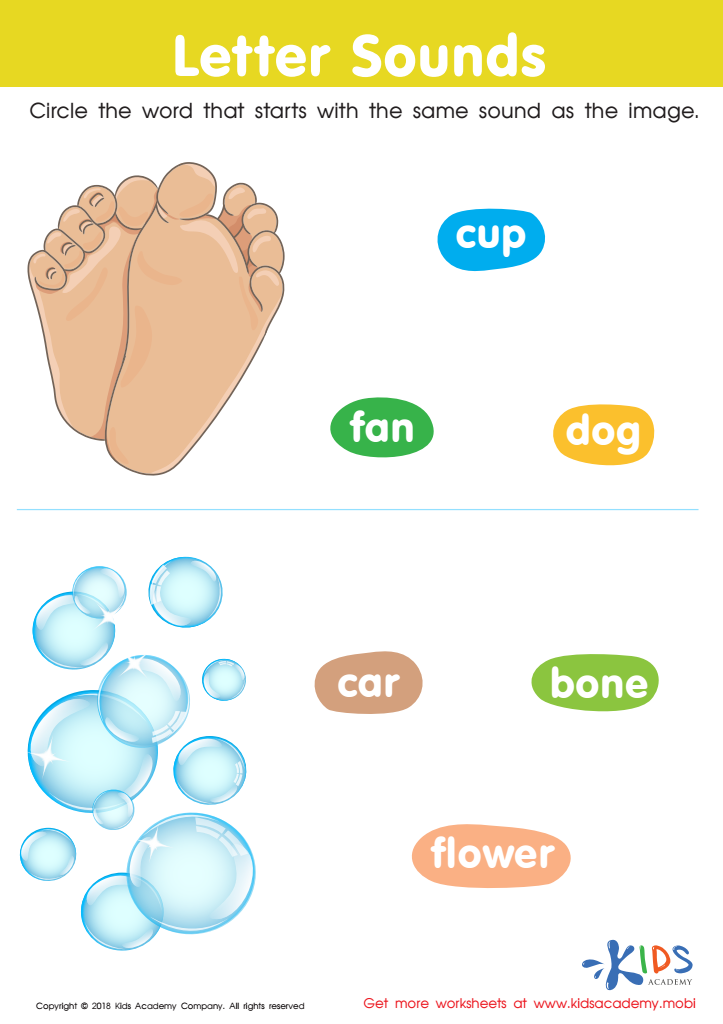
letter sounds Worksheet
 Assign to My Students
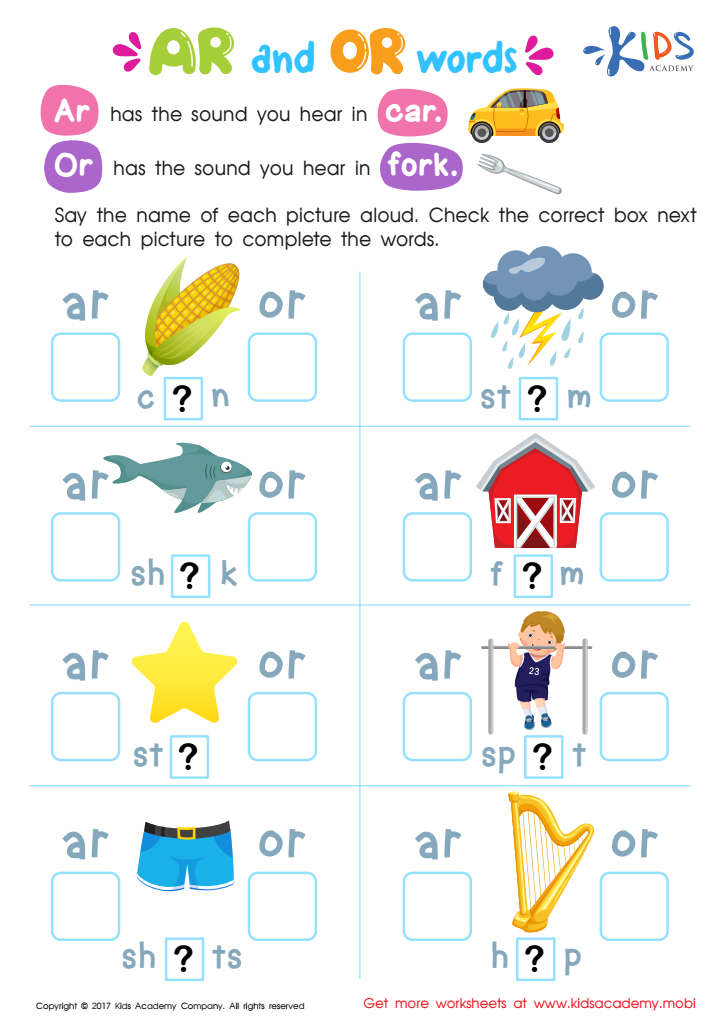
Ar and Or Words Phonics Worksheet
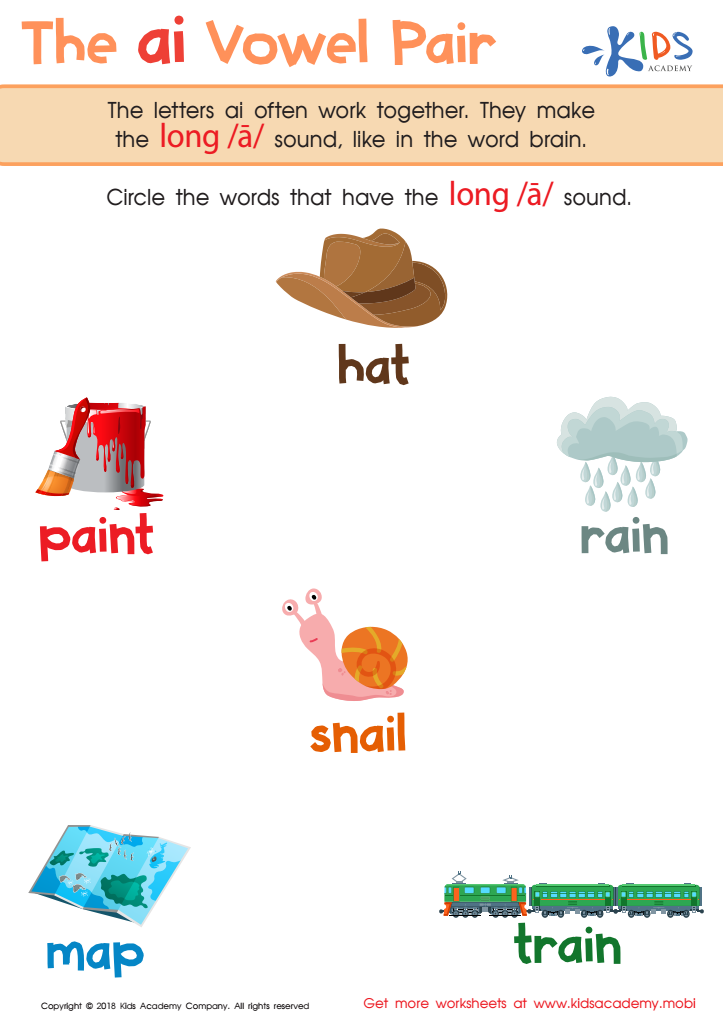
The AI Vowel Pair Worksheet
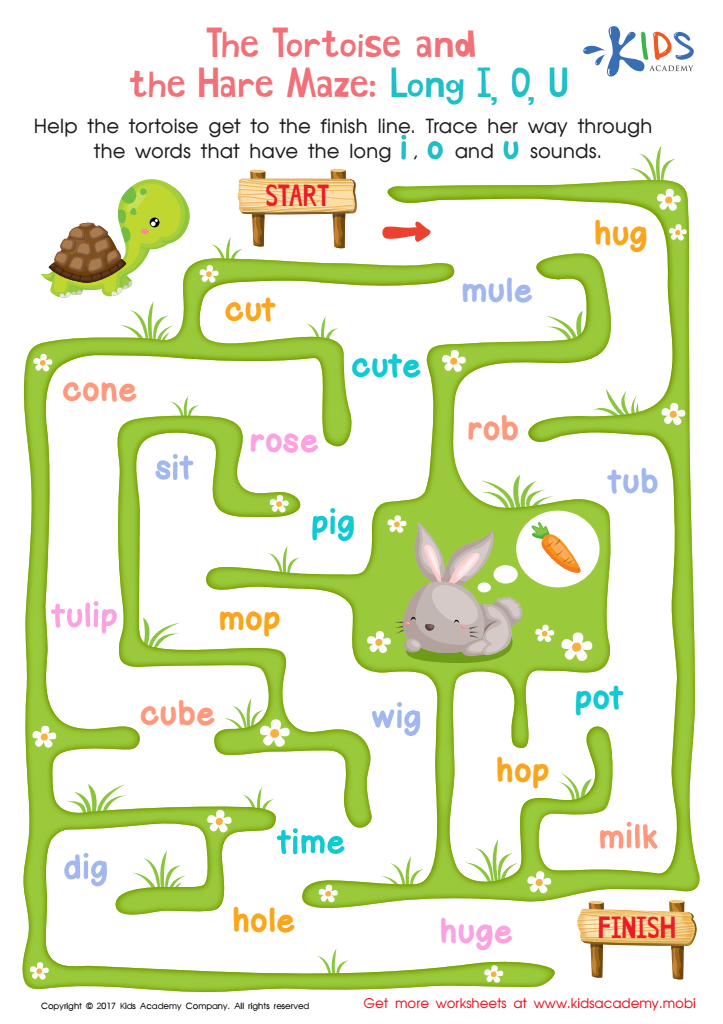
Long I, O, U Words Worksheet
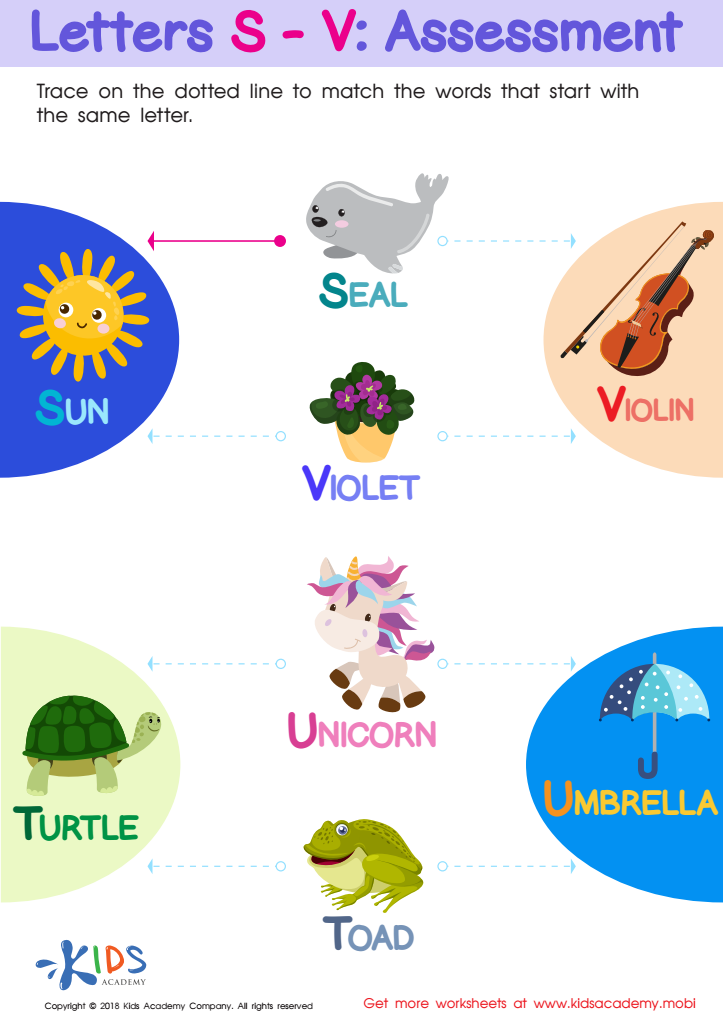
Letters S - V Tracing Worksheet
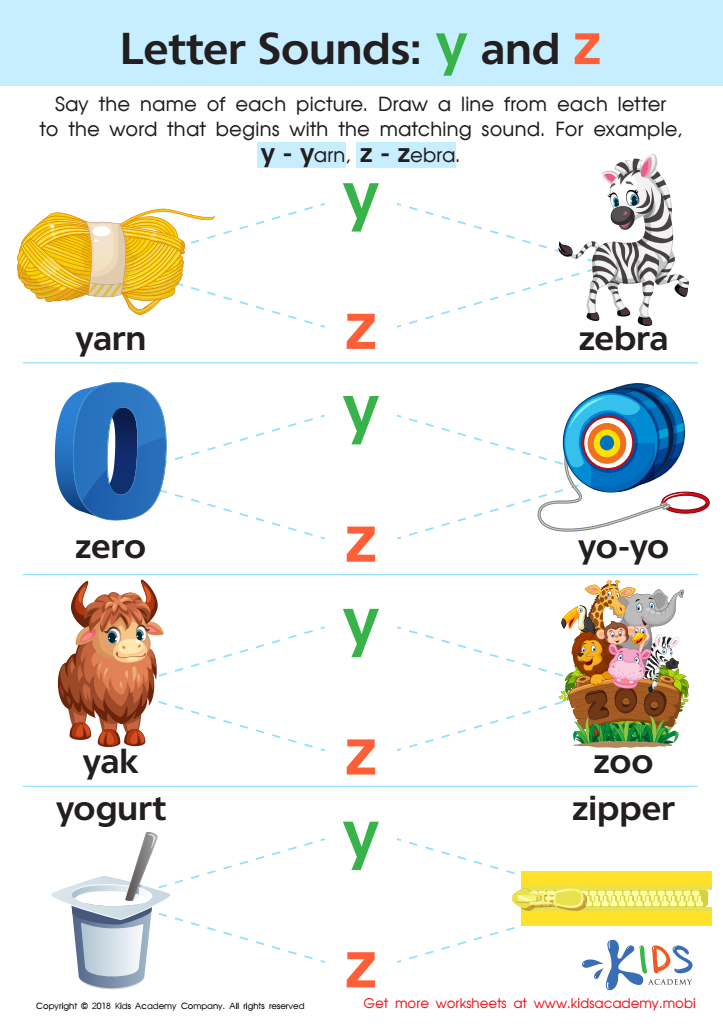
Letter Y and Z Sounds Worksheet








Phonics understanding is pivotal for children aged 4-9 as it lays the foundation for successful reading and writing skills. At this stage, children are developing their ability to connect sounds (phonemes) to letters (graphemes), which is essential for decoding new words. Parents and teachers should care about phonics because it directly impacts literacy development, influencing children's overall academic success.
When children grasp phonics, they can read with greater fluency and comprehension, enhancing their enjoyment of books and written material. This early understanding fosters a love for reading, which is vital for lifelong learning. Additionally, phonics instruction helps build confidence in young learners, as they realize they can tackle challenging words and texts.
Moreover, strong phonics skills reduce the risk of reading difficulties later on, such as dyslexia and other learning disabilities. Teachers and parents can support this learning through engaging activities, games, and consistent practice at home and in the classroom. This collaboration enhances retention and makes learning enjoyable. Ultimately, by nurturing phonics understanding, parents and teachers contribute to well-rounded, literate individuals who are prepared for future academic endeavors and are more likely to succeed in various areas of life.







