Reading comprehension improvement Alphabet Worksheets for Ages 4-9
3 filtered results
-
From - To
Boost your child's literacy skills with our engaging Reading Comprehension Improvement Alphabet Worksheets for ages 4-9. These expertly designed worksheets blend fun and education, providing young learners with the tools they need to boost their reading comprehension. With colorful illustrations and age-appropriate challenges, kids learn to recognize letters, form words, and understand basic reading passages. These worksheets are perfect for parents and teachers looking to motivate early readers and build a solid reading foundation. Ignite a love for reading and watch your child's confidence soar. Explore now and support your child's journey to becoming an excellent reader!
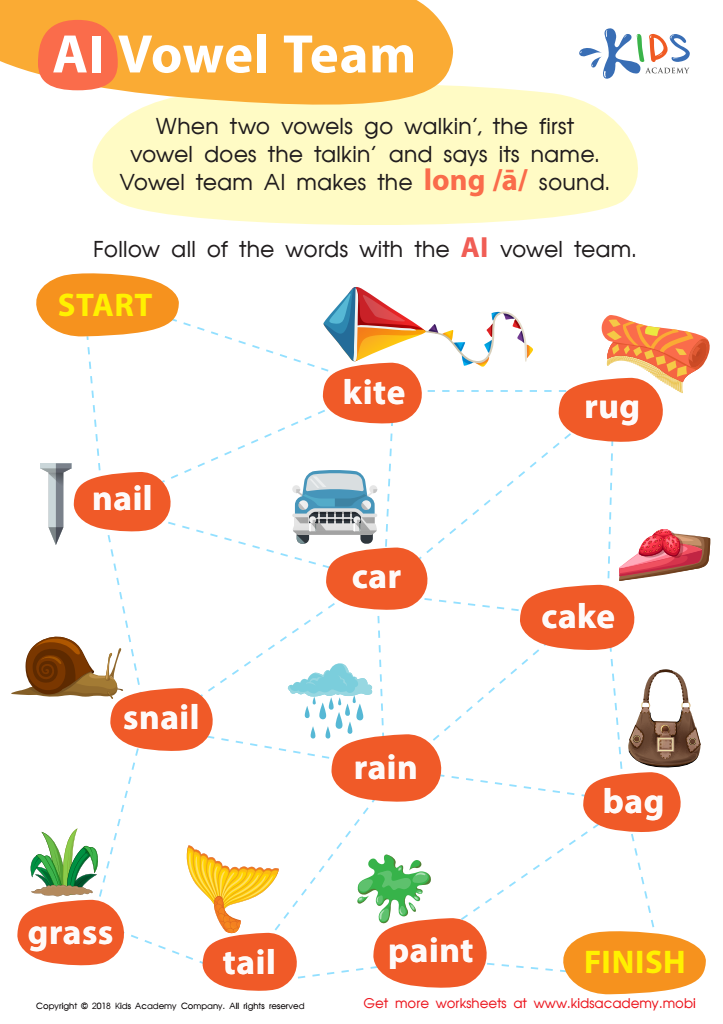
Reading: AI Vowel Team Worksheet
 Assign to My Students
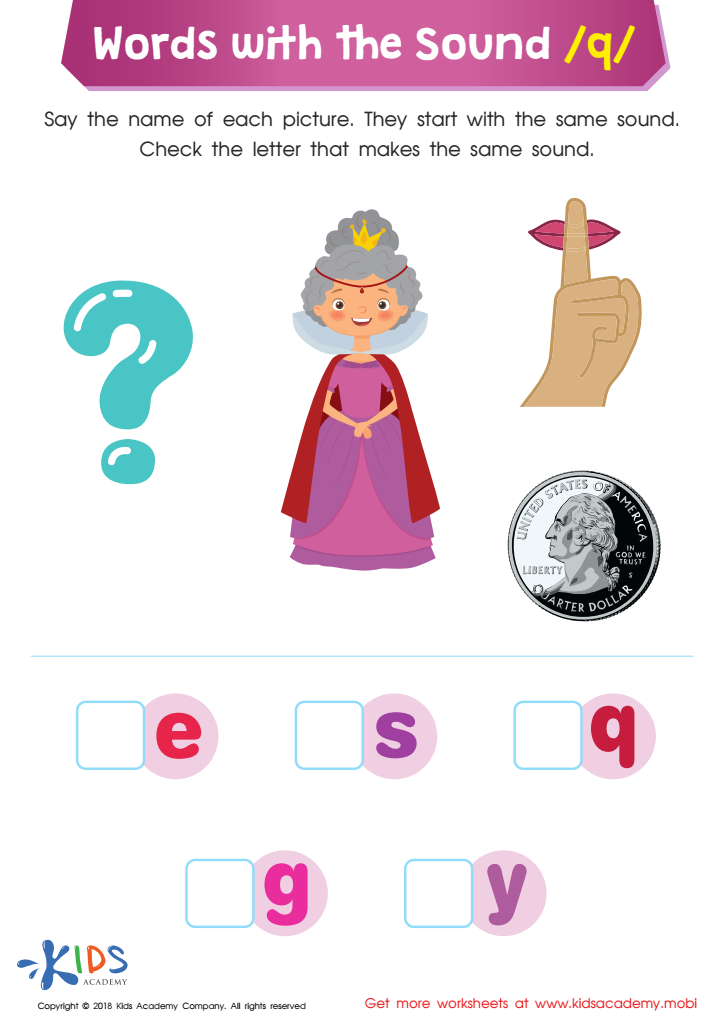
Words with Sound Q Reading Worksheet
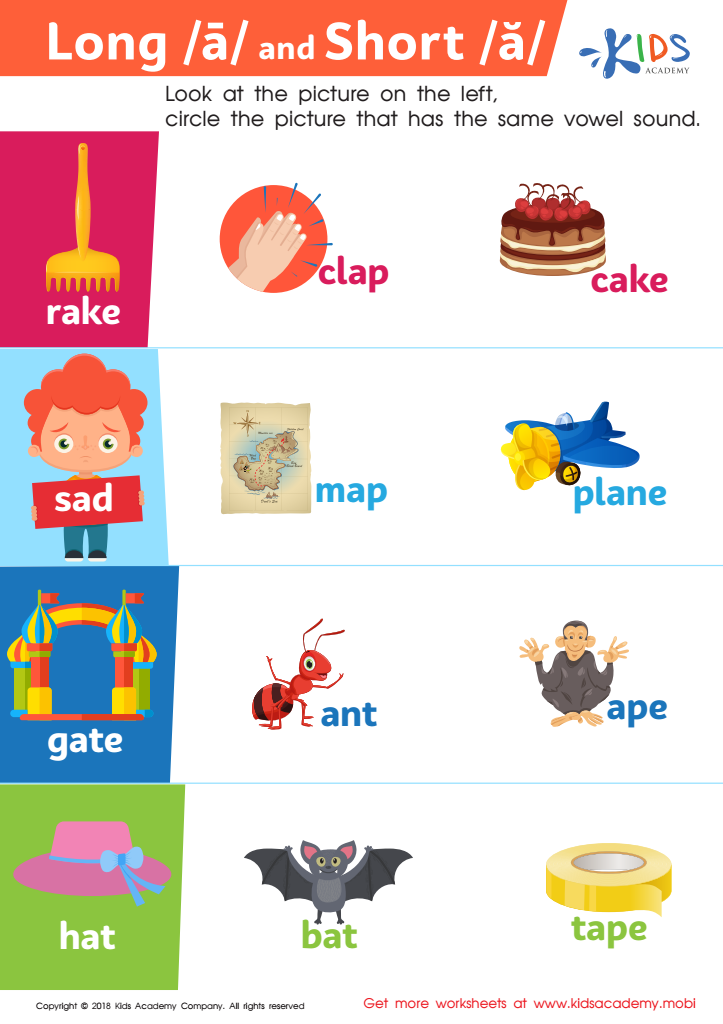
Reading: Long a and Short a Worksheet







Reading comprehension lays the foundation for all future learning, making it crucial for children aged 4-9. During these formative years, youngsters develop key linguistic, cognitive, and social skills. When teachers and parents prioritize improving reading comprehension, they empower children with the ability to understand, process, and engage with diverse texts. This crucial skill not only enhances academic performance but also fosters a love for reading that can last a lifetime.
Good reading comprehension skills enrich vocabulary, grammar, and overall language proficiency. As children explore new words and concepts, their ability to articulate thoughts and ideas expands, subsequently boosting confidence and communication skills. Moreover, reading helps develop critical thinking and problem-solving abilities as children learn to infer, predict, and summarize information.
Additionally, fostering these skills at a young age promotes empathy and emotional intelligence. Through stories and characters, children learn to navigate different perspectives and emotions. This lays the groundwork for healthy social relationships and a sense of empathy towards others.
In sum, investing in the improvement of reading comprehension for children aged 4-9 is a key stepping stone for lifetime success. It paves the way for academic excellence, effective communication skills, critical thinking, and emotional well-being. Therefore, it's imperative that both teachers and parents prioritize and support these crucial early learning experiences.







