Vocabulary Building Phonics Worksheets for Ages 4-9
15 filtered results
-
From - To
Boost your child's reading and language skills with our Vocabulary Building Phonics Worksheets, designed for ages 4-9! These engaging worksheets seamlessly combine phonics practice with vocabulary enhancement, enabling young learners to grasp essential language concepts while having fun. Kids will explore alphabets, letter sounds, and word meanings through various interactive exercises, all tailored to nurture their comprehension skills. Foster confidence in reading as your child recognizes and uses new words in context. Perfect for home or classroom use, these worksheets are a fantastic resource for reinforcing phonics fundamentals and advancing vocabulary development in early learners. Start their language journey today!
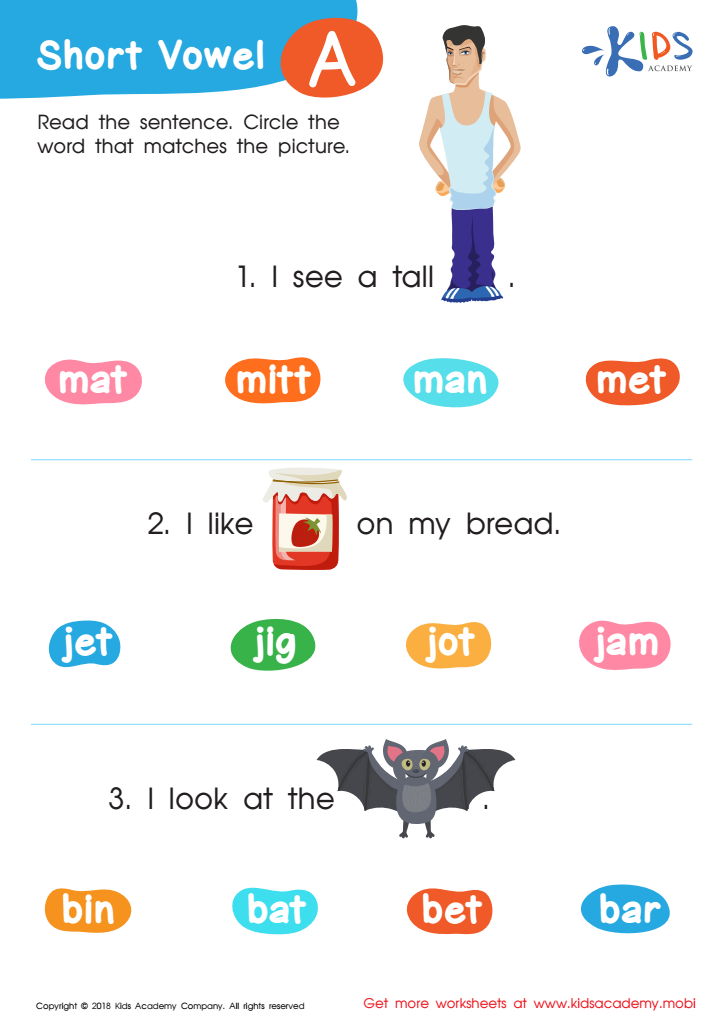
Short Vowel /a/ Worksheet
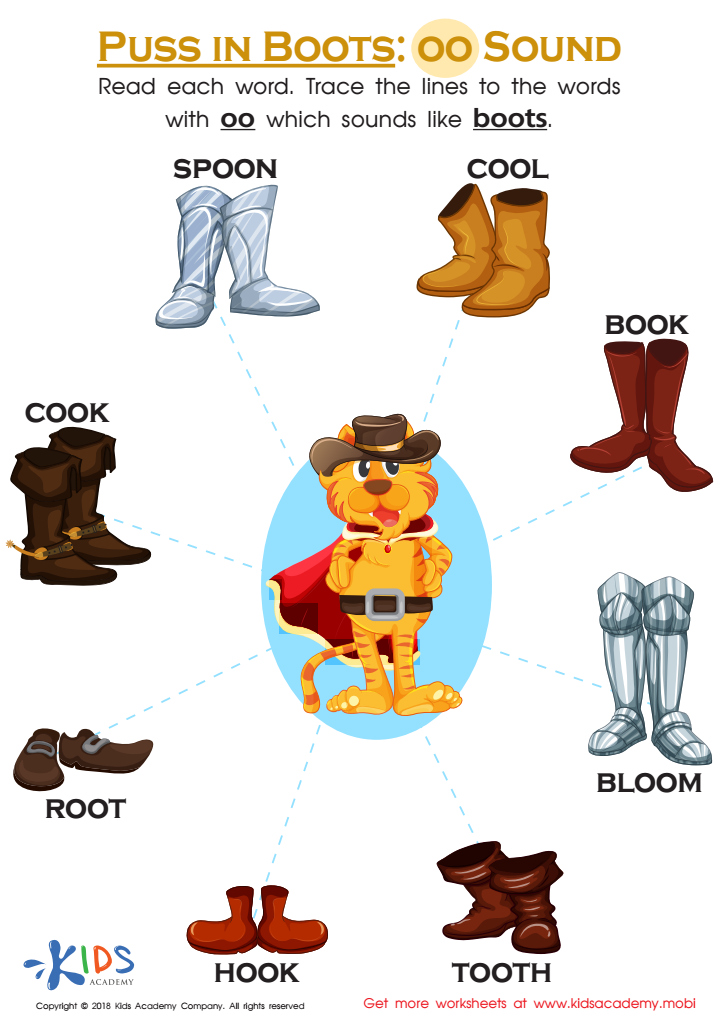
Puss in Boots: OO Sound Worksheet
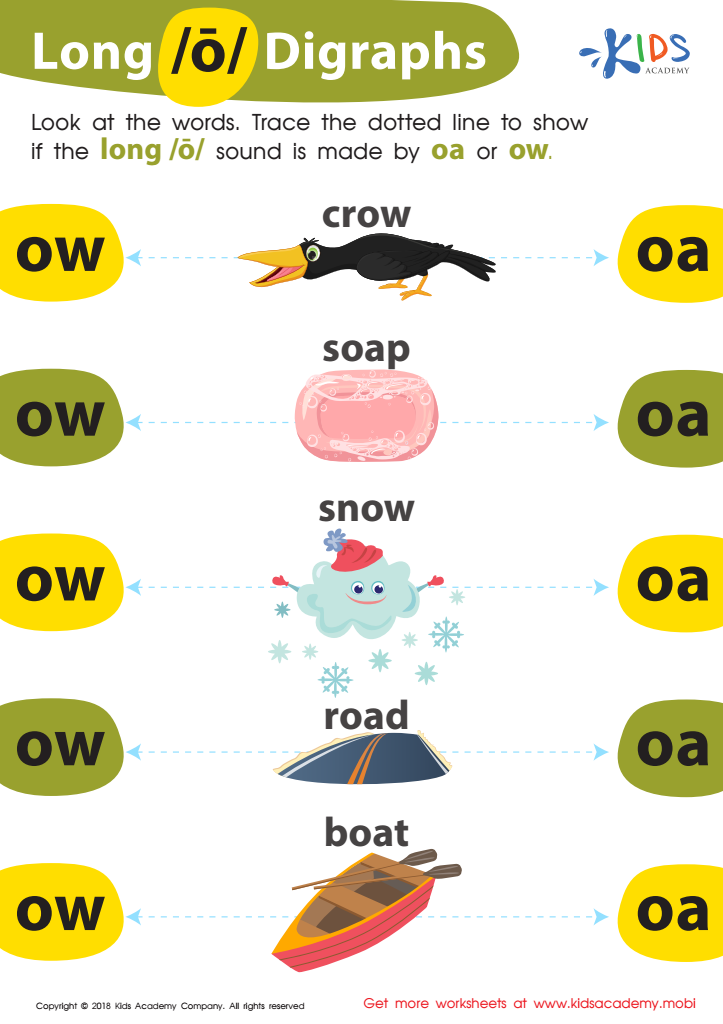
Reading: Long O Digraphs Worksheet
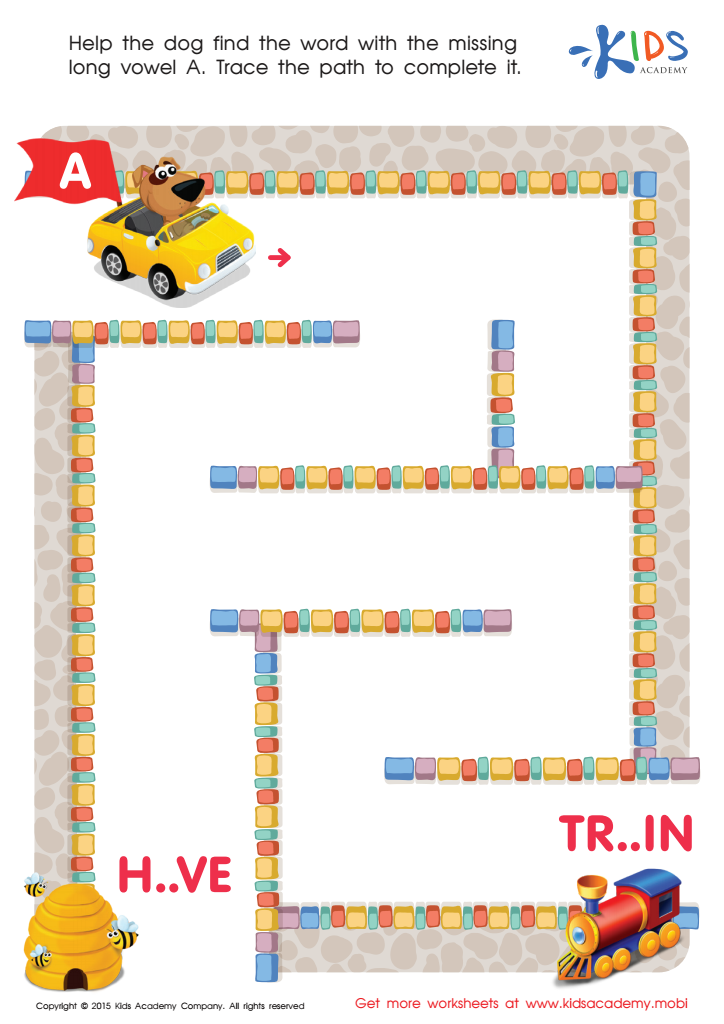
Long Vowel Sound A Worksheet
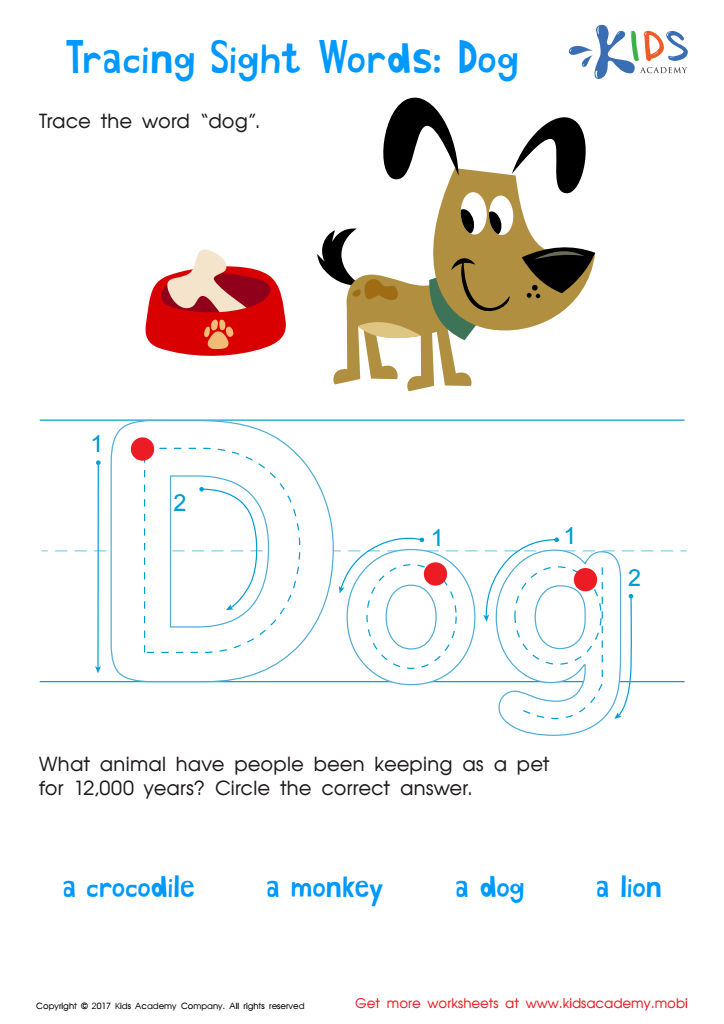
Dog Worksheet Sight Words Worksheet
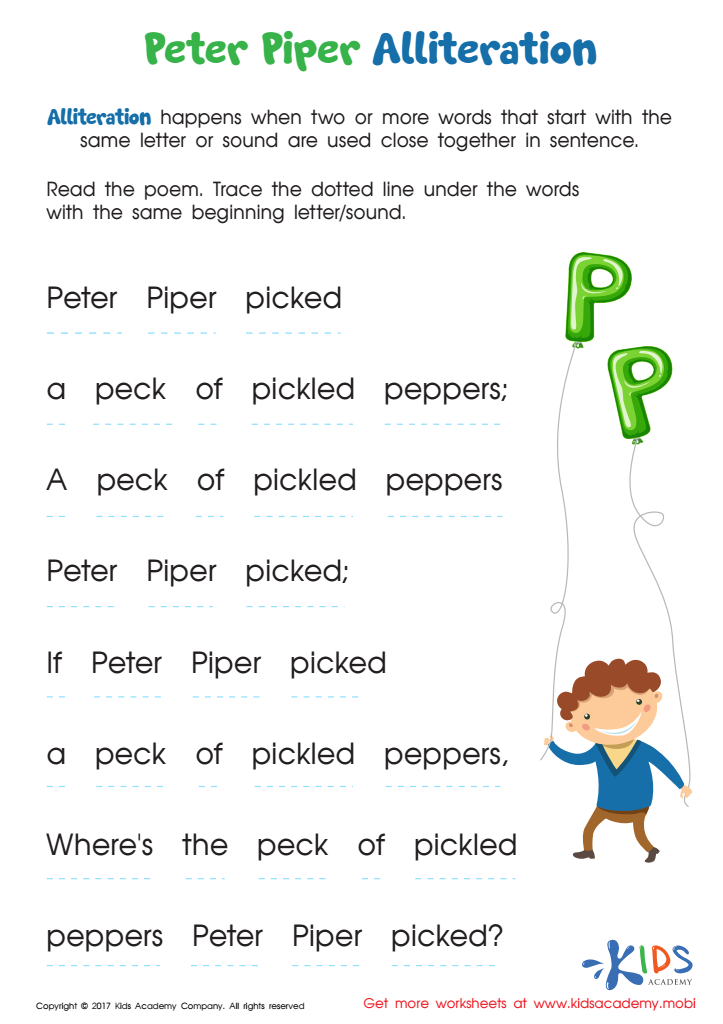
Peter Piper Alliteration Worksheet
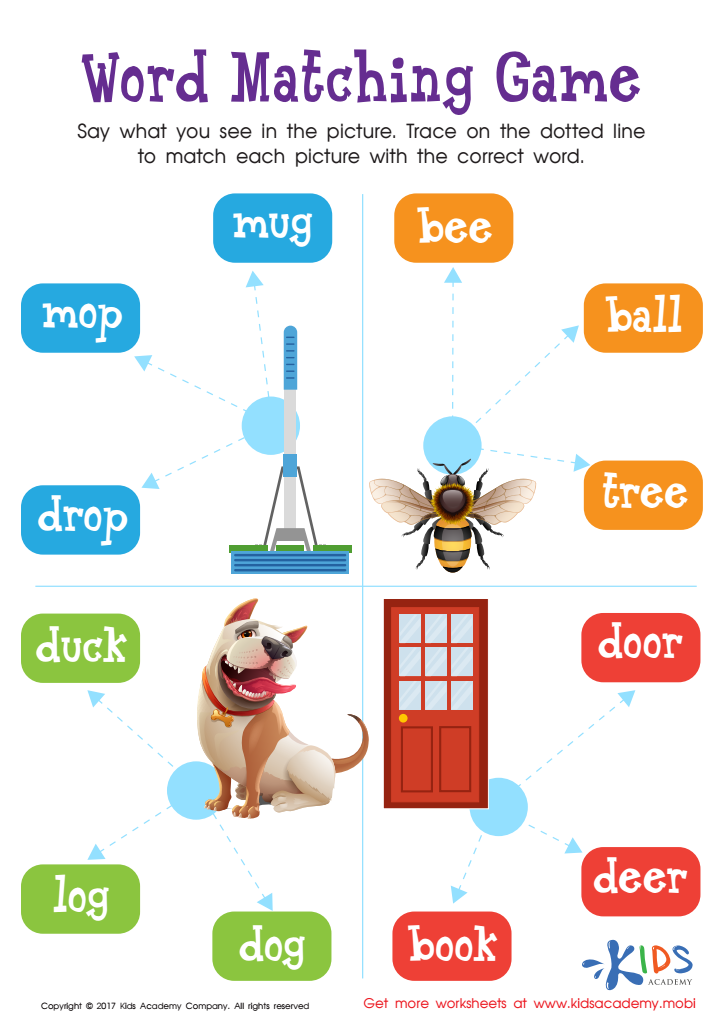
Word Matching Game Worksheet
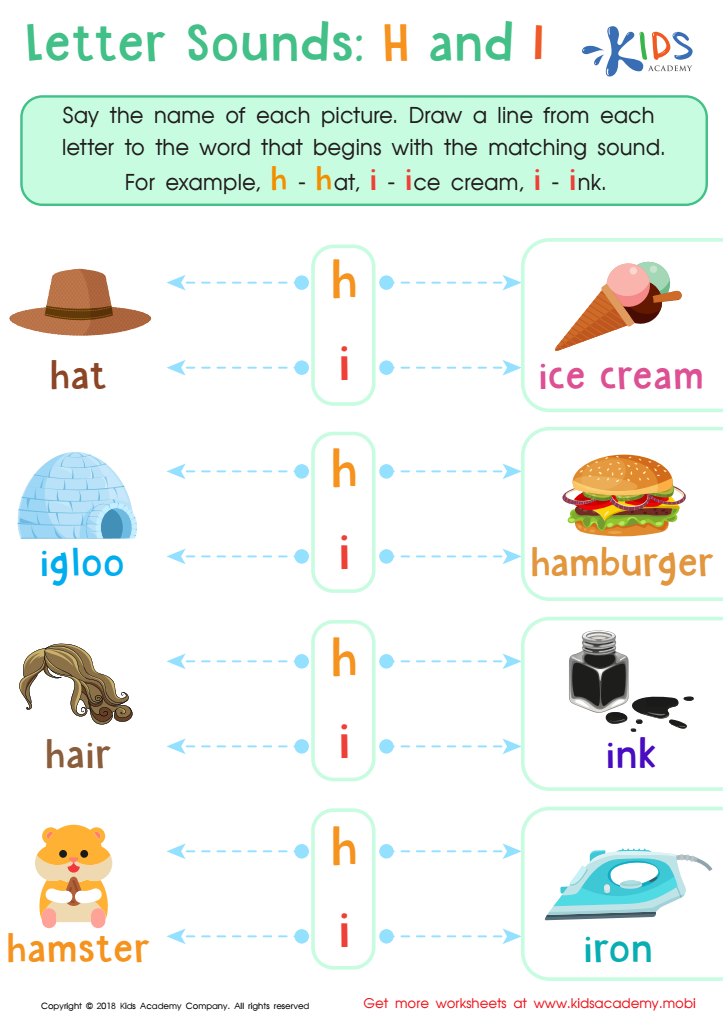
Letter H and I Sounds Worksheet
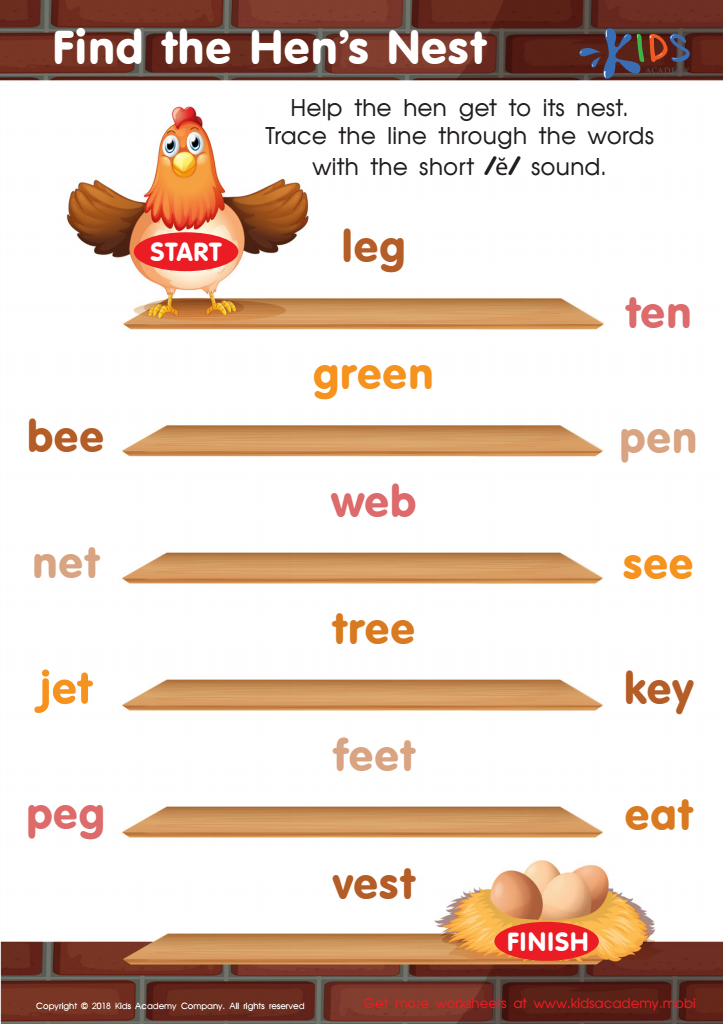
Find Hens Nest Reading Worksheet
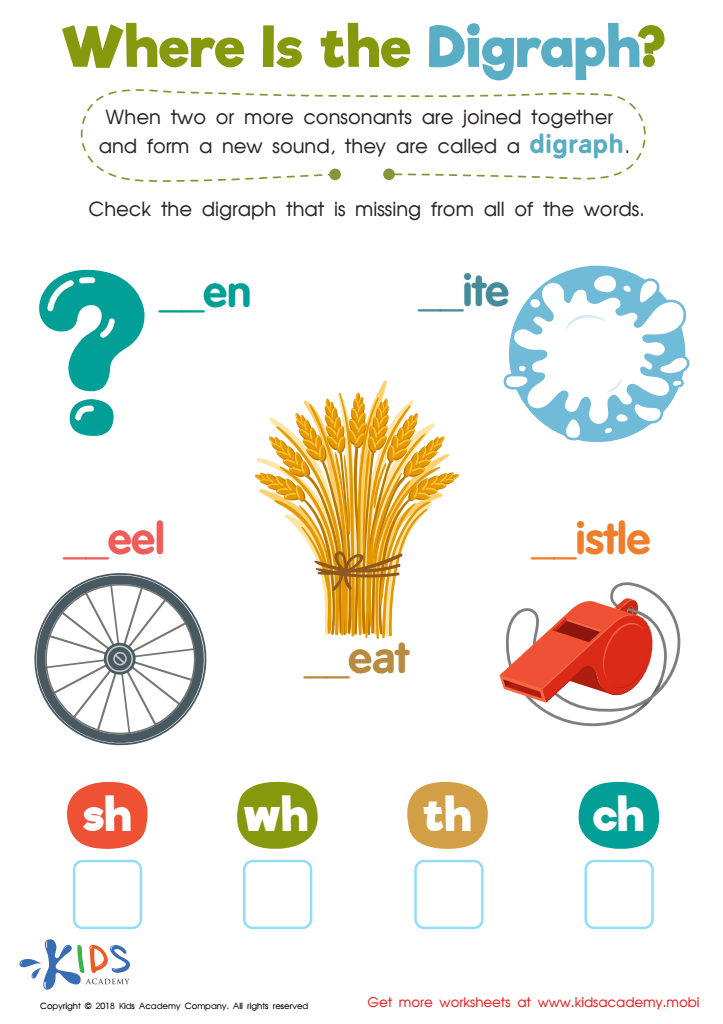
Where Is the Digraph? Worksheet
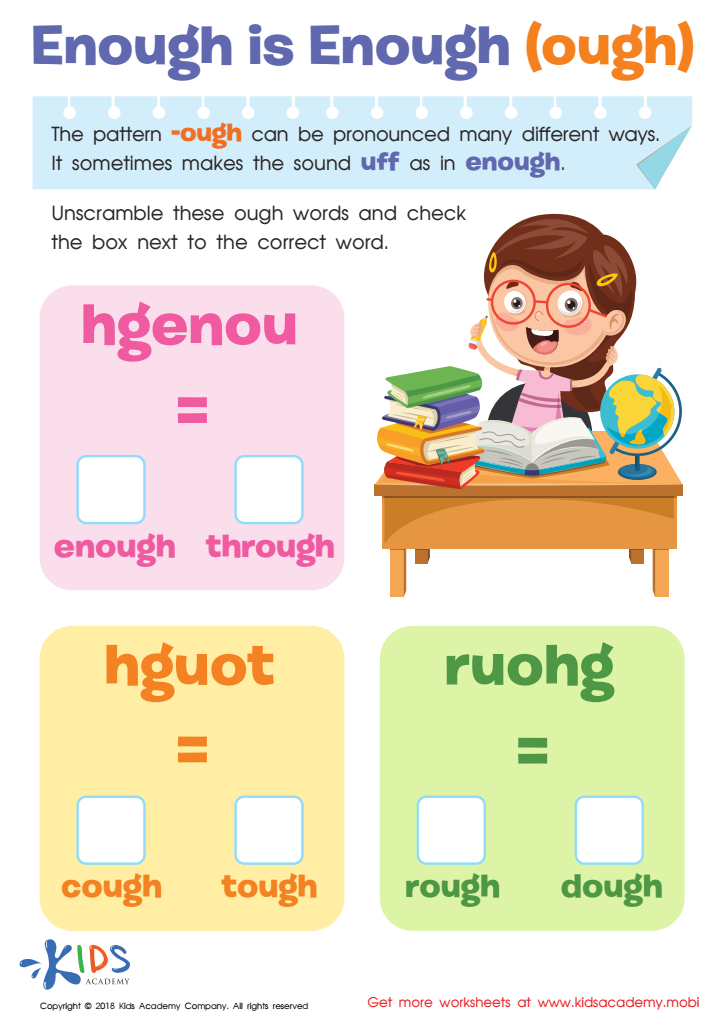
Enough Is Enough (ough) Worksheet
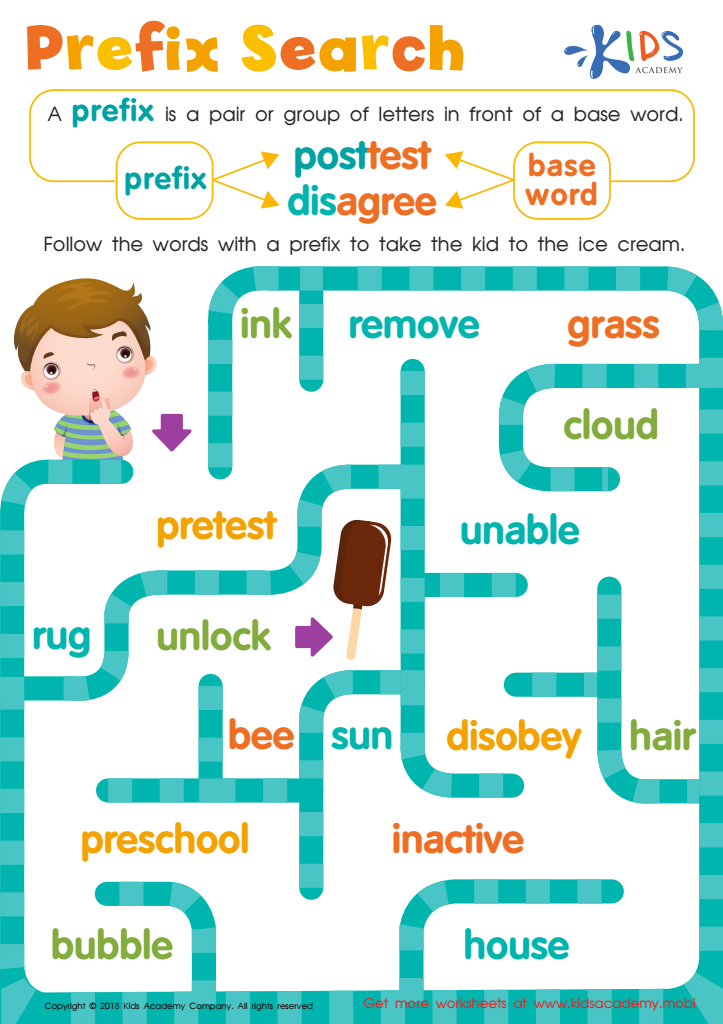
Reading: Prefix Search Worksheet
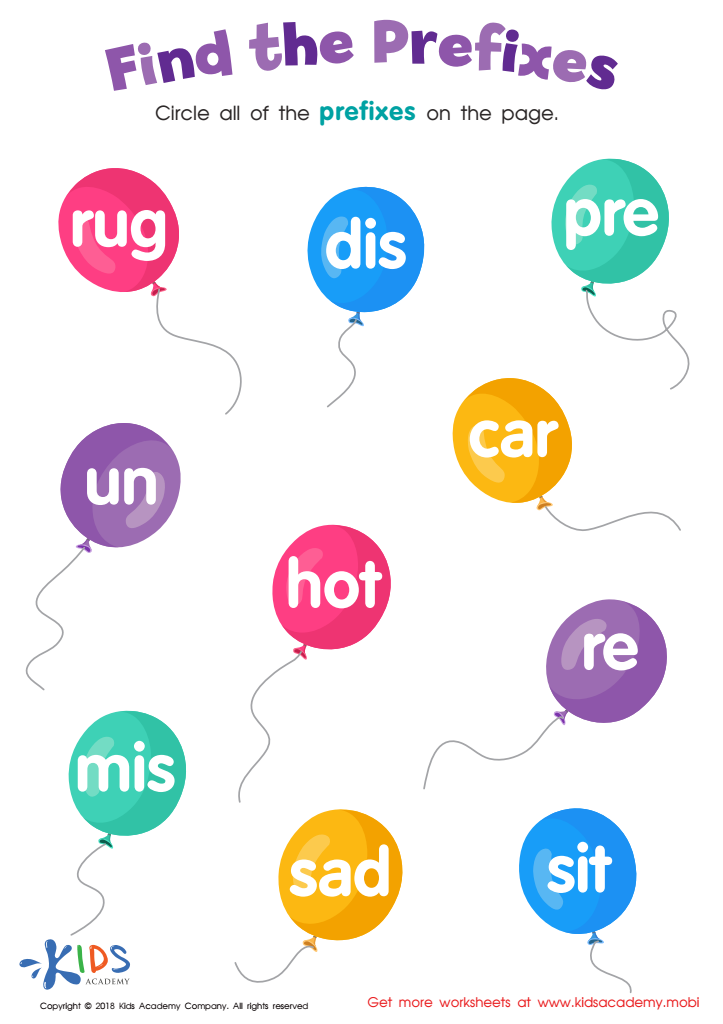
Reading: Find the Prefixes Worksheet
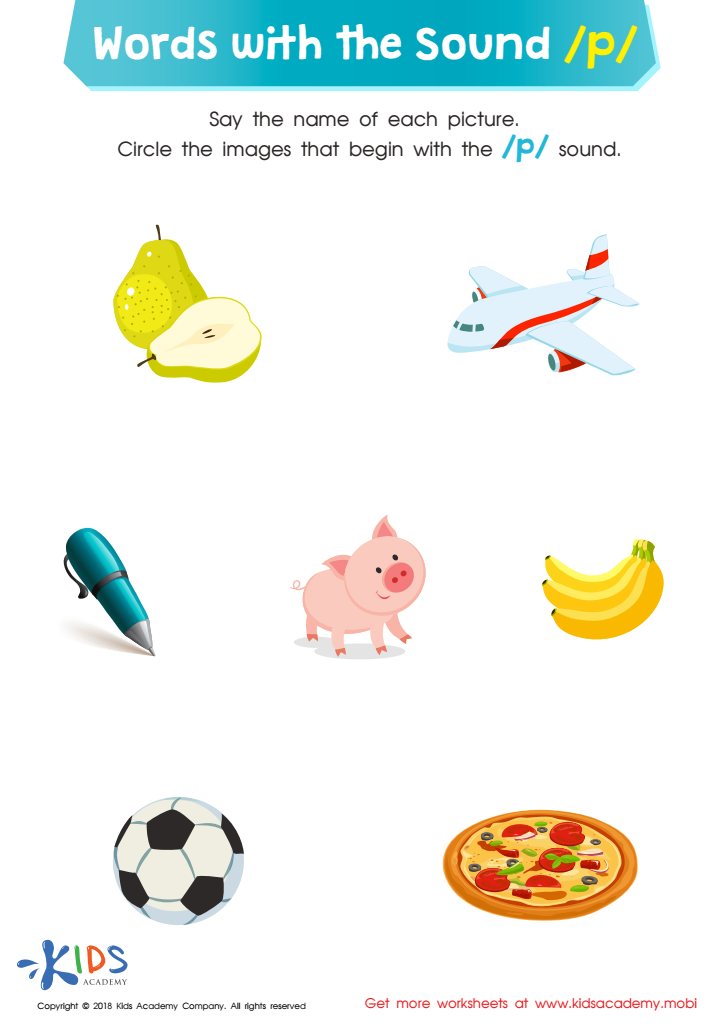
Words with sound p Reading Worksheet
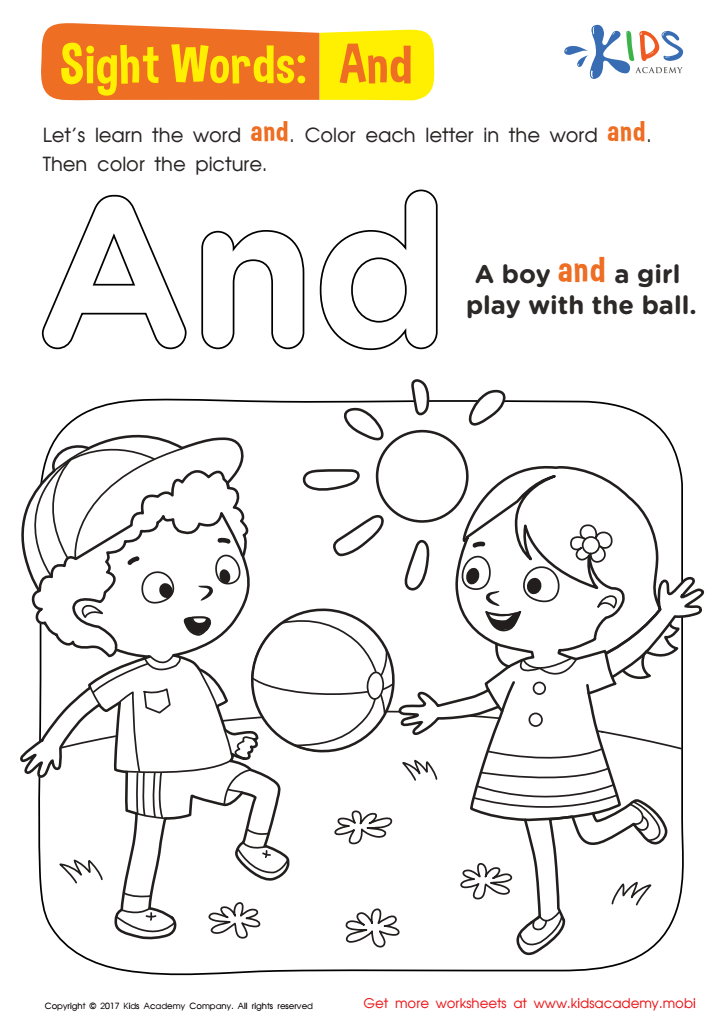
And Worksheet Sight Words Worksheet
 Assign to My Students








Vocabulary building and phonics are essential components of early literacy development for children aged 4-9, serving as the foundation for future reading and writing skills. At this crucial stage, children are developing their language skills rapidly, and robust vocabulary not only enhances comprehension but also fosters effective communication.
Phonics instruction teaches children the relationships between sounds and letters, helping them decode words confidently. This skill is vital for reading fluency, which impacts overall academic success. Furthermore, a strong vocabulary allows children to express their thoughts clearly, engage in conversations, and comprehend texts more easily.
Parents and teachers play a critical role in this process. They can incorporate engaging activities such as reading aloud, word games, and interactive storytelling that promote vocabulary and phonics in a fun, stimulating way. When children are actively involved, the likelihood of retaining new words and phonetic skills increases.
Moreover, a solid foundation in vocabulary and phonics can positively influence a child’s self-esteem and motivation in school, leading to a lifelong love for reading. By prioritizing these skills, both parents and teachers are investing in children's academic futures and equipping them for successful communication in an increasingly literate world.







