Phonics Skills Short Vowels Worksheets for Ages 4-9
10 filtered results
-
From - To
Enhance early literacy with our "Phonics Skills Short Vowels Worksheets," designed for children aged 4-9. These expertly crafted worksheets focus on identifying, sounding out, and writing short vowel phonemes. Aligned with educational standards, they combine engaging activities with interactive, colorful illustrations to maintain your child’s attention. Perfect for classroom use or homeschooling, these worksheets build foundational skills in reading and spelling, making learning both effective and fun. Empower your child to recognize short vowels in various word contexts and boost their phonemic awareness for a confident start in their reading journey. Download now and watch their skills grow!
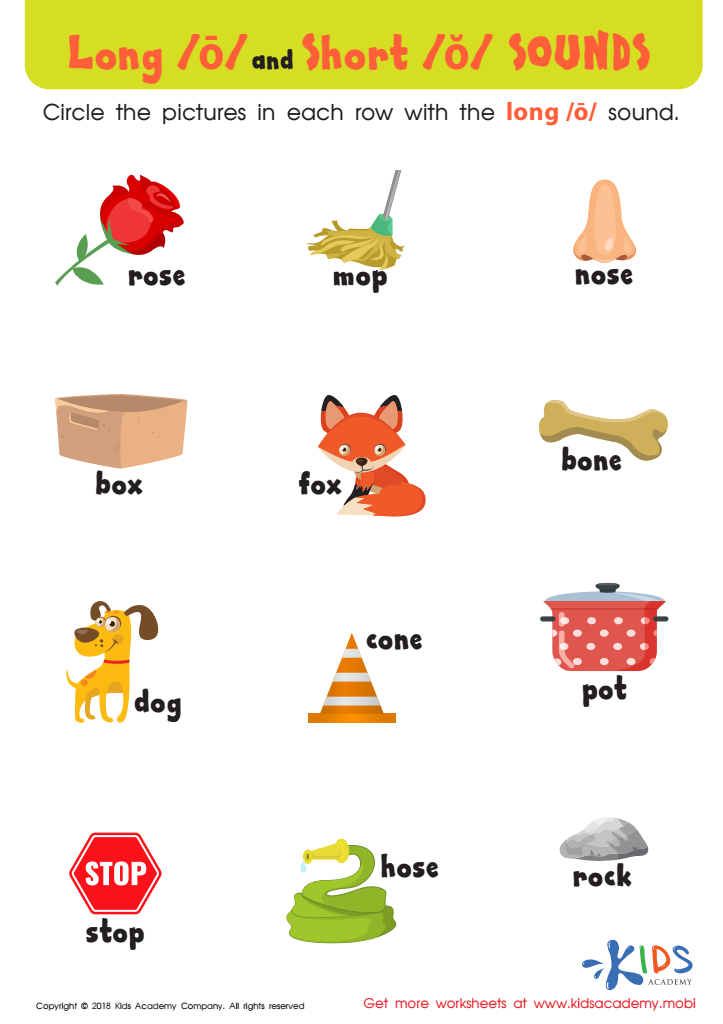
Reading: Long O and Short O Sounds Worksheet
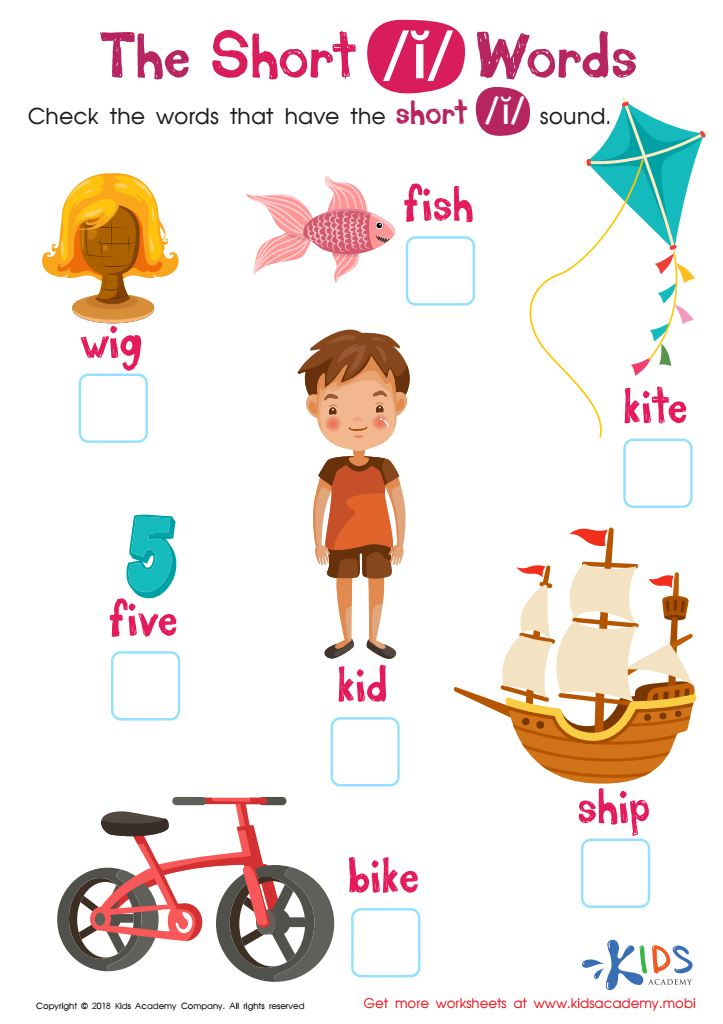
The Short I Words Reading Worksheet
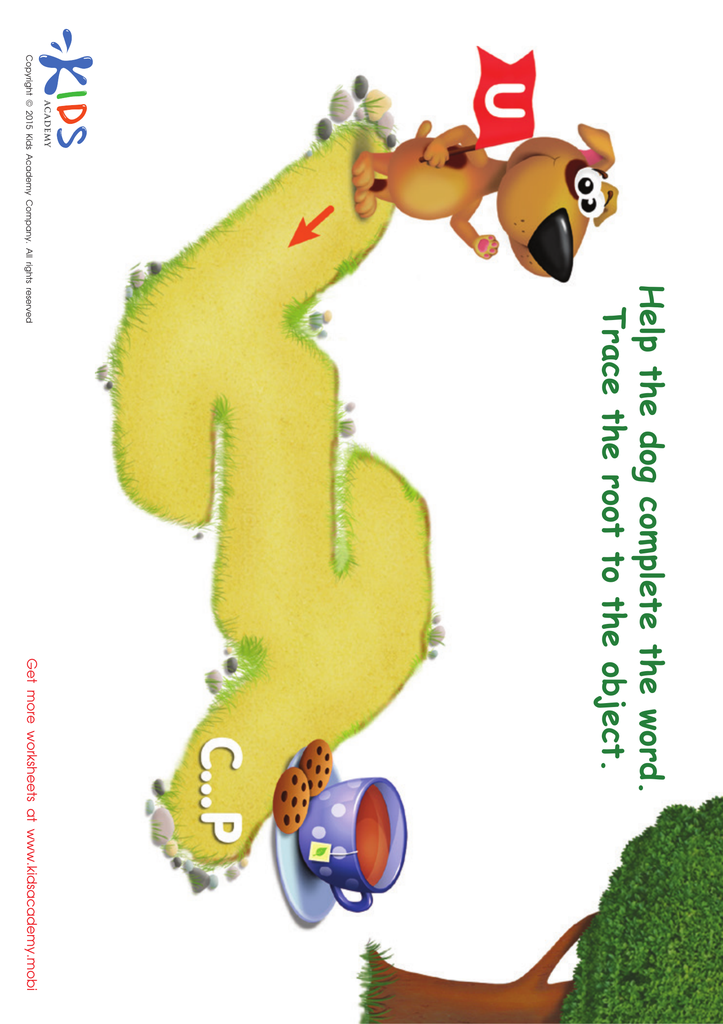
Short Vowel Sound U Worksheet Worksheet
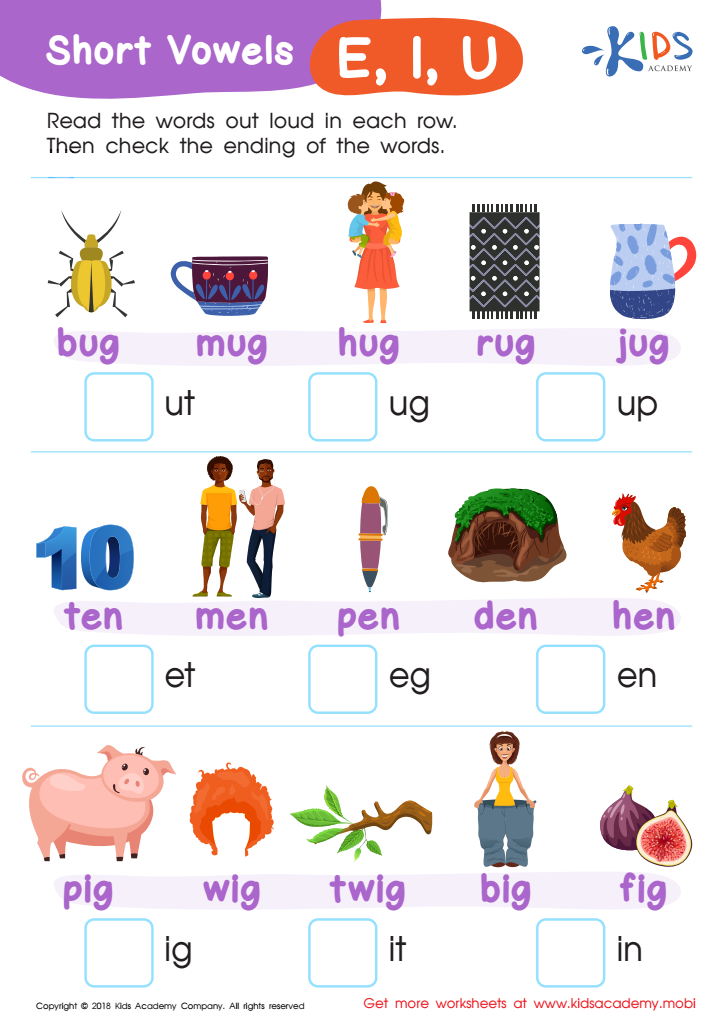
Short Vowels /e/, /i/, and /u/ Worksheet
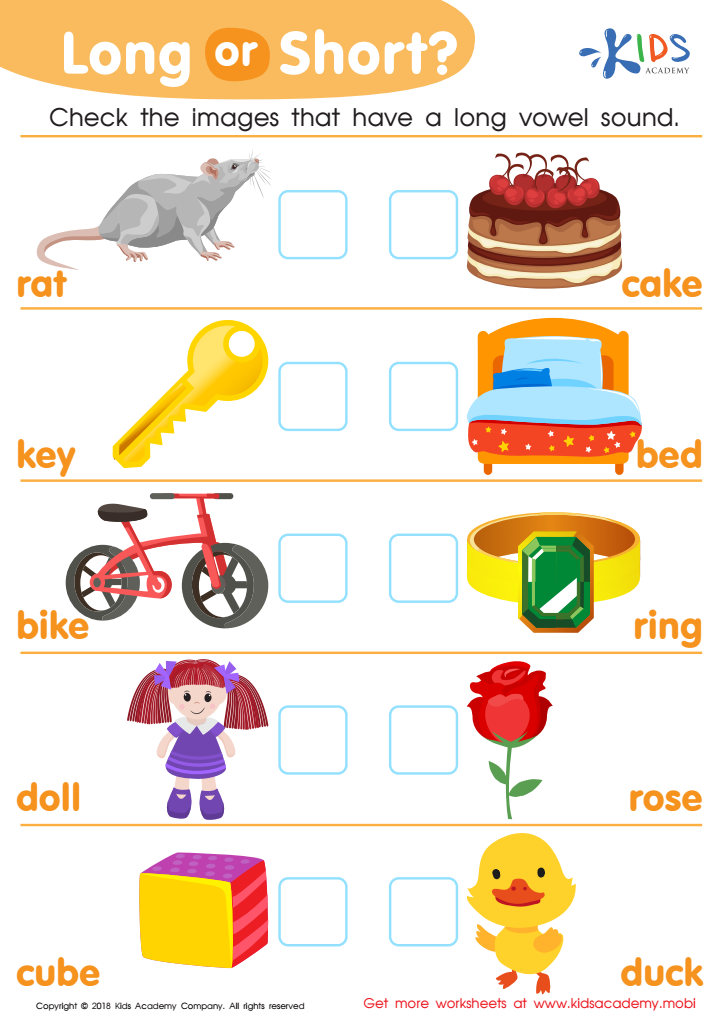
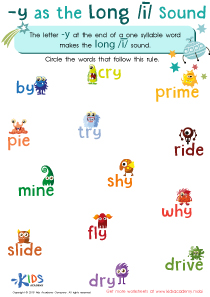
Long or Short Reading Worksheet
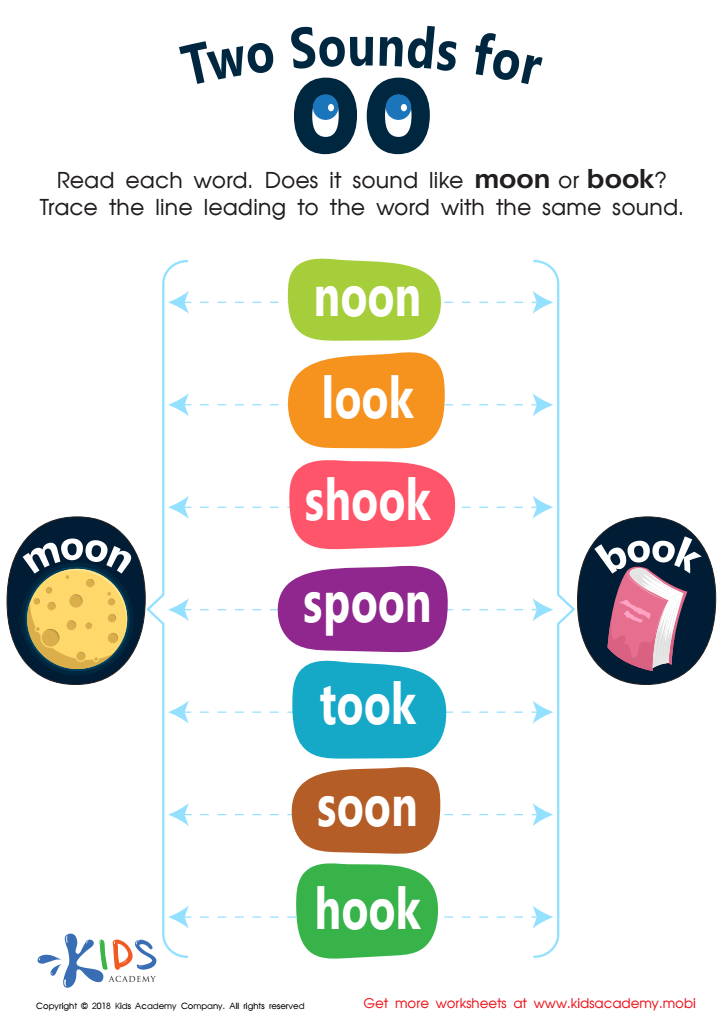
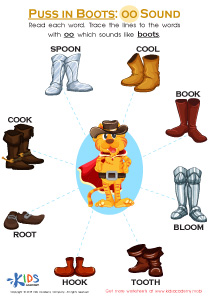
Two Sounds for OO Worksheet
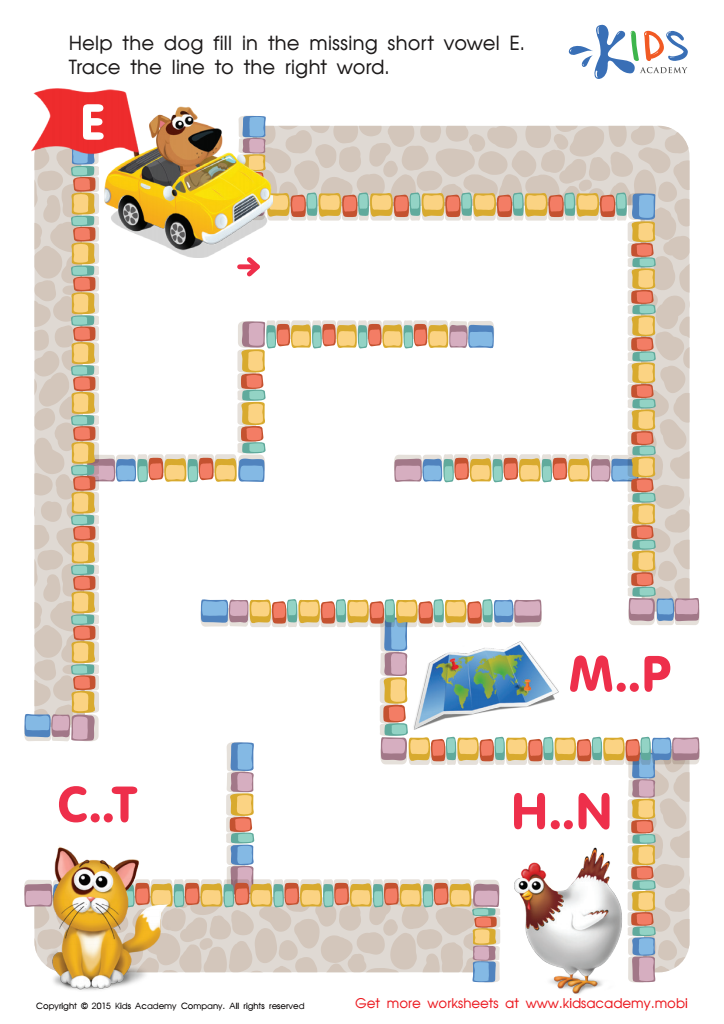
Short Vowel Sound E Worksheet
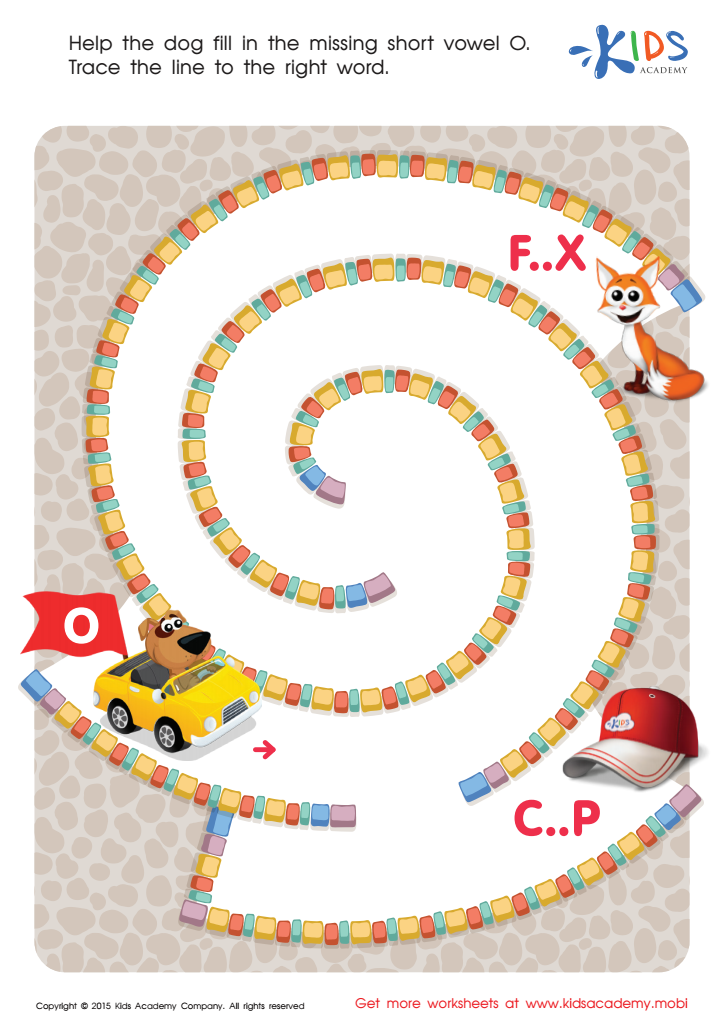
Short Vowel Sound O Worksheet
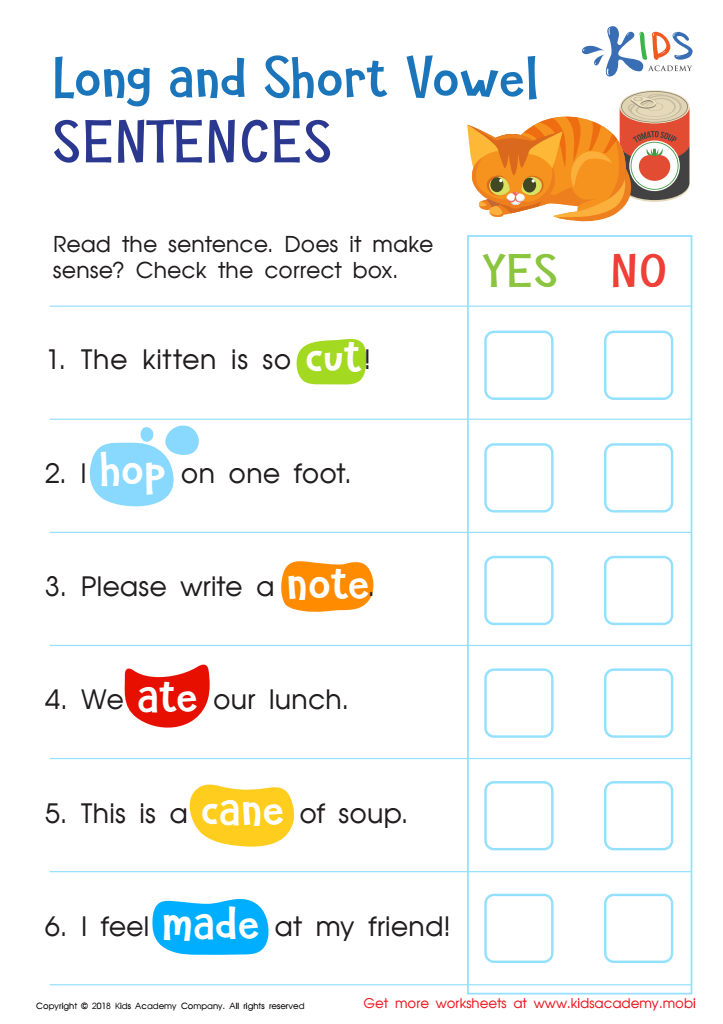
Long and Short Vowel Sentences: Assessment Worksheet
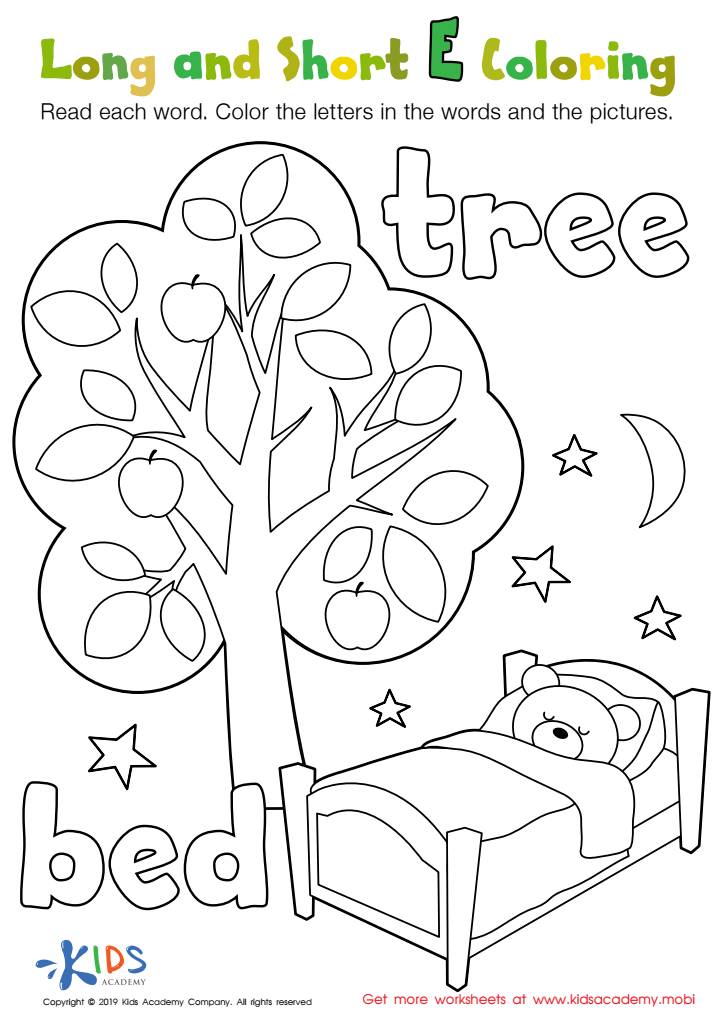
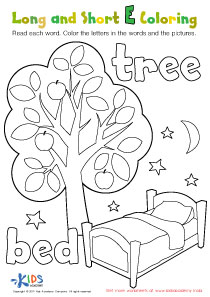
Long and Short E Worksheet
 Assign to My Students



Phonics skills, particularly the understanding of short vowels, form the cornerstone of early reading development for children ages 4-9. These competencies are crucial because they enable young learners to decode words, a fundamental step in achieving fluent reading. Short vowels, like "a" in "cat" or "e" in "bed," appear prominently in simple, commonly used words. Recognizing these sounds helps children intuitively grasp word patterns, build their vocabulary, and start reading with ease and confidence.
For parents and teachers, focusing on phonics and short vowels ensures that children develop strong reading foundations, which impacts their long-term academic success. Studies indicate that early proficiency in phonics correlates with better reading comprehension and overall academic performance. When children struggle with basic phonetic concepts, they may face challenges in decoding new words, leading to frustration and reduced motivation for learning.
Moreover, mastering short vowels boosts children's ability to spell and write. Knowing that “bat,” “bet,” and “bit” differ in meaning because of the vowel sound fosters better literacy skills. Parents and teachers, by investing time and resources in phonics education, particularly short vowels, create a supportive learning environment. This foundational knowledge not only enhances reading fluency but also instills a positive attitude toward lifelong learning.