Develop problem-solving abilities Worksheets for Ages 4-9
6 filtered results
-
From - To
Unlock your child's potential with our engaging "Develop Problem-Solving Abilities" worksheets, designed for ages 4-9. These interactive activities foster critical thinking and creativity, allowing young learners to tackle puzzles and challenges tailored to their developmental stage. Each worksheet encourages exploration, enhancing skills such as reasoning, pattern recognition, and logical thinking. Our carefully crafted resources promote independent learning, making it easier for parents and educators to support cognitive growth at home or in the classroom. Dive into a world of fun and education, helping children become confident problem solvers. Perfect for enhancing your teaching toolkit!
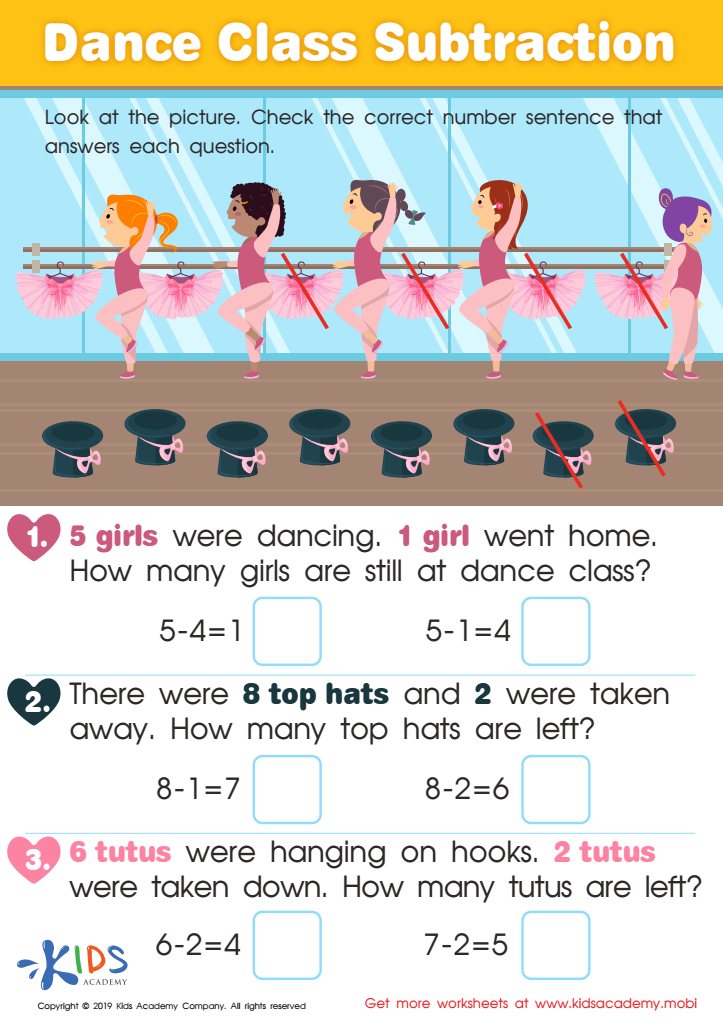
Dance Class Subtraction Worksheet
 Assign to My Students
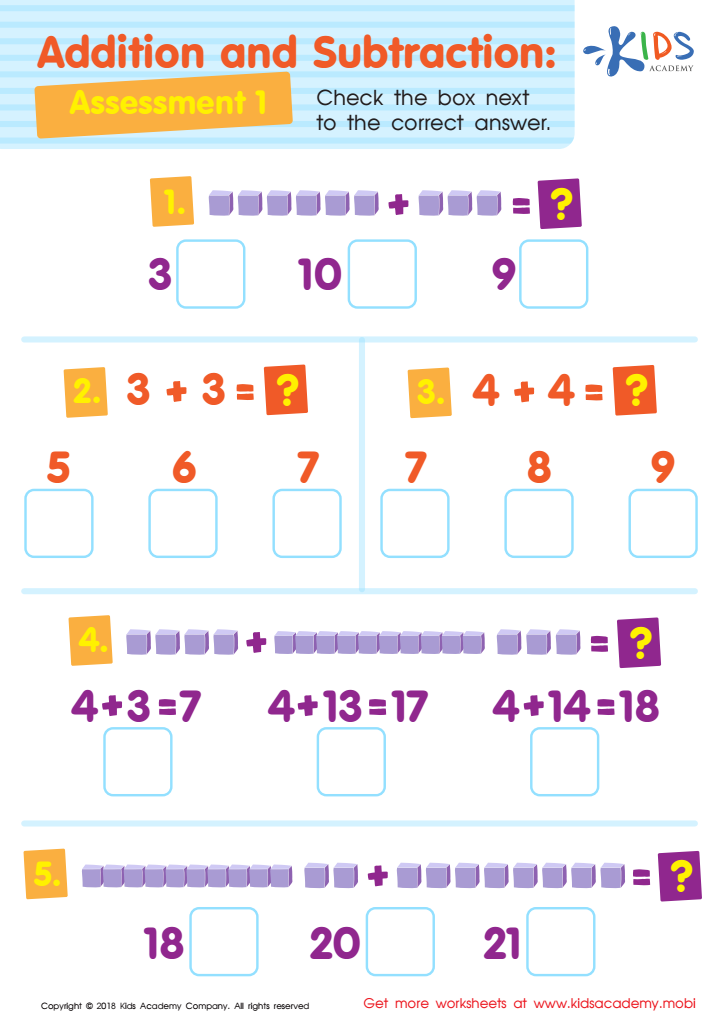
Addition and Subtraction Assessment 1 Worksheet
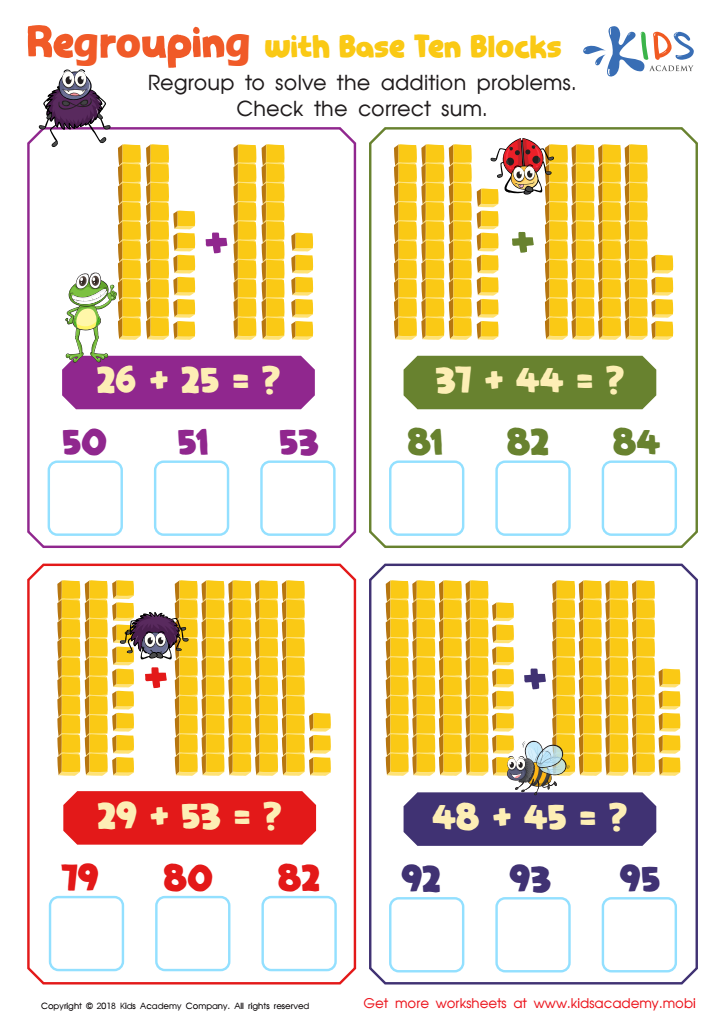
Regrouping With Base Ten Blocks Worksheet
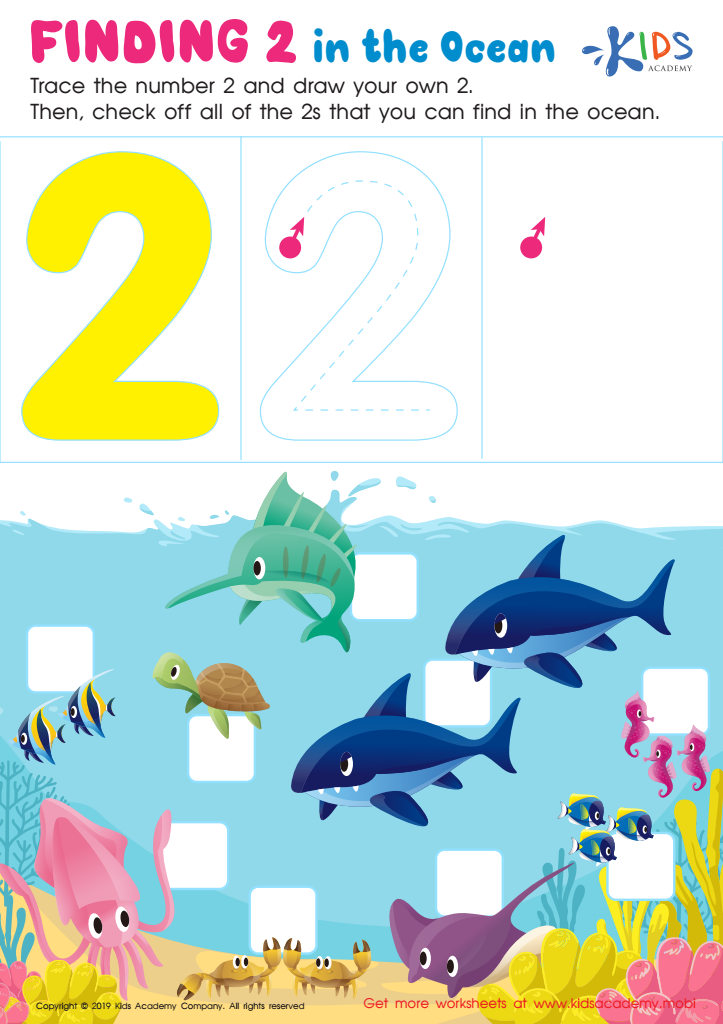
Finding 2: In the Ocean Worksheet
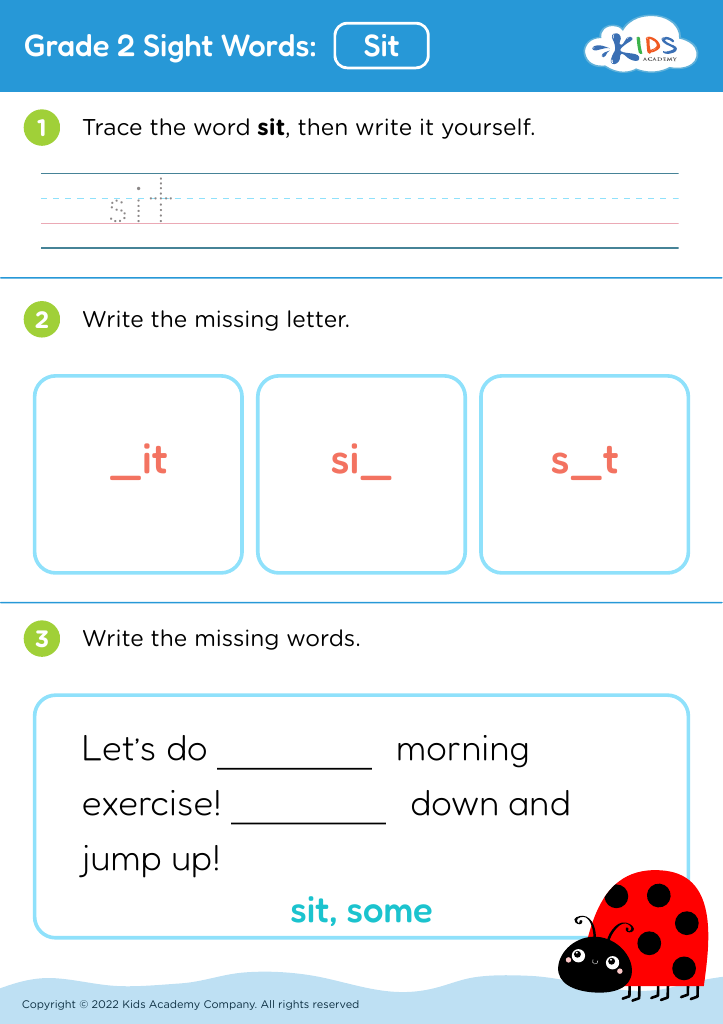
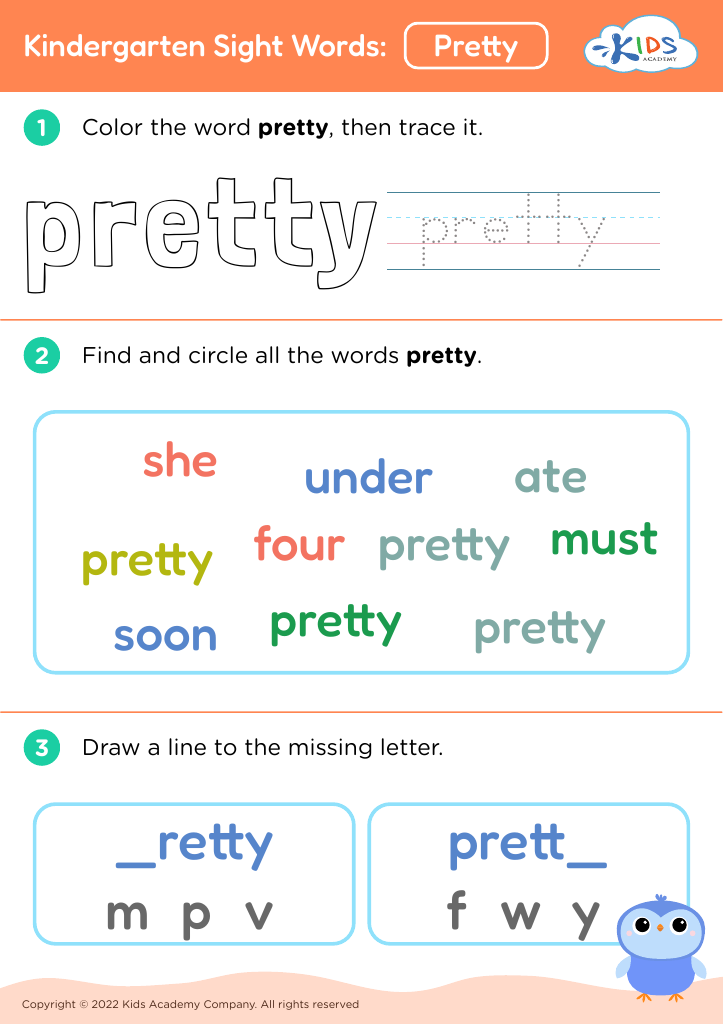






Developing problem-solving abilities in children aged 4-9 is crucial for several reasons. This foundational skill set prepares young learners for the complexities of daily life and future academic challenges. At this age, children are naturally curious and eager to explore new concepts. Encouraging them to tackle problems helps cultivate their critical thinking skills, enhancing cognitive development. Instead of merely imparting knowledge, teachers and parents can inspire children to ask questions, make connections, and devise solutions, fostering a more engaged and enthusiastic approach to learning.
Moreover, mastering problem-solving encourages resilience. When children are guided through challenges and learn that mistakes are part of the learning process, they develop perseverance and confidence. These traits promote a growth mindset, essential for both academic and personal success. Additionally, these skills support social development, as children often need to negotiate, collaborate, and communicate with peers while working on group projects or resolving conflicts.
Teaching problem-solving can be easily integrated into everyday activities and games, making learning enjoyable. Ultimately, investing in these abilities early on equips children with the tools they need to become adaptable, competent adults ready to navigate life's obstacles. By fostering problem-solving skills, parents and teachers can nurture lifelong learners capable of independent thinking.








