Developing problem-solving skills Worksheets for Ages 4-9
10 filtered results
-
From - To
Nurture your child’s critical thinking with our Developing Problem-Solving Skills Worksheets for Ages 4-9. Tailored to blend fun with education, our worksheets help kids tackle challenges head-on, enhancing logic, reasoning, and creativity. These engaging activities range from simple puzzles and matching exercises to complex patterns, designed to cater to every child's pace and skill level. As young learners navigate through colorful and interactive tasks, they build strong problem-solving abilities crucial for academic success. Ideal for both classroom and home-based learning, our worksheets ensure your child not only learns but enjoys the process of discovery and solution-finding.
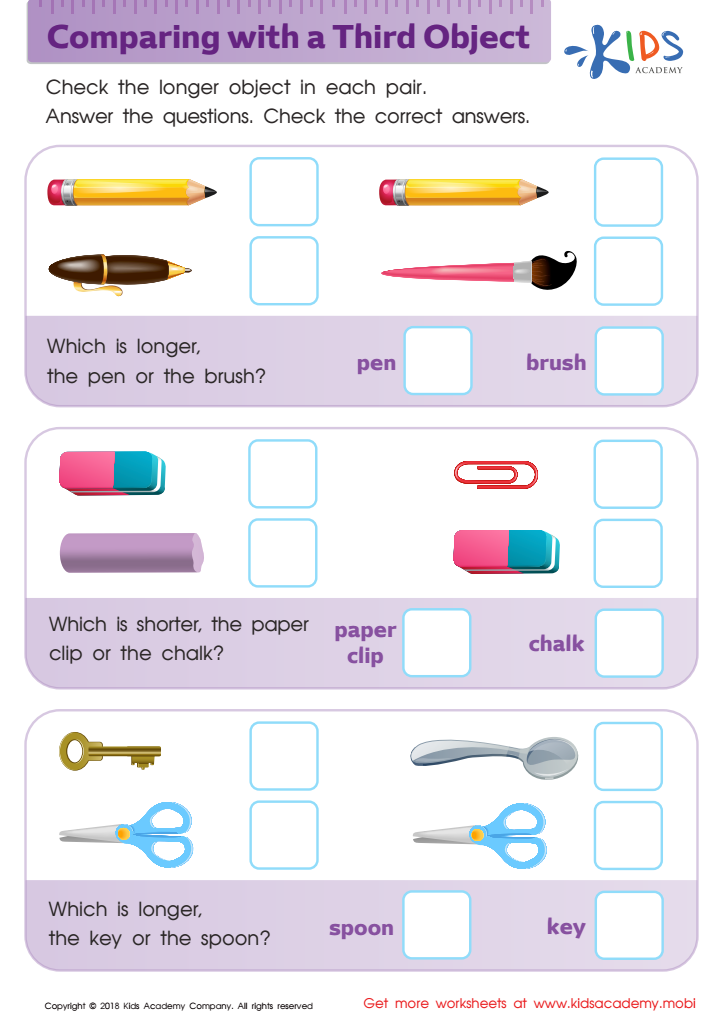
Comparing with a Third Object Worksheet
 Assign to My Students
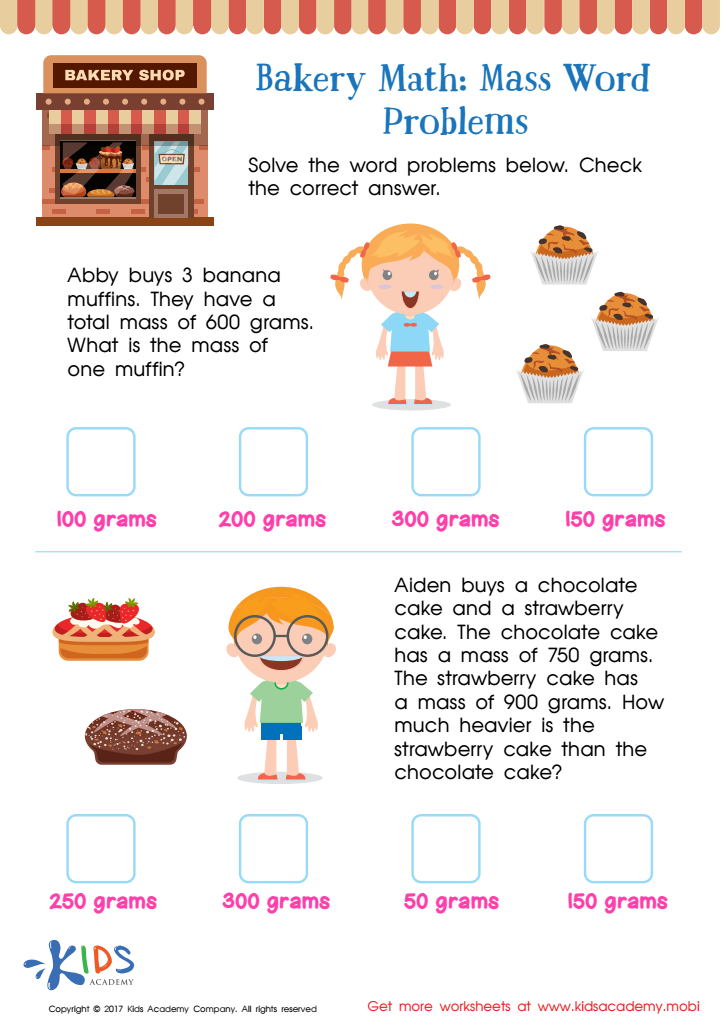
Mass Word Problems Worksheet
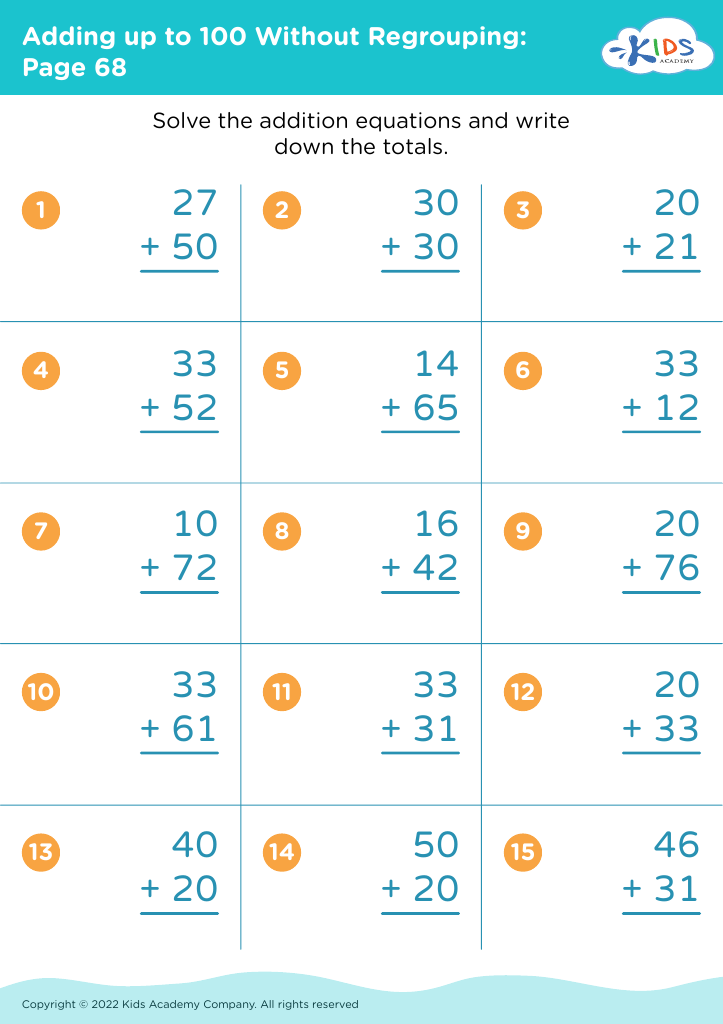
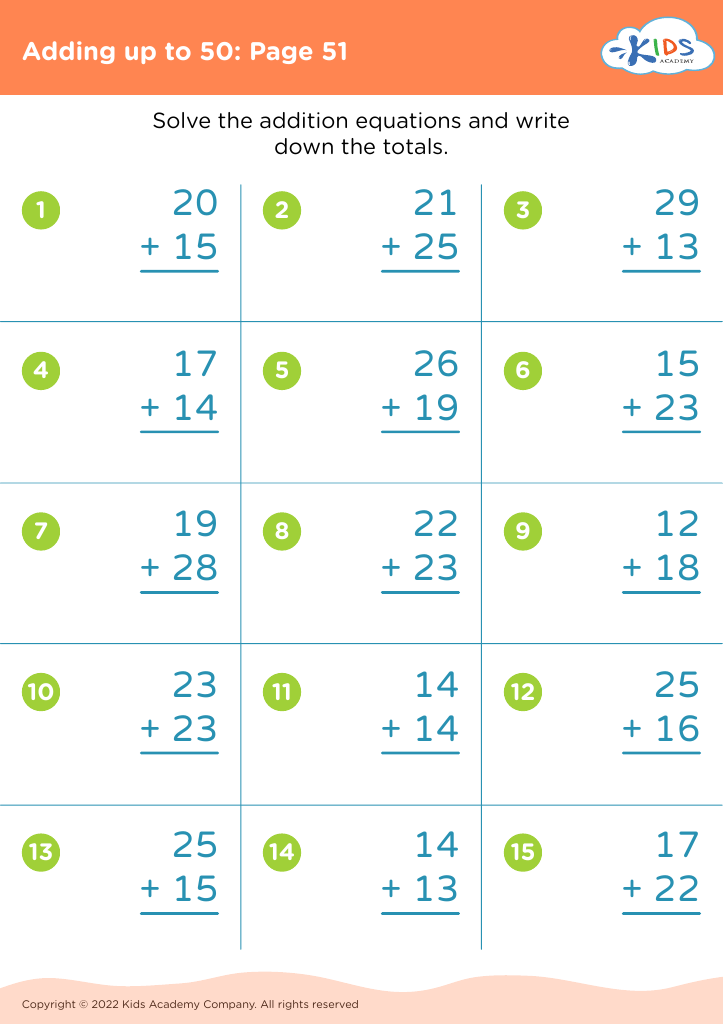
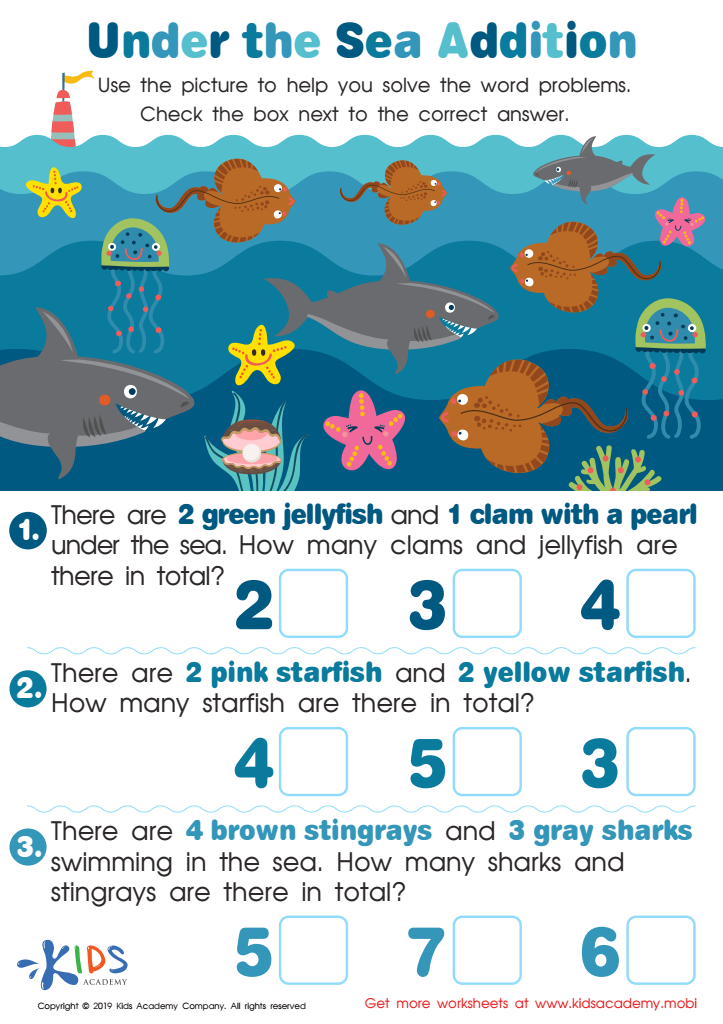
Under the Sea Addition Worksheet
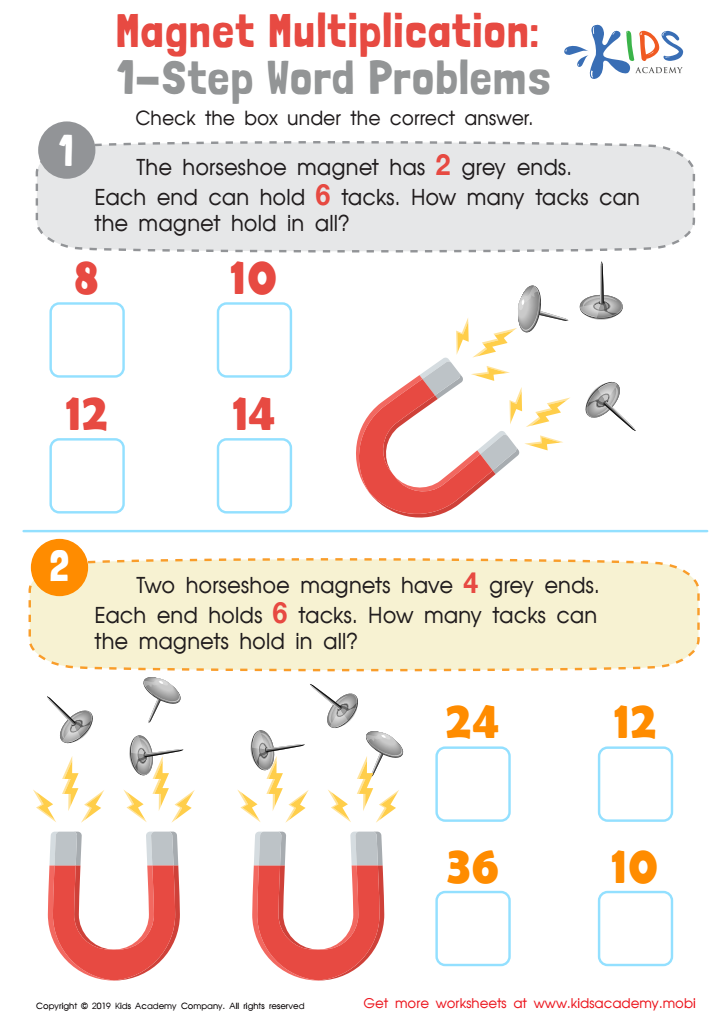
Magnet Multiplication: 1-Step Word Problems Worksheet
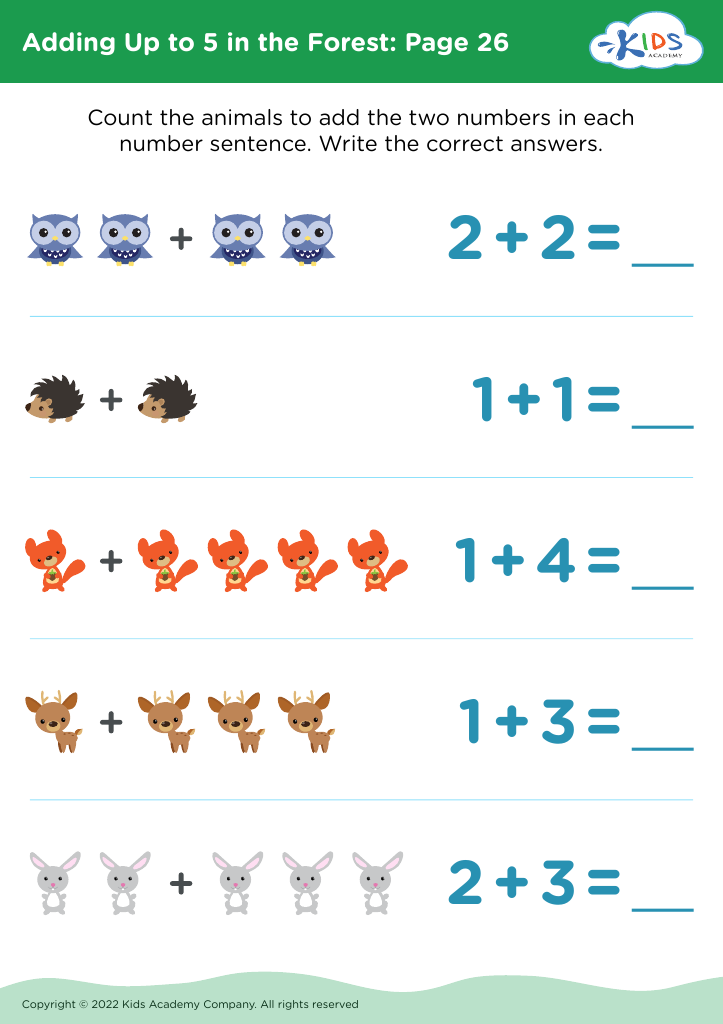
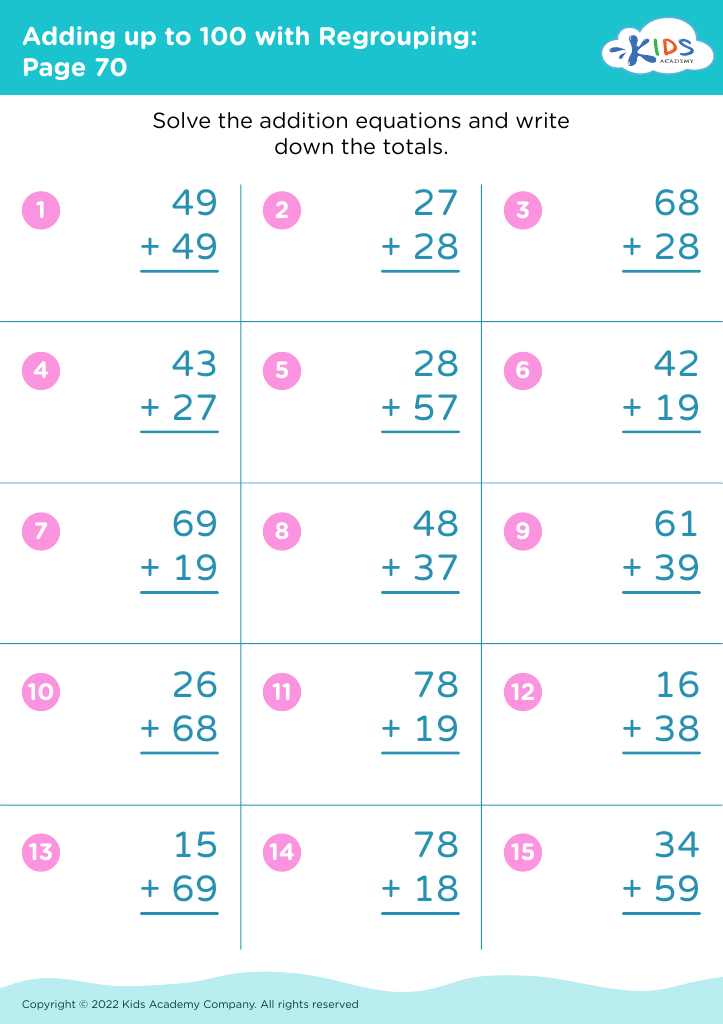


.jpg)




Parents and teachers should prioritize developing problem-solving skills for children aged 4-9 because these skills lay the foundation for lifelong learning and success. At this formative stage, children's brains are highly receptive, and nurturing their cognitive abilities ensures a strong start. Problem-solving encourages critical thinking, allowing children to analyze situations, make informed decisions, and overcome challenges. It fosters creativity by pushing children to devise innovative solutions, boosting their confidence and promoting a growth mindset.
Moreover, problem-solving skills improve social development. When children navigate problems, they learn empathy, cooperation, and communication—essential attributes for healthy relationships. Educationally, strong problem-solving abilities are linked to higher academic achievement. Children become more adept at understanding concepts, conducting tasks independently, and adapting to new situations.
Real-world application is another vital aspect. From simple puzzles to complex social scenarios, problem-solving equips children to handle various real-life challenges, reducing dependency and enhancing resilience. Developing these skills also aligns with key educational standards, paving the way for future success in higher education and careers.
Overall, focusing on problem-solving for early learners is not merely about immediate benefits but ensuring they grow into capable, confident individuals ready to tackle the complexities of life.








