Geography knowledge Worksheets for Ages 4-9 - Page 2
36 filtered results
-
From - To
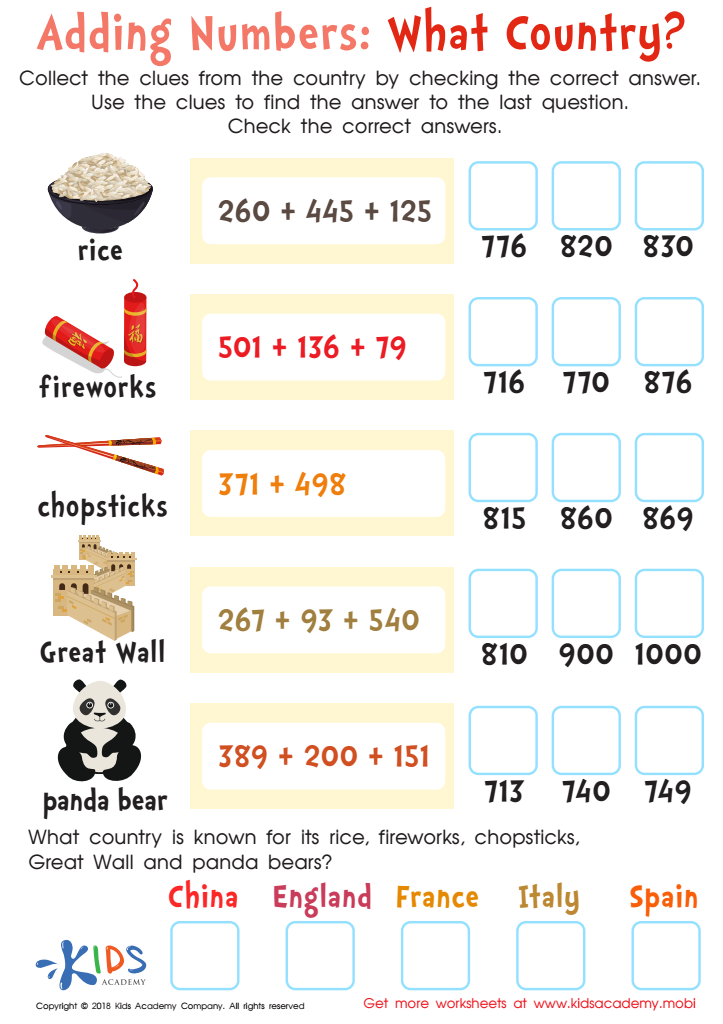
Adding Numbers: What Country Worksheet
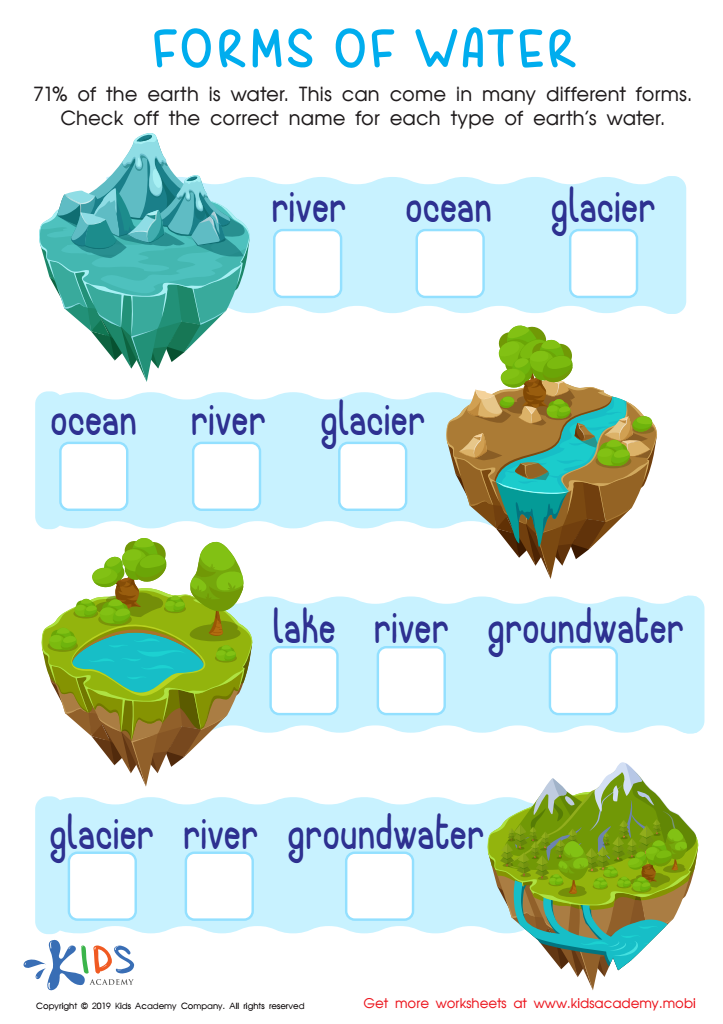
Forms of Water Worksheet
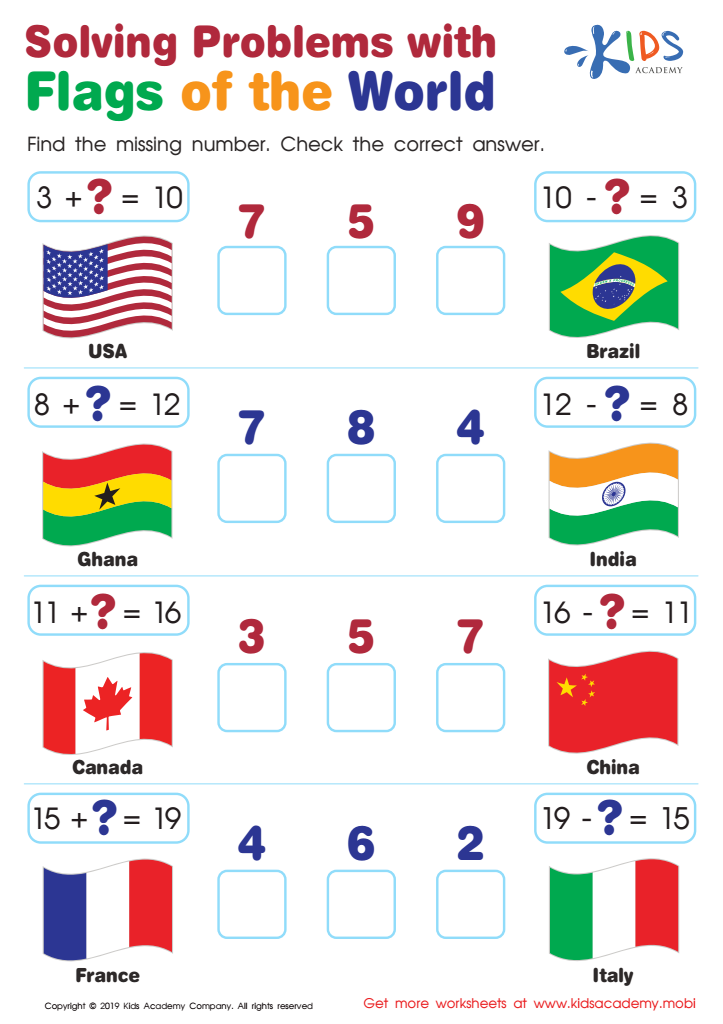
Solving Problems with Flags of the World Worksheet
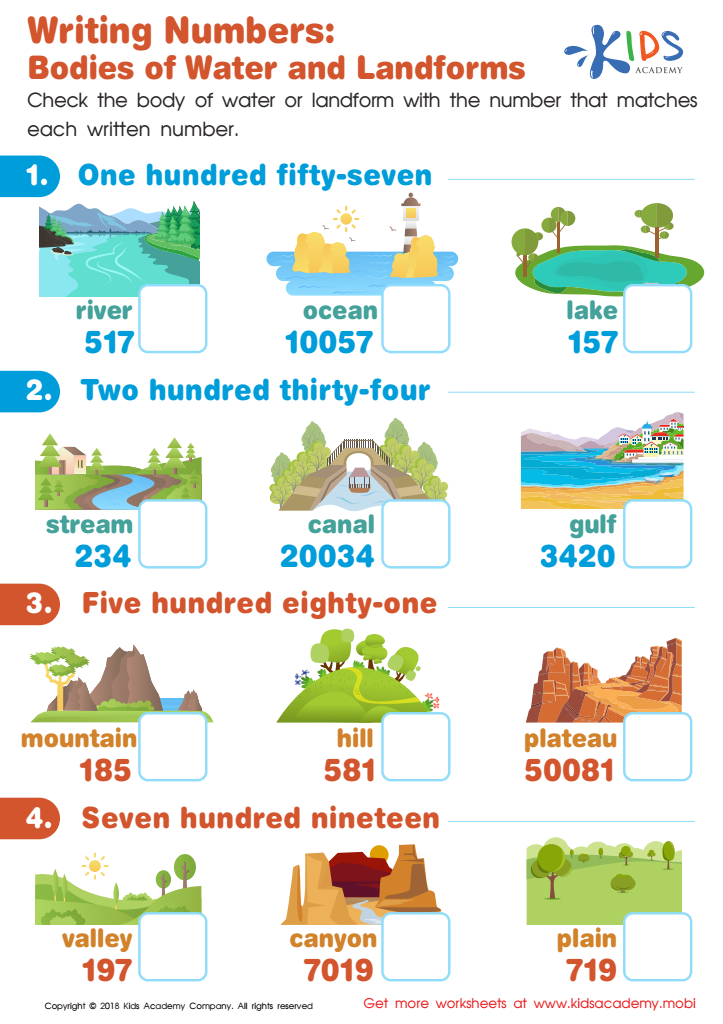
Bodies of Water and Landforms Writing Numbers Worksheet
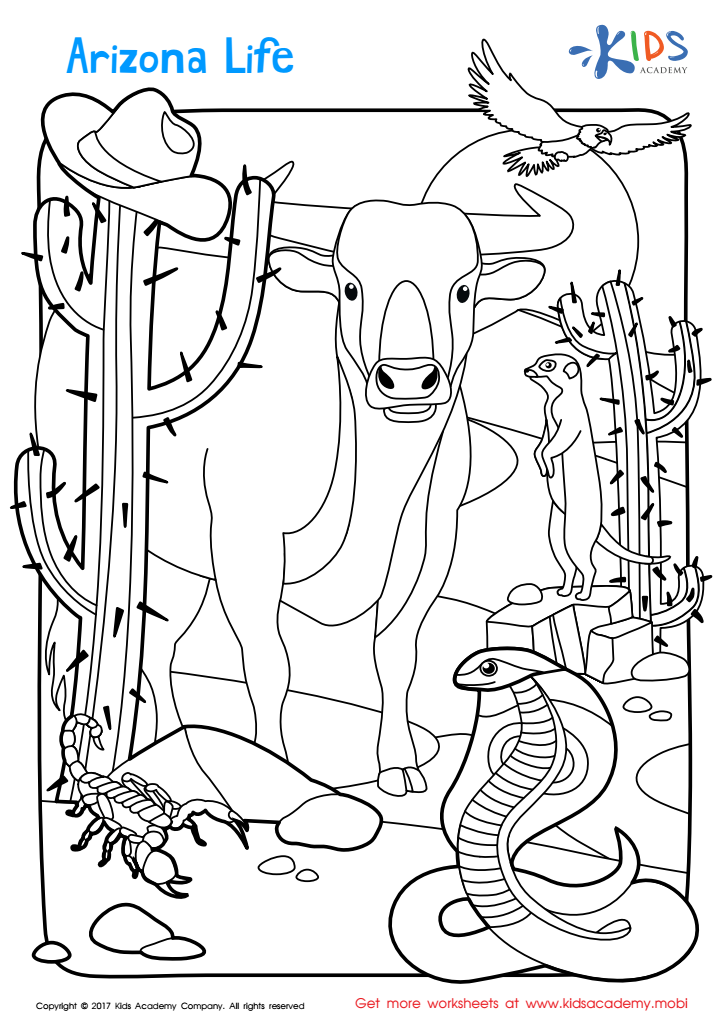
Arizona Coloring Page Worksheet
 Assign to My Students
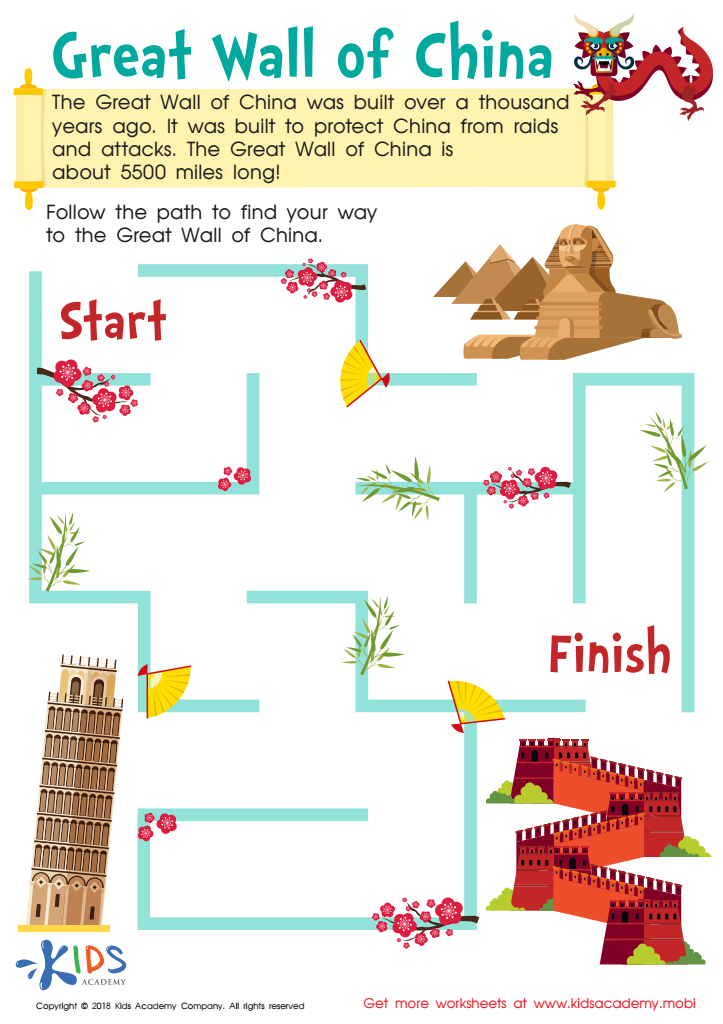
Great Wall of China Worksheet
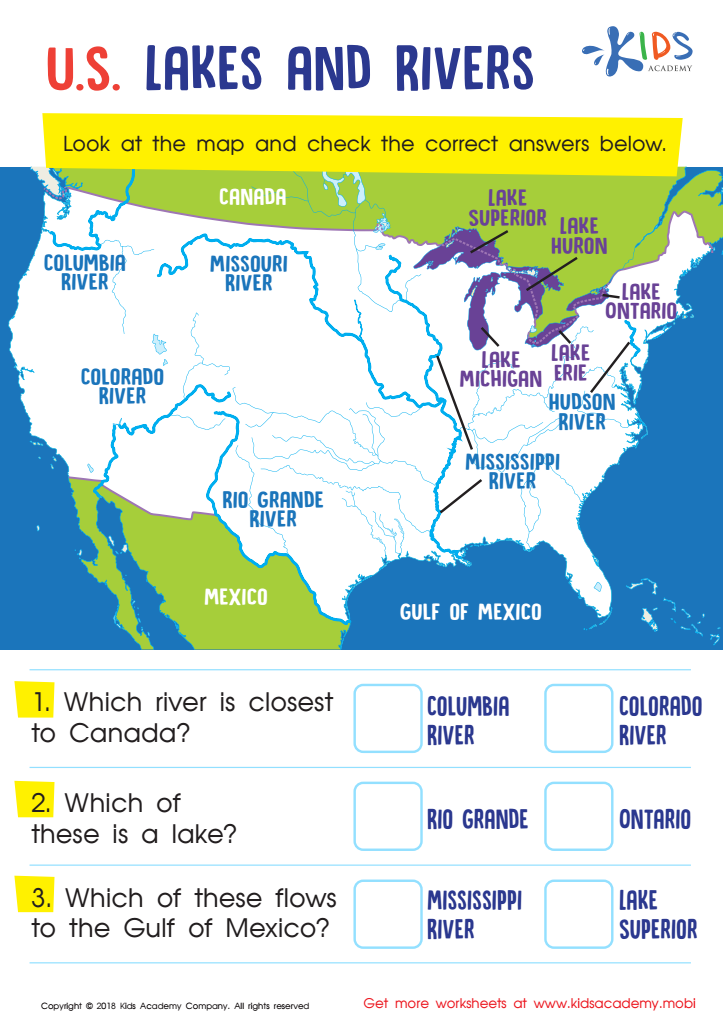
U.S. Lakes and Rivers Worksheet
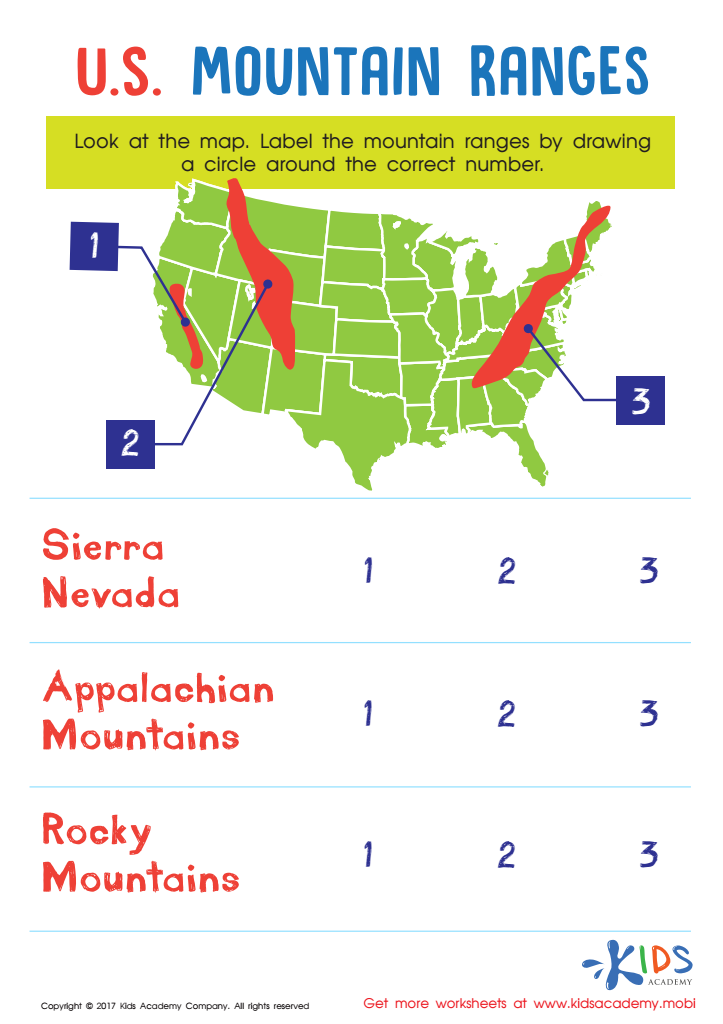
US Mountain Ranges Worksheet

Towns Worksheet
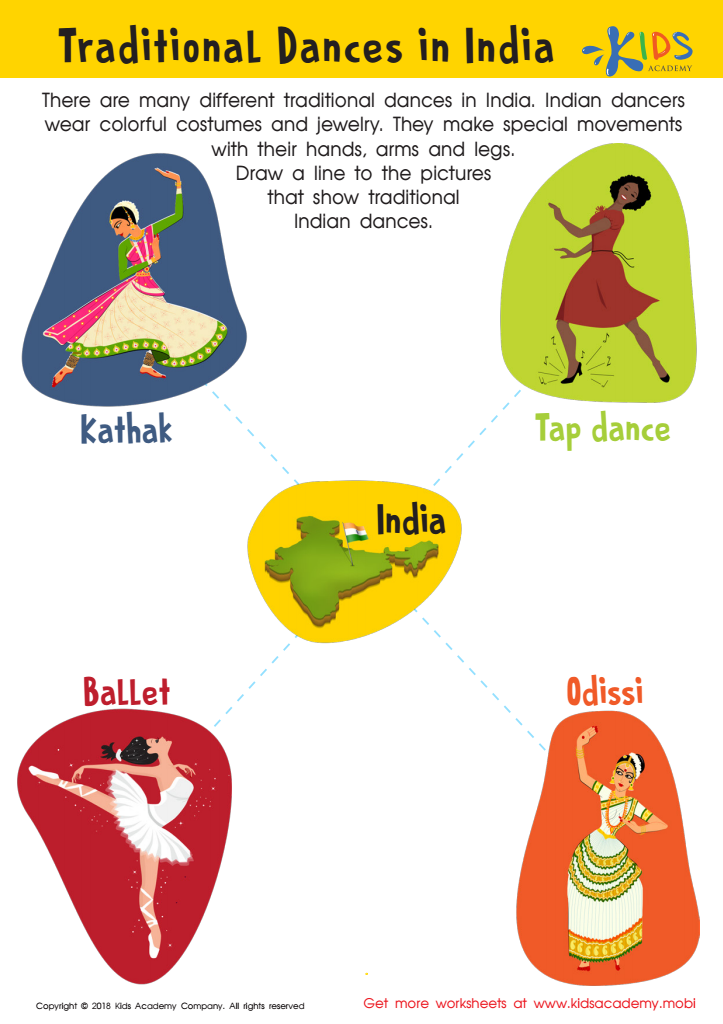
Traditional Dances in India Worksheet
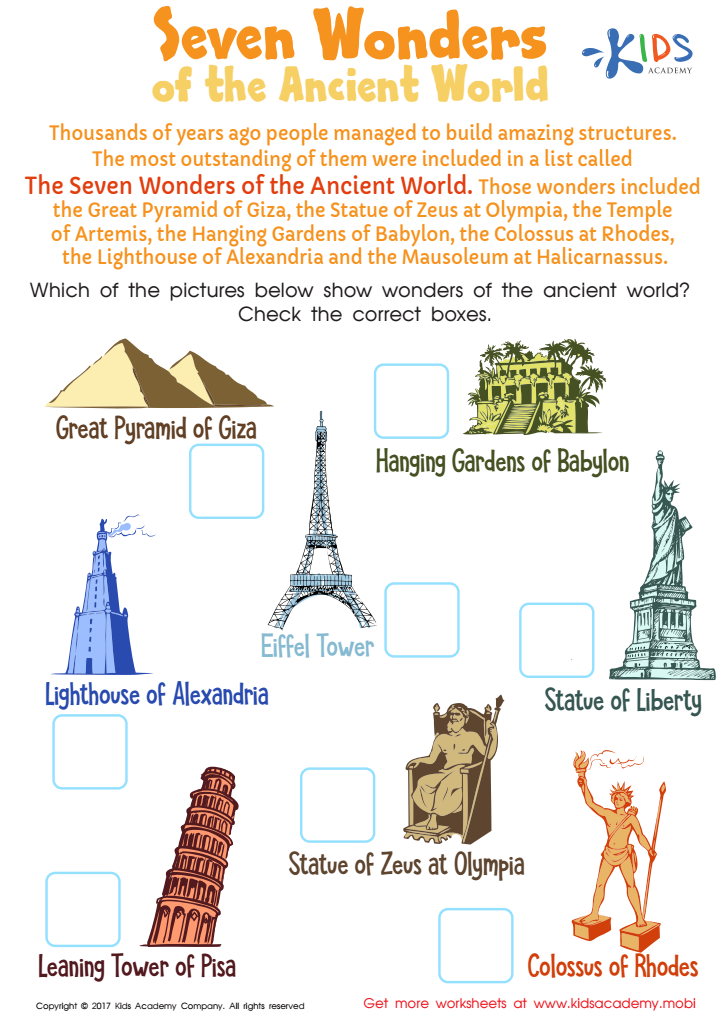
Seven Wonders of the Ancient World Worksheet
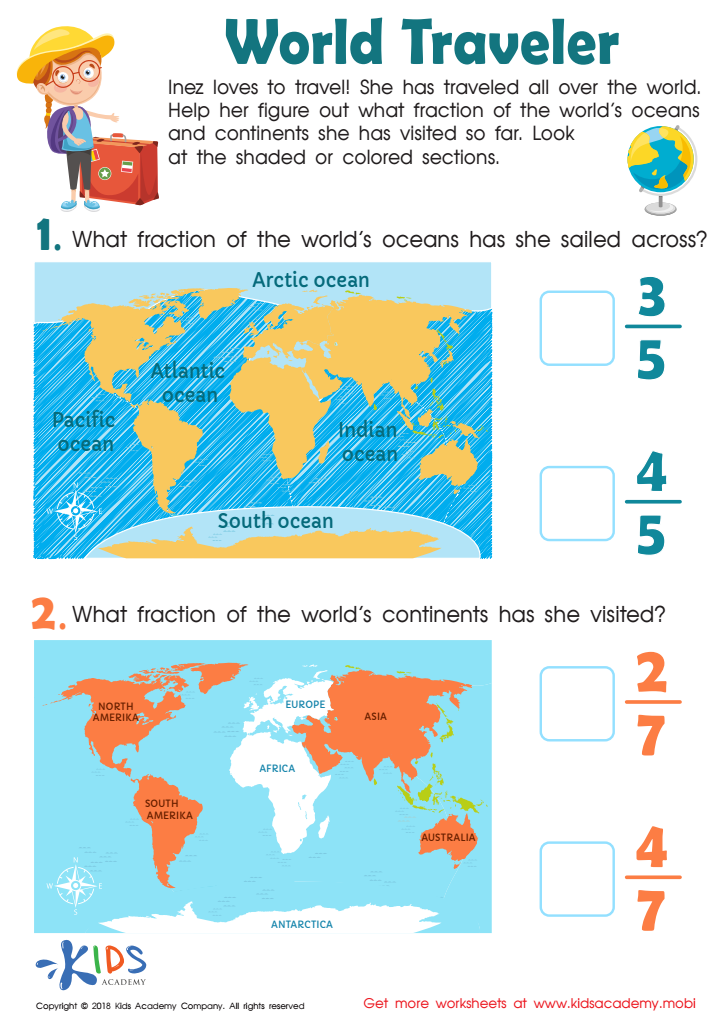
World Traveler Worksheet







Understanding geography is crucial for children aged 4-9 as it builds a foundation for their overall cognitive development and world awareness. At a young age, geographical knowledge helps kids make sense of their surroundings, fostering improvements in spatial thinking and observational skills. Learning about locations, landforms, and maps can enhance a child's ability to navigate both their immediate environment and the broader world.
Geography also nurtures curiosity and a sense of adventure, encouraging children to explore and ask questions about different cultures, climates, and lands. This can foster empathy and a broader understanding, helping children appreciate diversity and develop respect for people from different backgrounds.
Moreover, introducing geography at an early age supports interdisciplinary learning. It seamlessly integrates elements of science, history, and social studies, making learning more holistic and interconnected. For example, discussing weather patterns relates to science, while exploring the history of various places enriches historical awareness.
Engaging young minds in geography can be an exciting and interactive experience through activities like map-reading, globe exploration, and simple geographical games. Such participatory learning not only makes geography fun but also reinforces memory retention.
Ultimately, prioritizing geographical knowledge empowers children to grow into informed, culturally-aware, and empathetic individuals who can thoughtfully engage with the world around them.








