Improving critical thinking Worksheets for Ages 4-9
6 filtered results
-
From - To
Enhance your child's cognitive skills with our "Improving Critical Thinking Worksheets" designed for ages 4-9. These expertly crafted worksheets provide engaging activities that promote analytical thinking, problem-solving, and reasoning abilities in young learners. Each worksheet features colorful designs and age-appropriate challenges that capture your child's interest while stimulating their mind. Ideal for both classroom and home use, our critical thinking resources encourage creativity and independent thought. Help your child become a confident thinker with fun exercises that foster growth and understanding. Explore our collection today and support your child's journey to developing essential thinking skills!
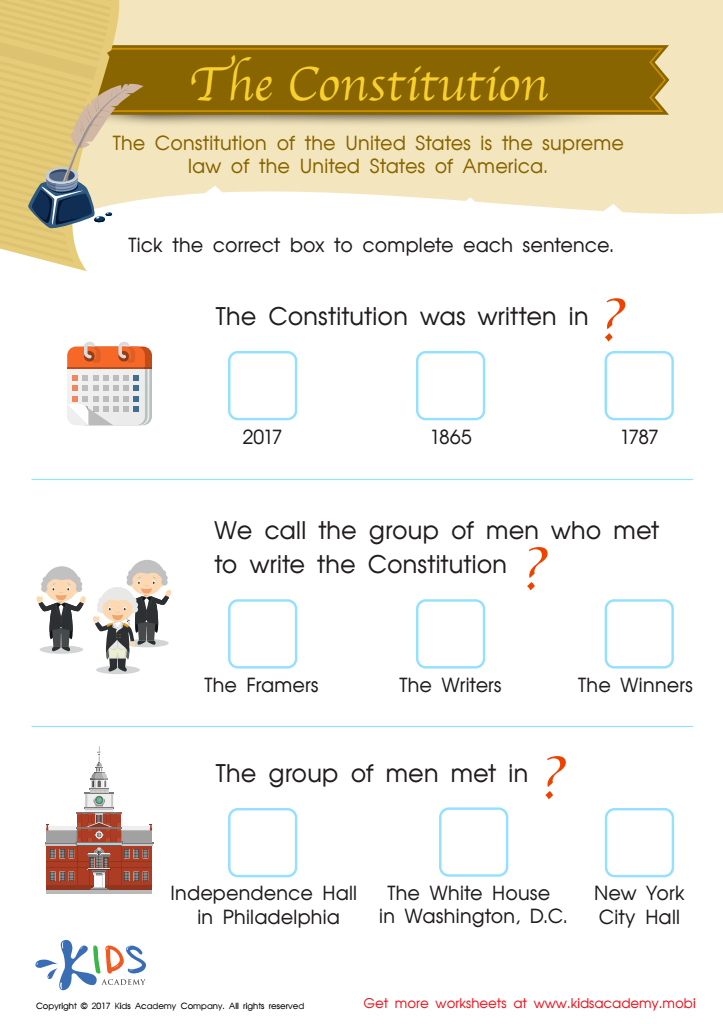
The Constitution Worksheet
 Assign to My Students
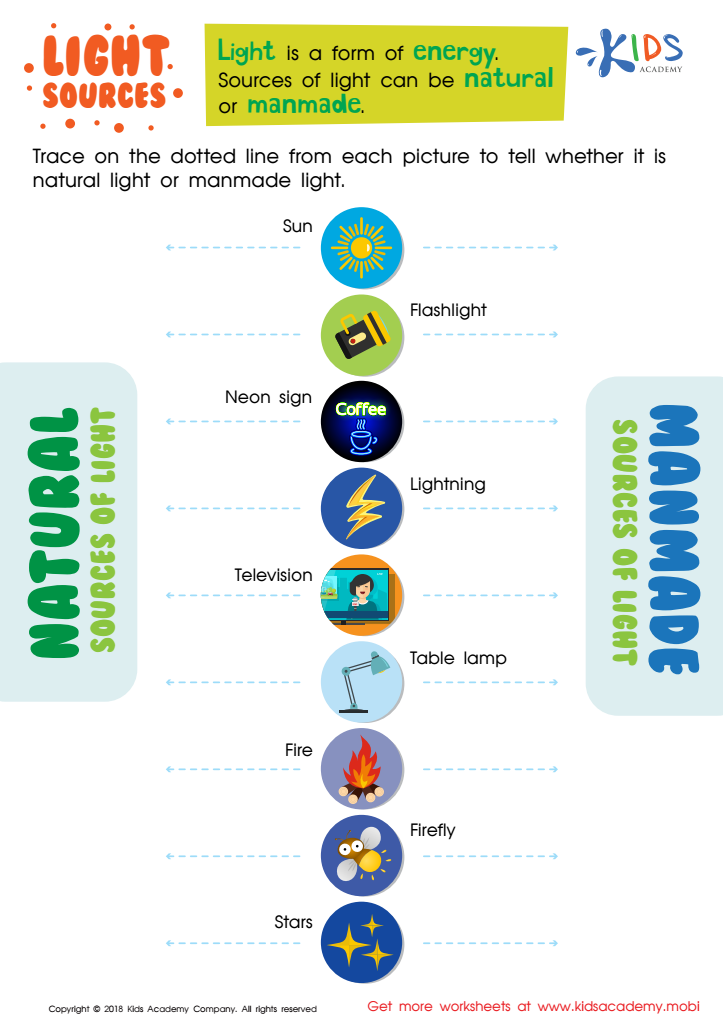
Natural and Manmade Light Sources Worksheet
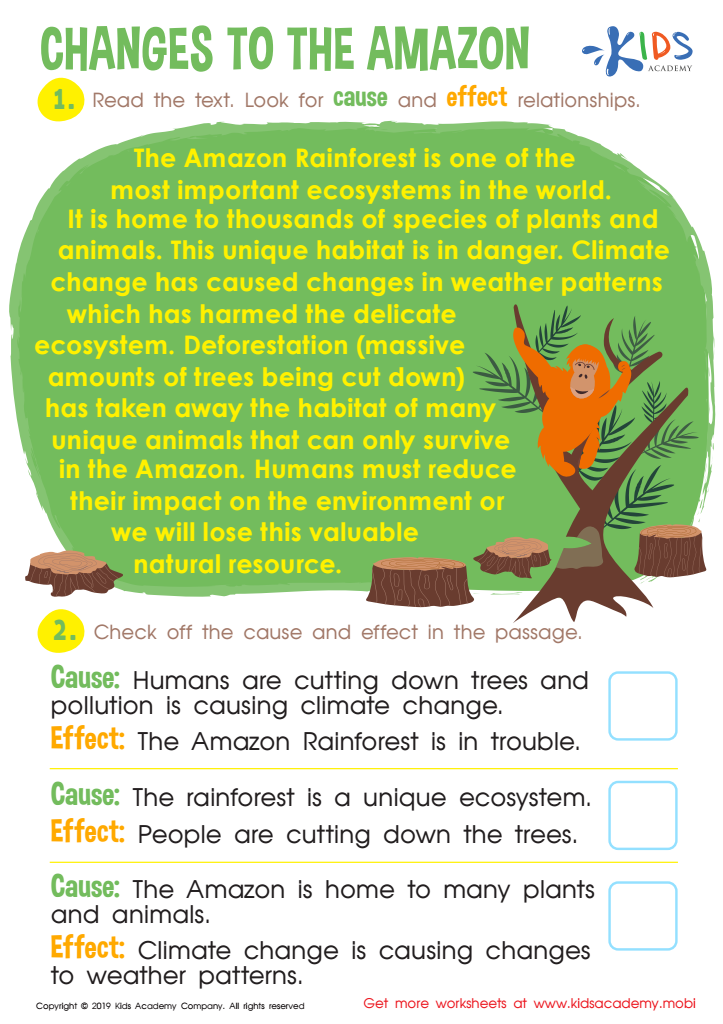
Changes to the Amazon Worksheet

Pollinator Positions Worksheet
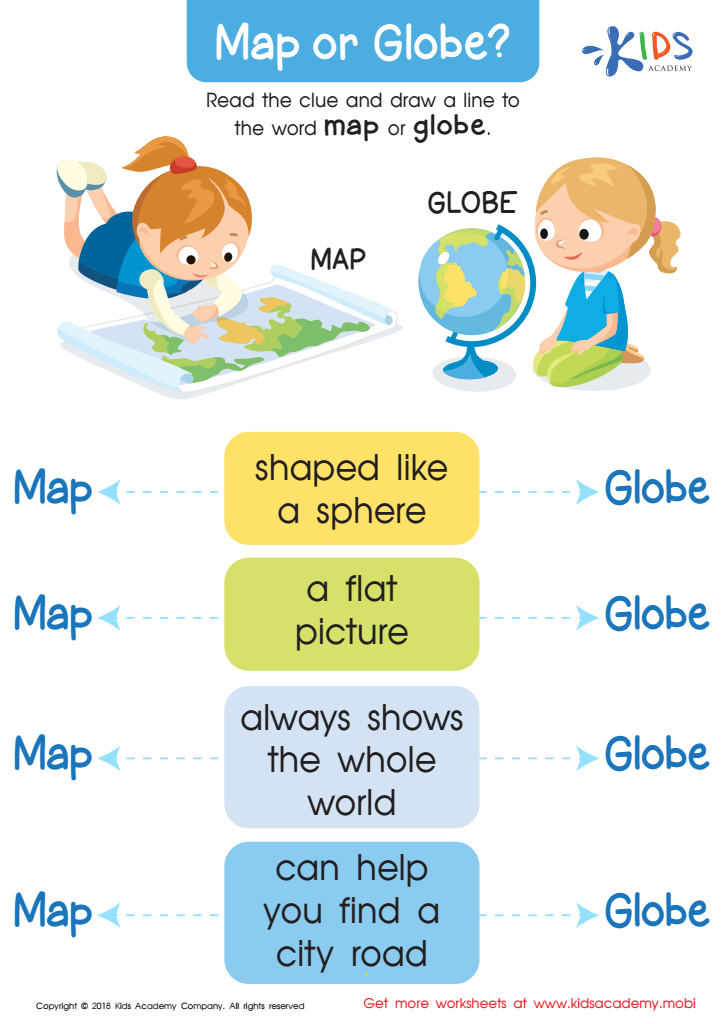
Map or Globe? Worksheet
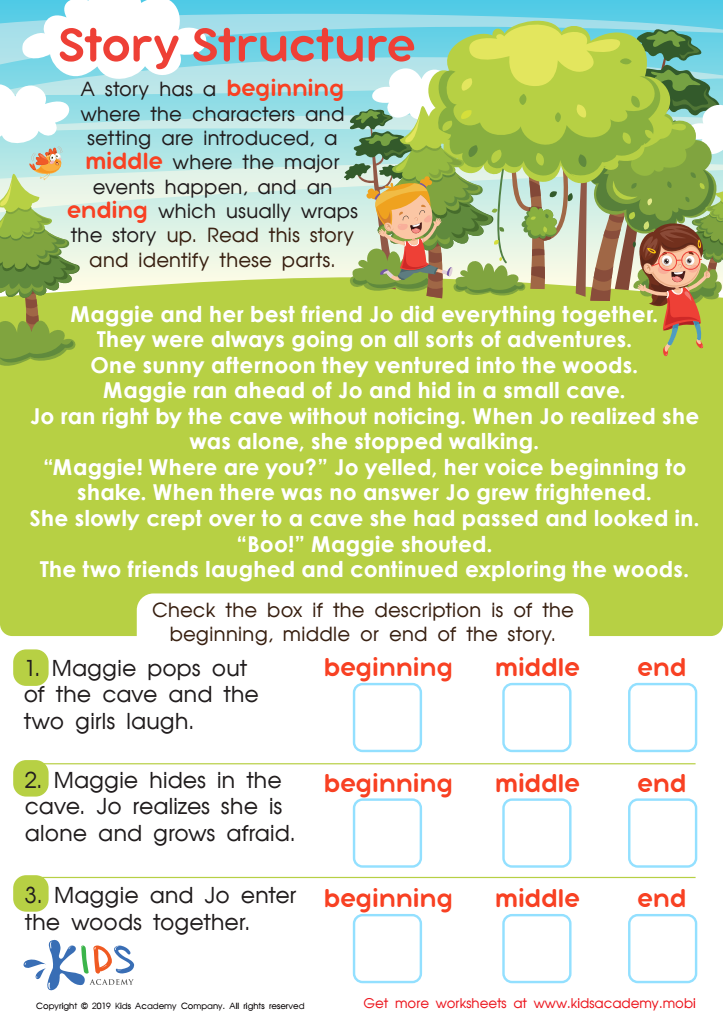
Story Structure Worksheet







Improving critical thinking skills in children aged 4-9 is vital for their holistic development and future success. During these formative years, children's brains are highly adaptable, making it an ideal time to cultivate analytical skills. Critical thinking encourages them to ask questions, evaluate information, and make informed decisions. This is particularly important in an age where they are bombarded with vast amounts of information from various sources, including the internet and social media.
Empowering young learners to think critically helps them develop problem-solving abilities, enhancing their creativity and resilience. When children engage in critical thinking activities, such as puzzles, categorizing objects, and group discussions, they learn to approach challenges systematically and consider multiple perspectives. This not only boosts their academic performance but also prepares them for real-world situations.
Moreover, strong critical thinking skills foster independence and self-confidence. When children learn to analyze situations and think for themselves, they become more capable of advocating for their own ideas and beliefs. As such, parents and teachers have a crucial role in nurturing these skills through interactive activities, encouraging exploration, and promoting a supportive environment. Ultimately, investing in critical thinking lays the foundation for responsible citizenship and lifelong learning in our children.








