Letter-sound correlation Worksheets for Ages 4-9
9 filtered results
-
From - To
Discover our engaging letter-sound correlation worksheets crafted for children ages 4-9! These interactive activities are designed to strengthen foundational reading skills by helping young learners connect letters with their respective sounds effortlessly. Offering a variety of fun exercises, these worksheets pave the way for improved phonemic awareness, essential for early literacy development. Tailored to cater to different learning levels, your child will enjoy a mix of playful and educational tasks ranging from basic letter identification to advanced sound blending. Begin your child’s reading journey today with our expertly designed letter-sound correlation worksheets!
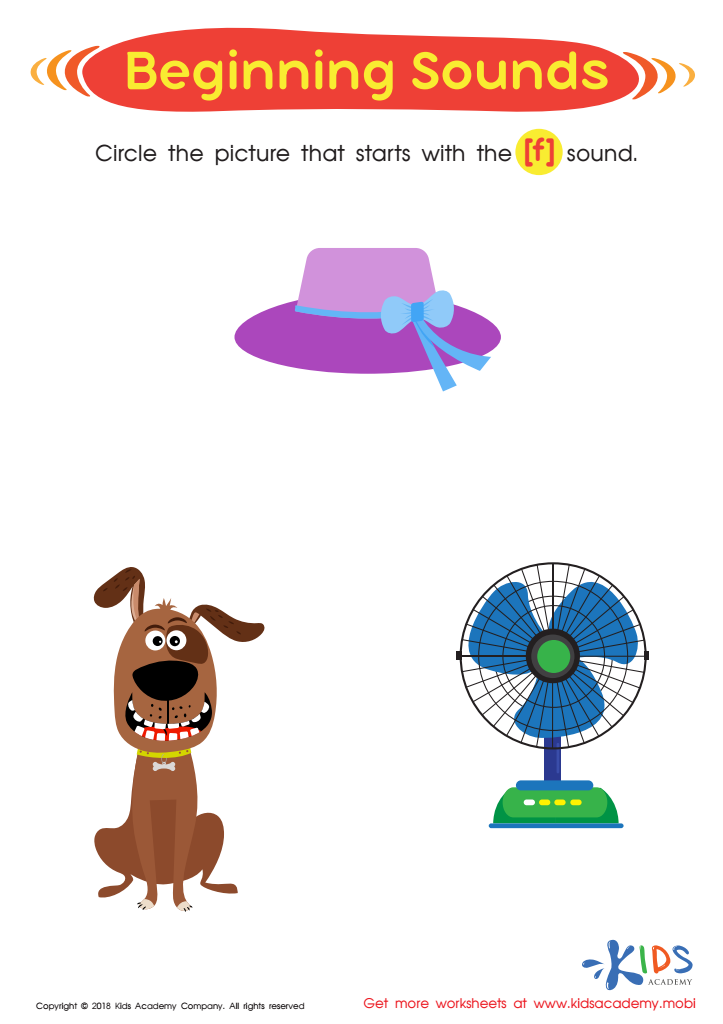
Beginning Sounds Assessment Printable
 Assign to My Students
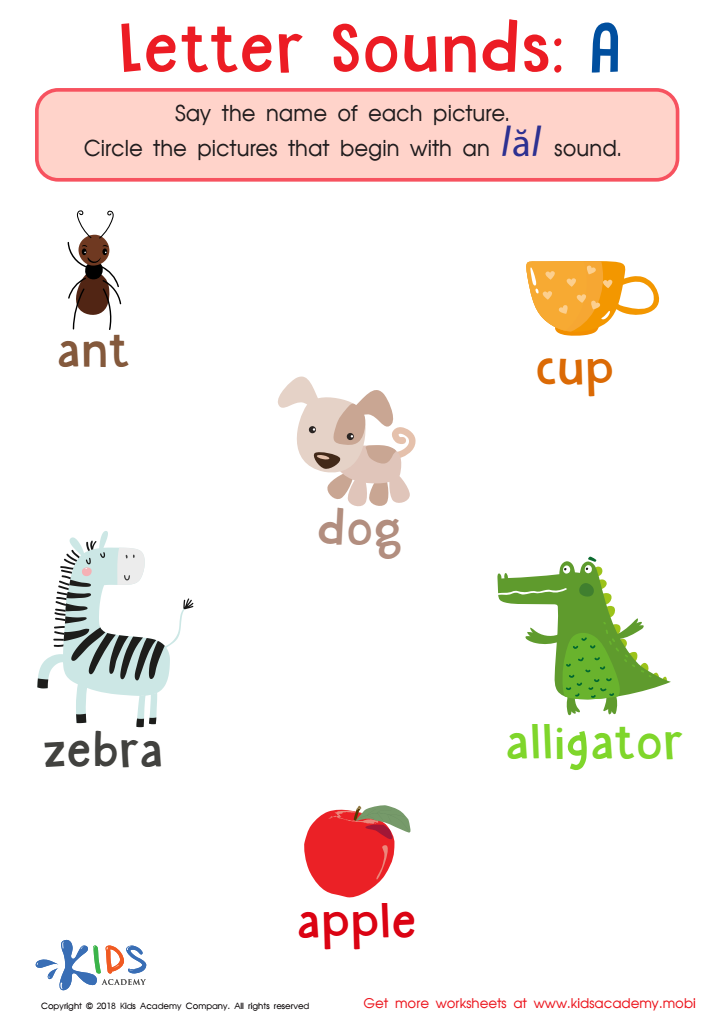
Letter A Sounds Worksheet
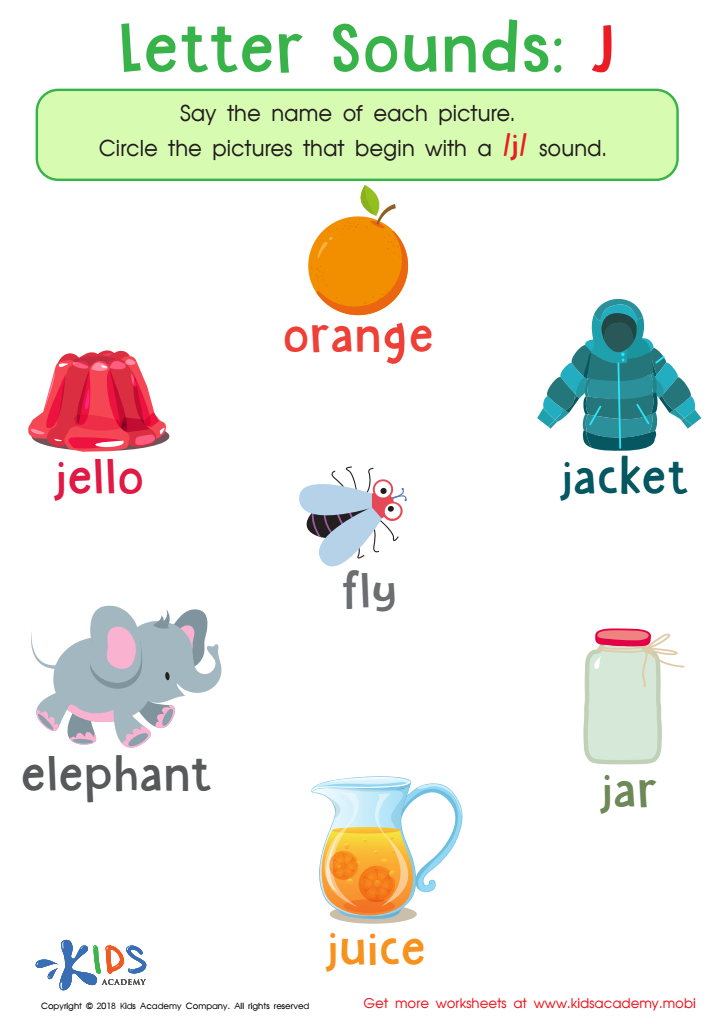
Letter Sounds: J Printable Worksheet
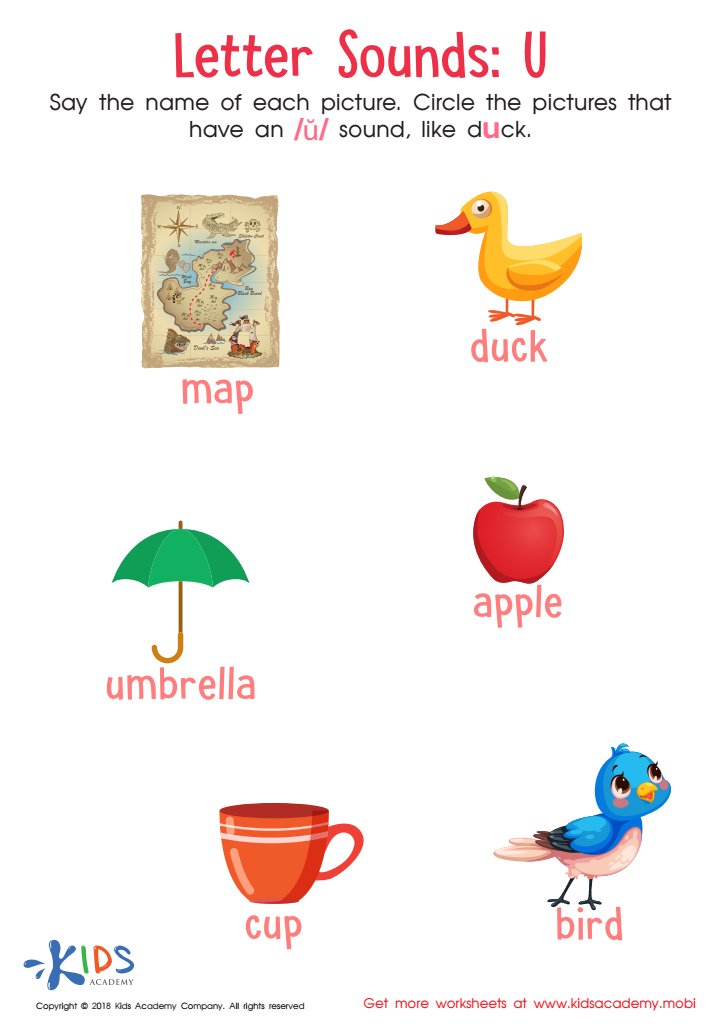
Letter U Sounds Worksheet
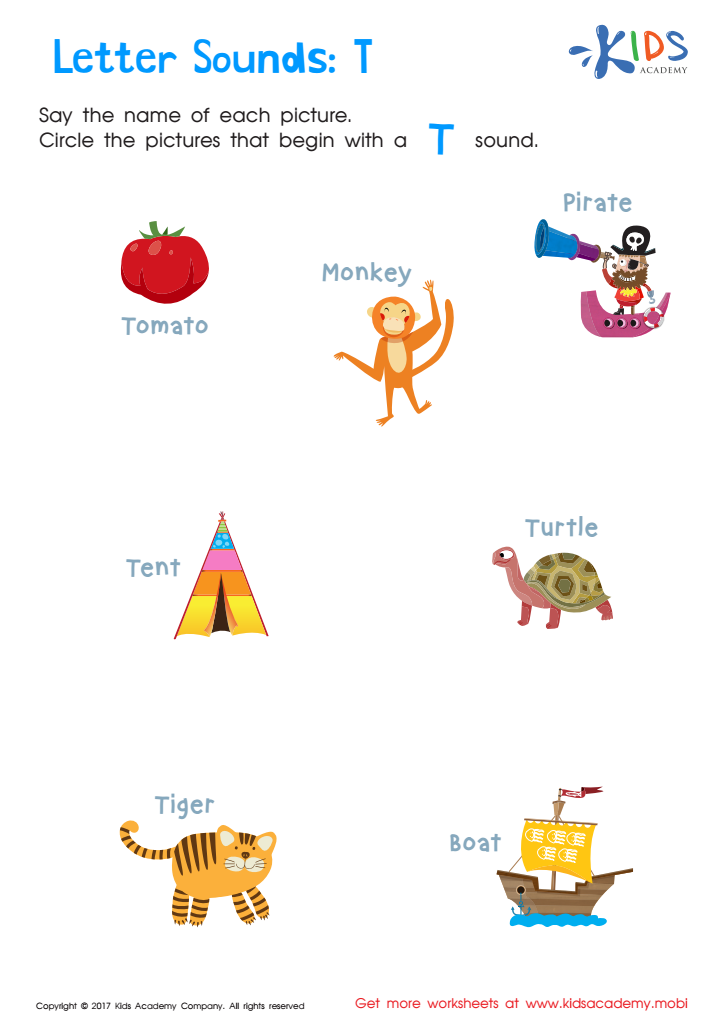
Letter T Sounds Worksheet
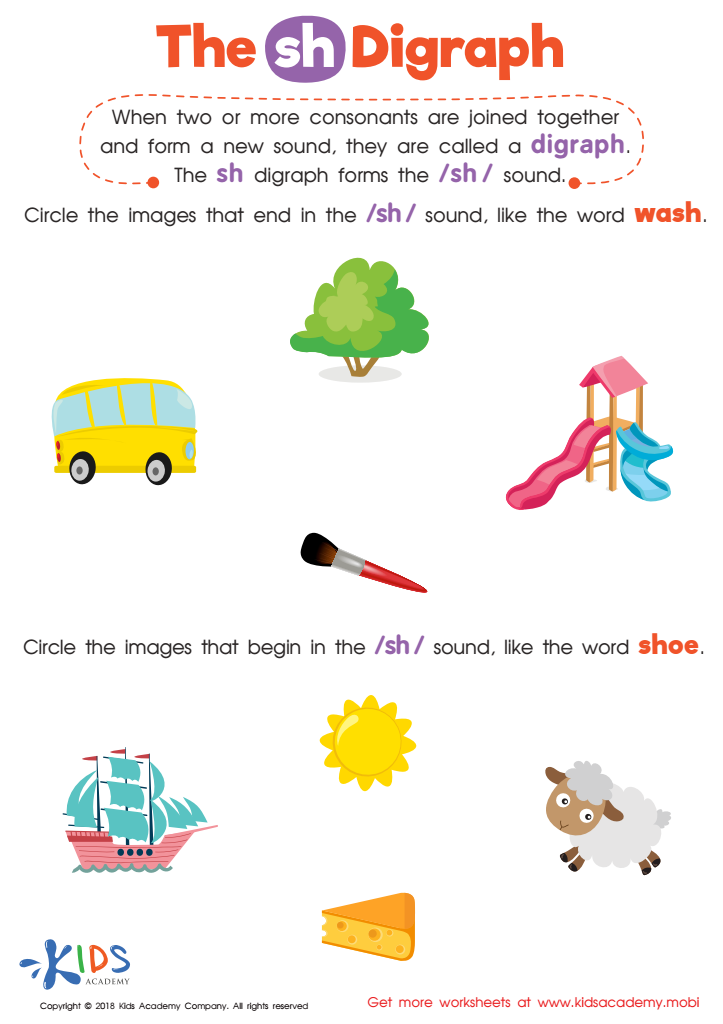
The SH Digraph Worksheet
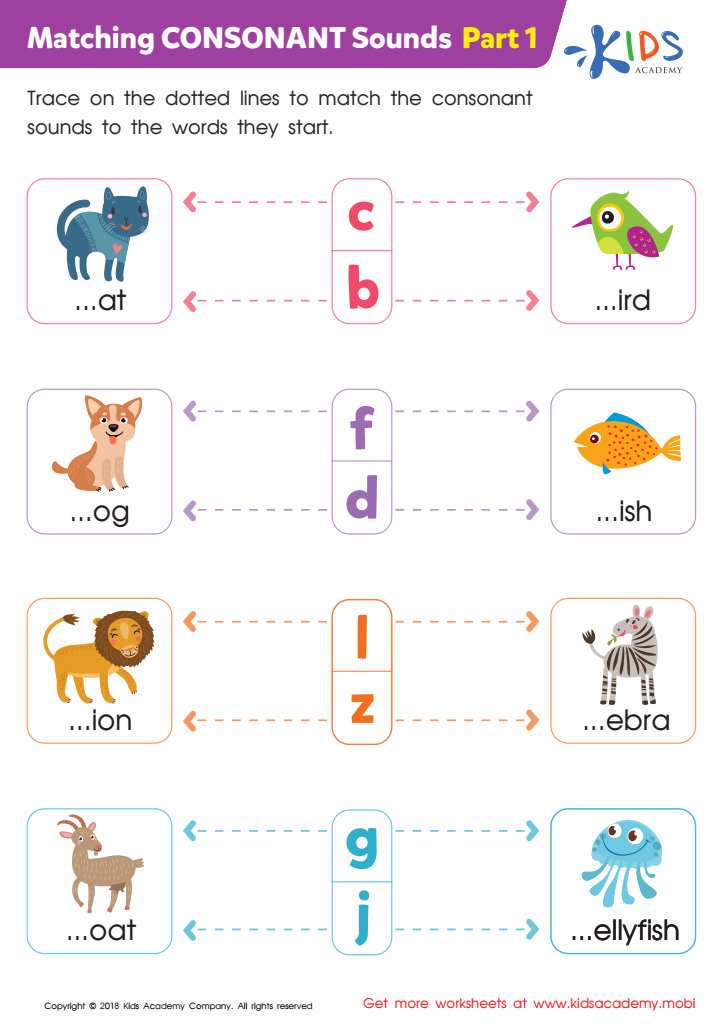
Matching Consonant Sounds: Part 1 Worksheet
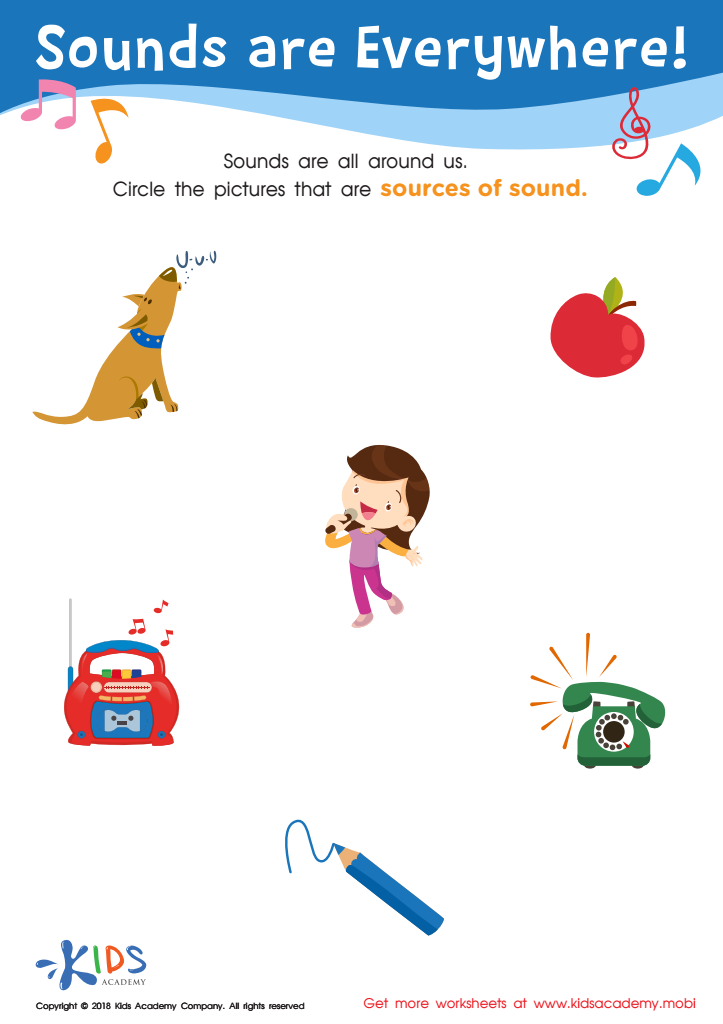
Sounds Are Everywhere! Worksheet
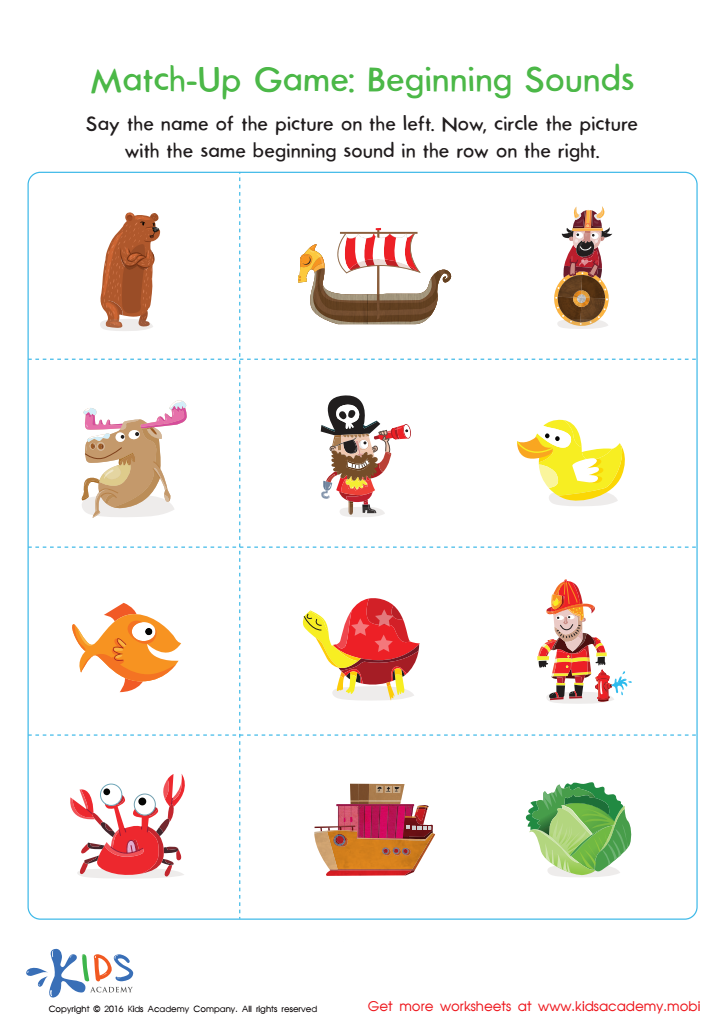
Match–Up Game: Beginning Sounds Worksheet







Letter-sound correlation, or phonics, is crucial for children ages 4-9 as it lays the foundation for reading and writing success. At this stage, children are in a sensitive period for language acquisition, and understanding the relationship between letters and their corresponding sounds significantly aids in decoding words. Mastering this skill is essential for fluent reading, which in turn supports comprehension and a love for books.
For parents and teachers, fostering letter-sound awareness is vital because it directly influences a child's ability to read independently and confidently. Children who excel in phonics are more likely to perform well academically, as reading is integral to almost all subjects. Moreover, this expertise nurtures spelling skills and encourages a positive attitude towards learning.
Neglecting phonics can lead to reading difficulties, frustration, and diminished academic performance, potentially affecting a child's motivation and self-esteem. Early intervention ensures a smoother transition to more complex language skills and concepts, reducing the likelihood of long-term literacy challenges.
In conclusion, emphasizing letter-sound correlation during the early years equips children with the necessary tools for academic success and a lifelong appreciation for reading. Hence, parents and teachers should prioritize and invest time in phonics education to support a child's comprehensive development.








