Logical Reasoning Worksheets for Ages 4-9
66 filtered results
-
From - To
Discover our engaging Logical Reasoning Worksheets for ages 4-9, designed to enhance critical thinking skills in young learners. These worksheets features fun activities that challenge children's ability to think logically, solve problems, and recognize patterns. With a variety of puzzles, mazes, and matching games, kids will enjoy building their reasoning abilities while having fun. Perfect for both classroom use and at-home learning, our resources aim to support early childhood education by making learning enjoyable and effective. Foster your child's cognitive development today with worksheets tailored to encourage exploration and creativity in logical thinking! Visit our site to explore the full range!
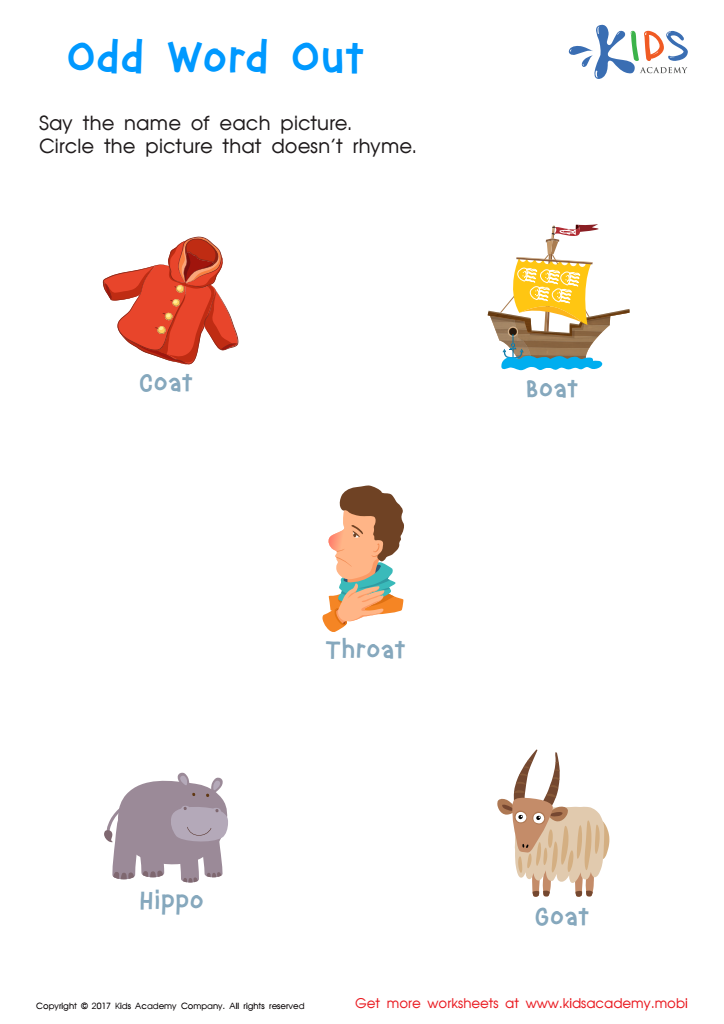
Odd Word Out Rhyming Worksheet
 Assign to My Students
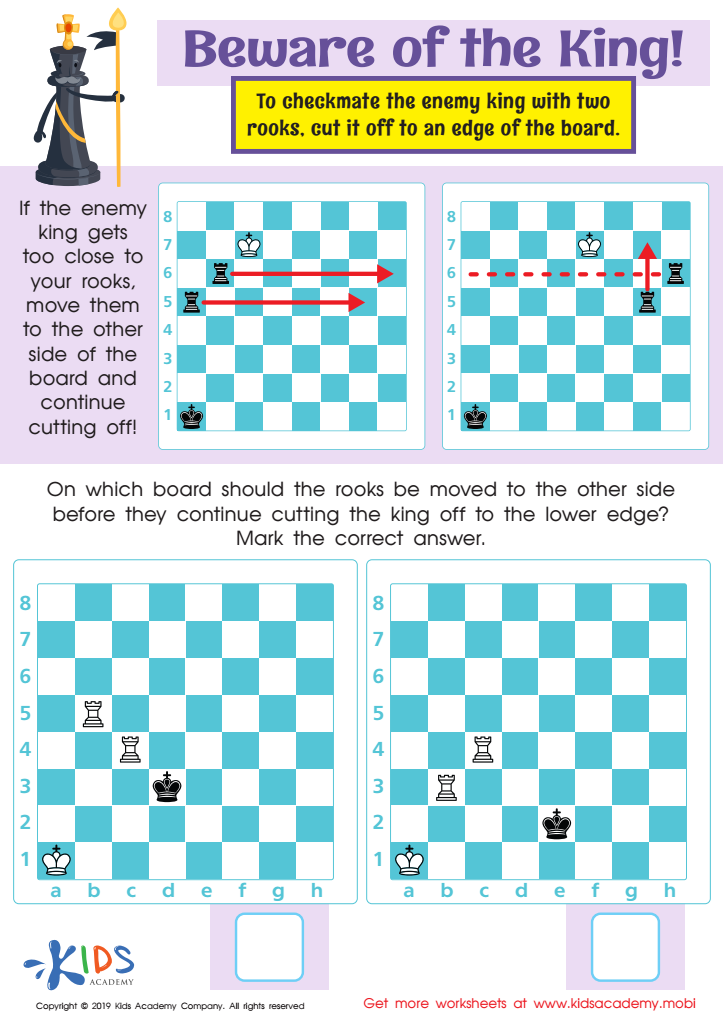
Beware of the King! Worksheet
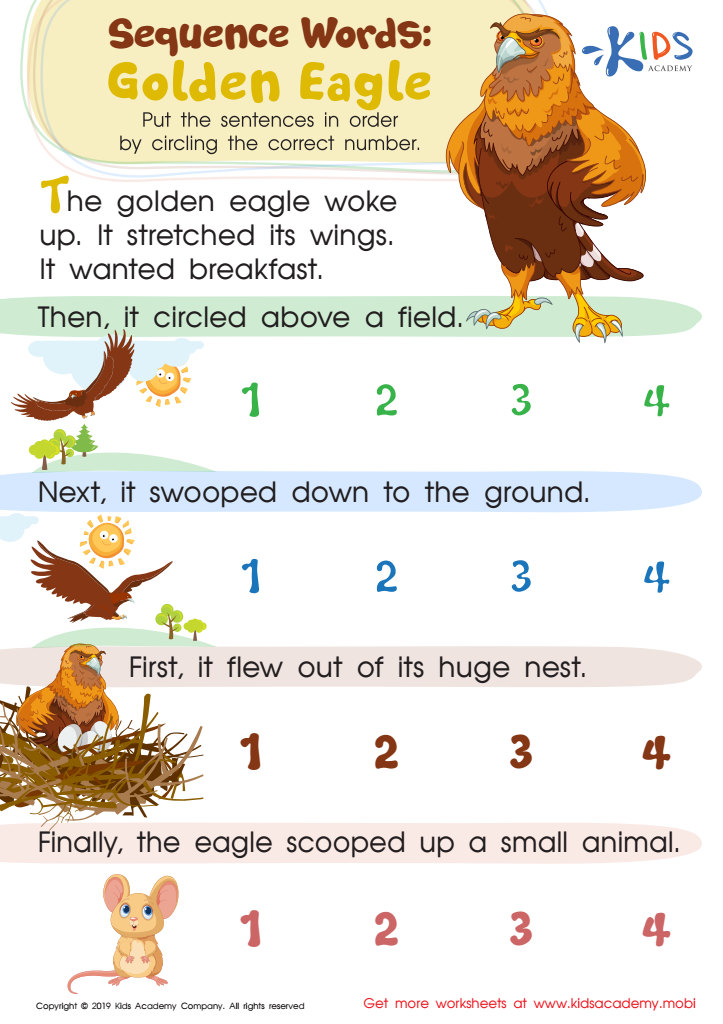
Sequence Word Eagle Worksheet
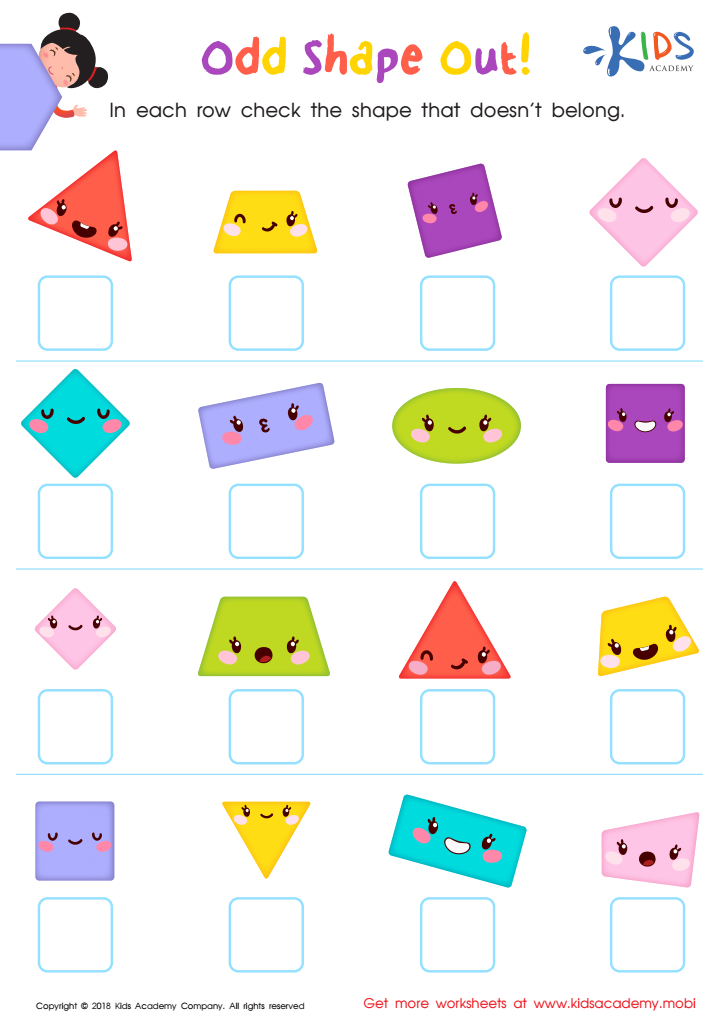
Odd Shape Out Worksheet for Grade 3
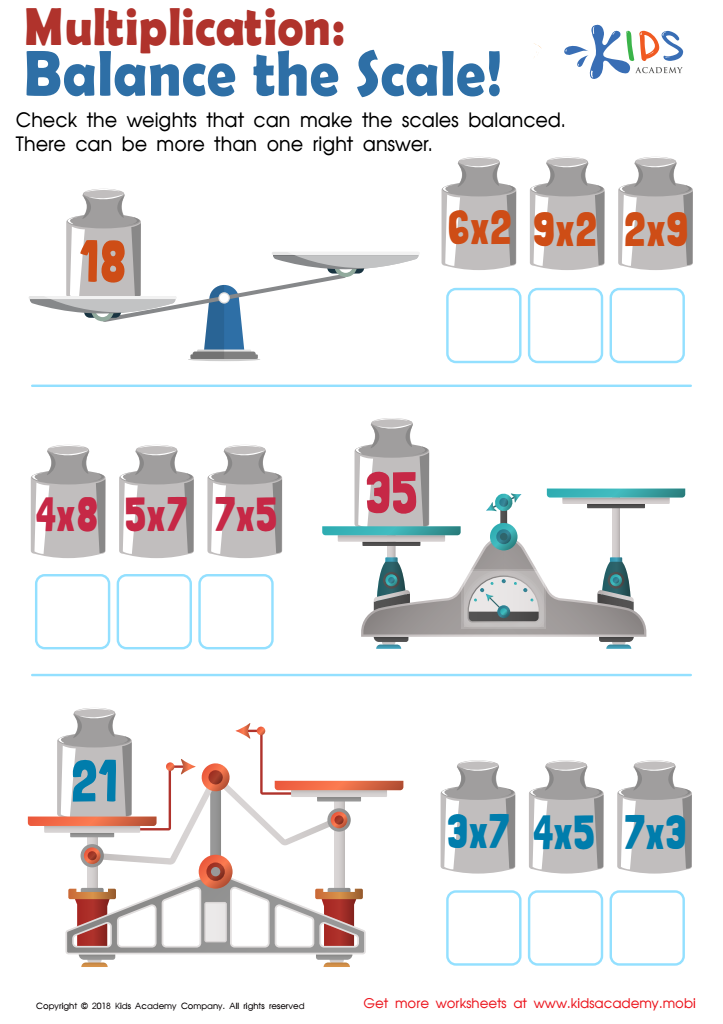
Balance the Scales Multiplication Worksheet
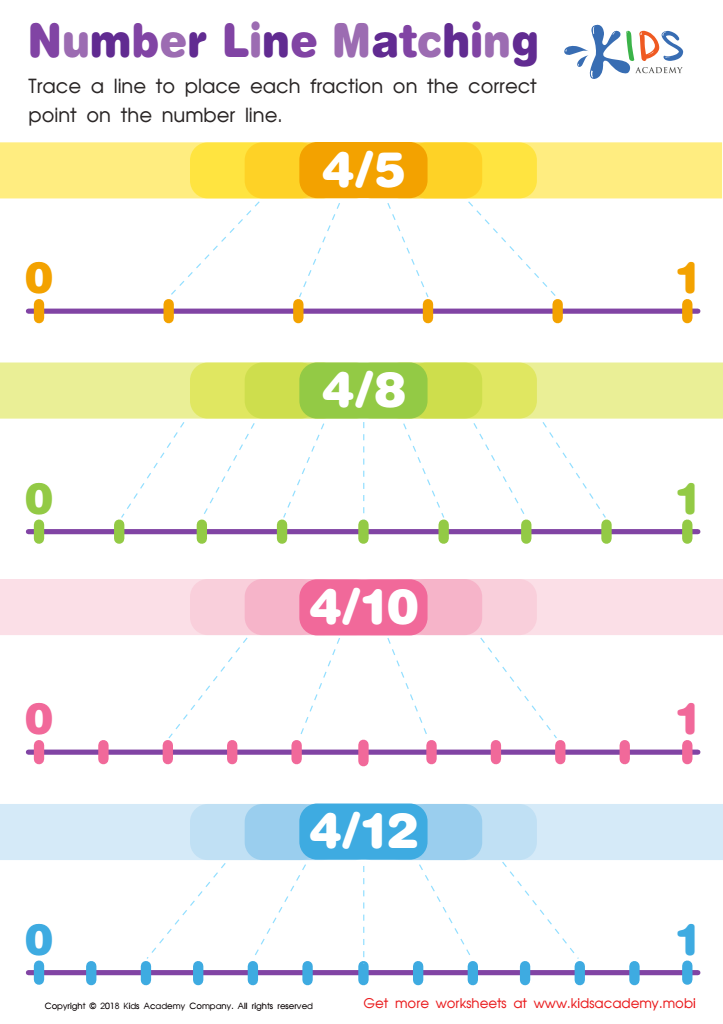
Number Line Matching Worksheet
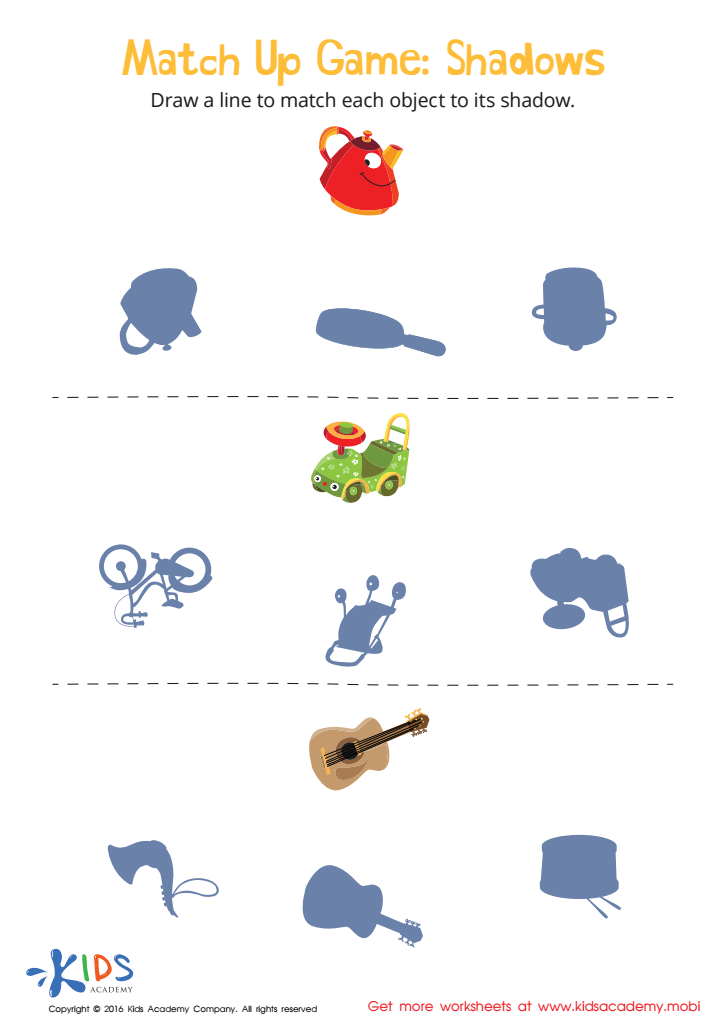
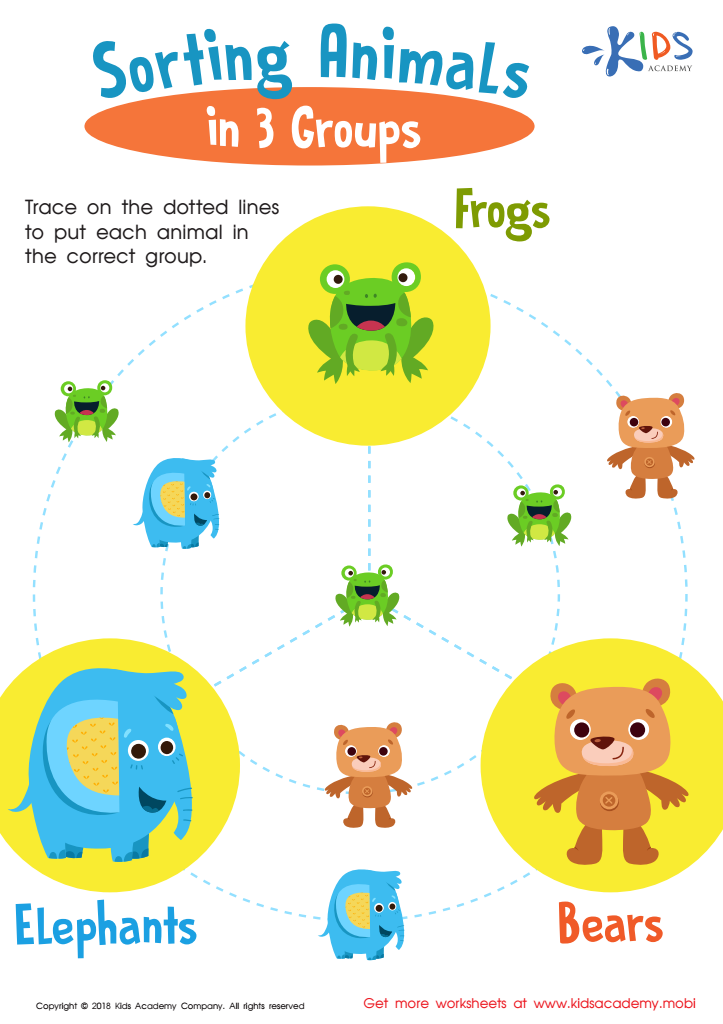
Sorting Animals in 3 Groups Worksheet
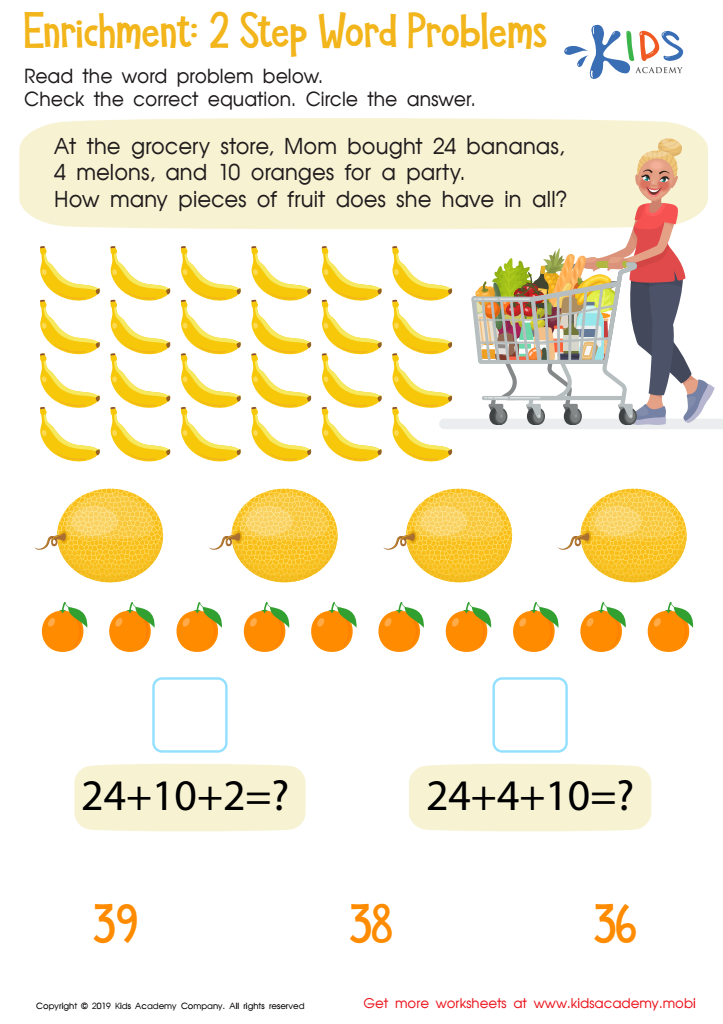
Enrichment -2 Step Word Problems Worksheet
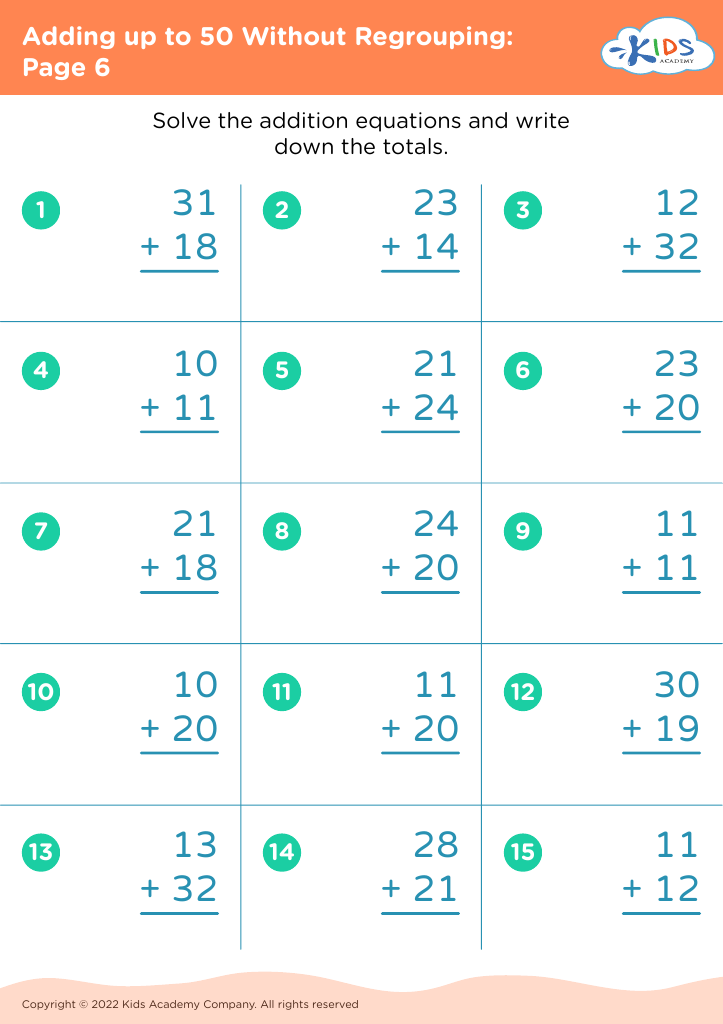
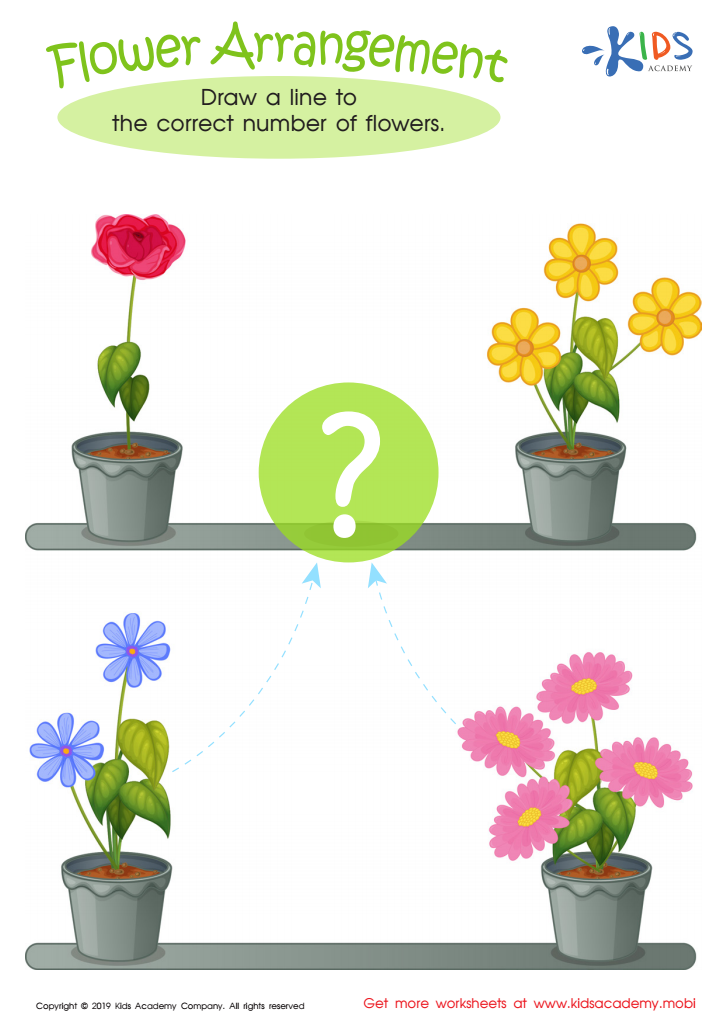
Flower Arrangement Worksheet
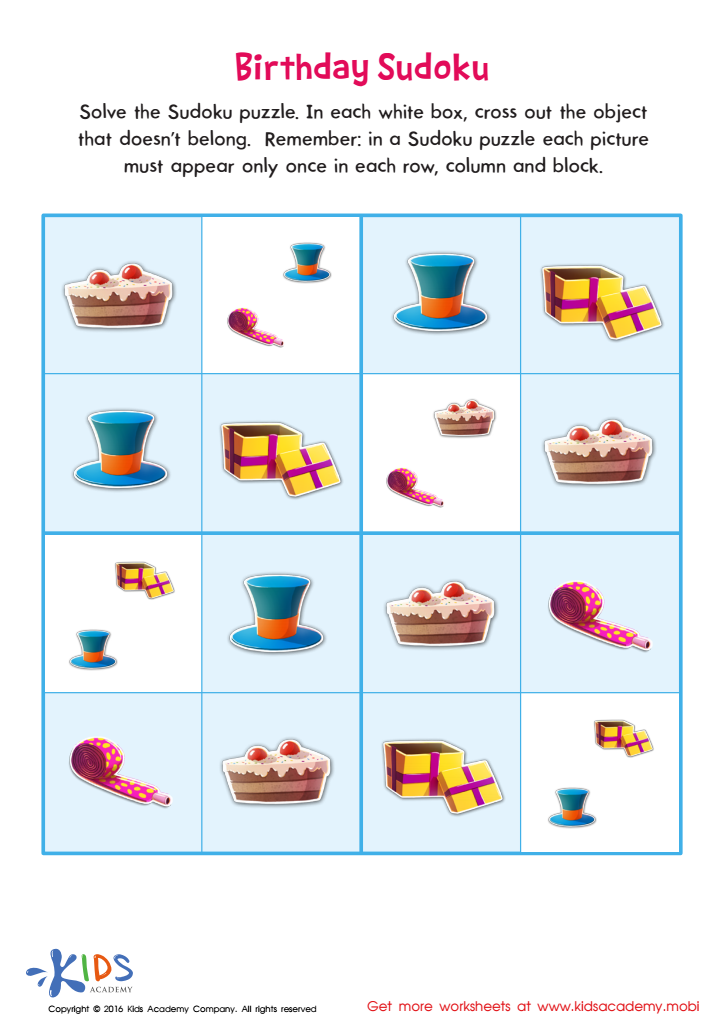
Birthday Sudoku Sorting Worksheet
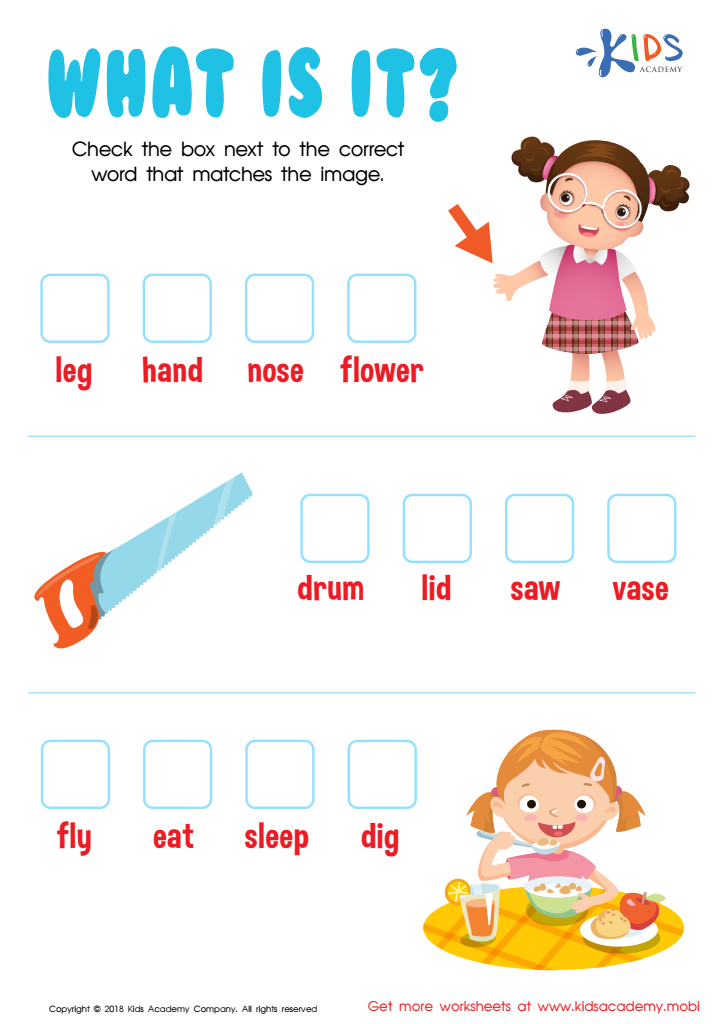
What Is It? Worksheet
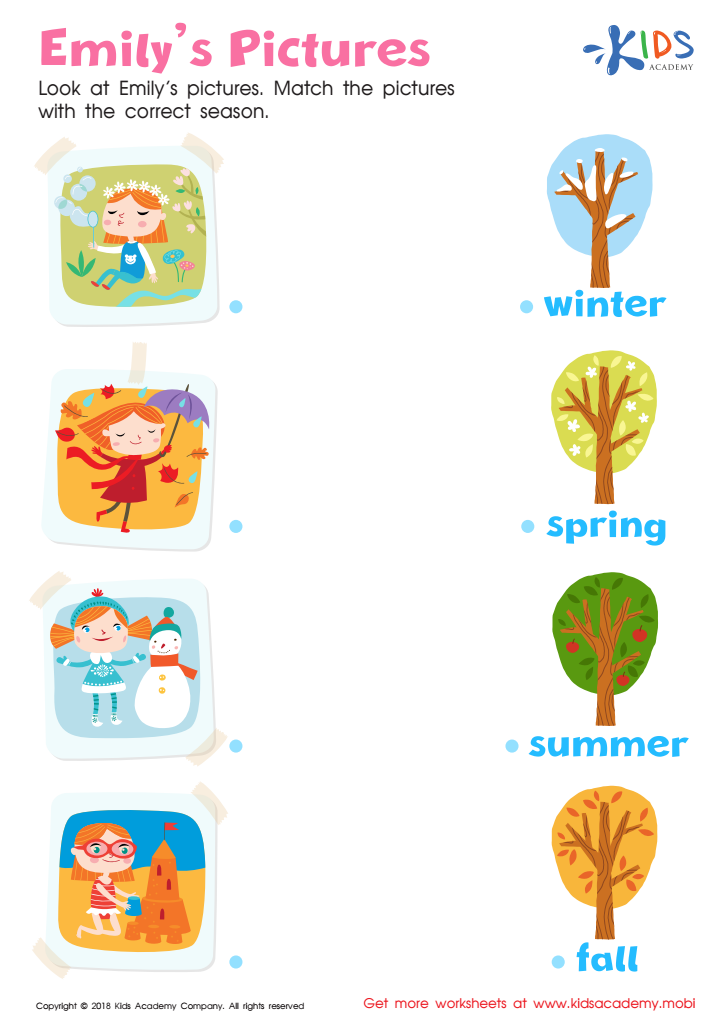
Emily's Pictures Worksheet
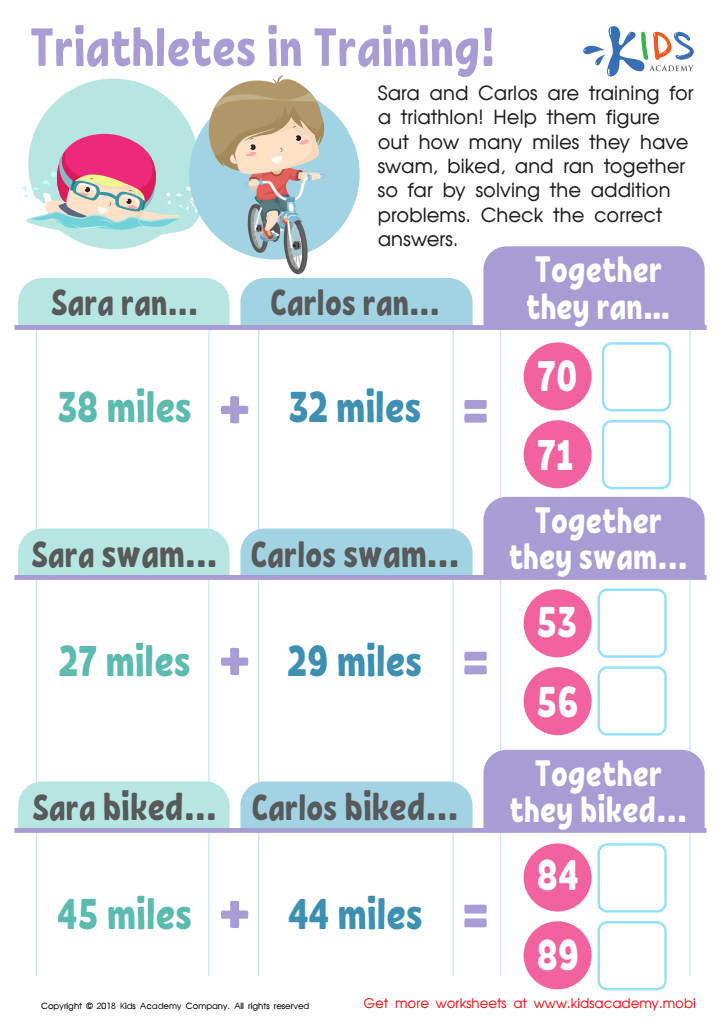
Triathletes in Training Worksheet
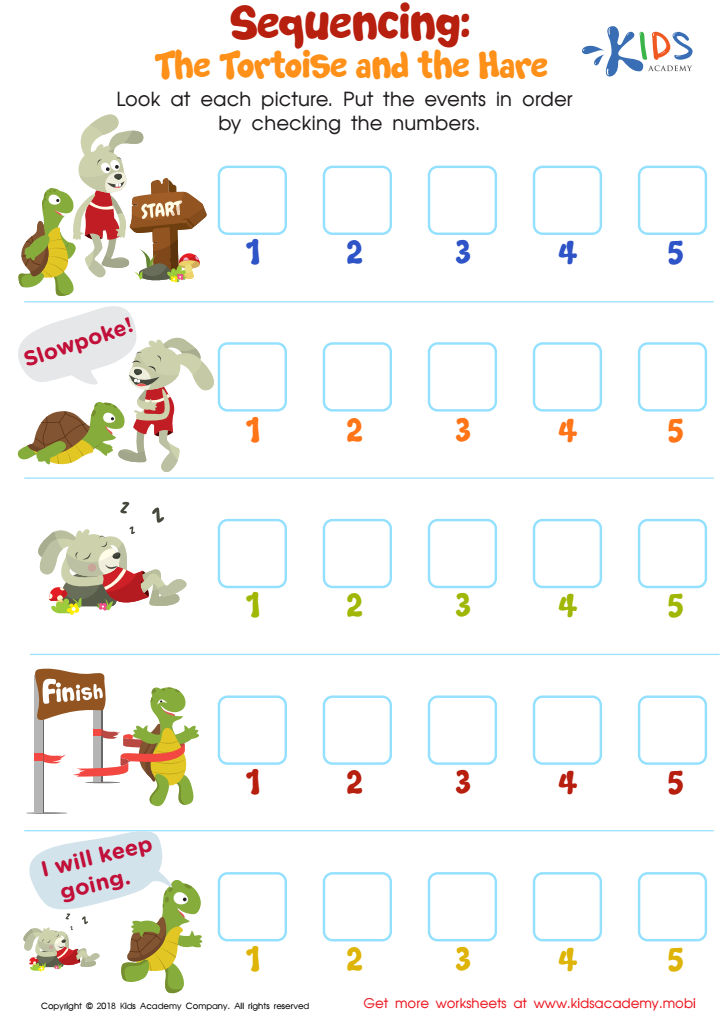
Sequencing: The Tortoise and the Hare Worksheet
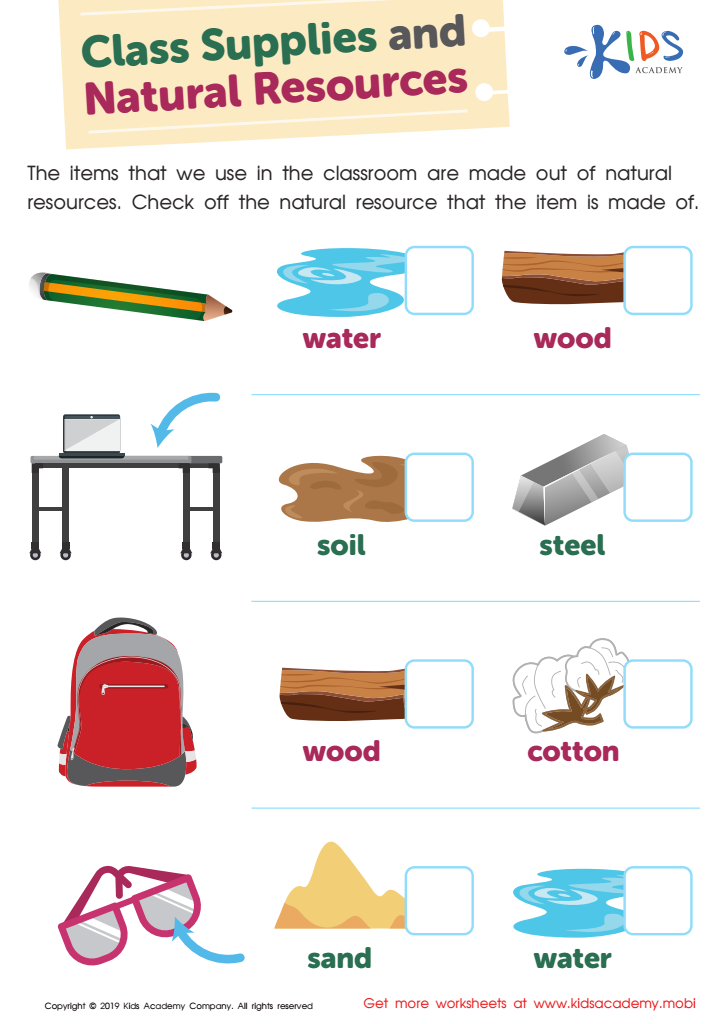
Class Supplies and Natural Resources Worksheet
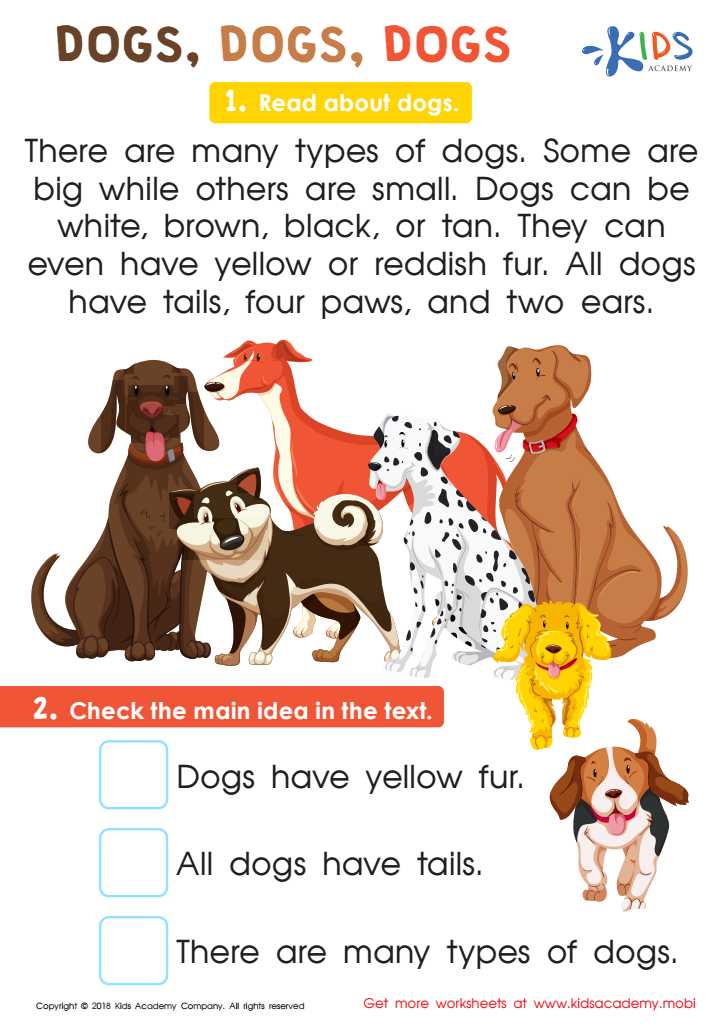
Dogs, Dogs Worksheet
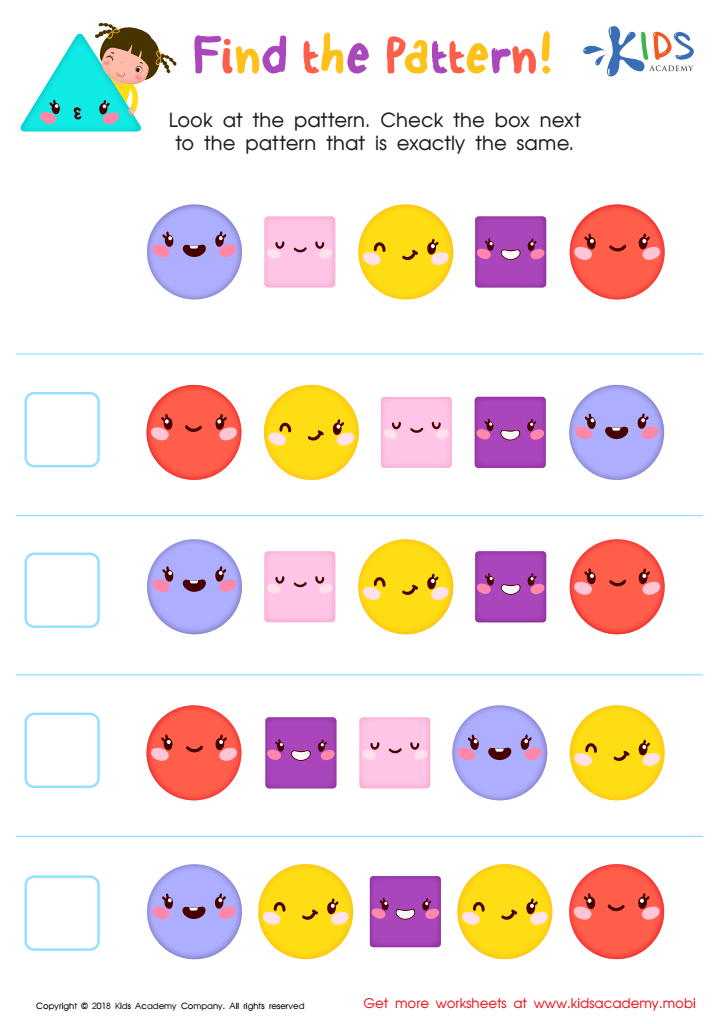
Find the Pattern Worksheet
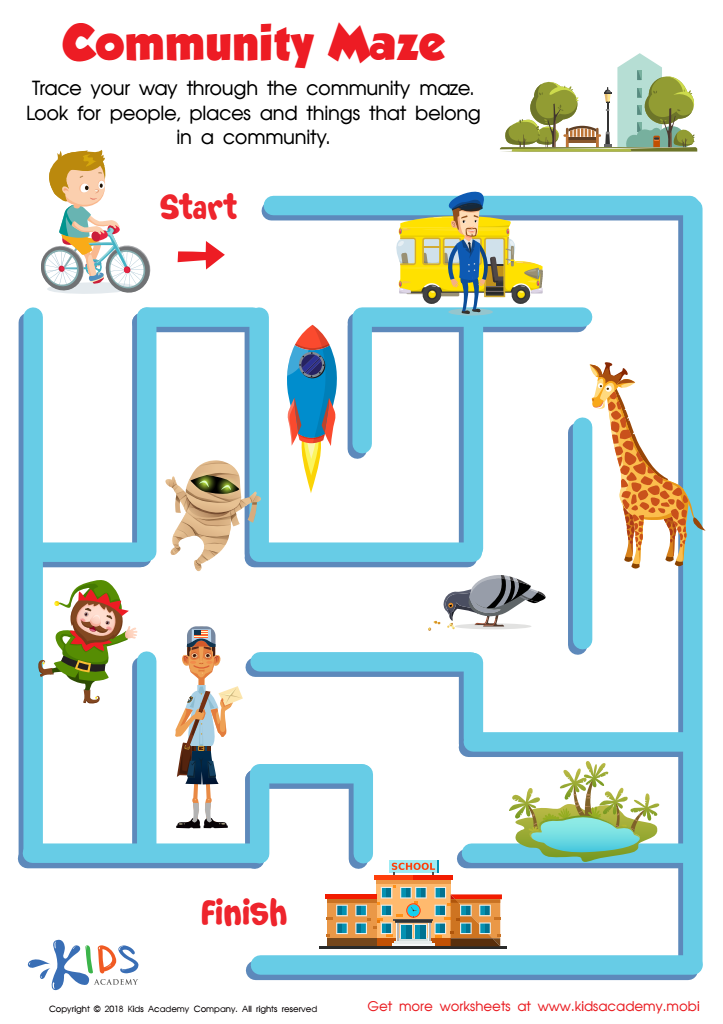
Community Maze Worksheet
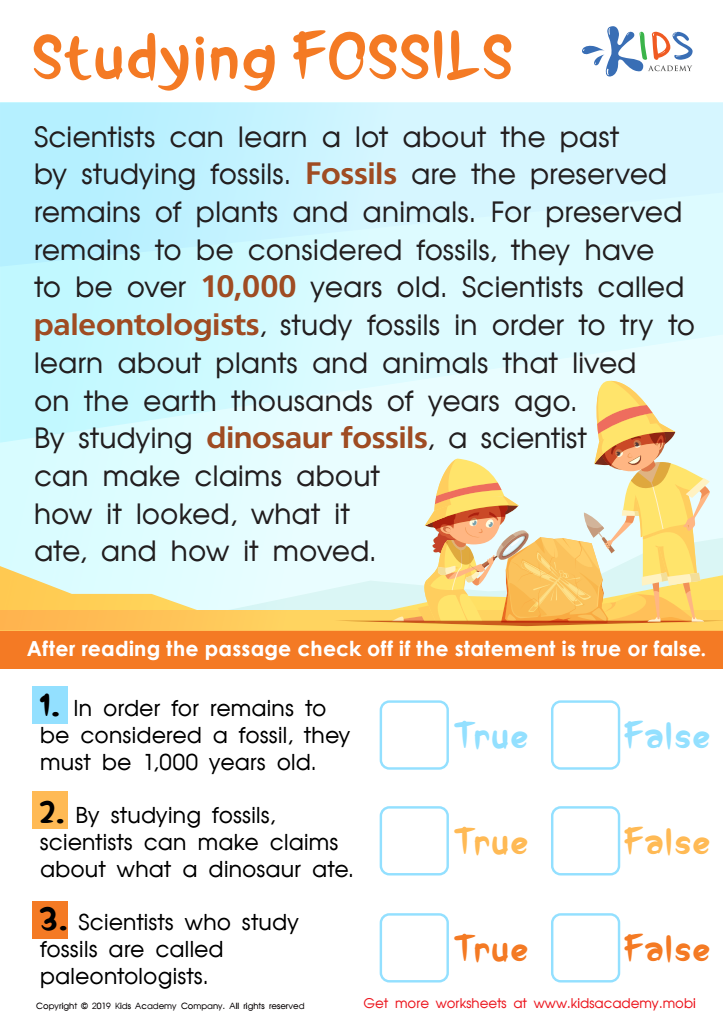
Studying Fossils Worksheet
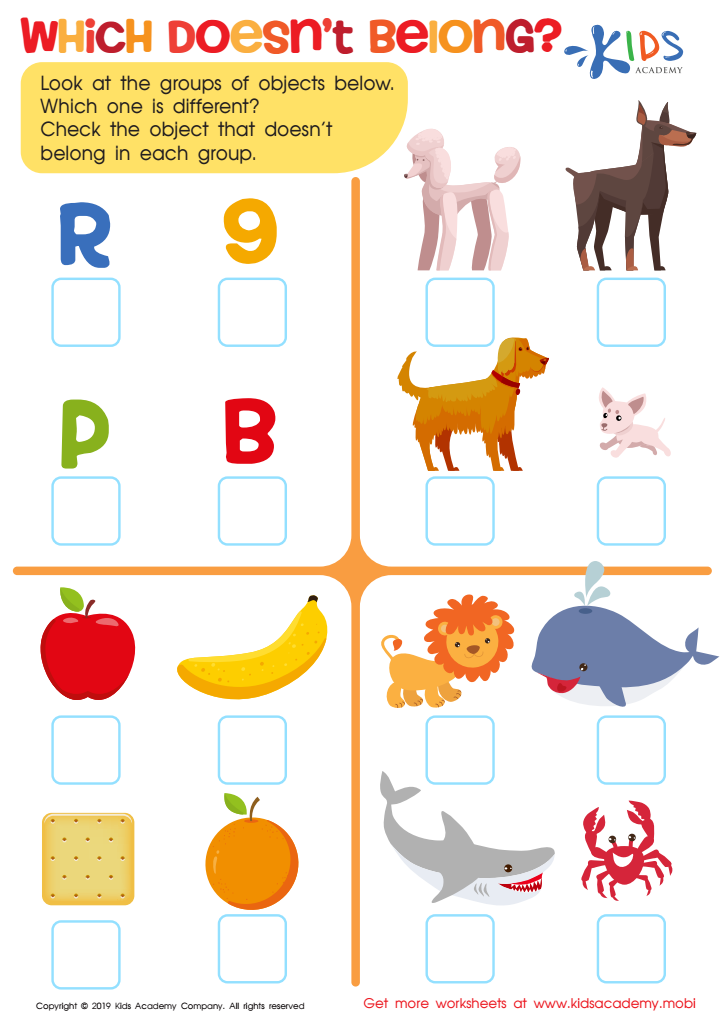
Which Doesn't Belong? Worksheet
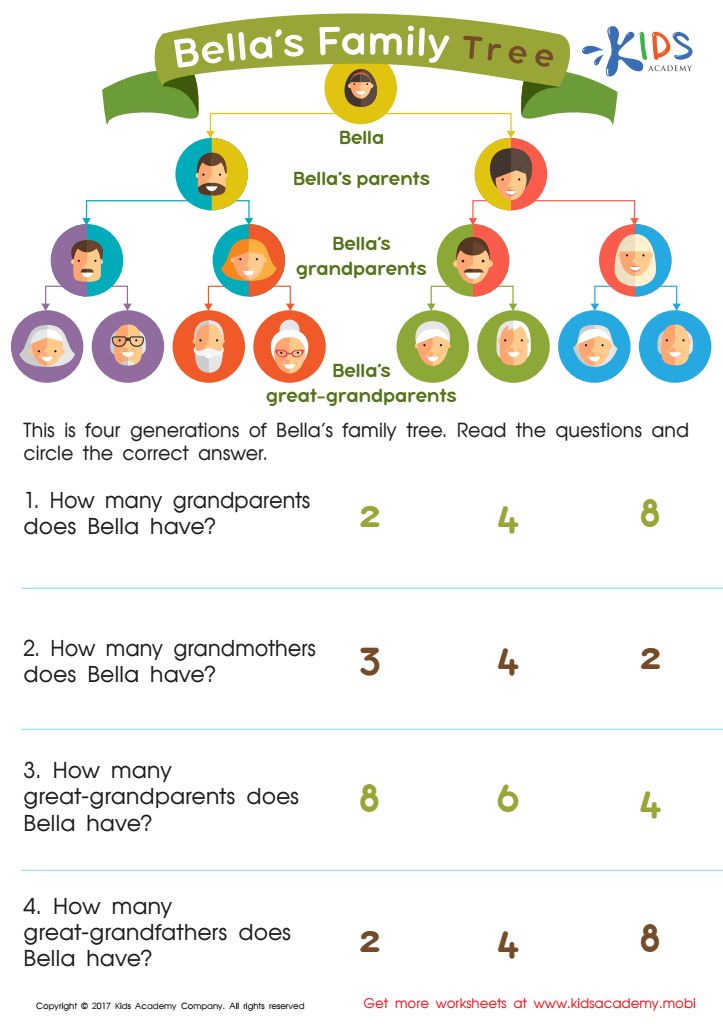
Bella's Family Tree Worksheet
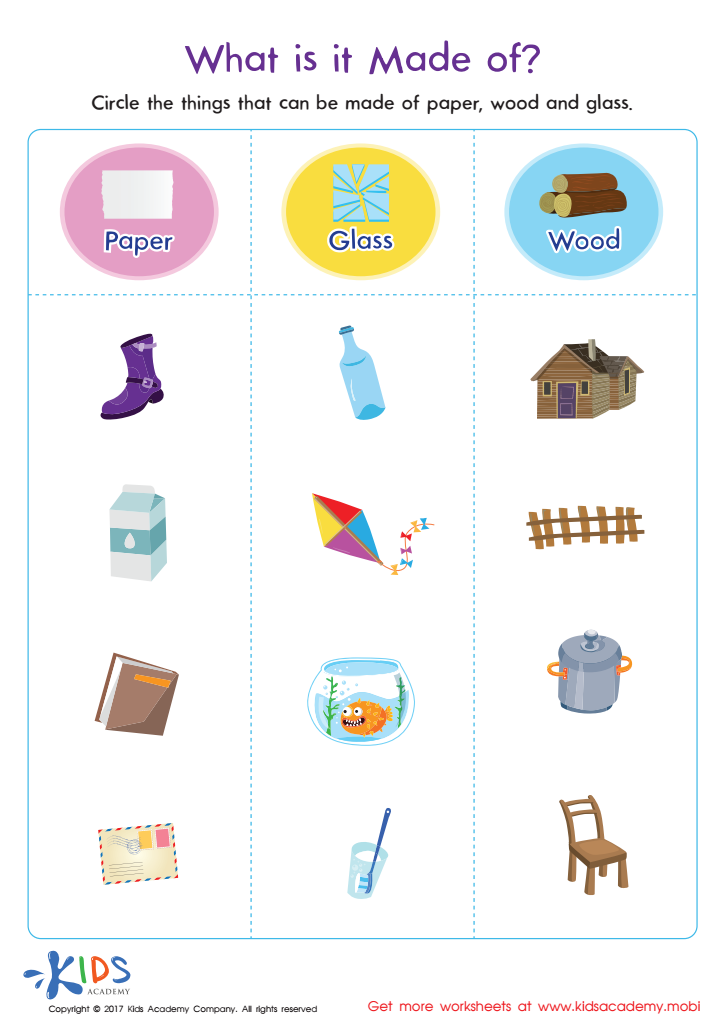


.jpg)

.jpg)



Logical reasoning is a foundational skill that plays a crucial role in the cognitive development of children aged 4-9. At this stage, children are naturally curious and eager to explore their environment. Encouraging logical reasoning enhances critical thinking, problem-solving abilities, and the capacity to make connections between different concepts. Parents and teachers should prioritize fostering these skills, as they are essential not only for academic success but also for everyday decision-making.
By engaging in activities that promote logical reasoning, such as puzzles, games, and open-ended questions, children learn to analyze situations, draw conclusions, and develop a structured thought process. These activities stimulate their brains and encourage them to think critically about their surroundings.
Moreover, logical reasoning helps children understand cause-and-effect relationships, enhancing their ability to navigate challenges and make sense of complex information. As they advance in their education, these skills become even more critical, laying the groundwork for subjects like math and science that require logical thinking.
Ultimately, empowering children with strong logical reasoning skills fosters their independence, boosts their confidence, and equips them to tackle future educational challenges, making it an essential focus for both parents and teachers.








