Mathematical reasoning Worksheets for Ages 4-9 - Page 3
69 filtered results
-
From - To
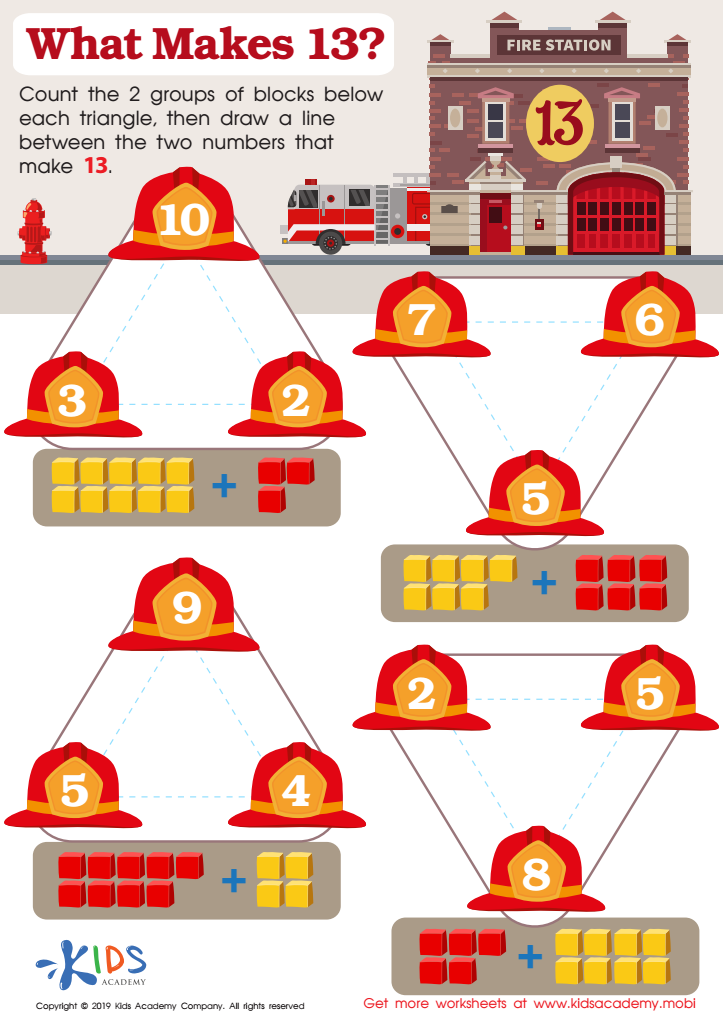
What Makes 13 Worksheet
 Assign to My Students
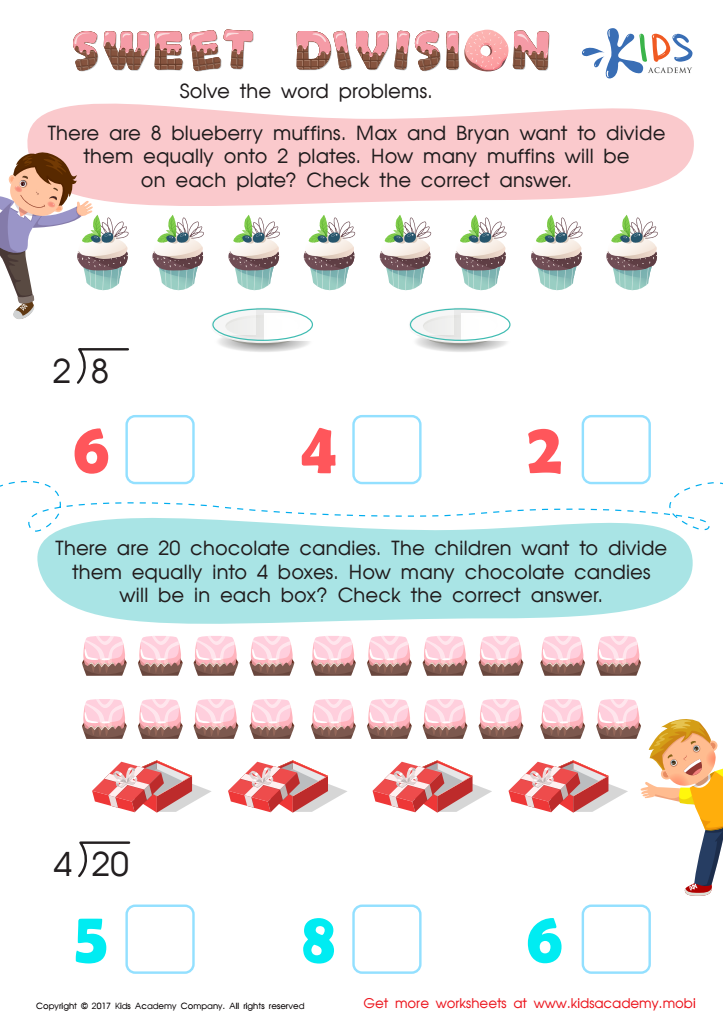
Division Word Problems Worksheet
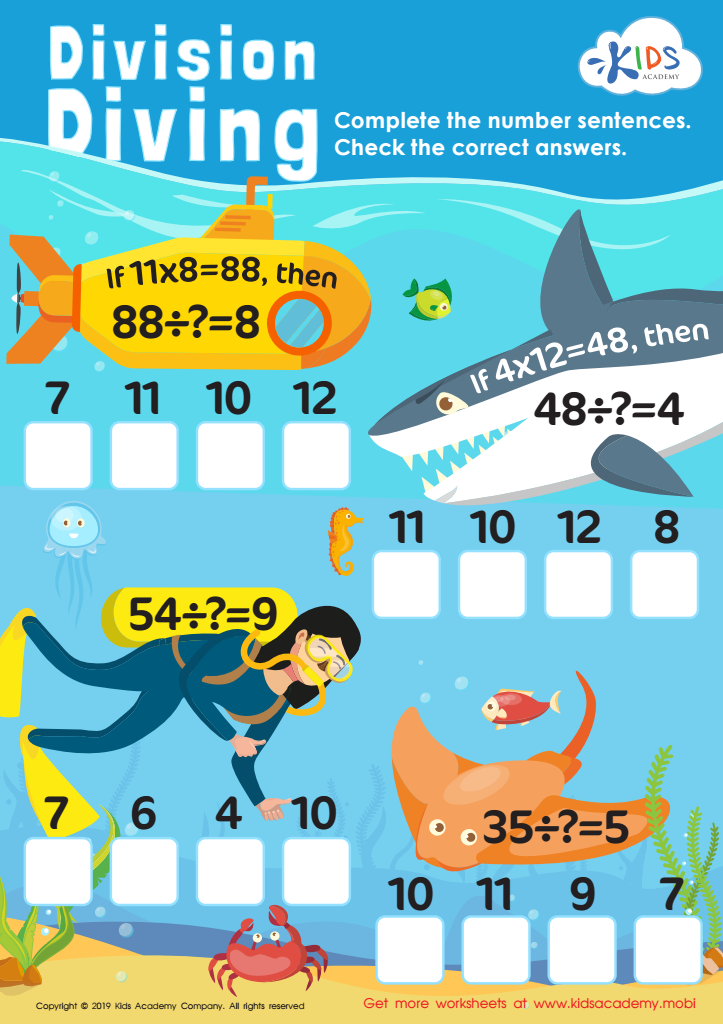
Division Diving Worksheet
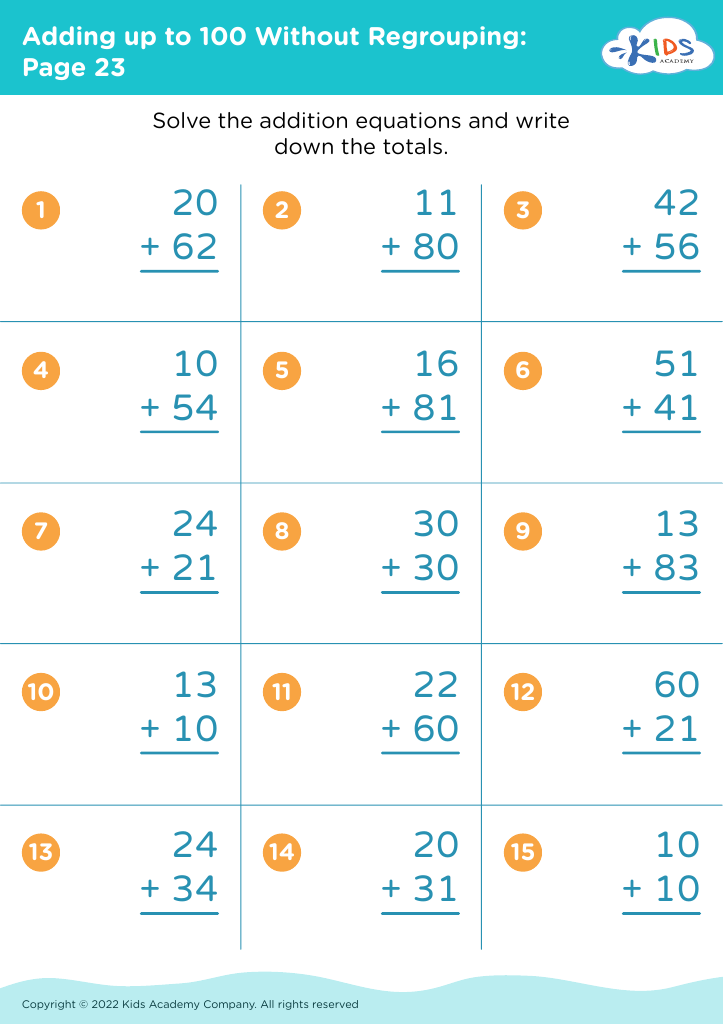
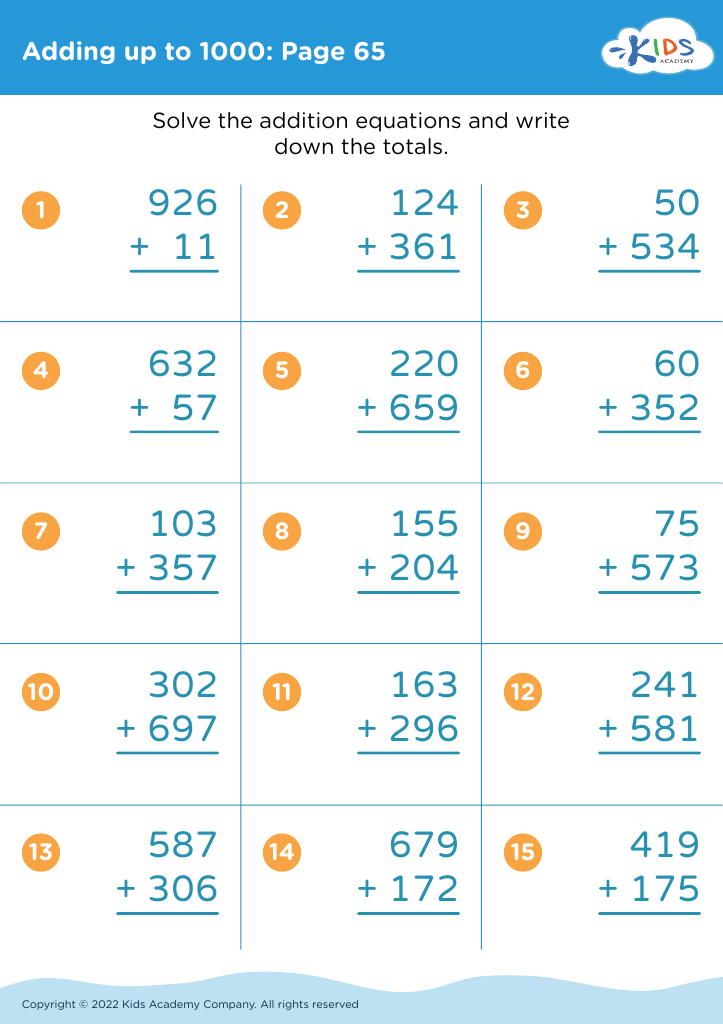
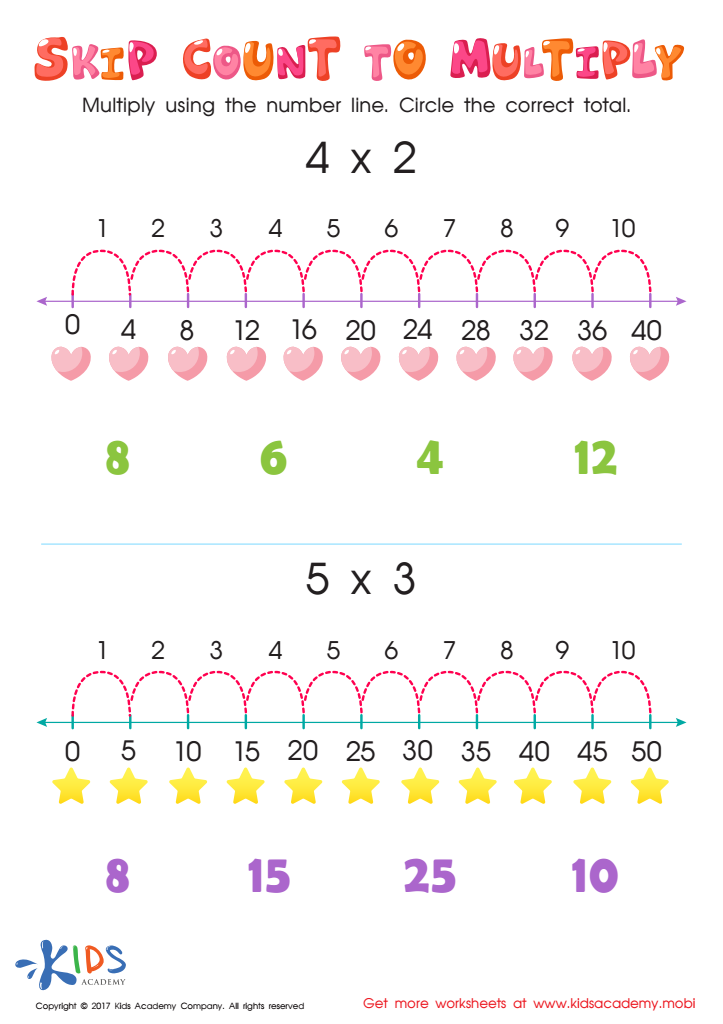
Skip Count Multiplication Worksheet
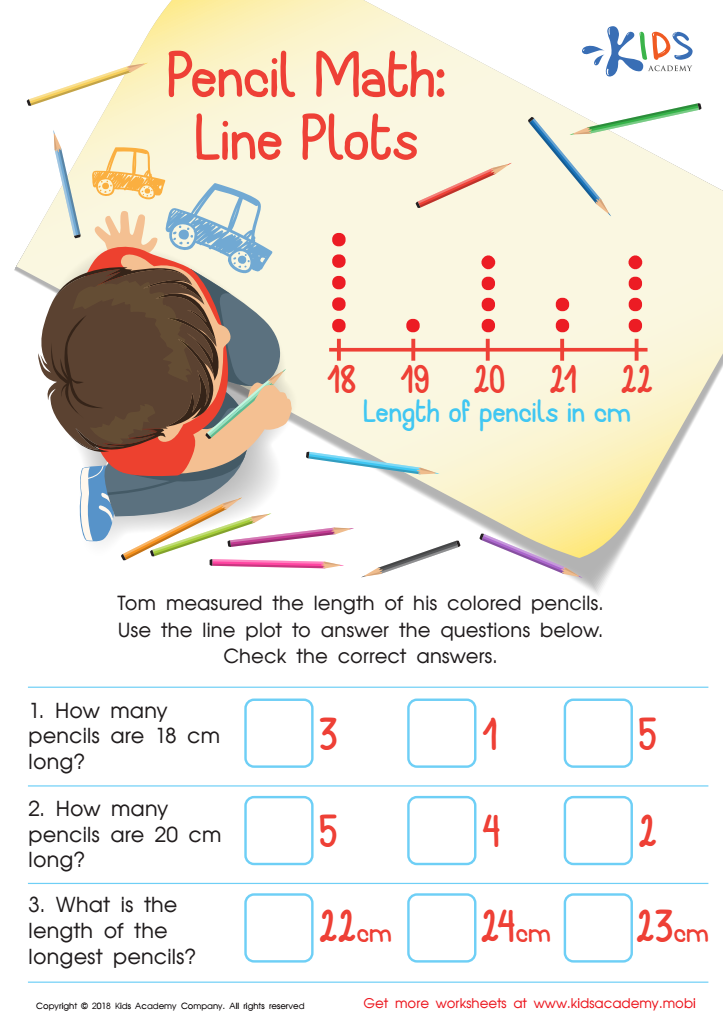
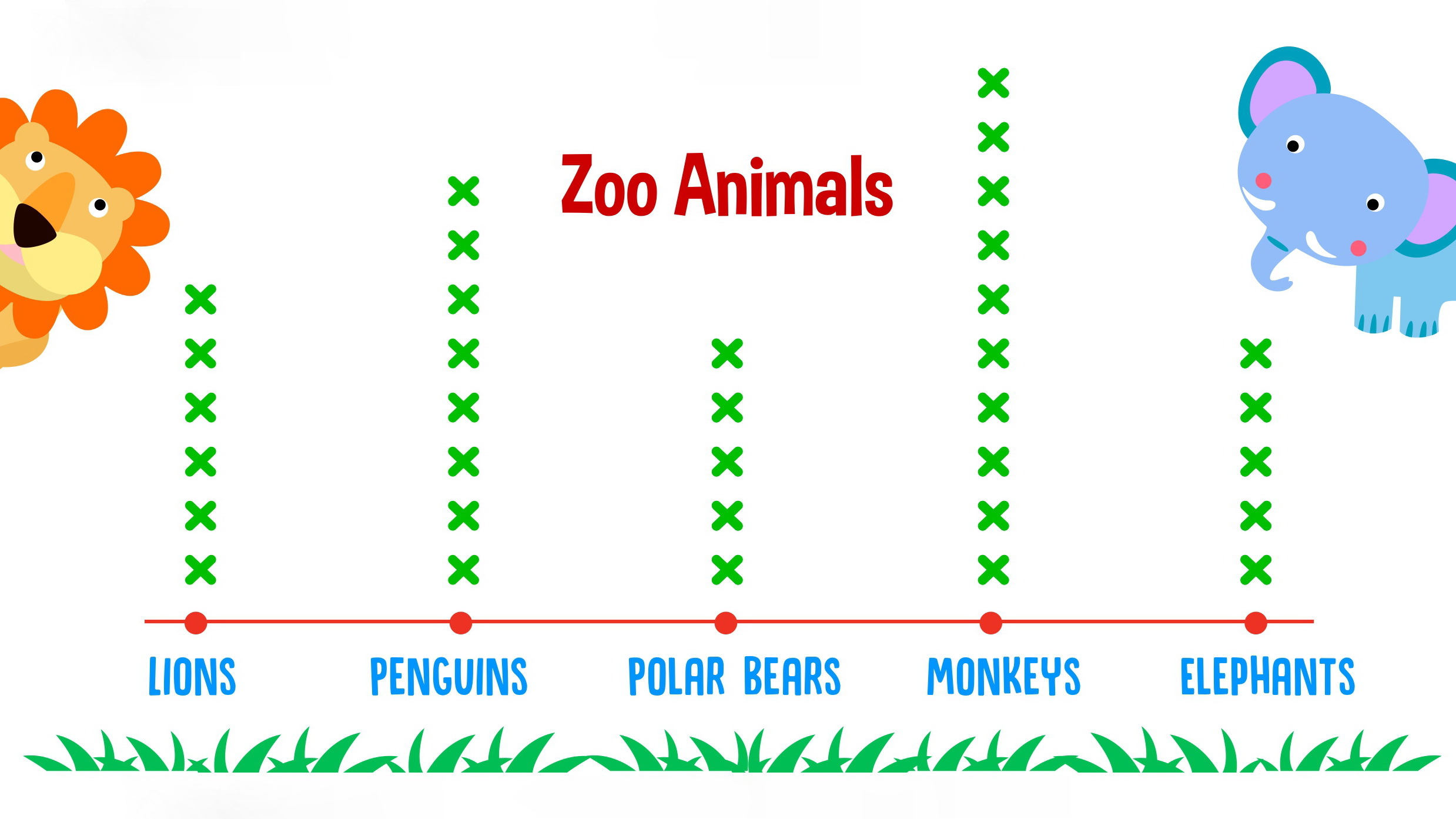
Pencil Math: Line Plots Worksheet
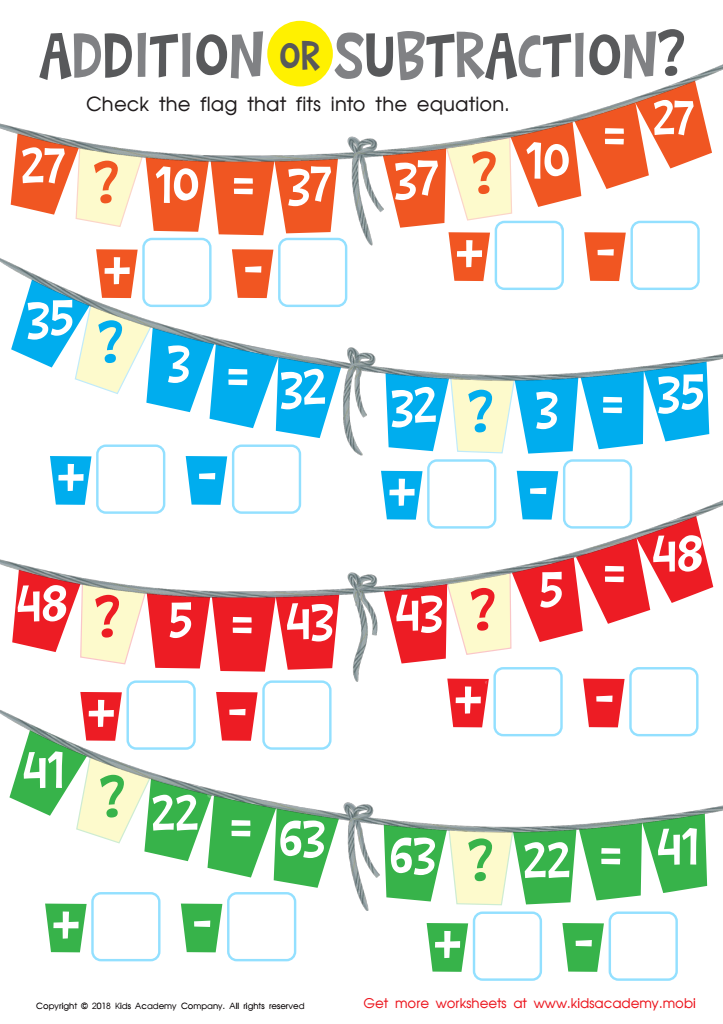
Addition or Subtraction? Worksheet
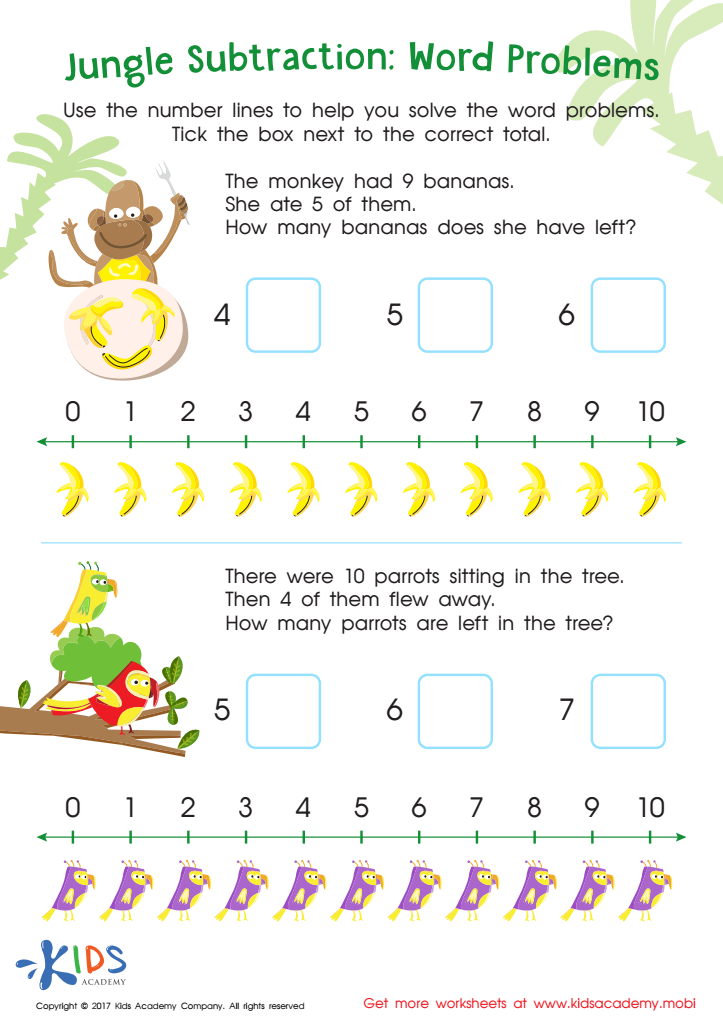
Jungle Subtraction Word Problems Substraction Worksheet
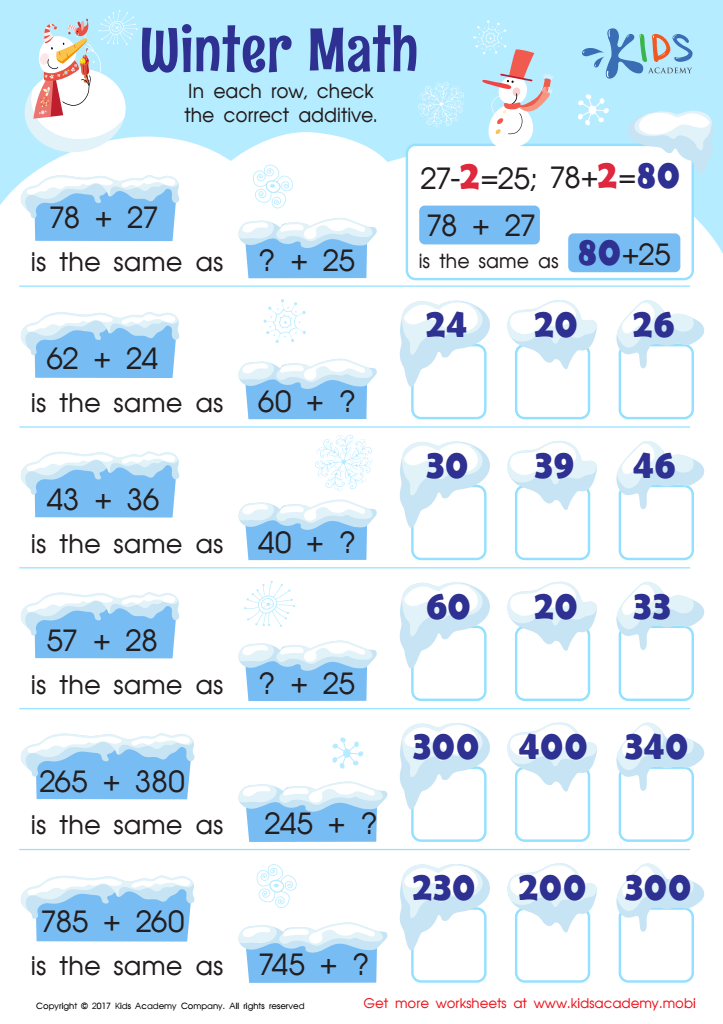
Free Addition Worksheet
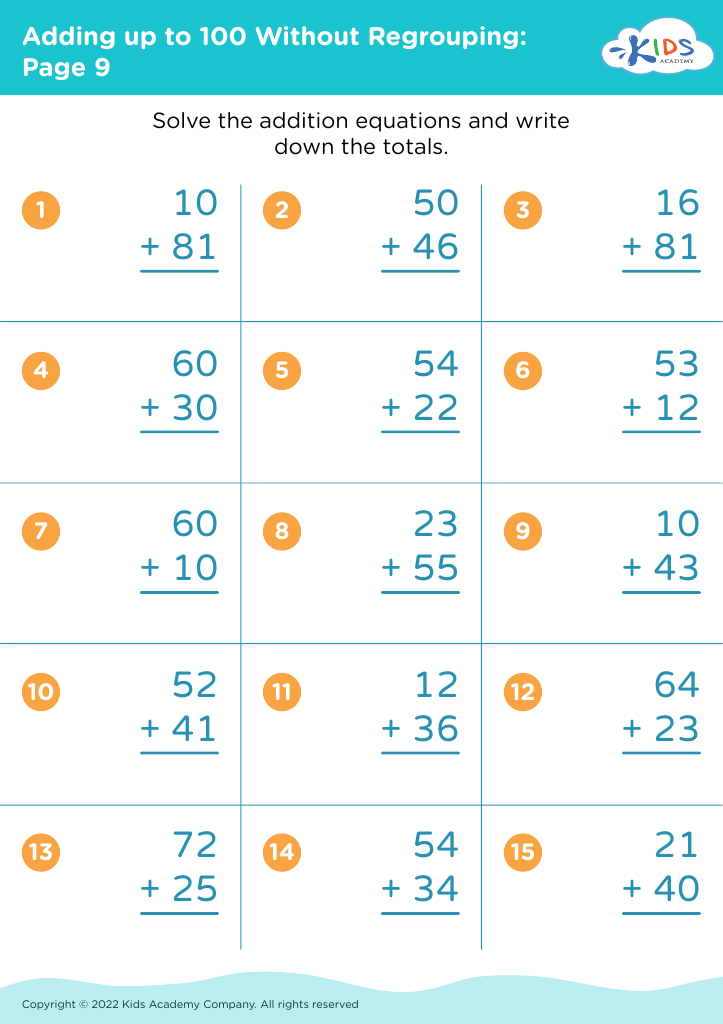
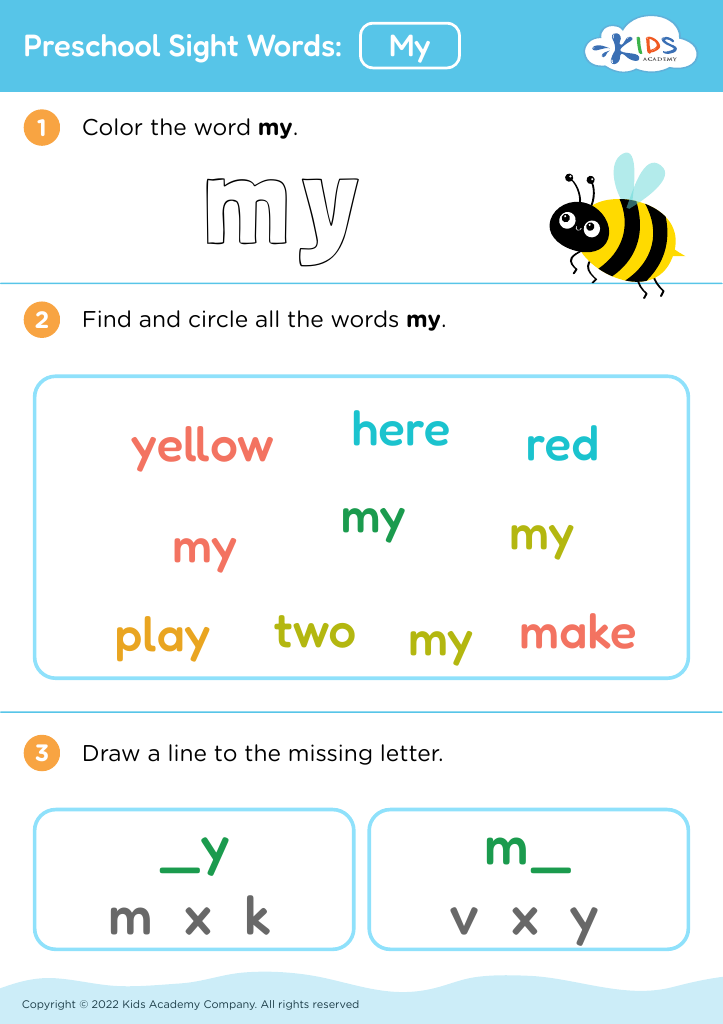







Mathematical reasoning is a foundational skill that plays a crucial role in a child's overall cognitive development, particularly during the ages of 4 to 9. During these formative years, children begin to form concepts of numbers, patterns, and relationships, which are essential for higher-level mathematics. When parents and teachers emphasize mathematical reasoning, they nurture critical thinking, problem-solving abilities, and logical reasoning skills that extend beyond math itself.
Understanding mathematical concepts helps children approach challenges with a solution-oriented mindset, fostering perseverance as they encounter complex problems. Moreover, strong mathematical reasoning promotes confidence in a child’s abilities, encouraging active participation in learning. Early engagement with these skills equips children with the tools they need for future academic pursuits and everyday encounters, such as finance, science, and technology.
Additionally, mathematical reasoning reinforces language development, as children learn to articulate their thought processes and reasoning. This cognitive skill also supports creativity, as they explore different strategies to solve problems. Ultimately, nurturing mathematical reasoning during these crucial years lays a solid foundation for lifelong learning, helps children make meaningful connections in diverse contexts, and prepares them to navigate an increasingly numerate world. Therefore, parents and teachers should prioritize this aspect of education.








