Recognizing Patterns Worksheets for Ages 4-9 - Page 2
35 filtered results
-
From - To
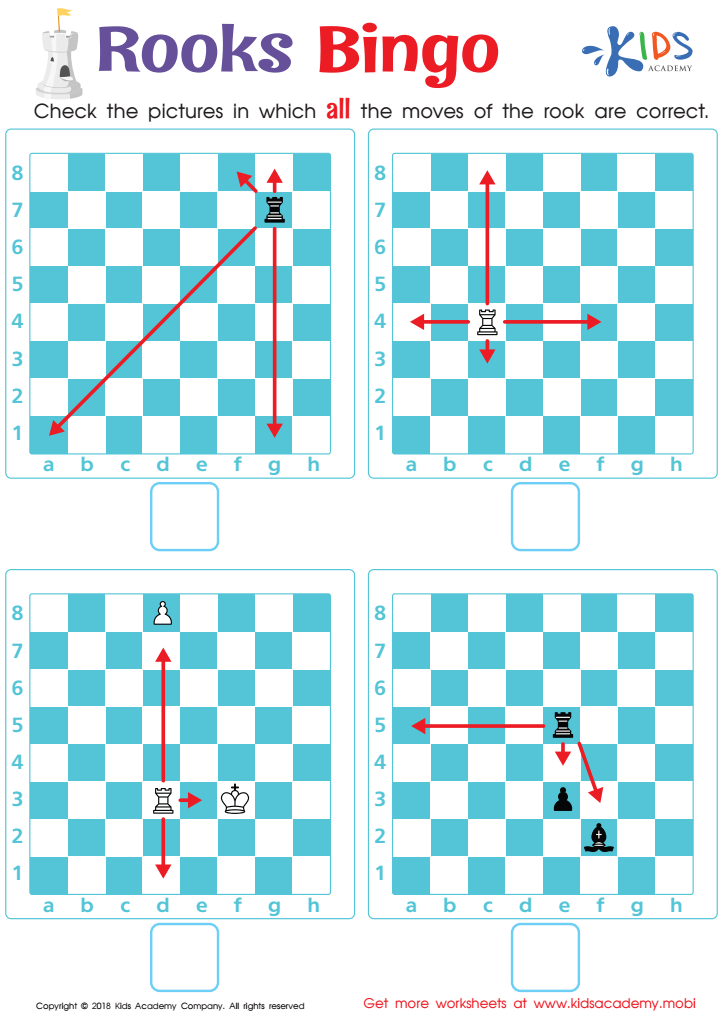
Rooks Bingo Worksheet
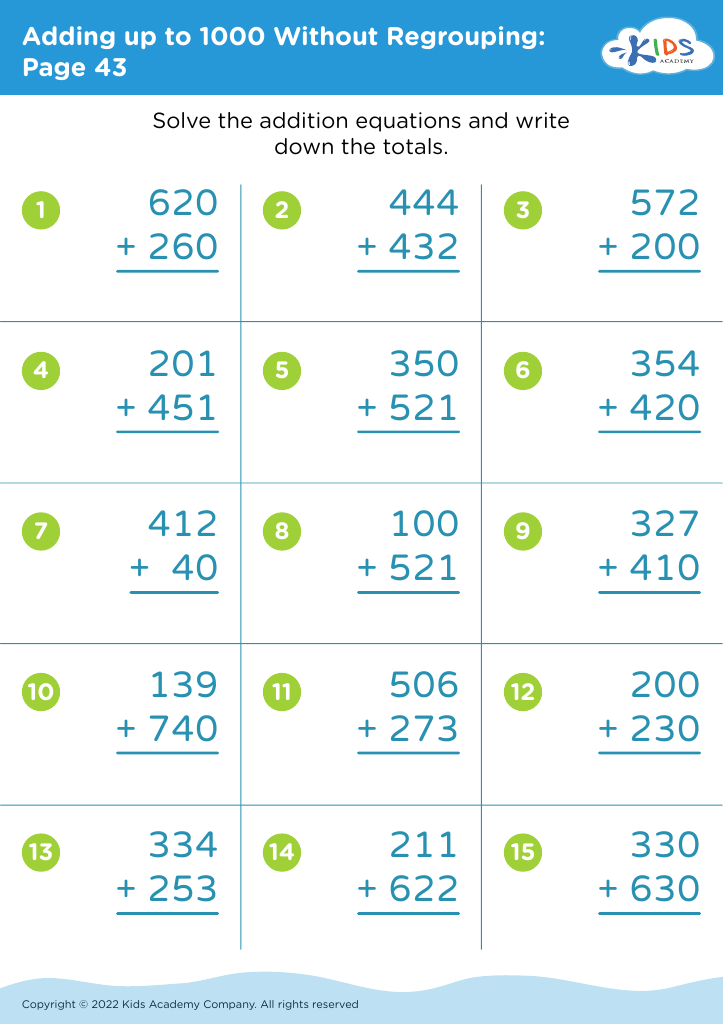
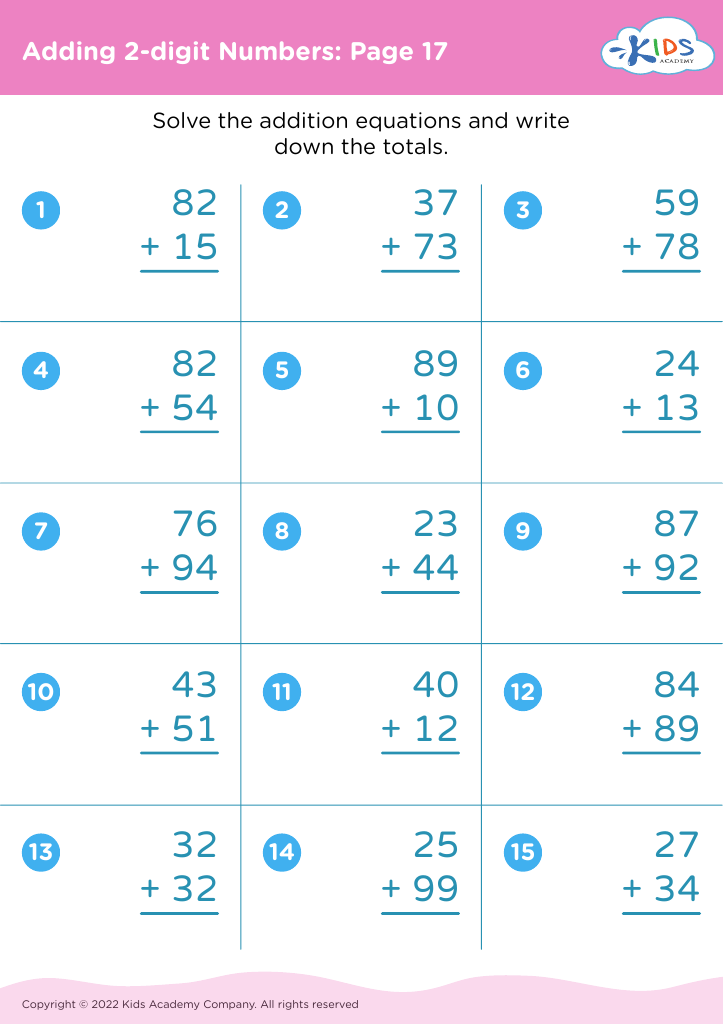
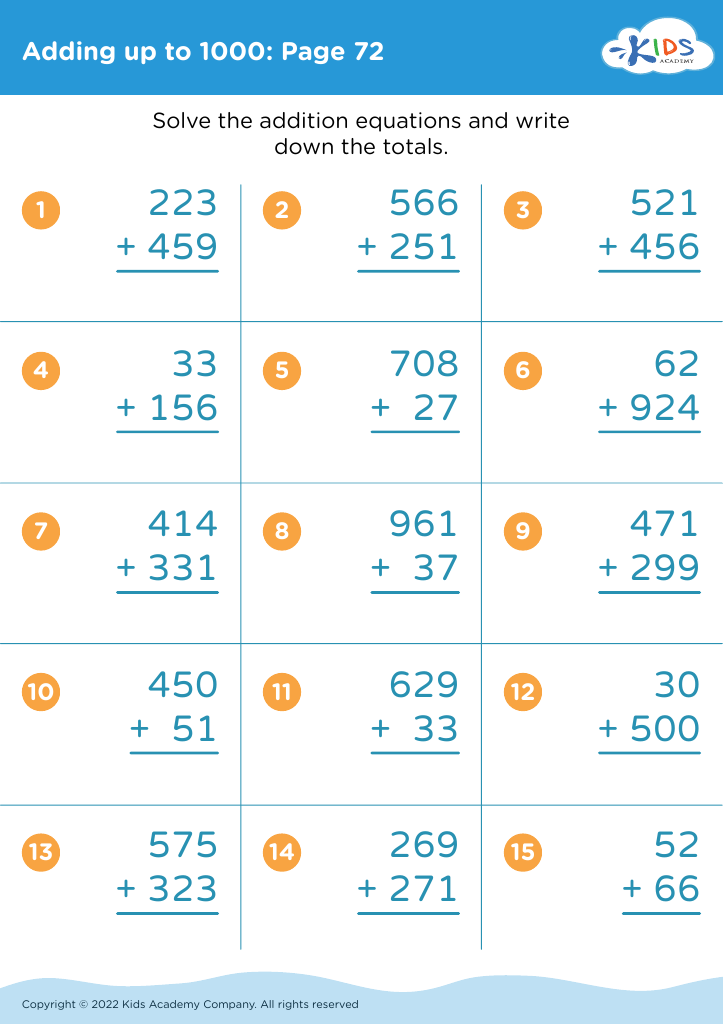
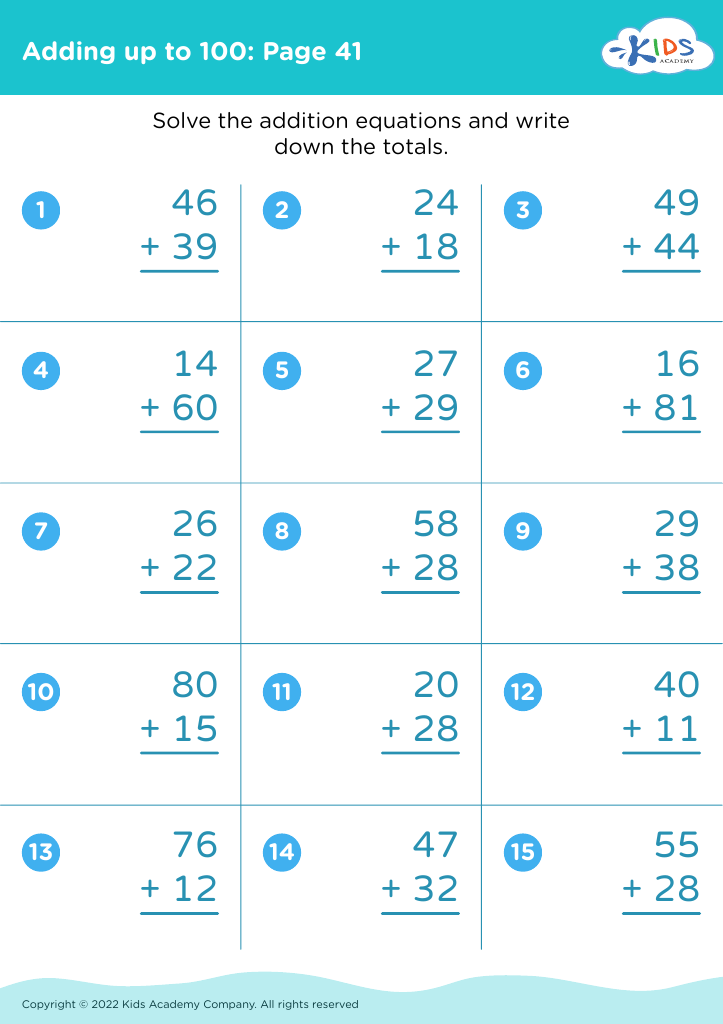
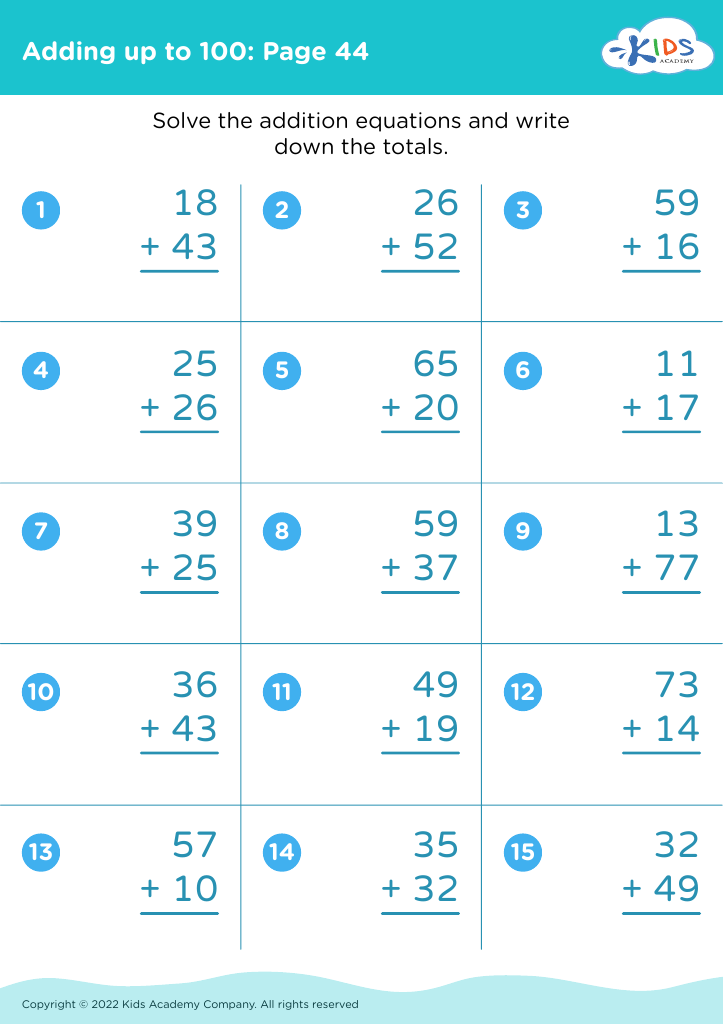
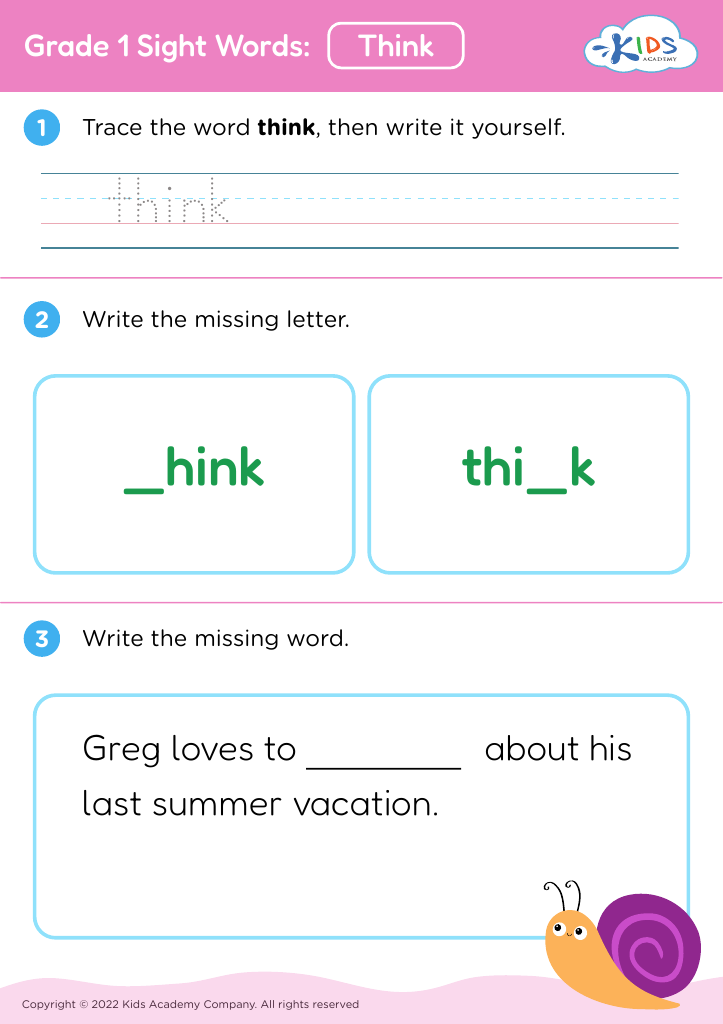
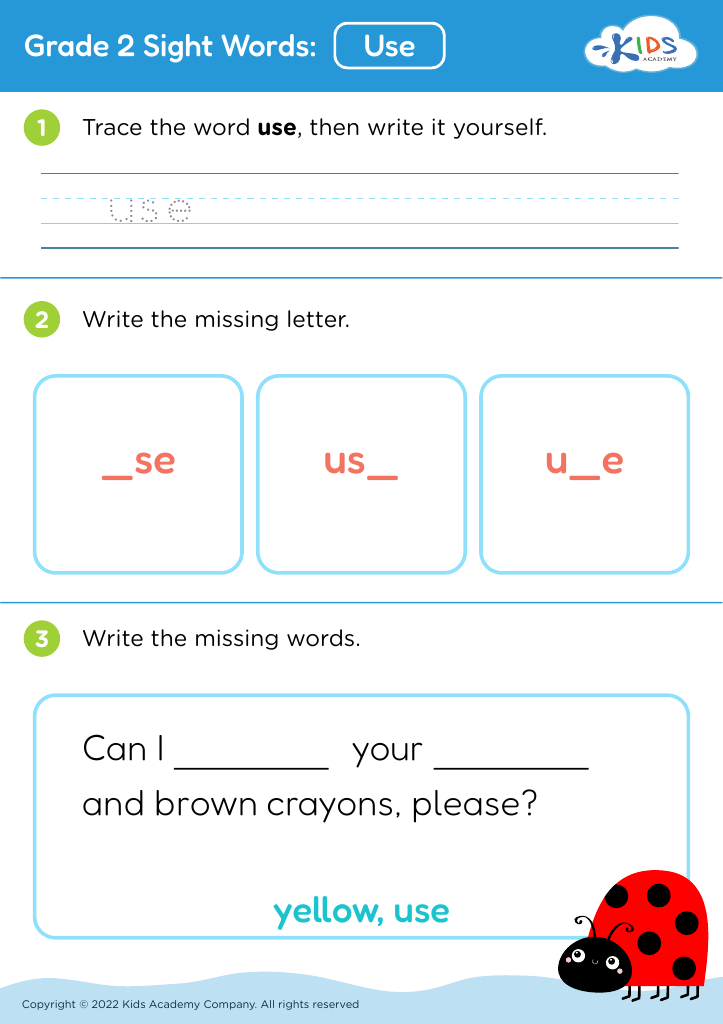
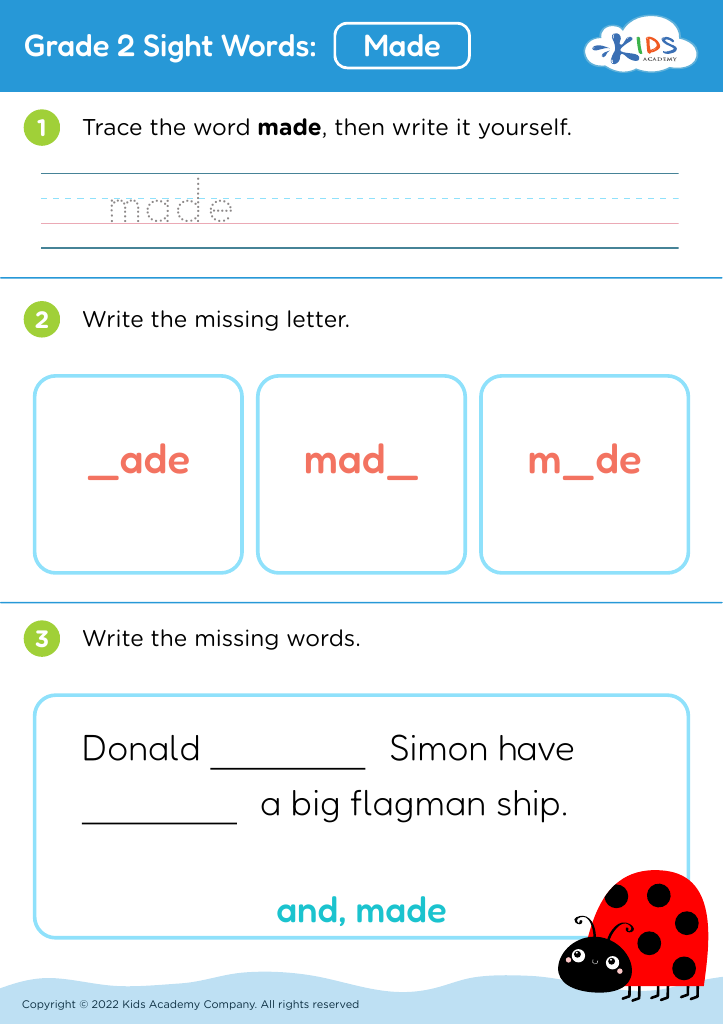
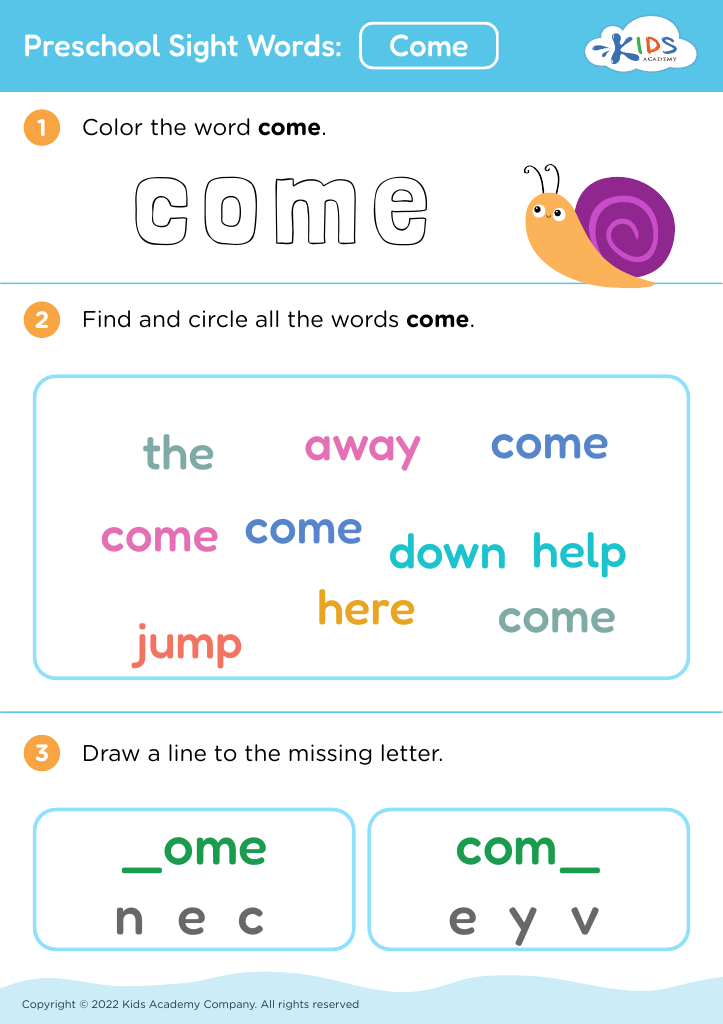
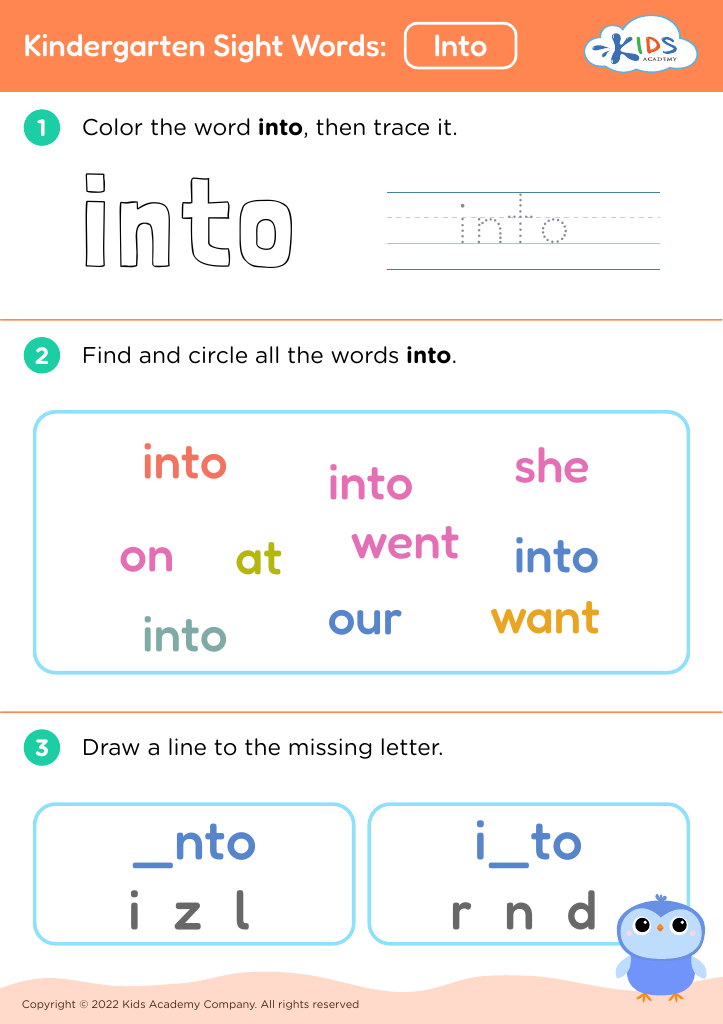








Recognizing patterns is a fundamental skill that plays a crucial role in the cognitive development of children aged 4-9. When young learners identify patterns, they are not just noticing repetitive sequences but are also engaging in essential problem-solving and analytical thinking processes. This foundational ability underpins learning in mathematics, such as understanding numbers, addition, and multiplication, which often follow predictable patterns. Additionally, pattern recognition helps children make sense of their environment, such as understanding daily routines or seasonal changes, which provides a secure and predictable worldview.
Moreover, recognizing patterns enhances memory and concentration, as children must pay attention to detect and predict sequences. This skill translates across various subjects beyond math, including reading, where recognizing phonetic patterns aids in decoding new words, and in science, where identifying patterns in the natural world lays the groundwork for scientific inquiry.
By supporting children in practicing pattern recognition, parents and teachers help develop their critical thinking, boost their confidence in tackling abstract concepts, and encourage a love of learning. Activities like sorting objects, sequencing stories, and playing pattern-based games can make this learning process enjoyable and effective. Thus, cultivating pattern recognition at an early age prepares children for academic success and daily problem-solving.








