Shape Recognition Worksheets for Ages 4-9 - Page 4
142 filtered results
-
From - To
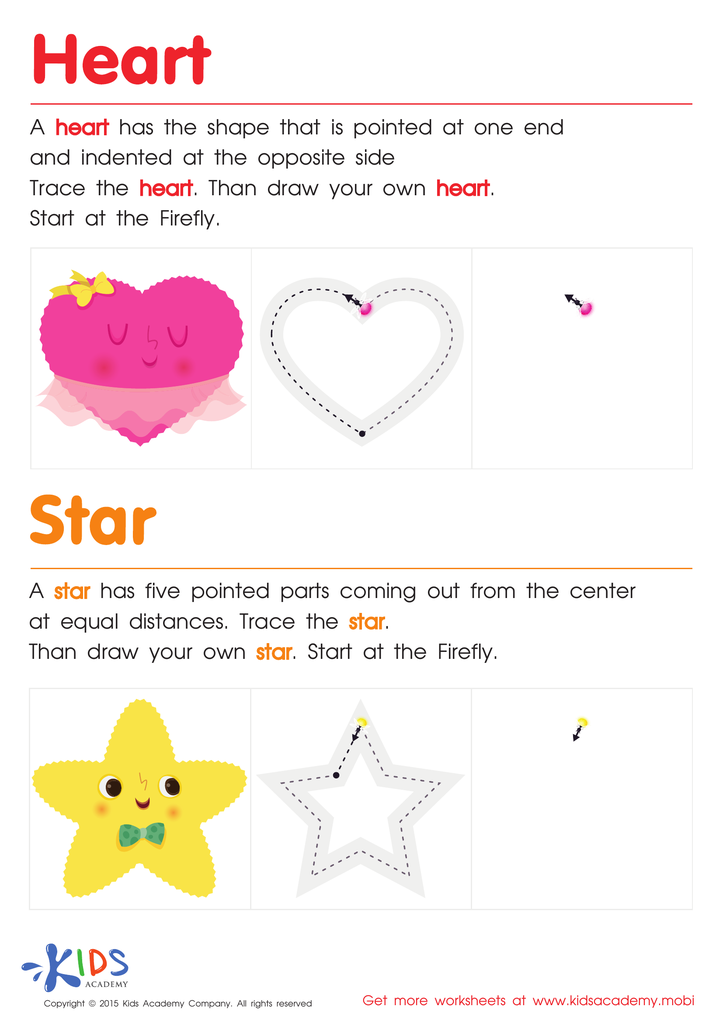
Let's Learn to Draw Hearts And Stars Printable
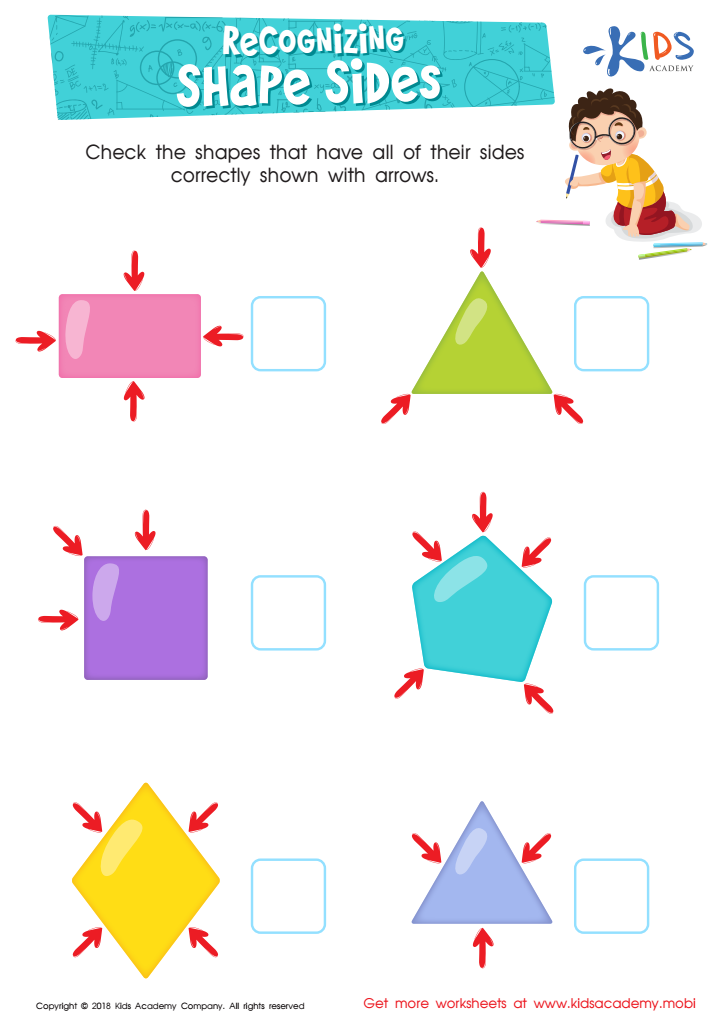
Recognizing Shape Sides Worksheet
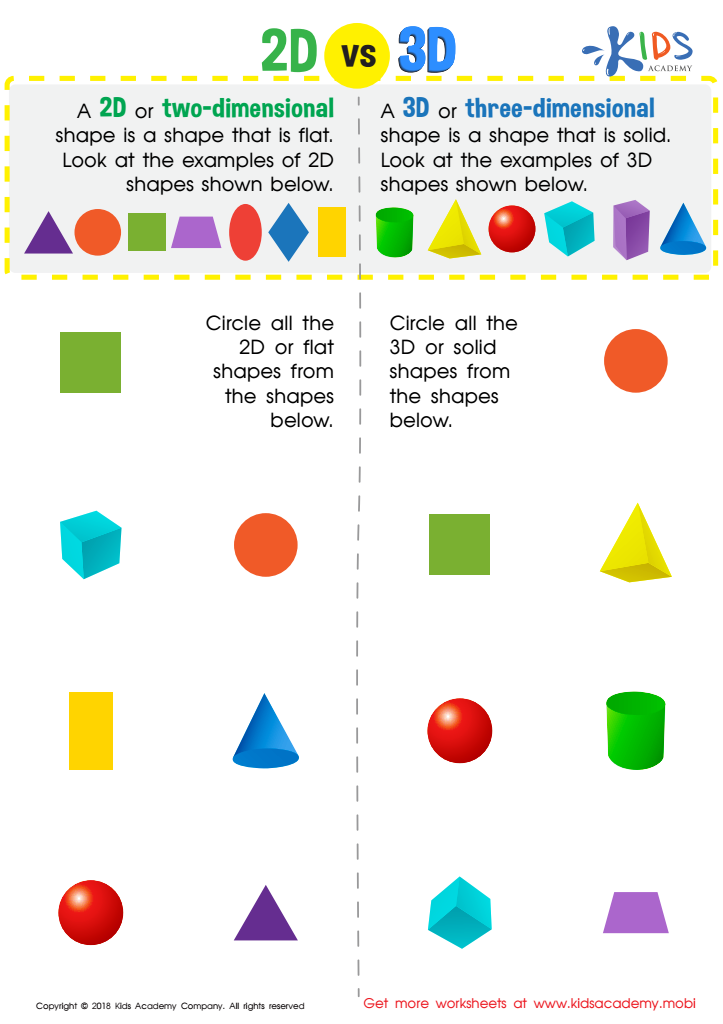
2D vs 3D Shapes Worksheet
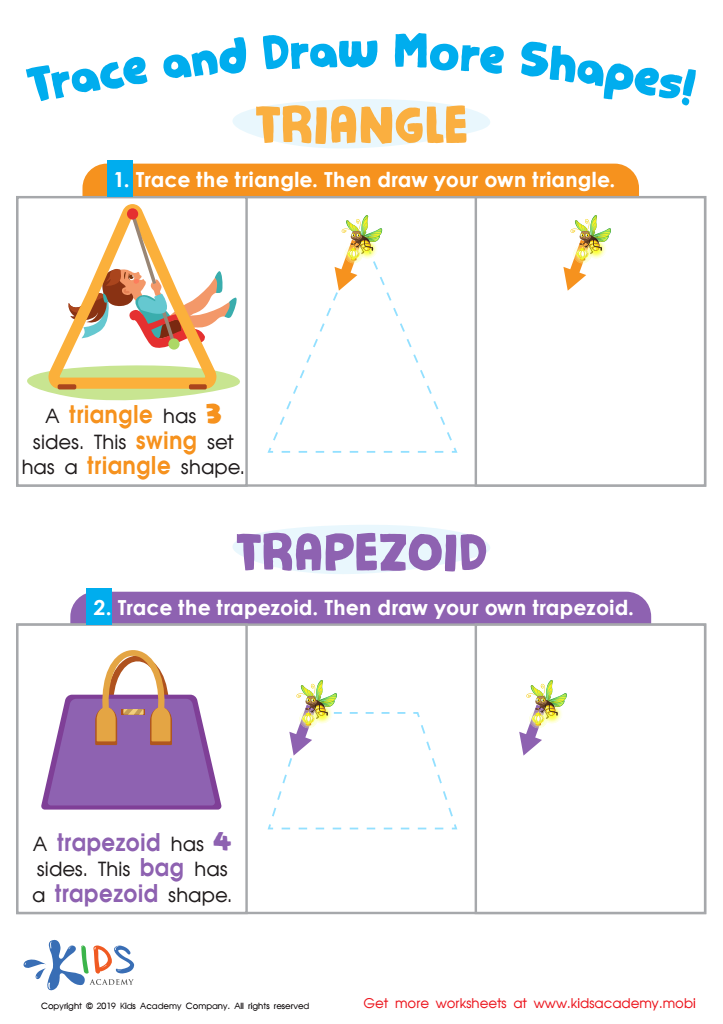
Trace and Draw More Shapes Worksheet
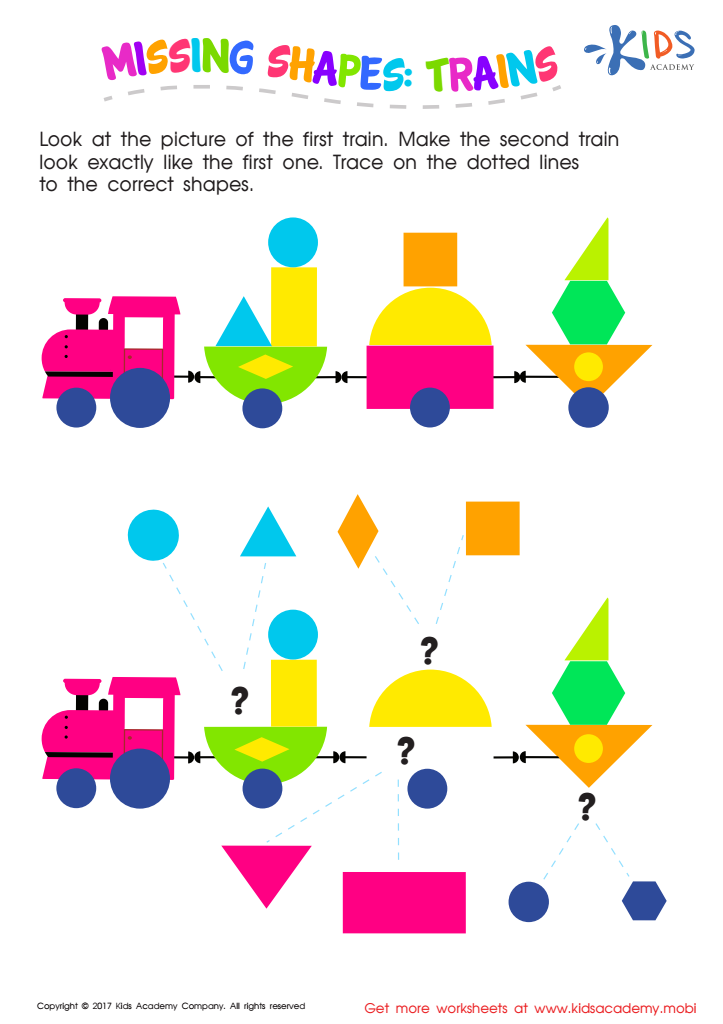
Missing Shapes: Trains Worksheet
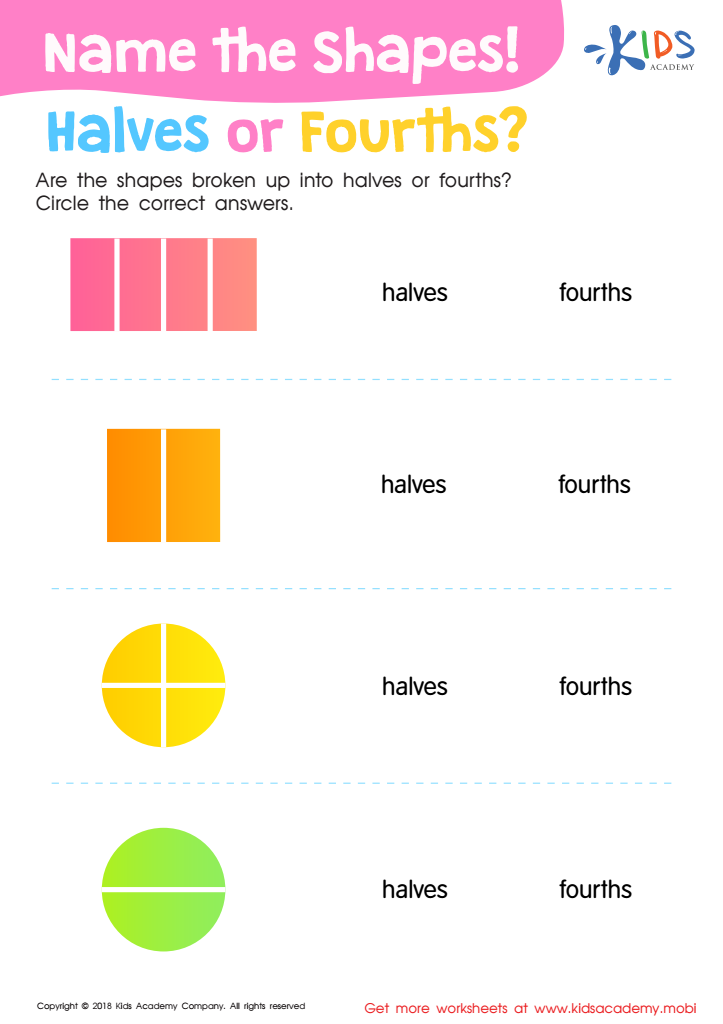
Name the Shapes Halves or Fourths? Worksheet
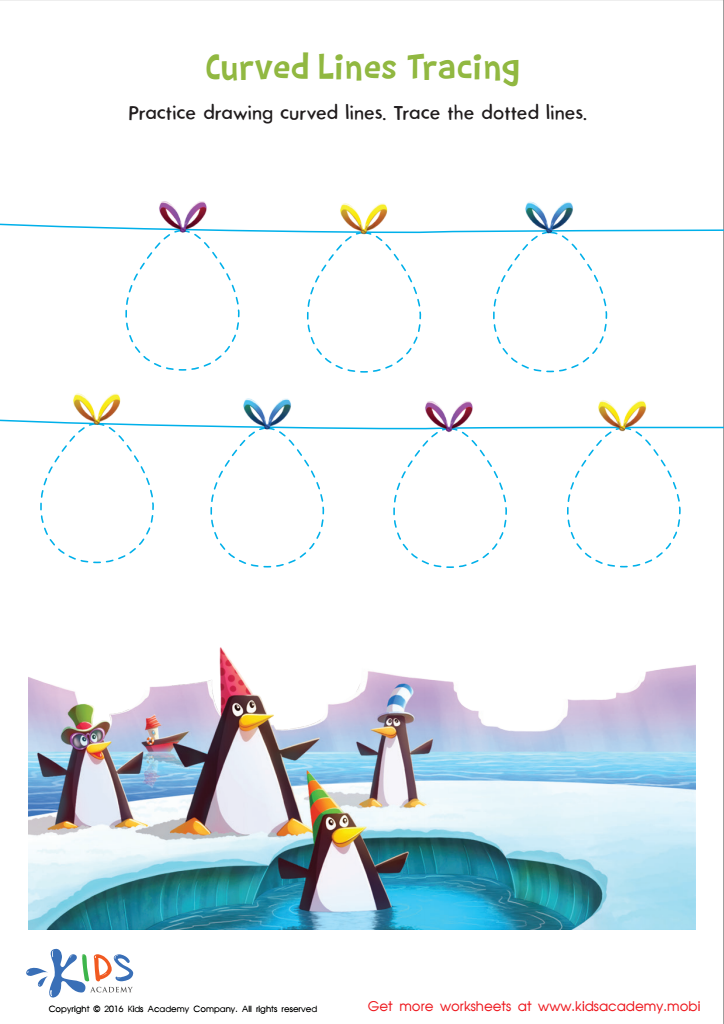
Curved Lines Tracing Worksheet
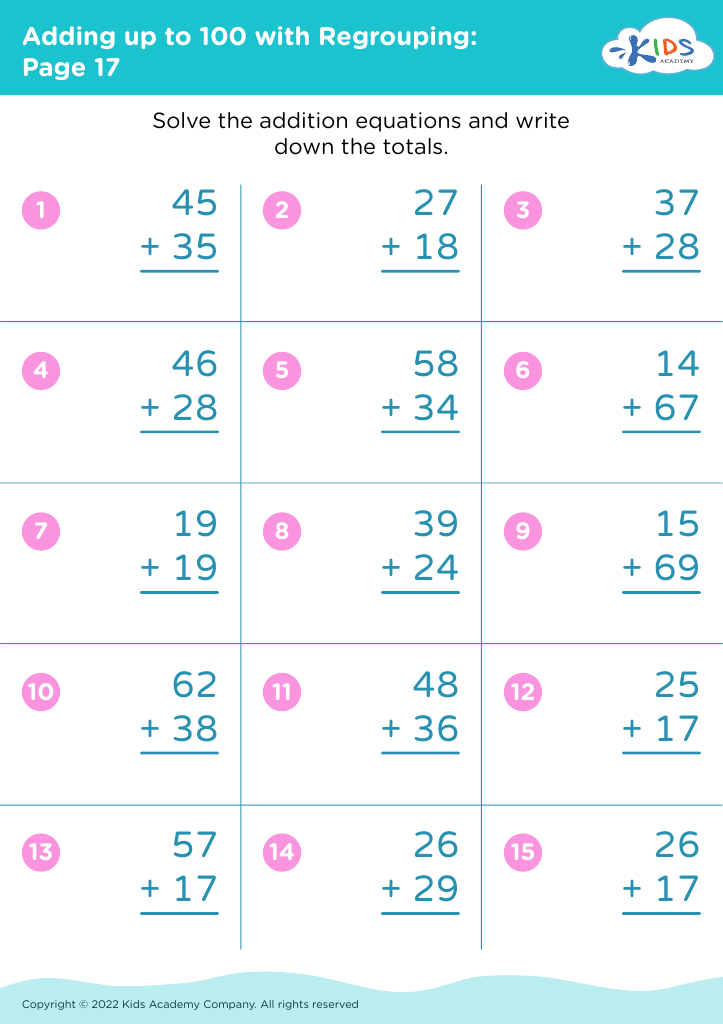
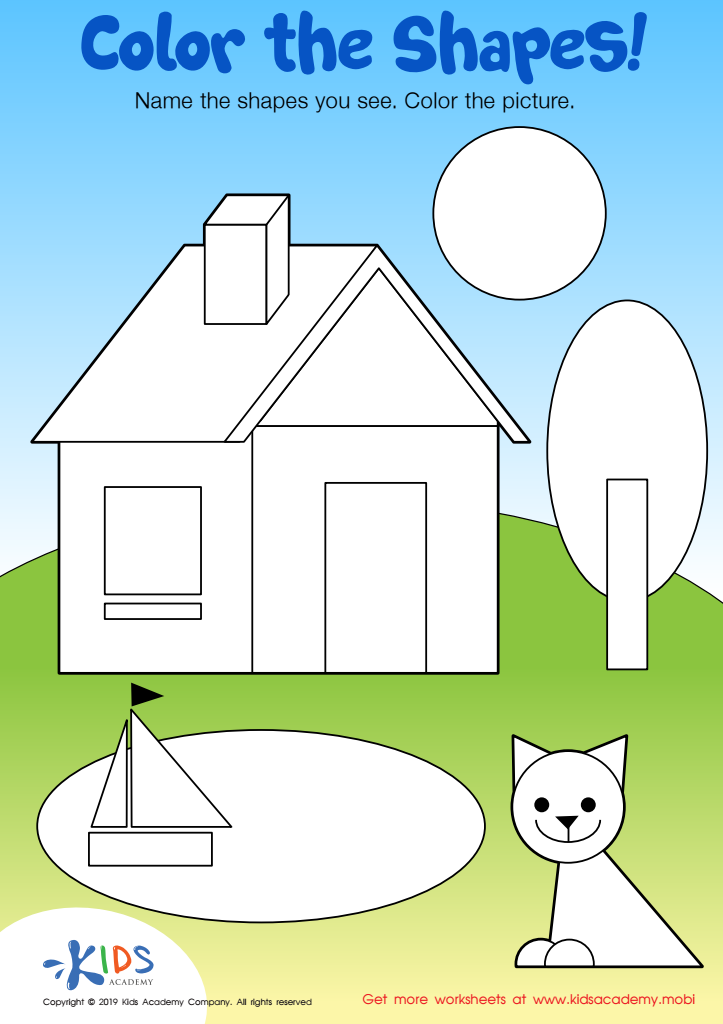
Color the Shapes Worksheet
 Assign to My Students
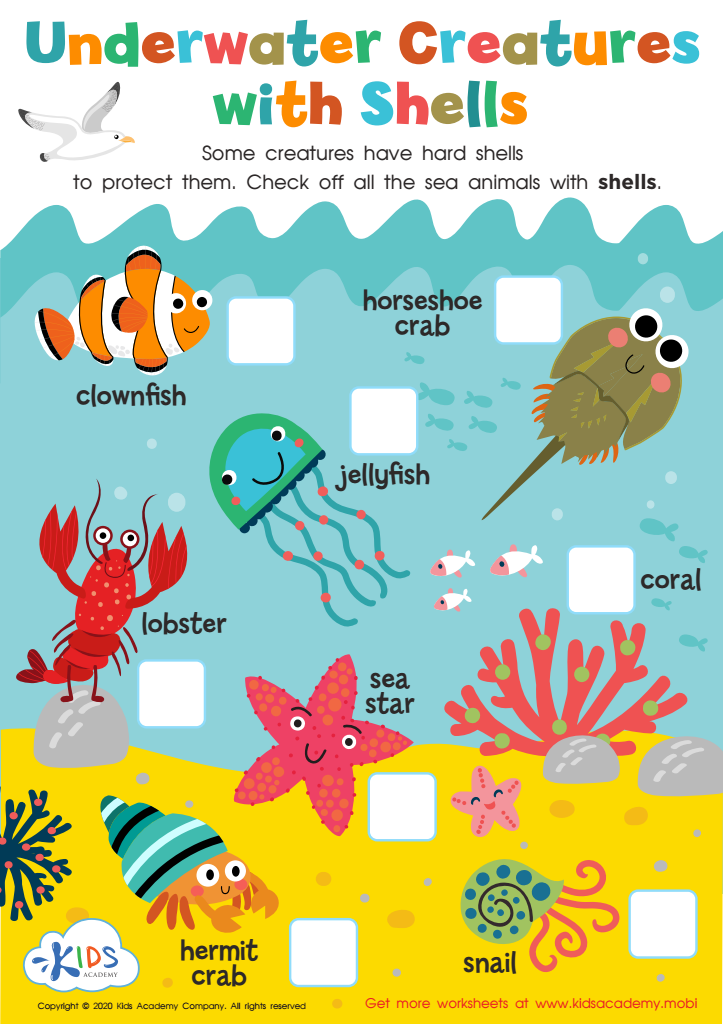
Underwater Creatures with Shells Worksheet
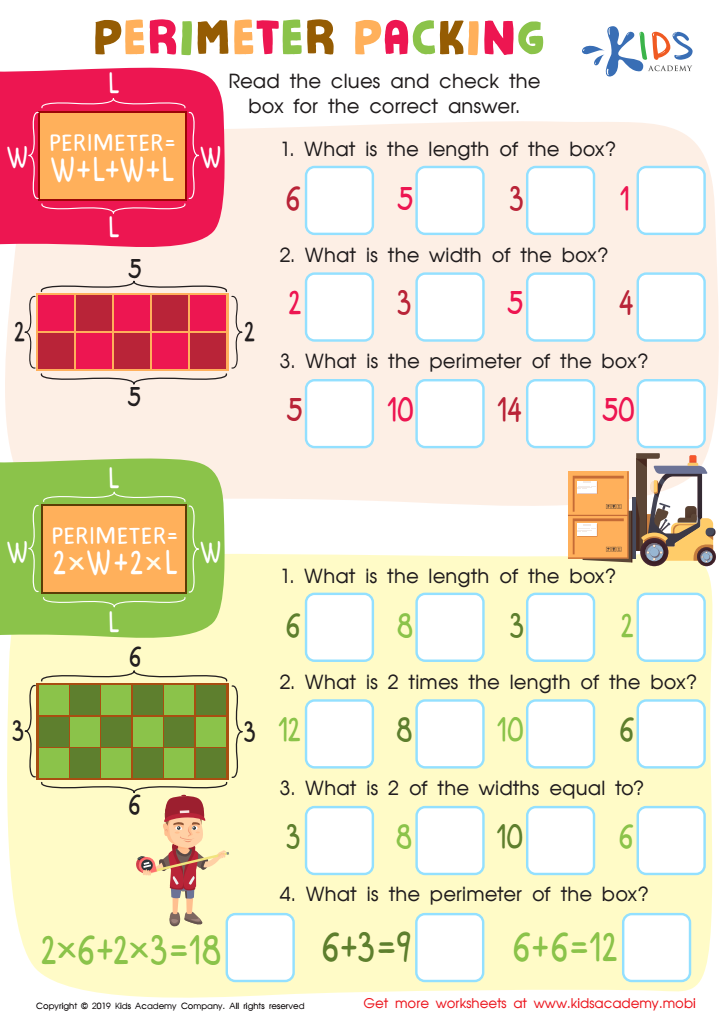
Perimeter Parking Worksheet
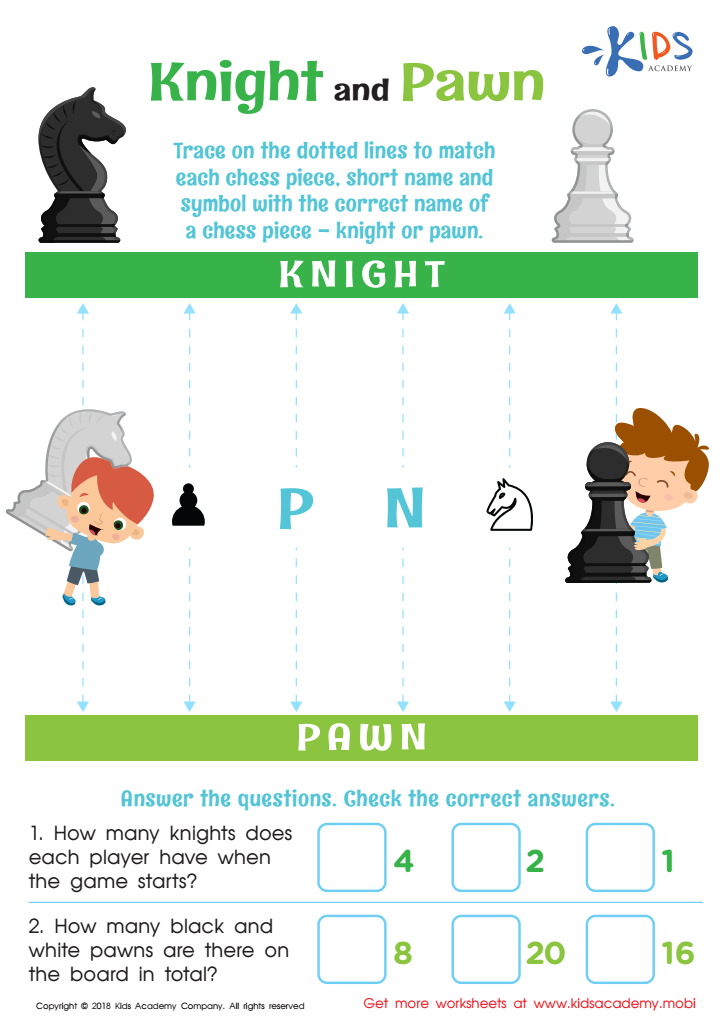
Knight and Pawn Worksheet
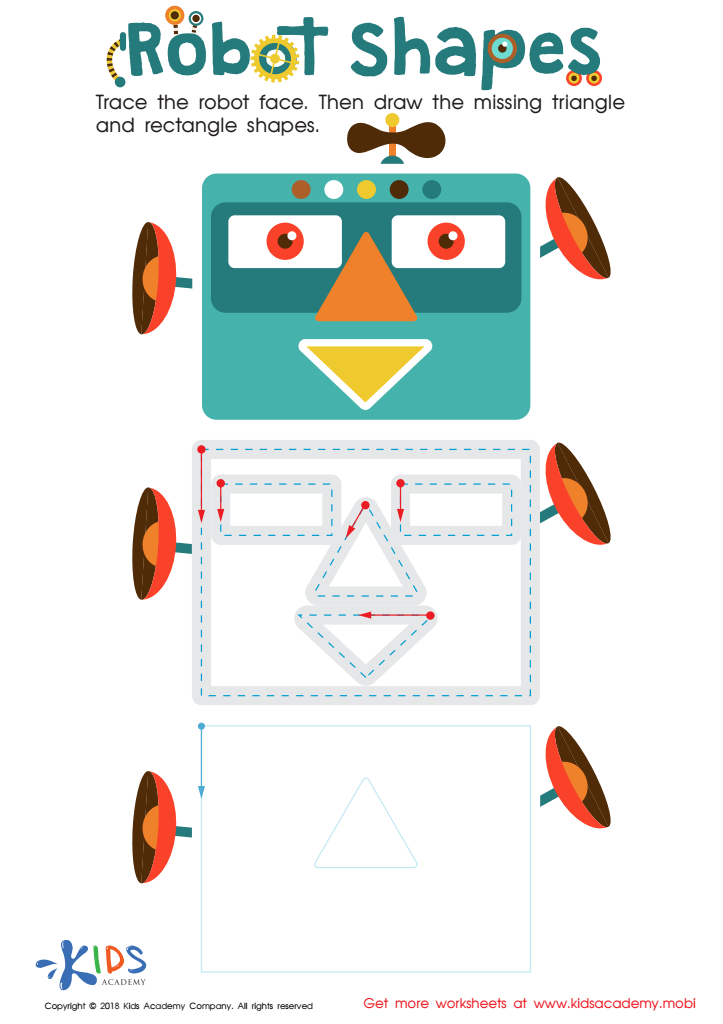
Robot Shapes Worksheet
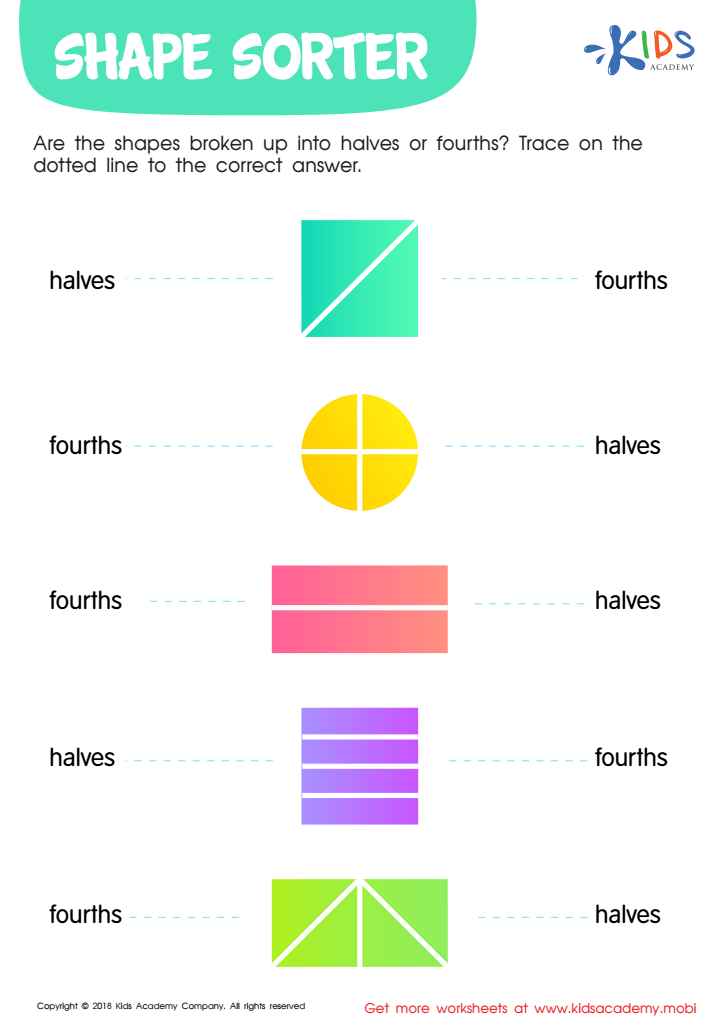
Shape Sorter Worksheet
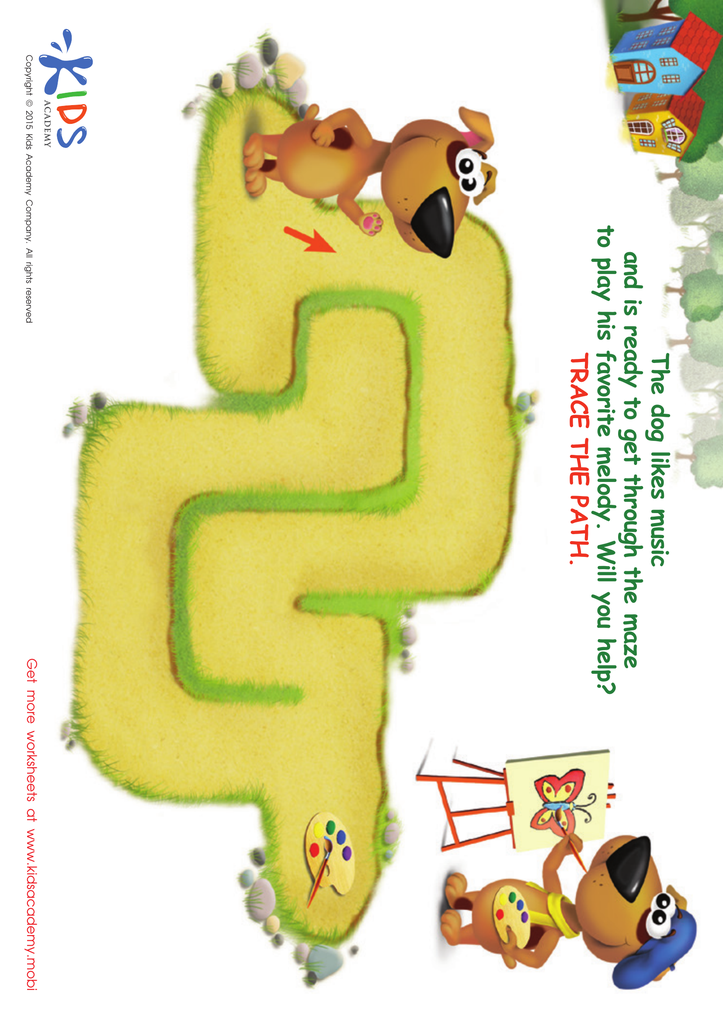
Artist Maze Worksheet
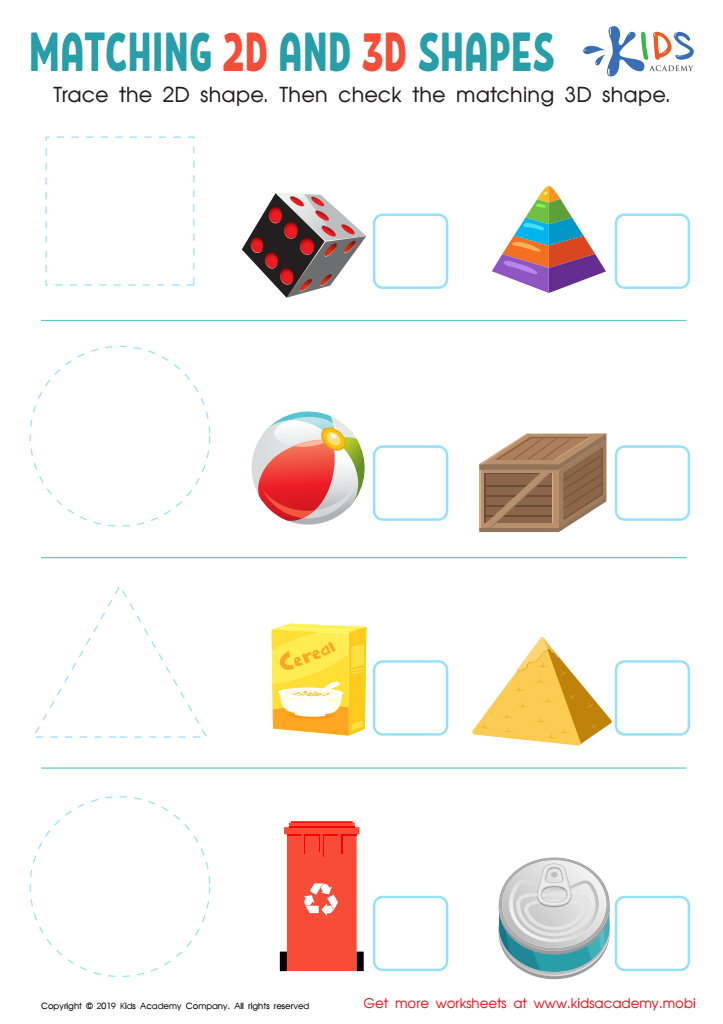
Matching 2D and 3D Shapes Worksheet
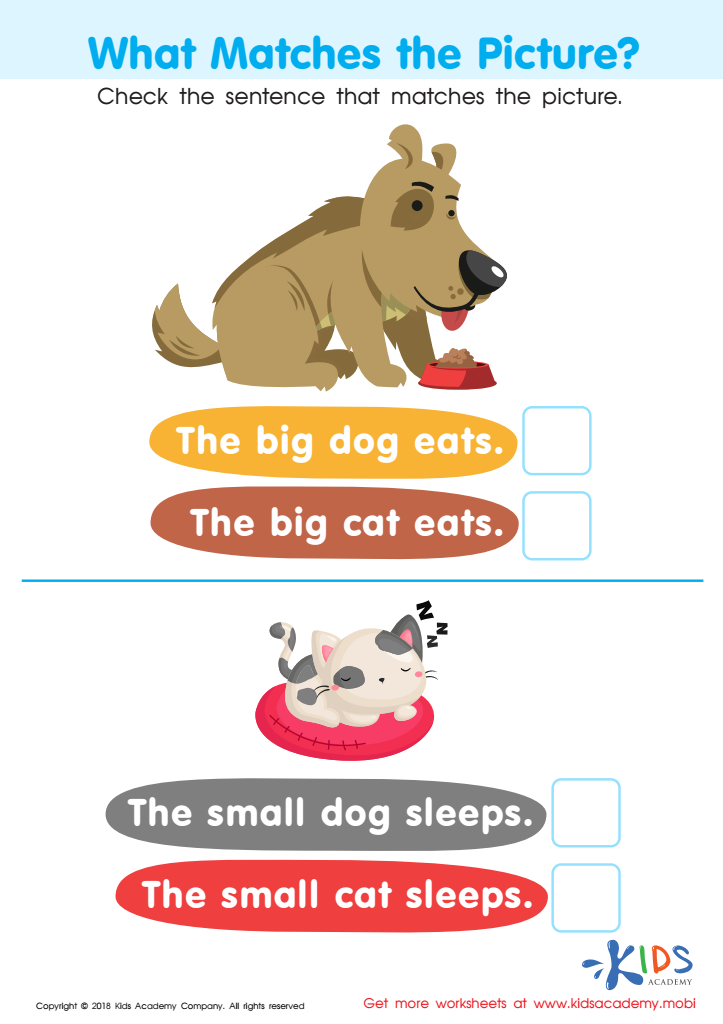
What Matches the Picture? Worksheet
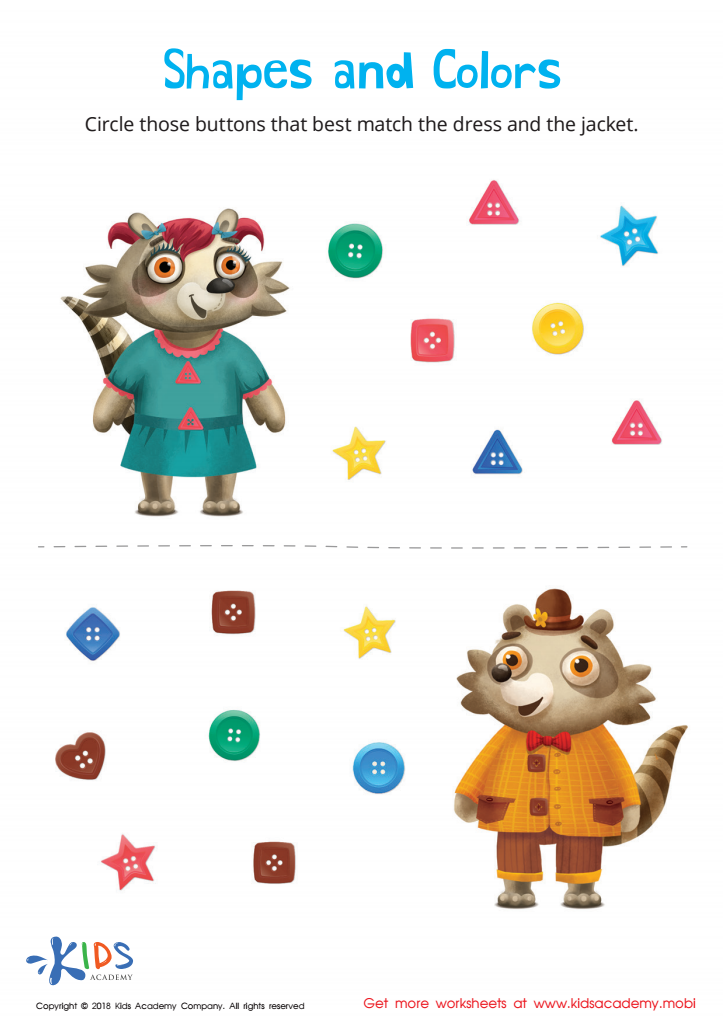
Shapes and Colors Worksheet






Shape recognition is a fundamental cognitive skill for children ages 4-9, serving as a crucial foundation for future learning. Parents and teachers should prioritize it because of its multifaceted impact on early development. Firstly, understanding shapes helps children with spatial awareness, differentiating between objects and comprehending their environment. When kids identify and sort shapes such as circles, squares, and triangles, they're also building early math skills, which are essential for geometry and other math-related concepts in higher grades.
Additionally, shape recognition aids in the development of critical problem-solving skills and logical thinking. When children recognize patterns and relationships between shapes, they enhance their analytical abilities. These skills translate into better reading and writing as well, as recognizing the differences and similarities between shapes mirrors the process of identifying letters and numbers.
Moreover, learning about shapes helps enhance fine motor skills. Activities like drawing or cutting out shapes require hand-eye coordination and precision, important for writing and other manual tasks.
Socially and emotionally, accomplishing tasks related to shape recognition boosts a child's confidence and encourages a positive attitude toward learning. Therefore, by focusing on shape recognition, parents and teachers lay a solid foundation for future academic success and holistic development in children.








