Subtraction skills Worksheets for Ages 4-9
30 filtered results
-
From - To
Enhance your child’s math skills with our engaging Subtraction Skills Worksheets designed for ages 4-9! Tailored to foster a love for learning, these printable worksheets feature fun themes and varying difficulty levels to cater to every child's needs. From simple subtraction facts to more challenging word problems, our activities promote critical thinking and problem-solving abilities. Each worksheet is crafted to maintain your child’s interest while ensuring they grasp foundational subtraction concepts effectively. Encourage confidence in mathematics with our interactive and enjoyable subtraction worksheets — perfect for home or classroom use! Start your child’s math journey today with Kids Academy.
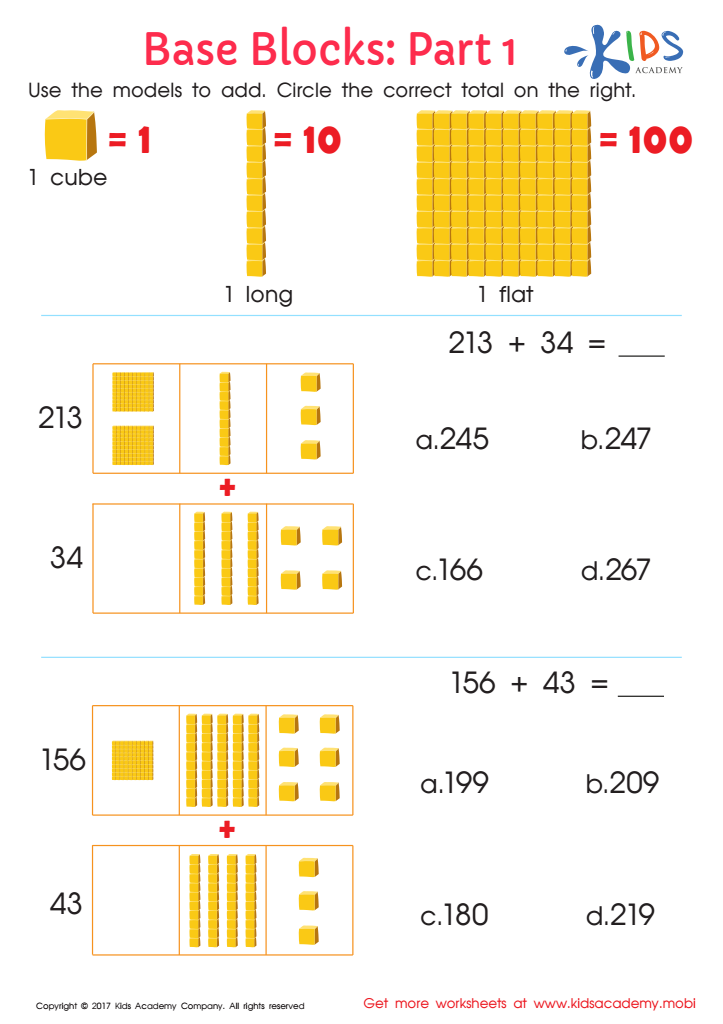
Base Ten Blocks Worksheet: Part 1
 Assign to My Students
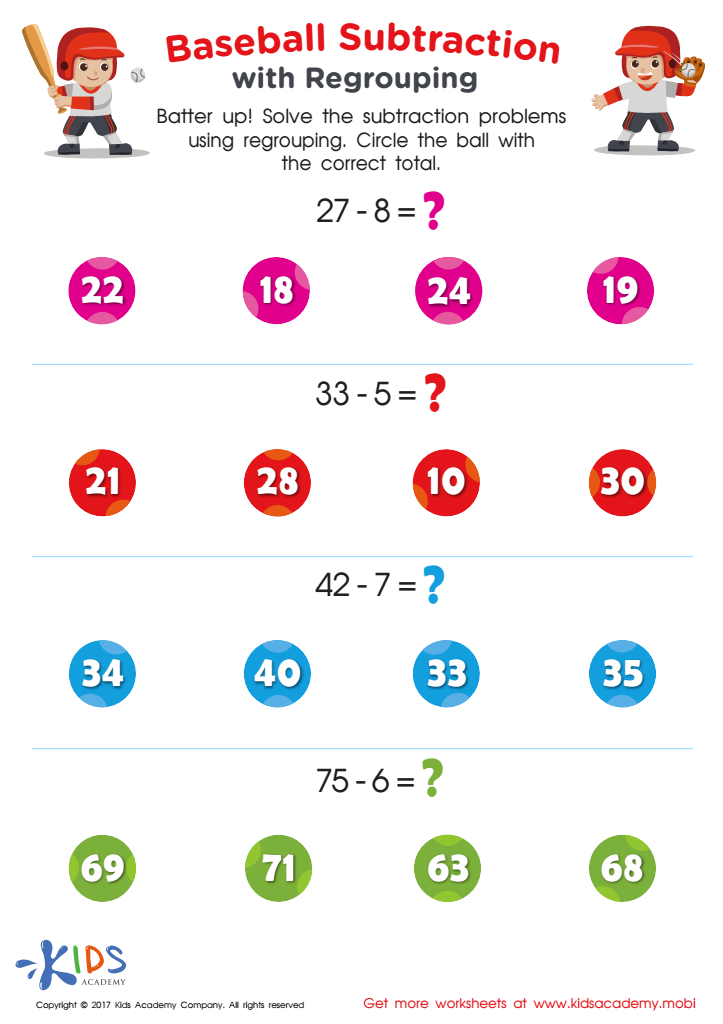
Subtraction With Regrouping for 2nd Grade Worksheet
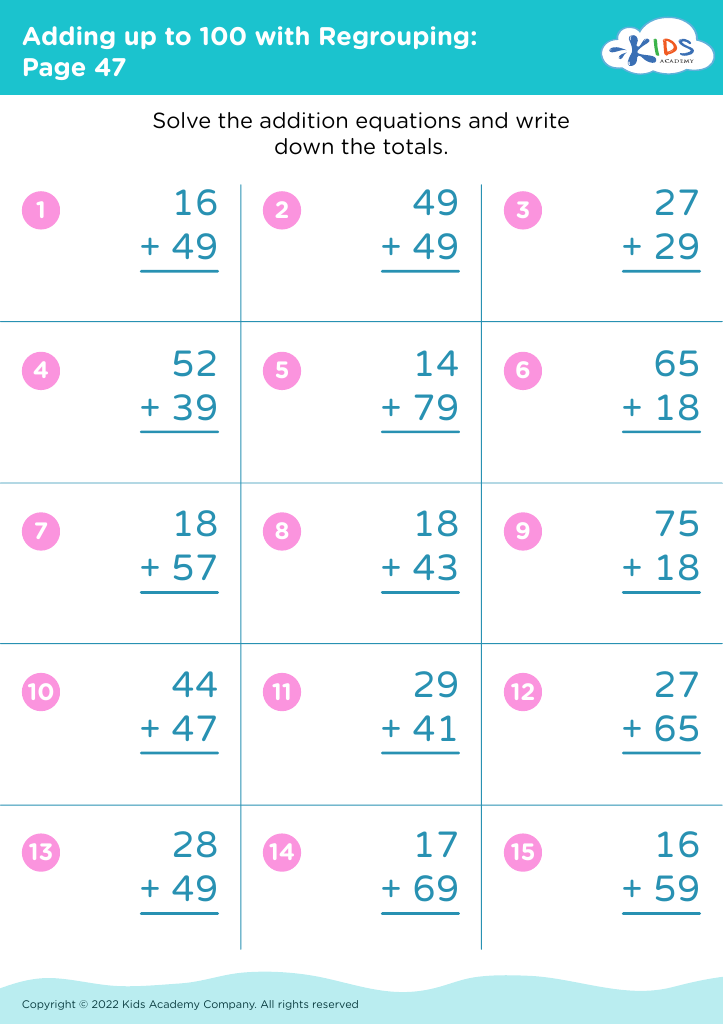
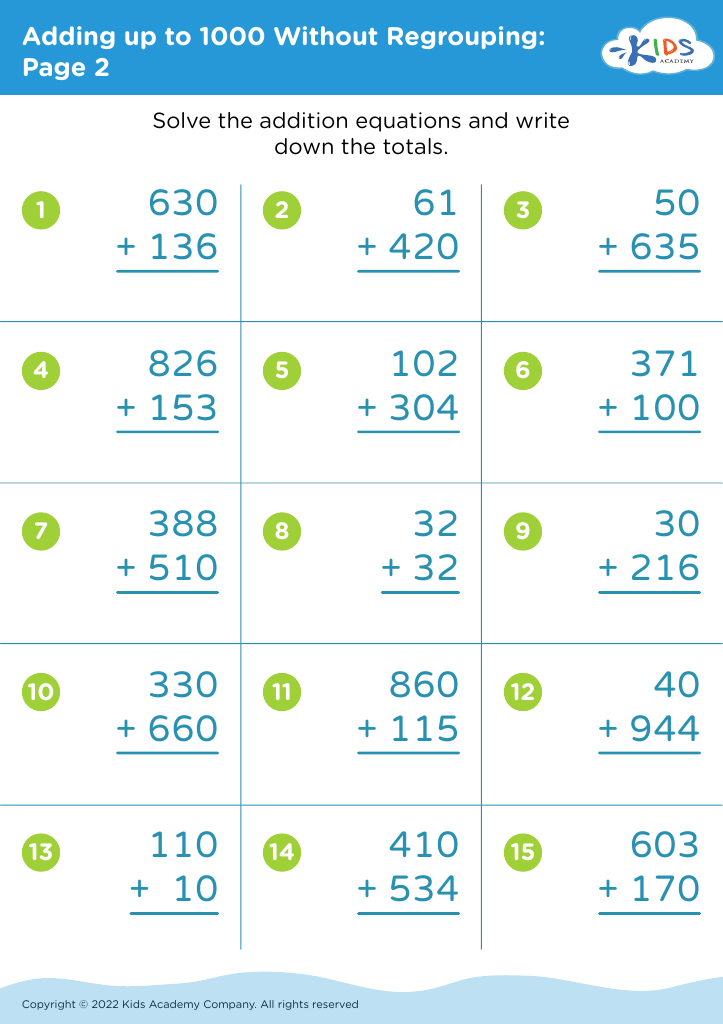
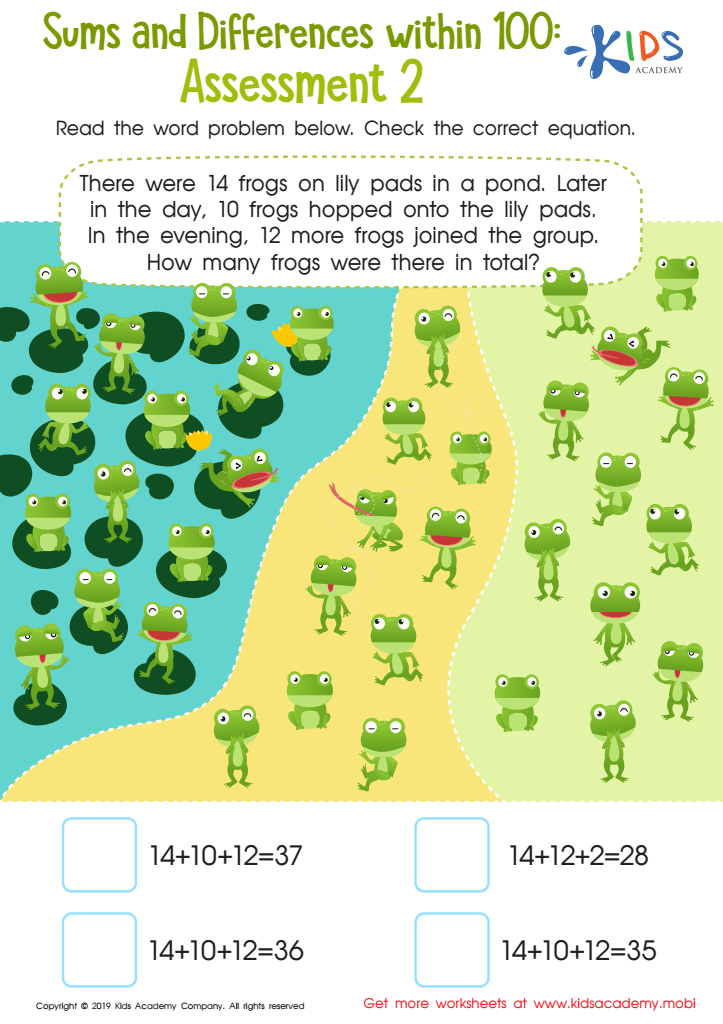
Sums and Differences Within 1 - Assessment 2 Worksheet
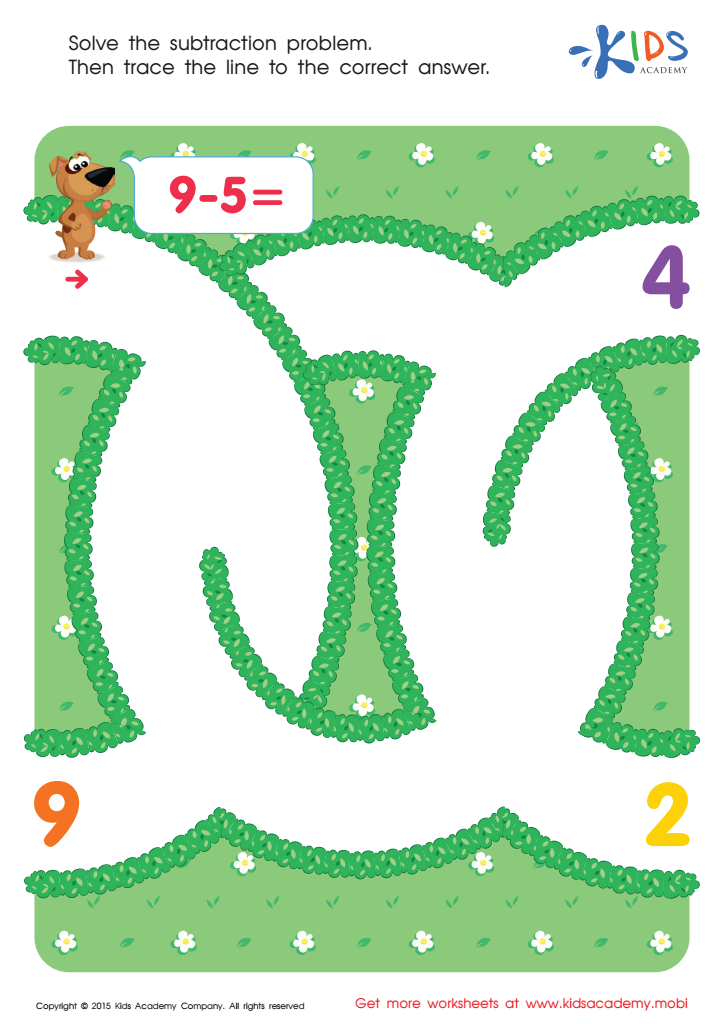
Subtraction Nine And Five Worksheet
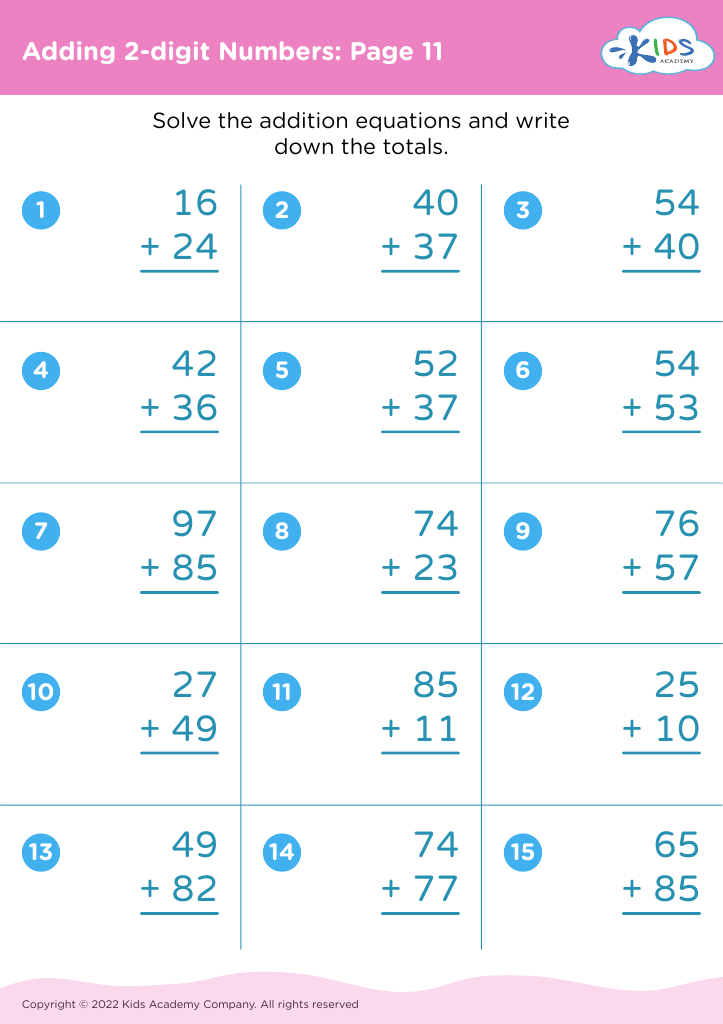
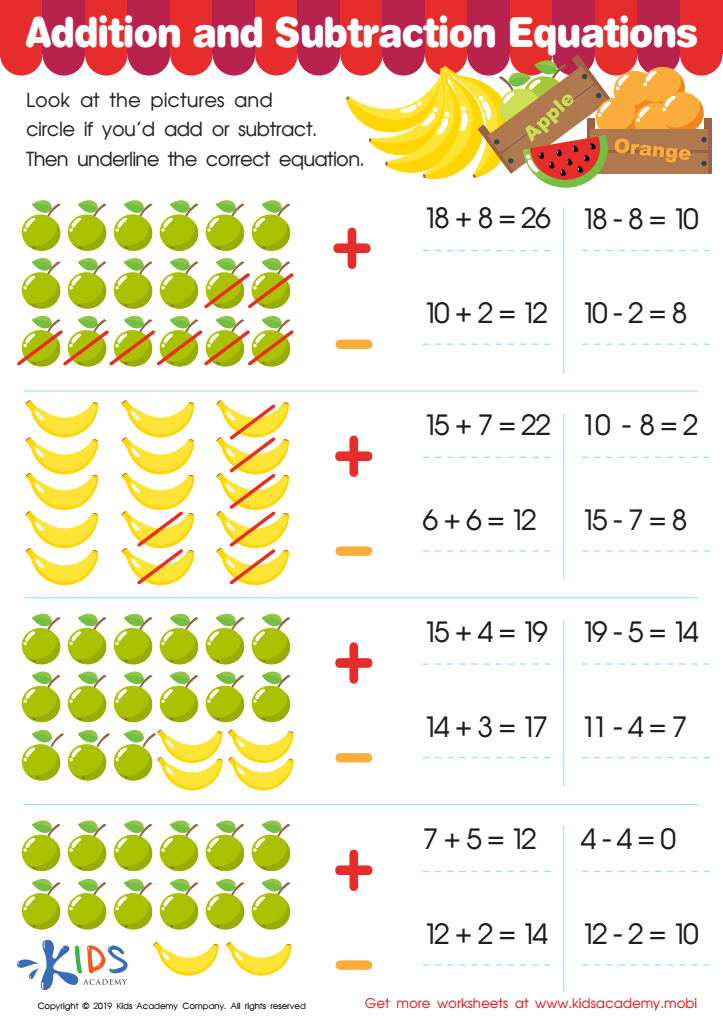
Addition and Subtraction: Equations Worksheet
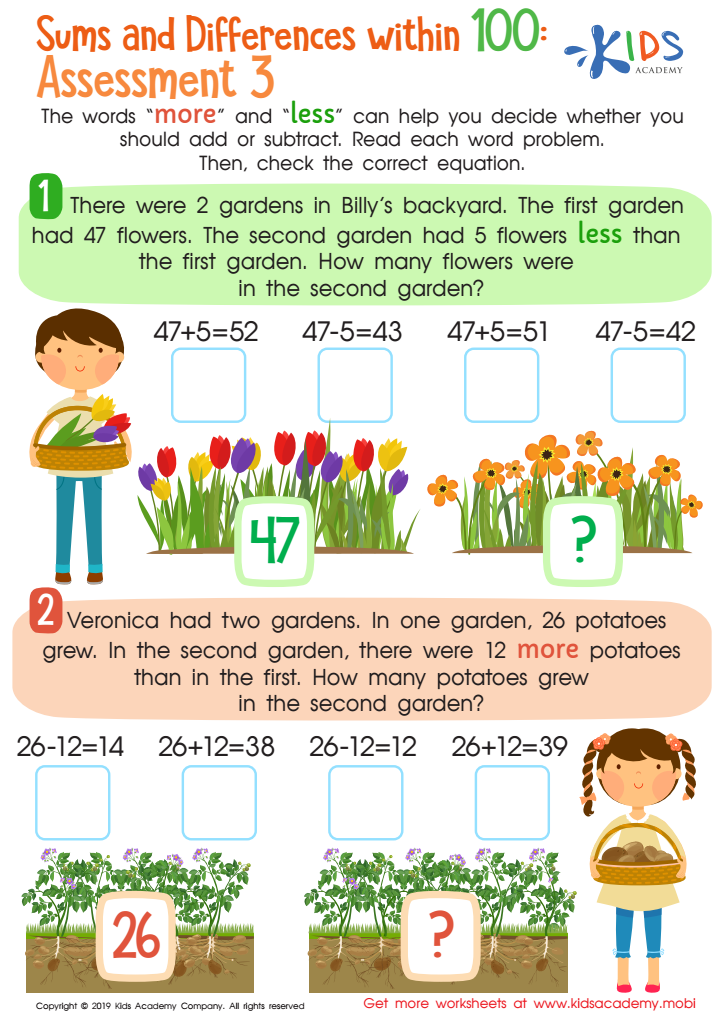
Sums and Differences Within 1 - Assessment 3 Worksheet
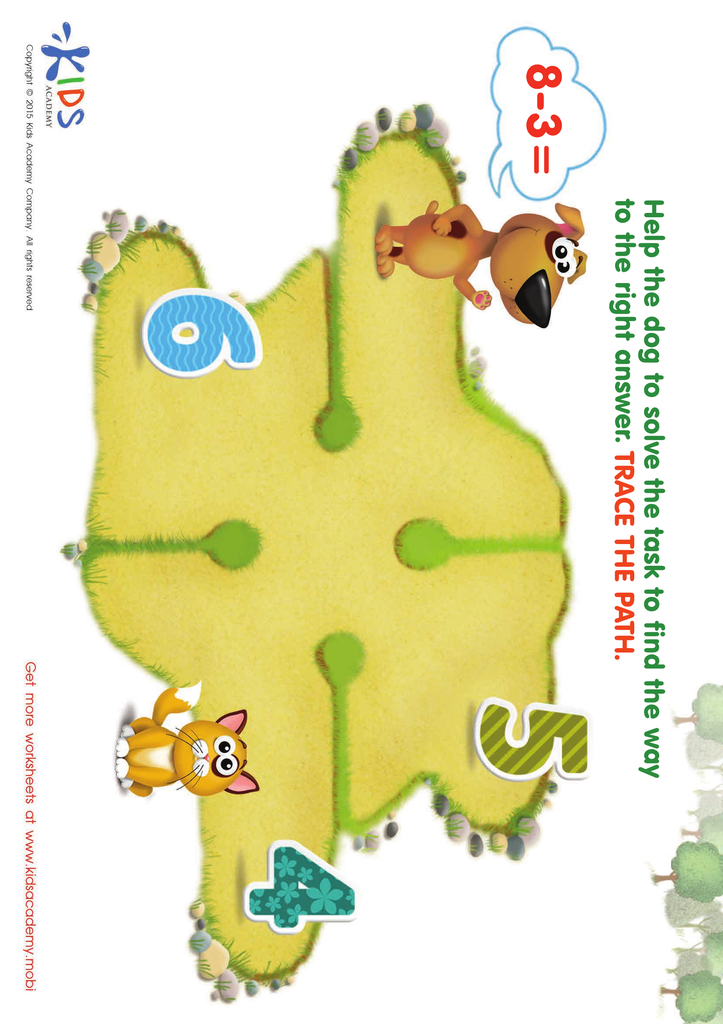
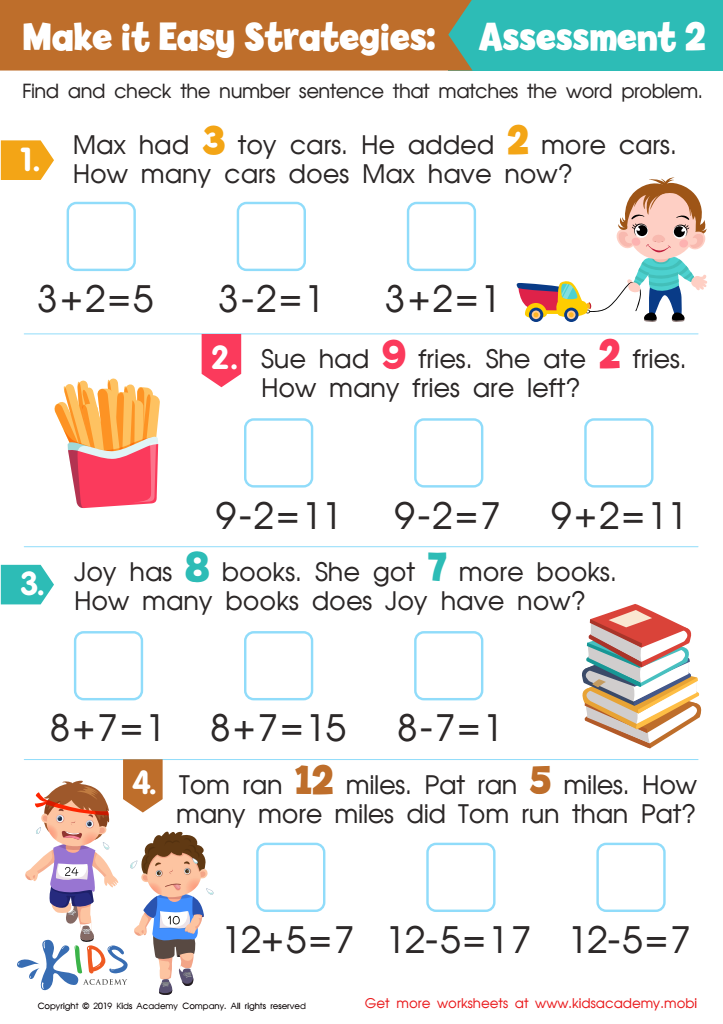
Make it Easy Strategies: Assessment 2 Worksheet
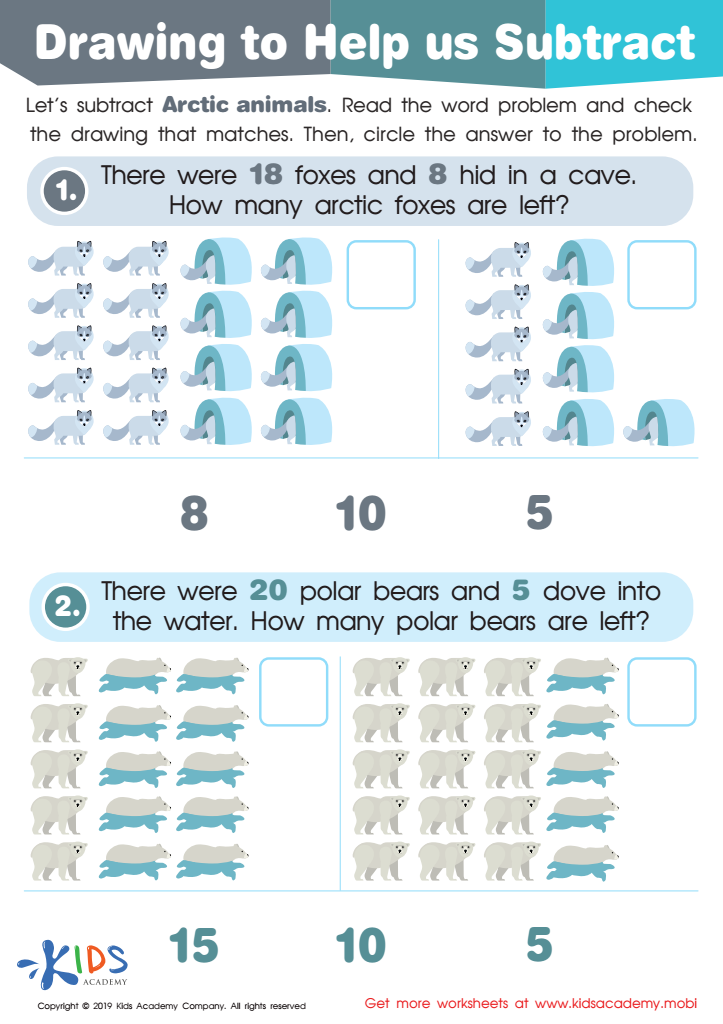
Drawing to Help Us Subtract Worksheet
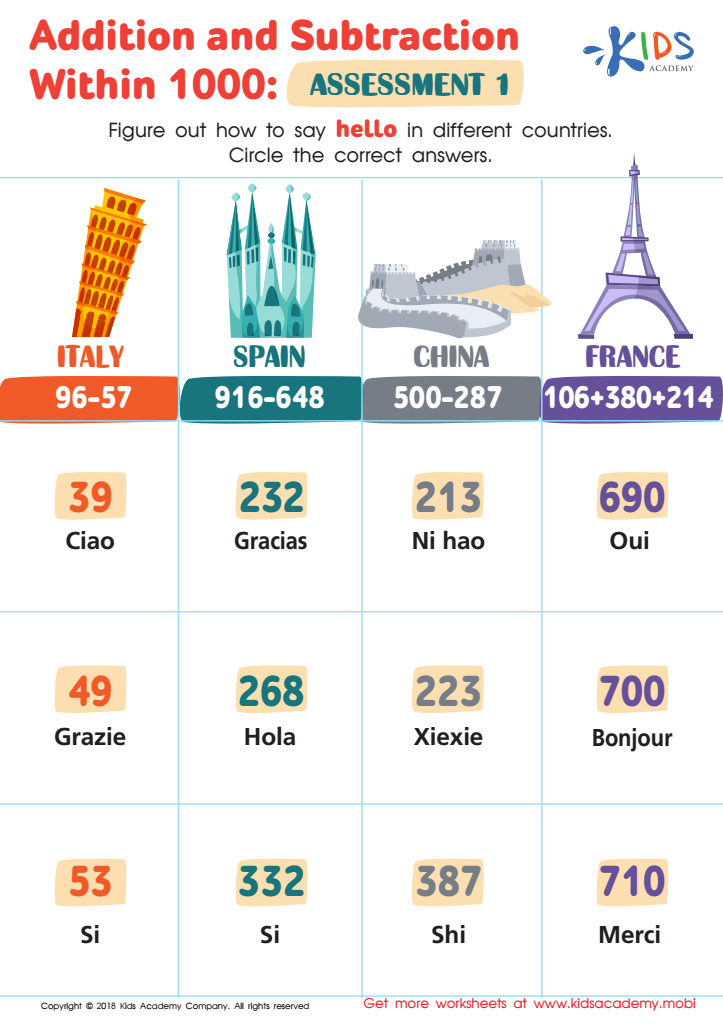
Addition and Subtraction Within 1000: Assessment 1 Worksheet
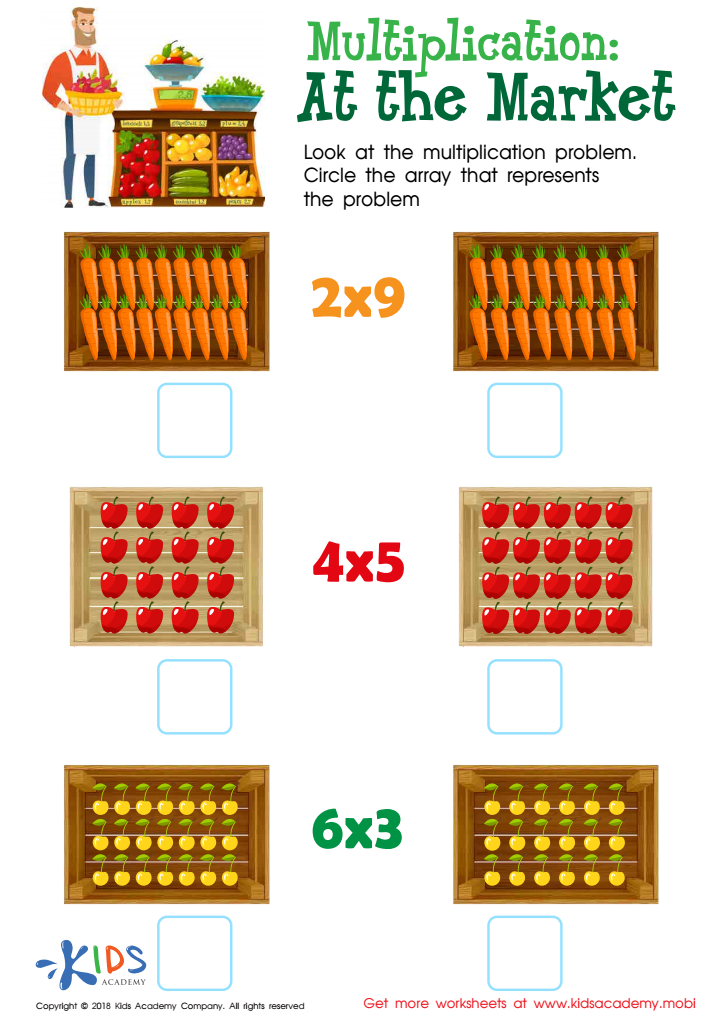
At the Market Worksheet
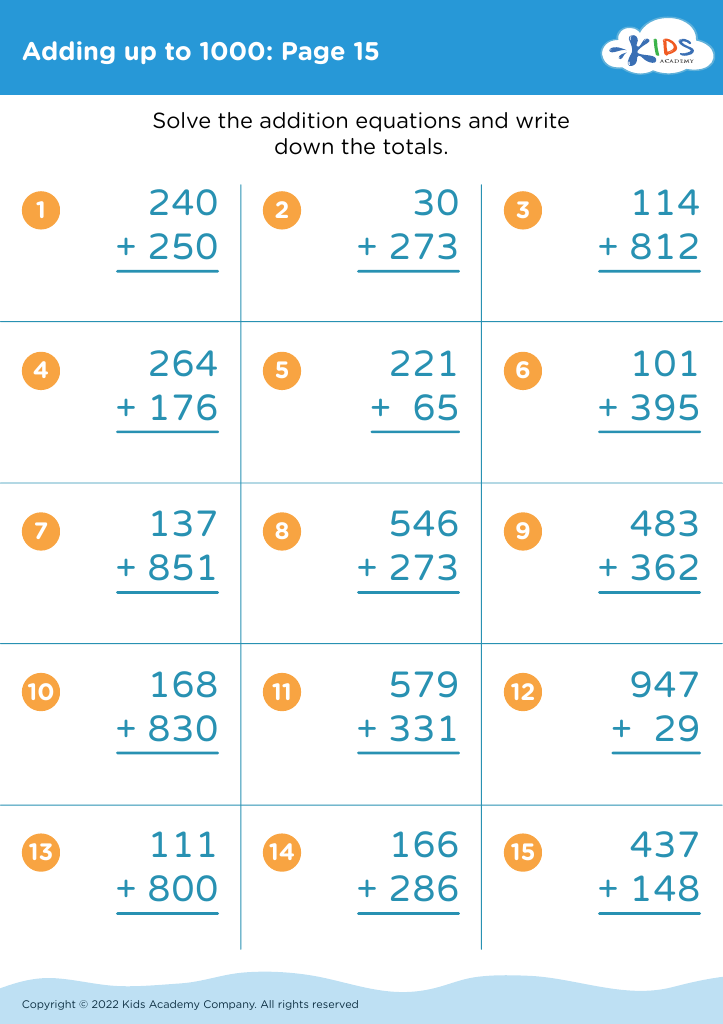
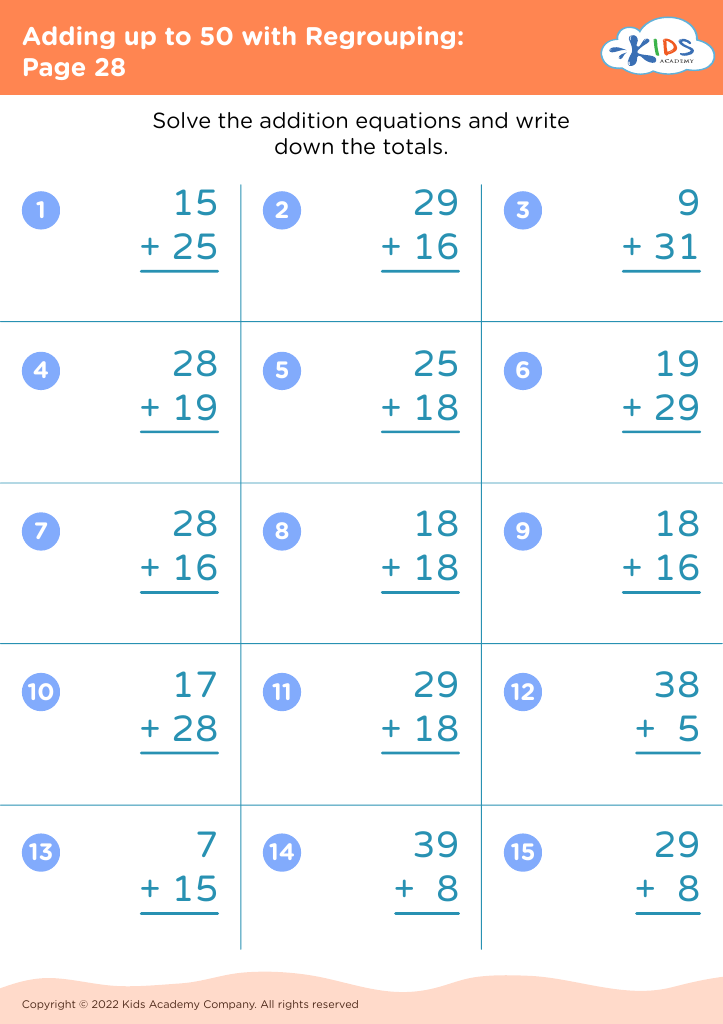
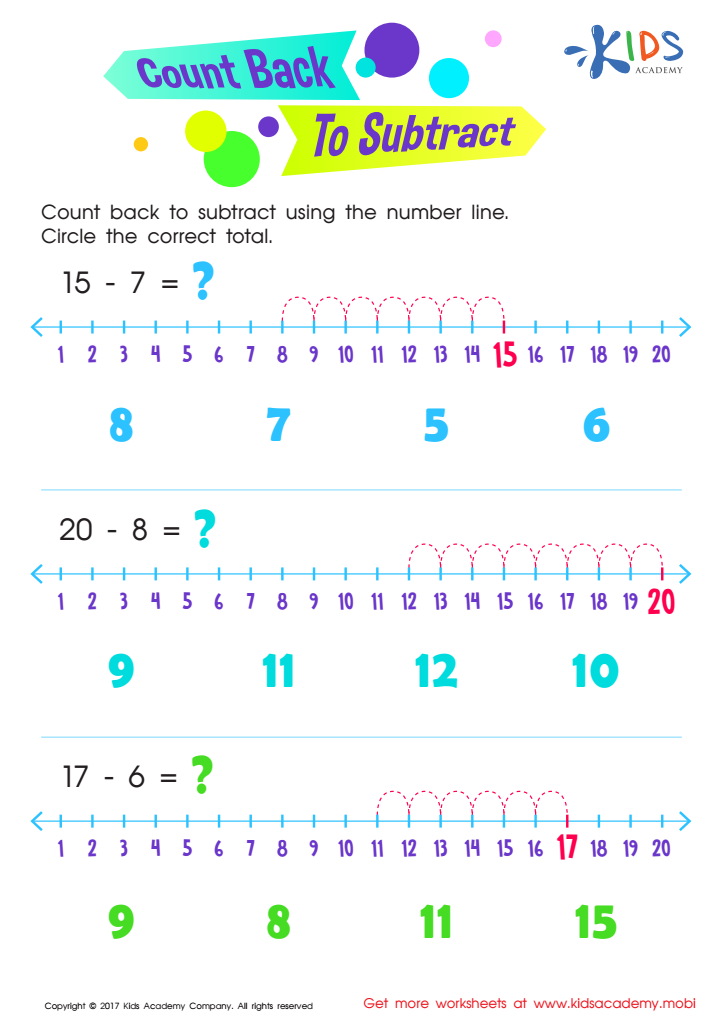
Count Back to Subtract Substraction Worksheet
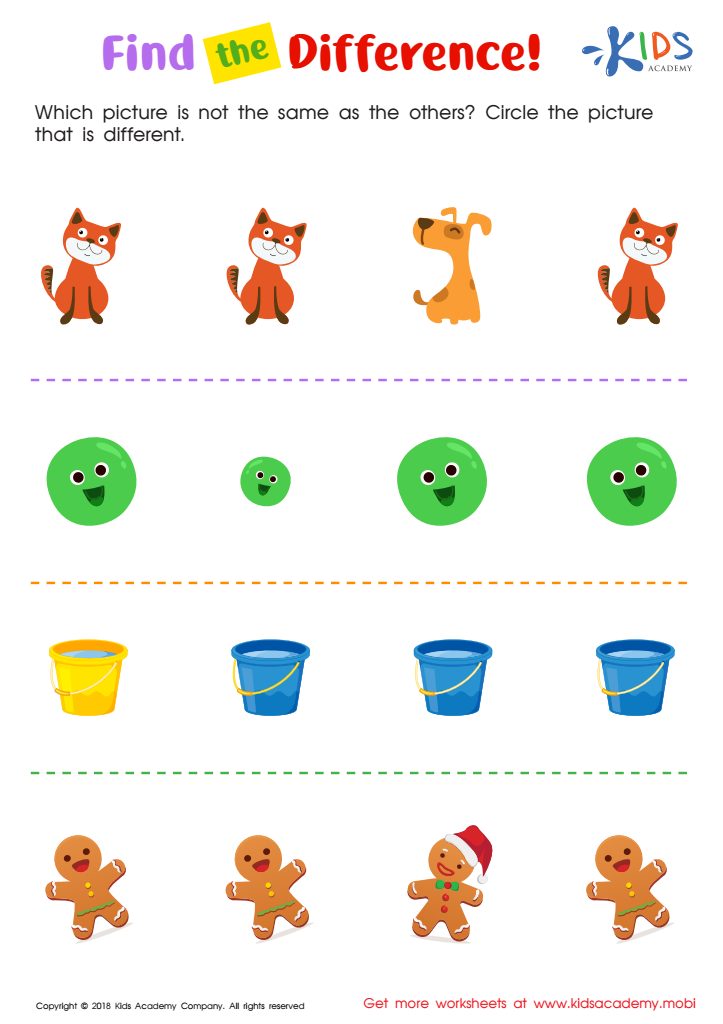
Find the Difference Worksheet
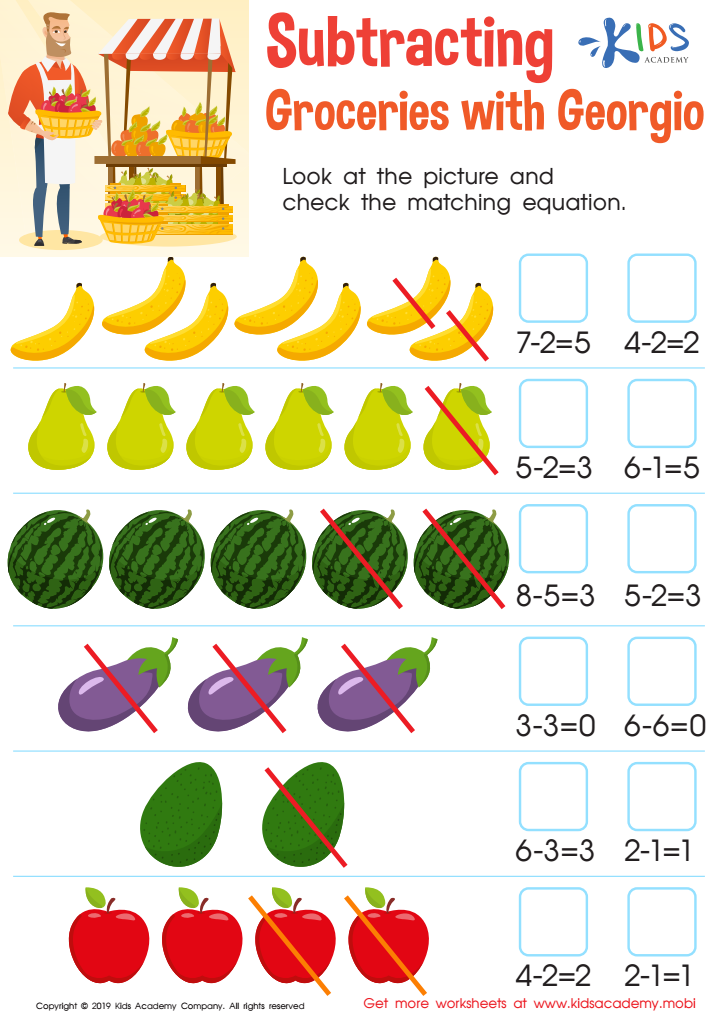
Subtracting: Groceries with Georgio Worksheet
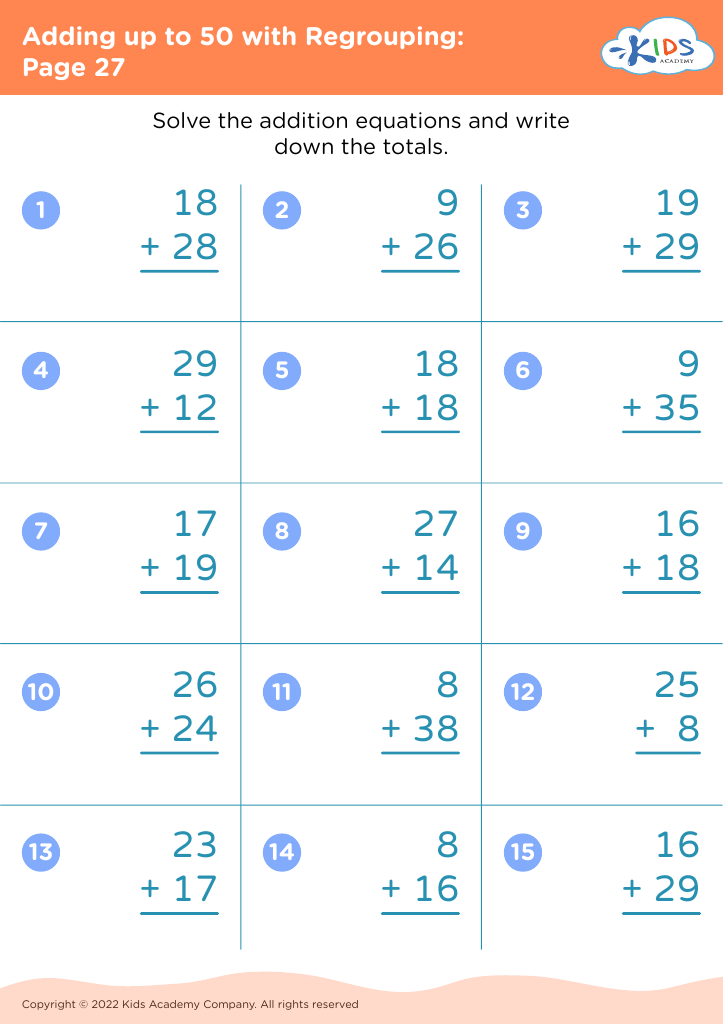
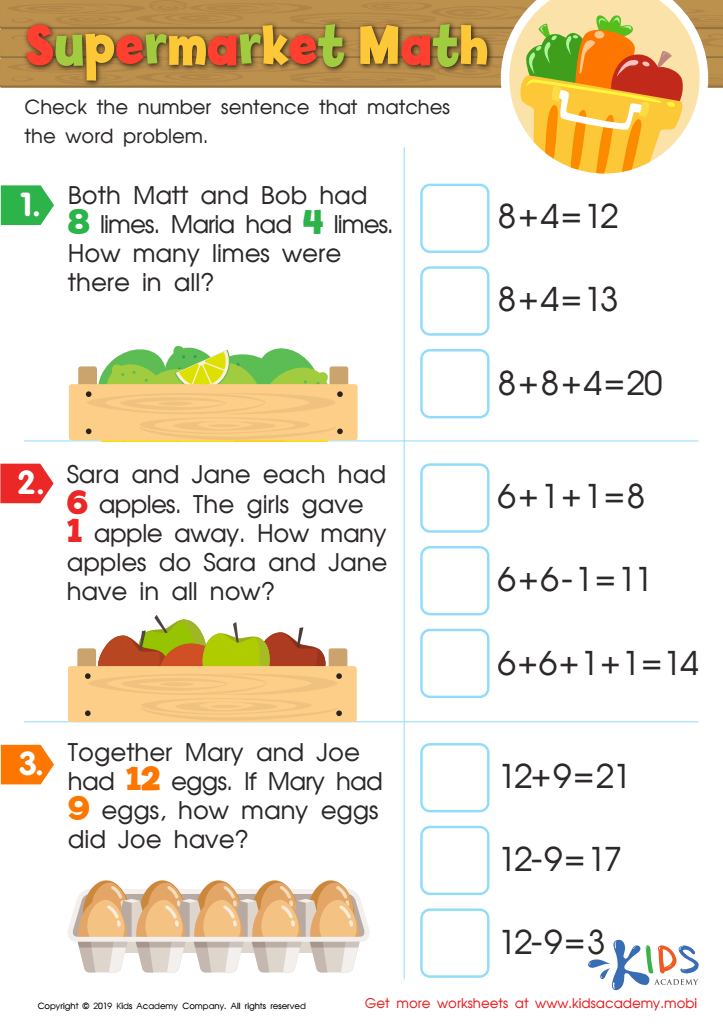
Supermarket Math Worksheet
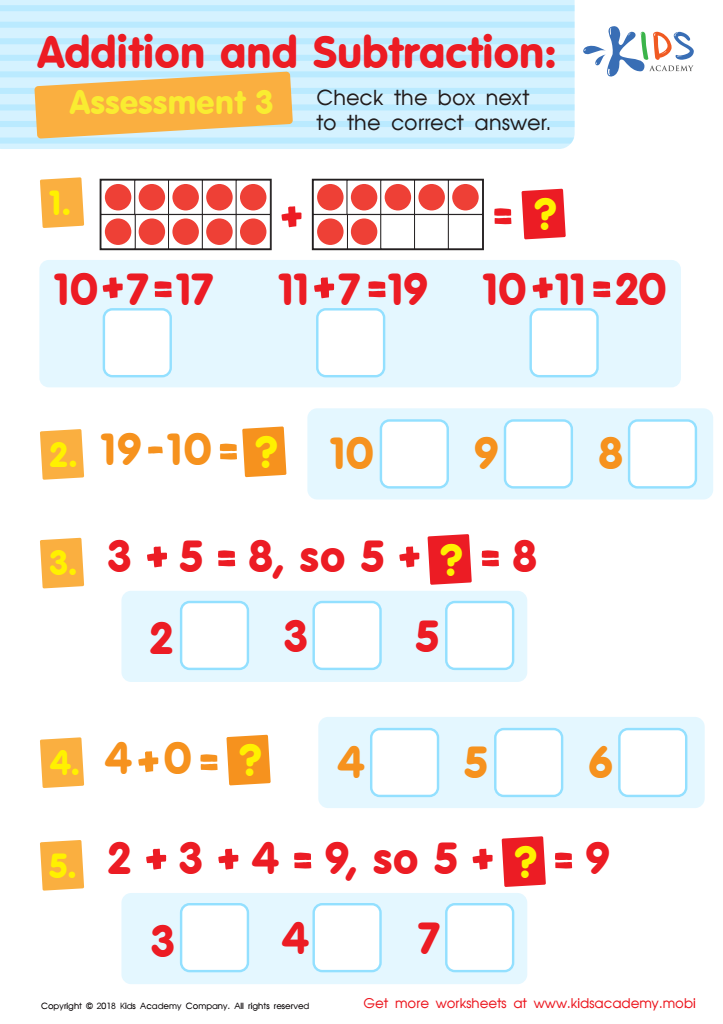
Addition and Subtraction Assessment 3 Worksheet



.jpg)



Subtraction skills are a critical foundation in early mathematics for children aged 4-9, impacting their overall academic success and problem-solving abilities. At this age, children are developing their cognitive and logical thinking skills, and mastering subtraction helps reinforce their understanding of number relationships. This skill not only fosters mathematical fluency but also encourages confidence in children when approaching math challenges.
Parents and teachers should care about subtraction skills because they are integral in everyday situations, from sharing items to budgeting with allowance, allowing children to connect math to real life. Additionally, these skills serve as building blocks for more complex mathematical concepts, including addition, multiplication, and division. A solid grasp of subtraction enables children to tackle word problems and critical thinking exercises as they progress in their education.
Moreover, supporting subtraction skills nurtures a positive attitude towards learning. Engaging children in fun, interactive activities can make math enjoyable, helping to build a lifelong appreciation for the subject. Empowered with strong subtraction skills, children are likely to excel in mathematics throughout their schooling, paving the way for future academic and career success. Therefore, both parents and teachers play an essential role in fostering these vital skills during these formative years.








