Visual learning reinforcement Worksheets for Ages 4-9
12 filtered results
-
From - To
Discover our collection of Visual Learning Reinforcement Worksheets specifically designed for children ages 4-9! These engaging worksheets utilize vibrant visuals and interactive activities to help young learners enhance their understanding of key concepts across subjects. Perfect for honing skills in areas like counting, spelling, and critical thinking, our worksheets make learning fun and effective. Teachers and parents can easily integrate these resources into their daily routines or classroom activities to support children's growth and comprehension. Ideal for both home and educational settings, these worksheets provide valuable, hands-on experiences that foster a love of learning and encourage visual recognition skills. Explore now!
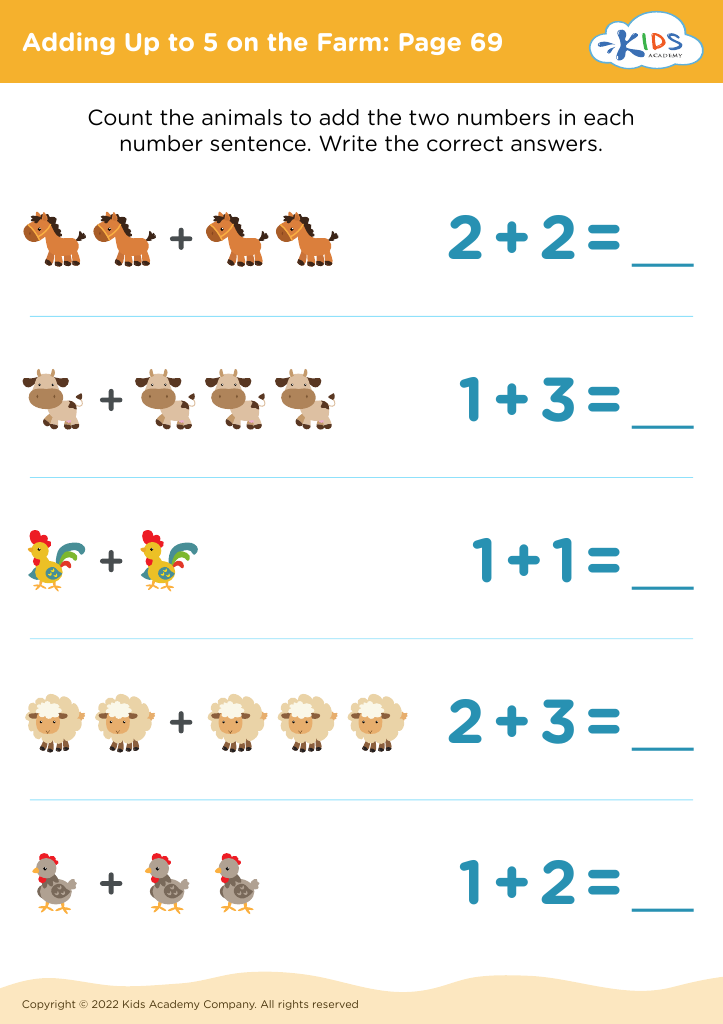
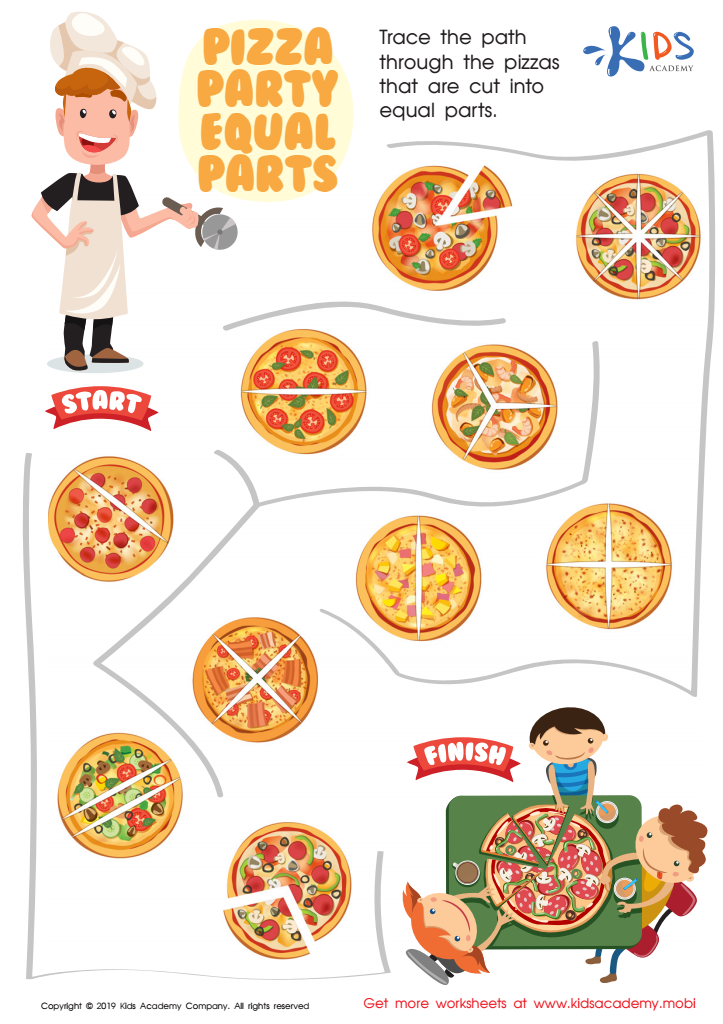
Pizza Party Equal Parts Worksheet
 Assign to My Students
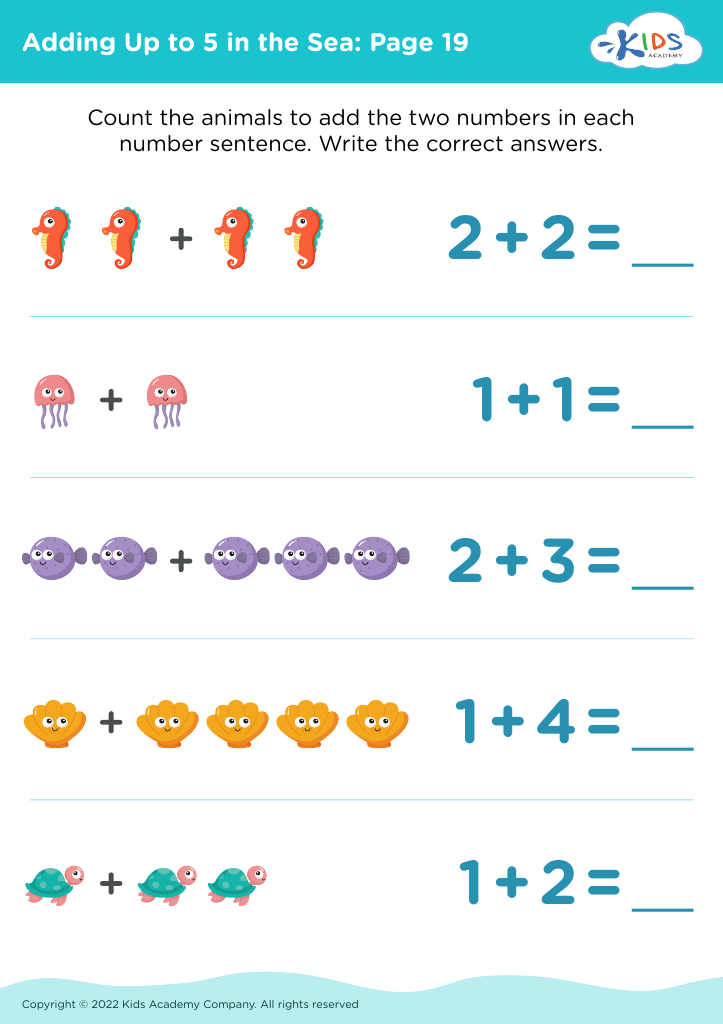
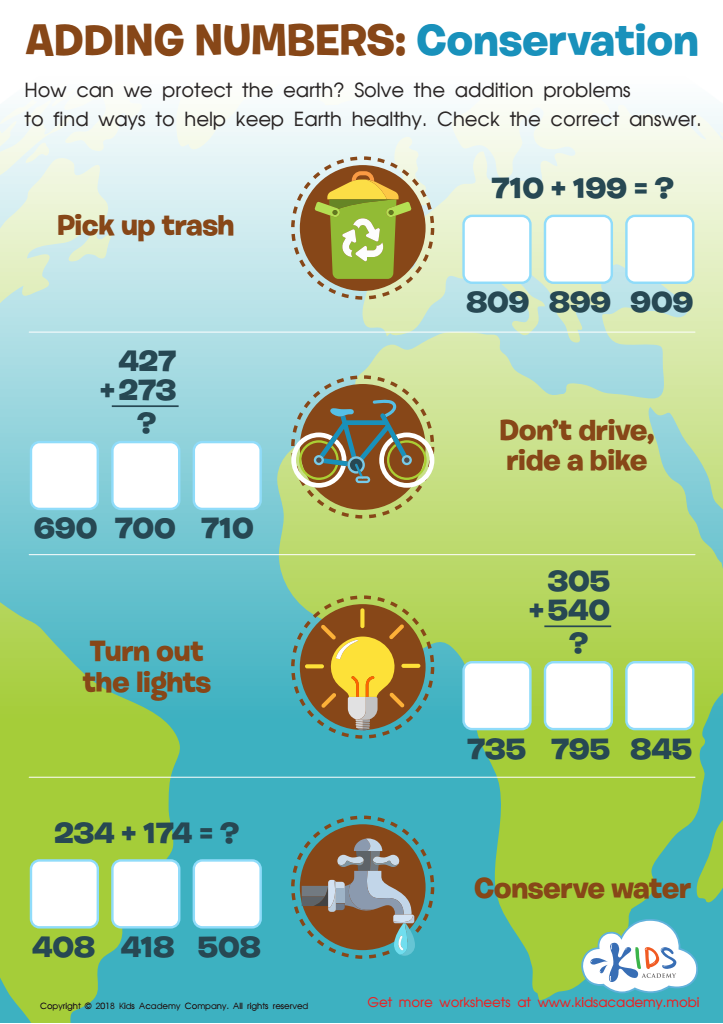
Adding Numbers: Conservation Worksheet
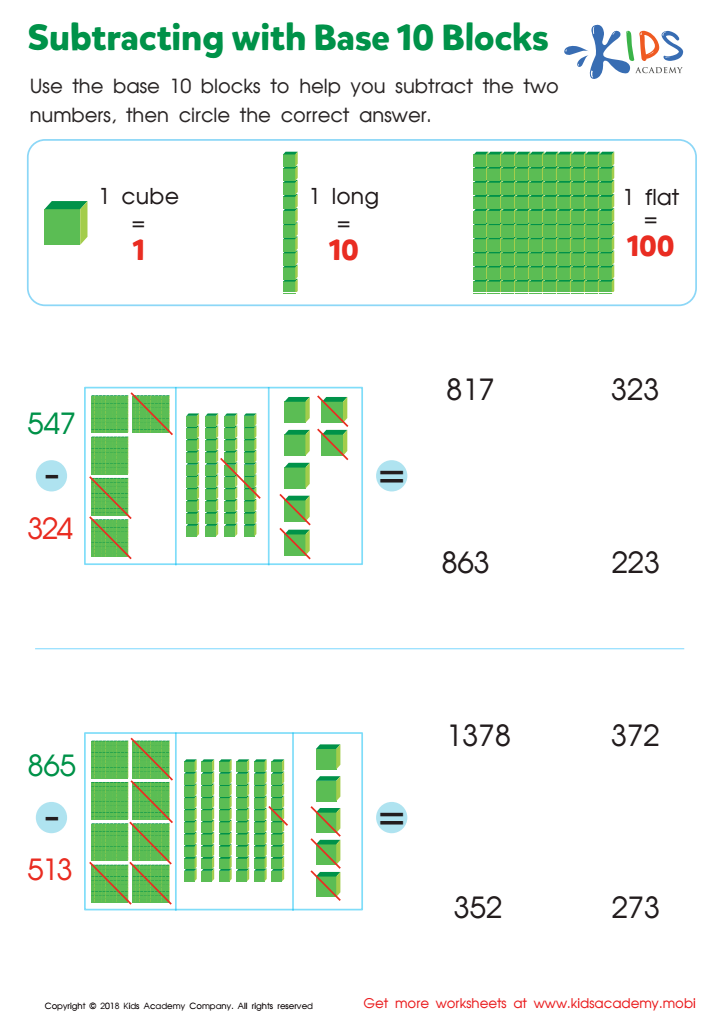
Subtracting with Base 10 Blocks Worksheet
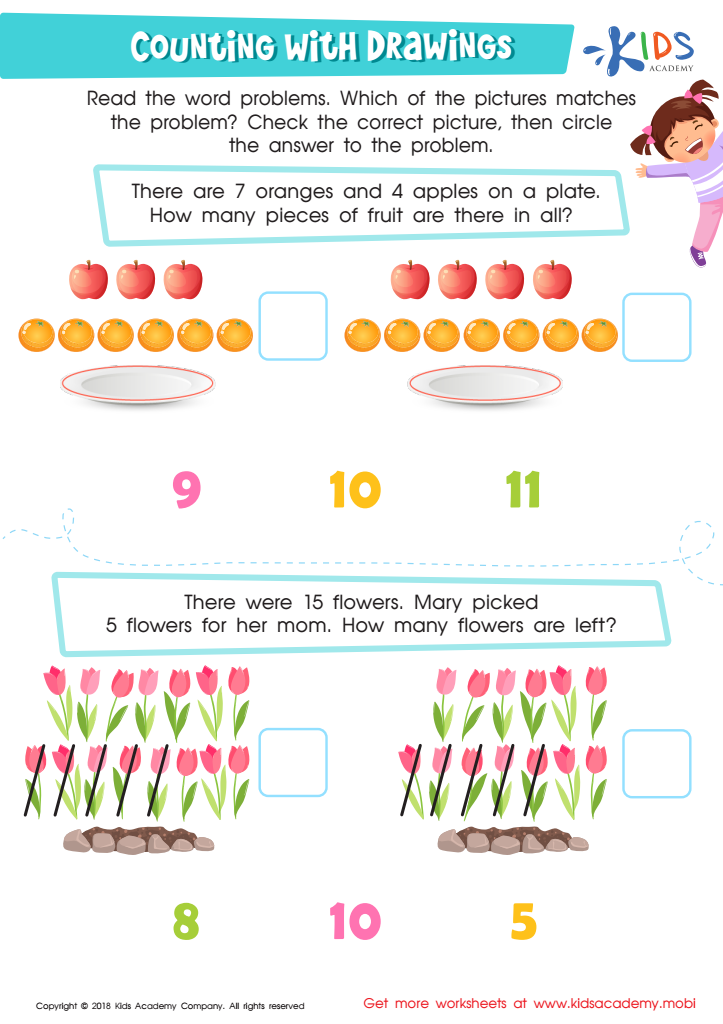
Counting with Drawings: Fruits & Chocolates Worksheet
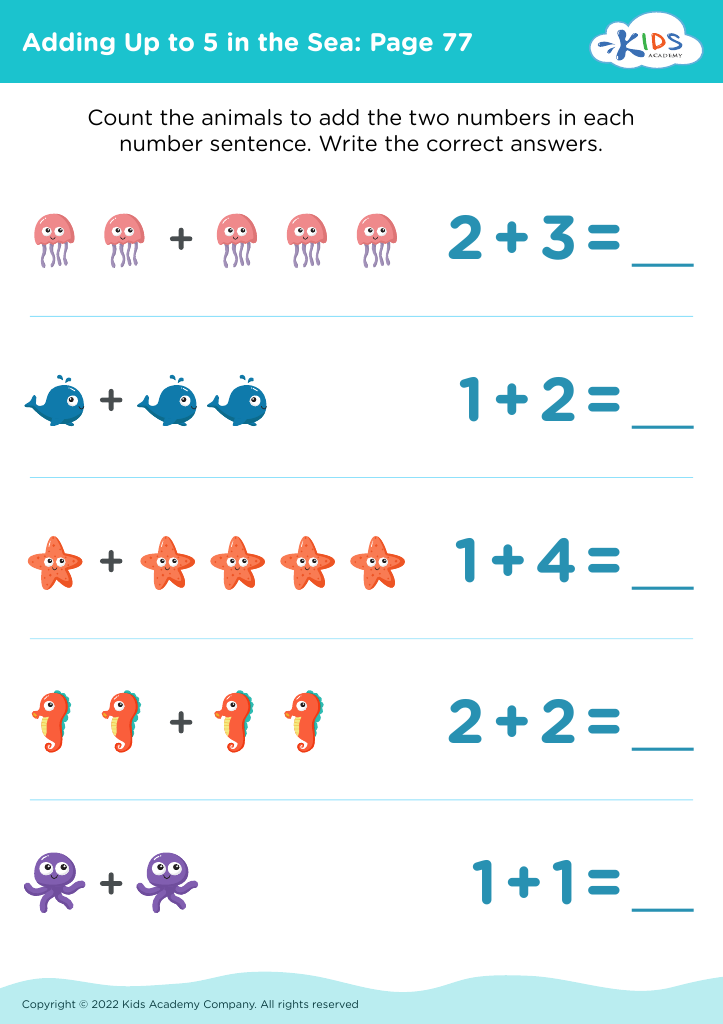
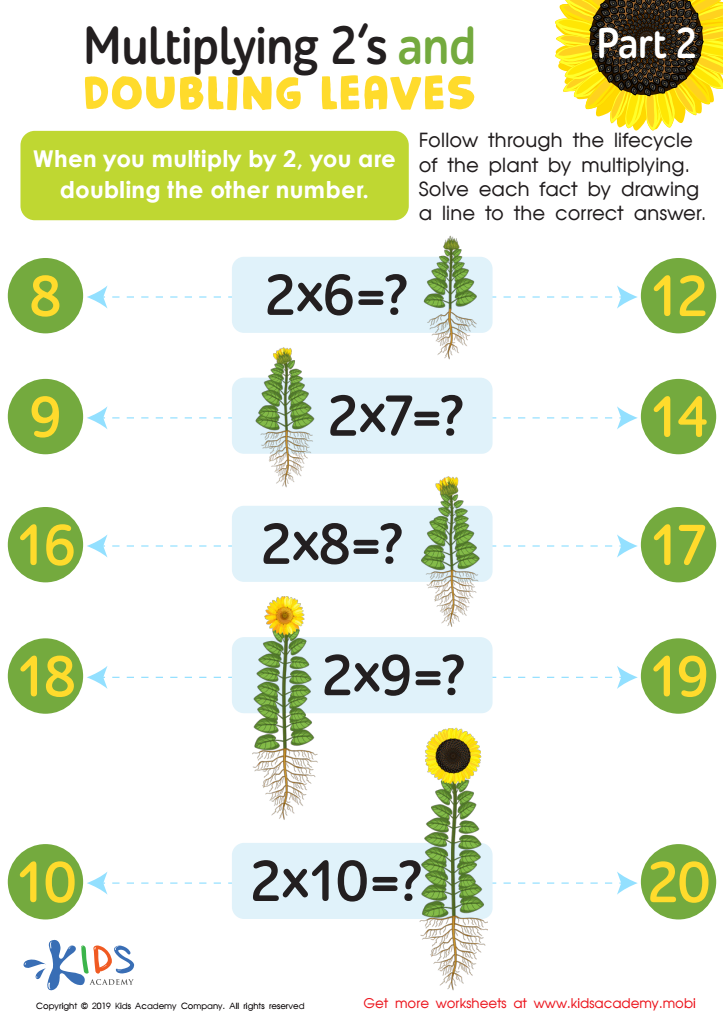
Multiplying 2’s and Doubling Leaves Part 2 Worksheet
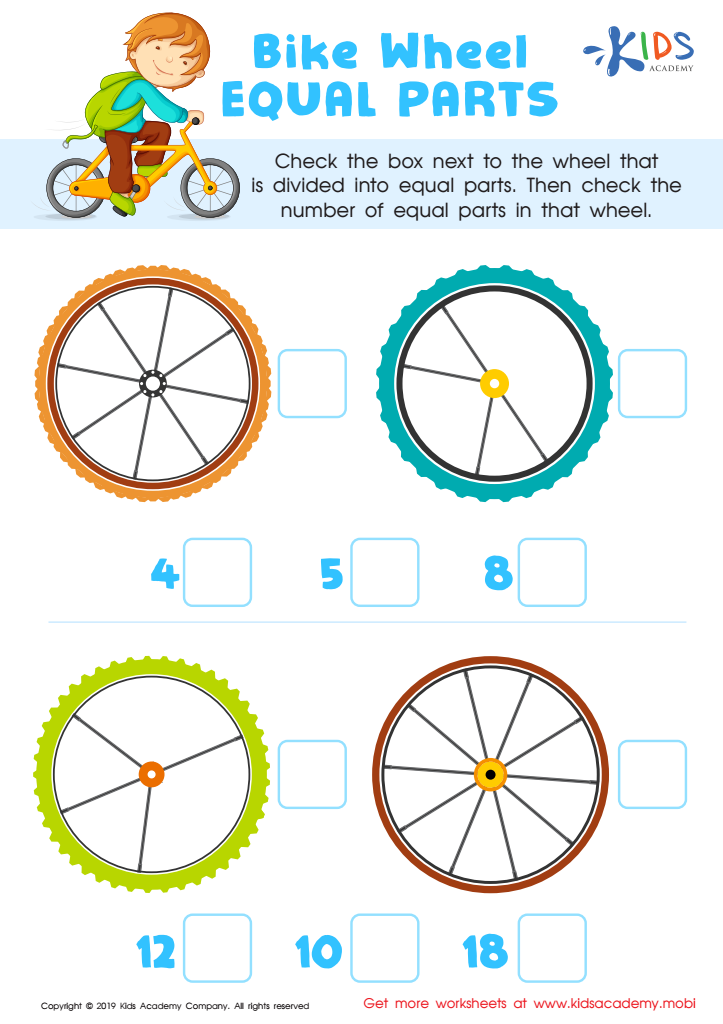
Bike Wheel Equal Parts Worksheet
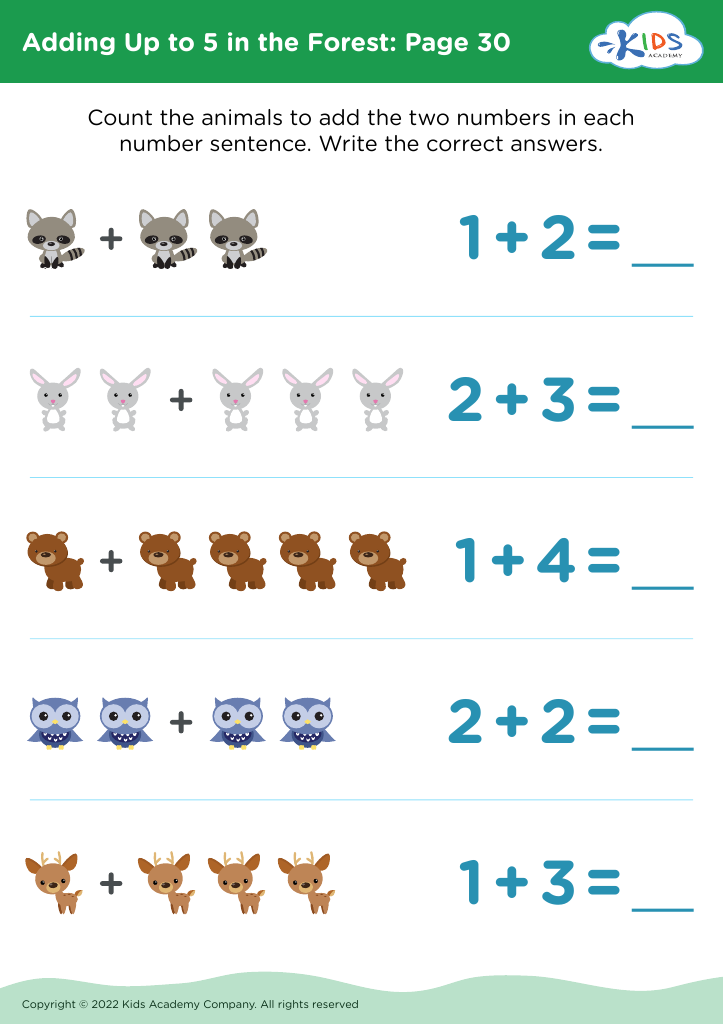
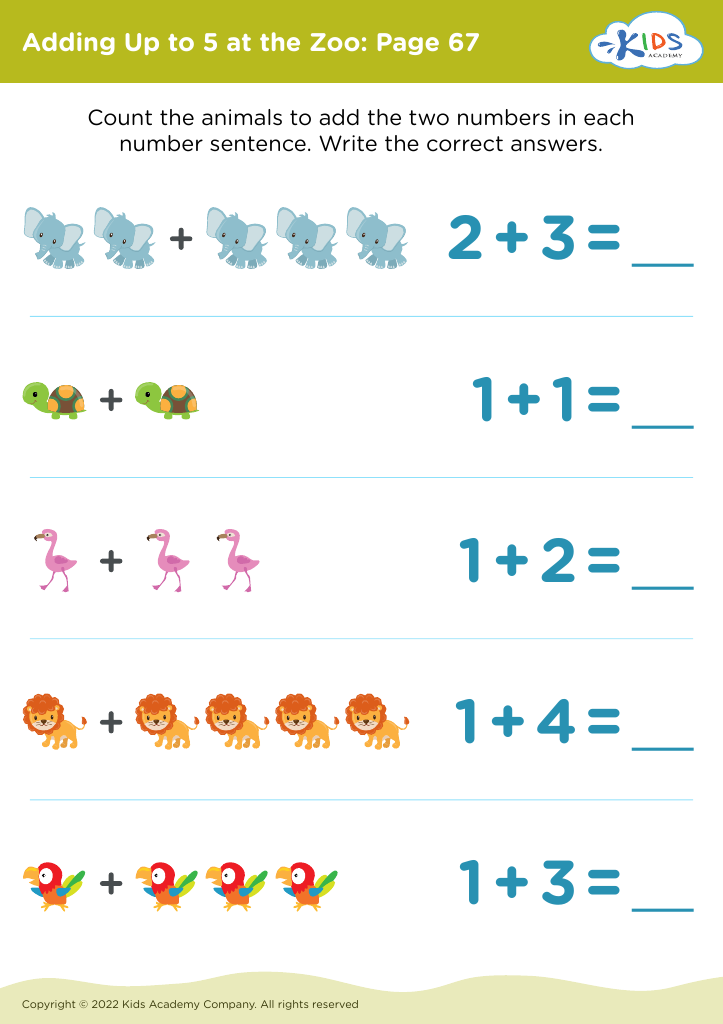
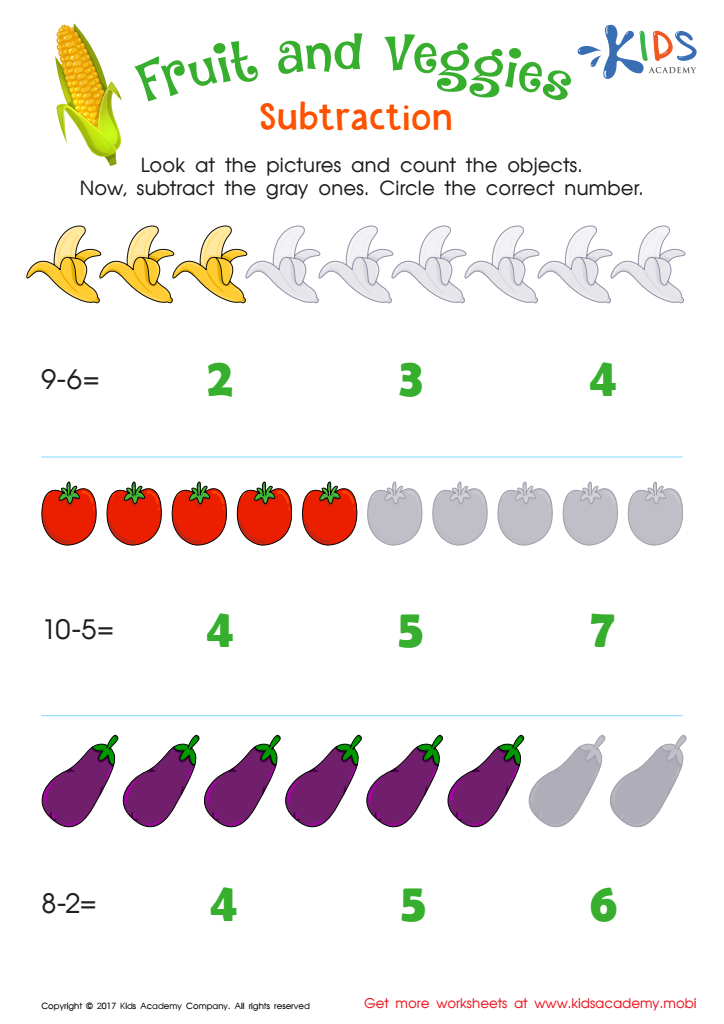
Fruit and Veggies Subtraction Worksheet






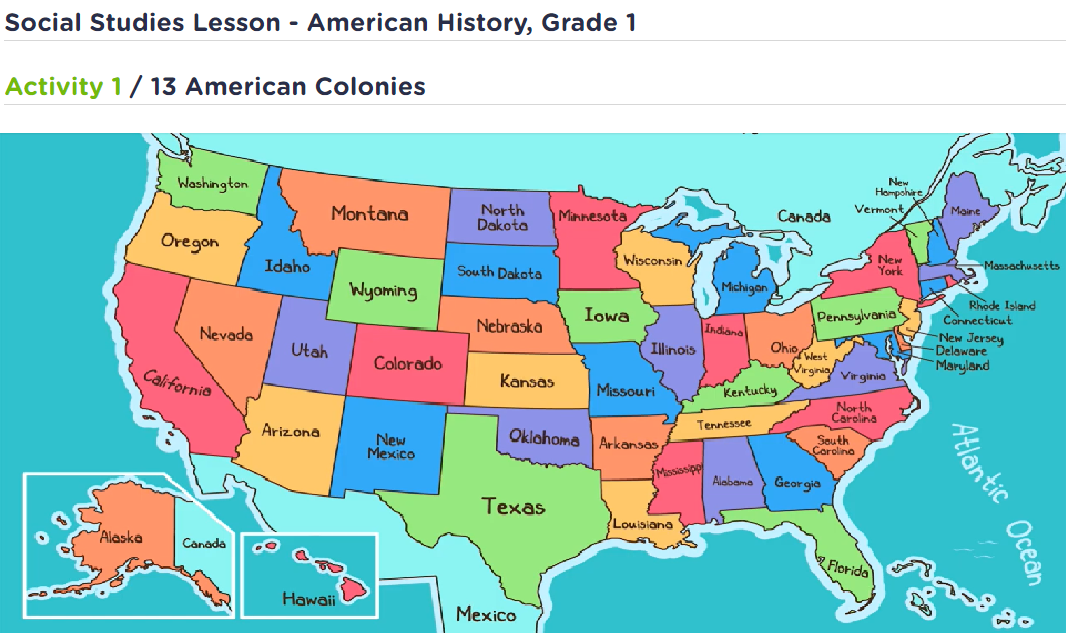

Visual learning reinforcement is vital for children aged 4-9, as it enhances their understanding and retention of information through visual aids like images, charts, videos, and interactive materials. During these formative years, children are naturally inclined to explore the world visually; their brains are wired to process visual information more effectively, making it a crucial element in their learning journey.
When parents and teachers incorporate visual learning into their teaching strategies, they cater to diverse learning styles and help children grasp complex concepts easily. Visual aids can simplify subjects like math, science, or language arts, making abstract ideas more concrete and accessible. Moreover, research shows that visual learning fosters increased engagement and motivation, turning lessons into interactive experiences.
Visual reinforcement also nurtures critical thinking and creativity, as children analyze and interpret images and patterns. It can bridge gaps in understanding, particularly for kids who may struggle with traditional methods. Ultimately, prioritizing visual learning in the classroom and at home empowers children, making education more inclusive and effective, fulfilling their natural curiosity and boosting their confidence as learners. Supporting this approach ensures that parents and teachers provide every child with the best foundation for academic success and lifelong learning.








