Visual Perception Skills Worksheets for Ages 4-9
21 filtered results
-
From - To
Enhance your child's visual perception skills with our expertly designed worksheets for ages 4-9. Our engaging and interactive activities focus on developing critical skills such as pattern recognition, spatial awareness, and visual memory. Each worksheet is crafted to be both fun and educational, helping young learners improve their ability to process and understand visual information. Ideal for home or classroom use, these resources support the development of essential cognitive abilities, setting the foundation for success in reading, writing, and math. Explore our collection today and give your child the visual tools they need to thrive.
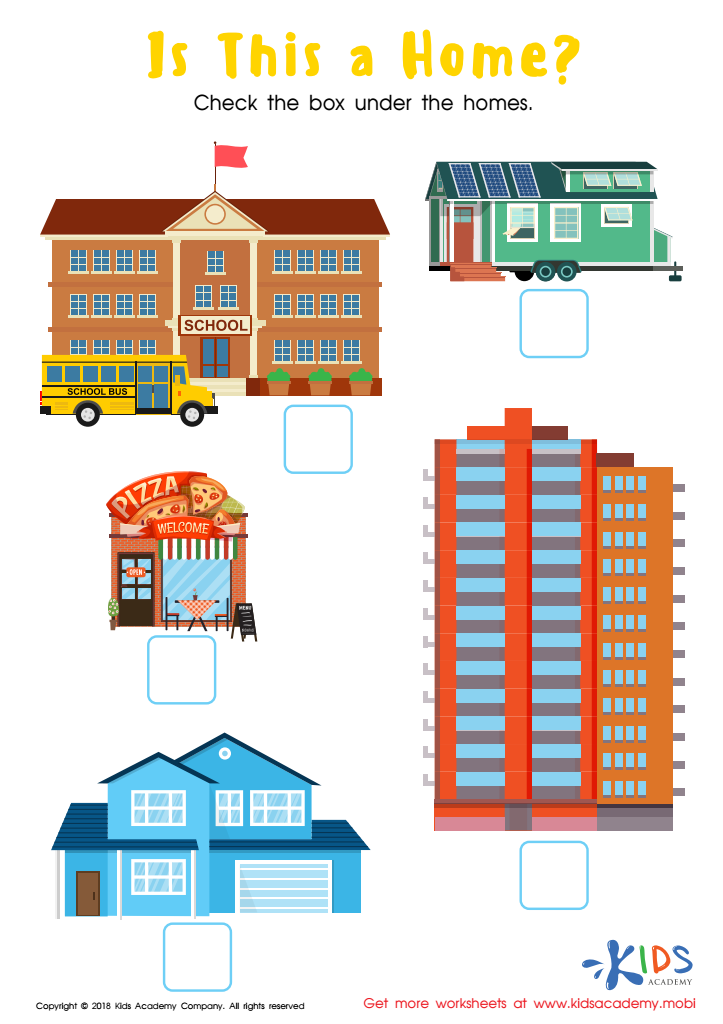
Is this a Home? Worksheet
 Assign to My Students
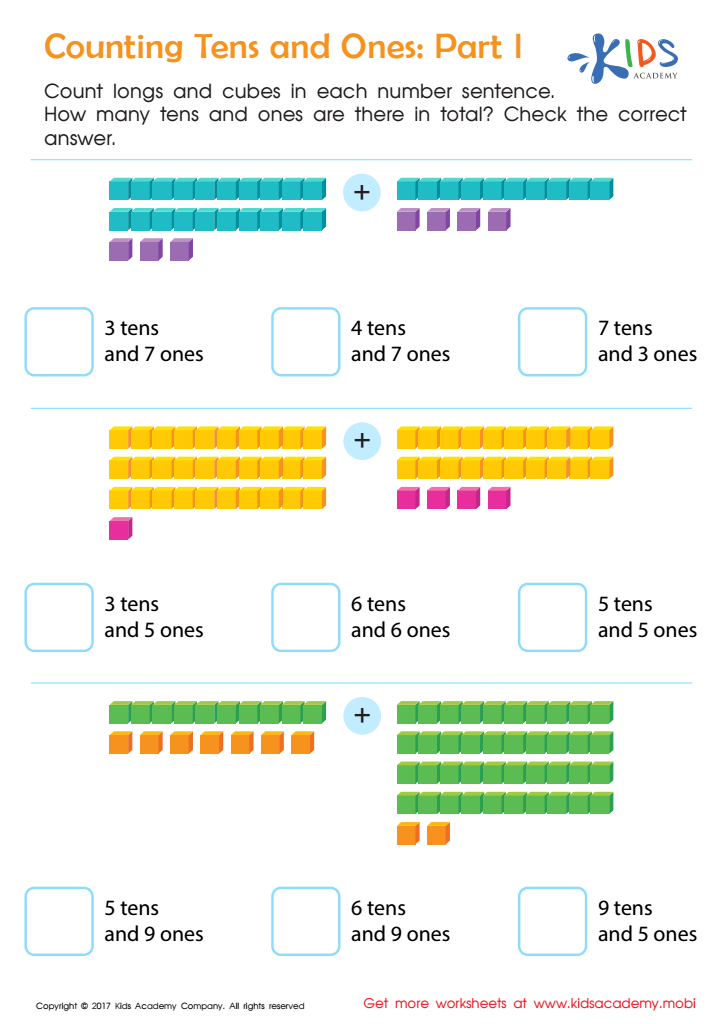
Counting Tens and Ones: Part 1 Worksheet
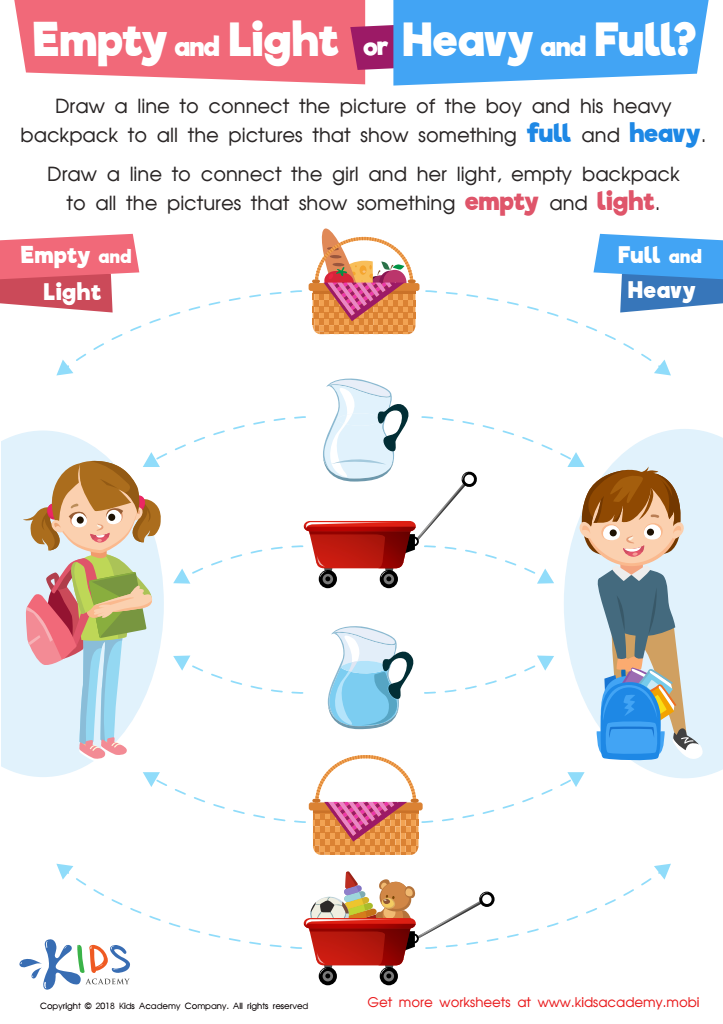
Empty and Light or Heavy and Full? Worksheet
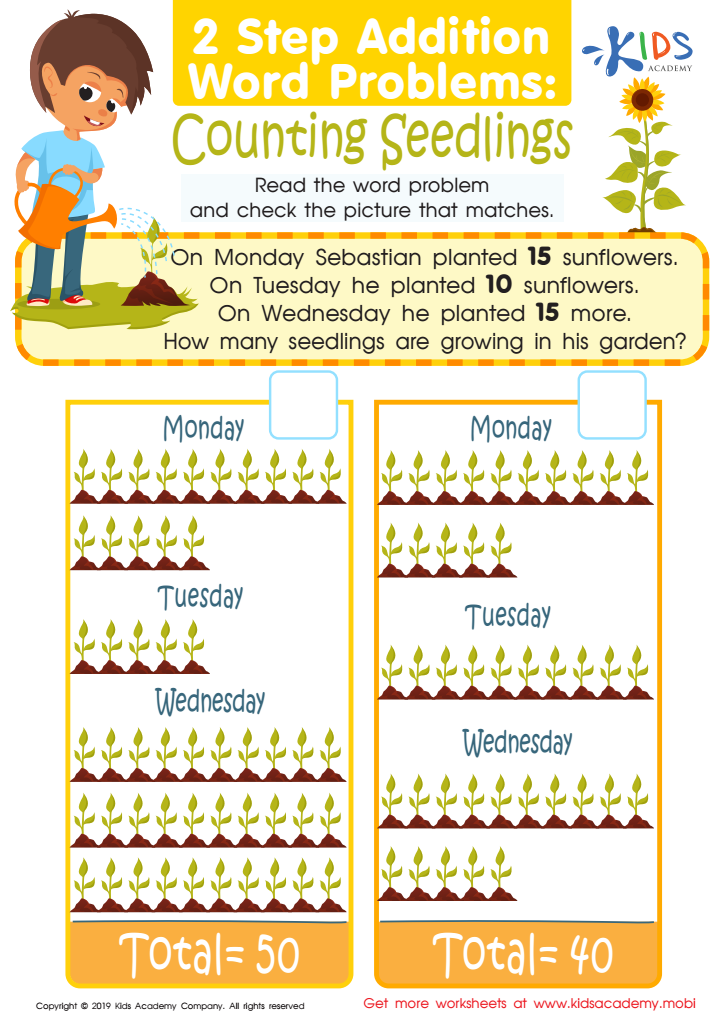
Counting Seedlings Worksheet
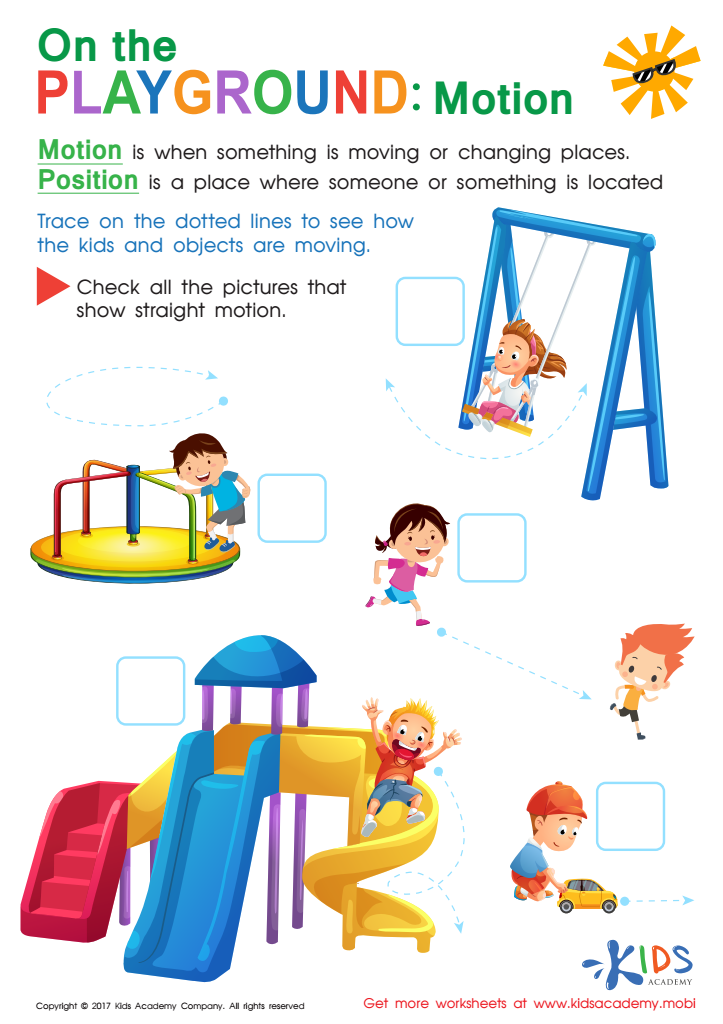
Position and Motion Worksheet
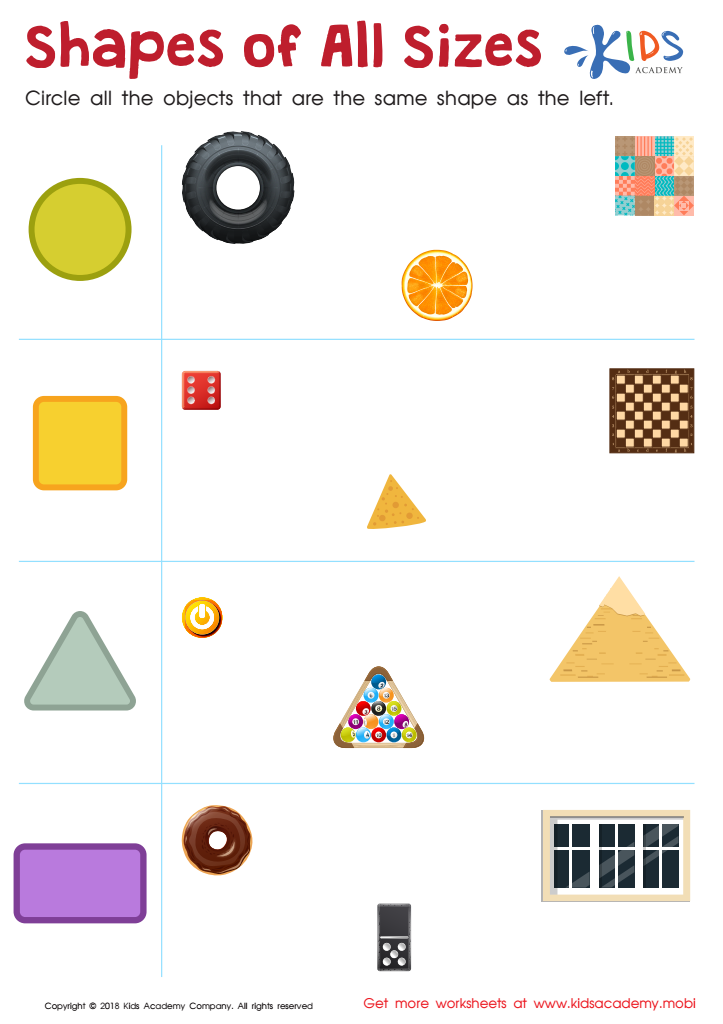
Shapes of All Sizes Worksheet
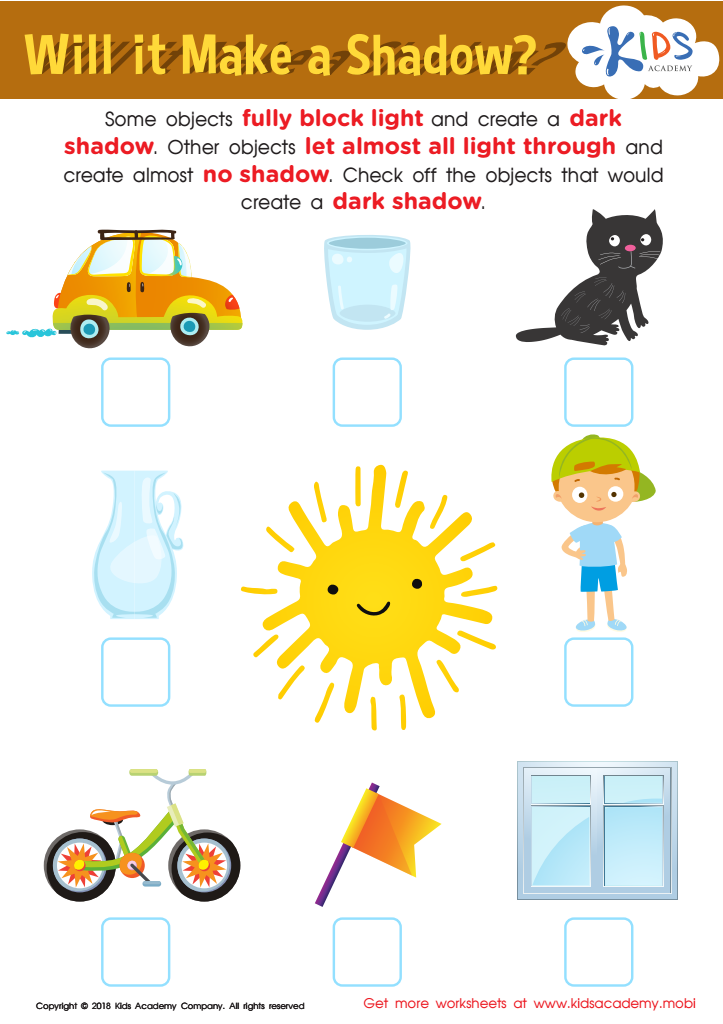
Will It Make a Shadow? Worksheet
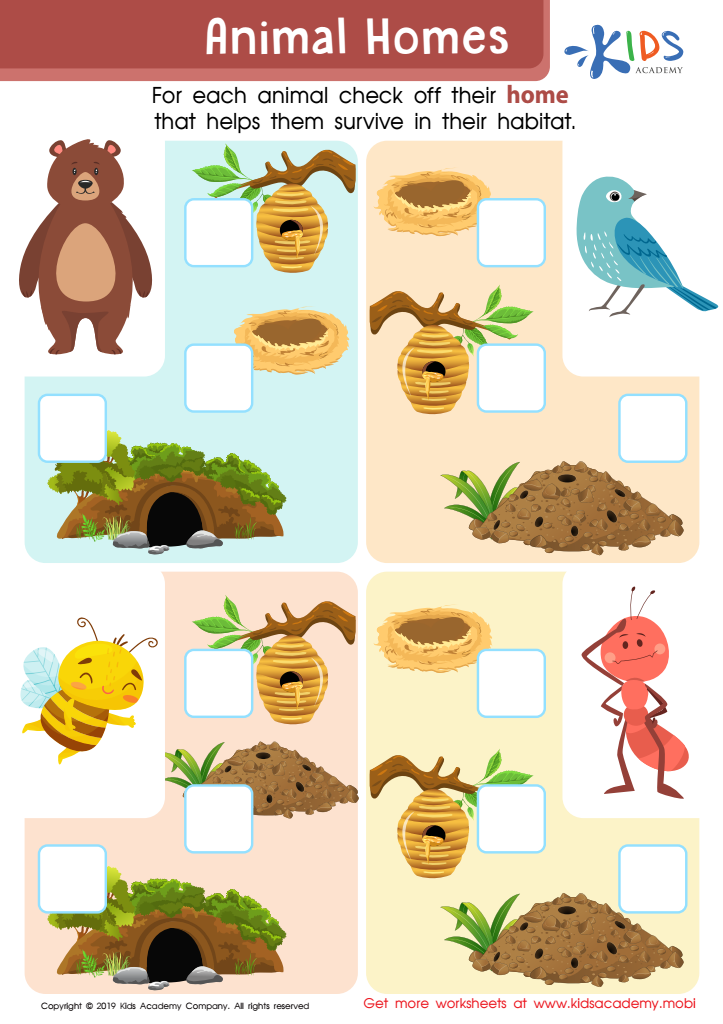
Animal Homes Worksheet
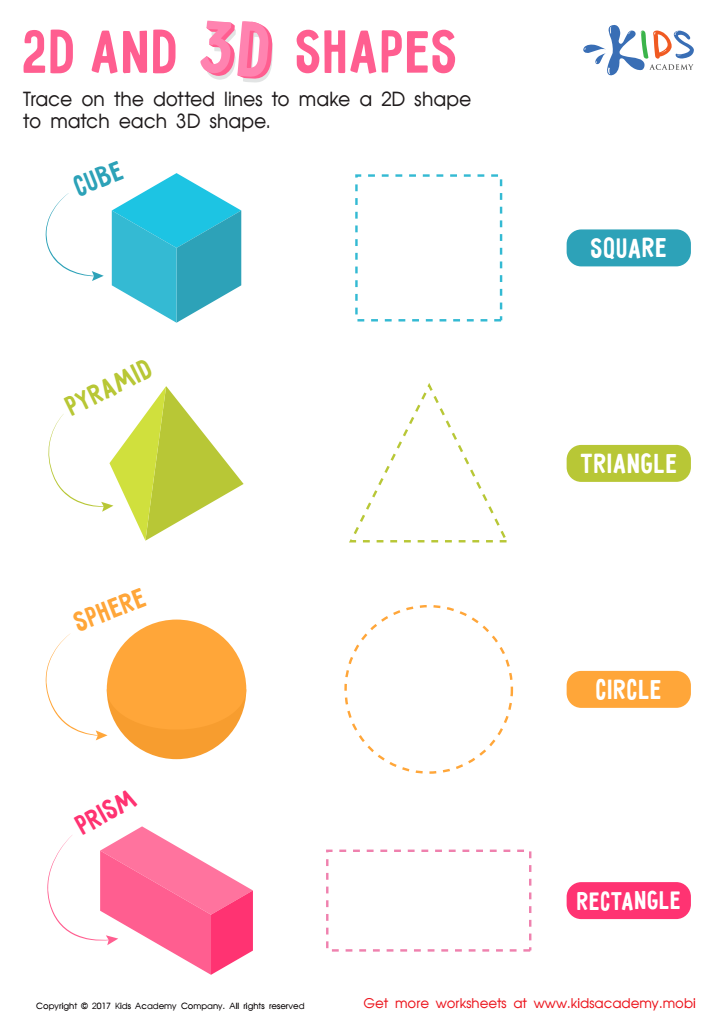
2D and 3D Shapes Worksheet
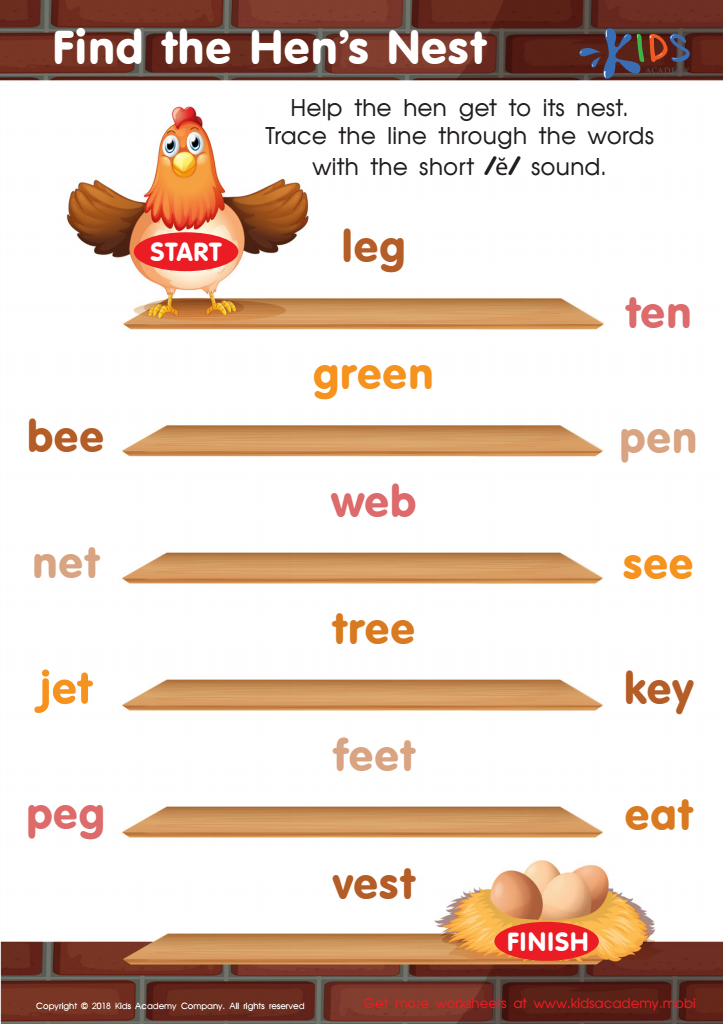
Find Hens Nest Reading Worksheet
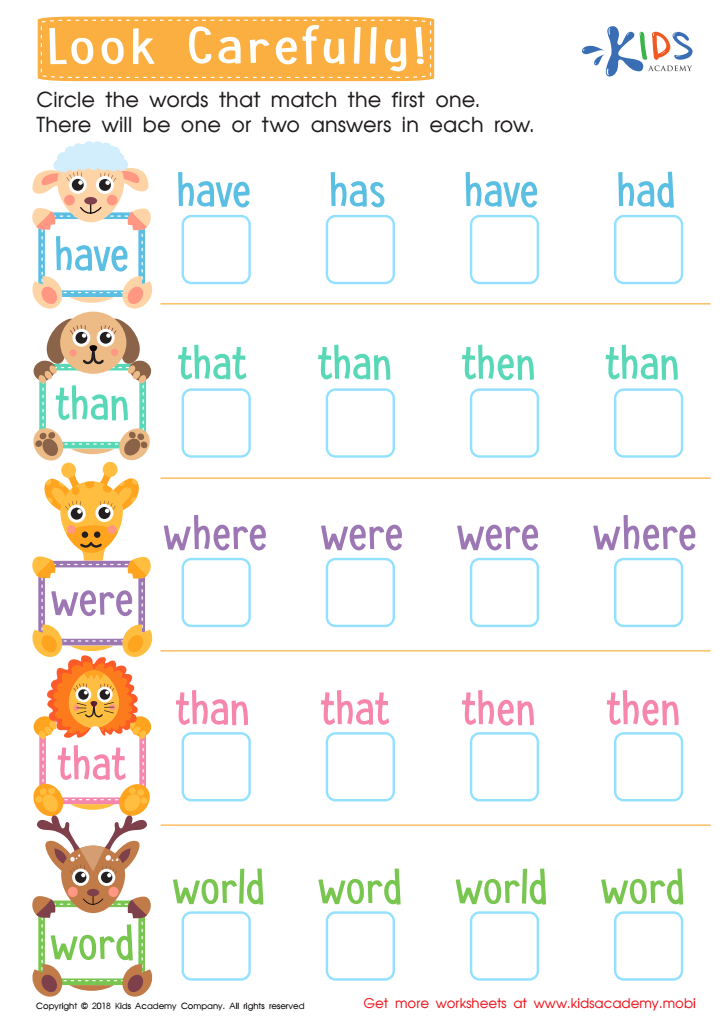
Look Carefully Worksheet
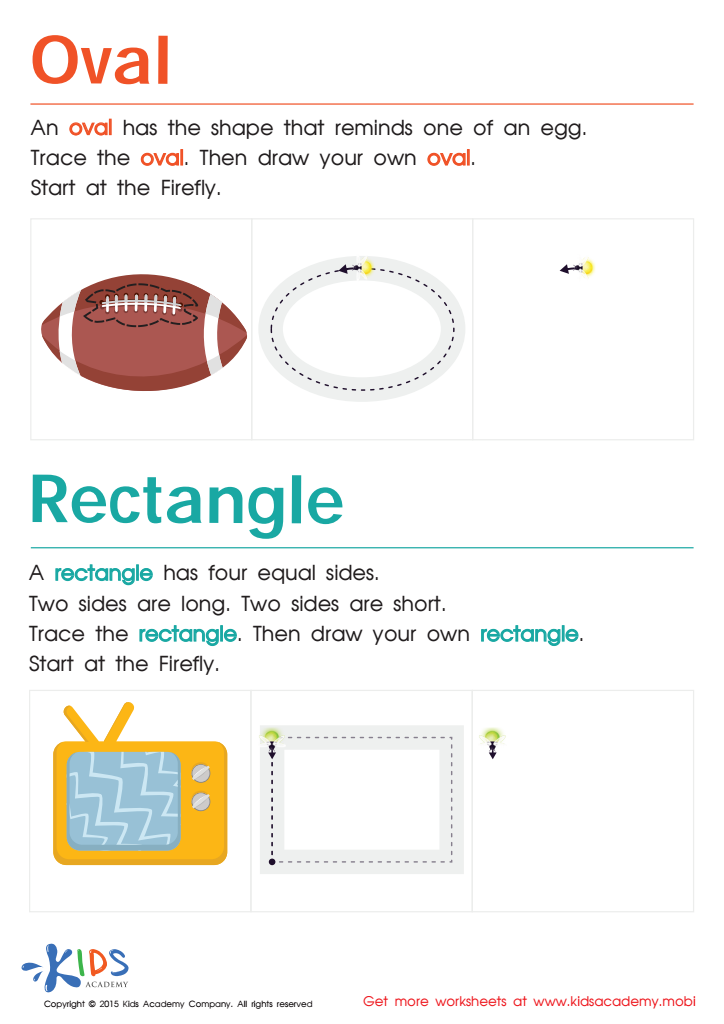
Easy Drawing of Ovals And Rectangles Worksheet
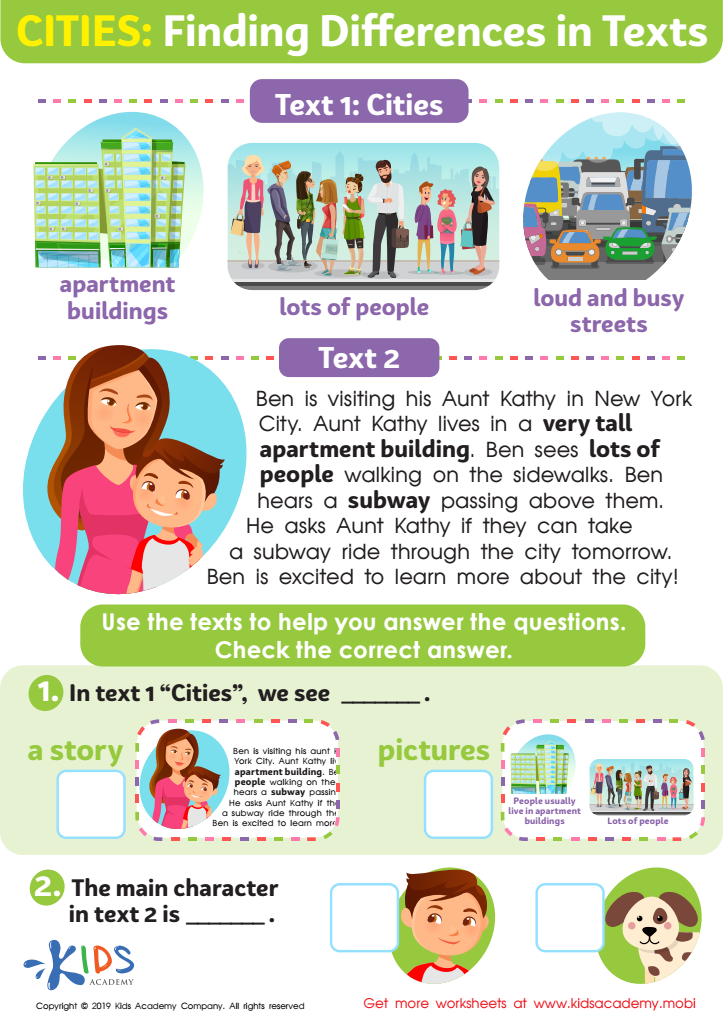
Cities: Finding Differences Worksheet
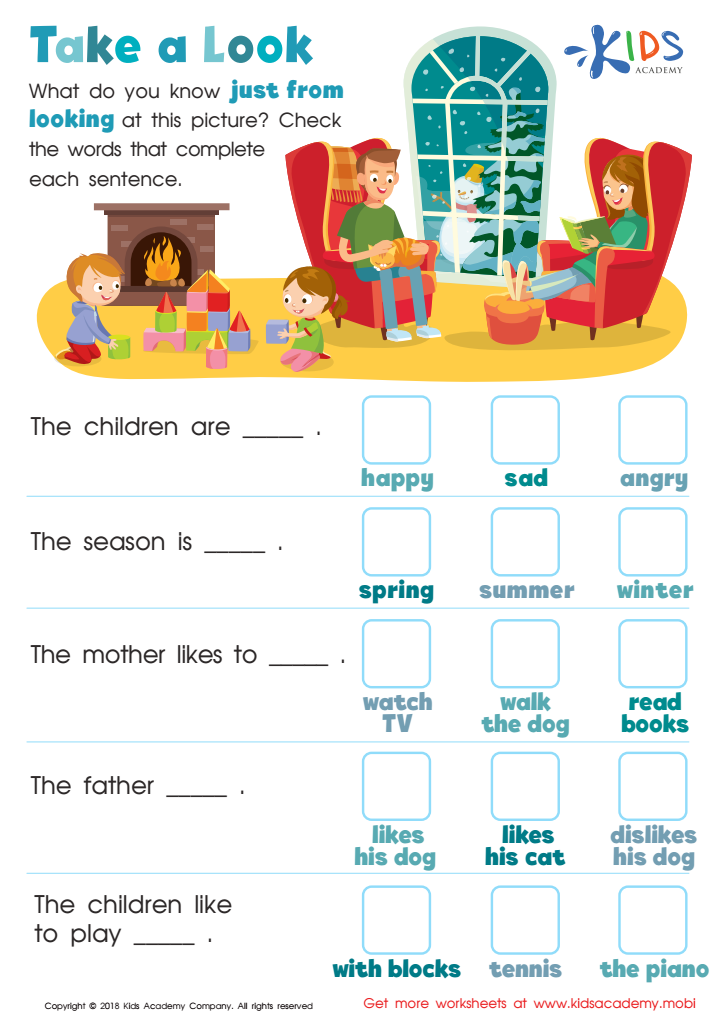
Take a Look - Part 1 Worksheet
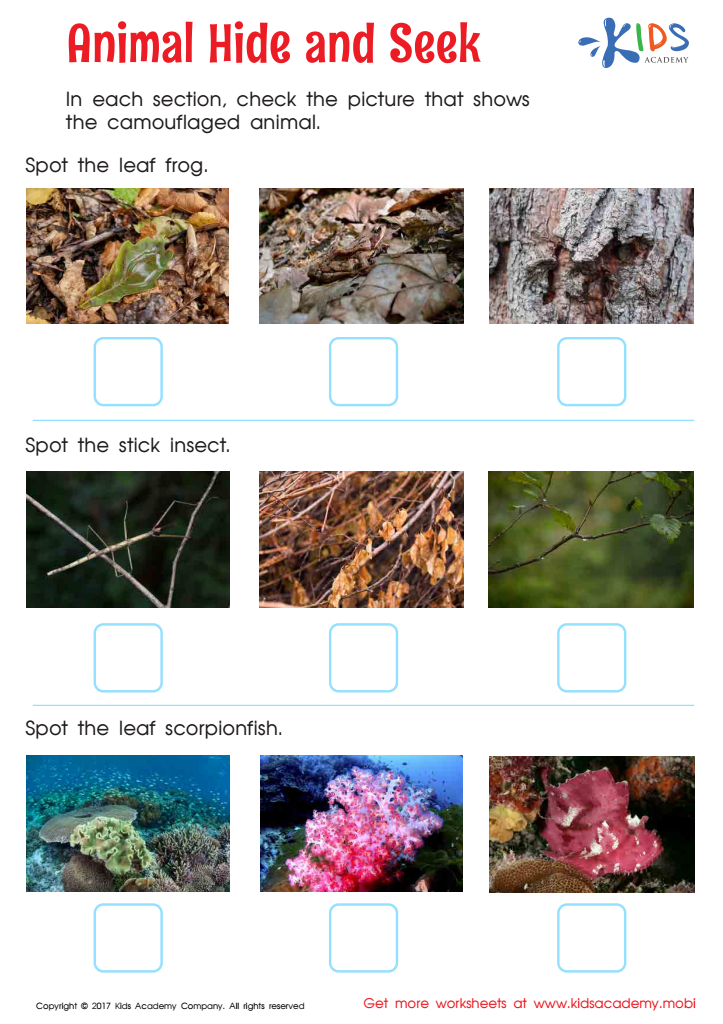
Animal Hide and Seek Worksheet
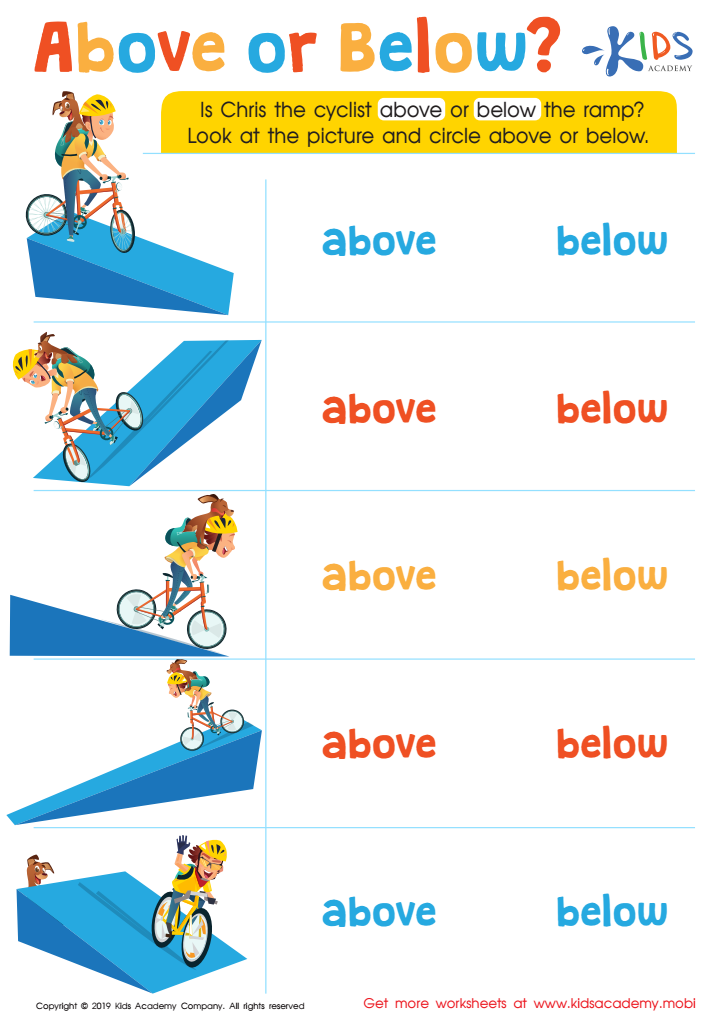
Above or Below? Worksheet
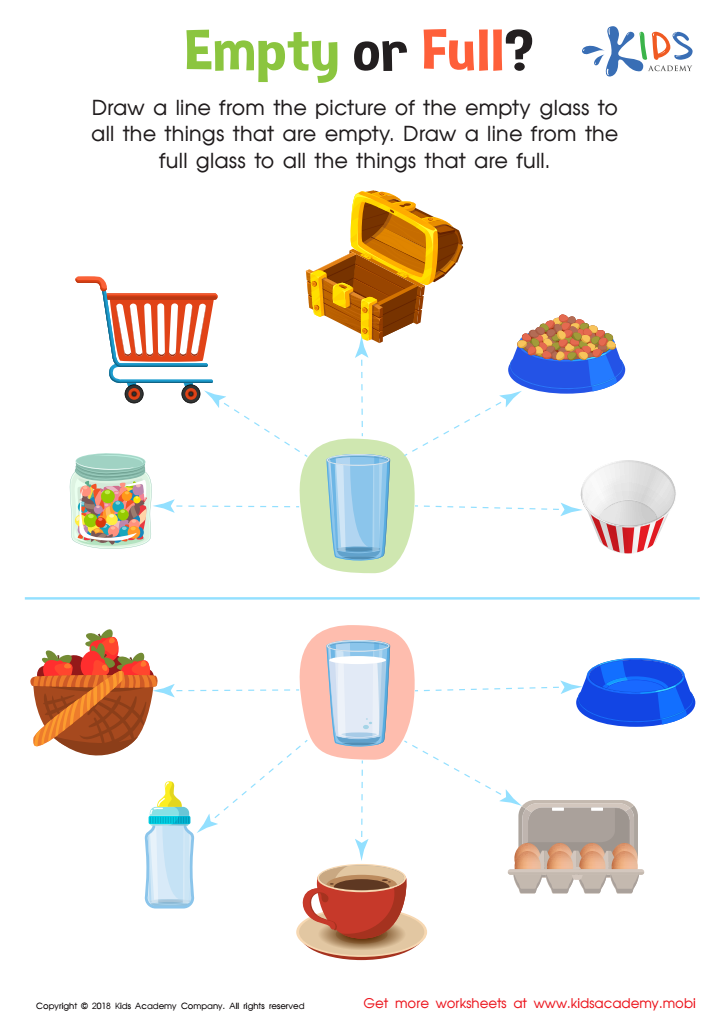
Empty or Full? Worksheet






Visual perception skills are integral for young children, ages 4-9, as they form the foundation for crucial cognitive and motor development. These skills allow children to make sense of and interpret what they see. Without strong visual perception abilities, kids might struggle with reading, writing, math, and everyday tasks.
For young readers, visual discrimination (identification of differences and similarities in shapes, patterns, or words) is critical. A child must distinguish between letters like 'b' and 'd' or 'p' and 'q'. For writing, visual-spatial skills are necessary, helping kids to understand spacing, alignment, and how to write within borders. As children progress, these skills contribute to more advanced academic abilities such as organizing and structuring mathematical operations on a page.
Beyond academics, these skills significantly influence daily functional abilities such as navigating around obstacles, assembling toys and puzzles, or even participating in sports. Kids with underdeveloped visual perception might find it tougher to coordinate movements, leading to challenges in playing games, solving puzzles, or just honing their hand-eye coordination.
Caring about and nurturing visual perception from an early age sets the groundwork for well-rounded cognitive development, essential academic success, and overall self-esteem. Integrating activities that bolster these skills, like puzzles, drawing, and reading, can make a big difference.








