Recognizing Patterns Addition & Subtraction Worksheets for Ages 4-9
23 filtered results
-
From - To
Explore our "Recognizing Patterns Addition & Subtraction Worksheets" designed for children aged 4 to 9! These engaging worksheets make learning math fun and interactive, helping young learners identify patterns in addition and subtraction. By recognizing numerical patterns, children enhance their critical thinking and problem-solving skills while building a solid math foundation. Our carefully crafted exercises cater to various learning styles and offer a range of difficulty levels to challenge students at their own pace. Perfect for classroom activities or at-home practice, these worksheets foster a love for learning, allowing kids to gain confidence in their math abilities. Download and watch your child excel today!
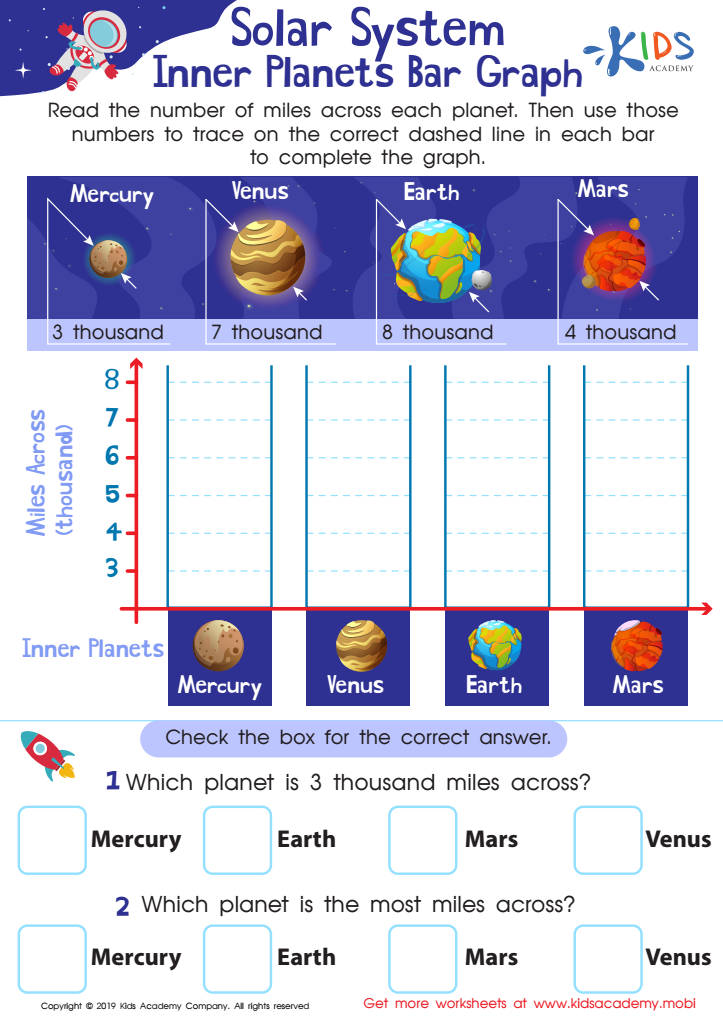
Planets Bar Graph Worksheet
 Assign to My Students
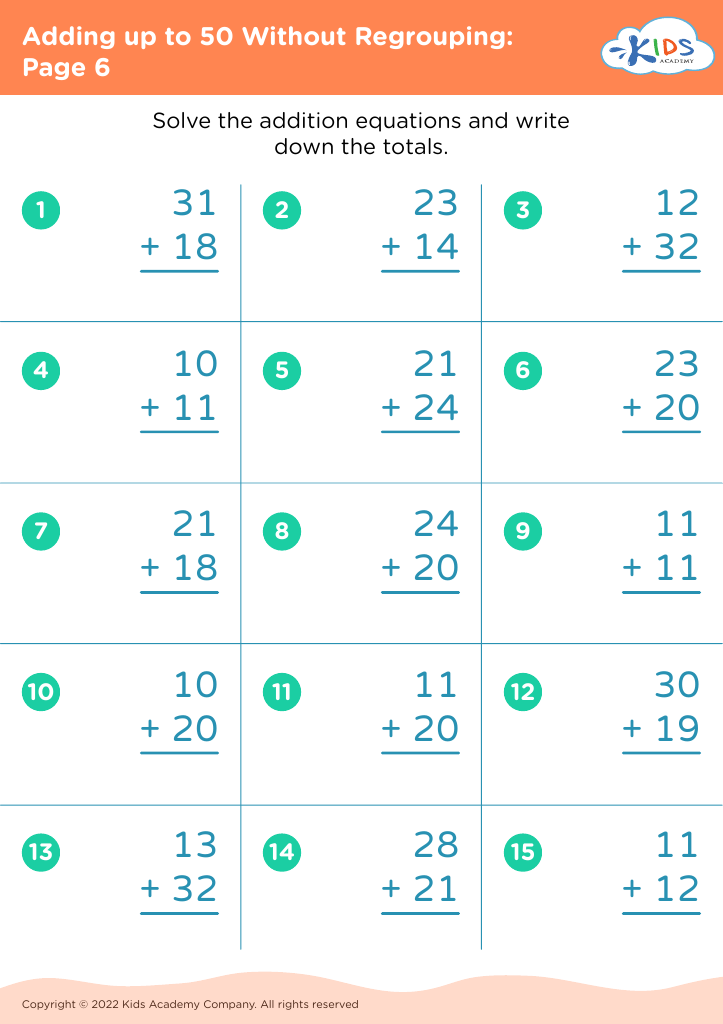
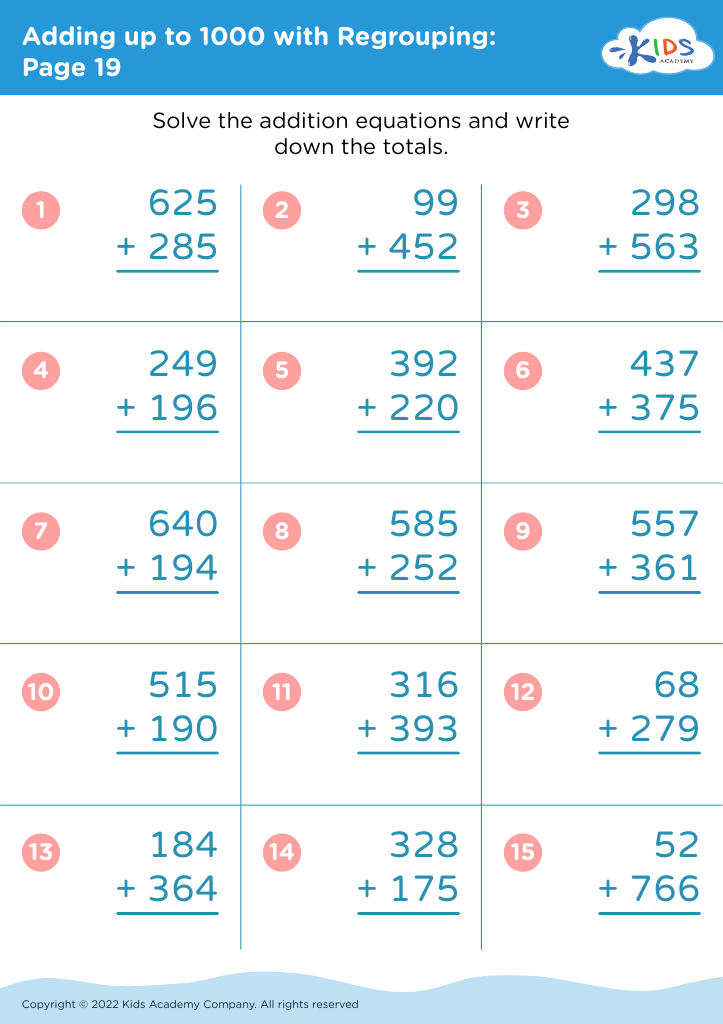
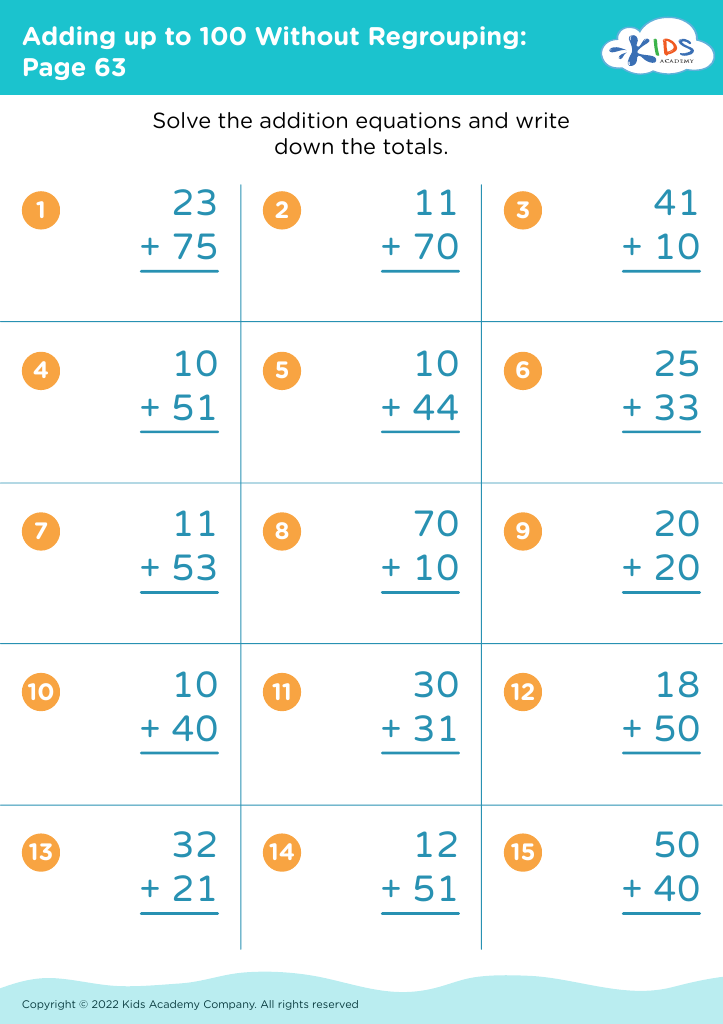
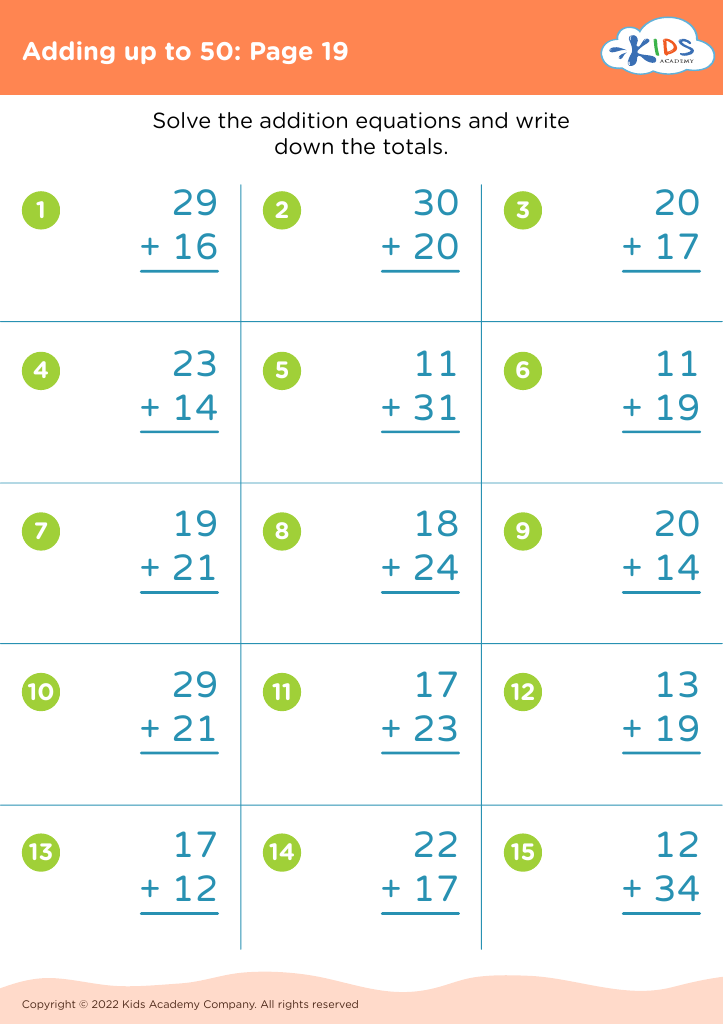
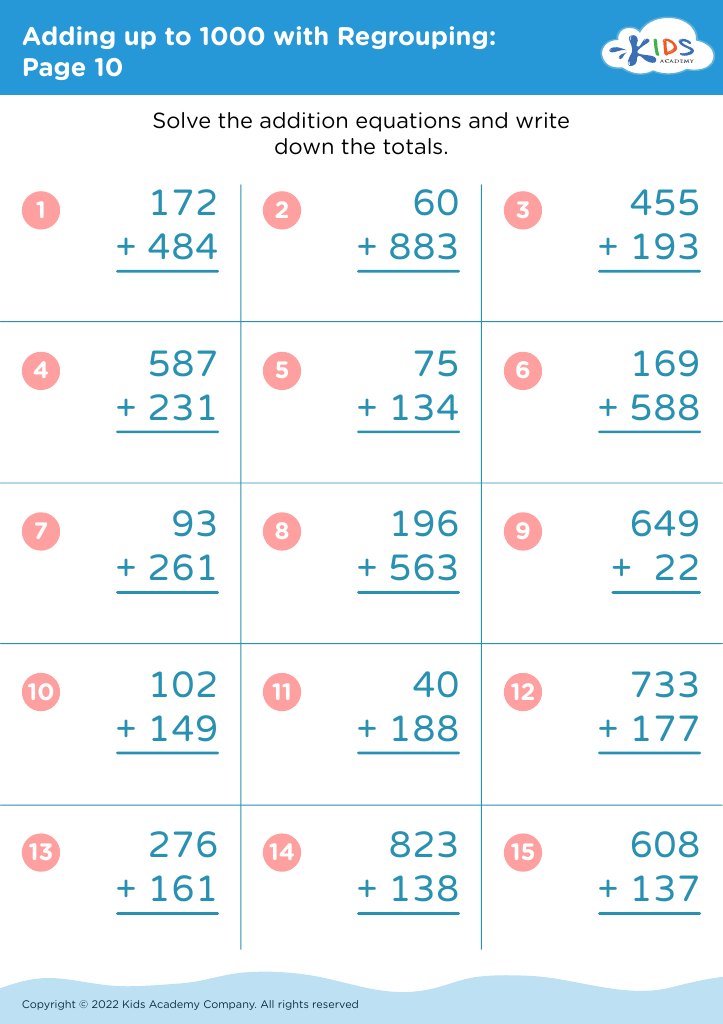
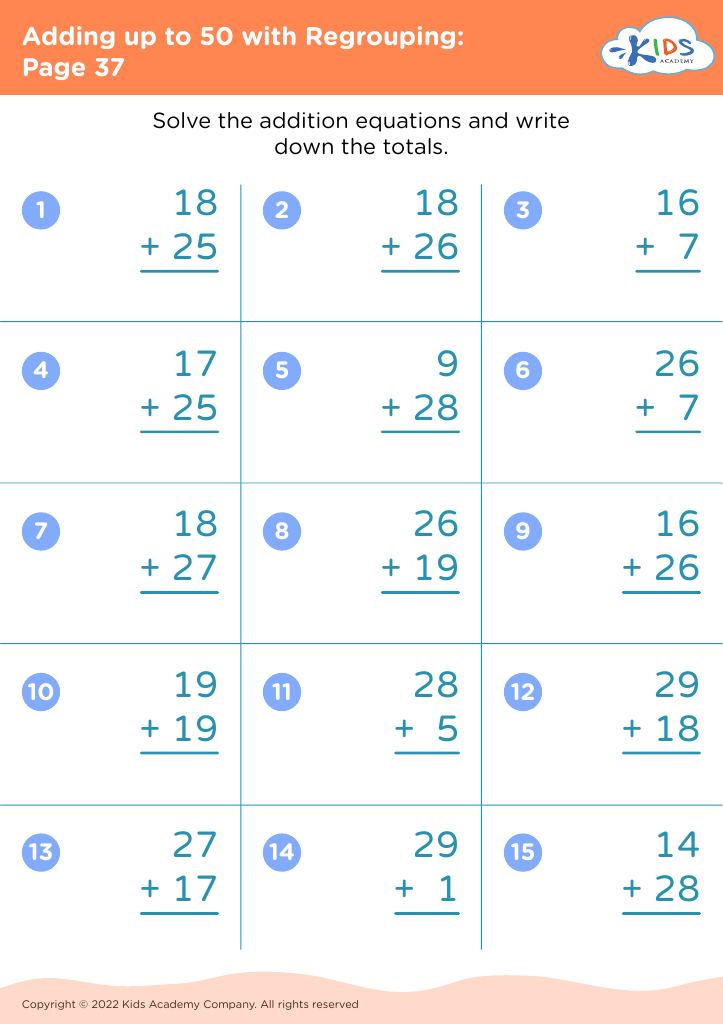
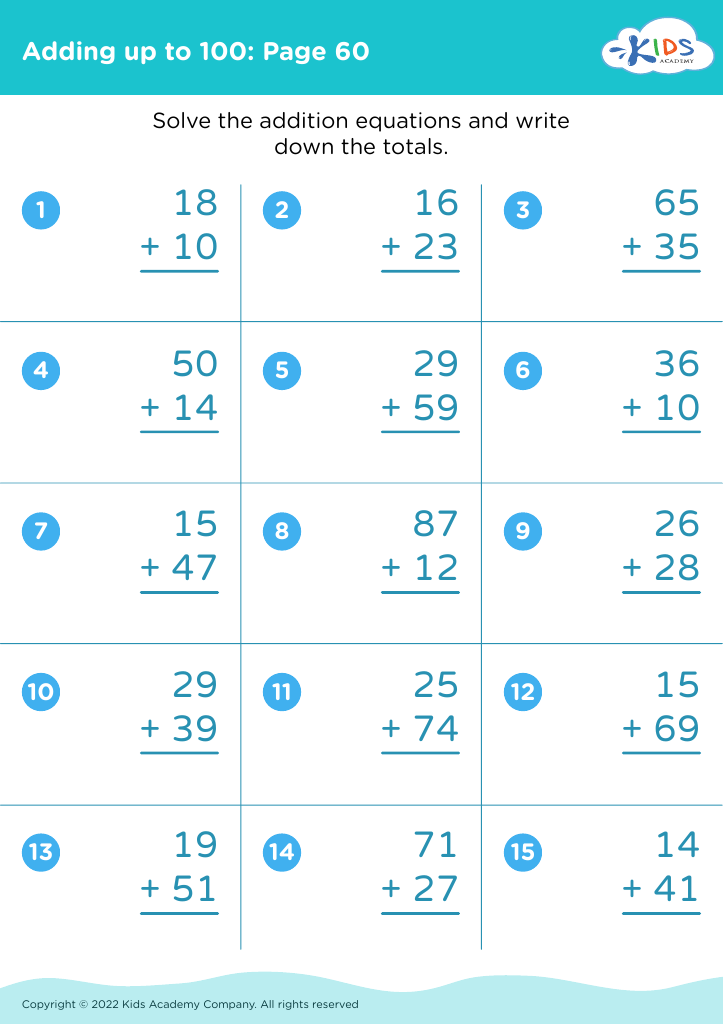
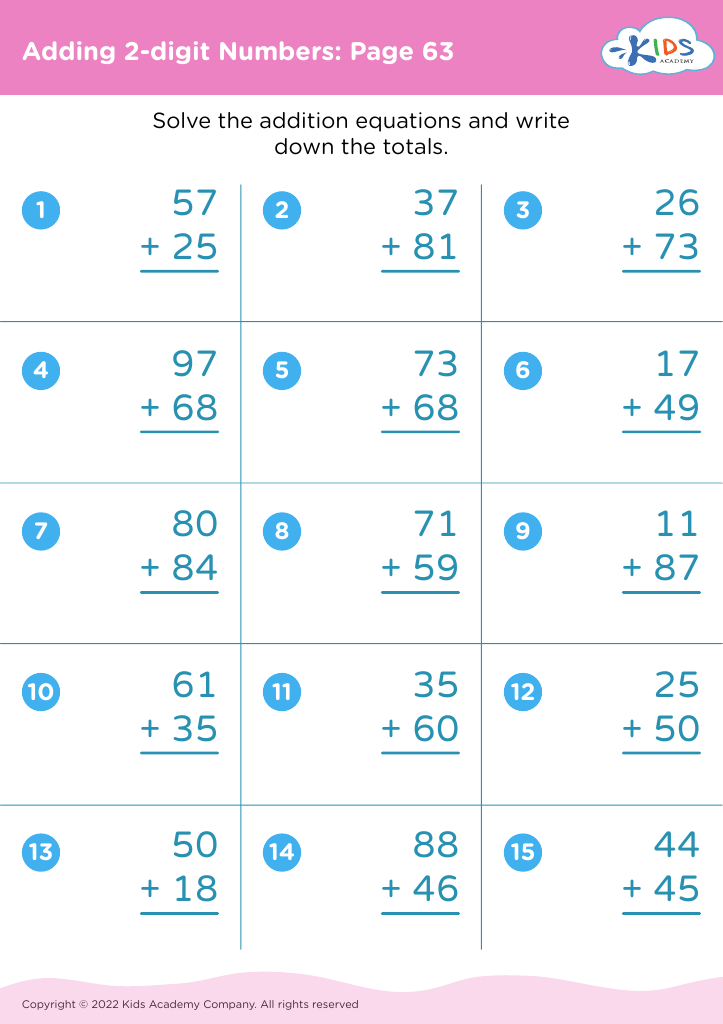
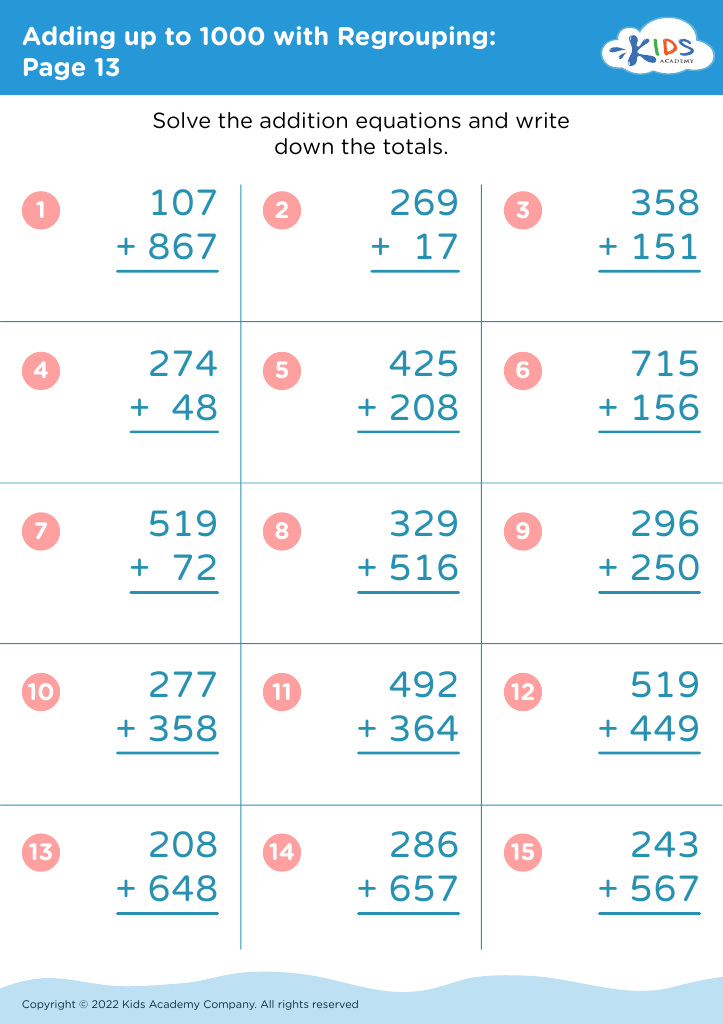
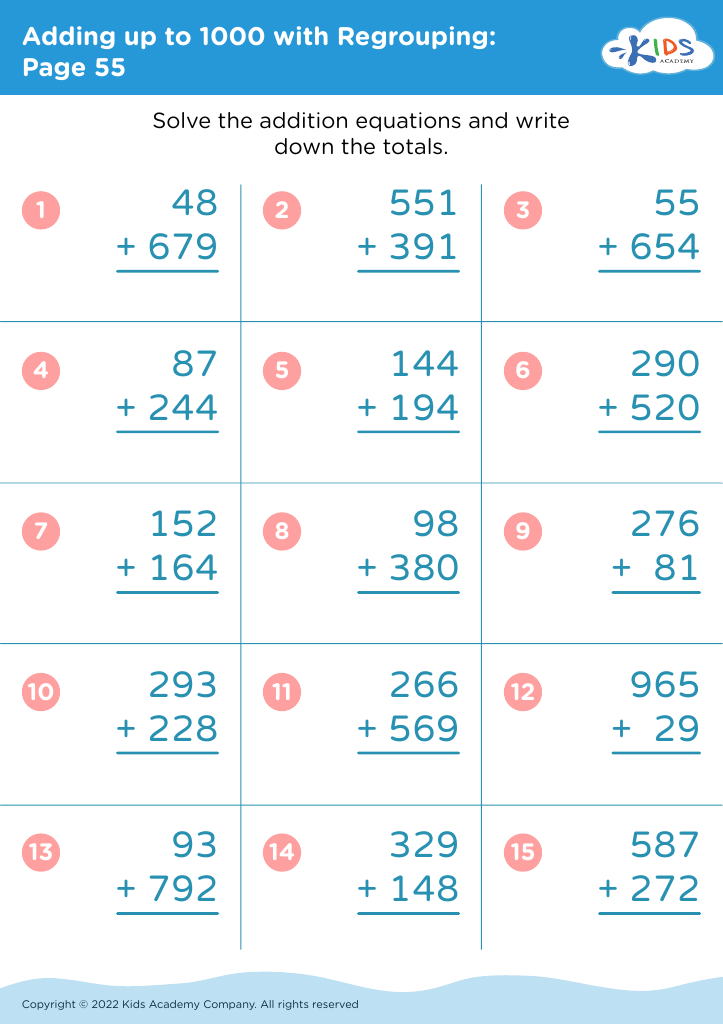
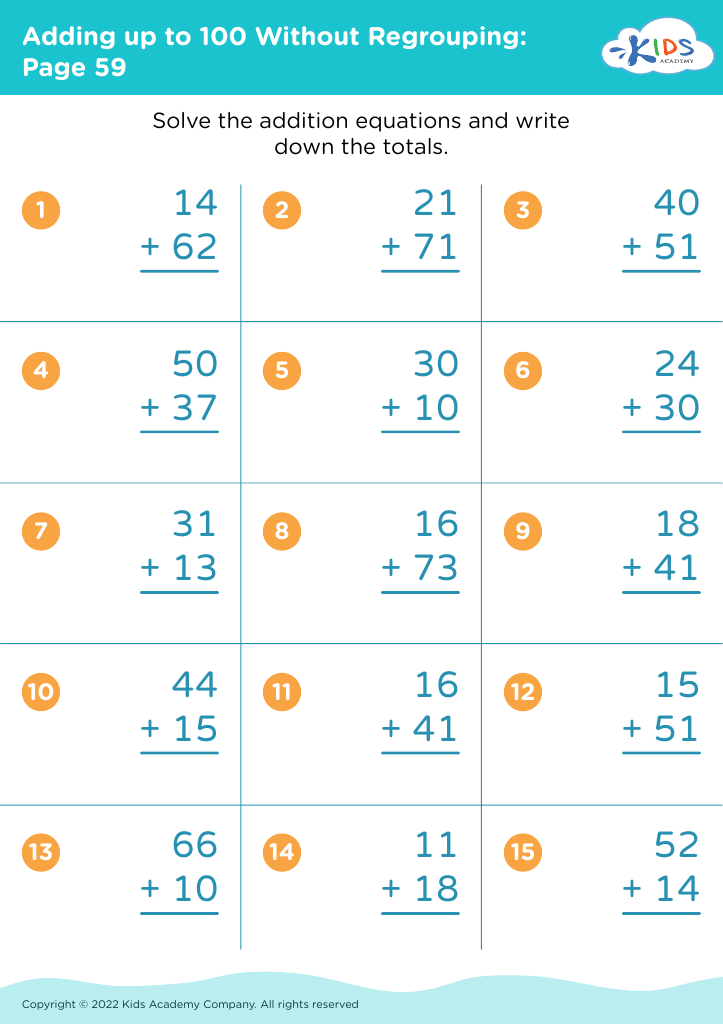
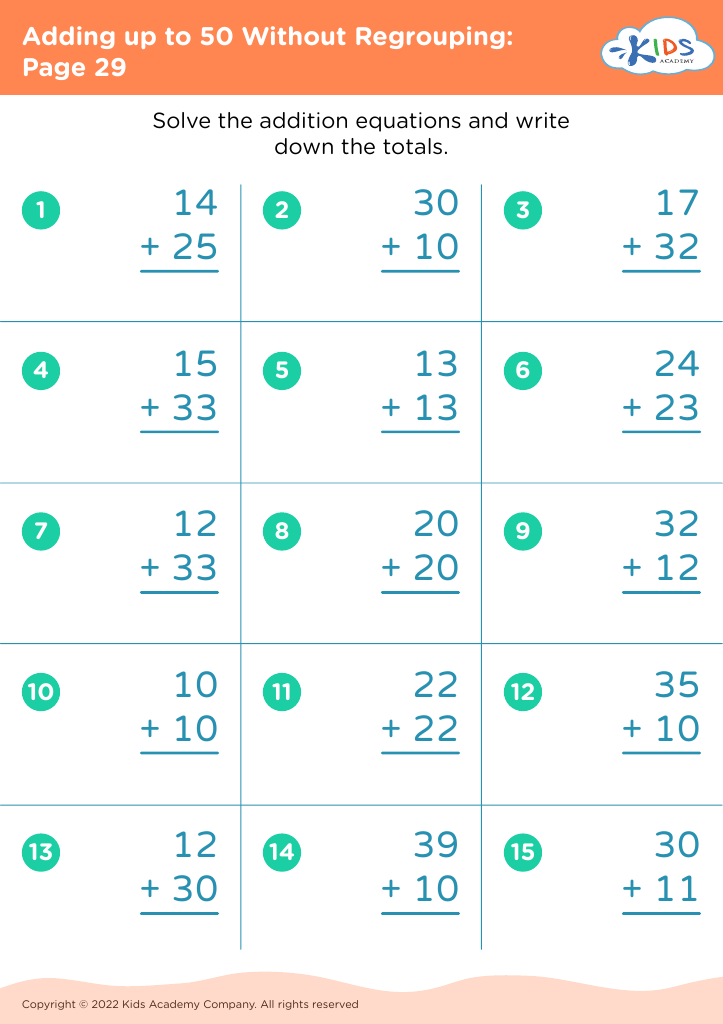
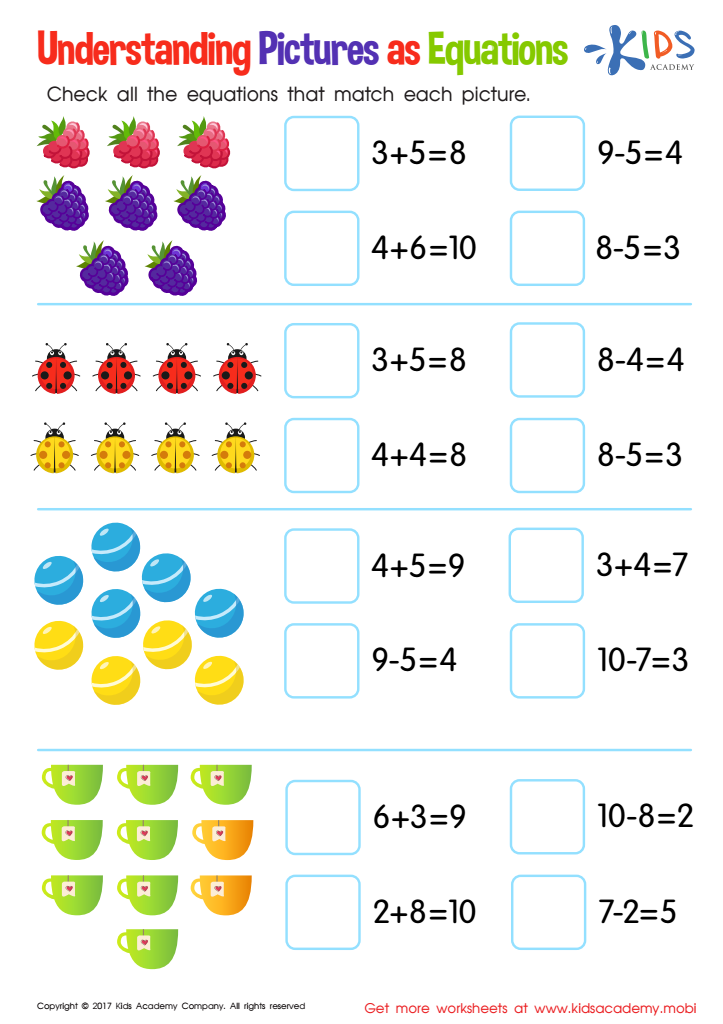
Understanding Pictures as Equations Worksheet
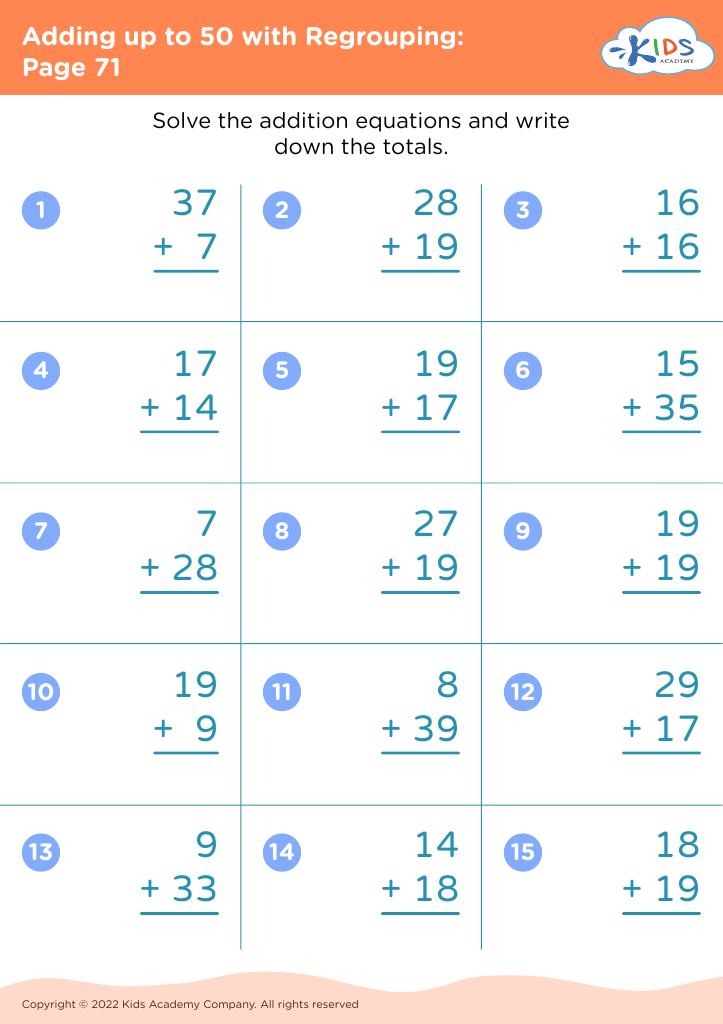
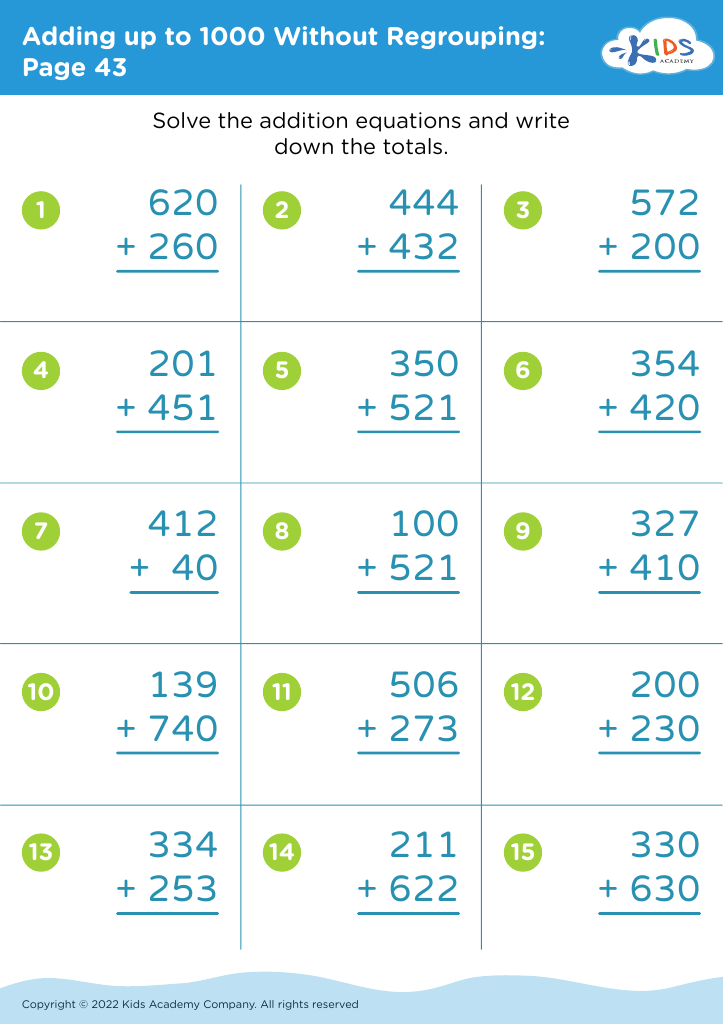
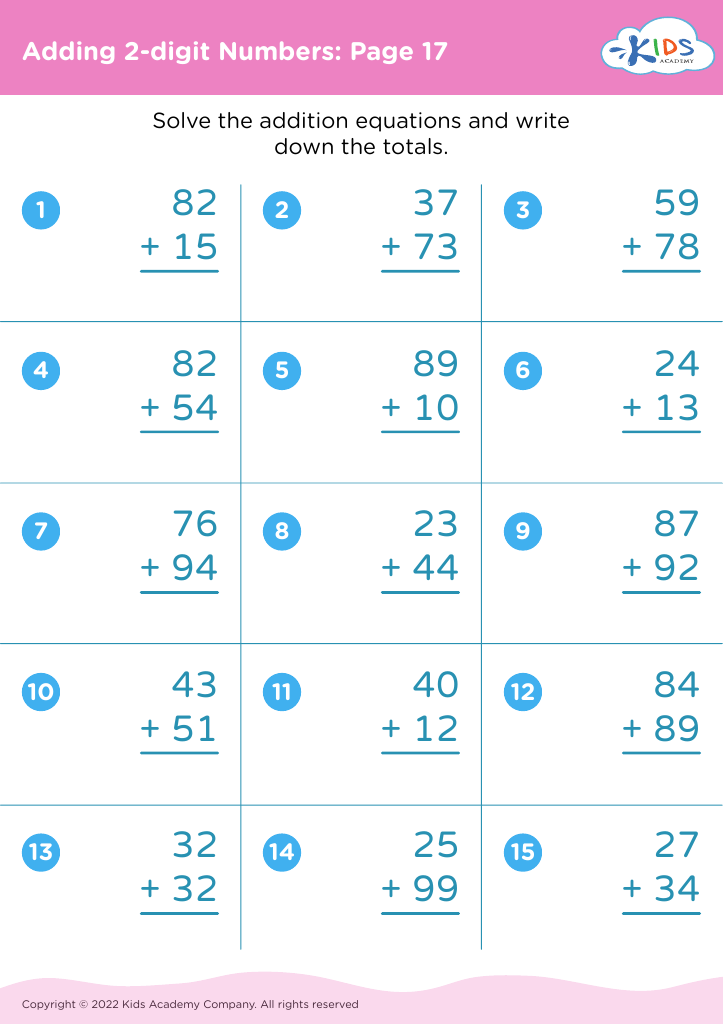
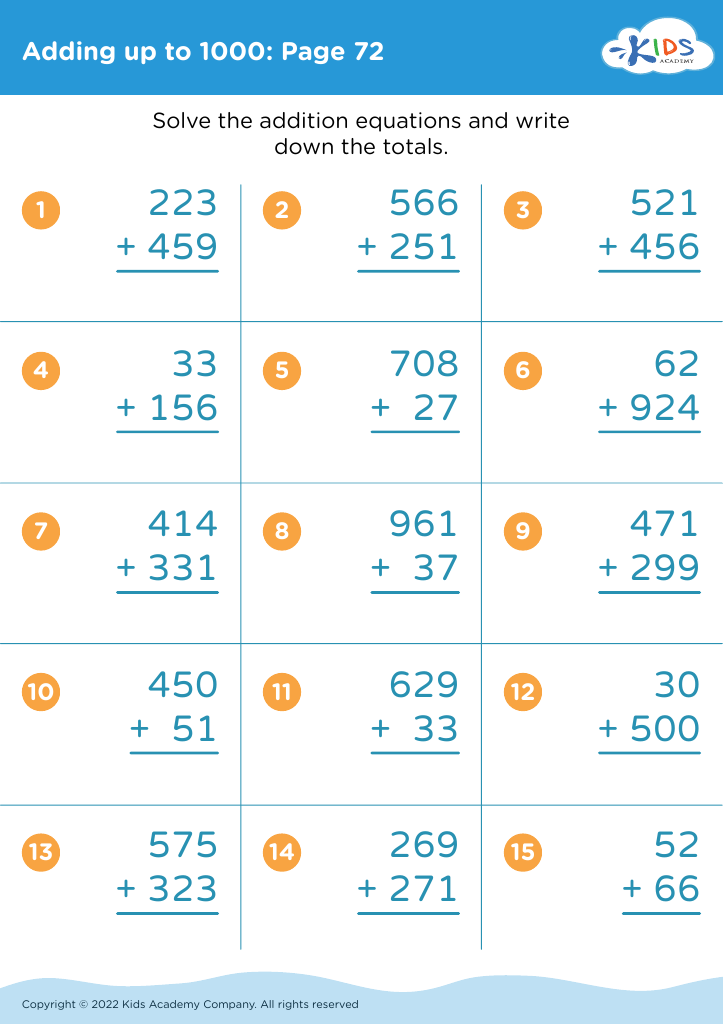
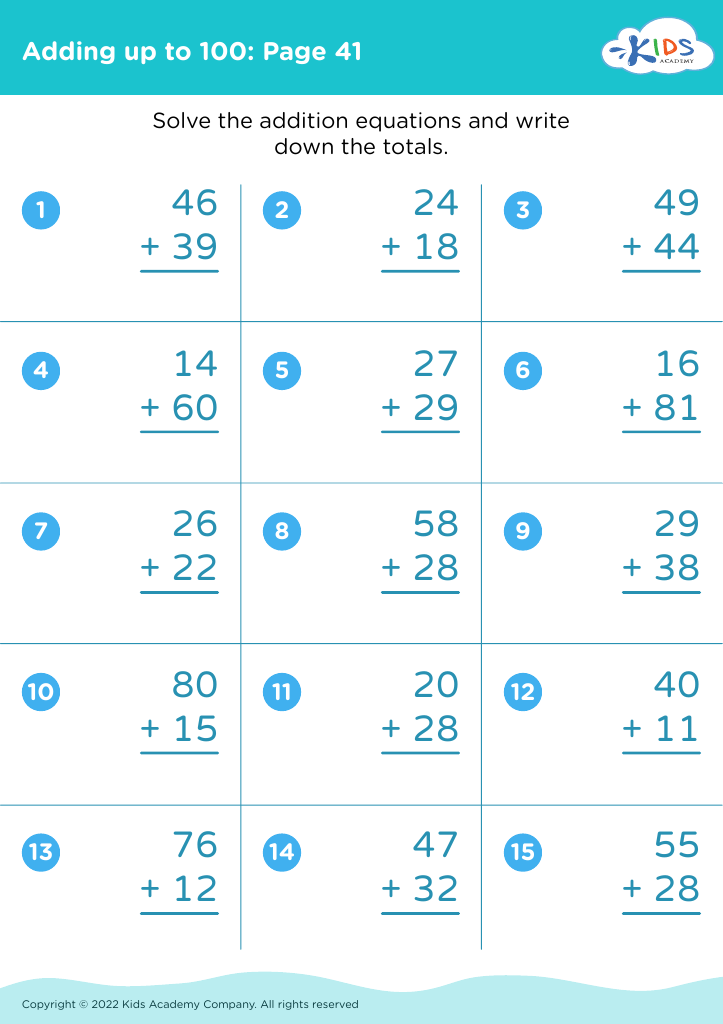
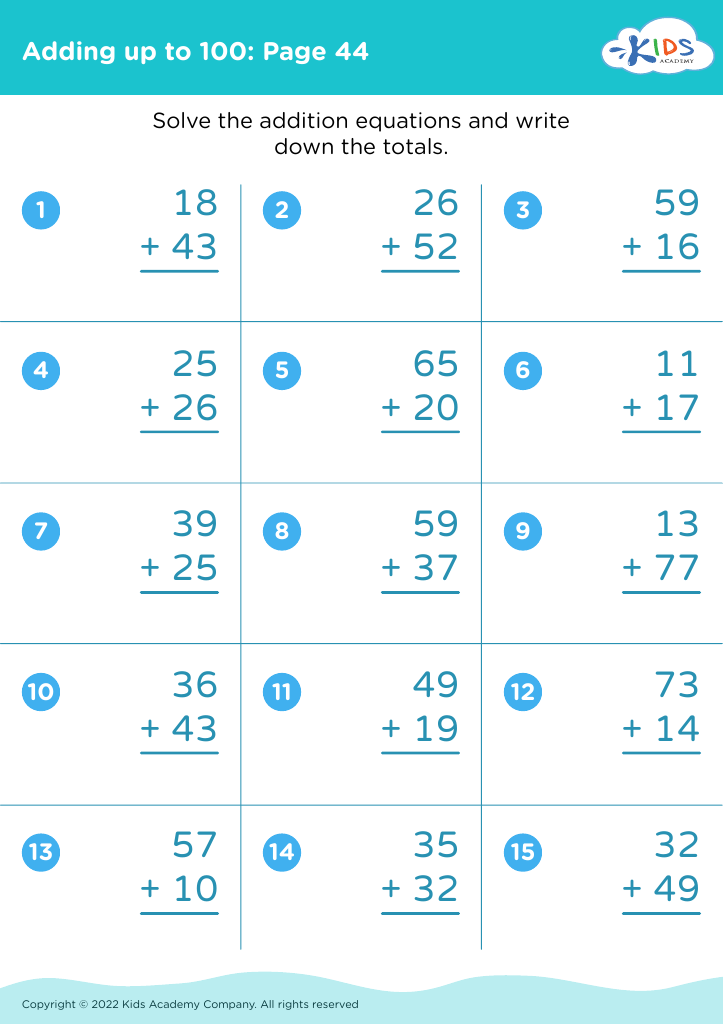








Recognizing patterns in addition and subtraction is crucial for children aged 4-9, as it lays a solid mathematical foundation for their future learning. Understanding patterns helps children identify relationships between numbers and develop critical thinking skills. When kids notice patterns, they gain confidence in their ability to solve problems, enhancing their arithmetic fluency and intuitive understanding of mathematics.
For parents, encouraging pattern recognition fosters a love for learning and engages children in meaningful, hands-on experiences that enhance cognitive growth. Patterns are everywhere—in nature, art, and daily routines—which can be tied to math concepts, making the subject more relatable and exciting.
For teachers, integrating pattern recognition into lessons supports differentiated learning. Some children may struggle with direct addition and subtraction but can grasp the concepts more easily through patterns. This approach facilitates a more personalized learning environment, ensuring that all students progress at their own pace.
Ultimately, recognizing patterns nurtures analytical thinking and problem-solving abilities, essential for academic success. Engaging children in pattern activities both at home and in school not only reinforces mathematical concepts but also prepares them for complex reasoning and decision-making they will encounter later in life.








