Visual Learning Addition Worksheets for Ages 4-9 - Page 2
88 filtered results
-
From - To
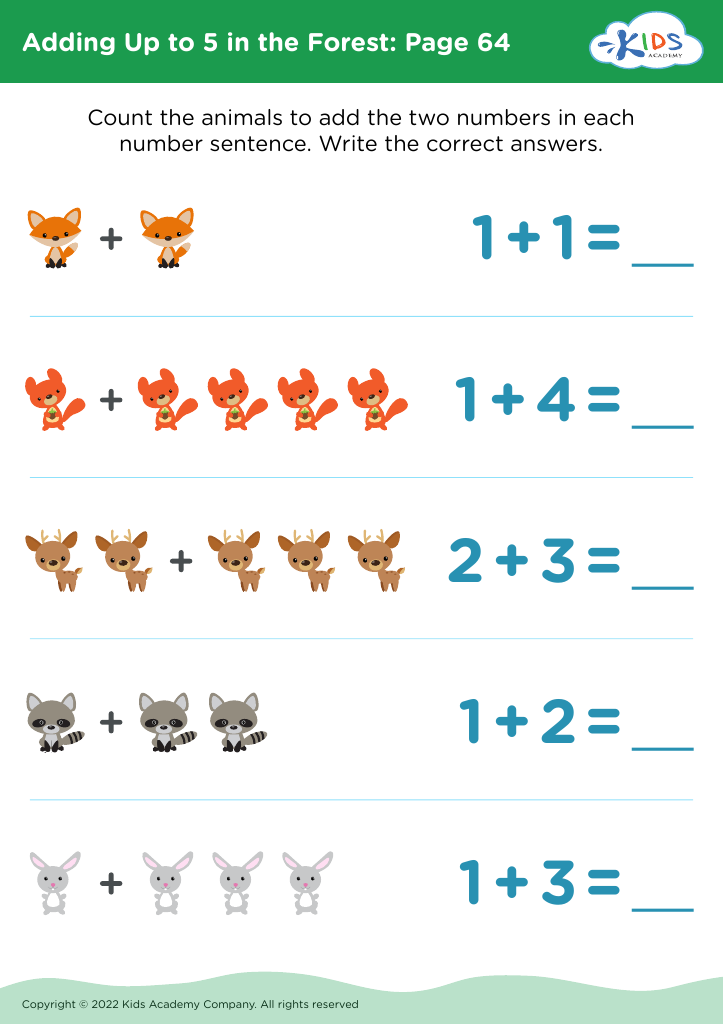
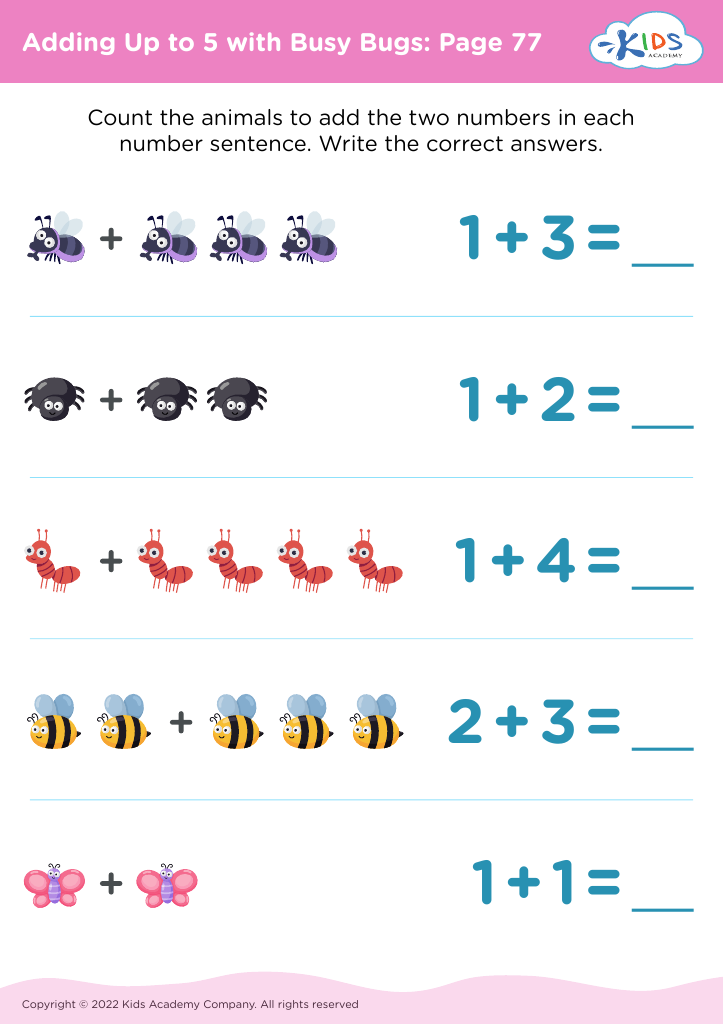
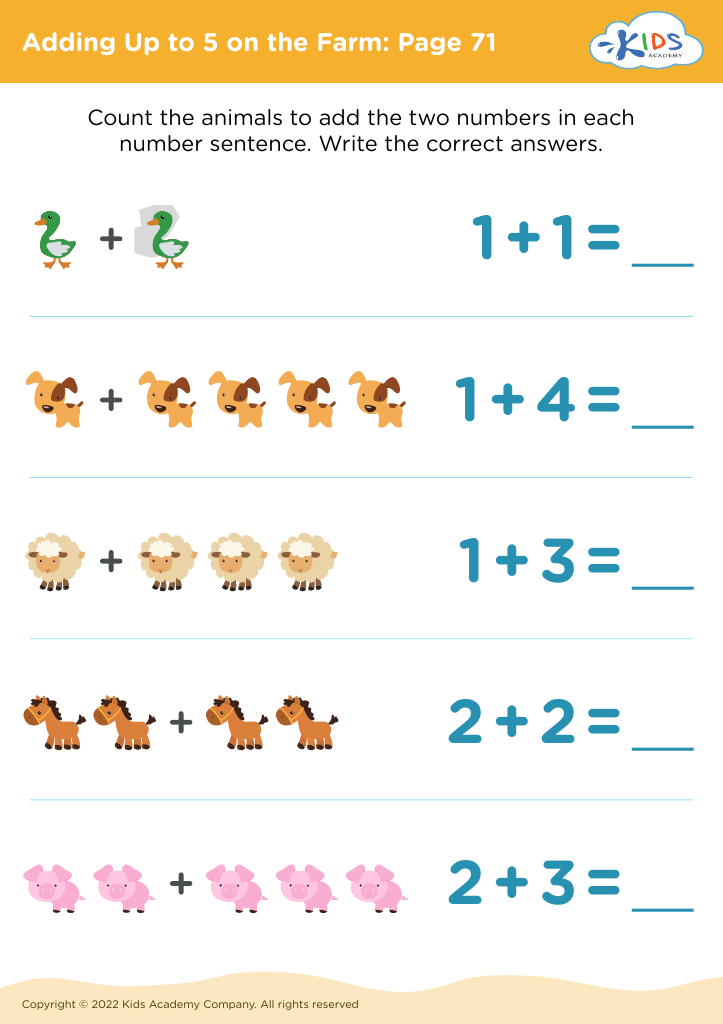
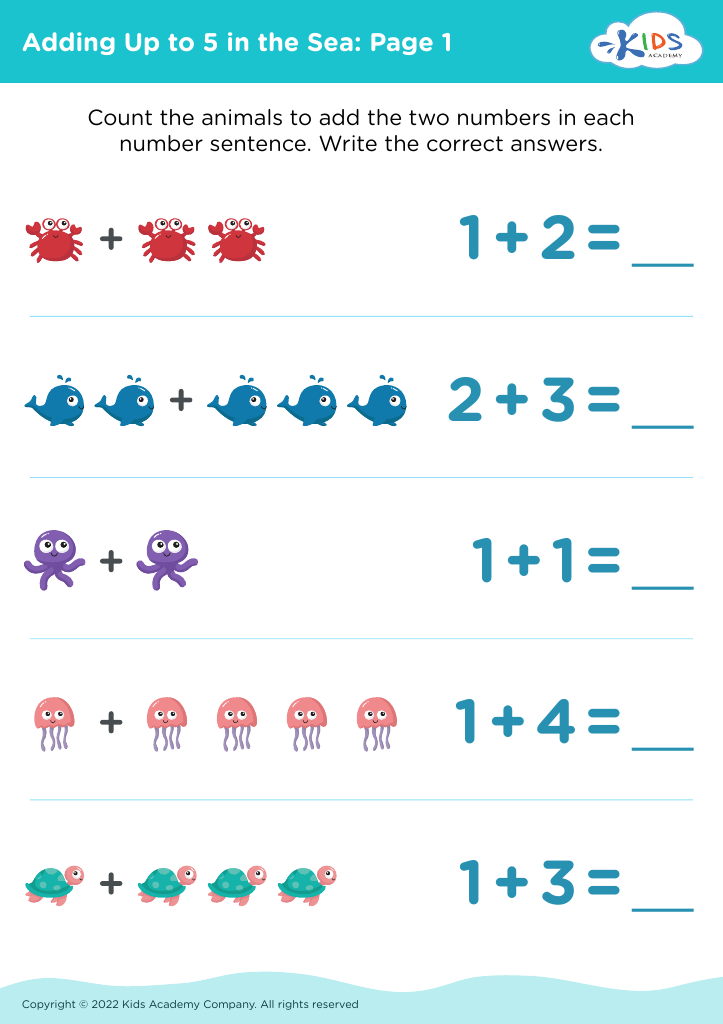
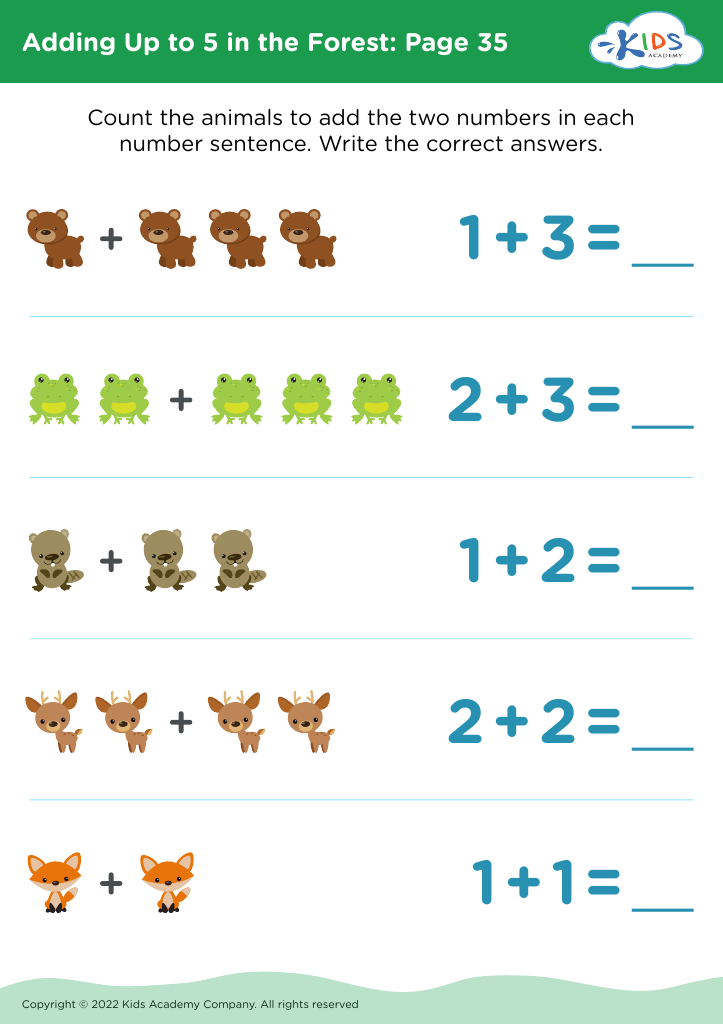
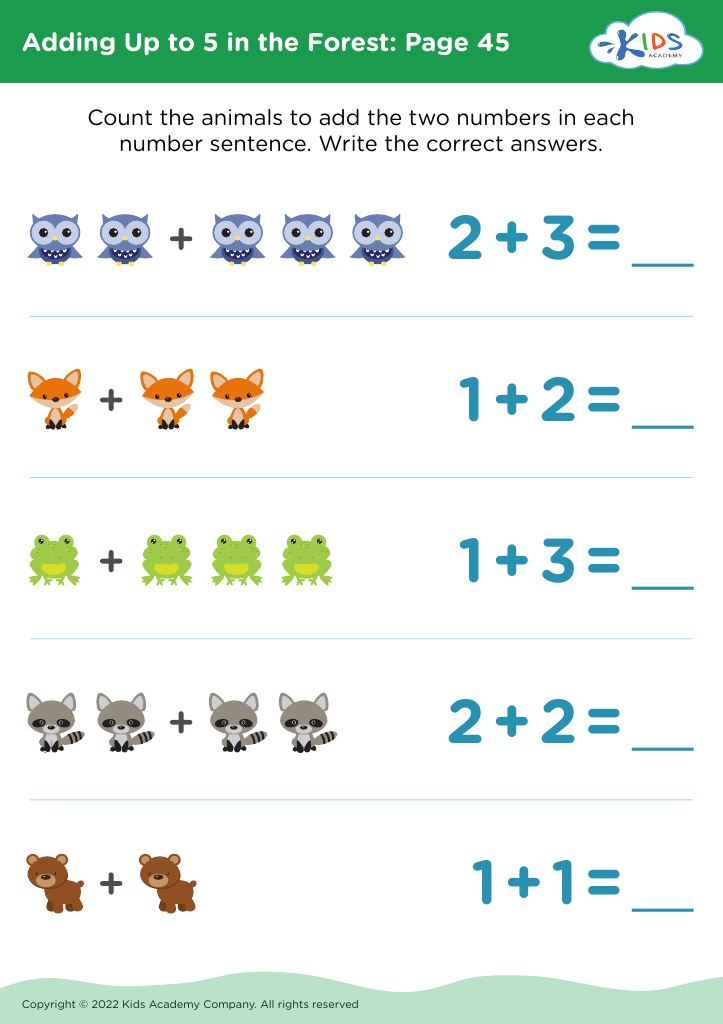
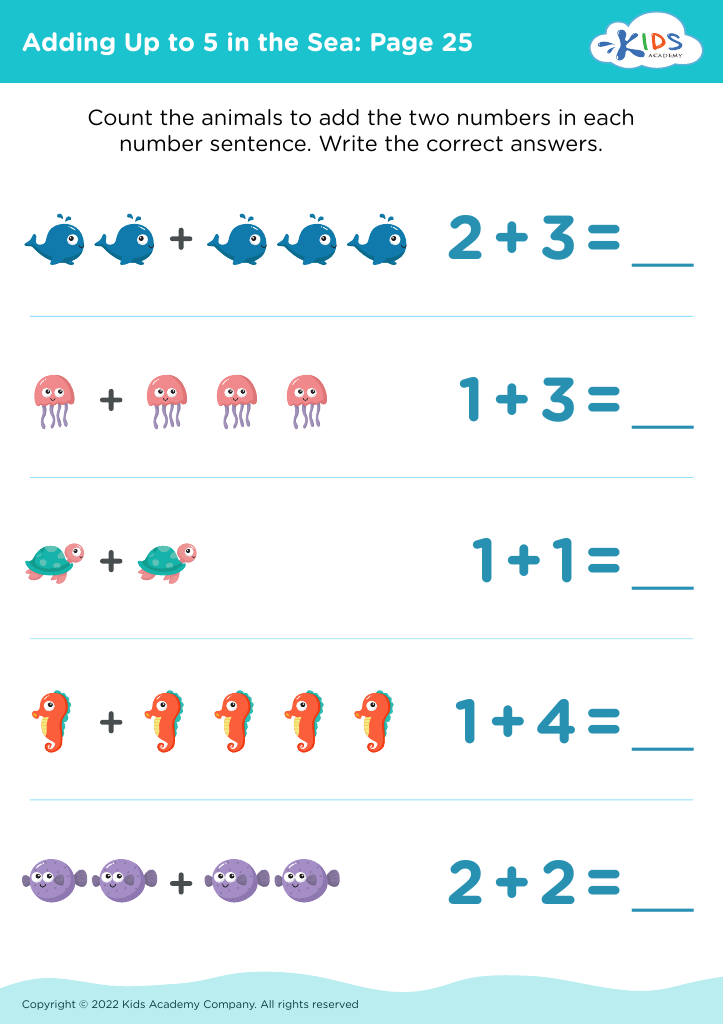
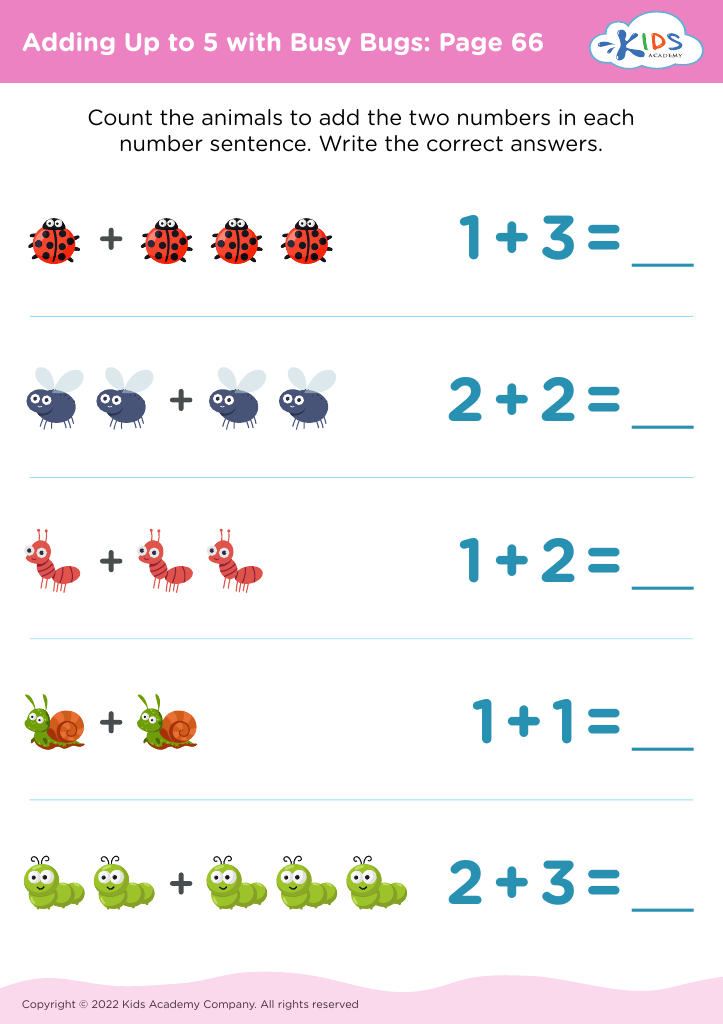
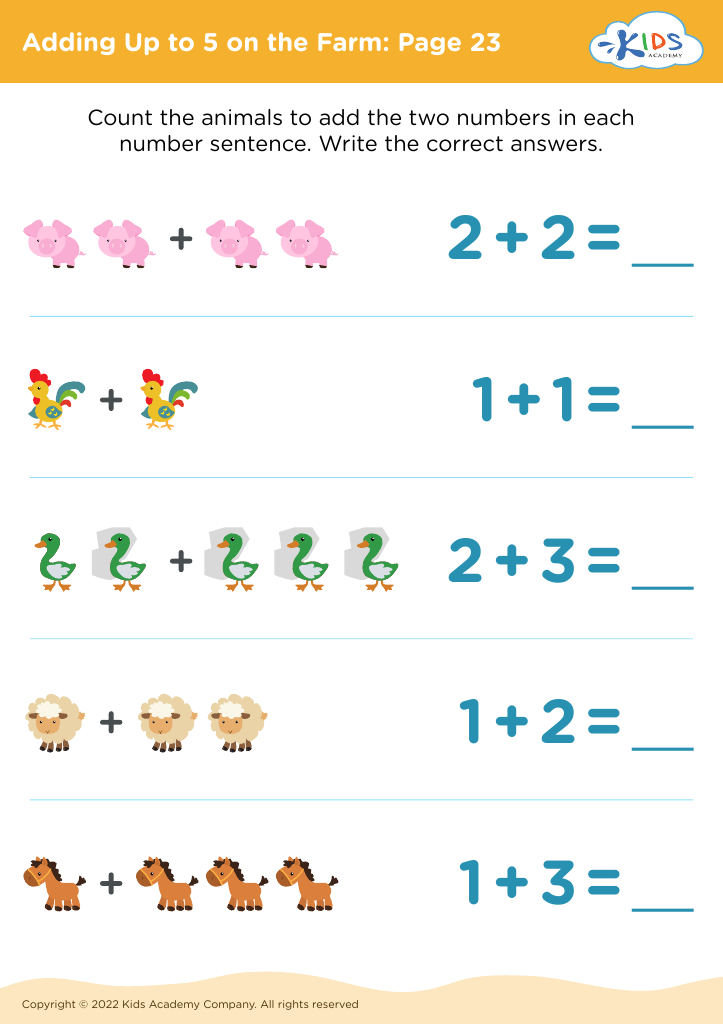
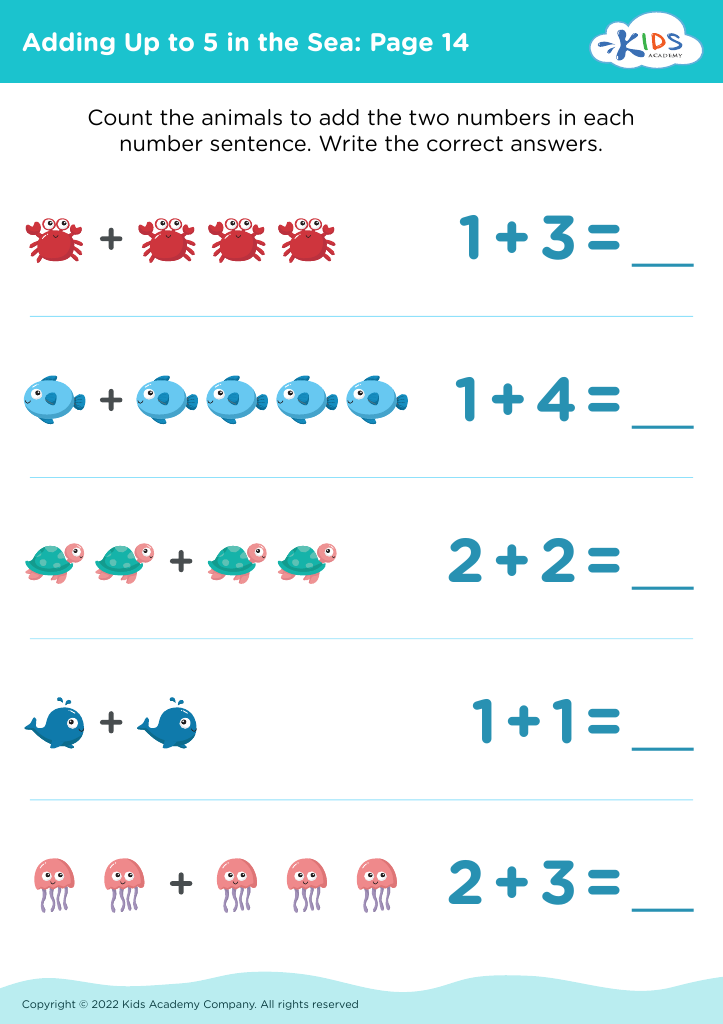
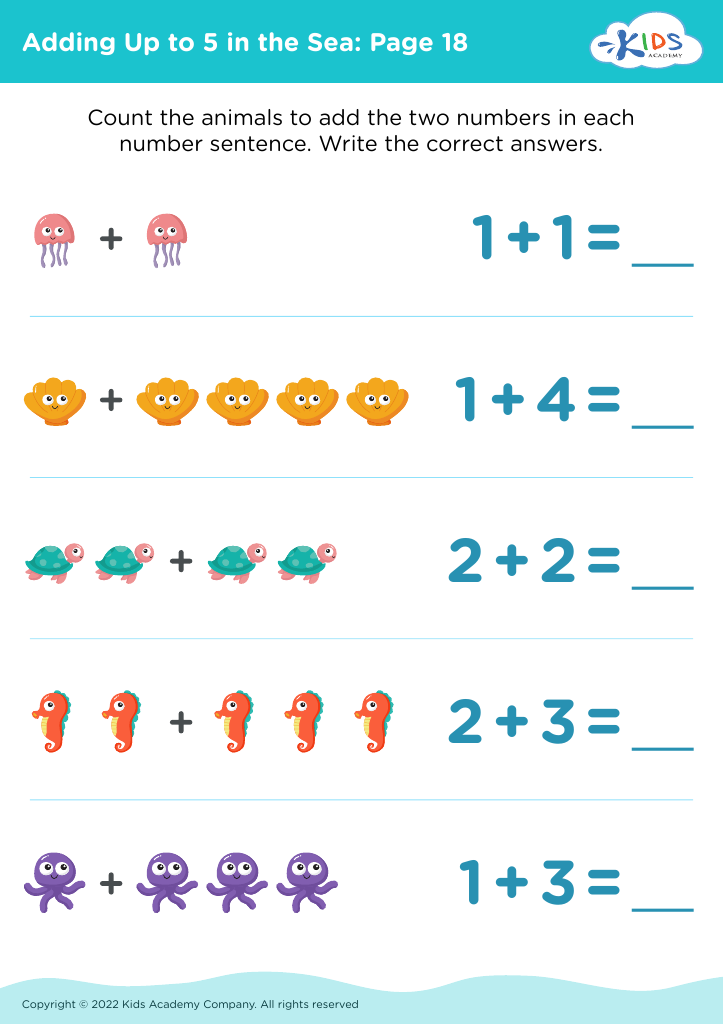
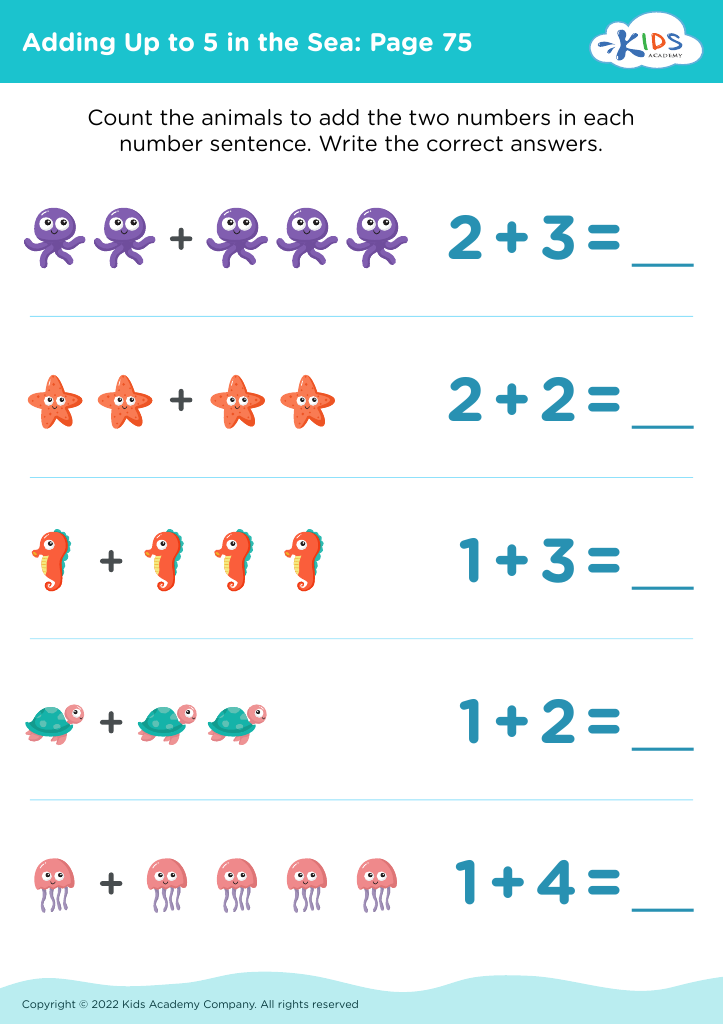
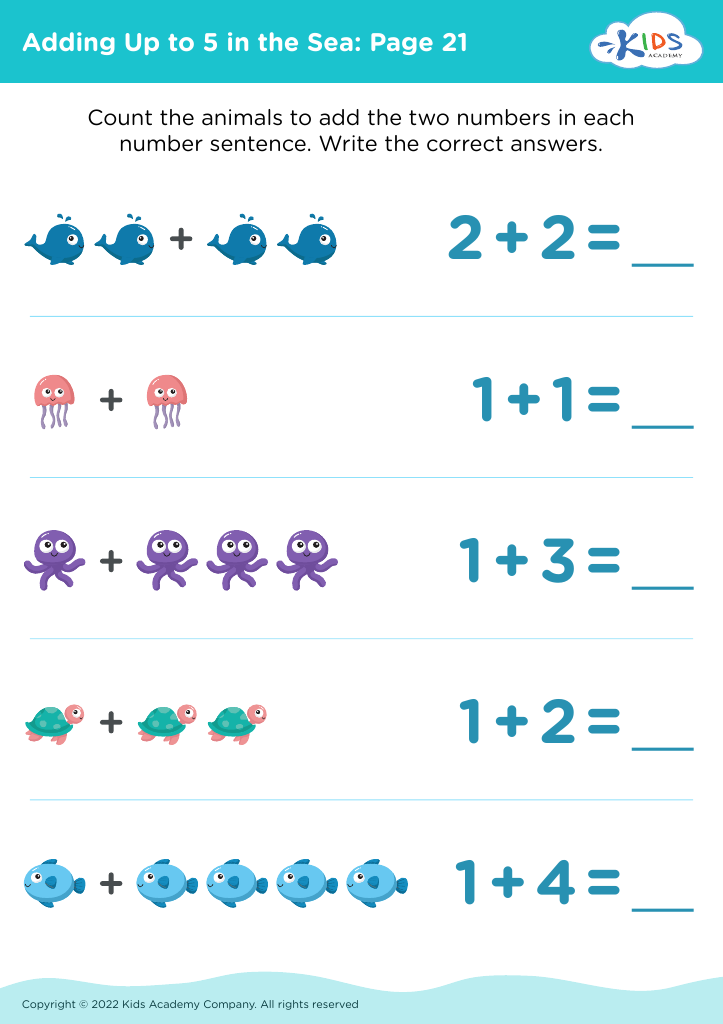
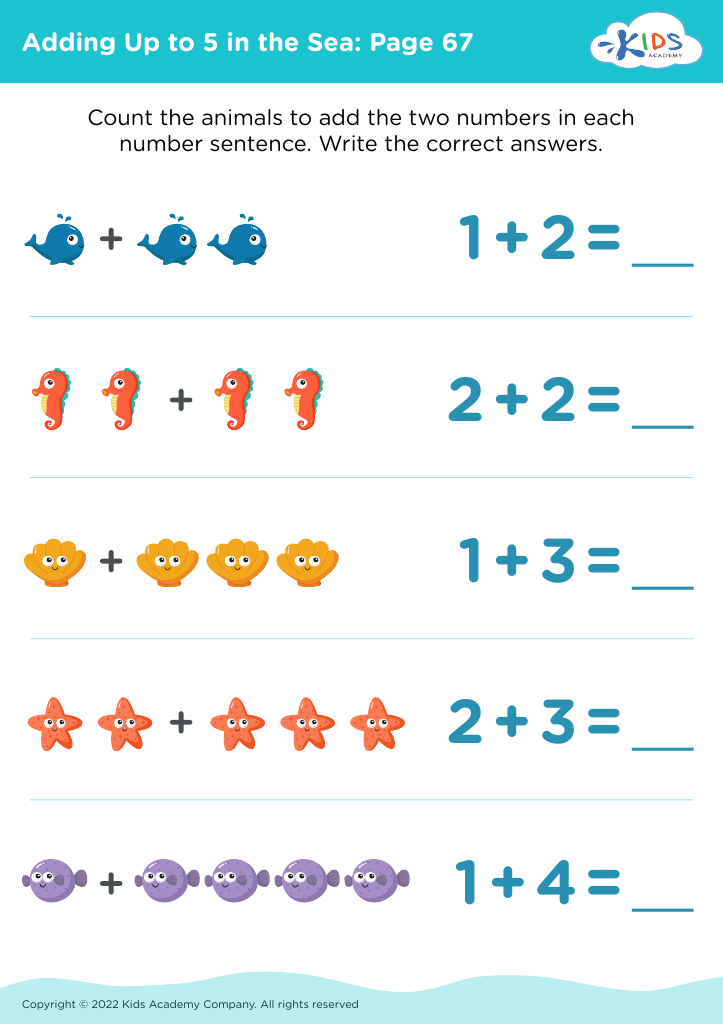
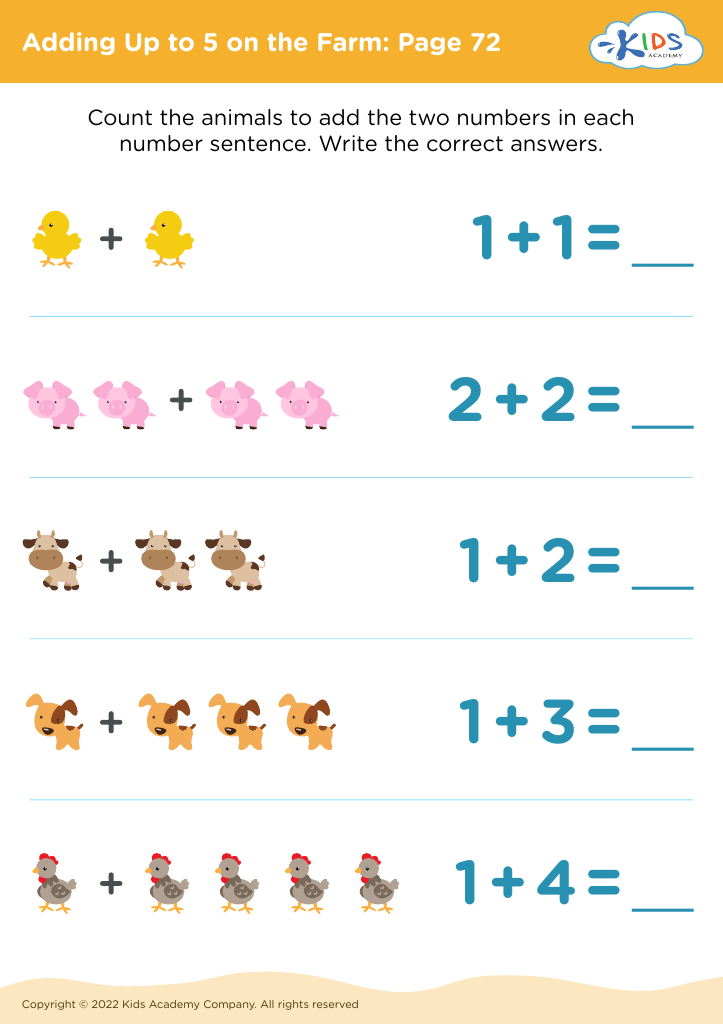
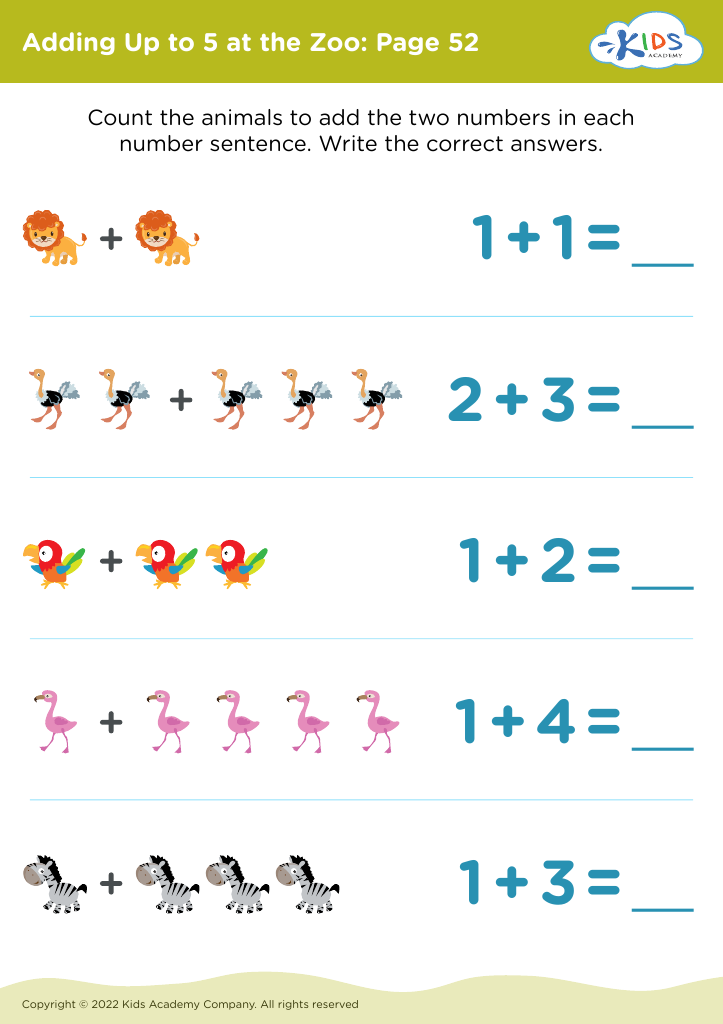
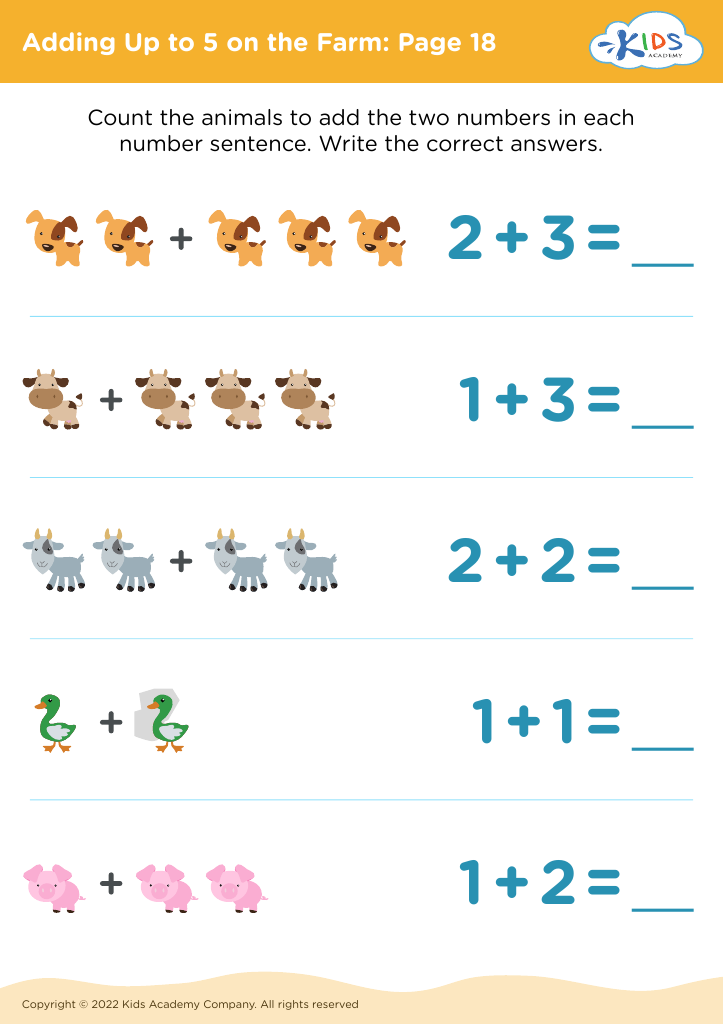
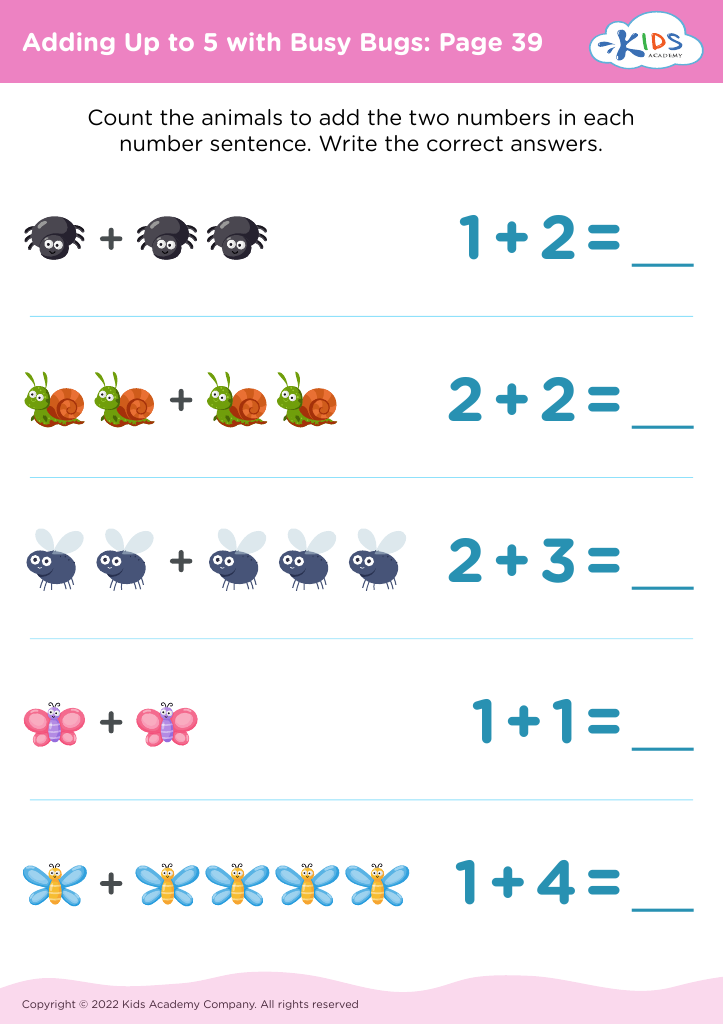
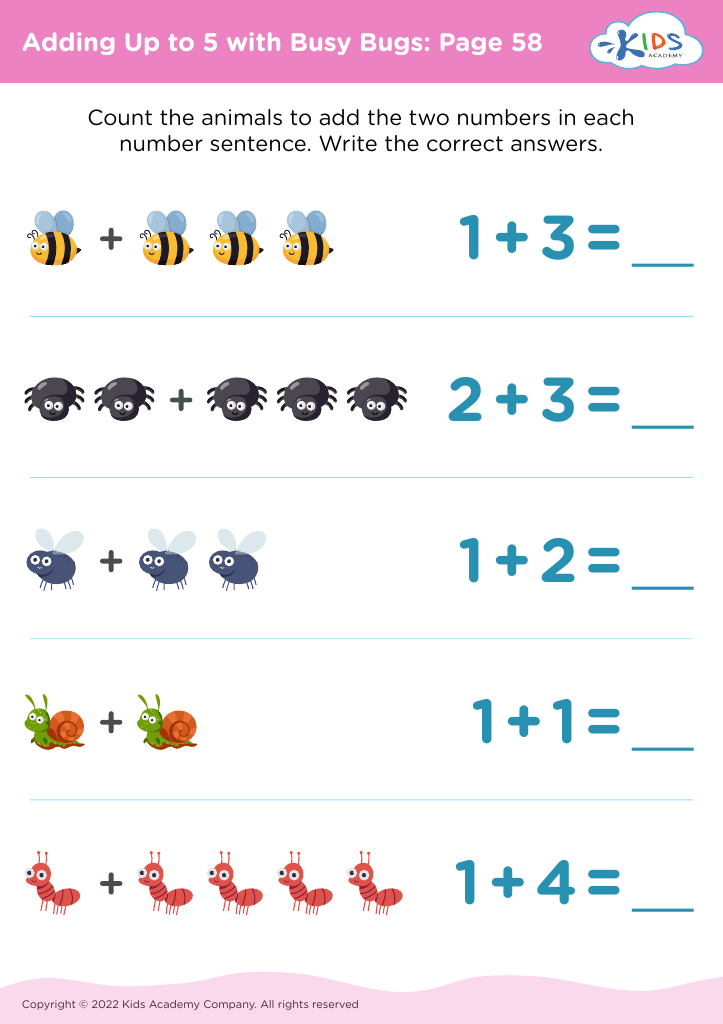
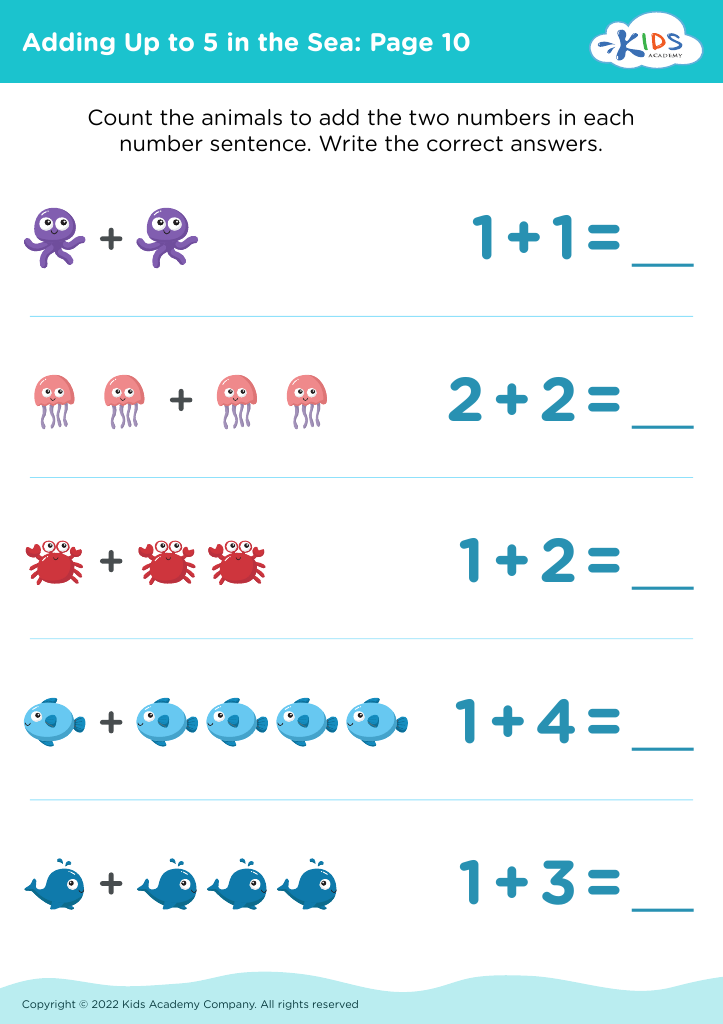
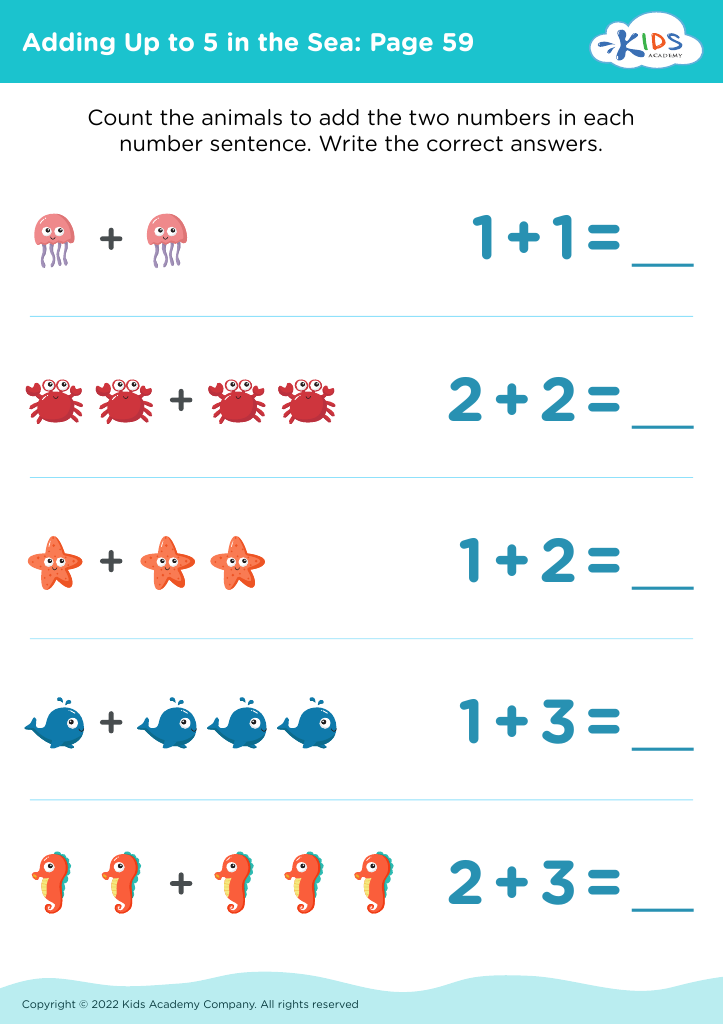
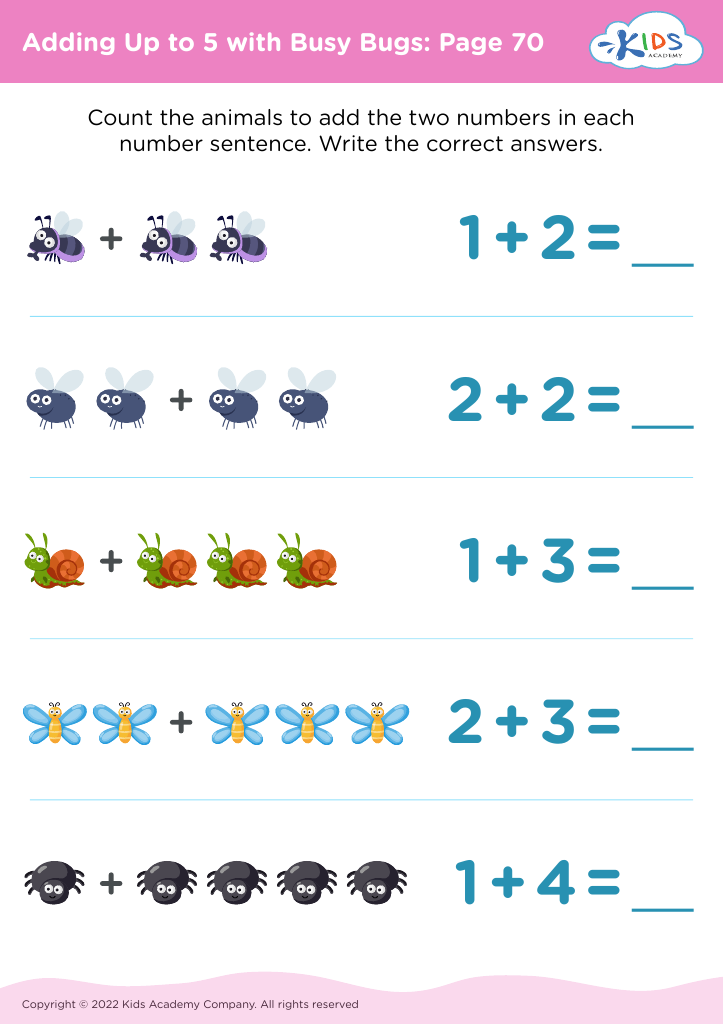
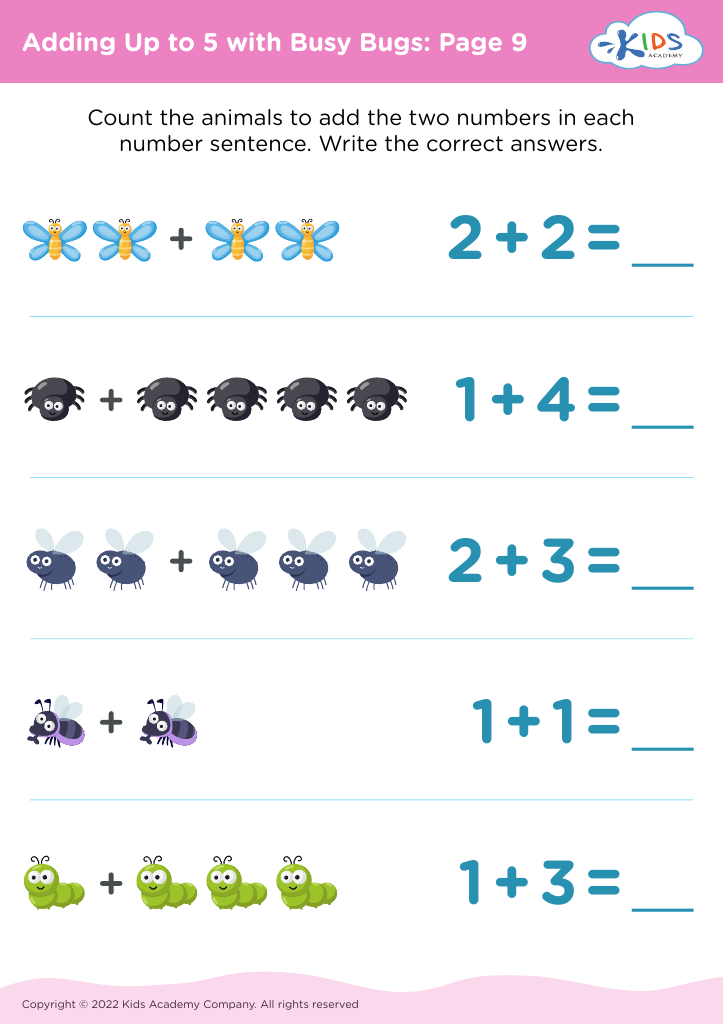
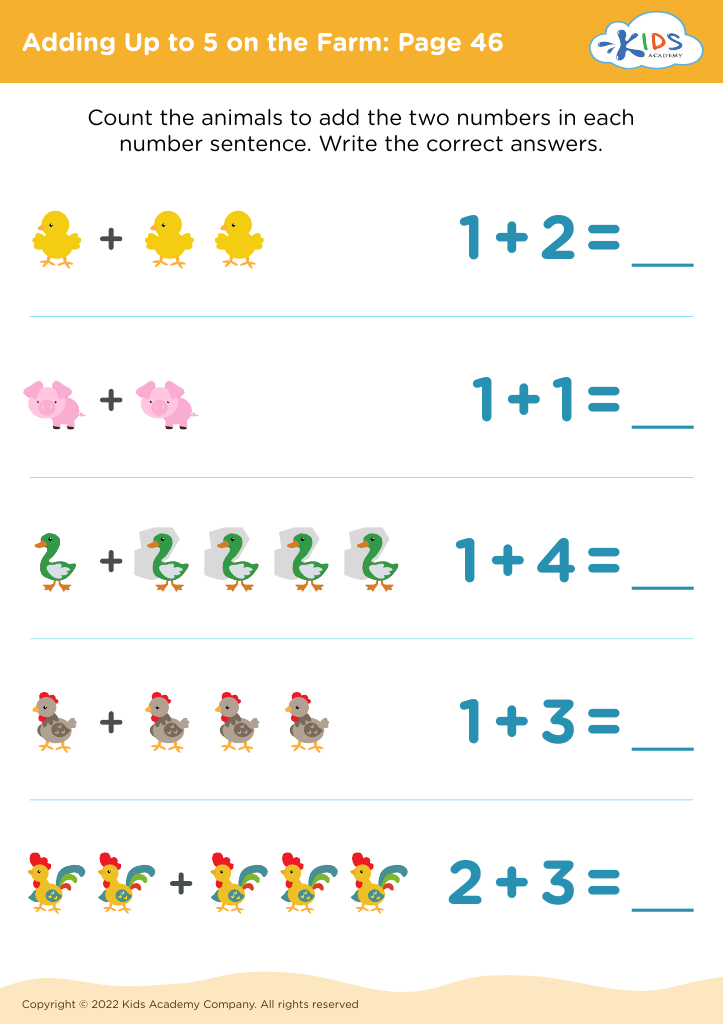








Visual Learning Addition is crucial for children aged 4-9 as it caters to their developmental needs and enhances their understanding of mathematical concepts. At this age, children are typically influenced by visual stimuli. Utilizing visual aids, such as blocks, charts, and illustrations, makes abstract concepts like addition more tangible and engaging.
Parents and teachers should care about this method because it fosters a deeper understanding of numbers and relationships. Visual learning encourages children to visualize problems, which translates to better problem-solving skills and critical thinking. It also boosts confidence, as children can physically manipulate objects to see the results of their calculations, making math feel less intimidating.
Moreover, incorporating visual elements can accommodate different learning styles. Some children learn better by seeing and doing rather than just listening or reading. This approach also aligns with the growing emphasis on STEM education, preparing children for future academics in science, technology, engineering, and mathematics.
Finally, visual learning supports retention; children remember concepts better when they can connect them to visual cues. By investing in this approach, parents and teachers equip children with essential skills for both academic success and everyday problem-solving.








