Understanding skip-counting Counting Worksheets for Ages 4-9
3 filtered results
-
From - To
Skip-counting is a vital mathematical skill for young learners, aged 4-9. At Kids Academy, our skip-counting worksheets help children master the art of counting by intervals, laying a strong foundation for addition, multiplication, and problem-solving. Interactive and engaging, these printables foster an in-depth understanding through fun activities and illustrations. Children will learn to count by 2s, 5s, and 10s, making arithmetic enjoyable and intuitive. Our resources cater to preschoolers and early elementary students, ensuring each child progresses at their own pace. Enhance your child's mathematical journey with our expertly designed skip-counting worksheets!
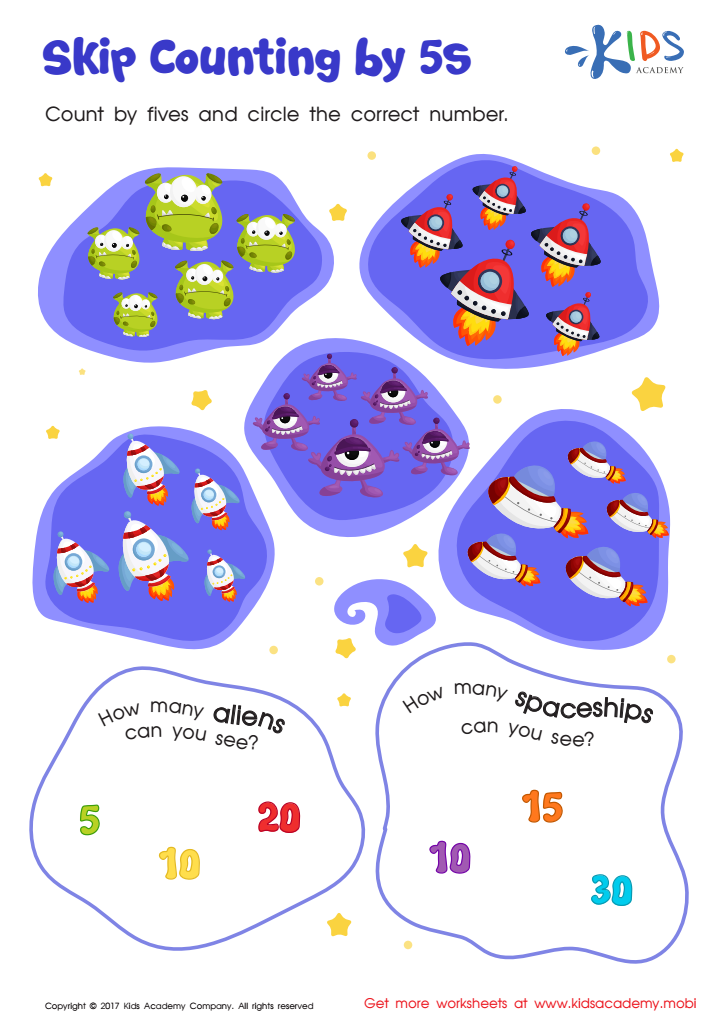
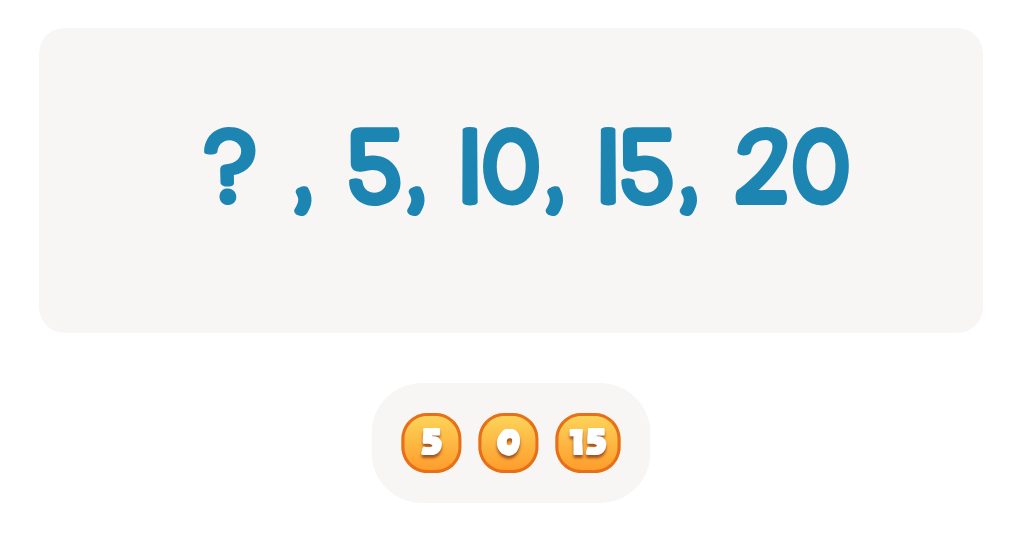
Skip Counting by 5s: Aliens and Spaceships Printable
 Assign to My Students


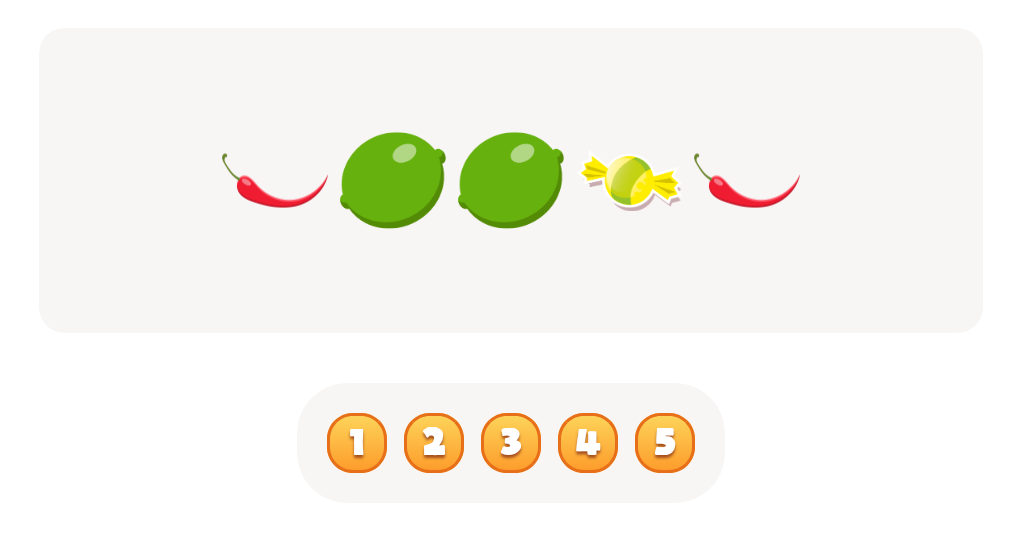
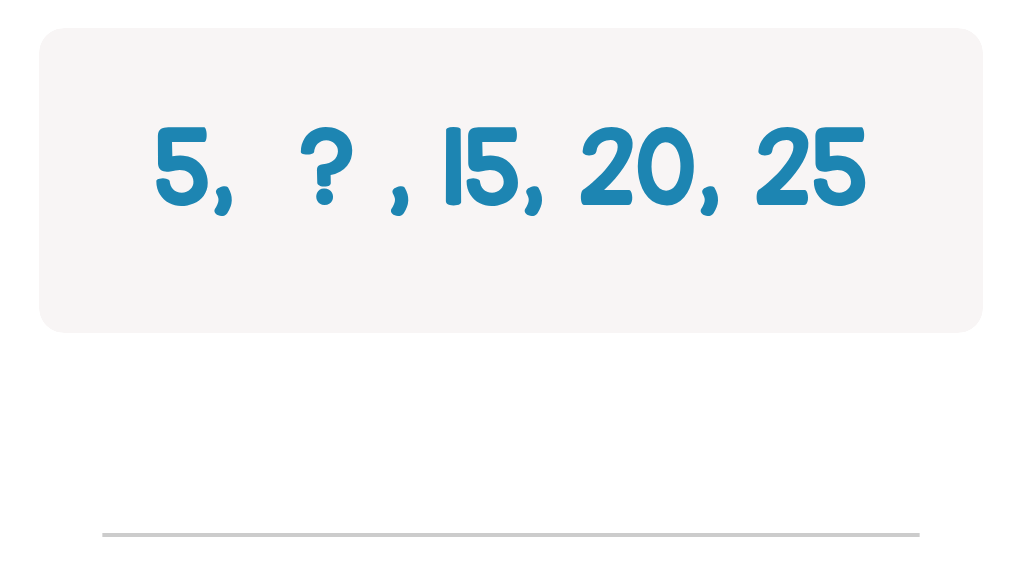
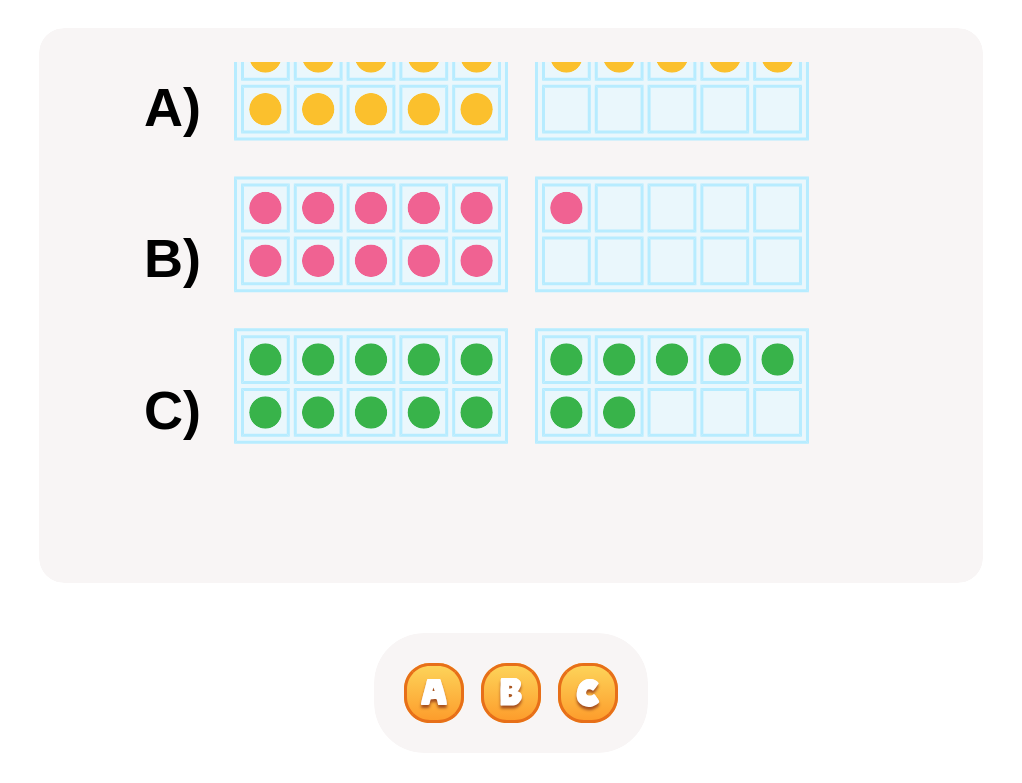
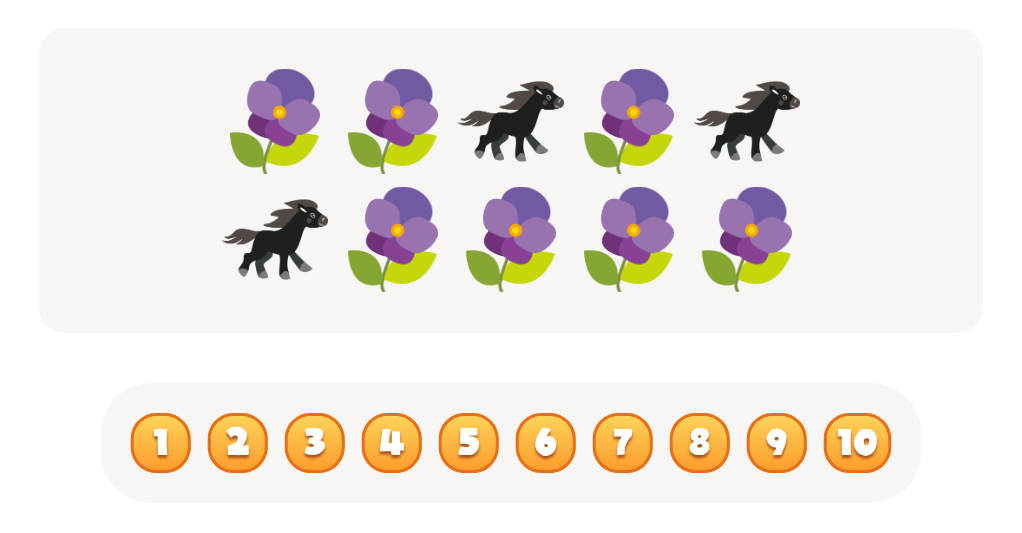
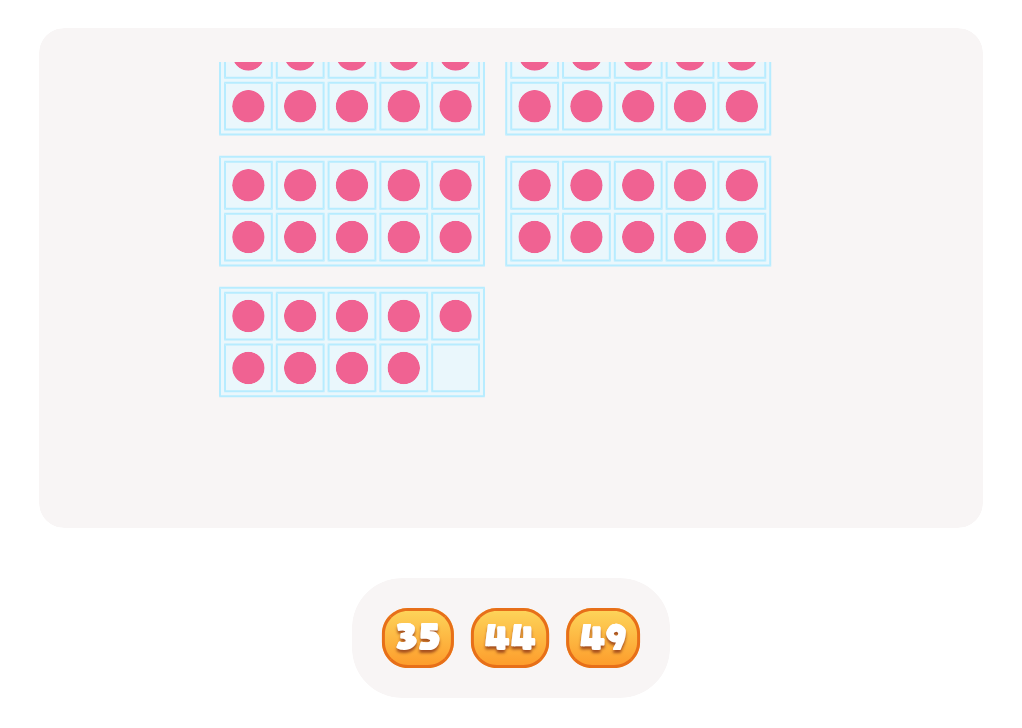
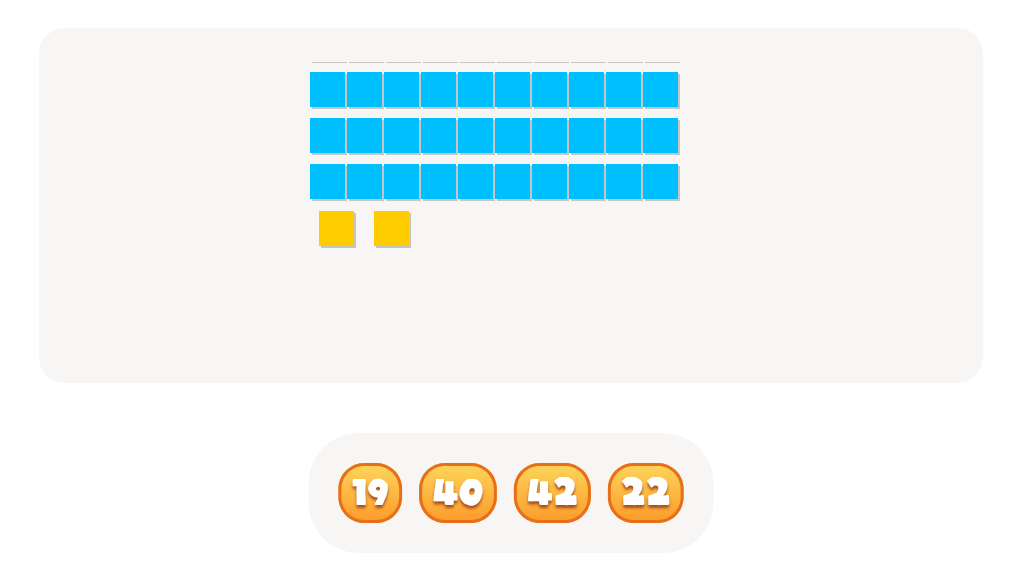
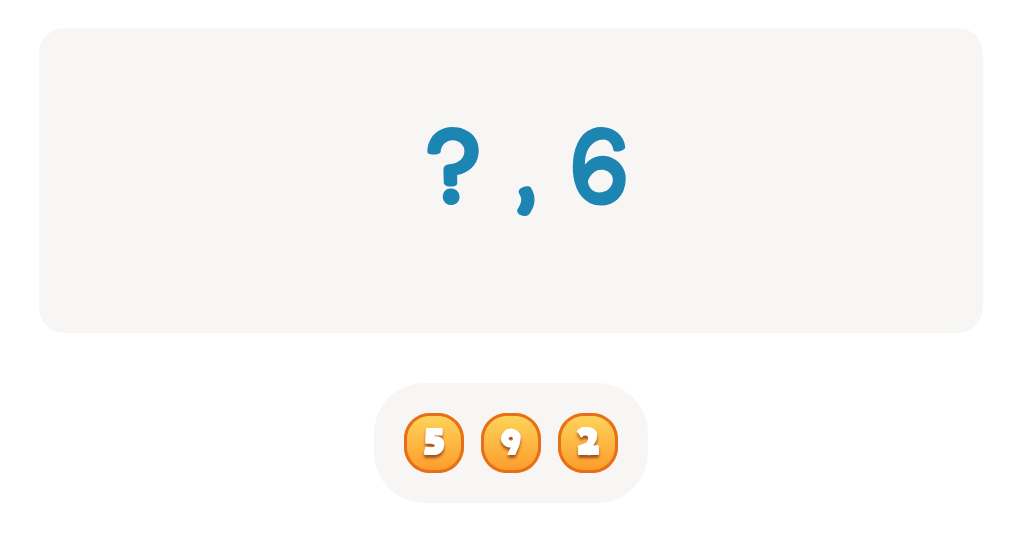
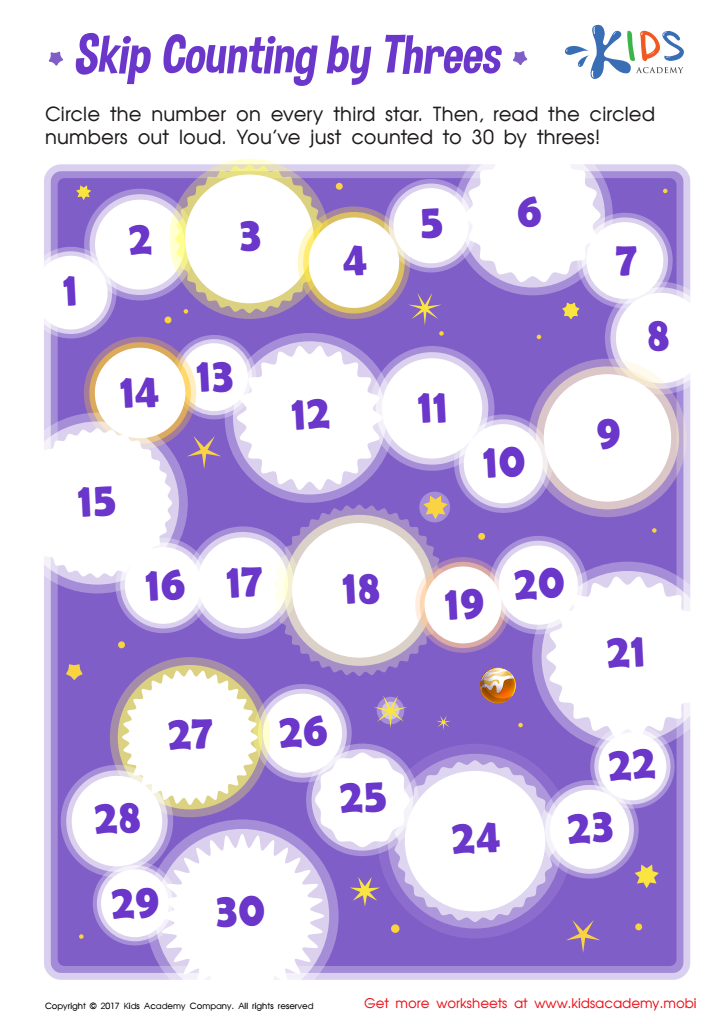
Skip Counting By Three Printable
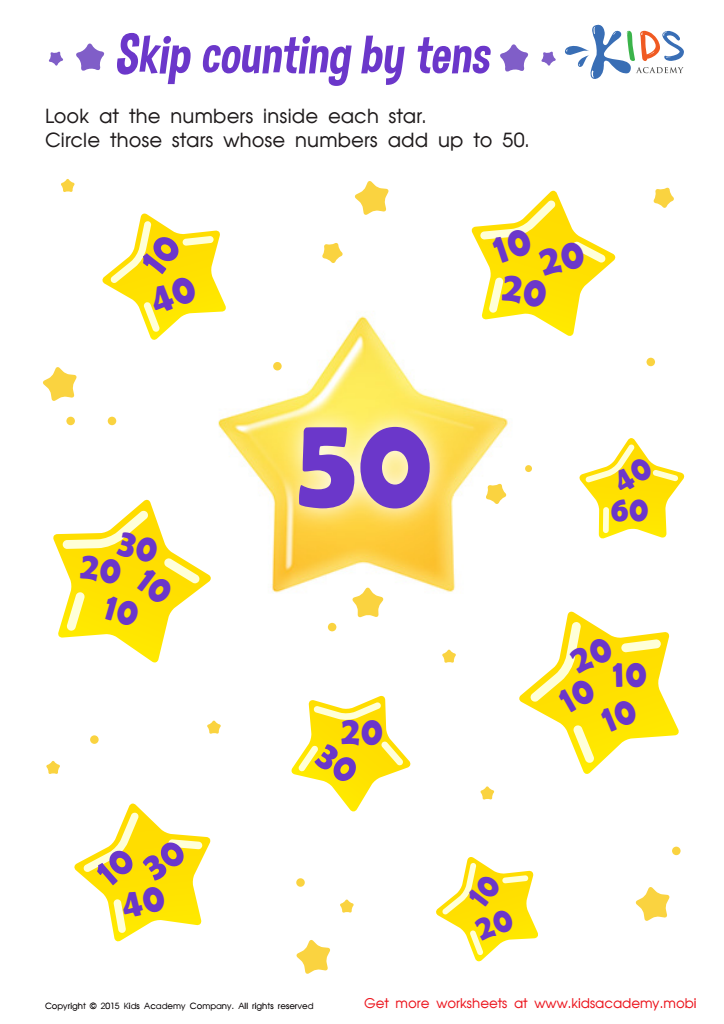
Learn Dozens: Skip Counting by Tens Printable







Skip-counting, or counting by a number other than one (such as by 2s, 5s, or 10s), is a fundamental concept that parents and teachers of children aged 4-9 should prioritize. It serves as a stepping stone to more complex mathematical skills, including addition, subtraction, multiplication, and division.
First, skip-counting helps children recognize patterns, enhancing their number sense—an essential foundation for mathematics. By identifying and predicting numerical sequences, children build cognitive skills that are vital for future problem-solving and logical thinking.
Further, skip-counting lays the groundwork for multiplication. For example, counting by 2s or 5s introduces children to the concept of groups and repeated addition, which are core to understanding multiplication. This makes the transition to learning times tables much smoother.
Skip-counting also aids in the development of mental arithmetic skills. It allows children to quickly figure out total numbers of objects without having to count each individually, fostering quicker and more efficient calculation methods.
Moreover, understanding skip-counting can enhance a child's confidence in math. Success in these smaller tasks often leads to greater enthusiasm and readiness to tackle more complicated concepts down the line.
In sum, skip-counting is not only a practical skill but a critical cornerstone that supports broader mathematical learning and cognitive development. Providing children aged 4-9 with a strong foundation in skip-counting is an investment in their future academic success.








