Fine Motor Skills Geometry Worksheets for Ages 4-9 - Page 2
29 filtered results
-
From - To
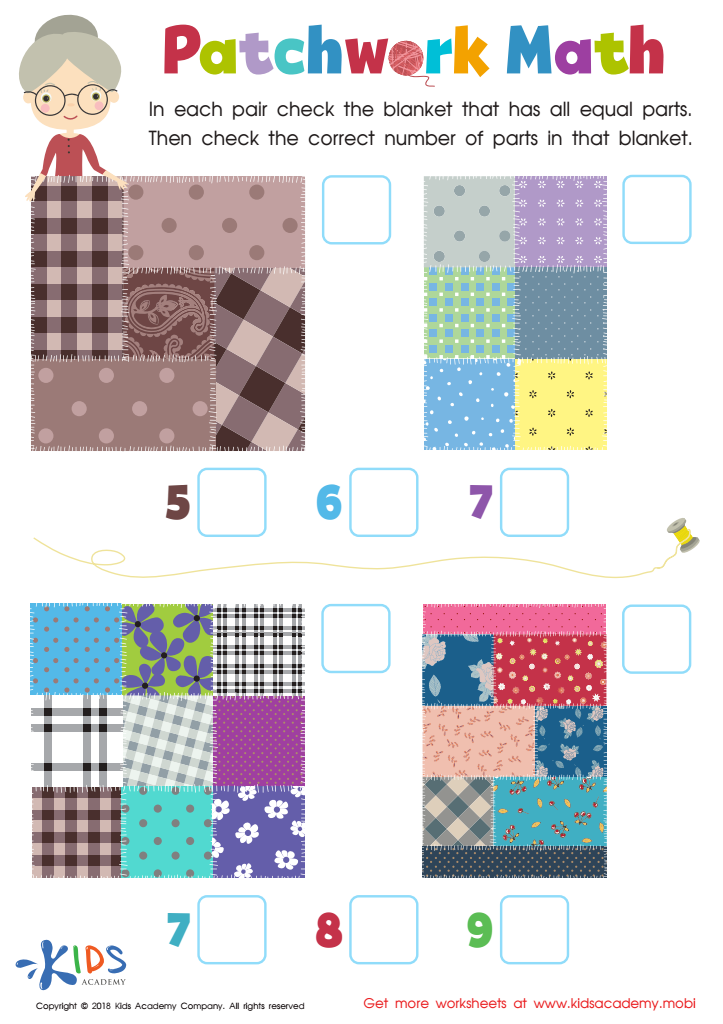
Patchwork Math Worksheet
 Assign to My Students











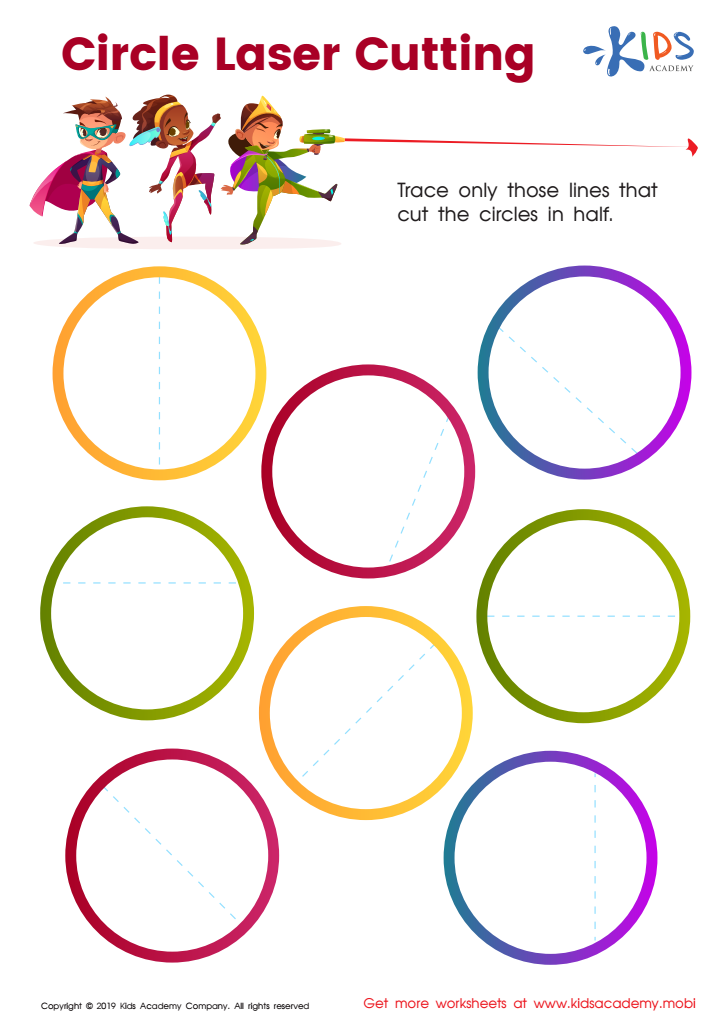
Circle Laser Cutting Worksheet
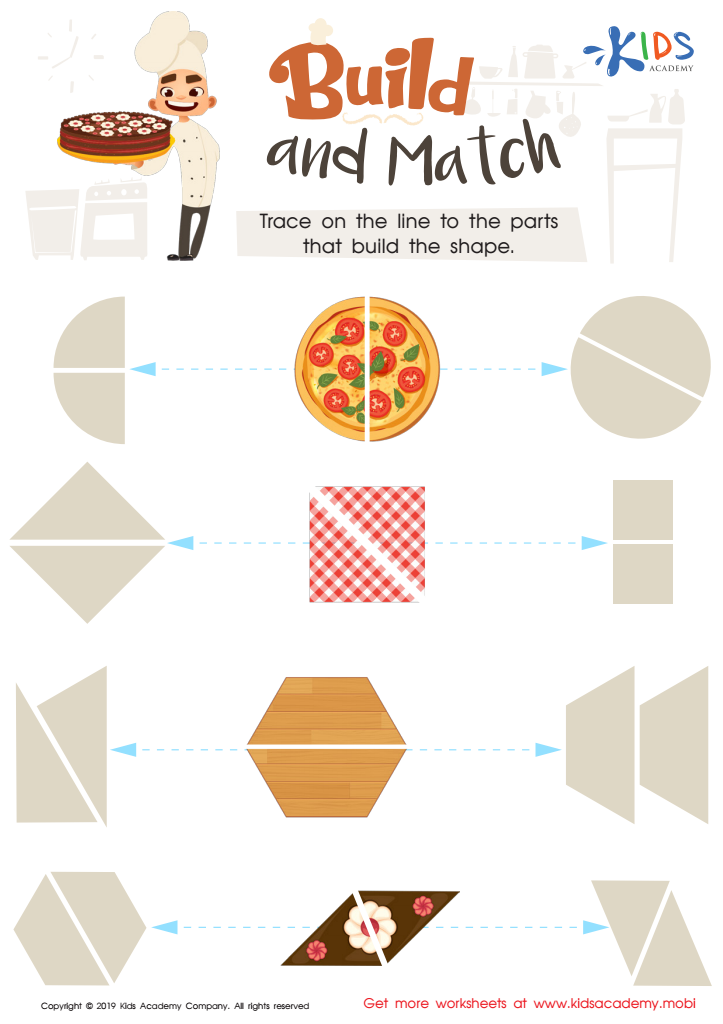
Build and Match Worksheet
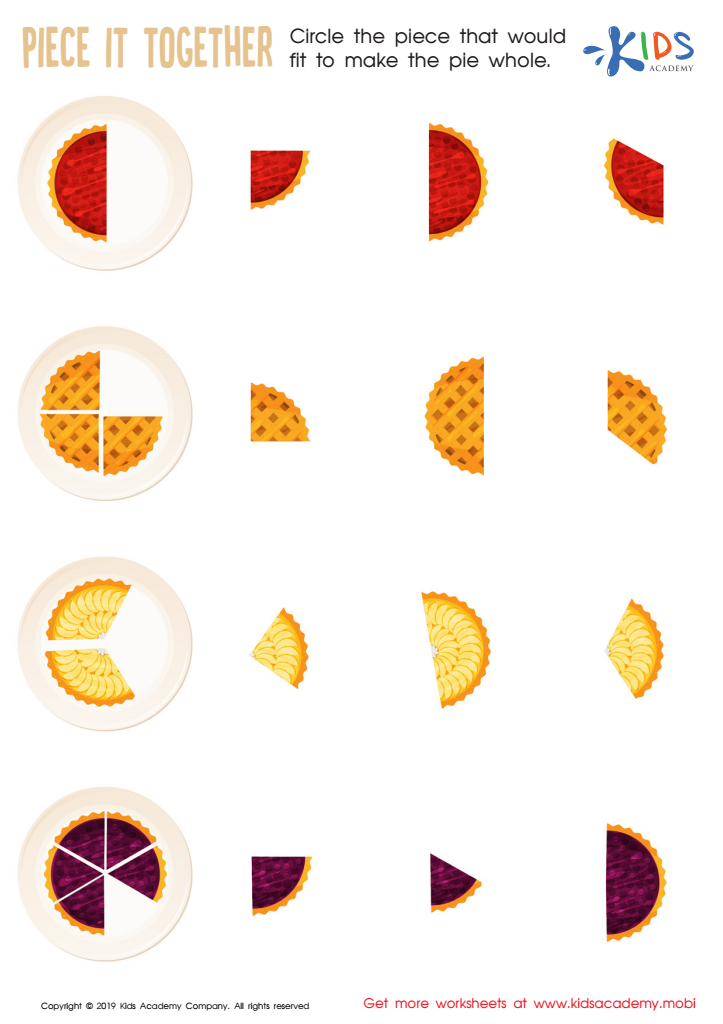
Piece it together Worksheet
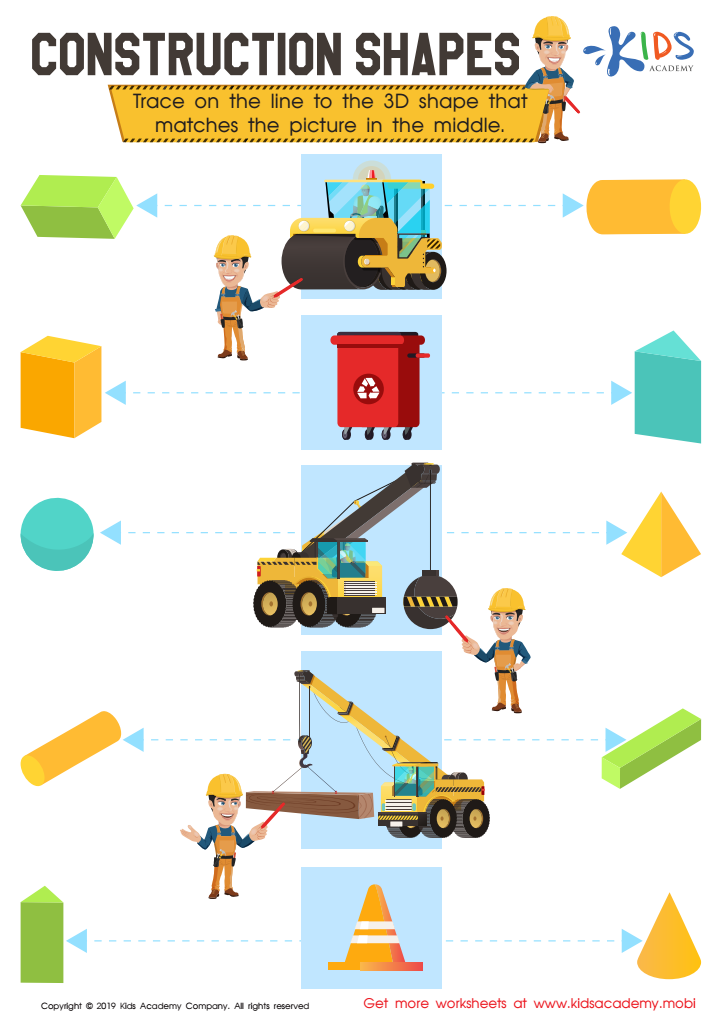
Construction Shapes Worksheet








Fine motor skills are essential for young children's overall development, particularly in the ages of 4 to 9, when they are preparing for more complex tasks in school and daily life. Focusing on fine motor skills through activities that involve geometry aids in enhancing hand-eye coordination, dexterity, and spatial awareness. These skills are foundational for a range of tasks, from writing and drawing to safely using scissors and engaging in arts and crafts.
Additionally, integrating geometry into fine motor activities provides opportunities for children to explore shapes, patterns, and measurements, crucial aspects of early math education. When children manipulate geometric shapes through puzzles, building blocks, or tracing, they not only refine their fine motor abilities but also cultivate critical thinking, problem-solving, and creativity.
Further, parents and teachers play a vital role in supporting these skills by encouraging activities that stimulate both fine motor development and geometrical understanding. This multi-faceted approach equips children with the confidence and abilities necessary for academic success and everyday tasks. By fostering fine motor skills through geometry, parents and educators can lay a strong foundation for children's learning, independence, and future opportunities in various subjects and life skills.








