Basic Counting Numbers Worksheets for Ages 4-9
3 filtered results
-
From - To
Welcome to our Basic Counting Numbers Worksheets for Ages 4-9! Designed to make learning fun, our printable worksheets help young learners master counting skills in an engaging way. With vibrant graphics and interactive activities, these worksheets cover essential counting concepts that are perfect for preschoolers and early elementary students. From counting objects to number recognition, our resources cater to diverse learning styles. Parents and educators will find easy-to-use materials that can be used at home or in the classroom. Support your child’s math development today with our exciting counting worksheets, encouraging confidence and a love for numbers!
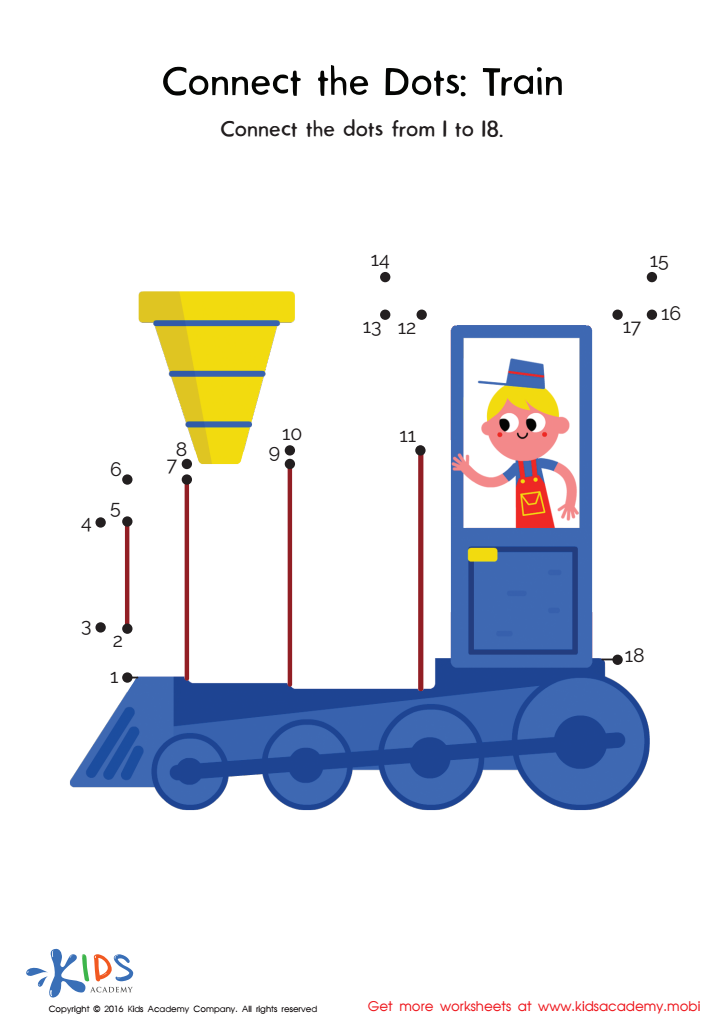
 Assign to My Students
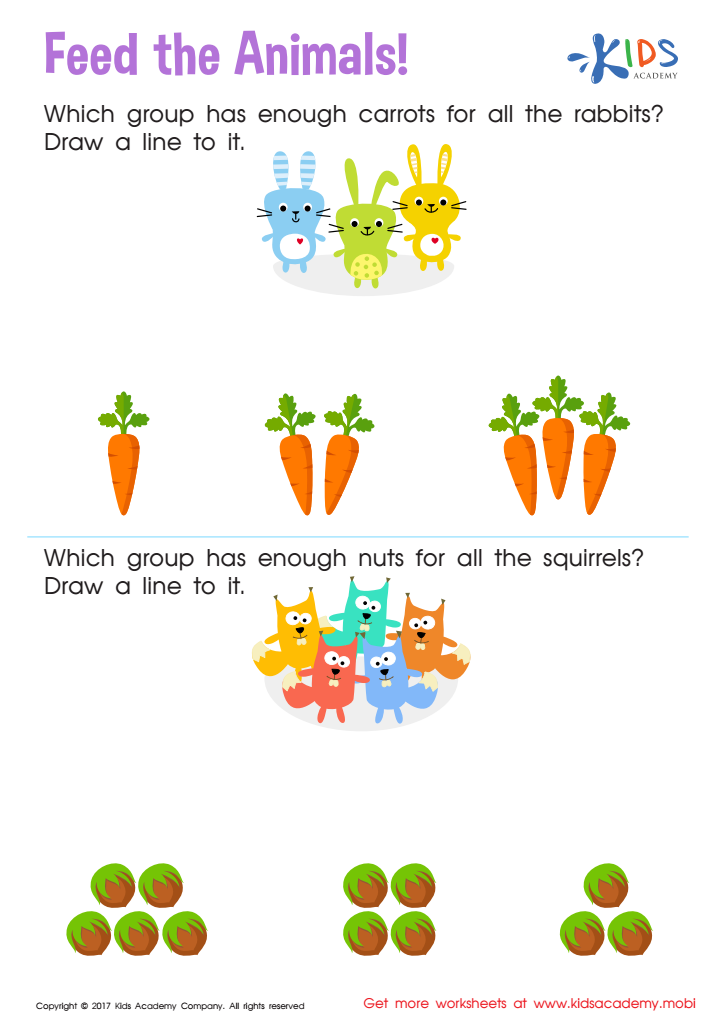
Count and Match: Feed the Animals Worksheet
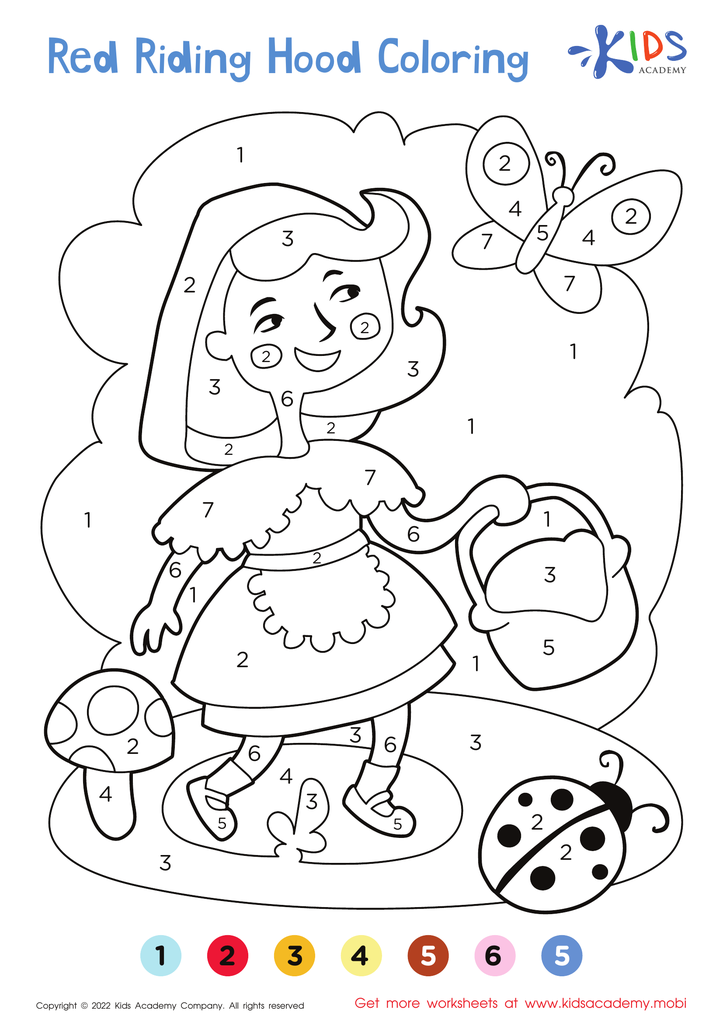
Little Red Riding Hood – Coloring by Numbers







Understanding basic counting numbers forms the foundation of a child's mathematical development and overall cognitive skills. For children aged 4-9, learning to count is crucial not only for mathematics but also for developing problem-solving abilities and critical thinking. Parents and teachers should prioritize this learning because counting helps children make sense of the world around them, encouraging them to quantify their experiences and understand concepts such as size, quantity, and order.
Mastering counting numbers boosts children's confidence in their abilities, allowing them to relate to mathematical concepts more easily in later grades. Early counting experiences can significantly influence a child's attitude towards math; positive associations can foster a lifelong love for the subject. Additionally, counting interacts with other disciplines, like science and literacy, enriching a child's educational experience.
Furthermore, the early stages of counting lay the groundwork for more complex mathematical concepts such as addition, subtraction, and place value. Supporting children in this formative stage helps prepare them for academic success and crossover skills needed in various aspects of life. Therefore, parents and teachers play a crucial role in making counting engaging, relevant, and fun, ultimately ensuring a solid educational foundation for young learners.








