Fruit identification Numbers Worksheets for Ages 4-9
4 filtered results
-
From - To
Discover a fun and educational way to engage your little ones with our "Fruit Identification Numbers Worksheets" designed for ages 4-9! These interactive worksheets help children recognize, identify, and associate numbers with various fruits, enhancing their number skills while learning about healthy foods. With vibrant illustrations and age-appropriate activities, kids will enjoy sorting, counting, and matching fruits to their corresponding numbers. Perfect for classroom use or at-home learning, these worksheets promote essential math skills through playful exploration. Download now to inspire your child's curiosity and creativity while laying the foundation for numeracy skills in a delightful, fruit-filled adventure!
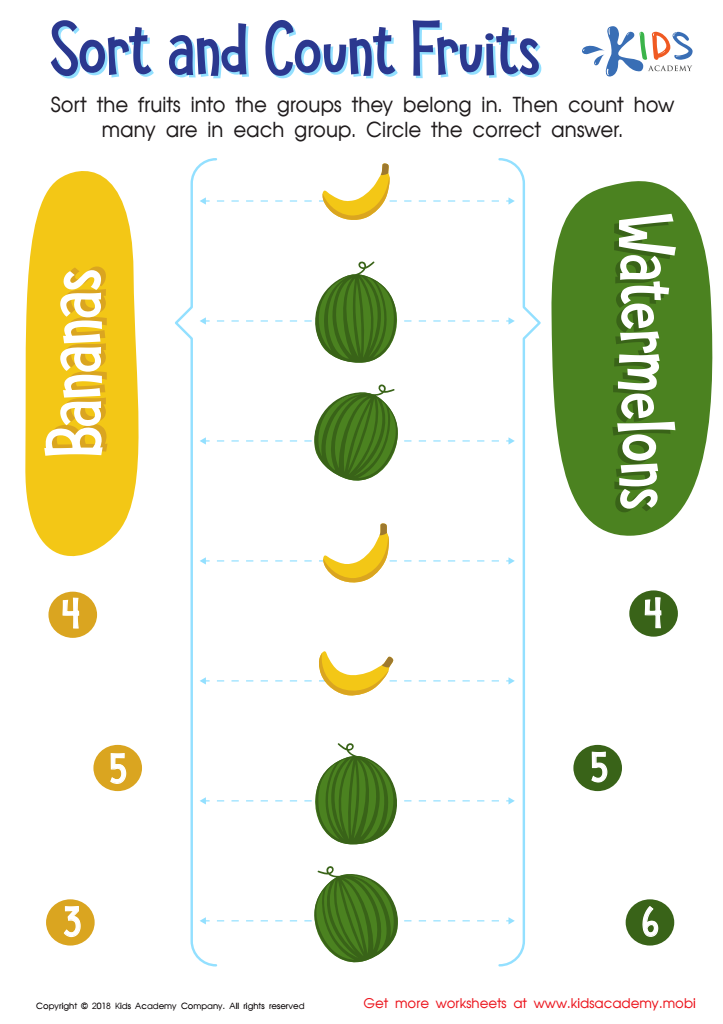
Sort and Count Fruits Worksheet
 Assign to My Students
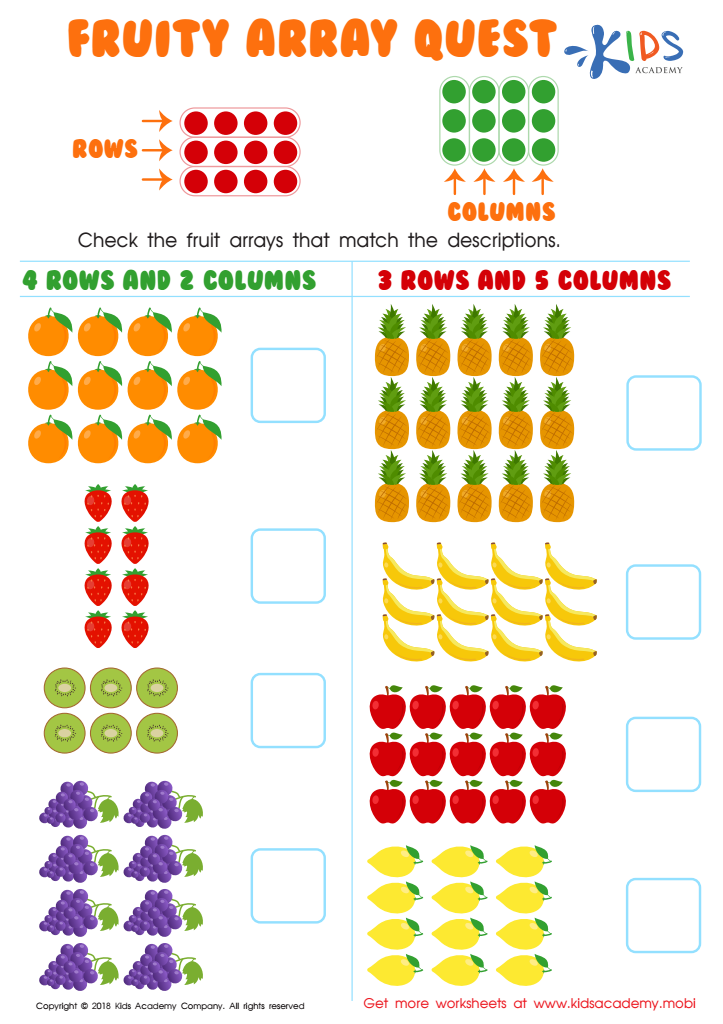
Fruity Array Quest Worksheet
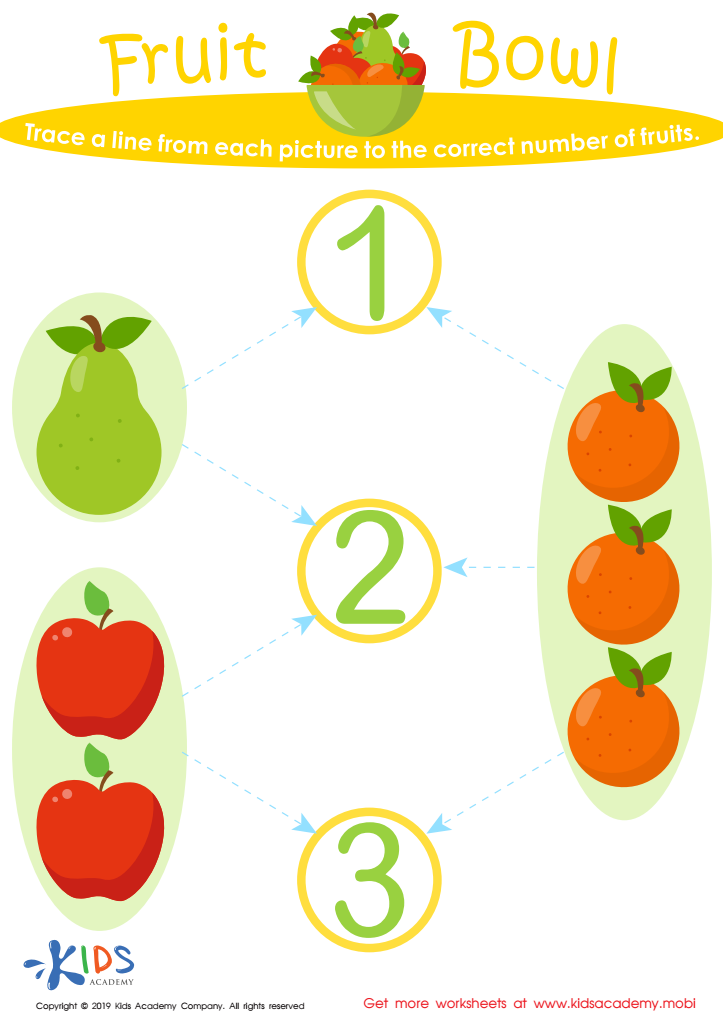
Fruit Bowl Worksheet
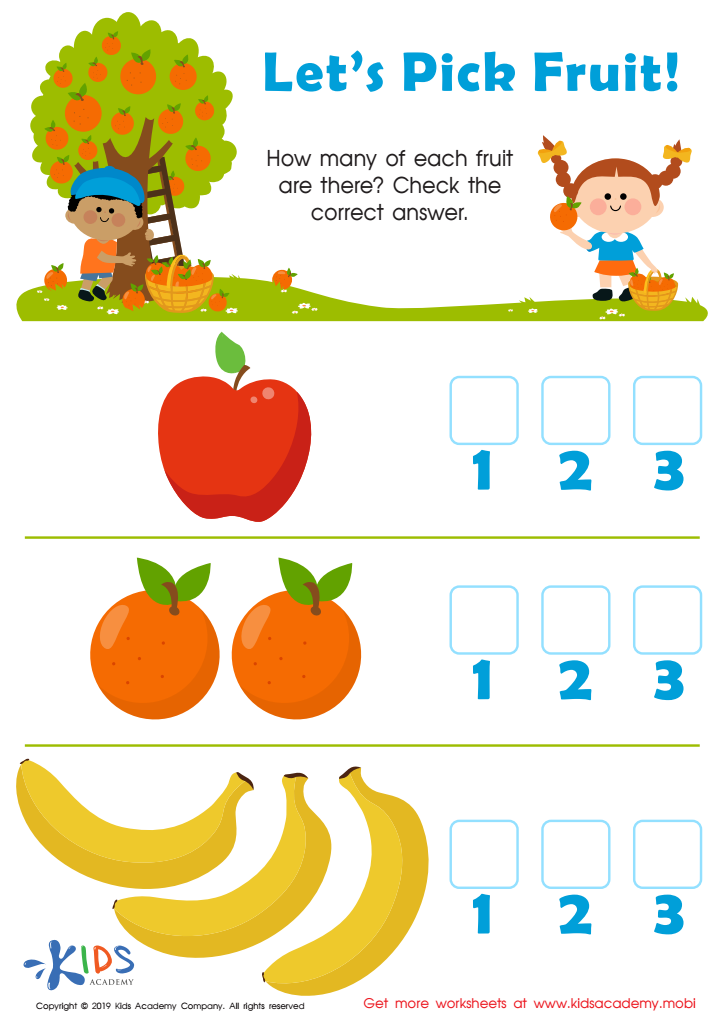
Let's Pick Fruit Worksheet



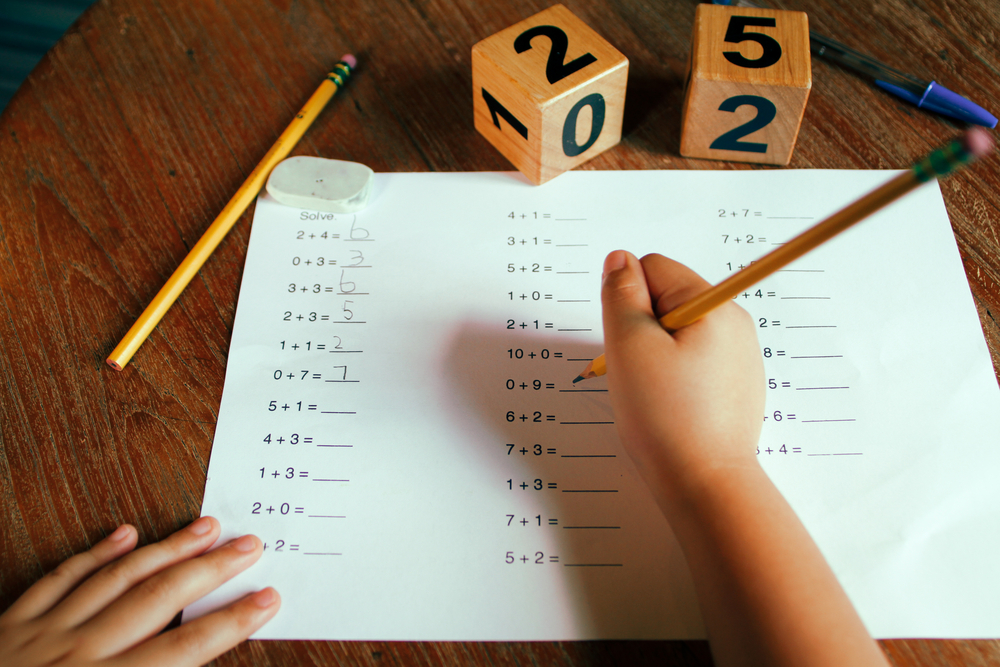




Fruit Identification Numbers (FINs) can play an important role in early education for children ages 4-9. Understanding these numbers helps facilitate healthy eating habits and fosters curiosity about food among young learners. For parents and teachers, promoting awareness of FINs can help children make informed food choices, encouraging them to select fruits over sugary snacks and processed foods.
Sharing information about FINs provides an opportunity for engaging lessons in nutrition, science, and even math as children can explore fruit characteristics and varying identification numbers. This hands-on approach allows children to make connections between food, health, and their daily lives. In this age group, children are naturally curious, eager to explore the world around them; incorporating FINs into their learning fosters a deeper understanding of food sources and ecological impact.
Moreover, involving children in identifying fruits using these numbers nurtures observational skills and increases their enjoyment of fruits. When young consumers connect with food at an early age, research shows positive patterns in lifelong eating behaviors. Encouraging children to recognize fruits and their importance supports both their physical health and educational development. Thus, parents and teachers should prioritize teaching about FINs as a key part of promoting healthy habits early on.








