Color Identification Math Worksheets for Ages 4-9 - Page 2
46 filtered results
-
From - To
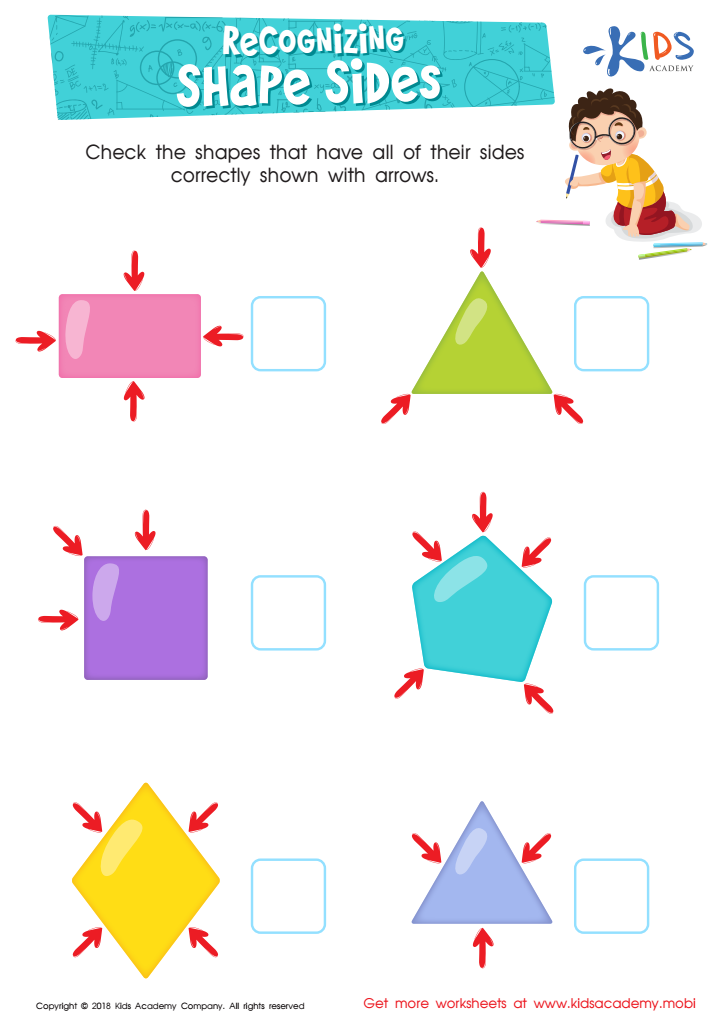
Recognizing Shape Sides Worksheet
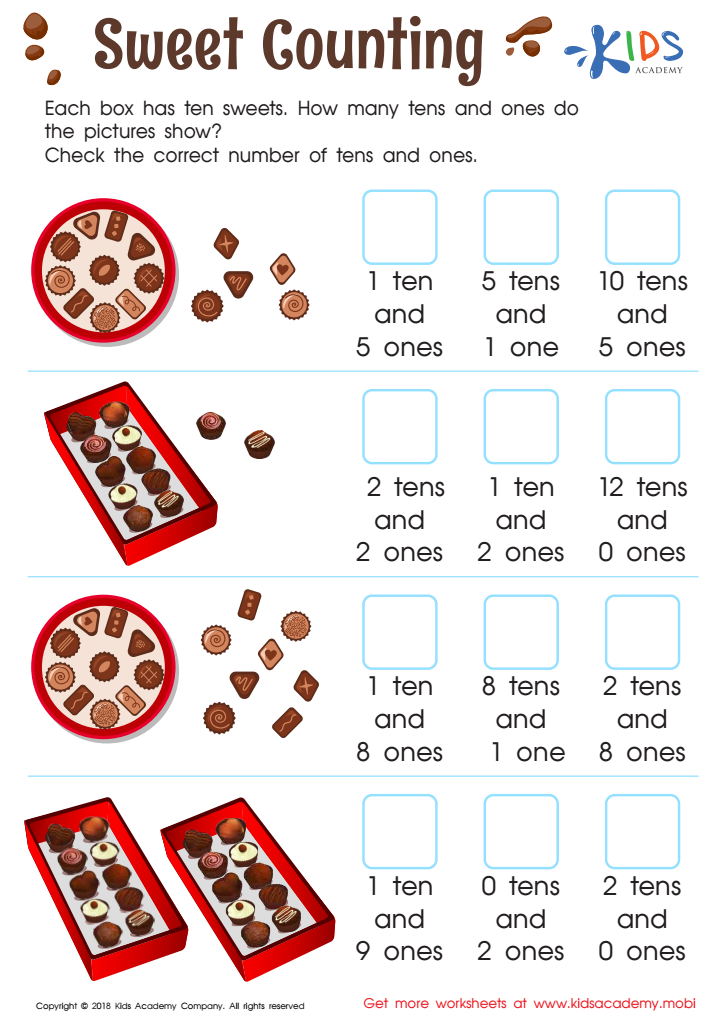
Sweet Counting - Part 2 Worksheet
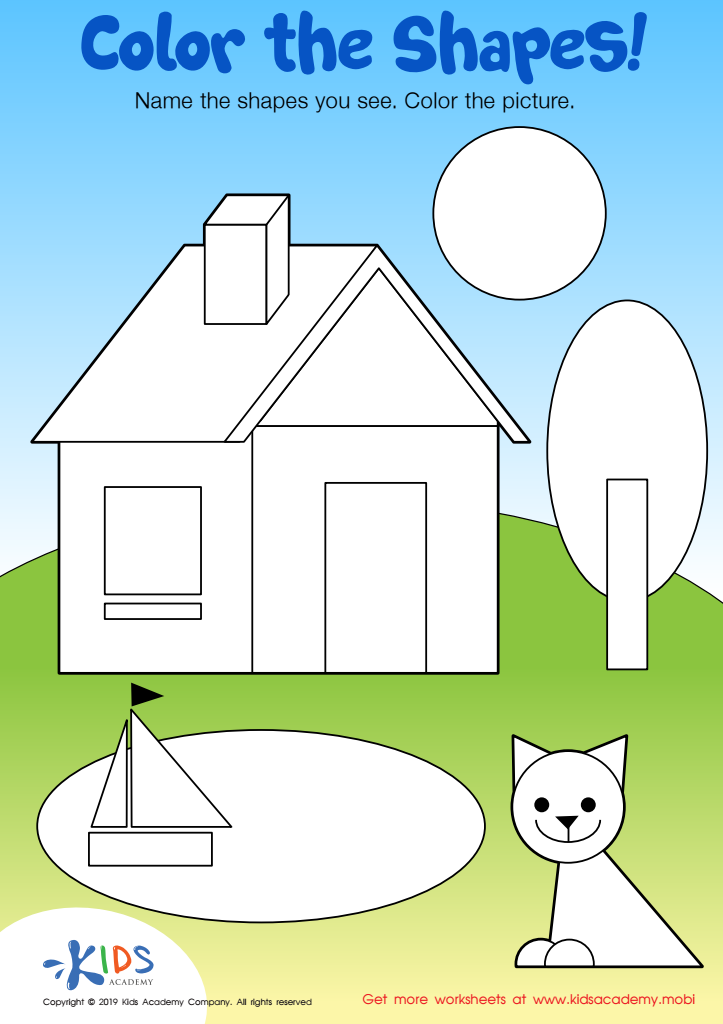
Color the Shapes Worksheet
 Assign to My Students
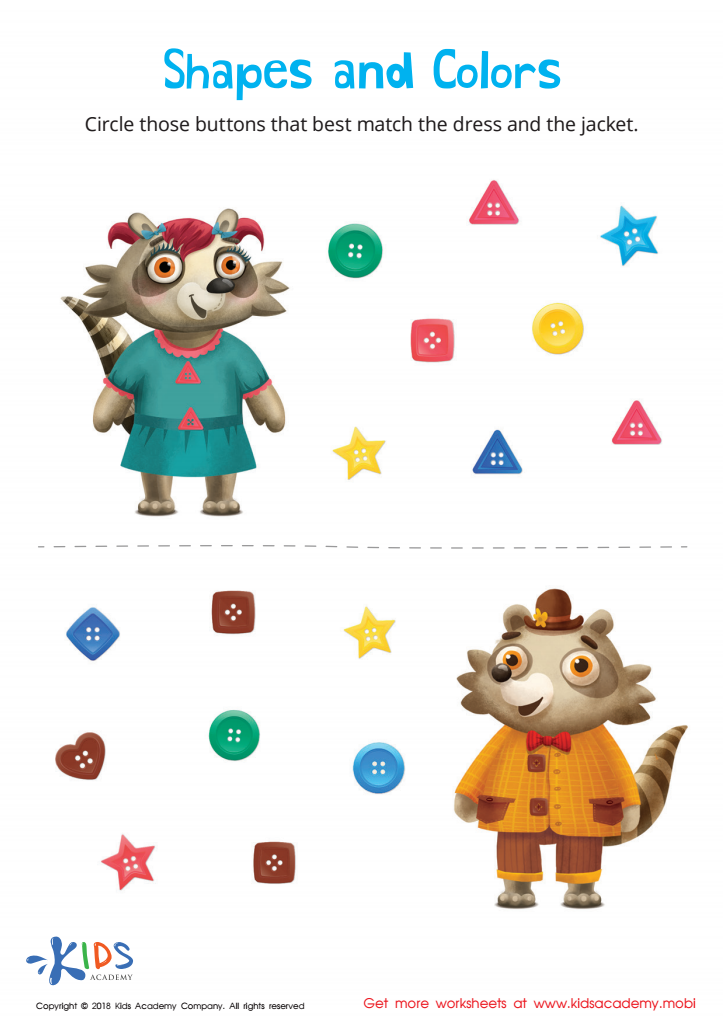
Shapes and Colors Worksheet
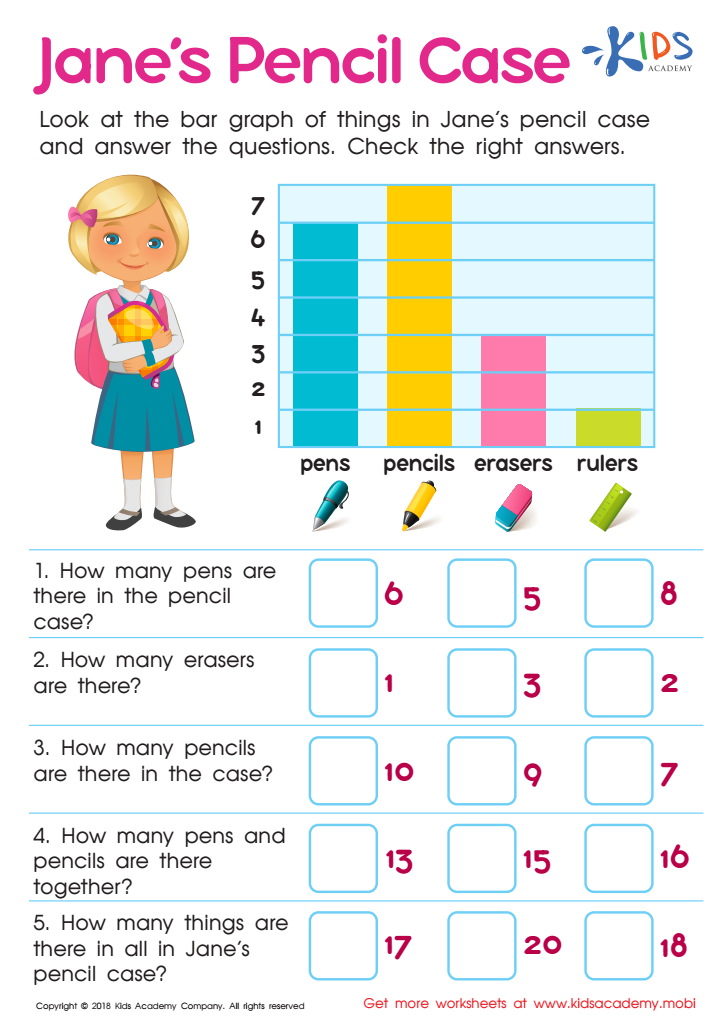
Jane's Pencil Case Worksheet
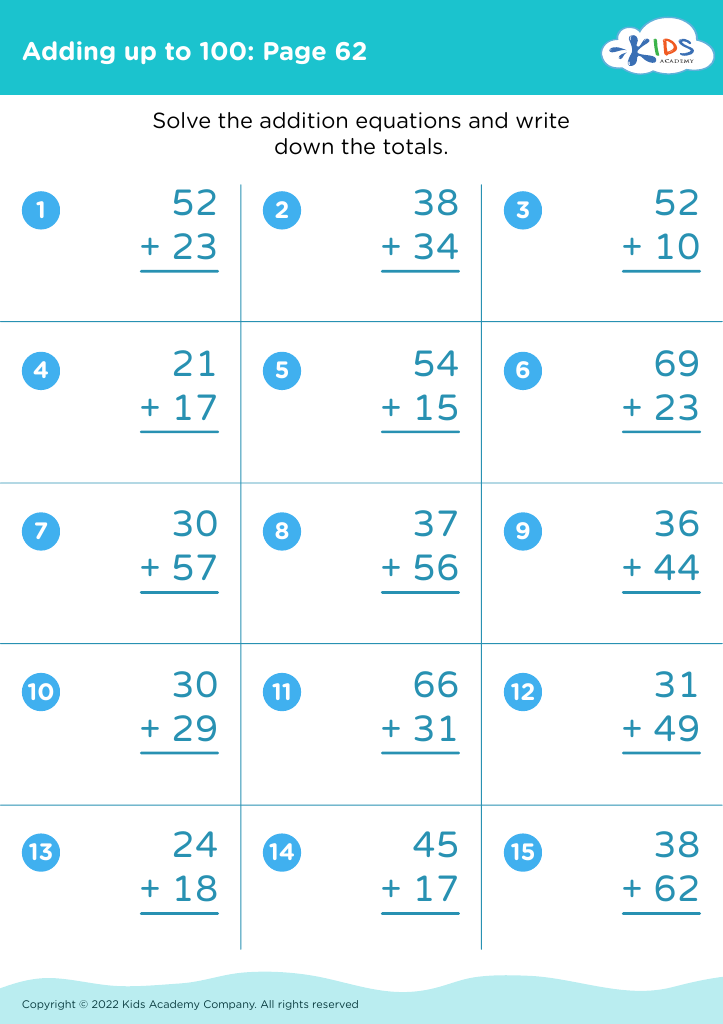
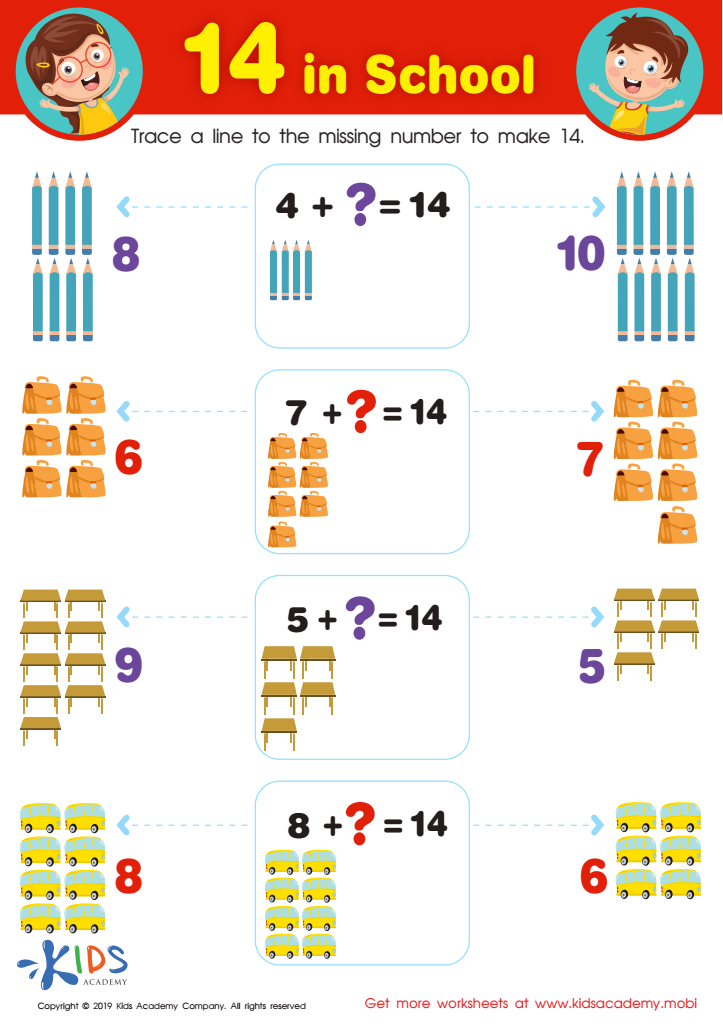
14 in School Worksheet
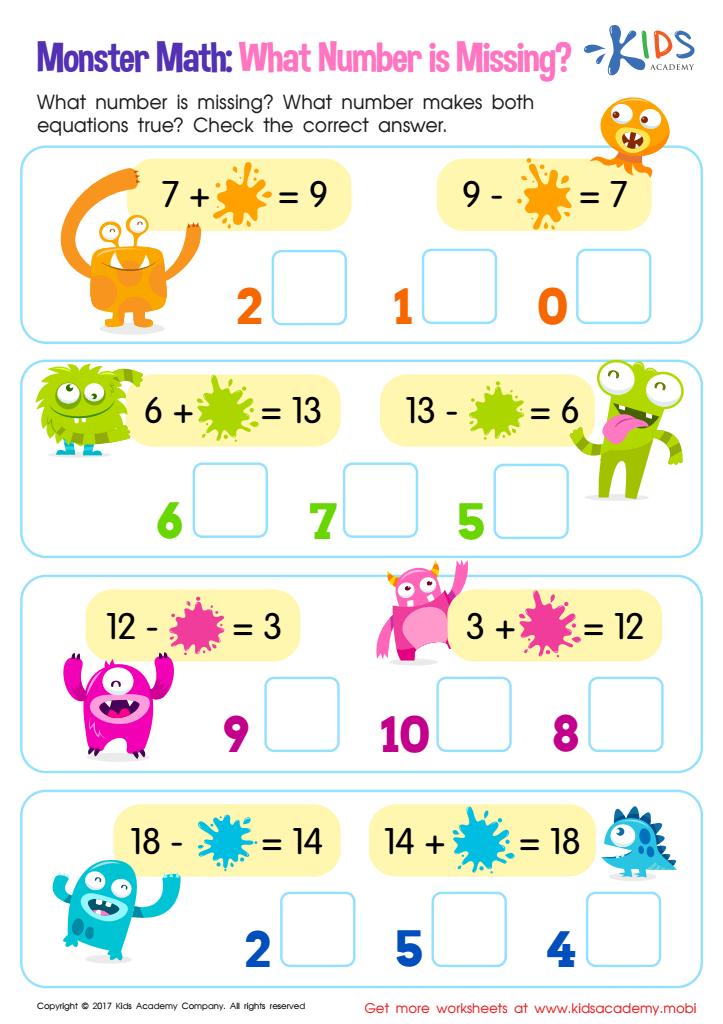
Missing Number: Monster Math Worksheet
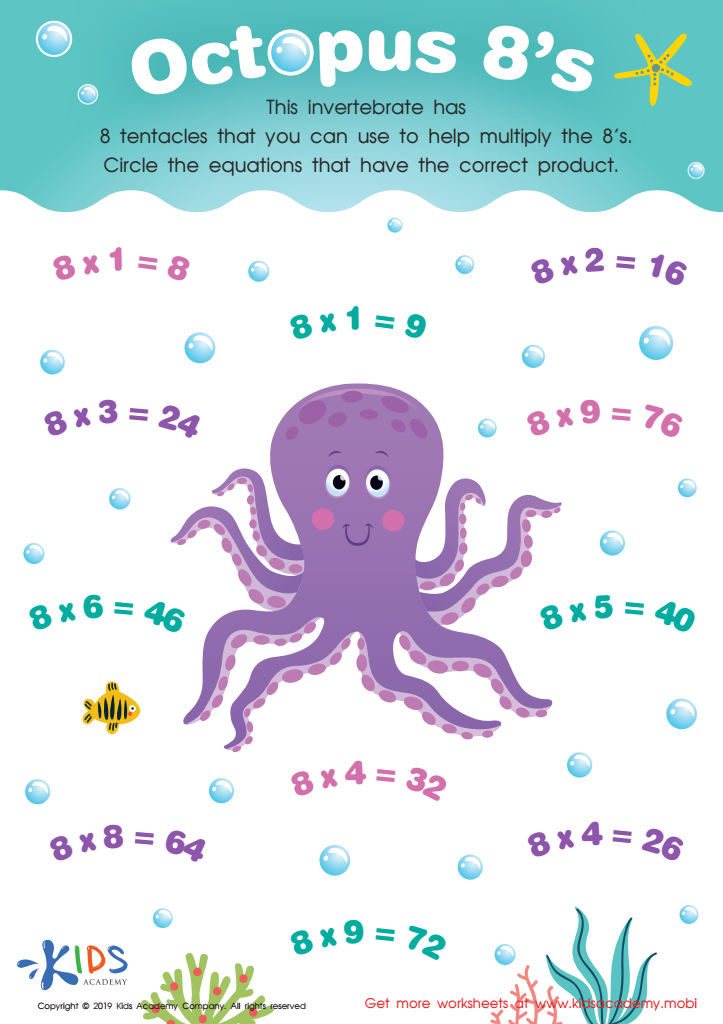
Octopus 8’s Worksheet
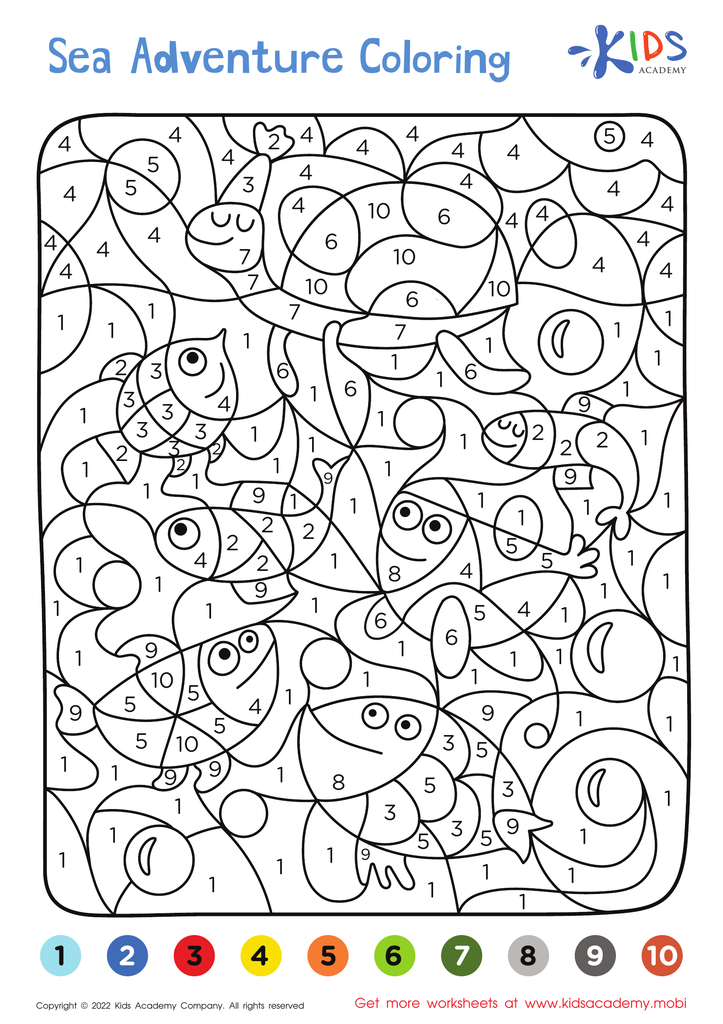
Sea Adventure – Coloring by Numbers
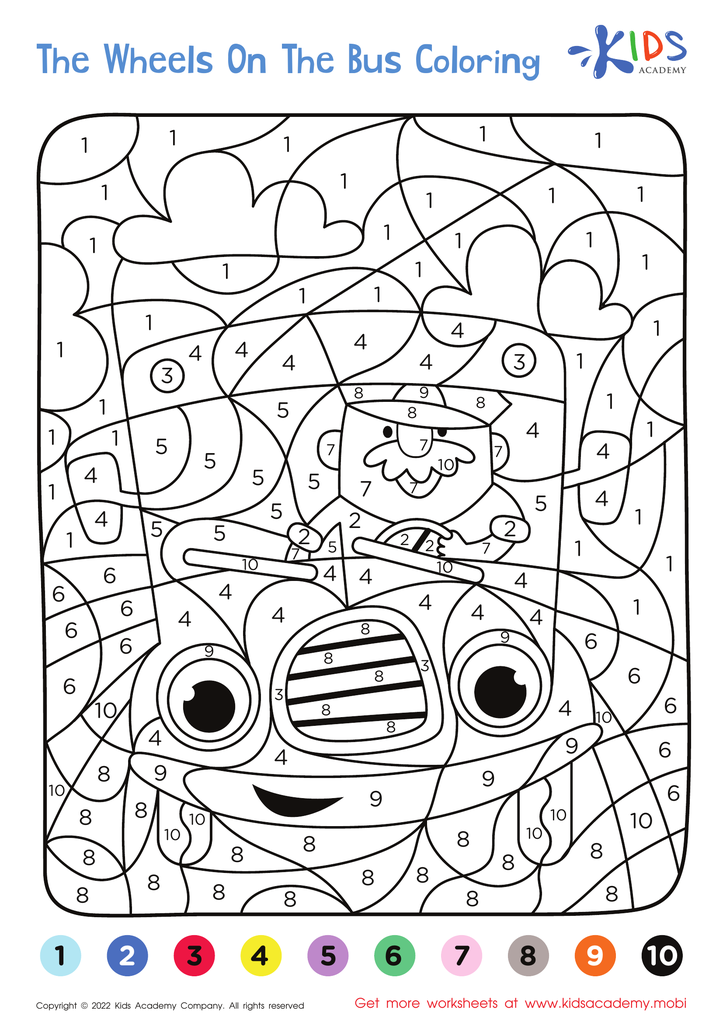
Wheels on the Bus – Coloring by Numbers
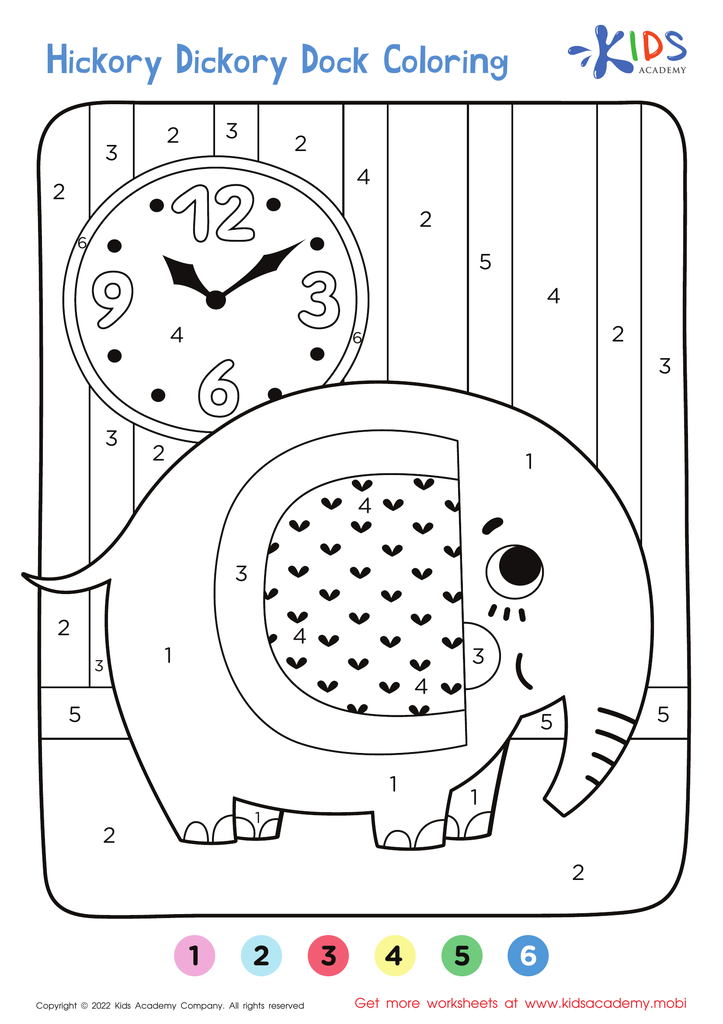
Hickory Dickory Dock – Coloring by Numbers
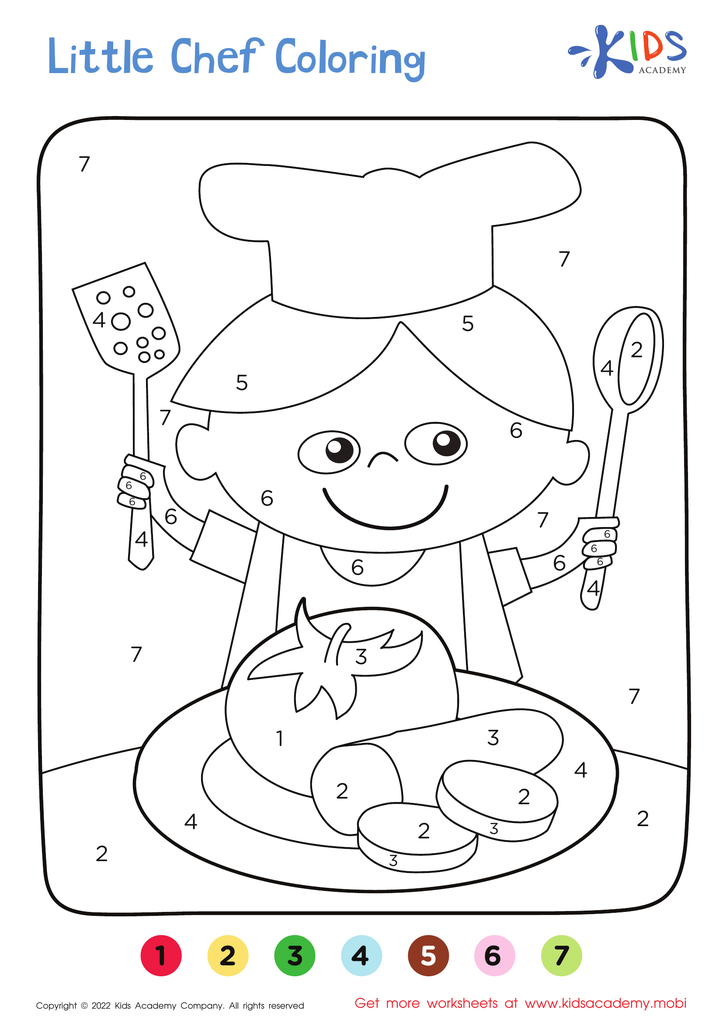
Little Chef – Coloring by Numbers
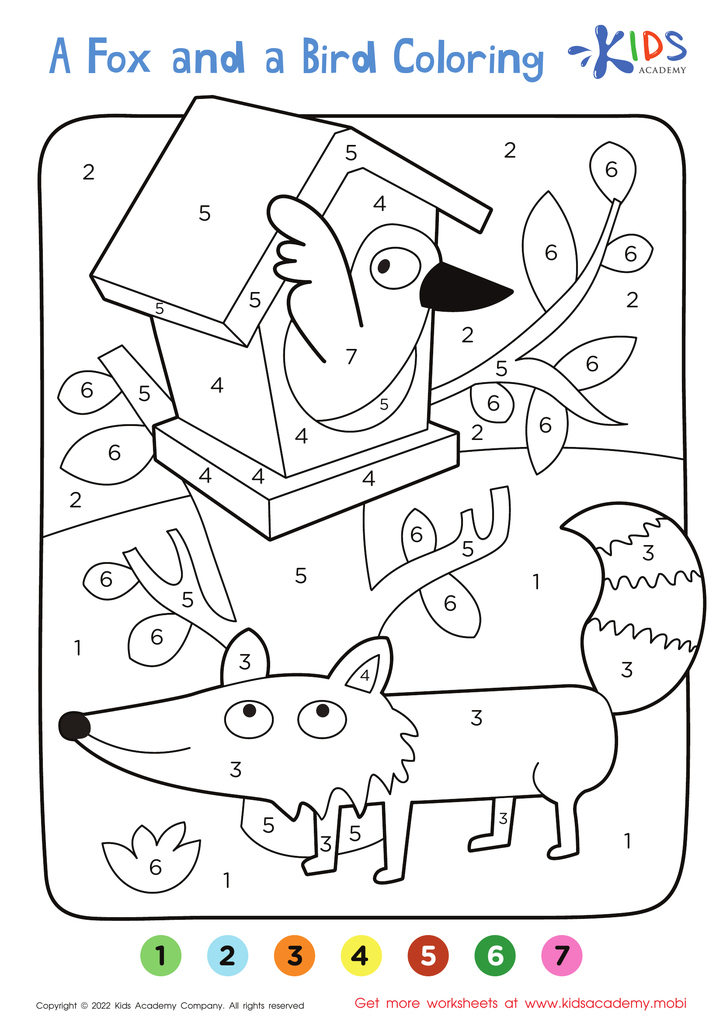
A Fox and a Bird – Coloring by Numbers
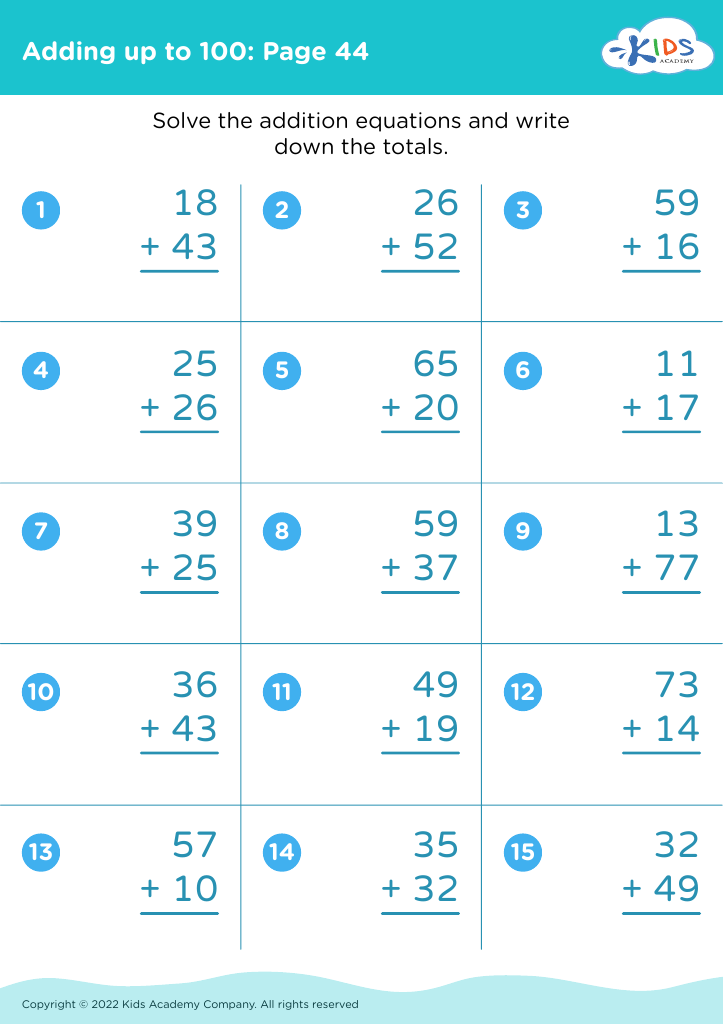






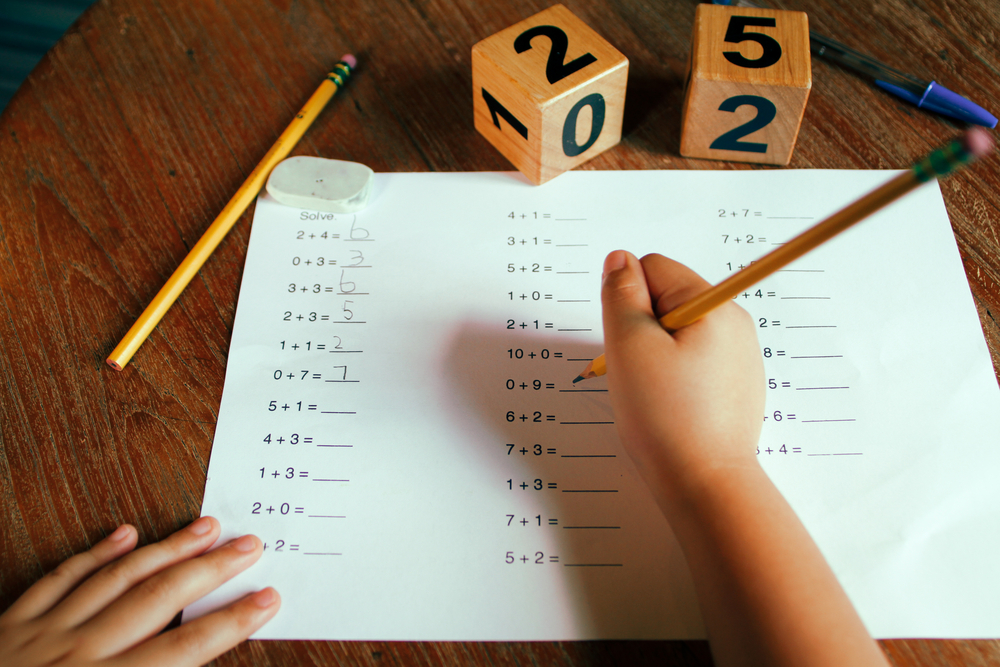

Parents and teachers should prioritize Color Identification Math for children aged 4-9 because it fosters both cognitive and analytical development during critical growth years. In these formative stages, young minds are exceptionally receptive to new information, and engaging them in activities that combine color recognition with basic math concepts enriches their learning experience.
Color identification is a fundamental skill that enhances visual learning and memory. By linking colors to mathematical activities, children can better grasp concepts like sorting, counting, and pattern recognition, which are essential introductory skills for more complex mathematical operations. For example, sorting objects by color and counting how many items are in each group teaches categorization and number sense simultaneously. Such activities make abstract ideas tangible and fun, making learning less intimidating and more relatable.
Moreover, this integrated approach encourages multi-sensory learning, which caters to different learning styles and enhances overall engagement. It also promotes critical thinking and problem-solving as children learn to identify patterns and relationships between different colored objects.
In summary, integrating color identification with math for young children not only strengthens their foundational skills but also stimulates a multi-dimensional learning environment that can lead to longer retention and a more profound understanding of math concepts crucial for their future education.








