Comprehension skills Math Worksheets for Ages 4-9
7 filtered results
-
From - To
Enhance your child's learning experience with our Comprehension Skills Math Worksheets designed for ages 4-9! These engaging worksheets combine math concepts with reading comprehension to help young learners develop critical thinking skills. Our resources encourage kids to interpret word problems, understand instructions, and enhance their problem-solving abilities through fun activities. With a variety of exercises tailored for different skill levels, these worksheets promote confidence in both math and reading. Perfect for home or classroom use, foster a love for learning while boosting your child’s comprehension skills today! Visit us to access expert-designed worksheets that make math enjoyable and insightful!
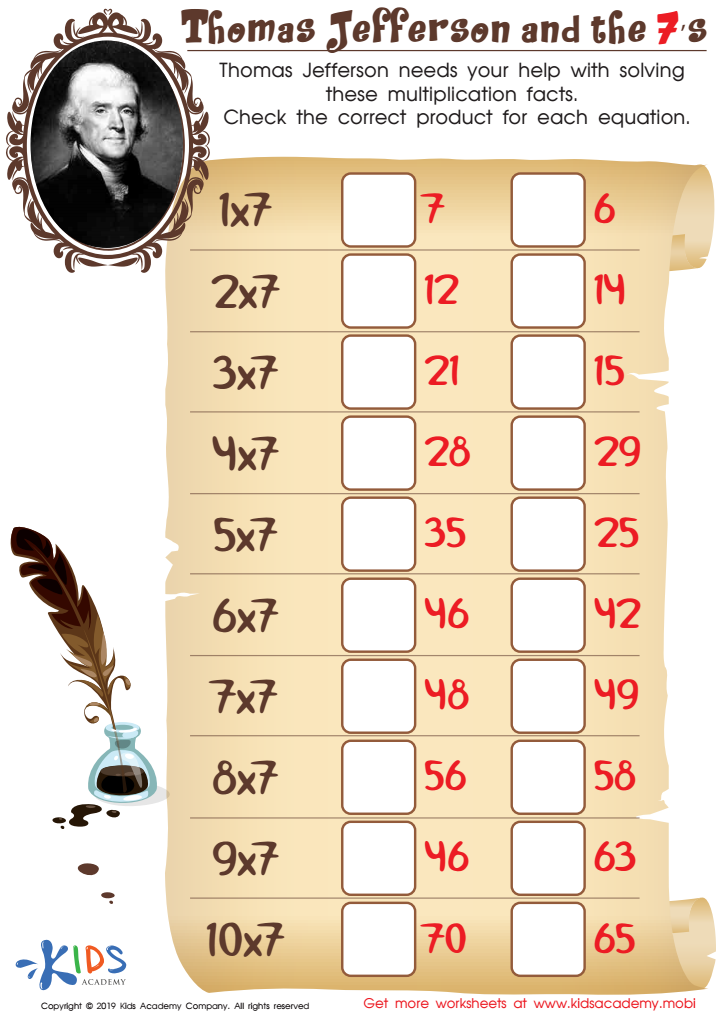
Thomas Jefferson and the 7’s Worksheet
 Assign to My Students
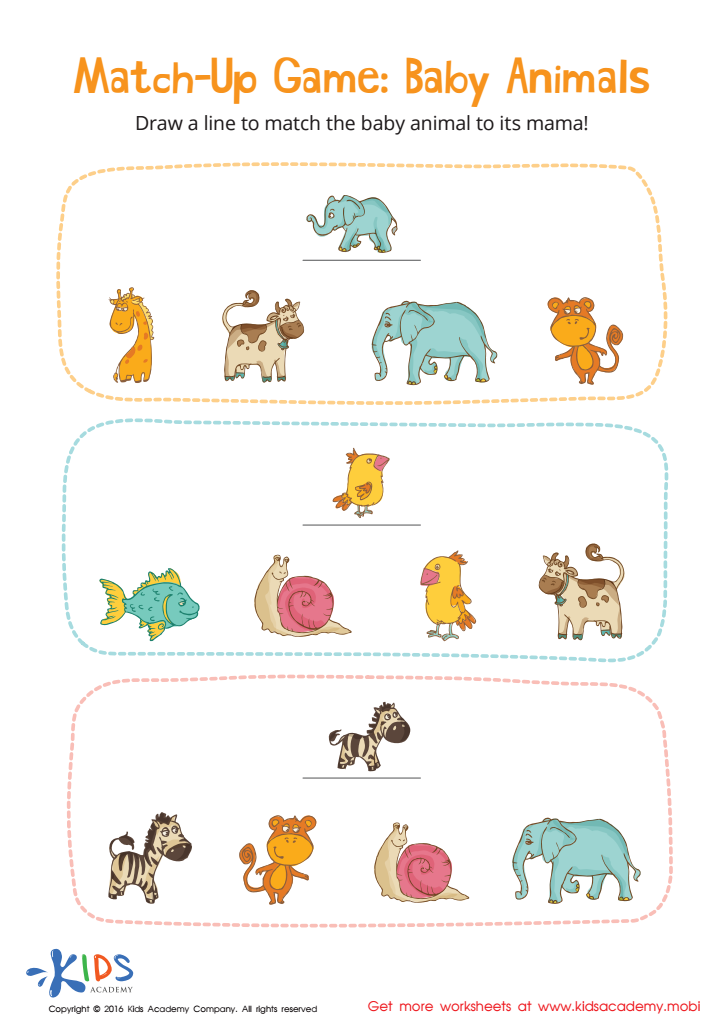
Baby Animals Match-Up Worksheet
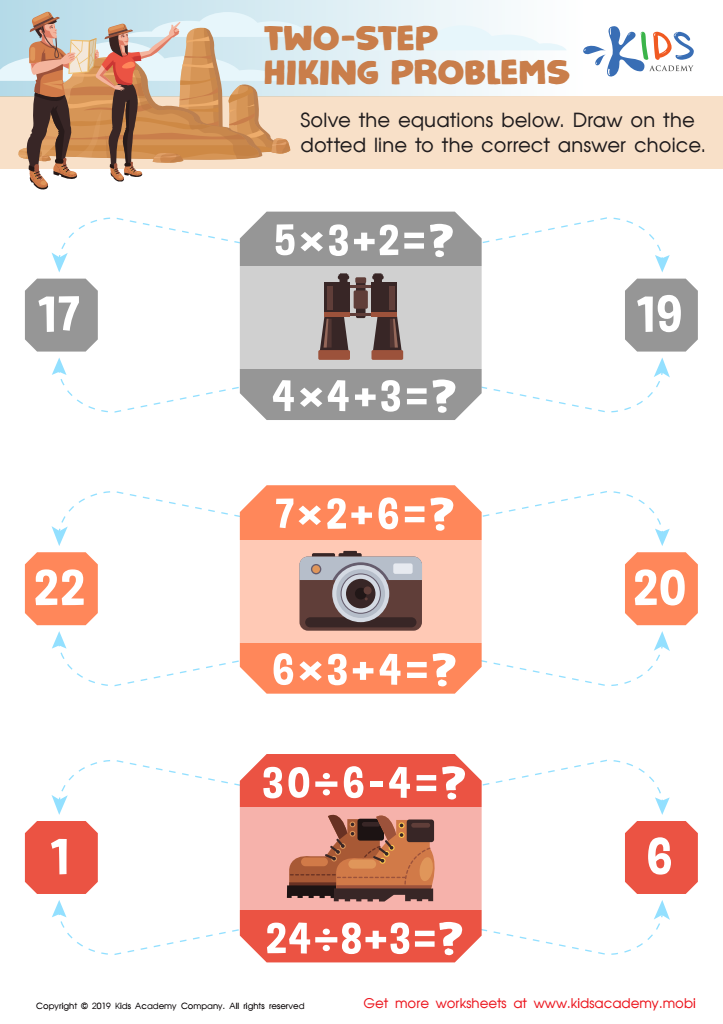
Two-Step Hiking Problems Worksheet
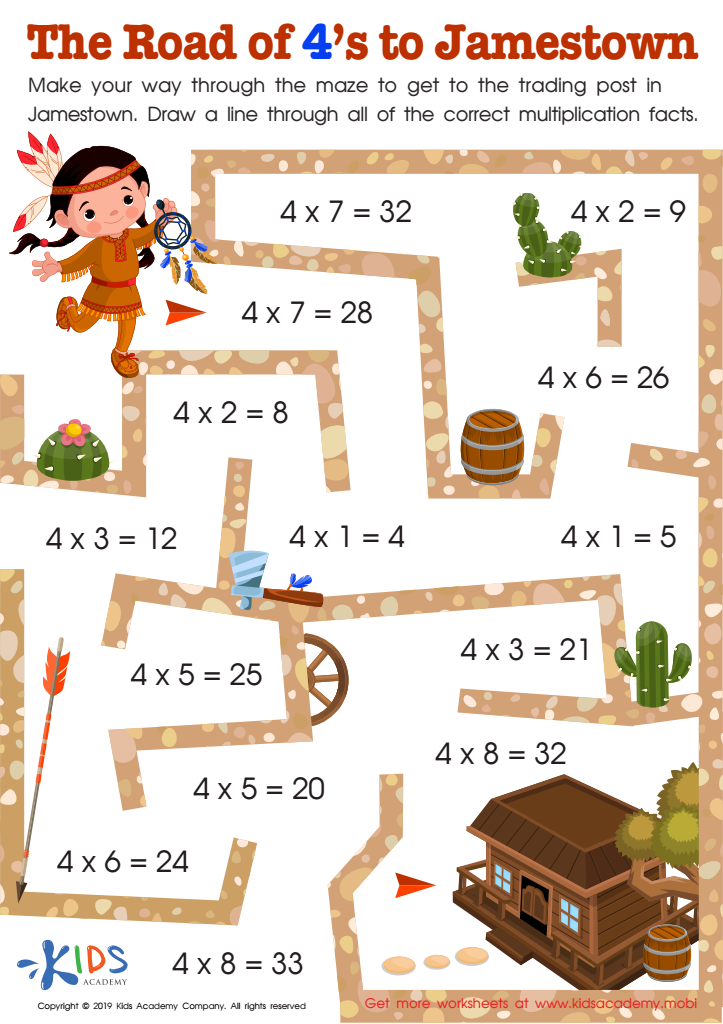
The Road of 4’s to Jamestown Worksheet
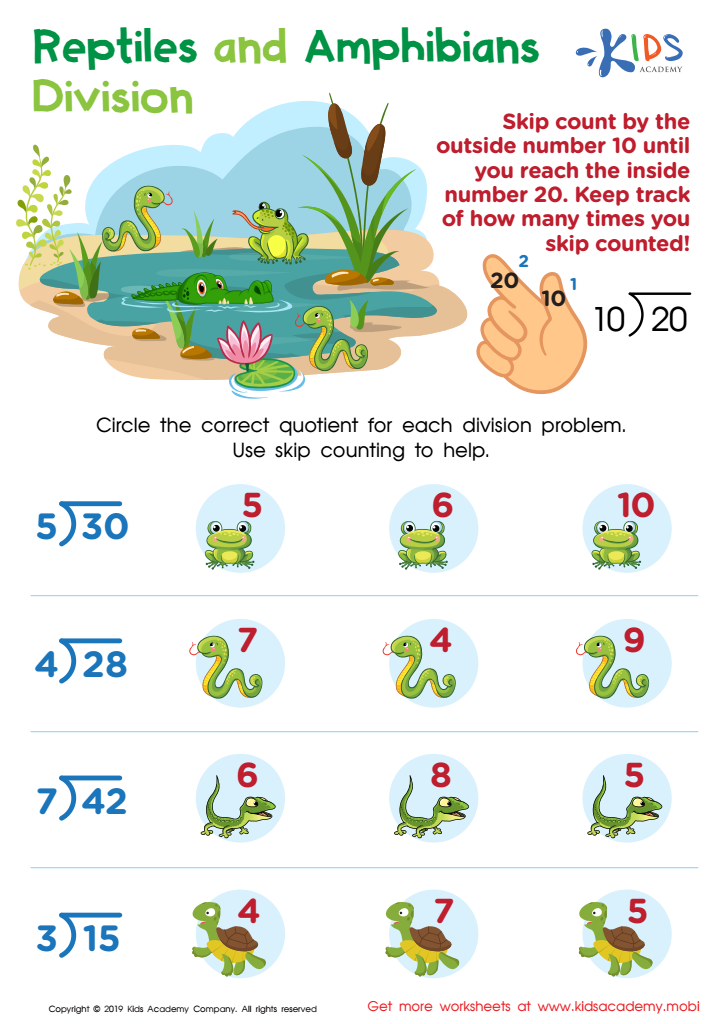
Reptile and Amphibians Division Worksheet
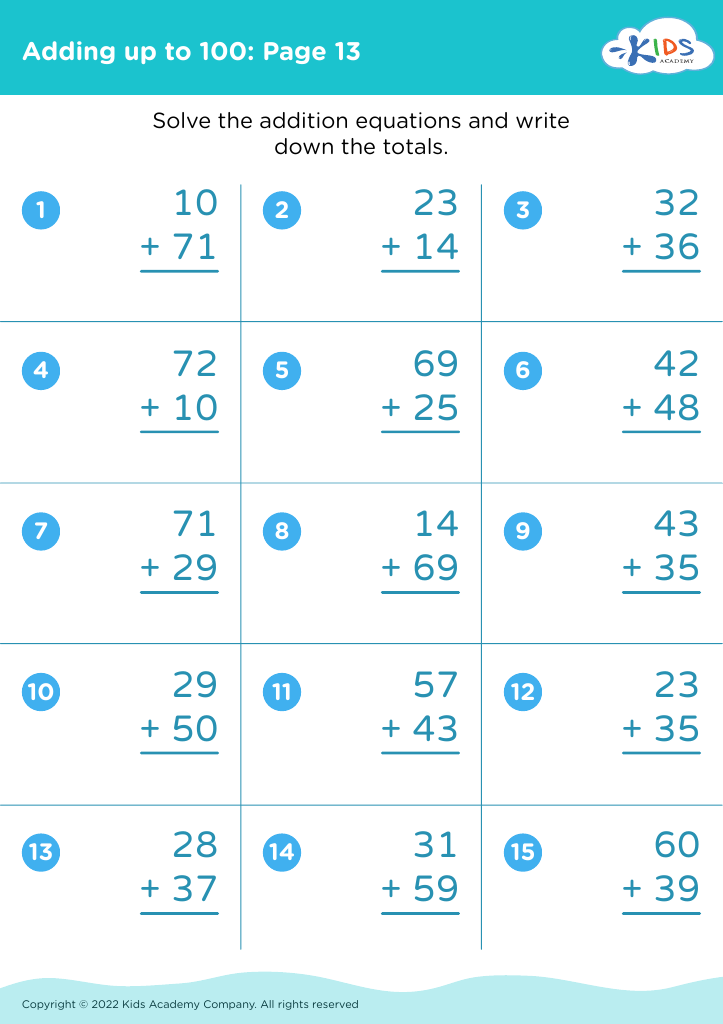






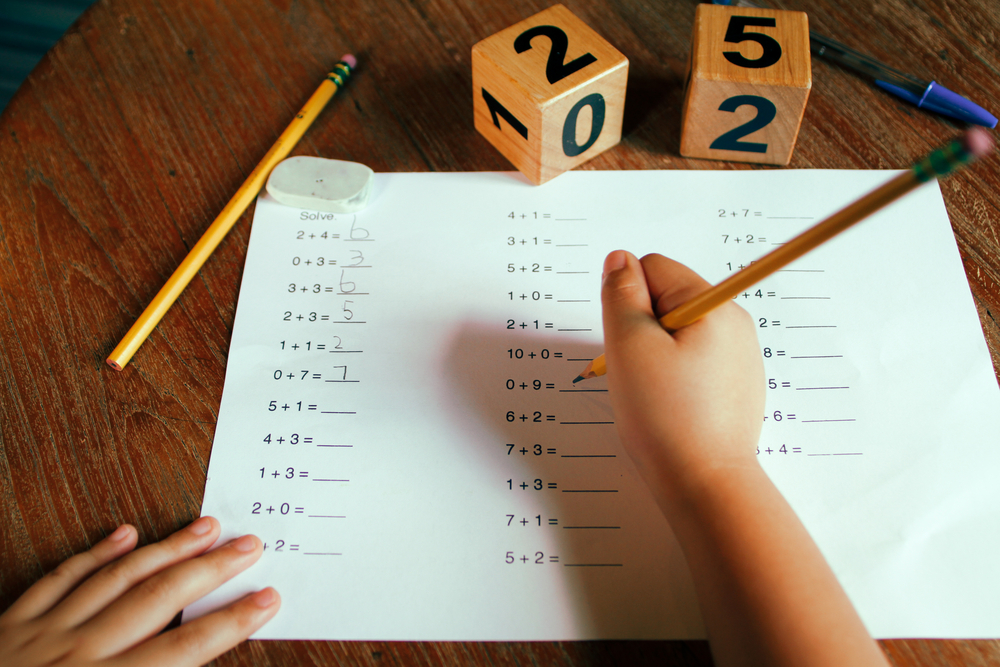

Comprehension skills in math are crucial for children ages 4-9 as they lay the foundation for future academic success and everyday decision-making. At this age, children are developing essential cognitive abilities, and enhancing their comprehension in math enables them to understand concepts, solve problems, and apply knowledge in practical situations. It fosters a positive attitude towards math, reducing anxiety and increasing engagement.
When parents and teachers prioritize math comprehension, they help children grasp not only basic operations but also how to interpret word problems and real-life scenarios. This higher-order thinking contributes to better analytical skills, essential for critical thinking across all subjects. Math comprehension also ties elements like language development and reasoning together, bridging gaps between disparate areas of learning.
Moreover, a solid understanding of math concepts encourages curiosity and creativity in solving problems, traits that are critical for lifelong learning. Involving educated adults to nurture these skills can also provide children with models of effective problem-solving behaviors and strategies. By emphasizing comprehension in math during these formative years, parents and teachers equip children with vital tools for academic achievement and life skills. This early support significantly influences their confidence and competence in approaching math challenges in the future.








