Identify shapes Math Worksheets for Ages 4-9
11 filtered results
-
From - To
Discover our engaging "Identify Shapes" math worksheets designed specifically for children ages 4 to 9! These worksheets are perfect for helping young learners develop a strong understanding of fundamental geometric shapes through fun, interactive activities. Each worksheet features vibrant illustrations and easy-to-follow instructions that encourage children to recognize, compare, and classify different shapes. Ideal for classroom or home use, our resources cater to various skill levels, ensuring that every child can thrive at their own pace. Boost your child’s confidence in math while making learning enjoyable! Explore our collection today and watch your child's mathematical skills grow!
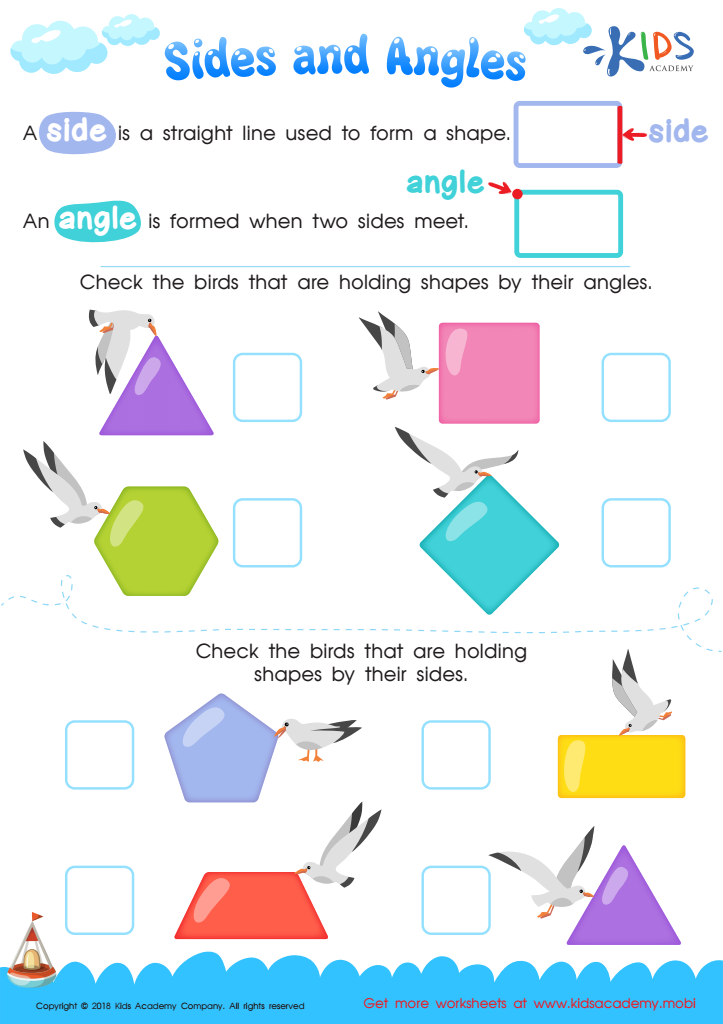
Sides and Angles Worksheet
 Assign to My Students
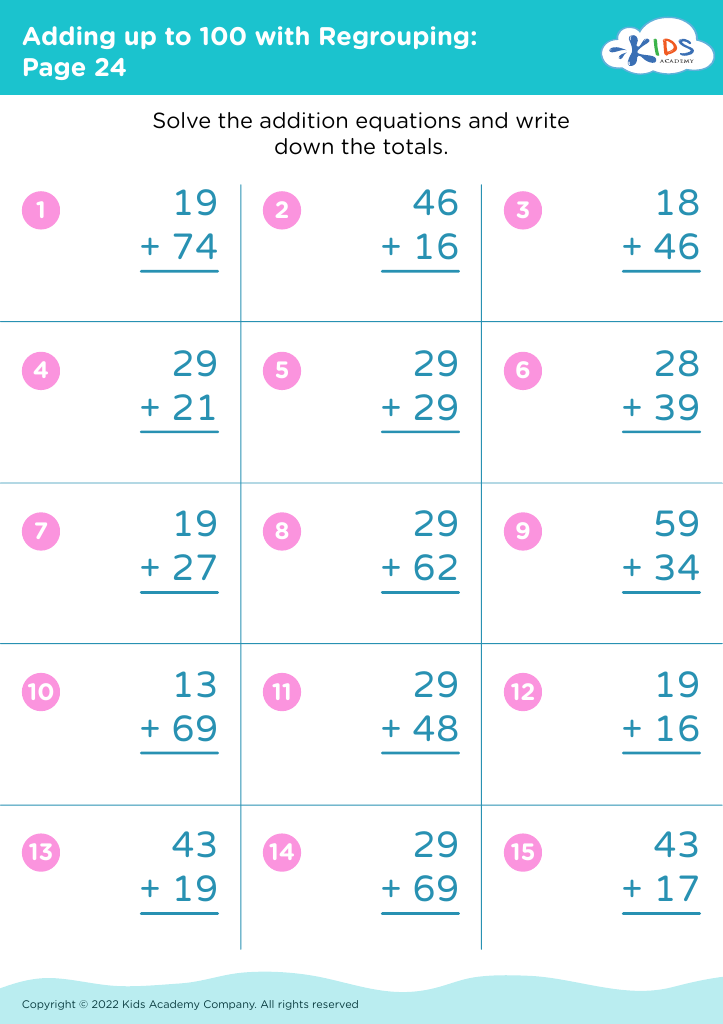
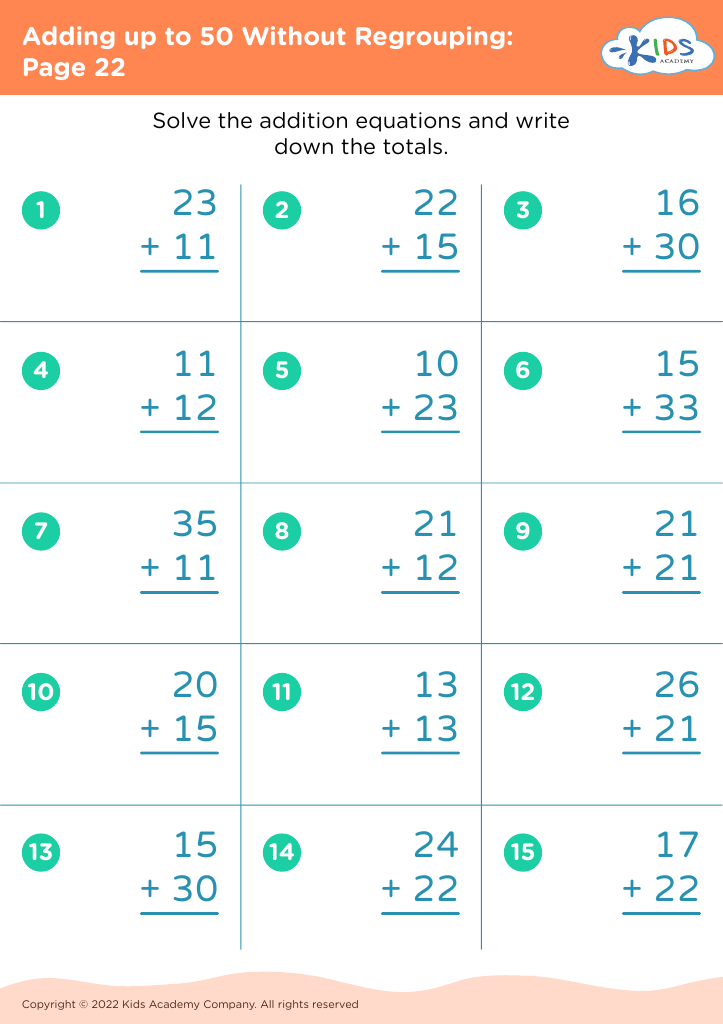
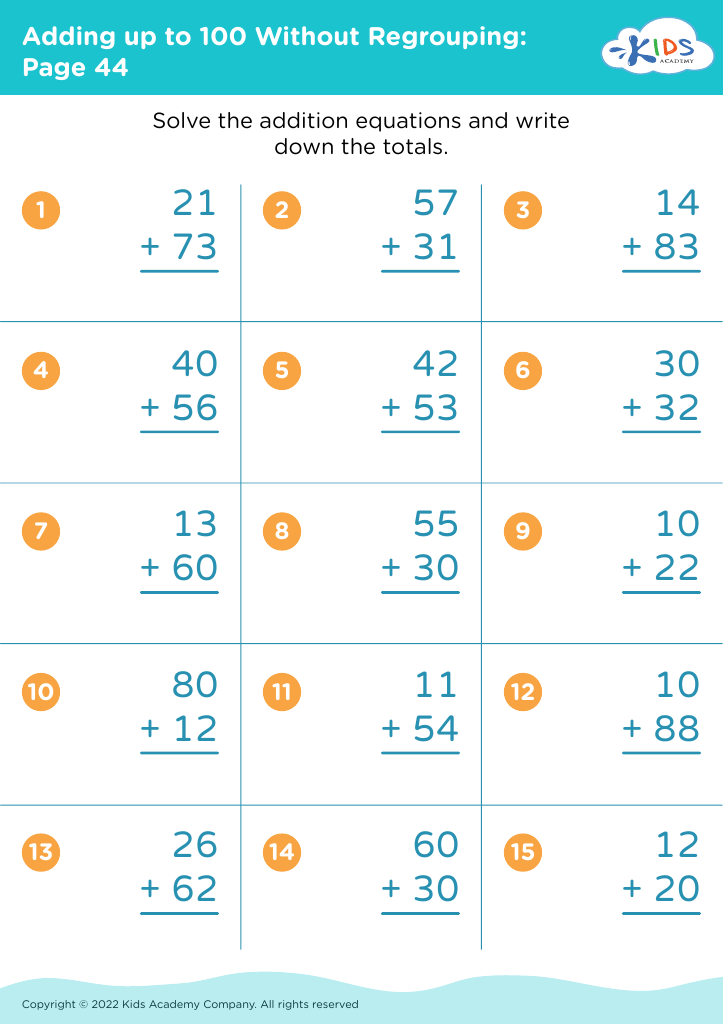







Learning to identify shapes is a fundamental skill in early mathematics that serves as the building block for more complex concepts. For children aged 4-9, shape recognition not only fosters mathematical understanding but also enhances spatial awareness and cognitive development. Parents and teachers should care about this skill because it lays the groundwork for critical thinking and problem-solving abilities.
Identifying shapes supports children's ability to categorize and describe the world around them. It promotes vocabulary development, as kids learn terms like "triangle," "rectangle," and "circle," which enhances their communication skills. Furthermore, shapes are intrinsic to patterns, measurements, and geometry, so early shape identification leads to future success in these areas.
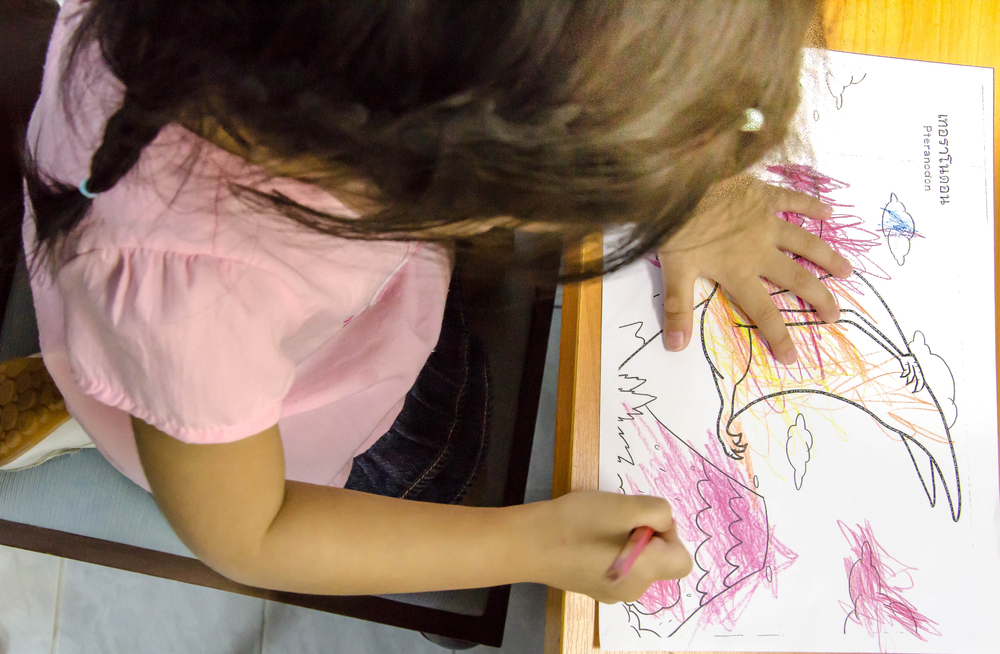
Additionally, engaging in shape-related activities encourages fine motor skills and creativity through art and exploration. By incorporating games and hands-on learning, educators and parents can make the process enjoyable and less daunting for children. Developing a strong foundation in shape recognition fosters confidence and curiosity, inspiring a lifelong love for learning. Ultimately, prioritizing shape identification underscores a commitment to well-rounded early education that boosts overall cognitive and social development in young learners.








