Logical Reasoning Math Worksheets for Ages 4-9
31 filtered results
-
From - To
Enhance your child's critical thinking and problem-solving abilities with our Logical Reasoning Math Worksheets for Ages 4-9. Carefully crafted to align with educational standards, these engaging worksheets cover a variety of topics and skills. From simple patterns and sequences to more complex puzzles, our materials are designed to challenge young minds and foster mathematical reasoning. Interactive exercises make learning fun, while step-by-step solutions ensure their understanding. Equip your children with the tools they need for academic success through our comprehensive and enjoyable resources. Transform math practice into an exciting adventure with Kids Academy's expert educational content.
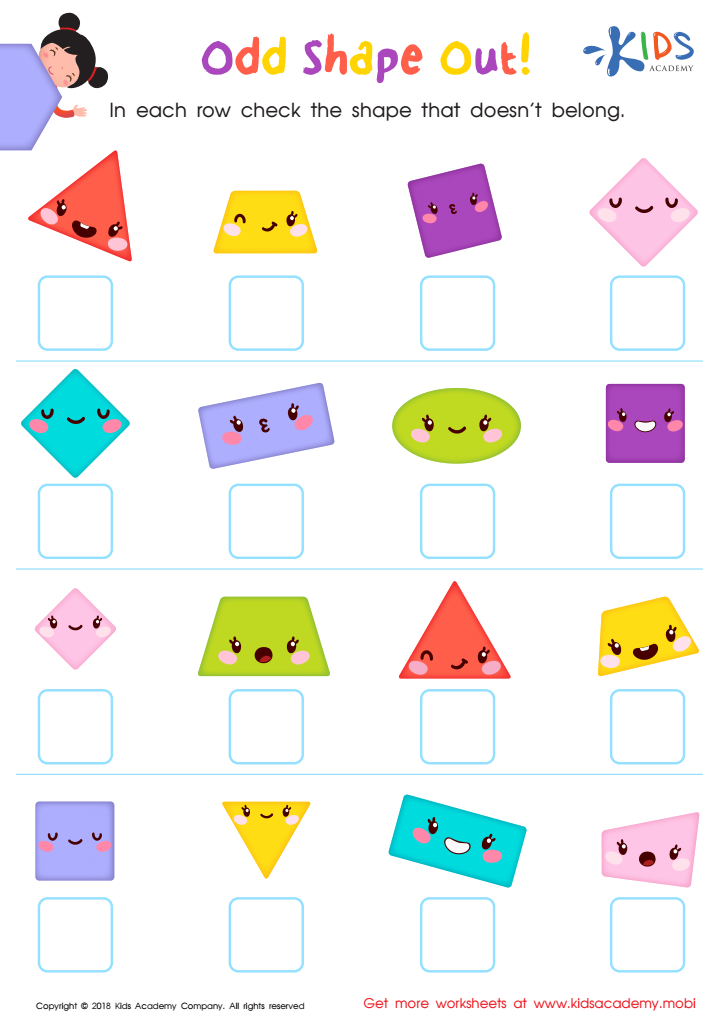
Odd Shape Out Worksheet for Grade 3
 Assign to My Students
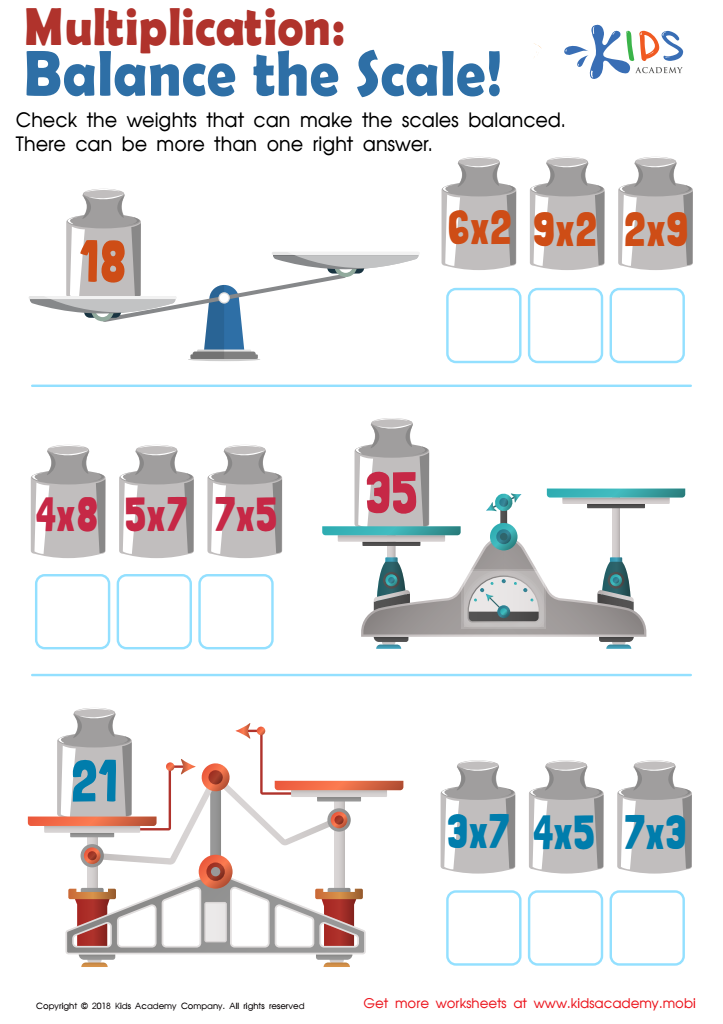
Balance the Scales Multiplication Worksheet
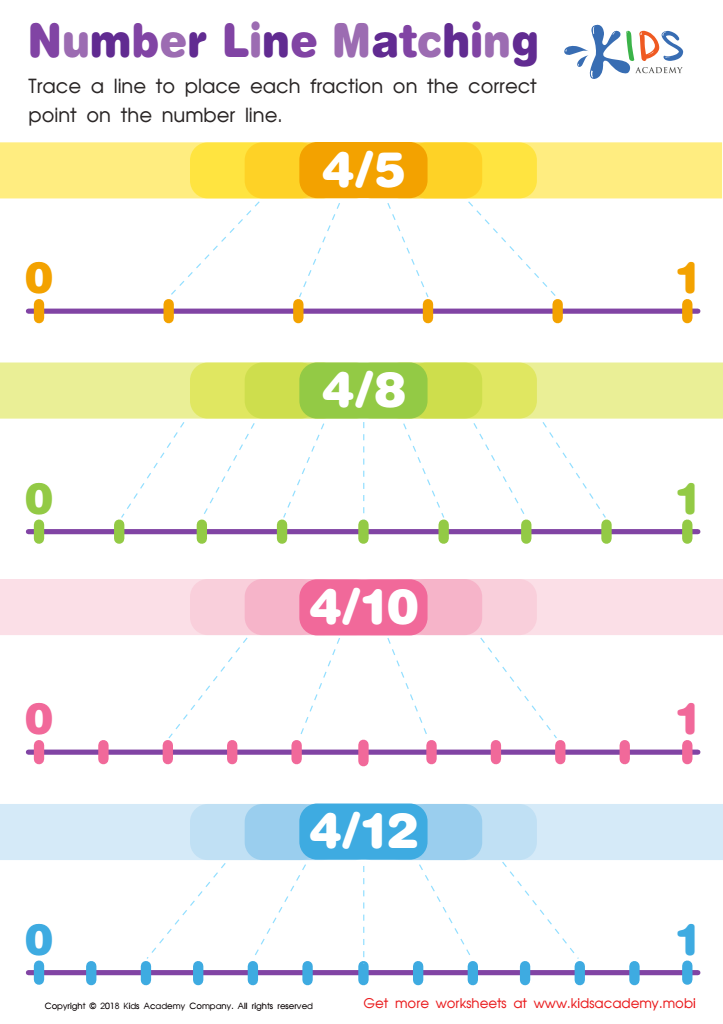
Number Line Matching Worksheet
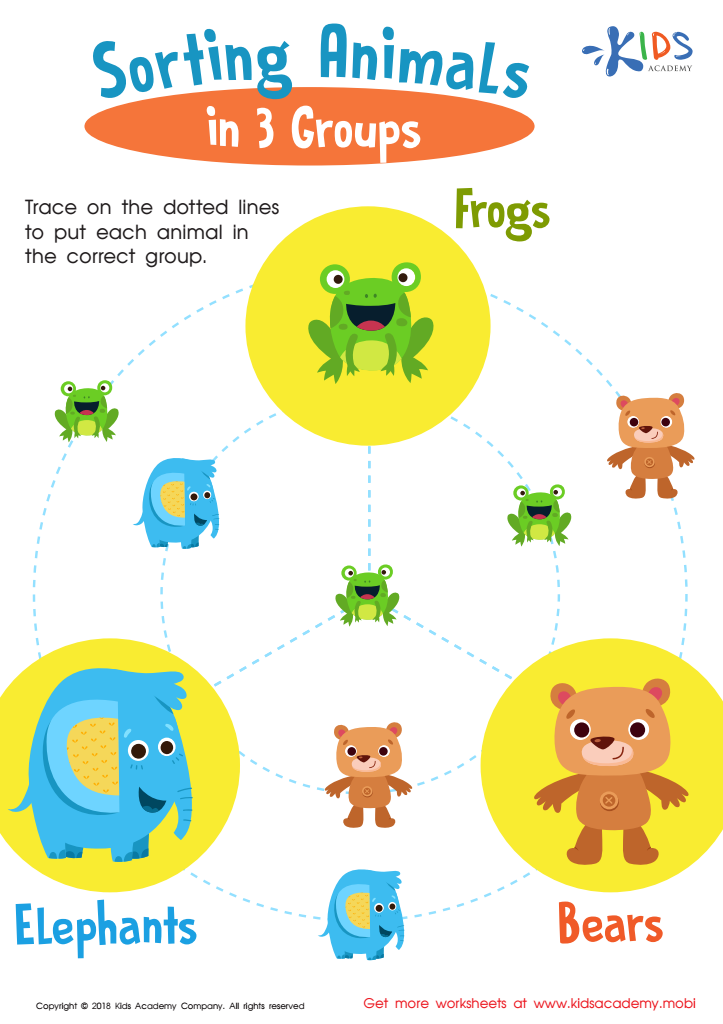
Sorting Animals in 3 Groups Worksheet
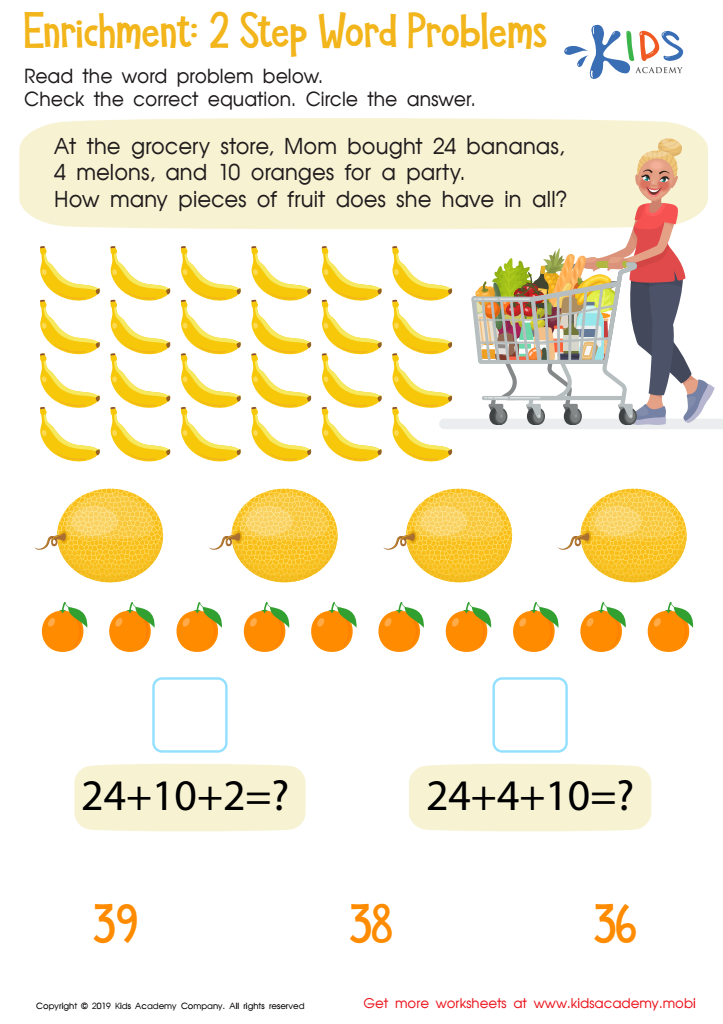
Enrichment -2 Step Word Problems Worksheet
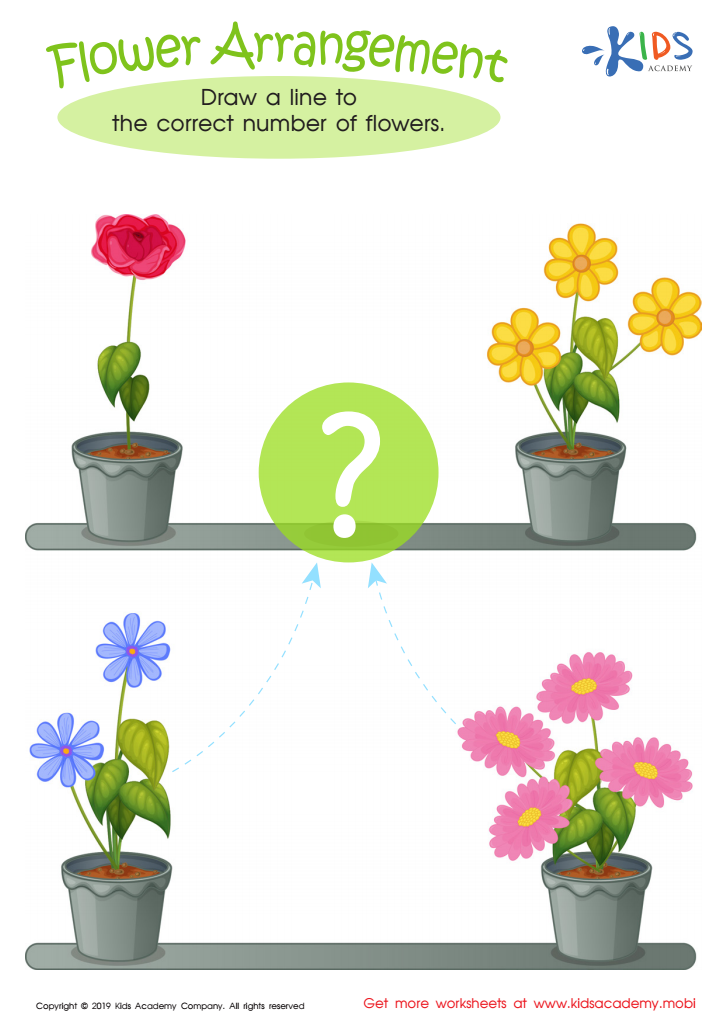
Flower Arrangement Worksheet
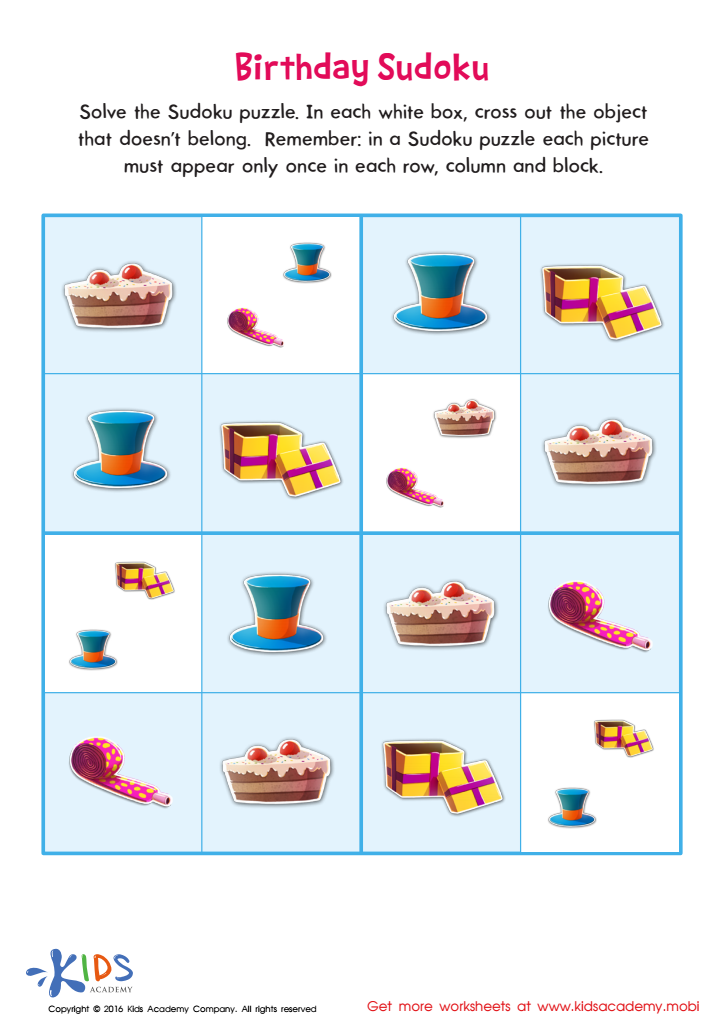
Birthday Sudoku Sorting Worksheet
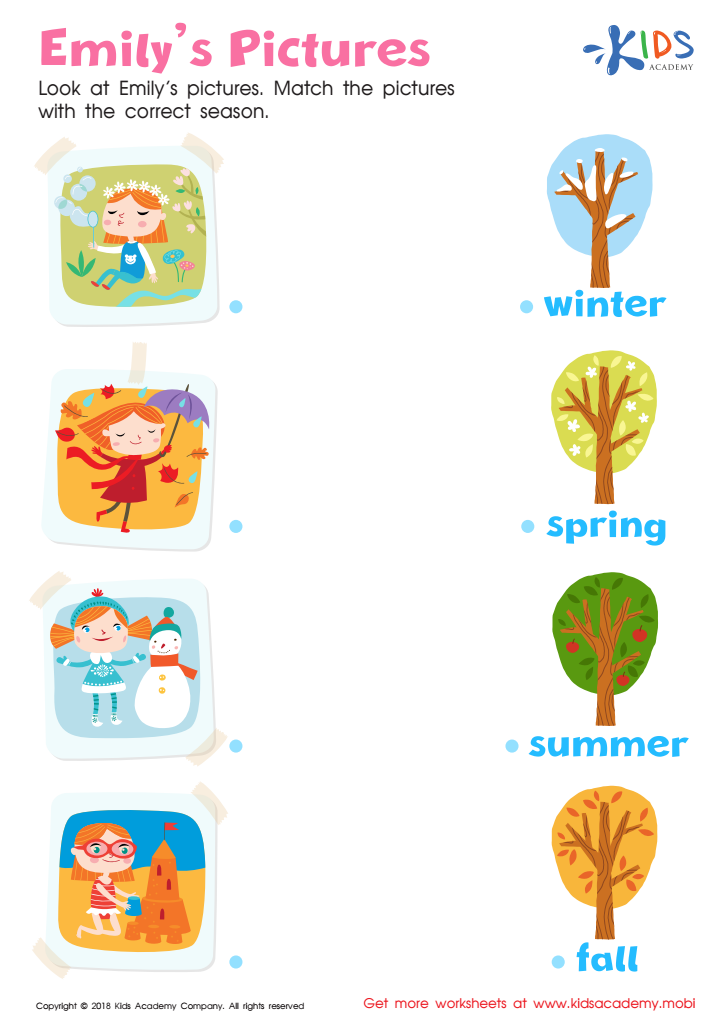
Emily's Pictures Worksheet
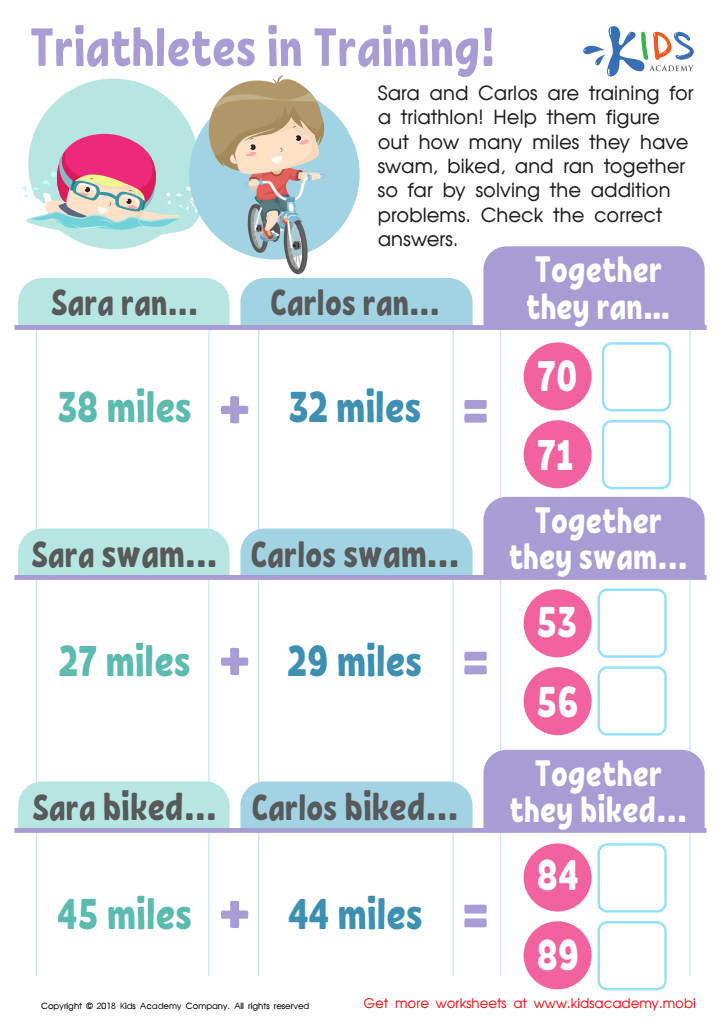
Triathletes in Training Worksheet
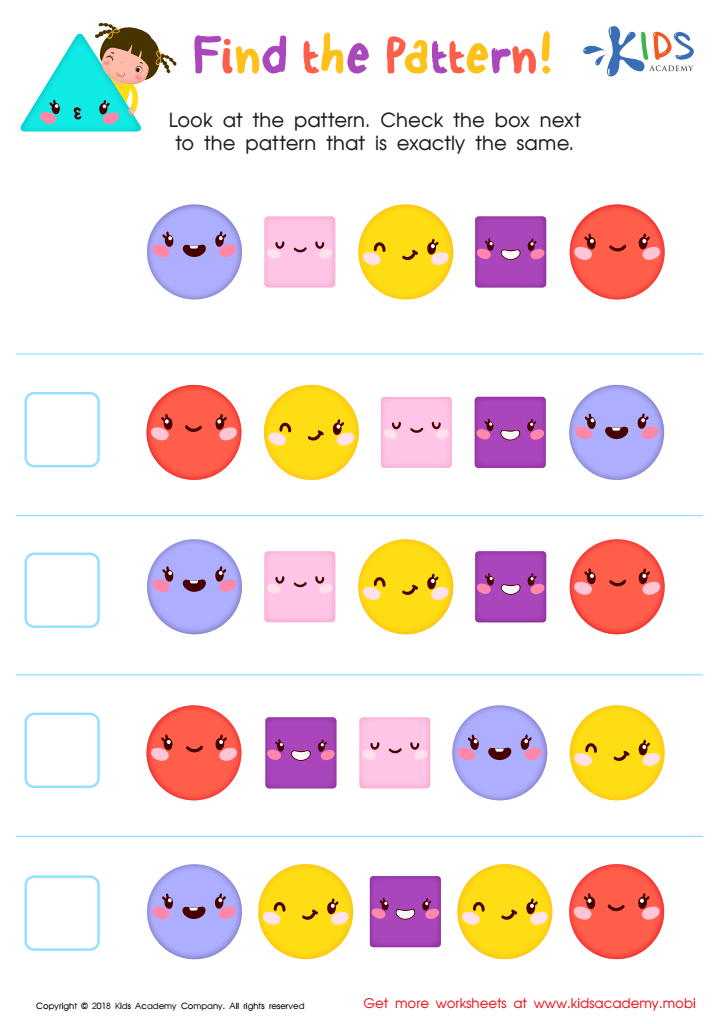
Find the Pattern Worksheet
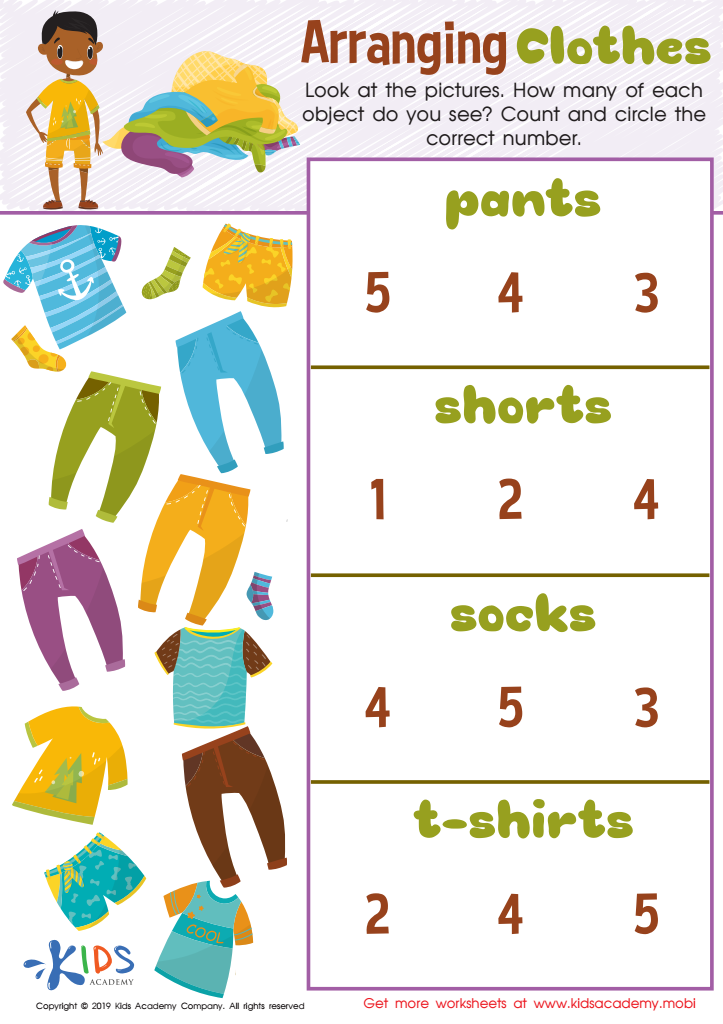
Arranging Clothes Worksheet
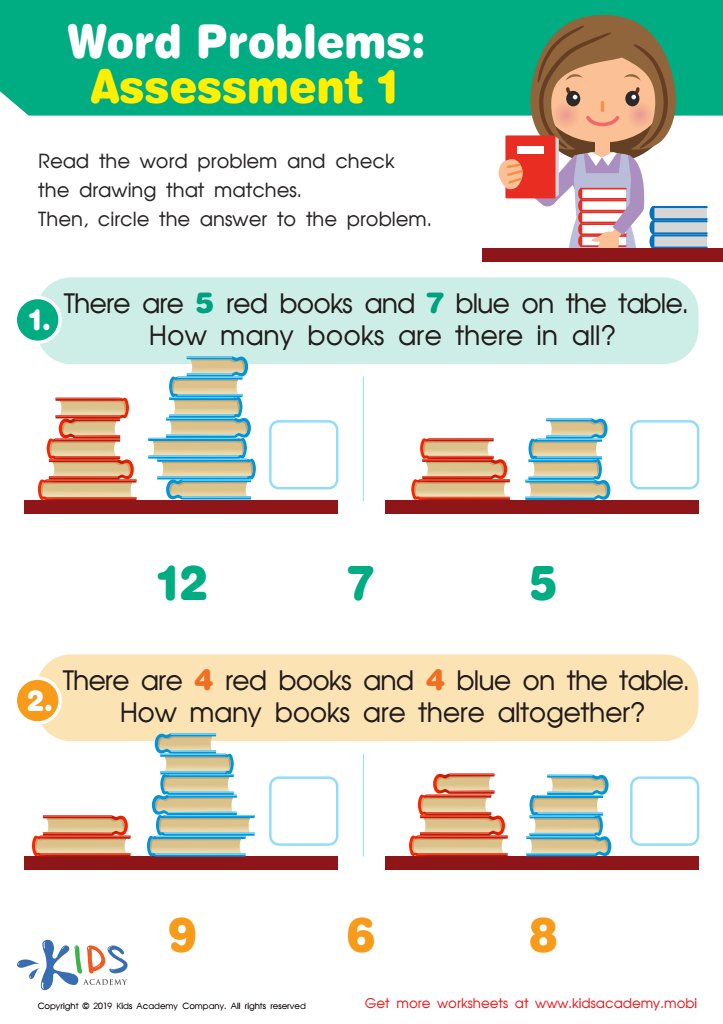
Word Problems: Assessment 1 Worksheet
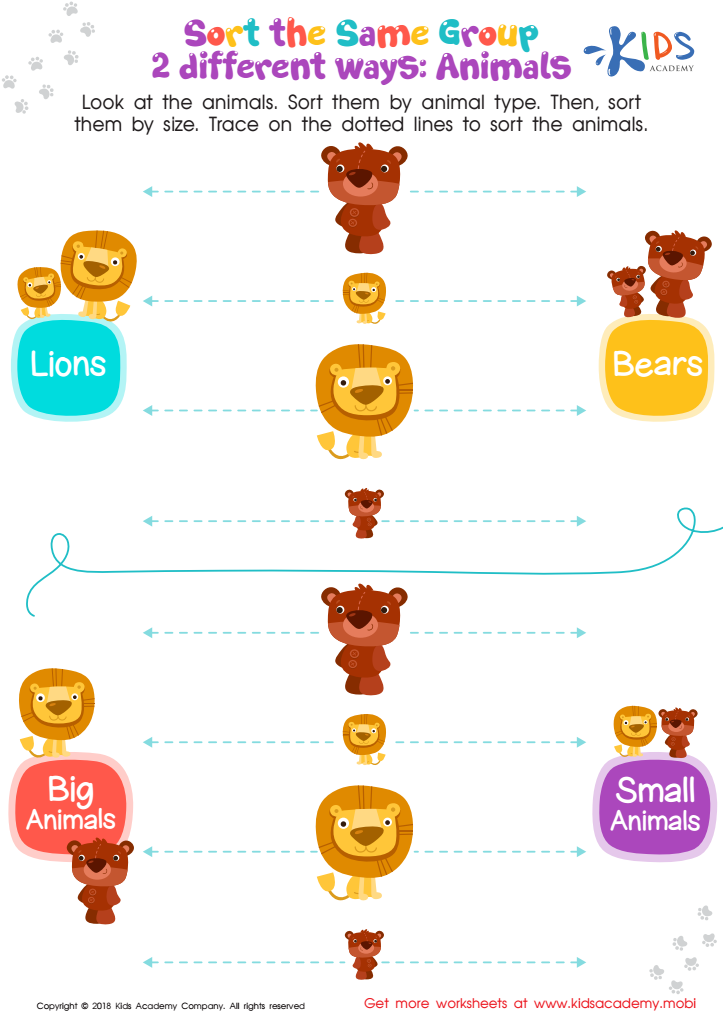
Sort the Same Group 2 Different Ways: Animals Worksheet
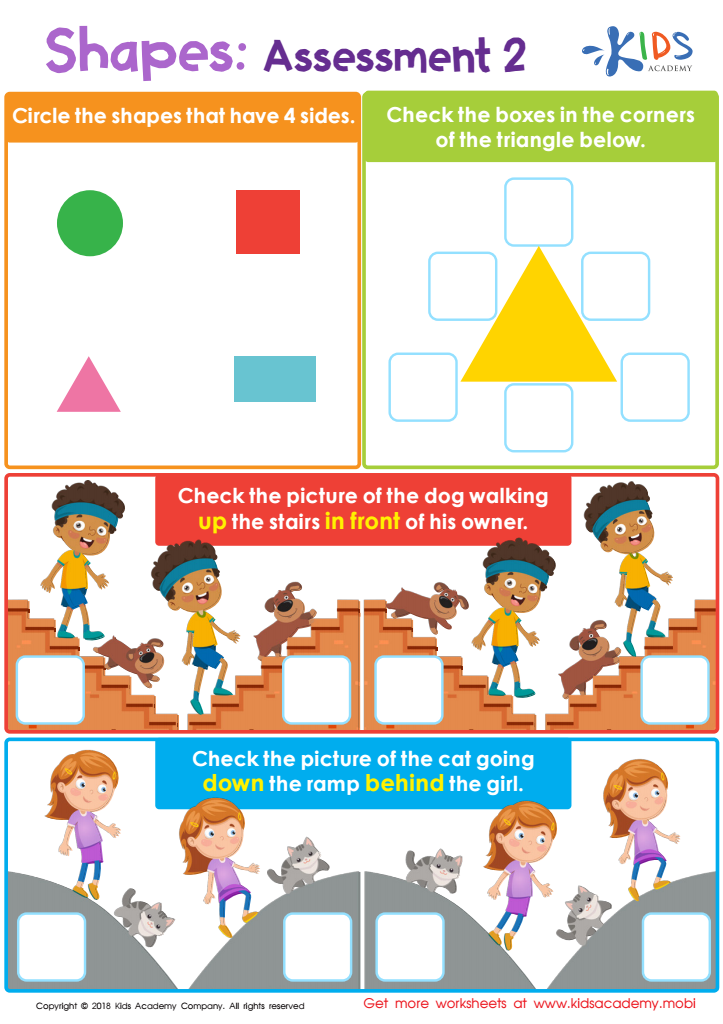
Shapes: Assessment 2 Worksheet
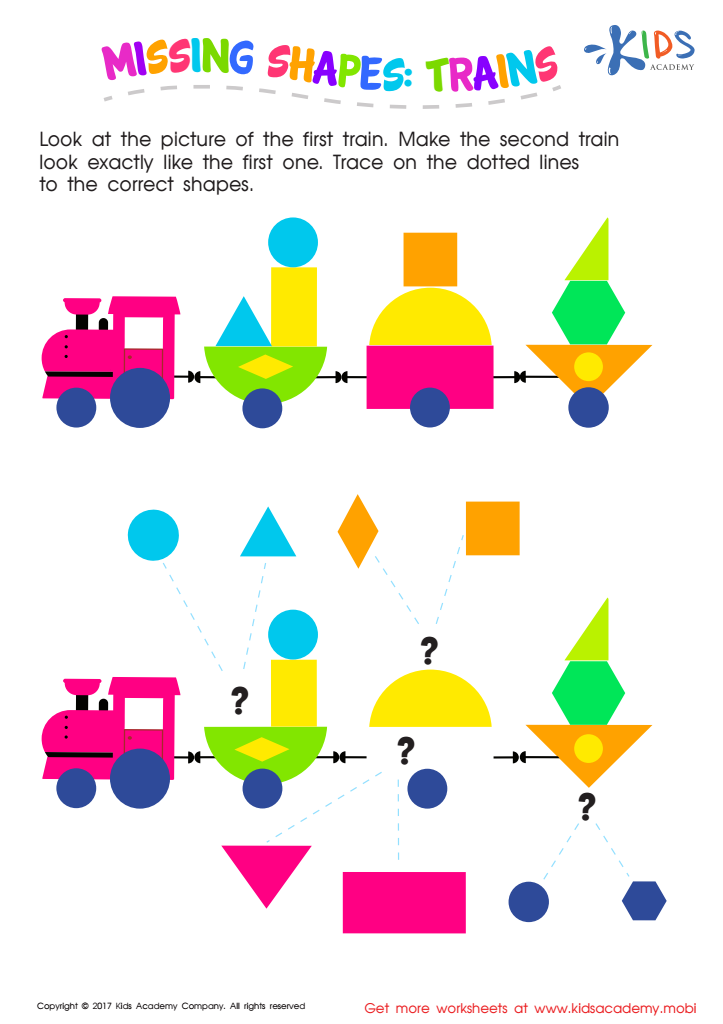
Missing Shapes: Trains Worksheet
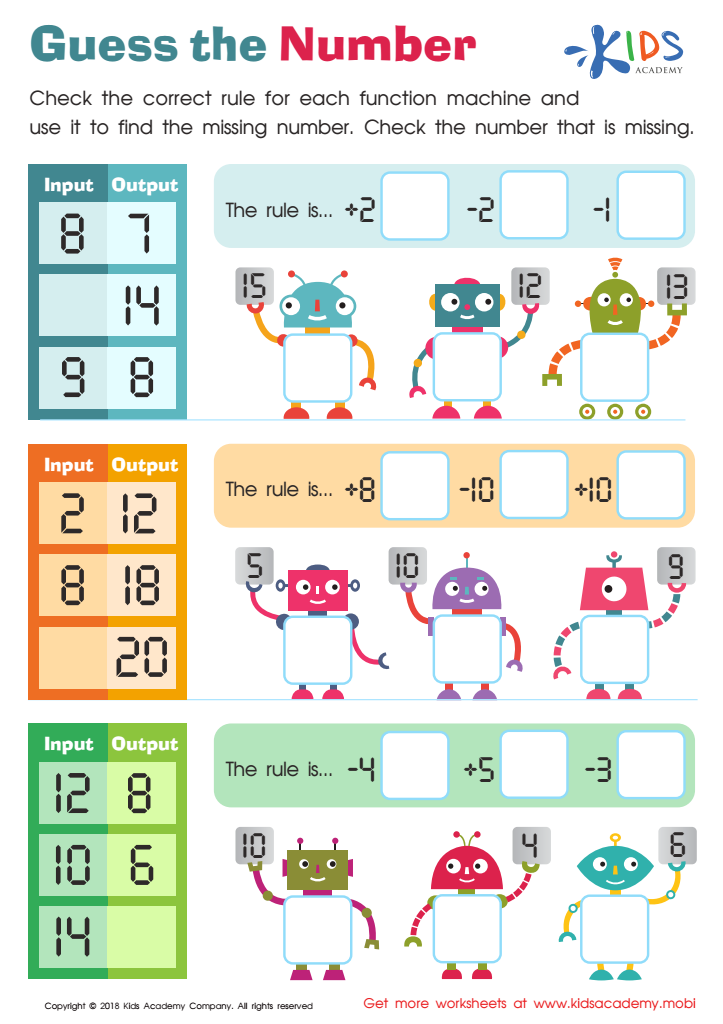
Guess the Number Worksheet
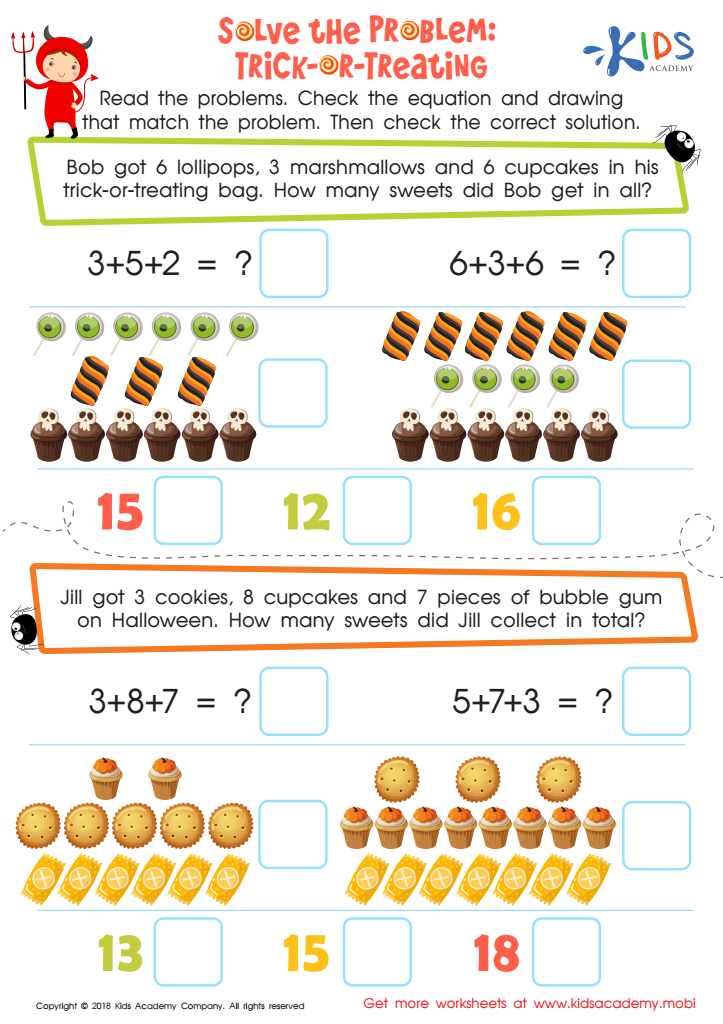
Solve the Problem: Trick–or–treating Worksheet
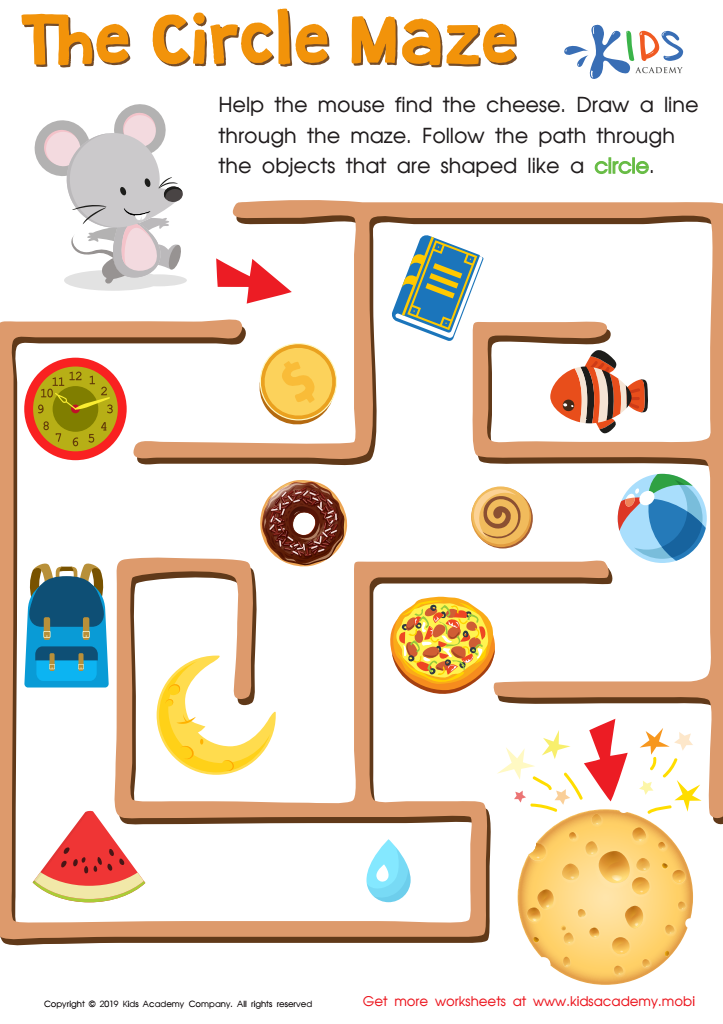
The Circle Maze Worksheet
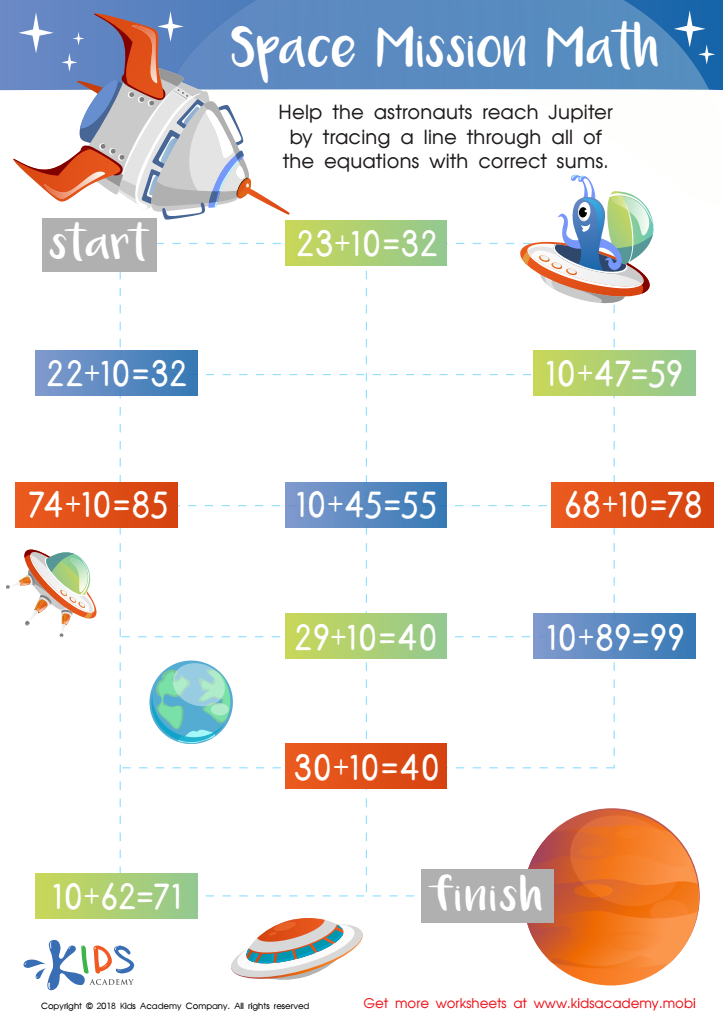
Space Mission Math Worksheet








Logical reasoning in math for children ages 4-9 is crucial for their intellectual development. During these formative years, engaging in logical reasoning activities helps establish a strong foundation for problem-solving skills that are essential throughout life. When children practice logical reasoning, they learn to think systematically, make connections between concepts, and explore various ways to approach problems. These abilities prime their minds for tackling more complex mathematical concepts and other academic subjects in the future.
Additionally, logical reasoning enhances cognitive functions such as memory, concentration, and the ability to analyze information. By integrating logical reasoning into math education, children become adept at breaking down problems into manageable parts, identifying patterns, and drawing conclusions effectively. These skills not only aid in academic success but are also vital in everyday decision-making and critical thinking.
For parents and teachers, fostering these skills early on creates a balanced and holistic learning environment. It also promotes perseverance, resilience, and confidence in young learners as they approach challenges. They learn that multiple solutions might exist, helping to cultivate flexibility in thinking and a positive attitude towards learning. Thus, prioritizing logical reasoning in the curriculum equips children with the intellectual tools needed for lifelong learning and informed, adaptive citizenship.








