Problem-Solving Skills Math Worksheets for Ages 4-9 - Page 4
313 filtered results
-
From - To
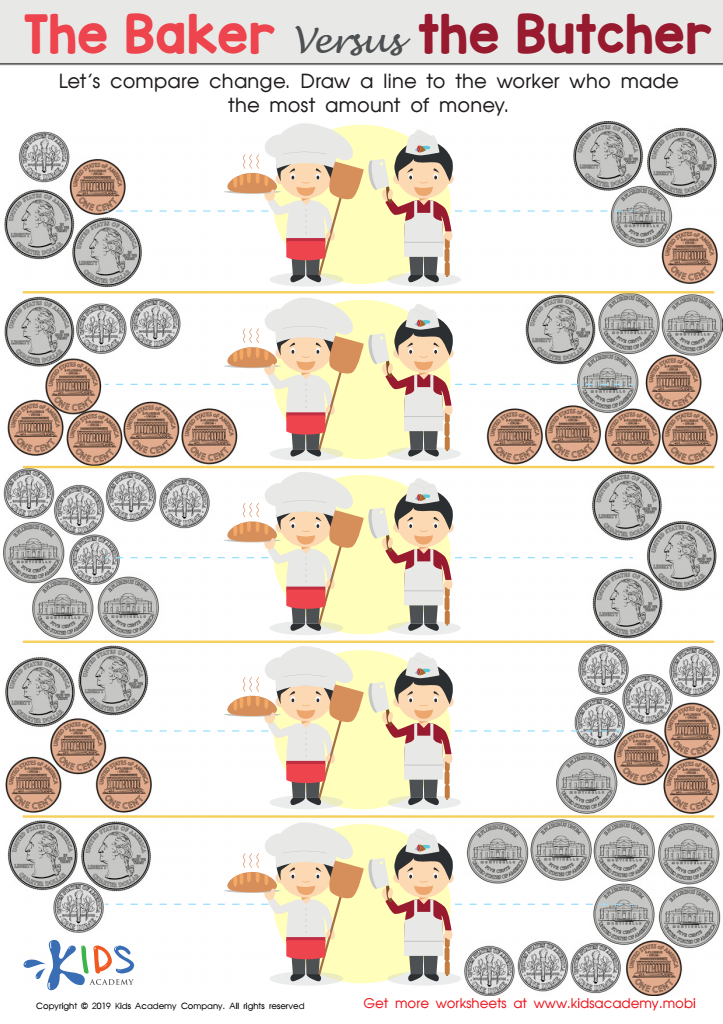
The Baker versus the Butcher Worksheet
 Assign to My Students
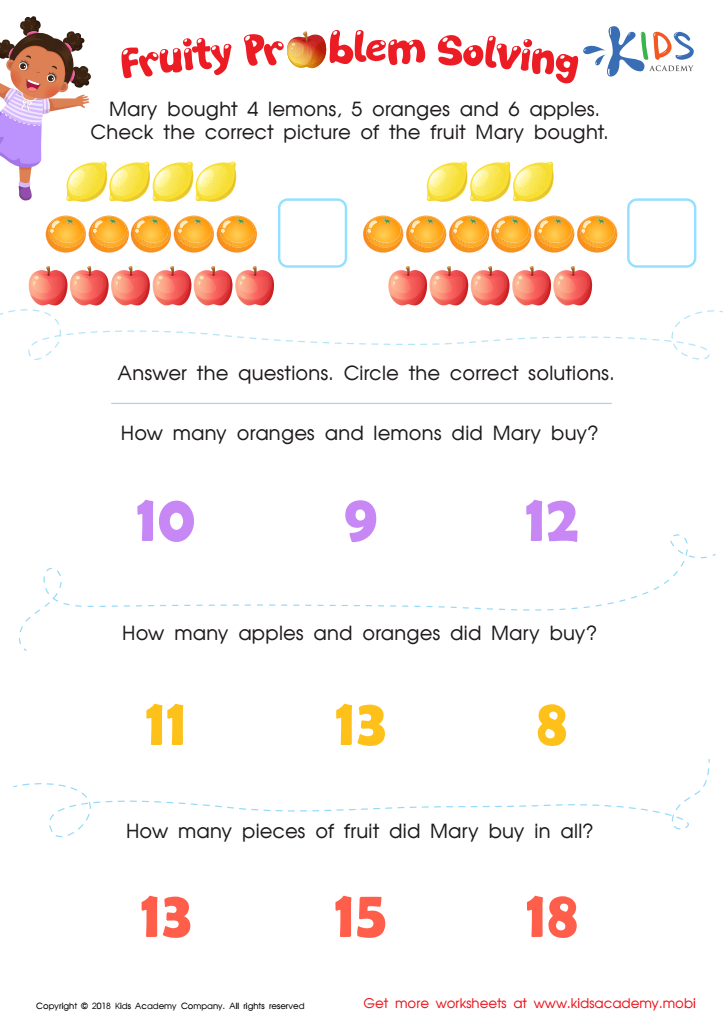
Fruity Problem Solving Worksheet
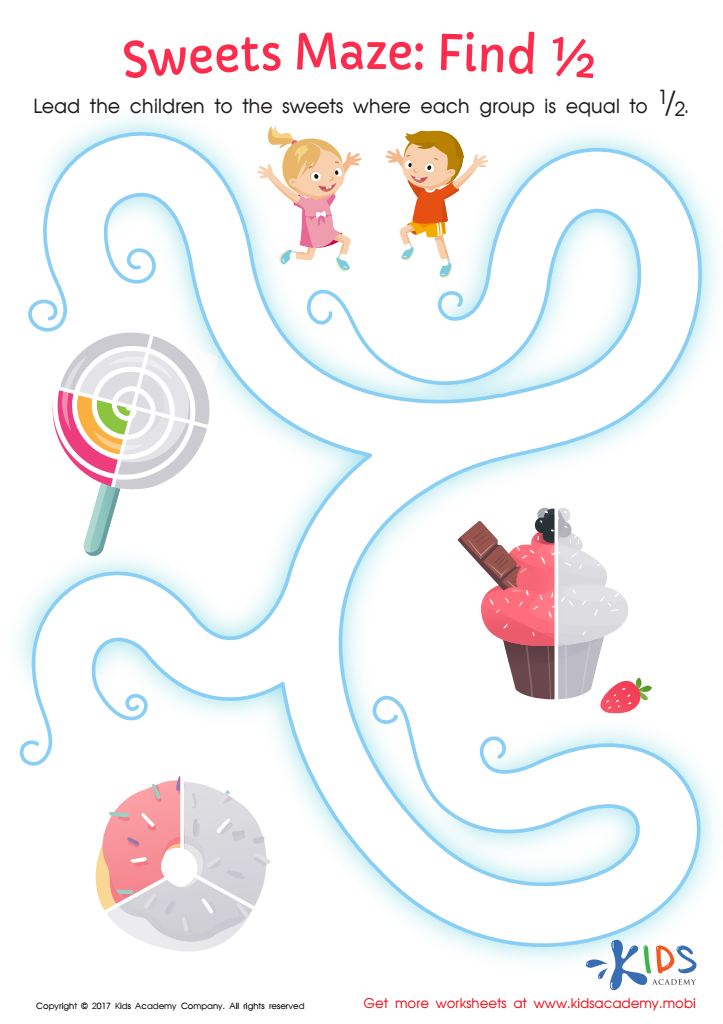
Fractions: Sweets Maze Worksheet
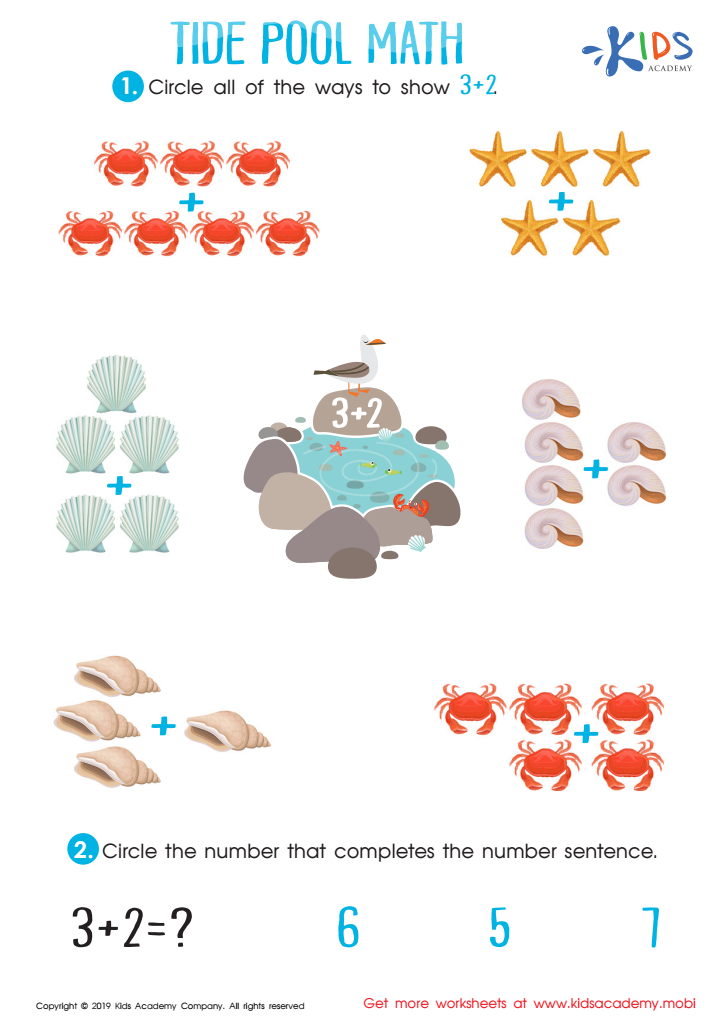
Tide Pool Math Worksheet
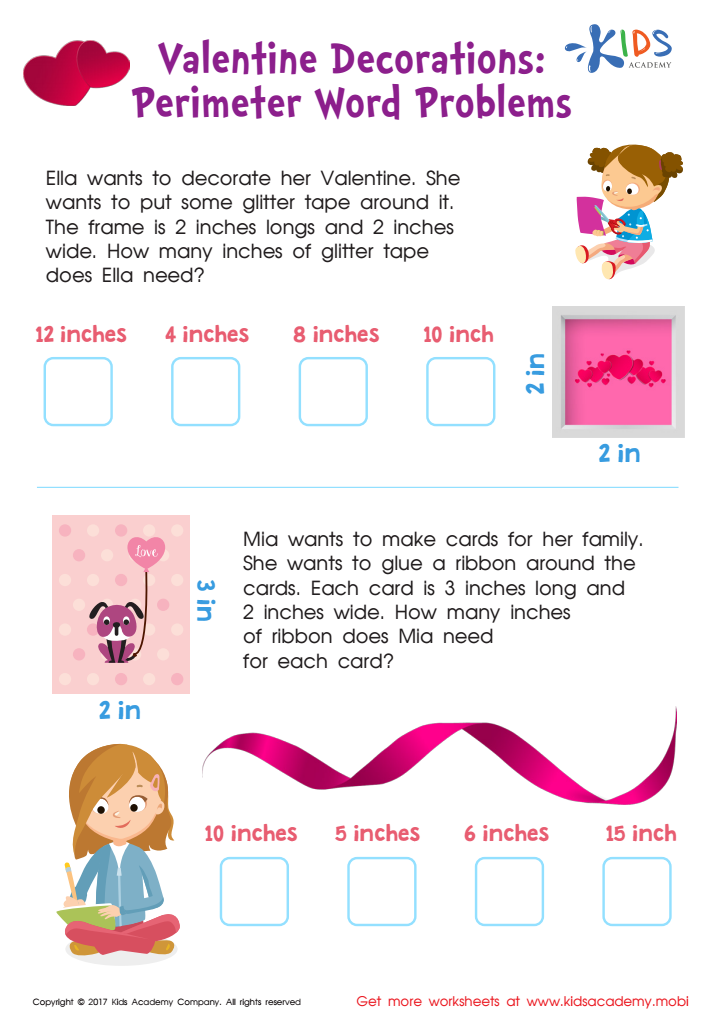
Perimeter Word Problems Worksheet
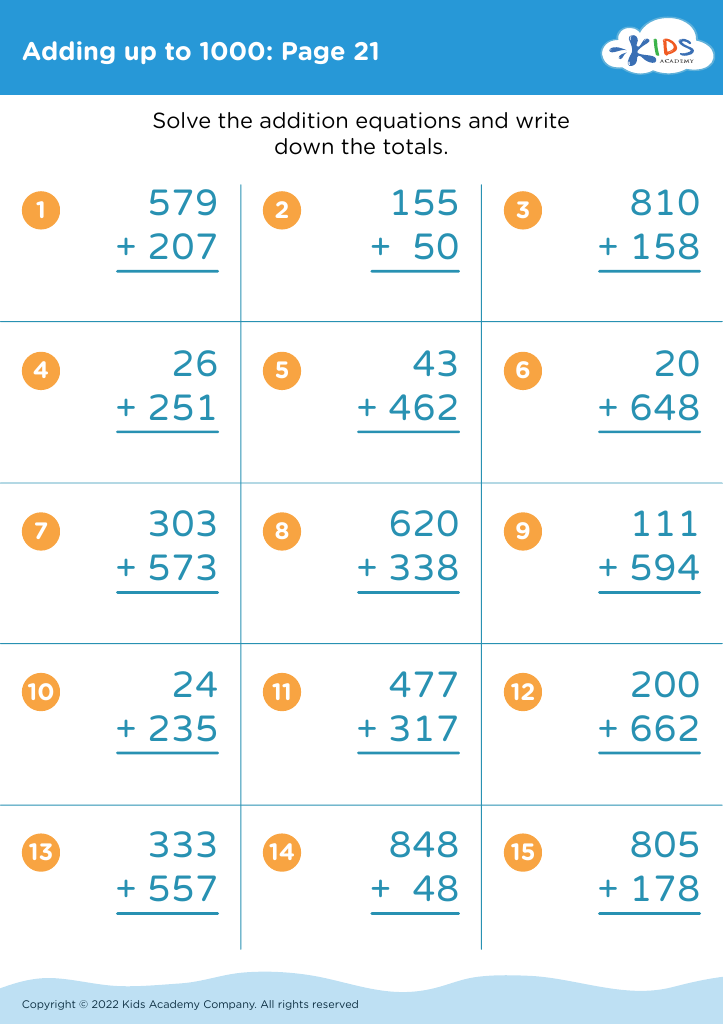
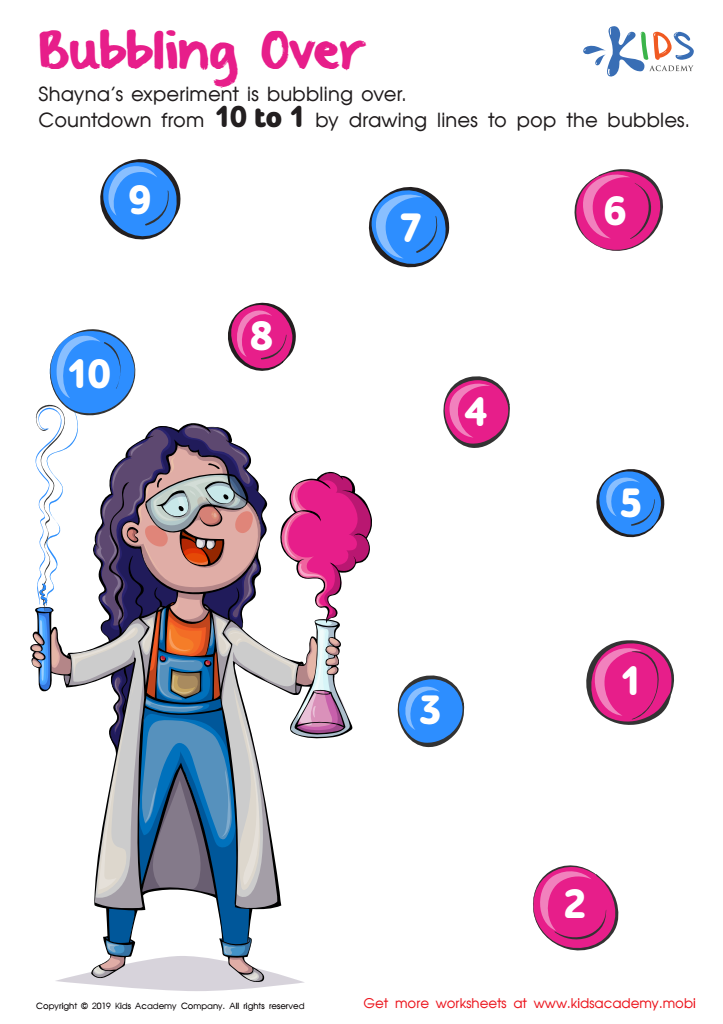
Bubbling Over Worksheet
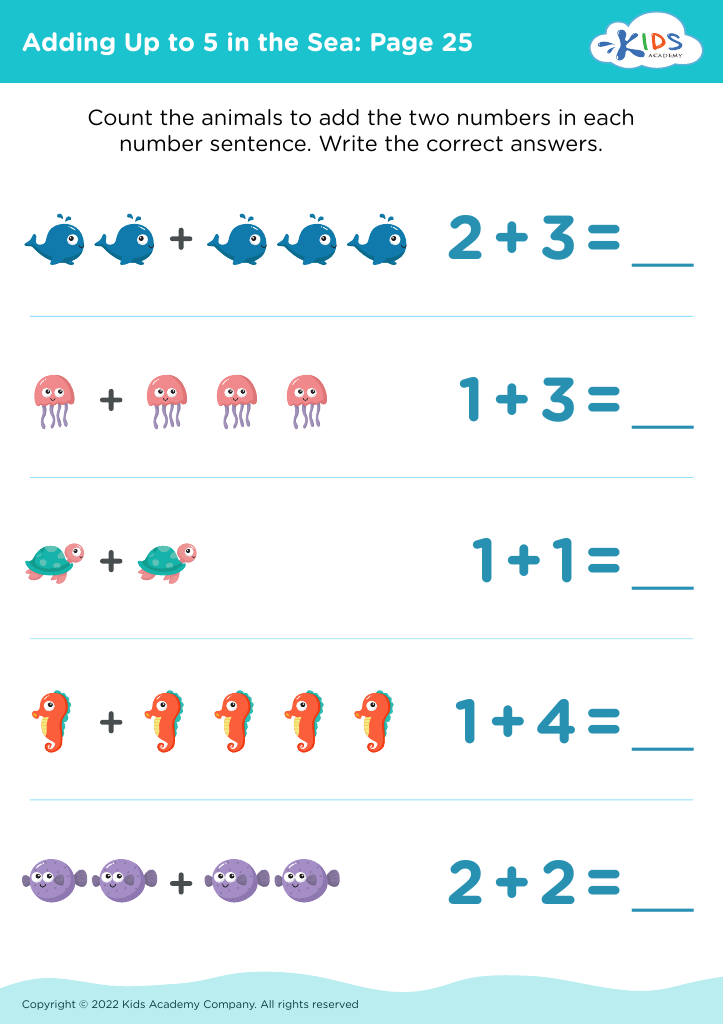
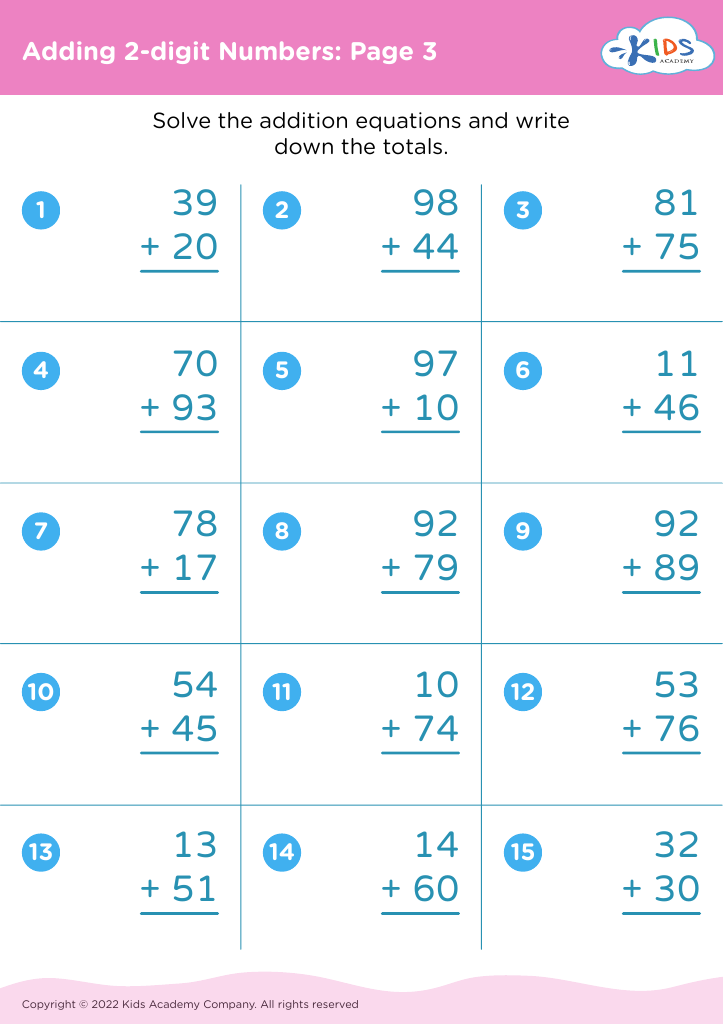
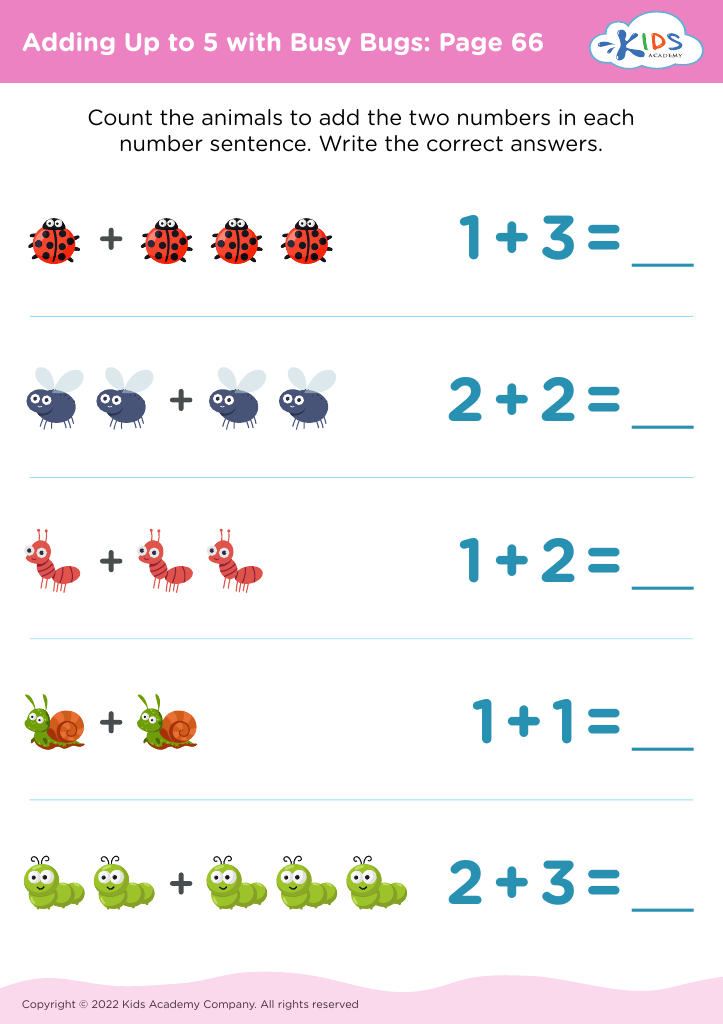
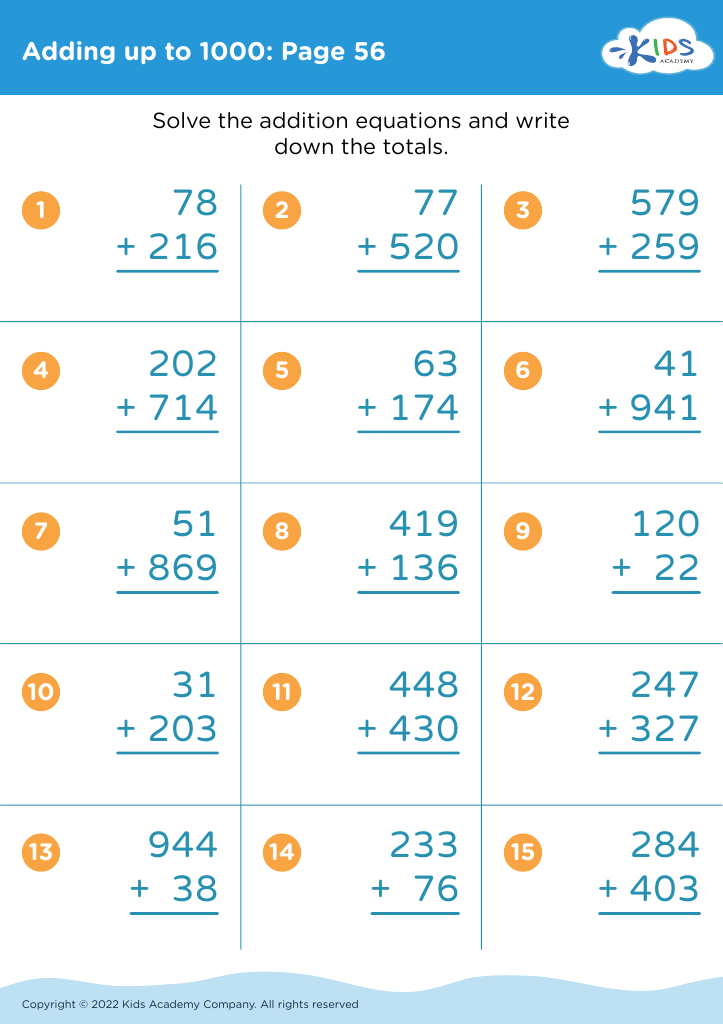
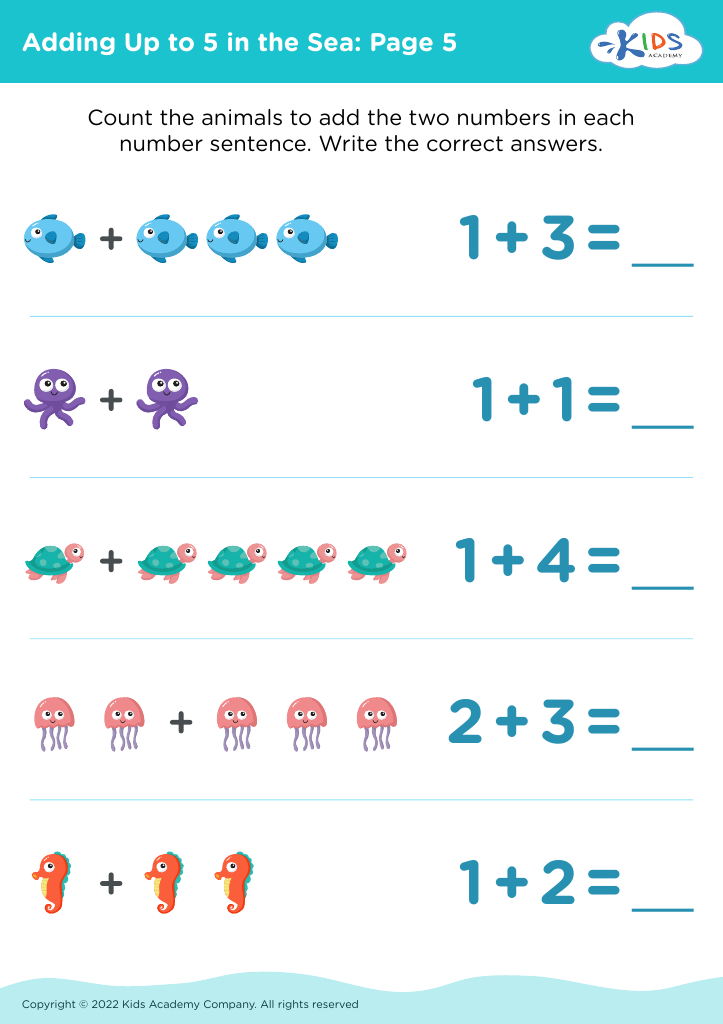
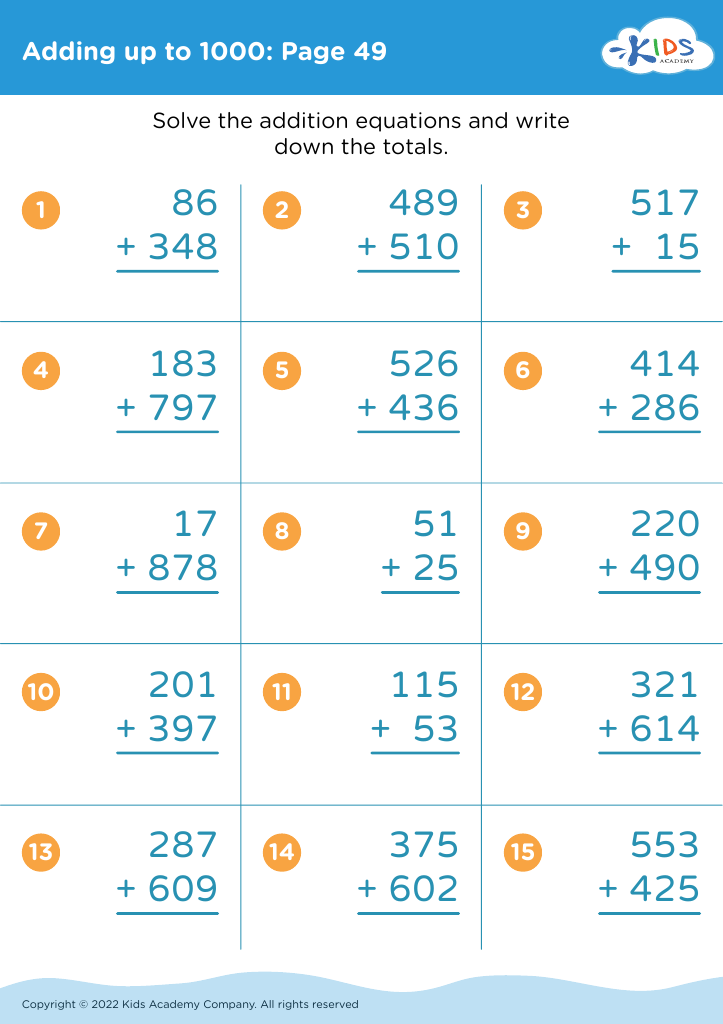
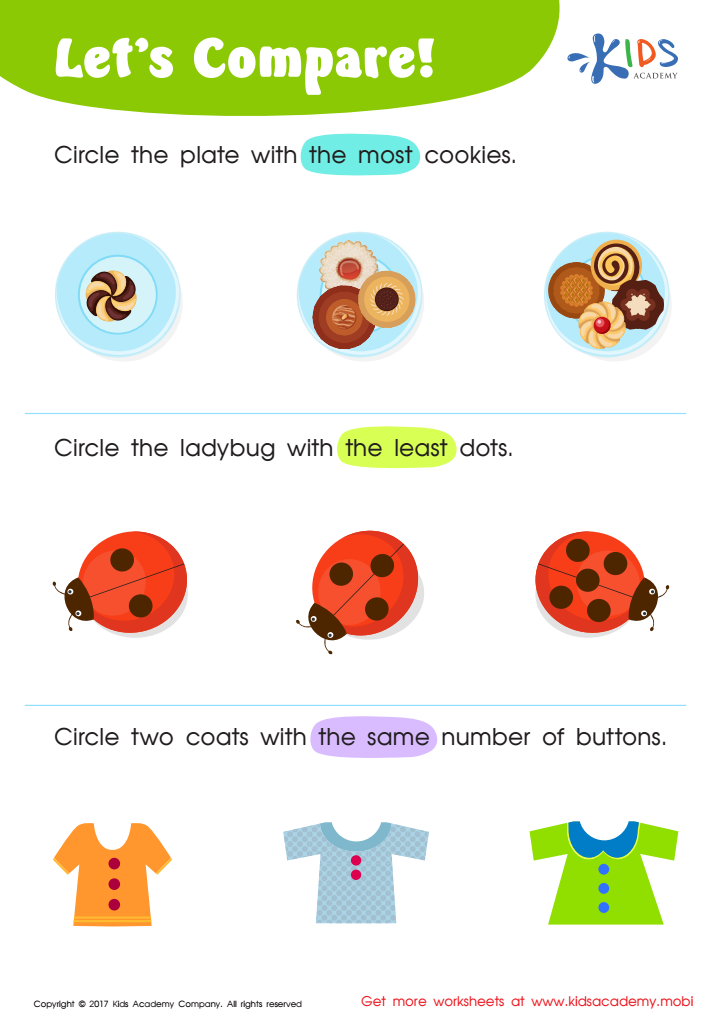
Matching: Classifying Toys by Size Worksheet
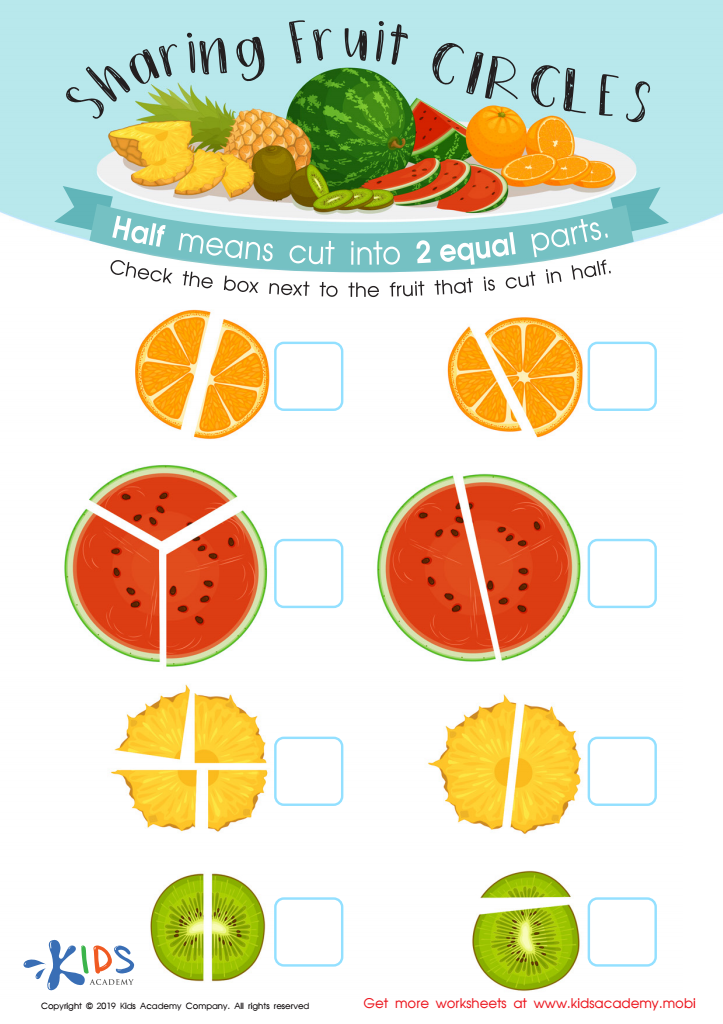
Sharing Fruit Circles Worksheet
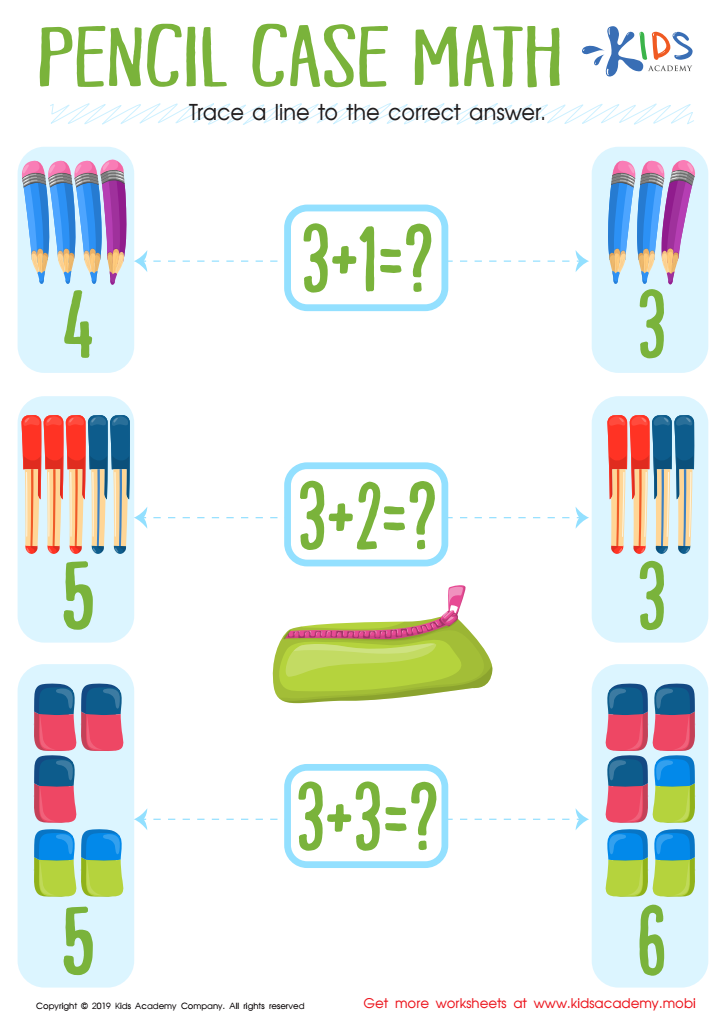
Pencil Case Math Worksheet

Let's Look! Part 2 Worksheet
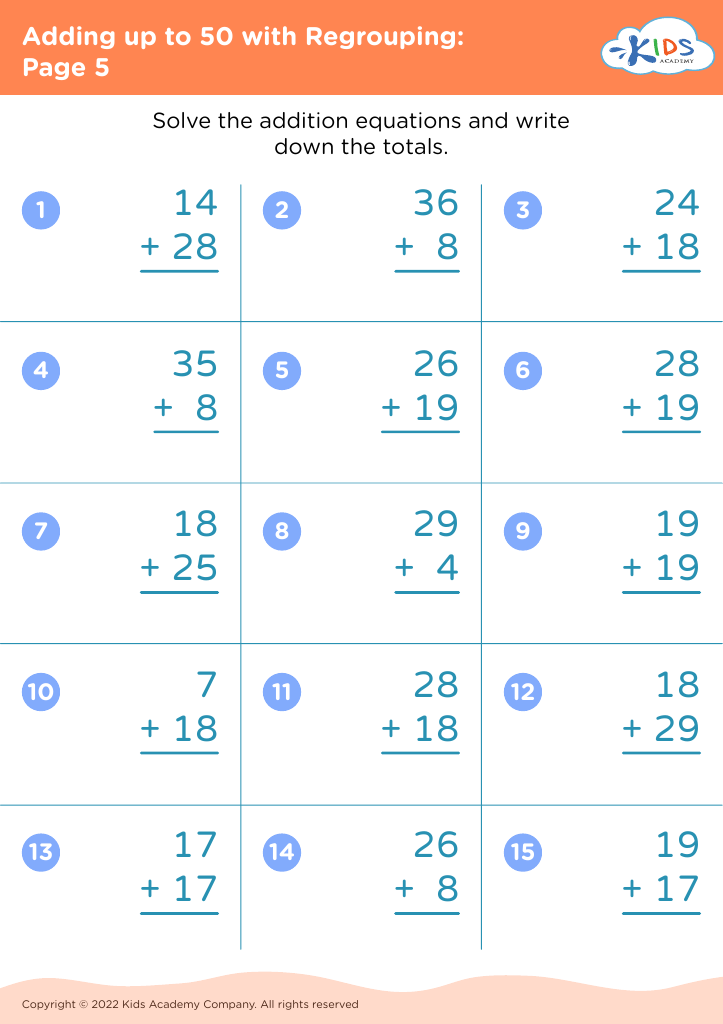
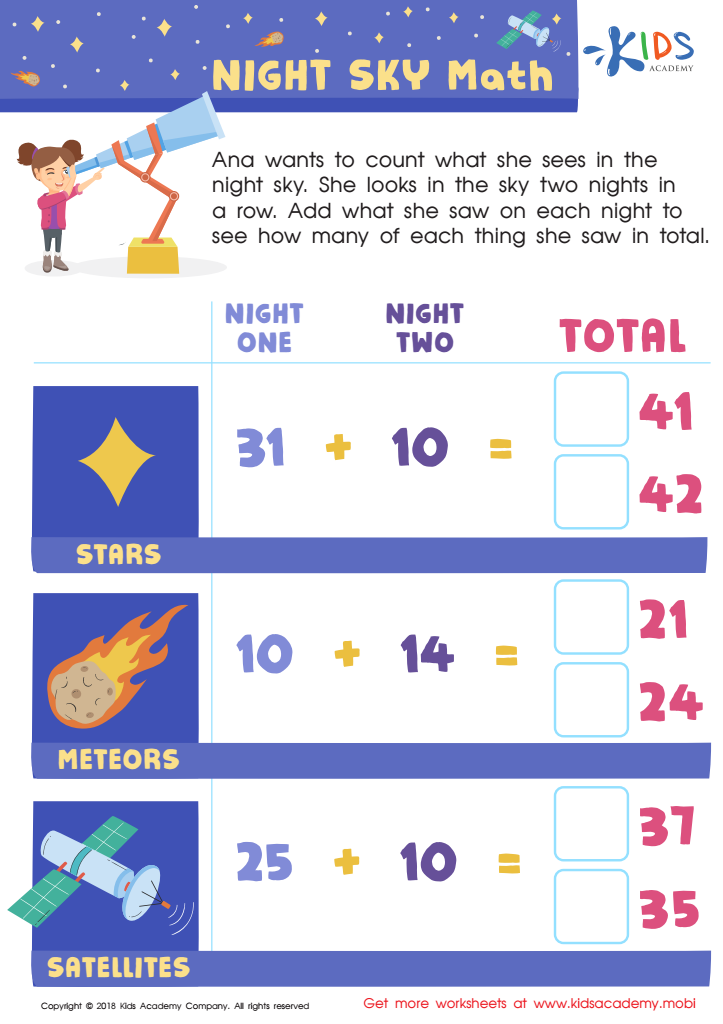
Night Sky Math Worksheet
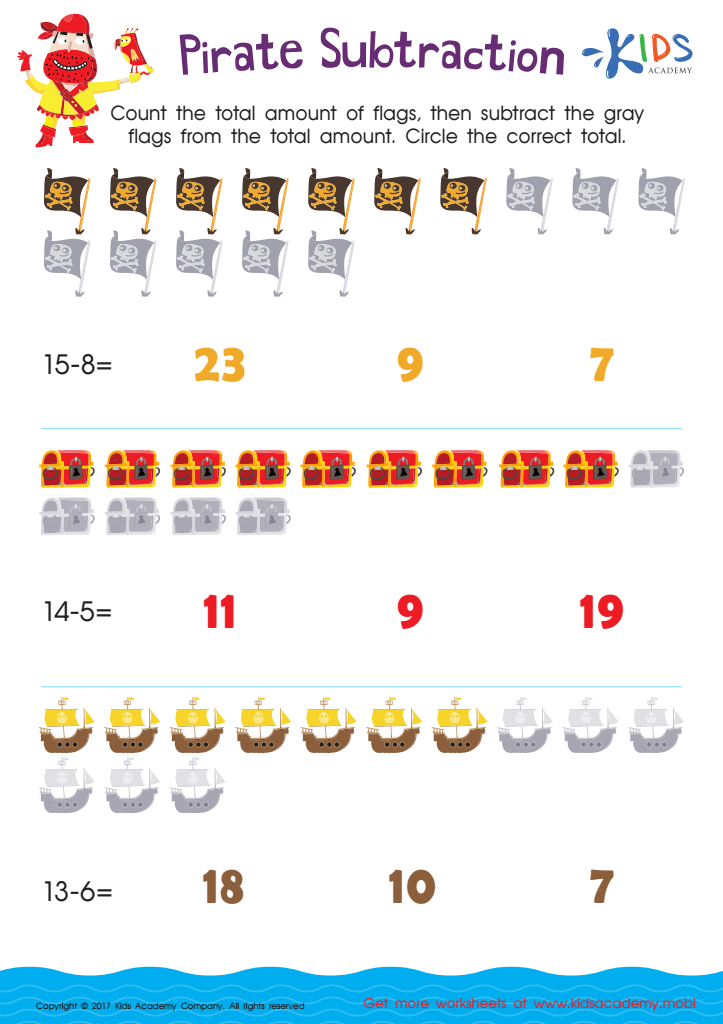
Pirate Subtraction Substraction Worksheet








Problem-solving skills in math for children aged 4-9 are fundamentally important and deserve the careful attention of both parents and teachers. During these formative years, young minds are remarkably adaptable, and fostering strong problem-solving abilities can set a solid foundation for their cognitive development.
Problem-solving in math nurtures critical thinking, enabling children to analyze situations, identify patterns, and develop logical reasoning. These skills do not just stay confined to math; they enhance overall intellectual flexibility, aiding in decision-making and creative thinking across various subjects and real-world scenarios.
For parents, encouraging problem-solving skills helps children become independent learners who can tackle challenges methodically. This, in turn, builds confidence and a positive attitude towards learning and overcoming difficulties. Parents' involvement in their children's math problem-solving also provides bonding opportunities and the ability to support their learning journeys actively.
For teachers, implementing problem-solving activities in math classes cultivates a classroom environment that values curiosity and persistence. It also allows teachers to identify students’ unique thought processes and tailor their instruction accordingly. Engaging children in problem-solving prepares them for more complex concepts in higher grades, ensuring a smoother academic trajectory.
In summary, by caring about and actively fostering problem-solving skills in math, parents and teachers are laying the groundwork for a child's holistic cognitive development, academic success, and life-long learning aptitude.








