Visual perception Math Worksheets for Ages 4-9 - Page 2
57 filtered results
-
From - To
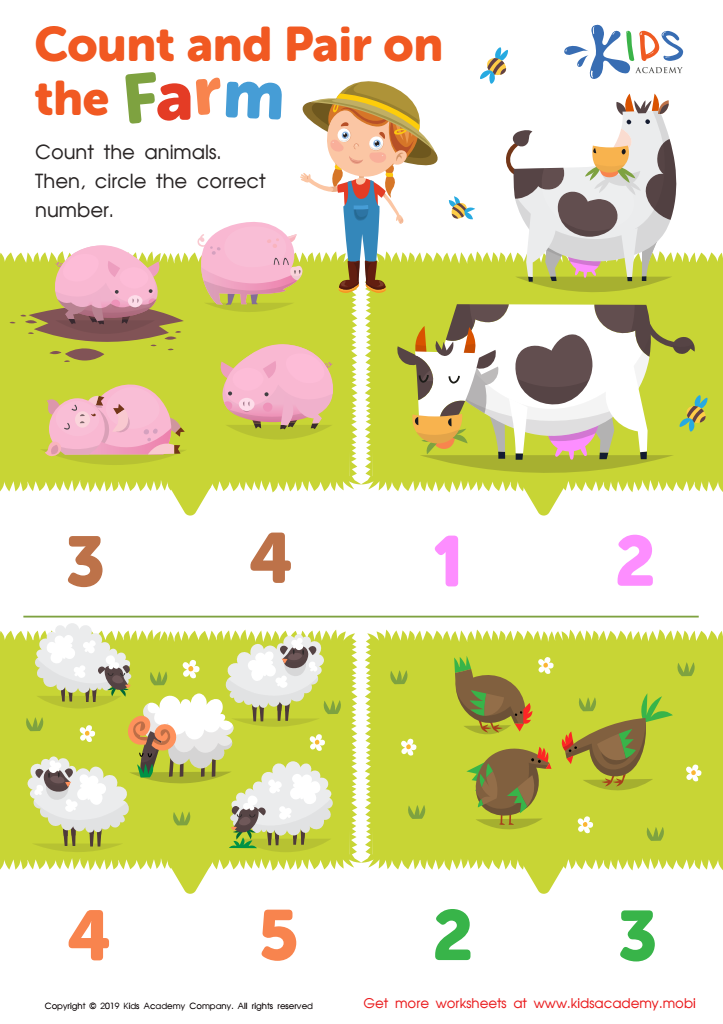
Count and Pair on the Farm Worksheet
 Assign to My Students
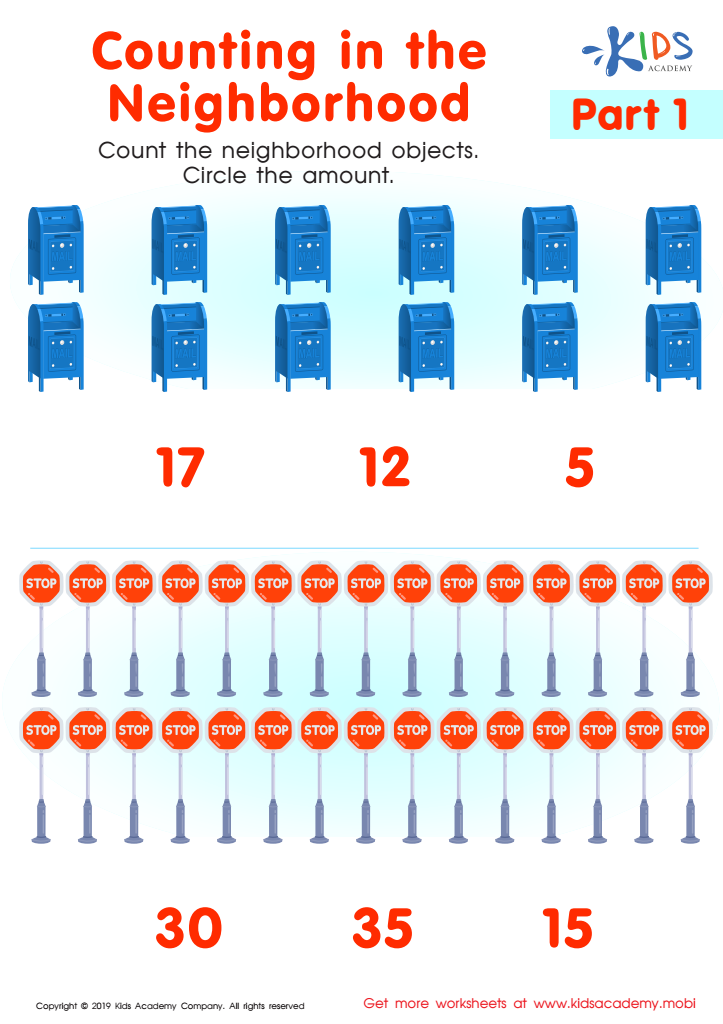
Counting in the Neighborhood Part1 Worksheet
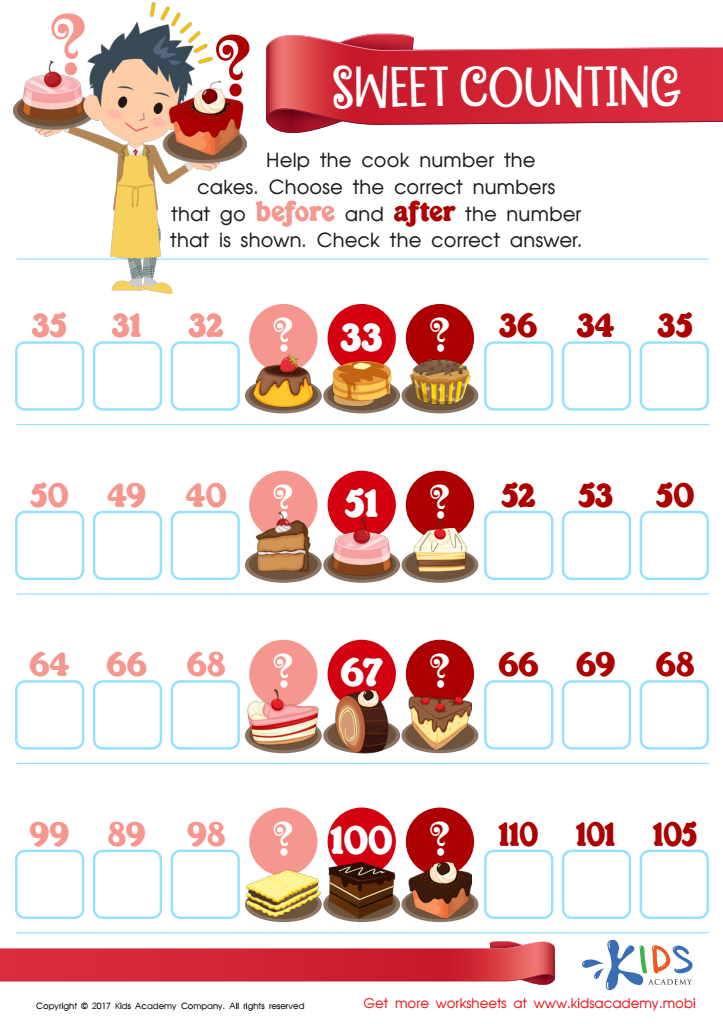
Sweet Counting - Part 1 Worksheet
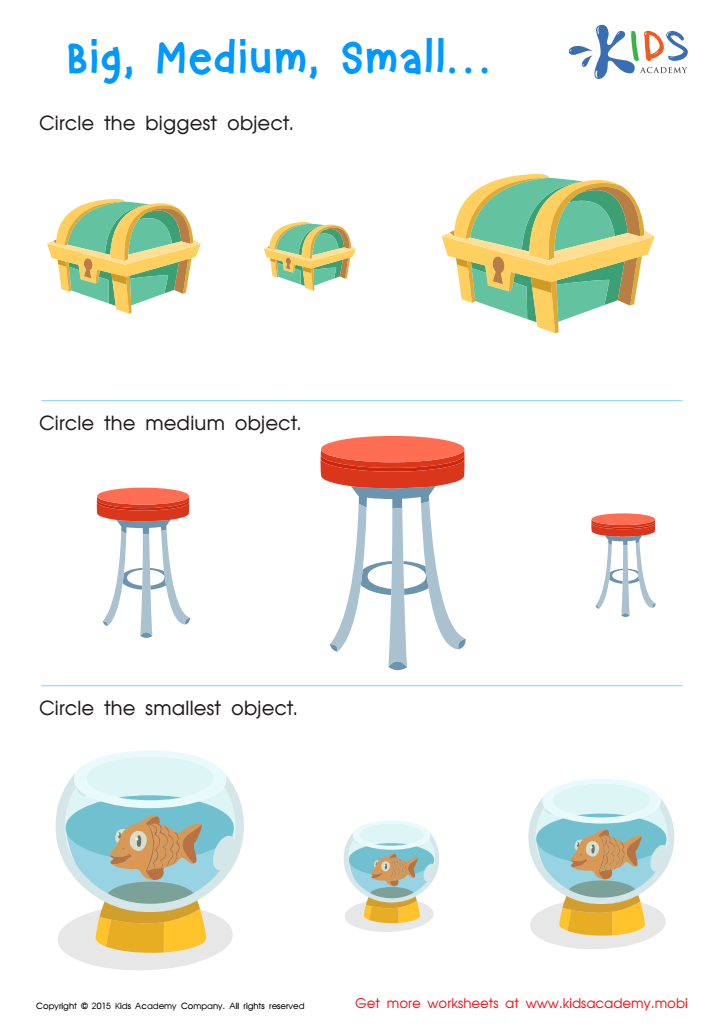
Big Medium Small Worksheet
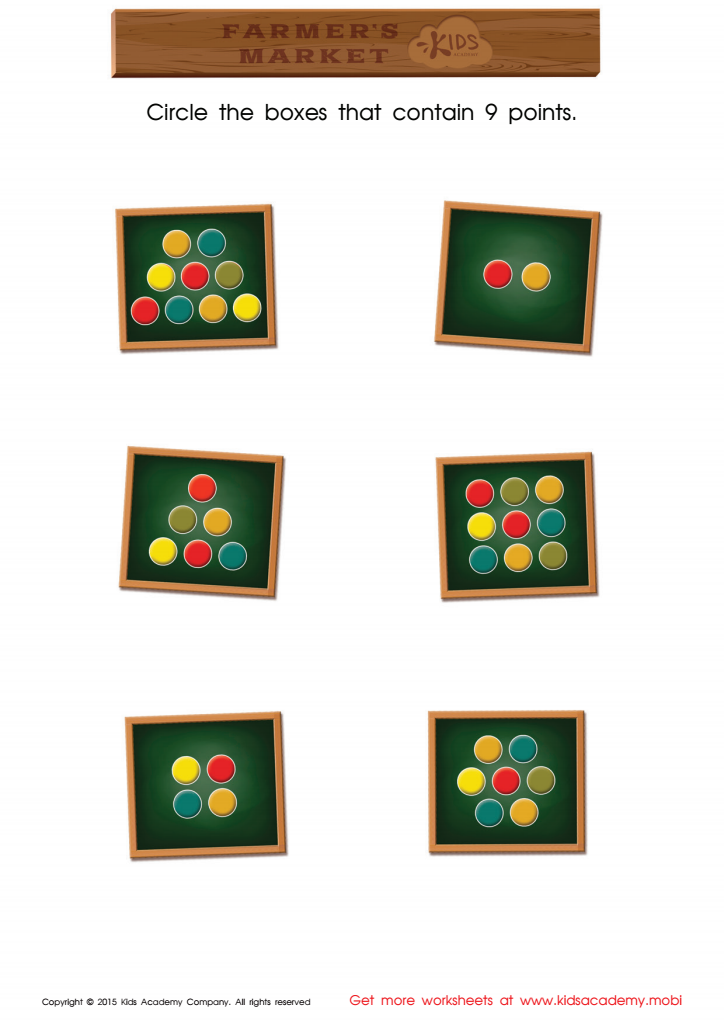
Count and Match Points 9 Math Worksheet
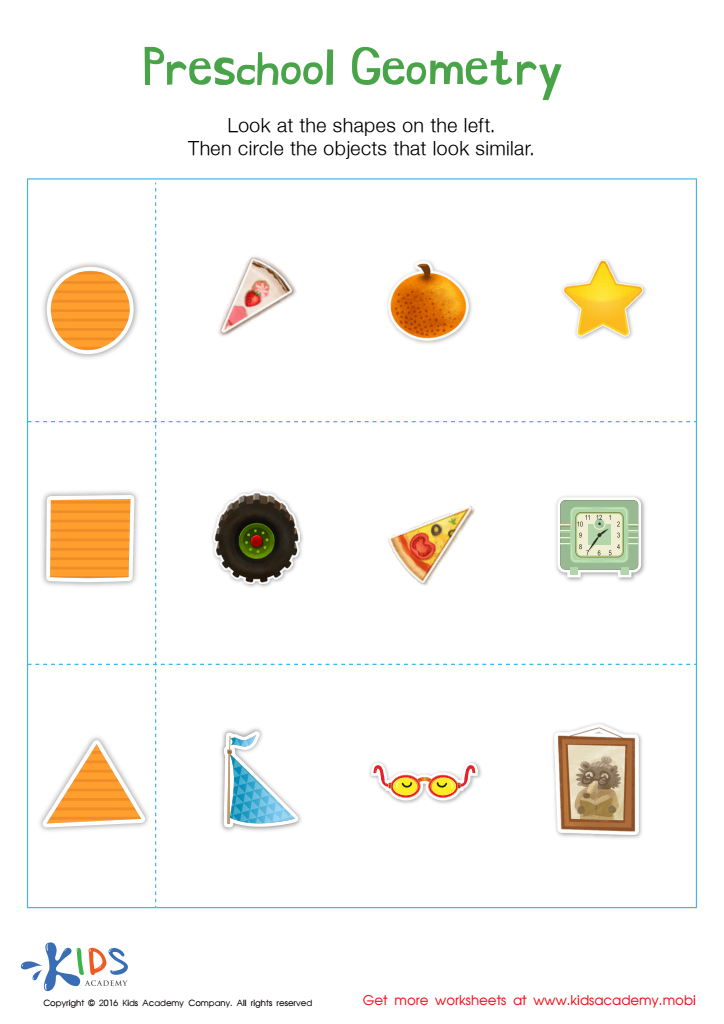
Preschool Geometry Match Up Worksheet
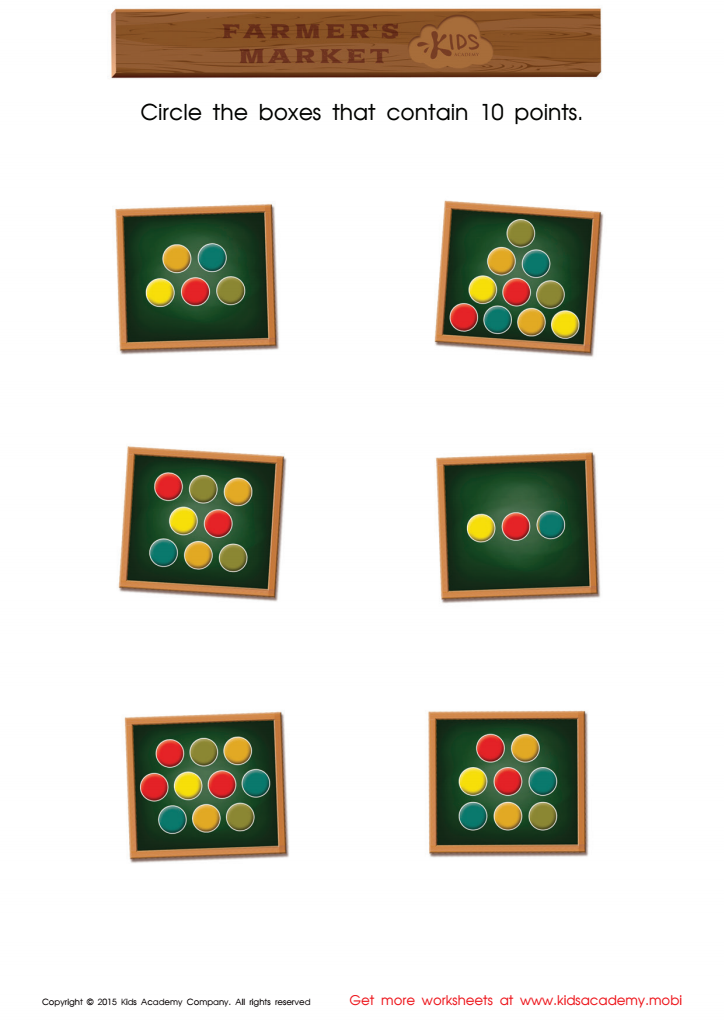
Count and Match Points 10 Math Worksheet
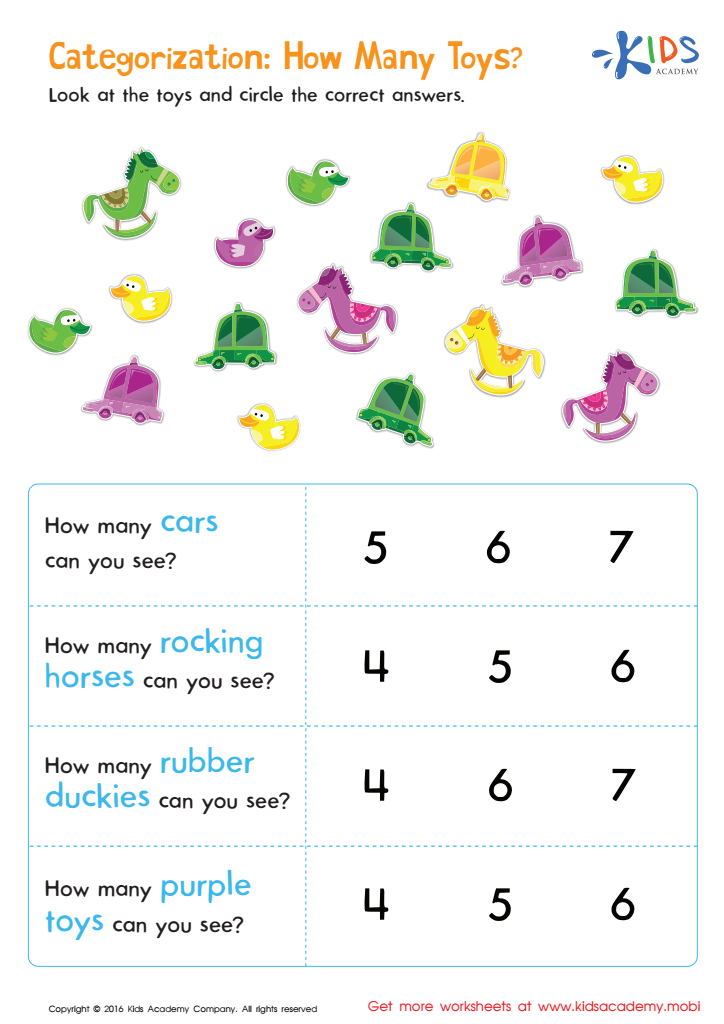
Classifying Toys by Type and Color Sorting Worksheet
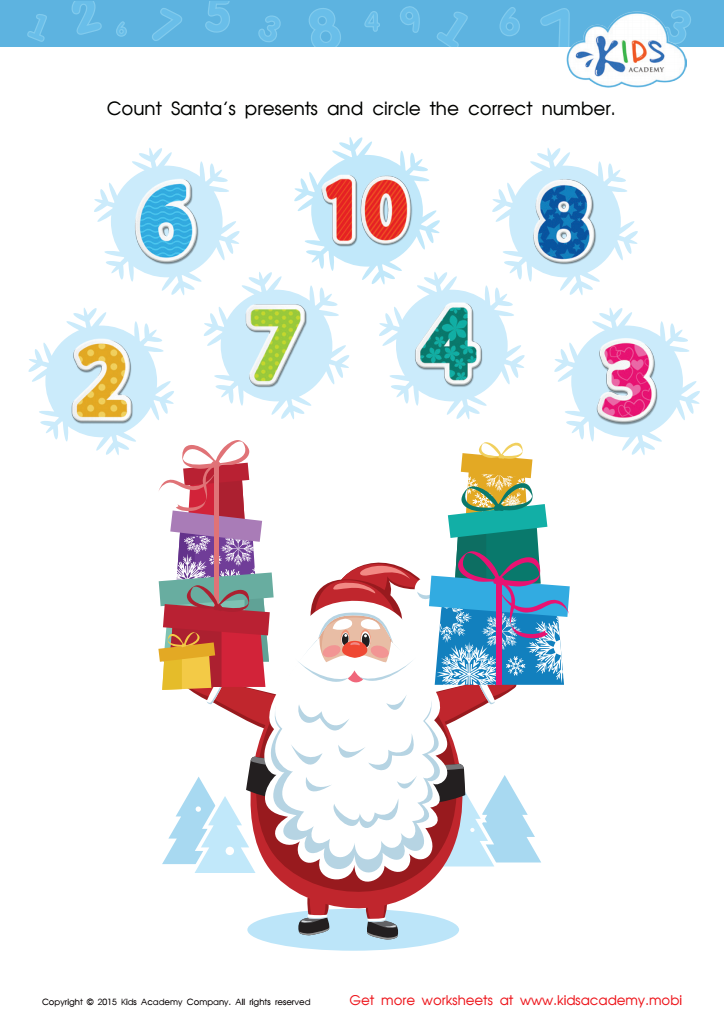
Count Santa's Presents Worksheet
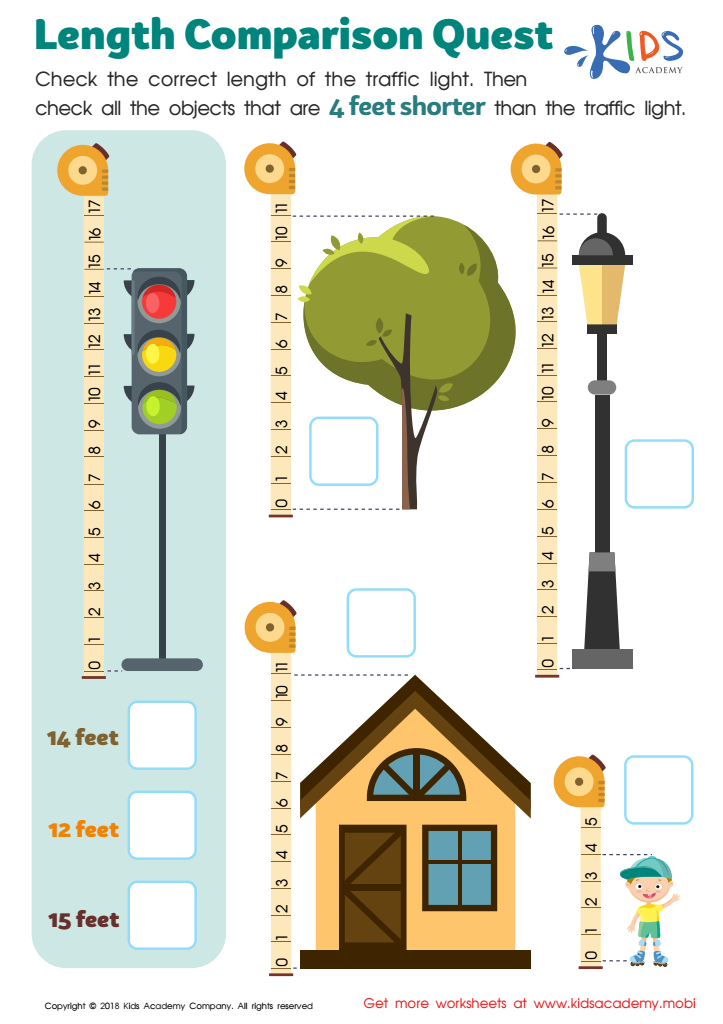
Length Comparison Quest Worksheet
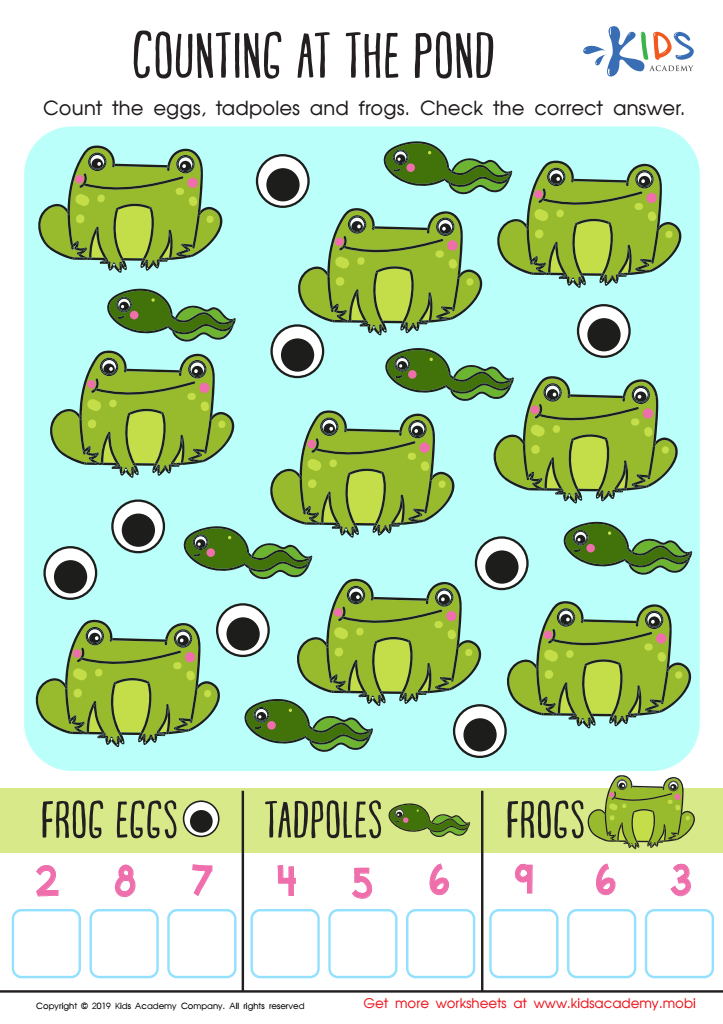
Counting at the Pond Worksheet
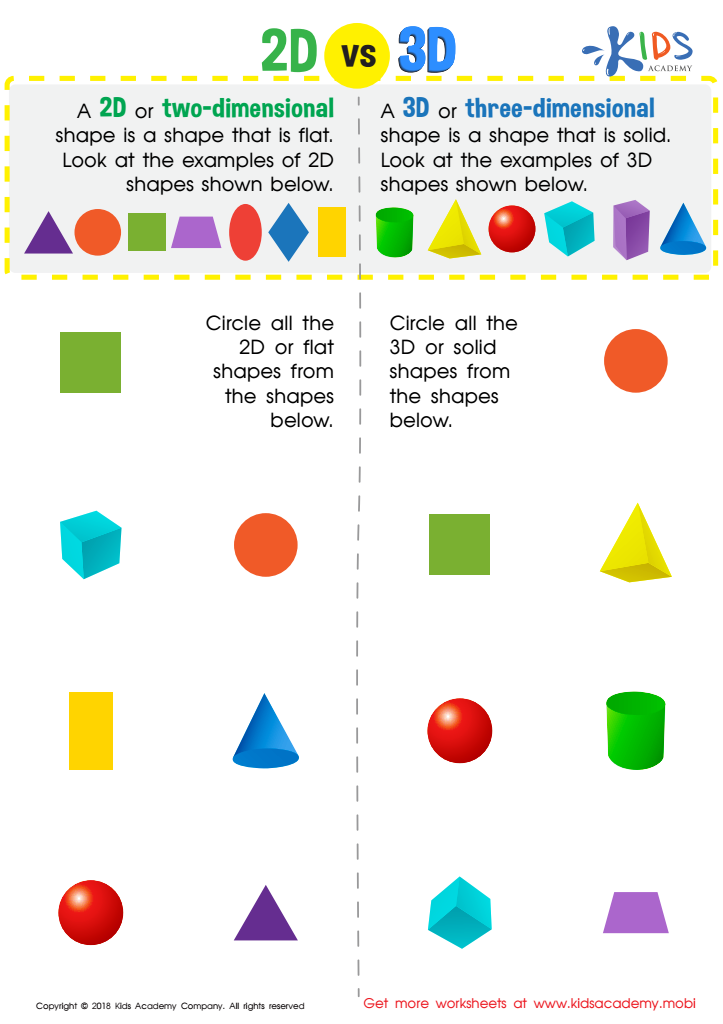
2D vs 3D Shapes Worksheet
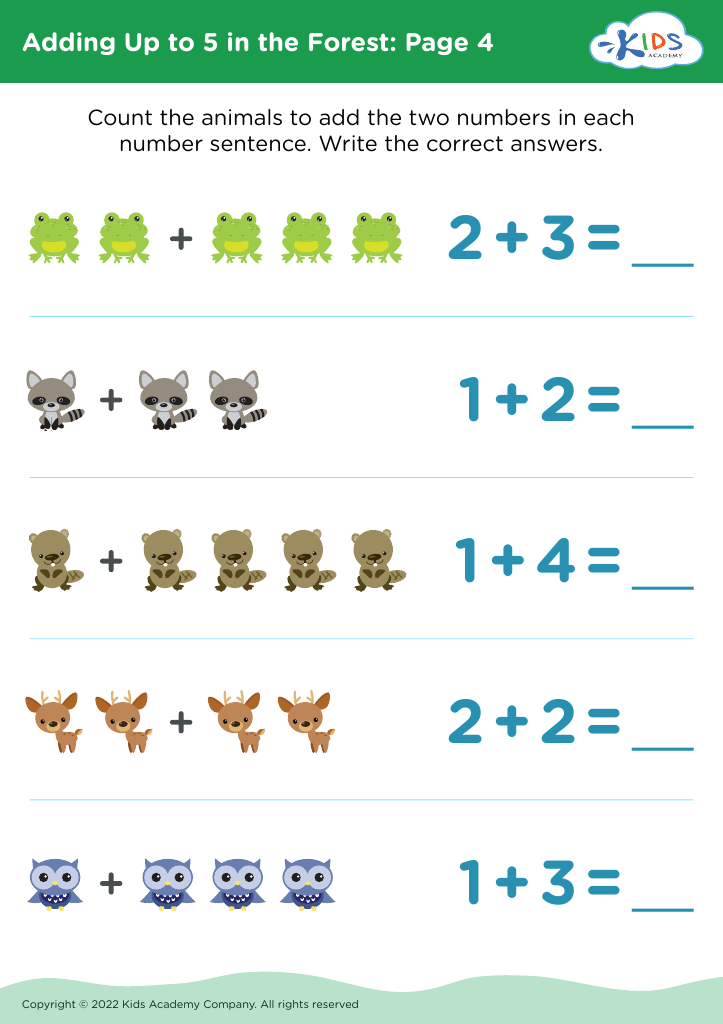
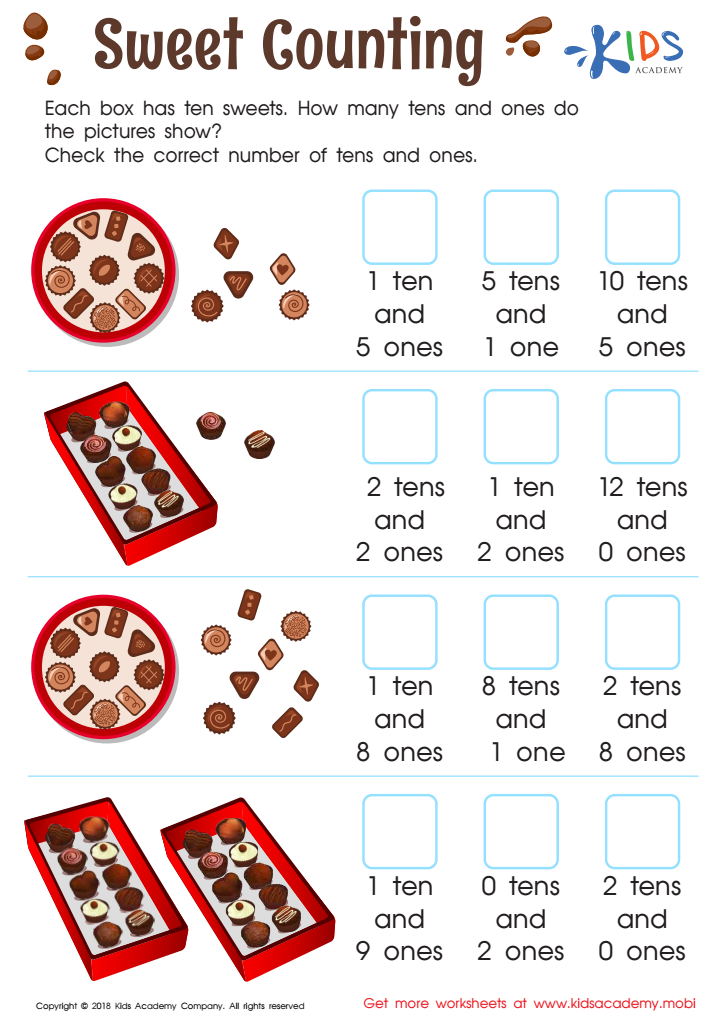
Sweet Counting - Part 2 Worksheet
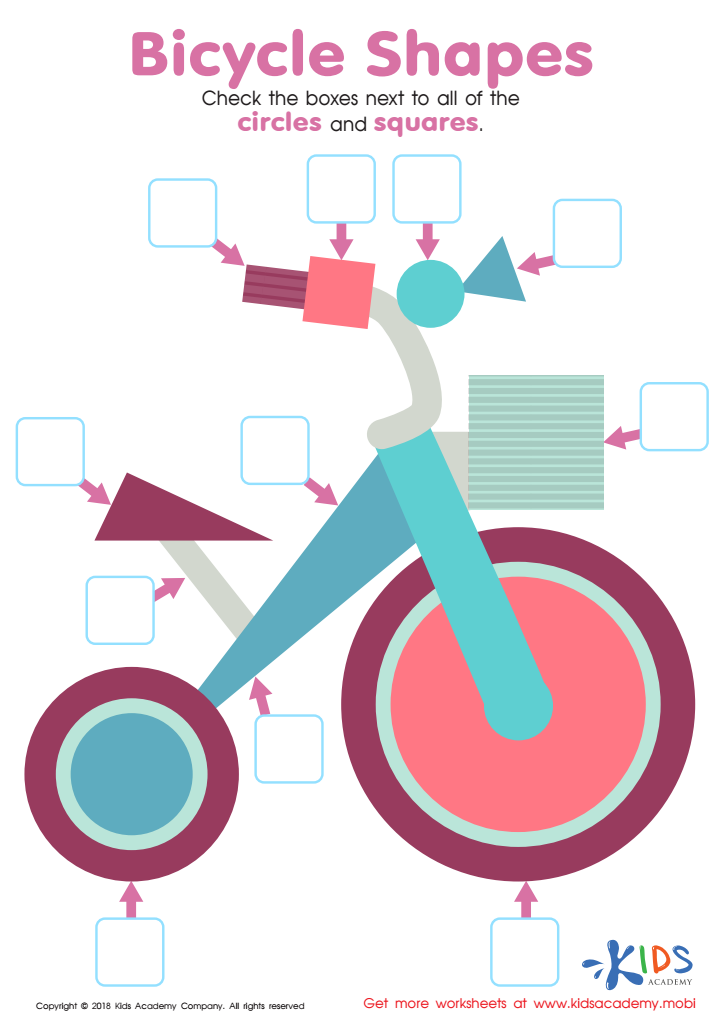
Bicycle Shapes Worksheet
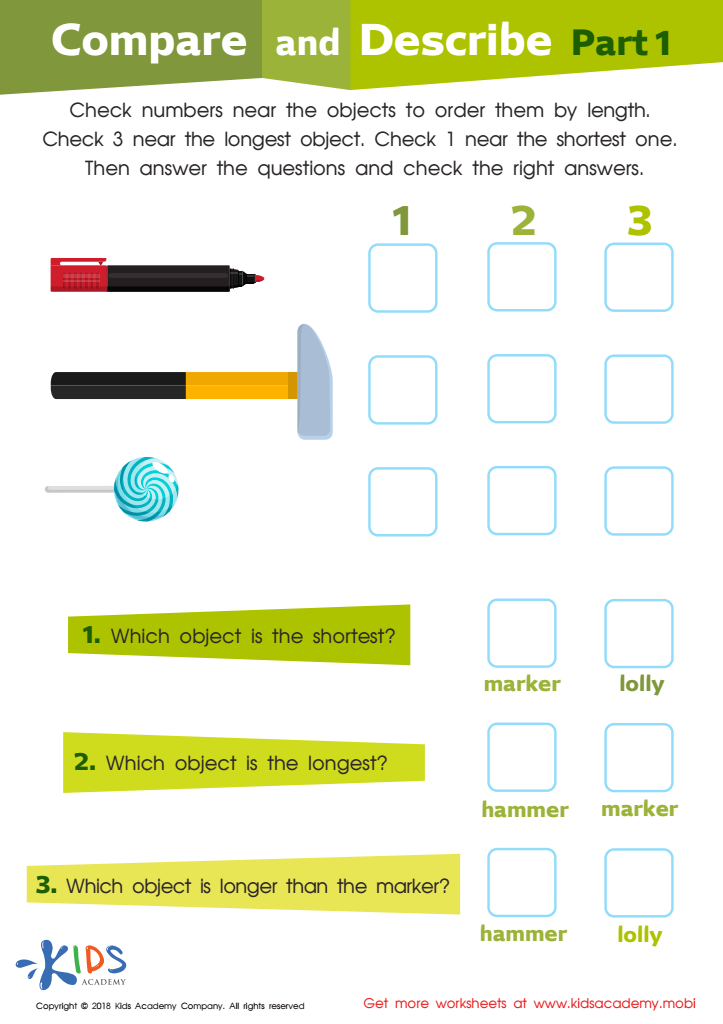
Compare and Describe: Part 1 Worksheet
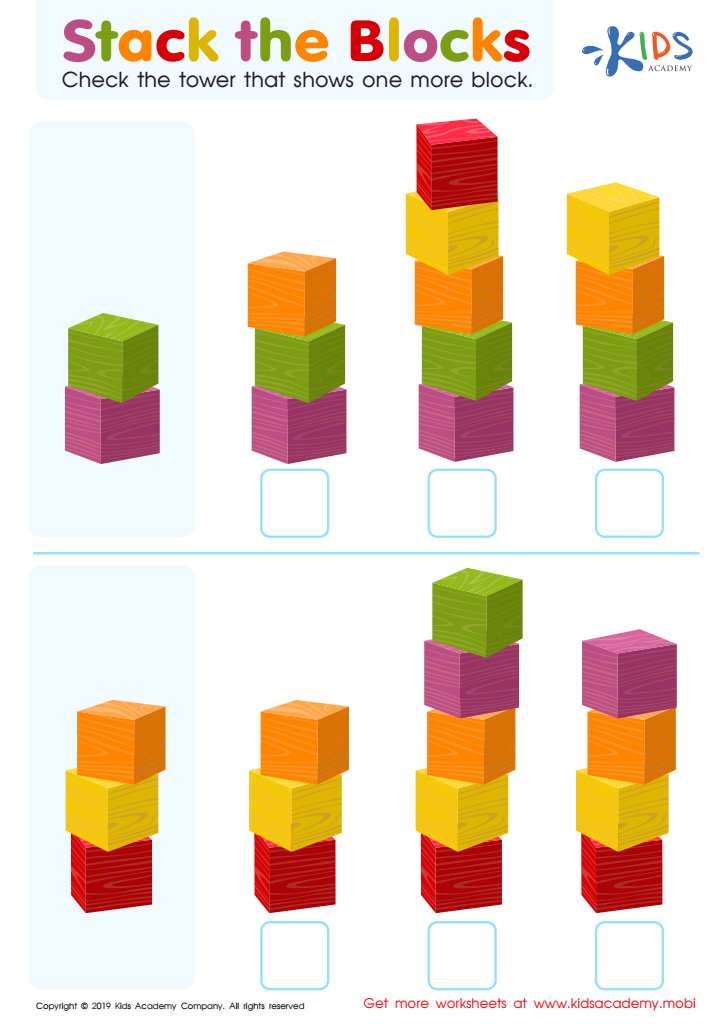
Stack the Blocks Worksheet
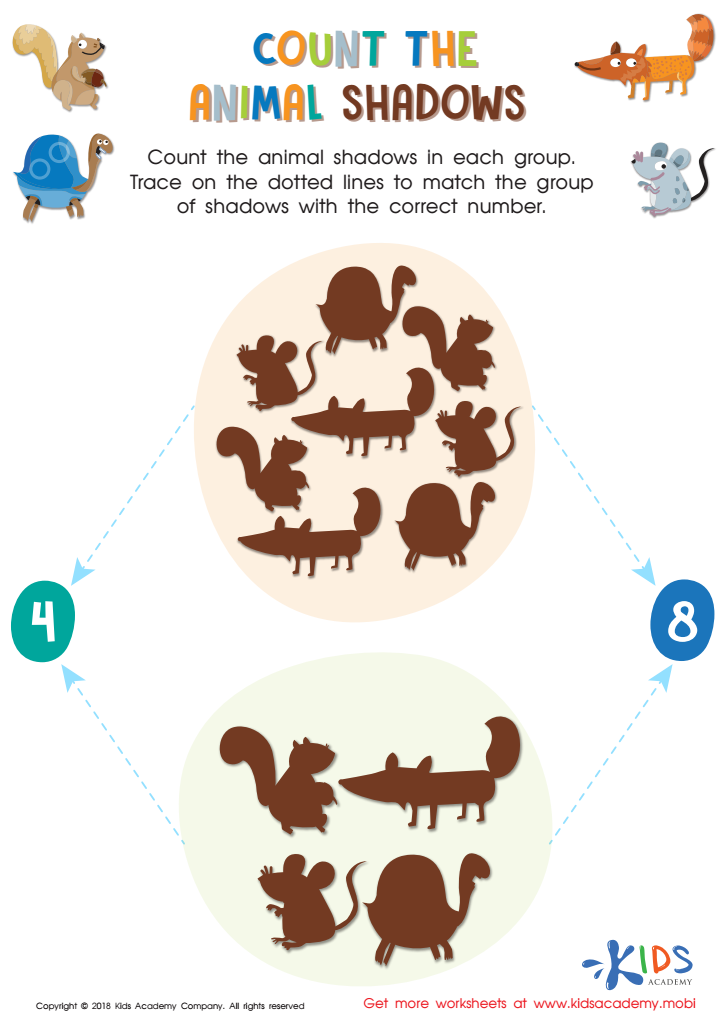
Count the Animal Shadows Worksheet
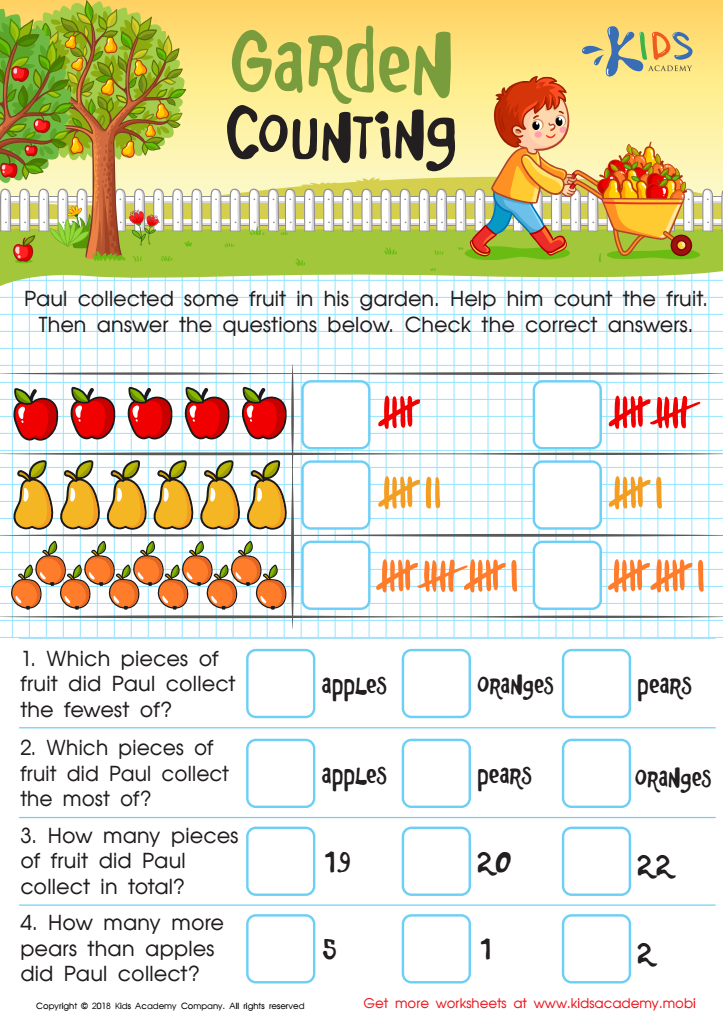
Garden Counting Worksheet
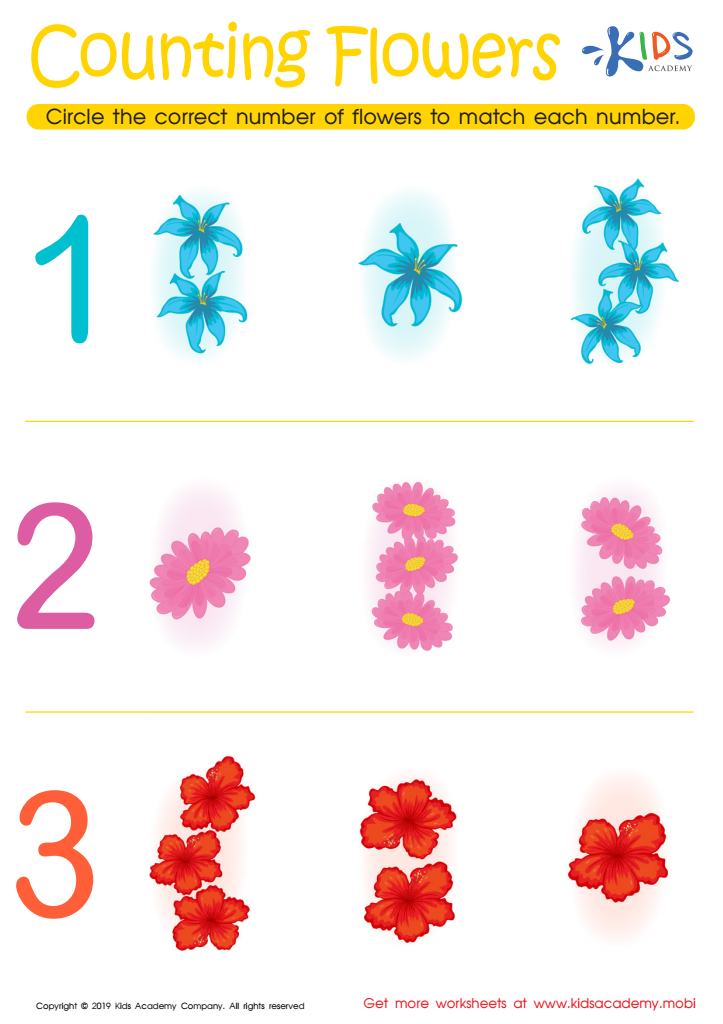
Counting Flowers Worksheet
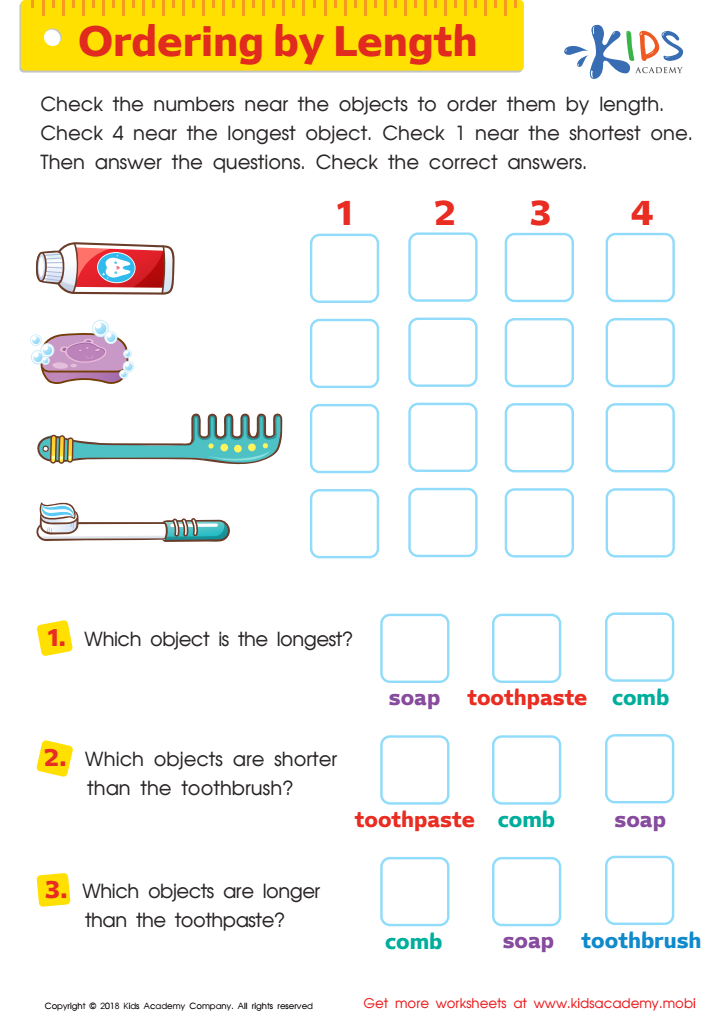
Ordering by Length Worksheet



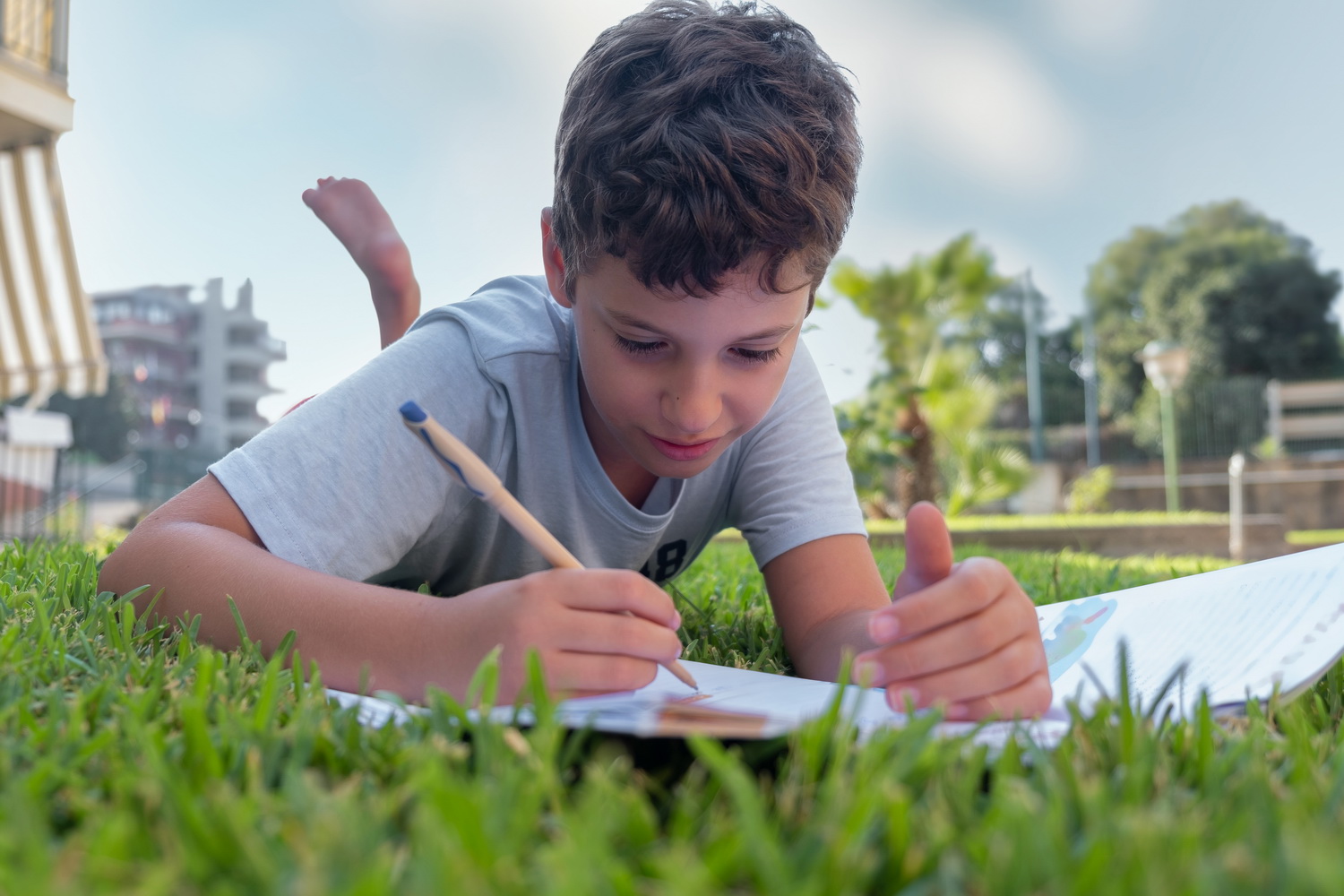




Visual perception skills are crucial for young children aged 4-9 as they significantly influence their ability to learn and understand mathematical concepts. Visual perception refers to the brain's ability to make sense of what the eyes see. It encompasses skills such as visual discrimination, spatial awareness, and visual memory.
At this formative age, children are developing their ability to recognize shapes, sizes, and patterns, which are foundational for math. For instance, understanding geometric shapes and their properties involves visual discrimination, while comprehending the concept of numbers and understanding their placement in space involves spatial awareness.
Visual perception skills are also integral to problem-solving and logical thinking. When children solve puzzles or engage in activities that require them to match or sort objects, they enhance their ability to analyze and organize information—skills that are critical in learning math.
Moreover, strong visual perception skills help children in their daily tasks, improving their hand-eye coordination and fine motor skills. This development is beneficial for tasks such as writing numbers, drawing shapes, and accurately interpreting visual presentations of mathematical problems.
Therefore, both parents and teachers should care about fostering these skills through engaging, hands-on activities. Better visual perception skills establish a strong foundation not only for math but also for broader cognitive development and overall academic success.








