Filters

6 filtered results

Clear all filters
Favorites
With answer key
Interactive

6 filtered results

Difficulty Level

Grade


Subject

    Discover our engaging Fine Motor Skills Numbers 11–20 worksheets designed specifically for children ages 4-9. These curated printables help young learners develop essential fine motor skills while mastering numbers 11 through 20. Each worksheet includes fun and interactive activities that encourage counting, tracing, and coloring, making math both enjoyable and educational. Perfect for at-home practice or use in the classroom, our resources stimulate hand-eye coordination, strengthen grip, and enhance dexterity—all crucial for early literacy and math success. Empower your child's learning journey with these thoughtfully crafted worksheets, ensuring they build confidence as they explore numbers in a creative way!

    Check out this FREE Trial Lesson on Numbers 11–20 for age 4-9!

    Write 11-20

    Favorites
    With answer key
    Interactive
    • 4-9
    • Fine Motor Skills
    • Numbers 11–20
    Сounting from 11 to 20 Worksheet
    Сounting from 11 to 20 Worksheet

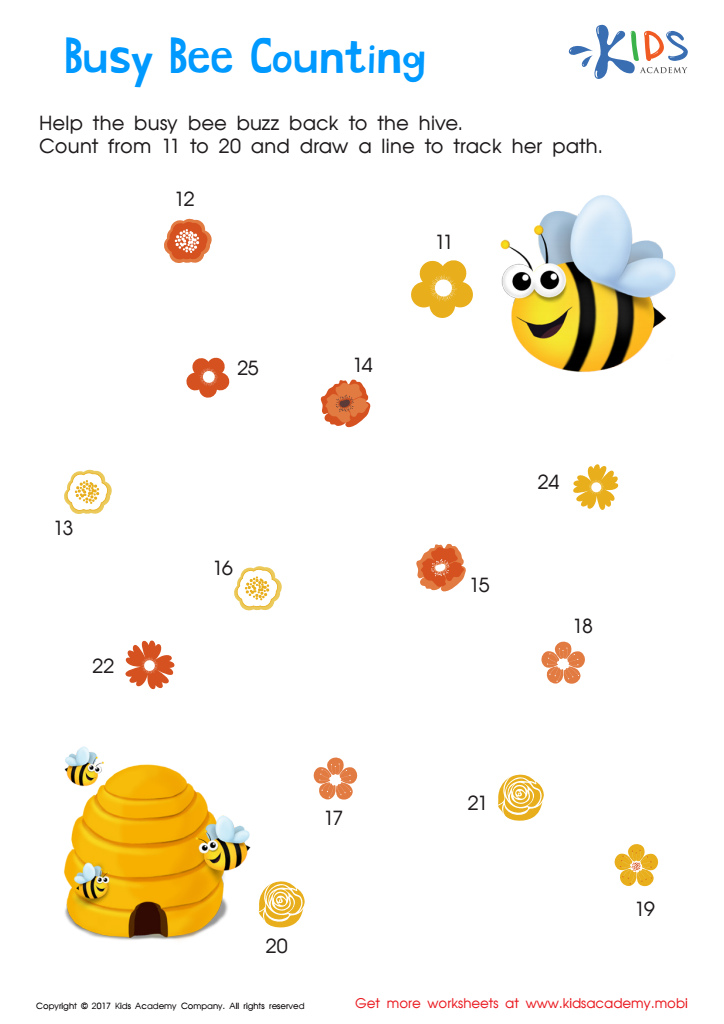
    Ordering 11–20: Busy Bee Counting Worksheet

    Help your child master counting from 11 to 20 with our connect the dot counting worksheet. Kids will have fun counting, drawing and problem-solving with this vibrant worksheet. With clear directions, adorable pictures and a sense of purpose, your child will develop crucial numeracy skills without even knowing it!
    Ordering 11–20: Busy Bee Counting Worksheet
    Worksheet
    Connect the Dots Printable Worksheet
    Connect the Dots Printable Worksheet

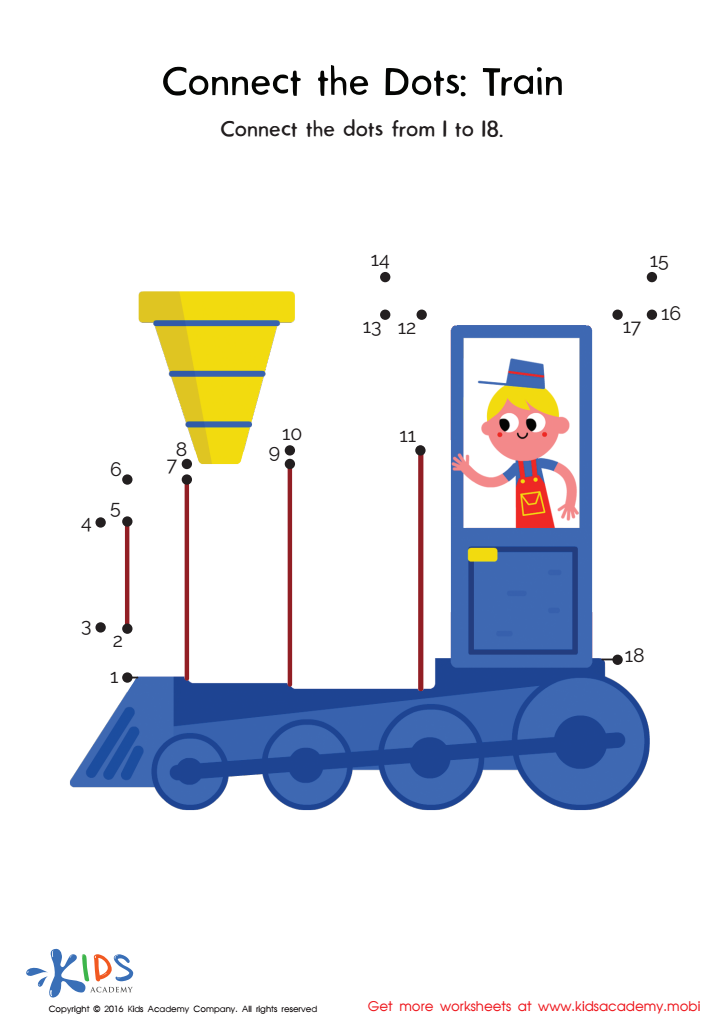
    Train Connect Dots Worksheet

    Train Connect Dots Worksheet
    Worksheet
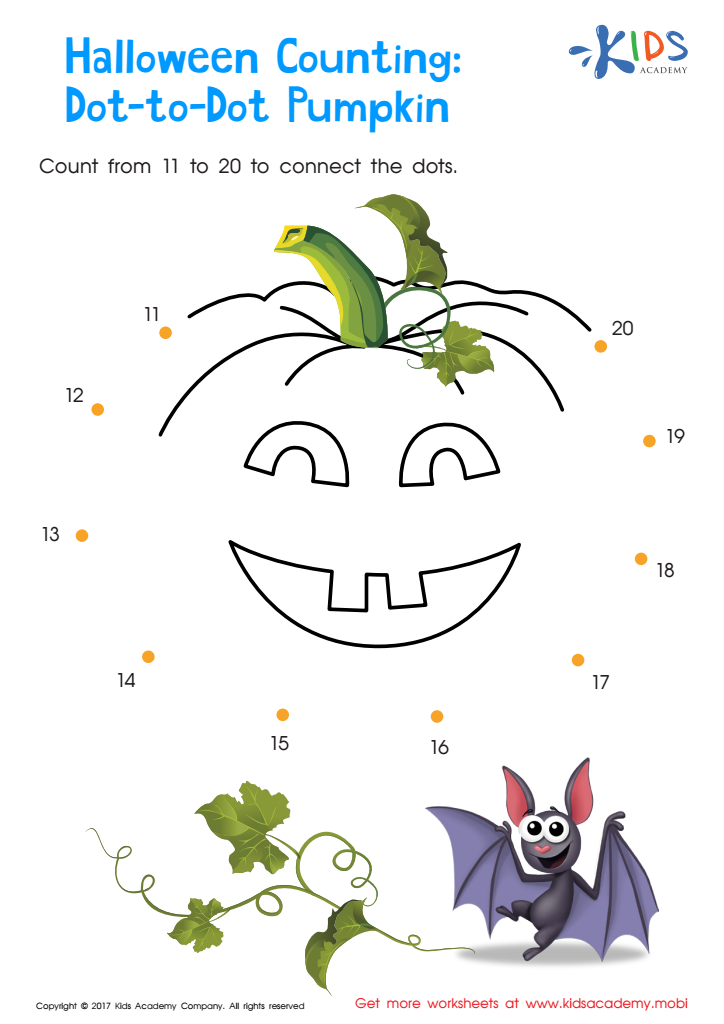
    Halloween Counting Worksheet from 11 to 20
    Halloween Counting Worksheet from 11 to 20

    Ordering 11–20: Halloween Counting Worksheet
    No matter the time of year, help your child get ready for Halloween with this worksheet. They'll practice counting from 11 to 20, recognizing numbers, and using a pencil to draw. By connecting the dots, they'll create a pumpkin picture, while unknowingly strengthening their early math skills. Print it today for an educational and fun experience!
    Ordering 11–20: Halloween Counting Worksheet
    Worksheet
    Dot to Dot Numbers 11-20
    Dot to Dot Numbers 11-20

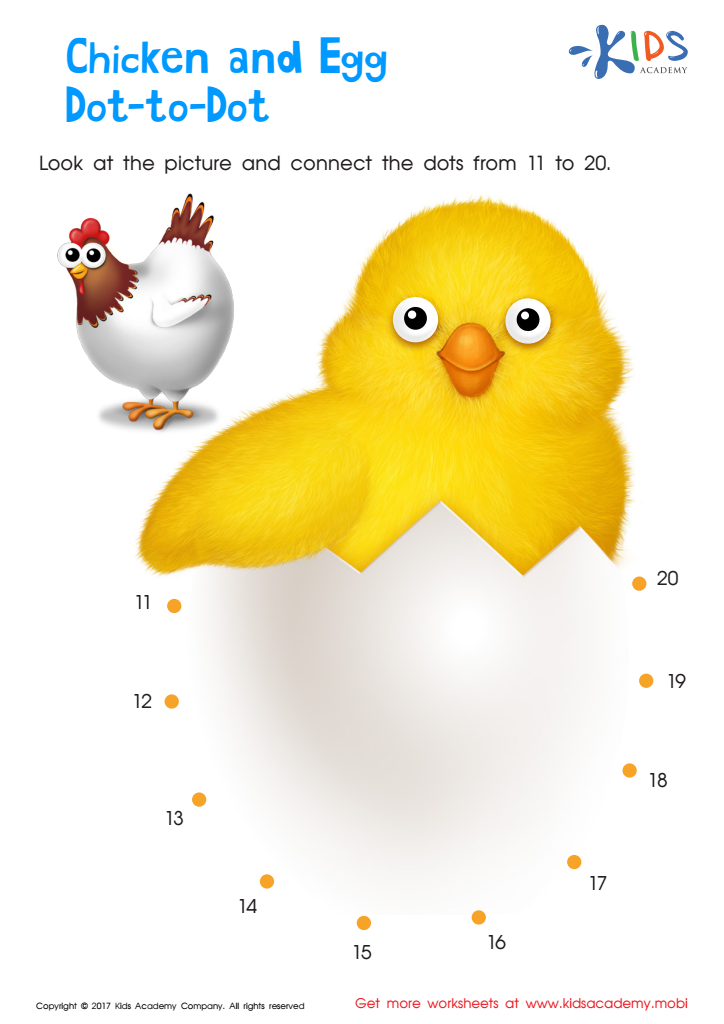
    Ordering 11–20: Chicken & Egg Dot–to–dot Worksheet
    Help your child hatch the chick and practice their counting skills with this dot to dot worksheet – the chicken came first! Connect the dots 11-20 to have fun and learn at the same time. Experience meaningful practice and gain confidence while drawing great pictures.
    Ordering 11–20: Chicken & Egg Dot–to–dot Worksheet
    Worksheet
    Number tracing worksheet for kindergarten
    Number tracing worksheet for kindergarten

    Number Tracing Worksheet For Kindergarten
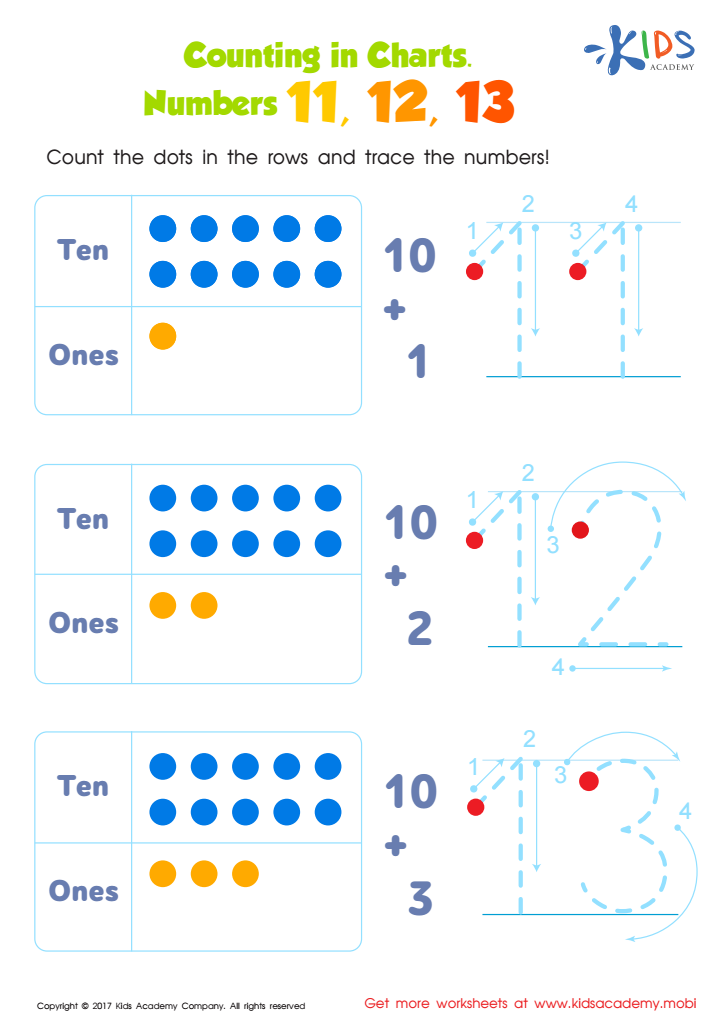
    Help your child develop addition skills and improve number recognition with this easy-to-use worksheet. Have them count the dots and add to solve each problem. Then, trace over the number to complete each row! It's a fun and simple way for kindergarteners to practice their math skills.
    Number Tracing Worksheet For Kindergarten
    Worksheet
    Dot to Dot Worksheets 11 to 20
    Dot to Dot Worksheets 11 to 20

    Ordering 11–20: Dot–to–dot Seashell Printable

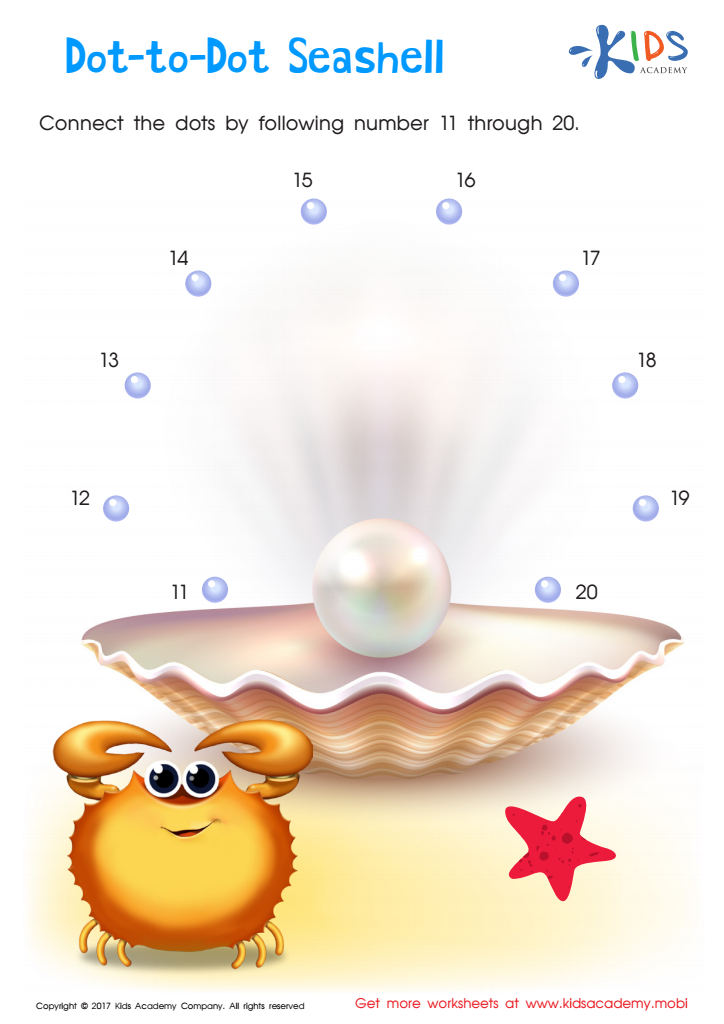
    Connecting the dots 11 to 20 is rewarding for kids, helping them practice counting, identifying numbers and gain cognitive and logical skills. Our worksheet features a vibrant image of a seashell, crab and sea star, and your child will feel rewarded creating it while honing their counting skills!
    Ordering 11–20: Dot–to–dot Seashell Printable

    Worksheet


    Fine motor skills are crucial for children aged 4-9, particularly as they relate to learning numbers 11-20. As children grasp these concepts, they also encounter various activities that require precision and coordination, such as drawing, writing, and manipulating objects. Developing fine motor skills enhances their ability to form numbers correctly, contributing to better handwriting and number recognition.

    For parents and teachers, fostering fine motor skills supports academic success and builds confidence. Children need to master gripping pencils, using scissors, and handling small items – tasks necessary for various classroom activities and lifelong learning. These skills directly impact math readiness, as they assist in organizing and understanding numerical sequences.

    Moreover, engaging in fine motor activities boosts cognitive development and increases neural connections in the brain. When children practice tasks that strengthen their hands, they enhance their problem-solving skills and creativity.

    By prioritizing fine motor skill development alongside numerical learning, parents and teachers can create a well-rounded educational foundation. Encouraging young learners to engage in crafts, puzzles, and interactive games not only makes learning fun but also equips them with essential tools to succeed academically and socially throughout their formative years.