Reading comprehension Word Problems Worksheets for Ages 4-9
20 filtered results
-
From - To
Enhance your child's literacy and problem-solving skills with our Reading Comprehension Word Problems Worksheets, designed for ages 4-9. These engaging worksheets combine math and reading, encouraging young learners to read carefully and solve mathematical problems seamlessly. They offer a variety of age-appropriate challenges that build foundational skills while keeping learning fun and stimulating. With topics ranging from simple addition and subtraction to more complex word problems, these worksheets are perfect for home practice or classroom use. Foster a love for reading and math simultaneously with our expertly crafted resources, ensuring a solid educational foundation for your child.
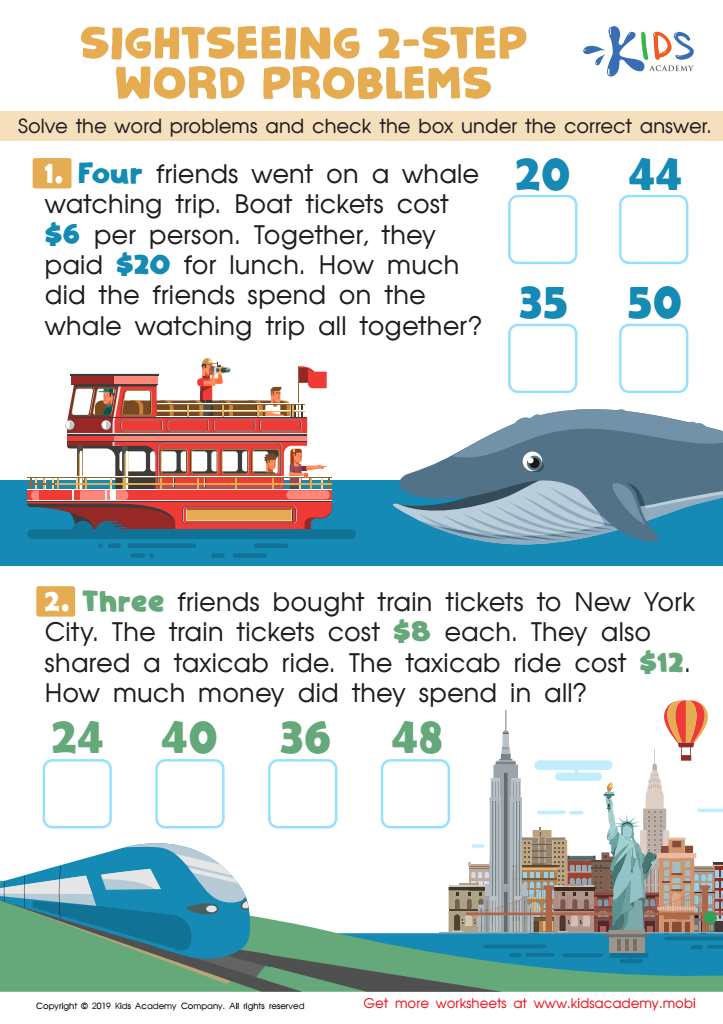
Sightseeing 2-Step Word Problems Worksheet
 Assign to My Students
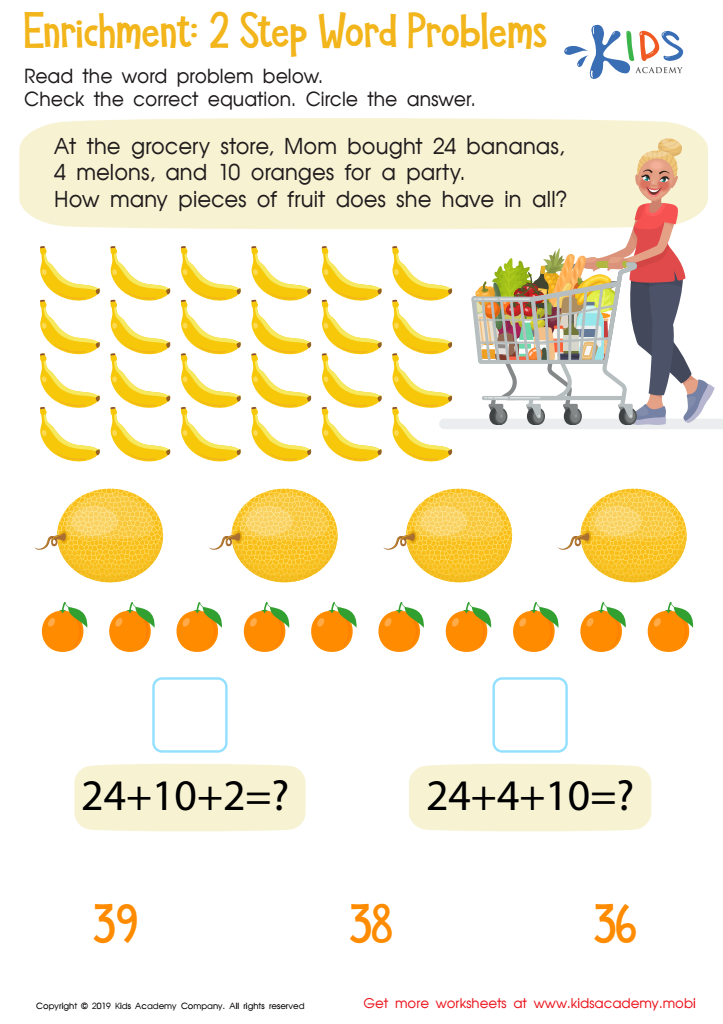
Enrichment -2 Step Word Problems Worksheet
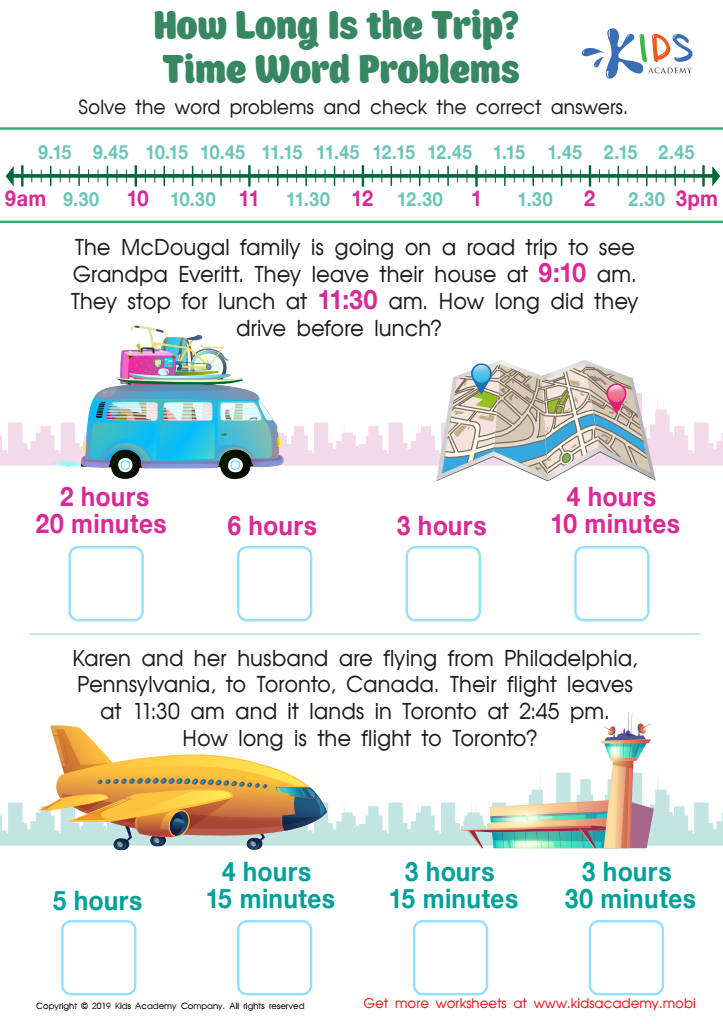
How long is the Trip? Time Word Problems Worksheet
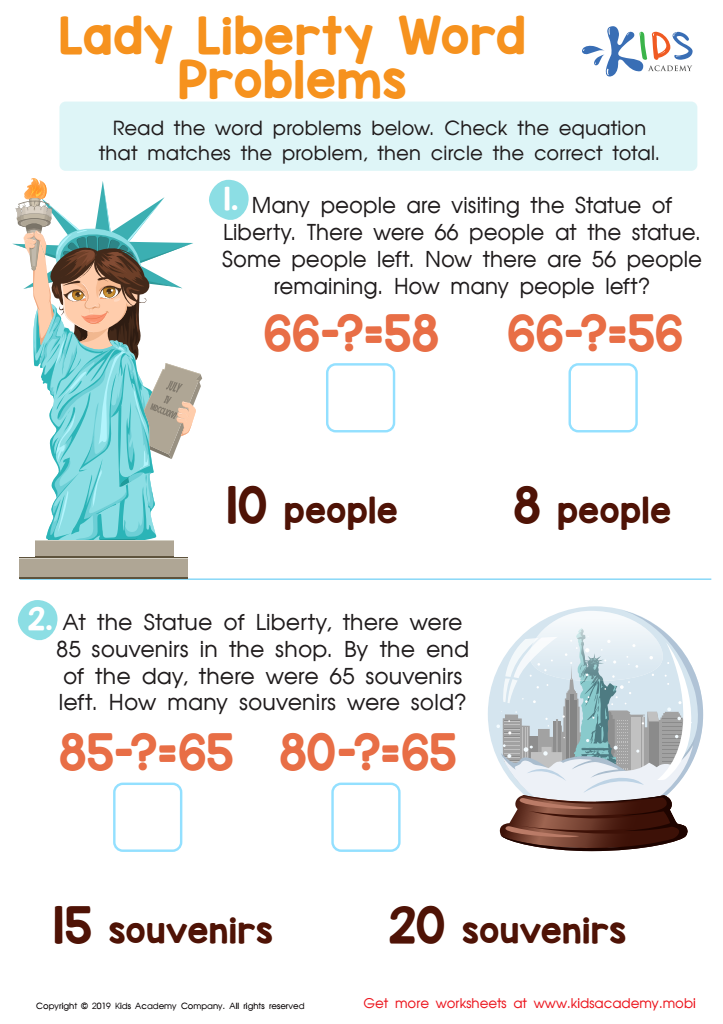
Lady Liberty Worksheet
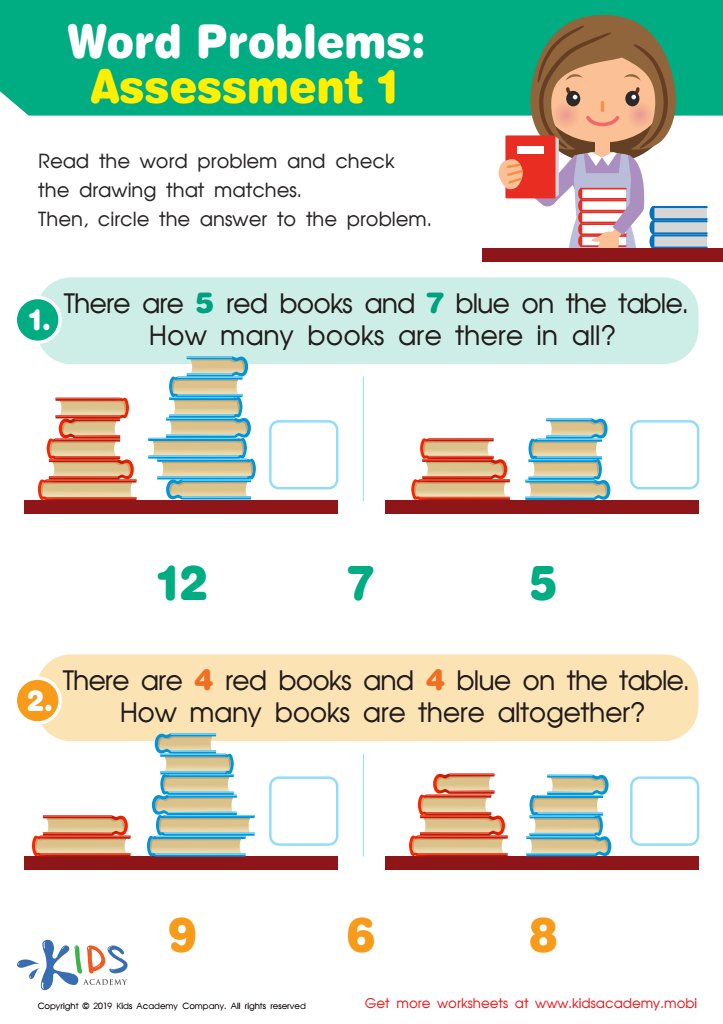
Word Problems: Assessment 1 Worksheet
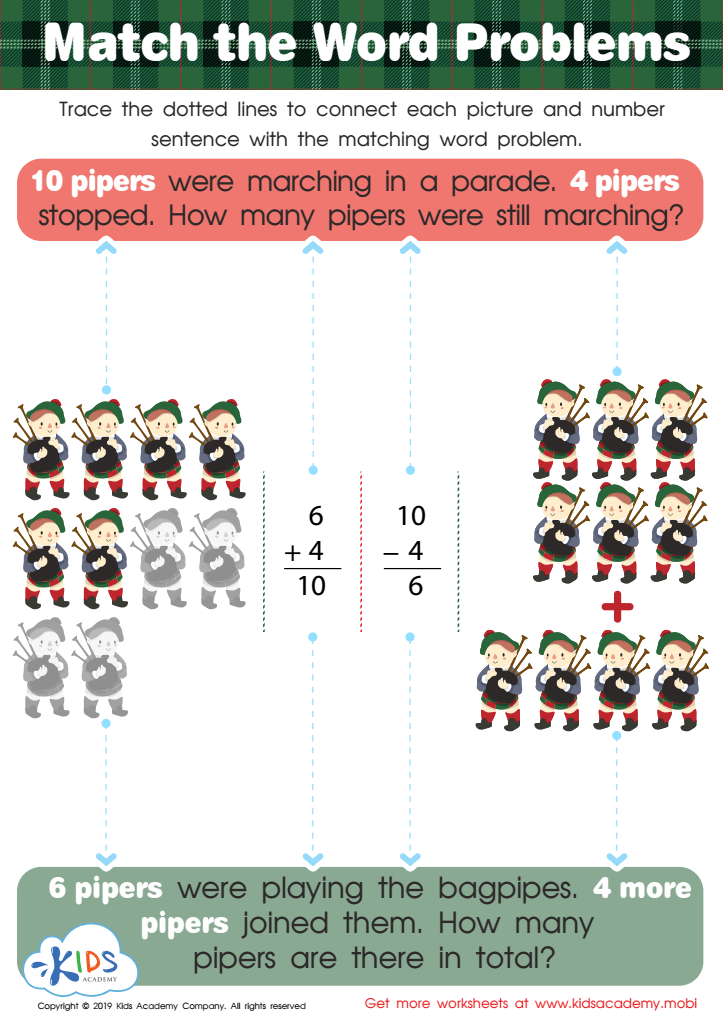
Match the Word Problems Worksheet
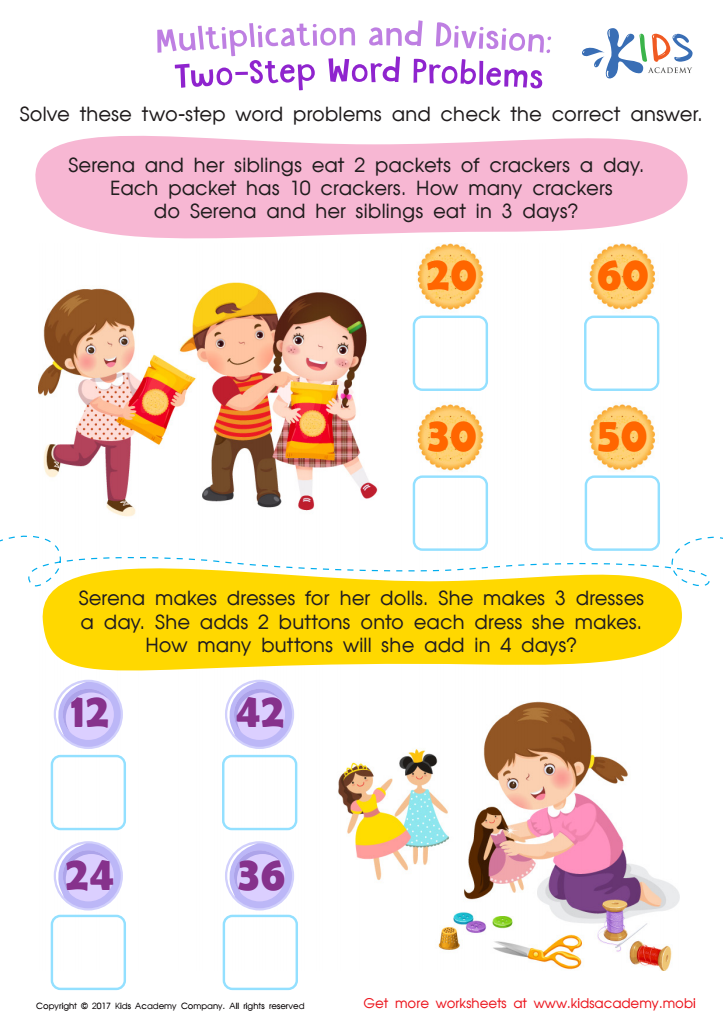
Two Step Word Problems Worksheet
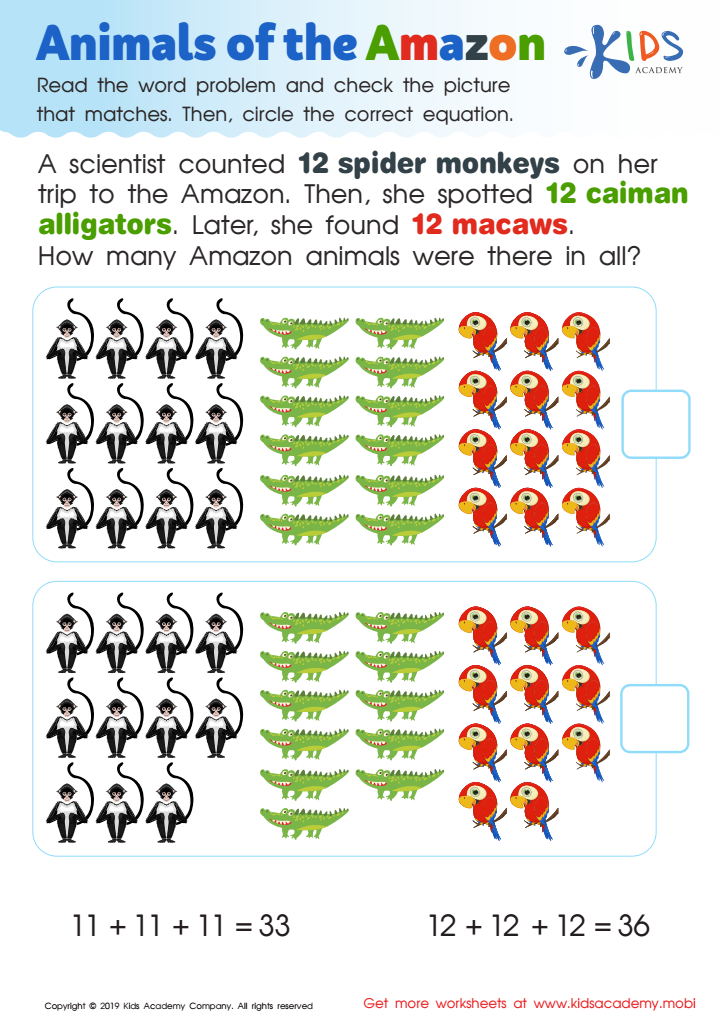
Animals of Amazon Worksheet
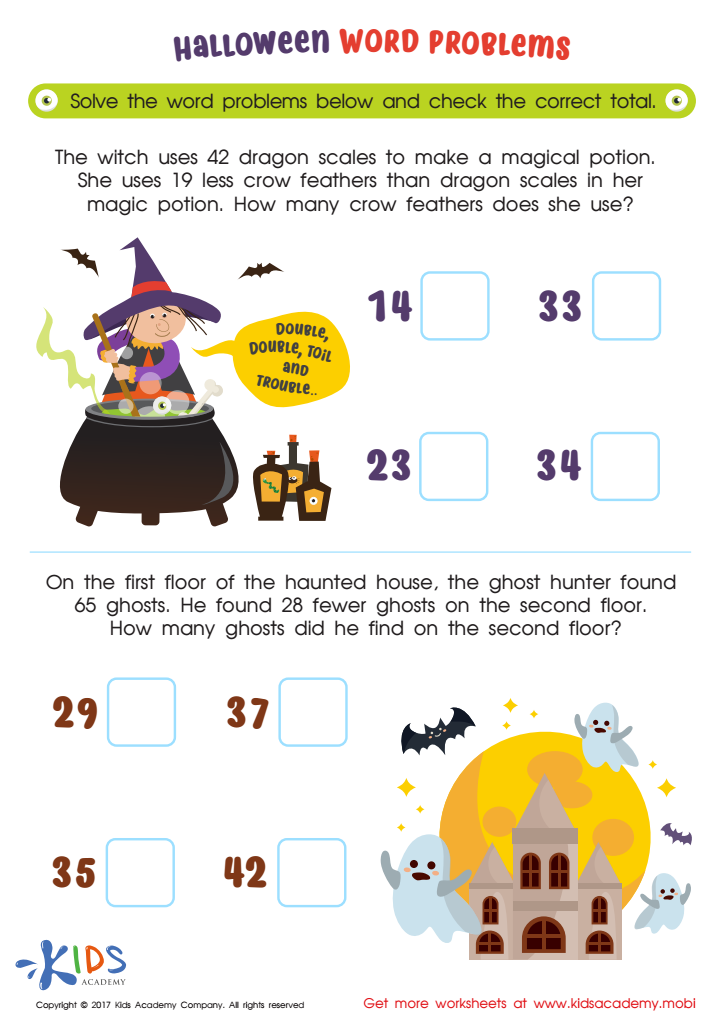
Halloween Word Problems Printable
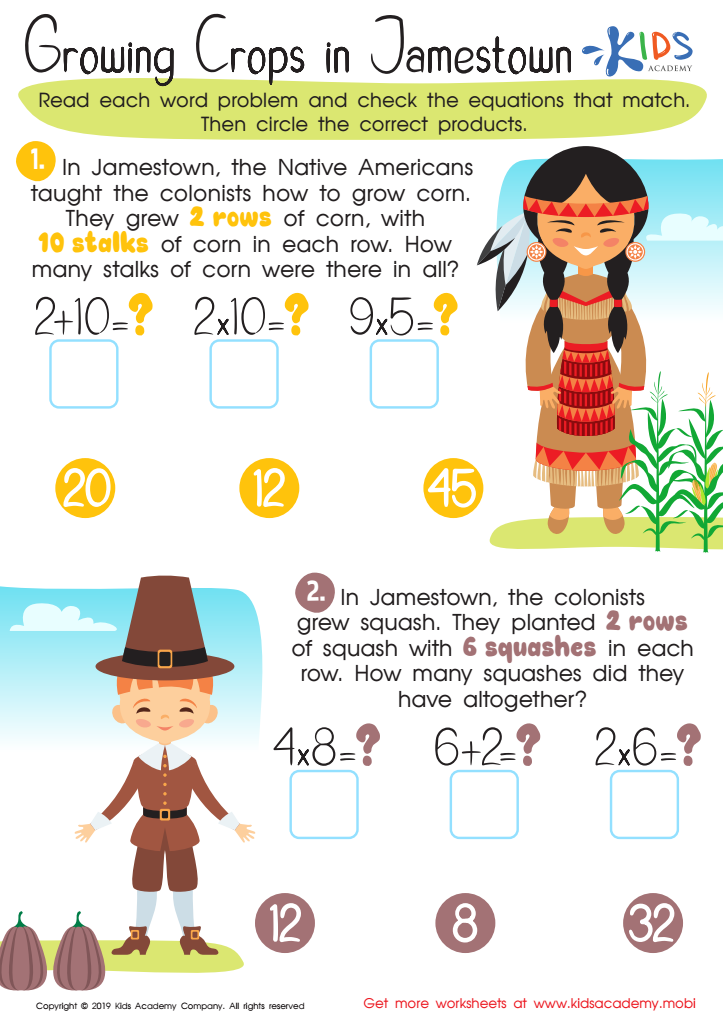
Growing Jamestown Worksheet
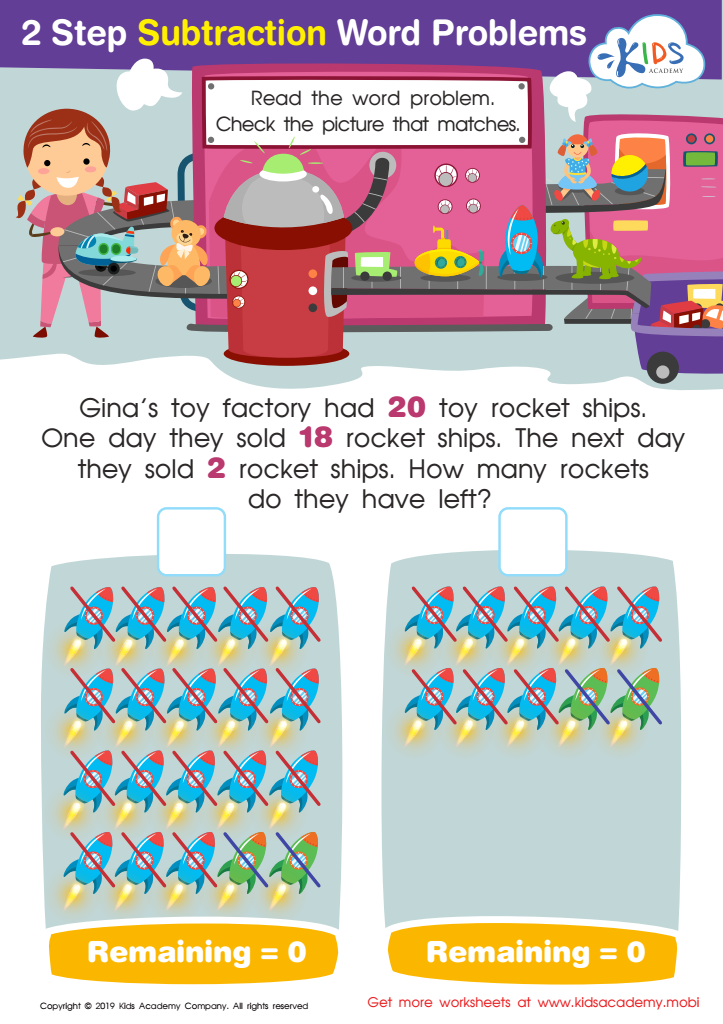
Step Subtraction Word Problems Worksheet
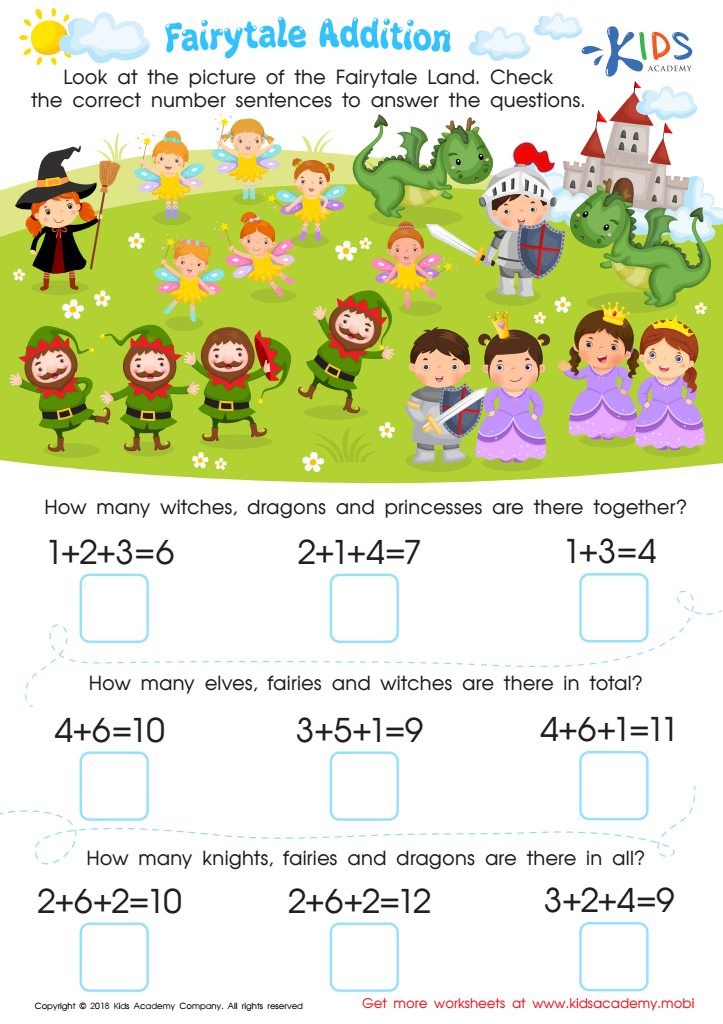
Fairytale Addition Worksheet
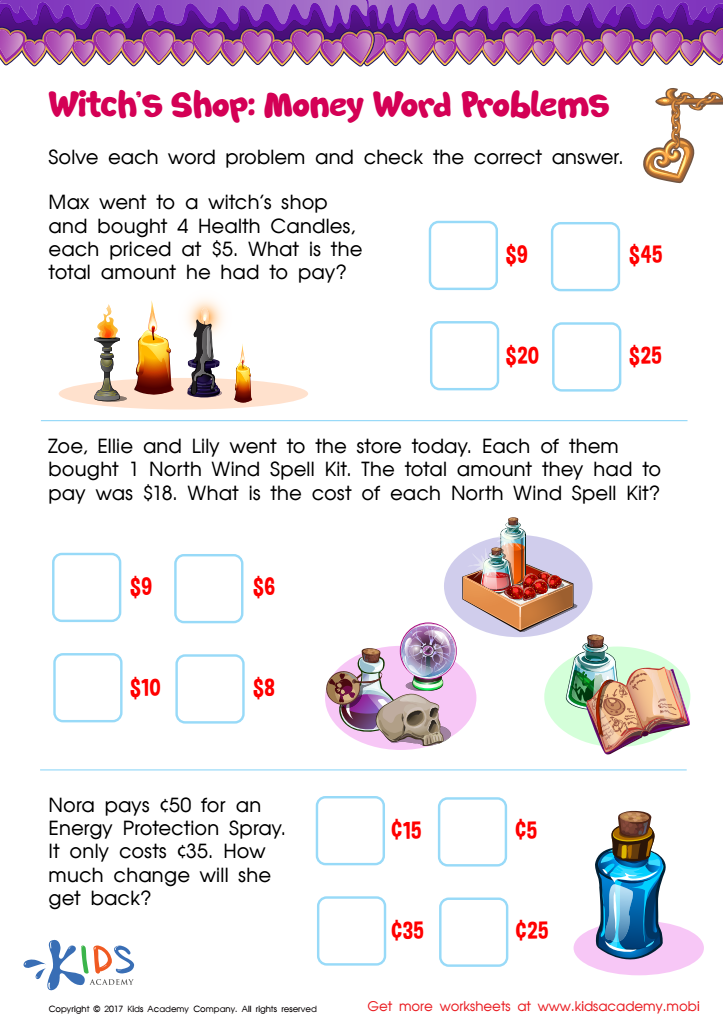
Money Word Problems Printable
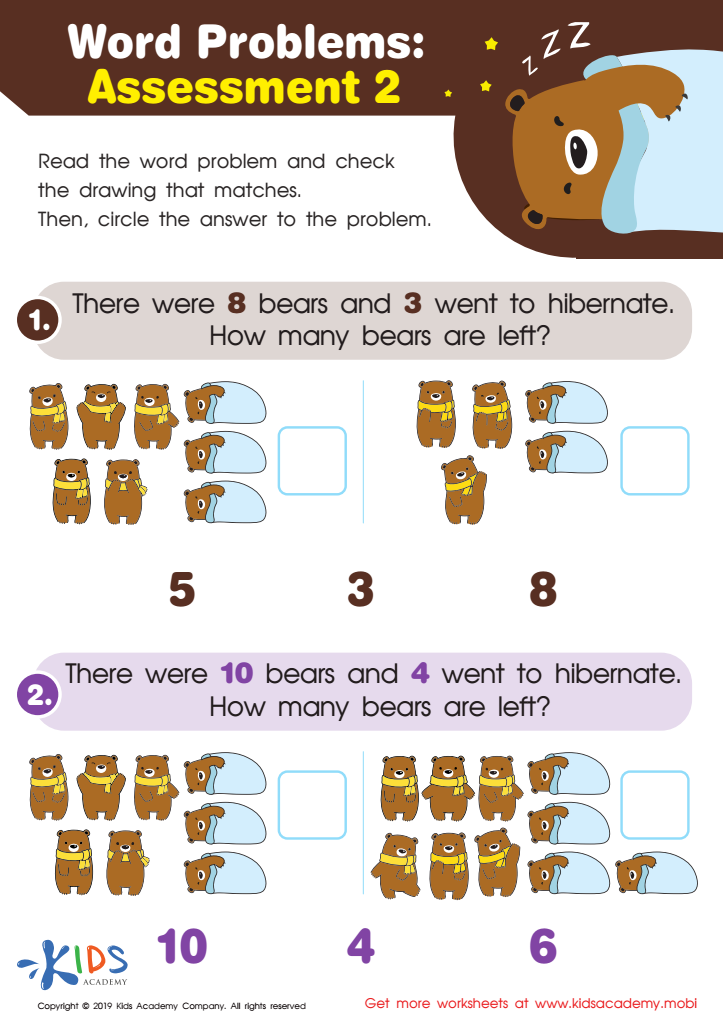
Word Problems: Assessment 2 Worksheet
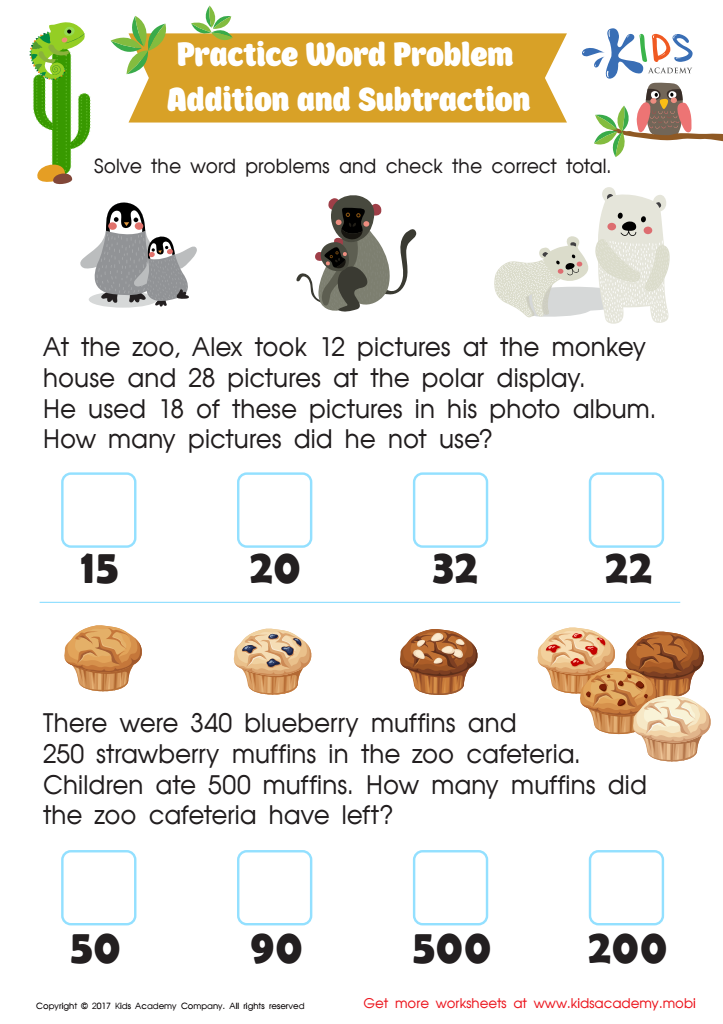
Addition and Subtraction: Word Problems Worksheet
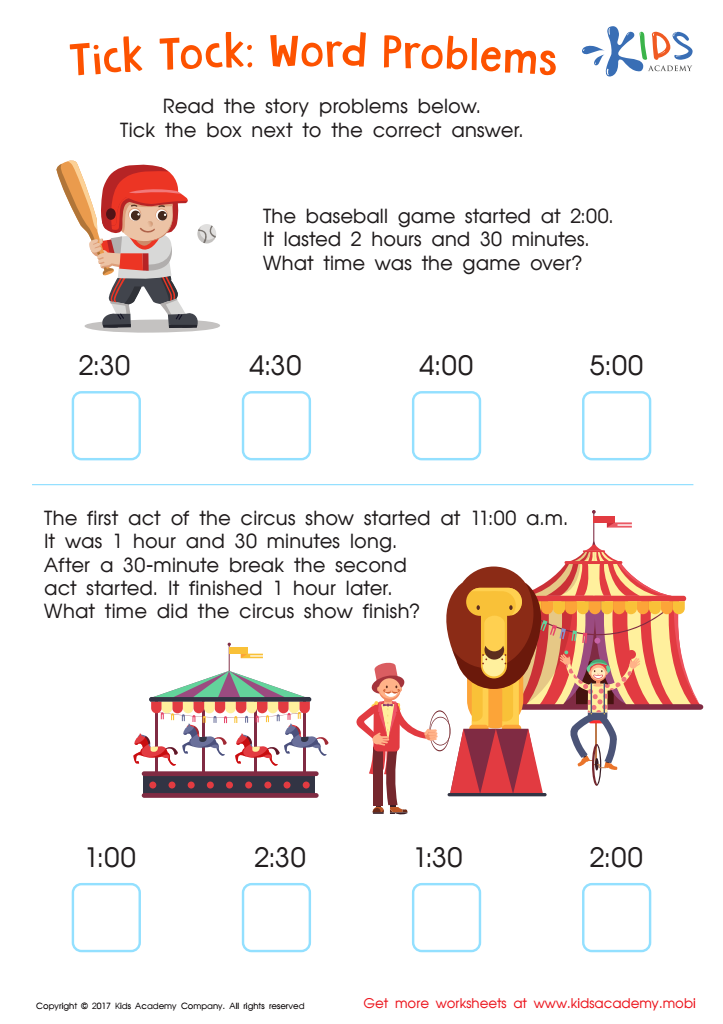
Tick Tock Word Problems Time Worksheet
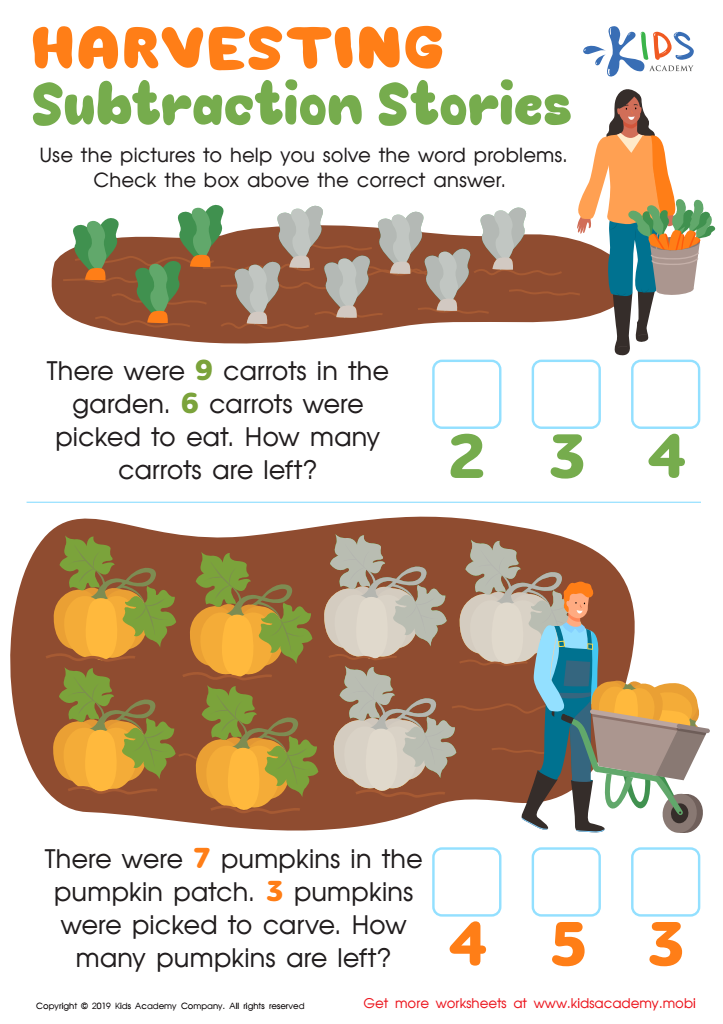
Harvesting Subtraction Stories Worksheet
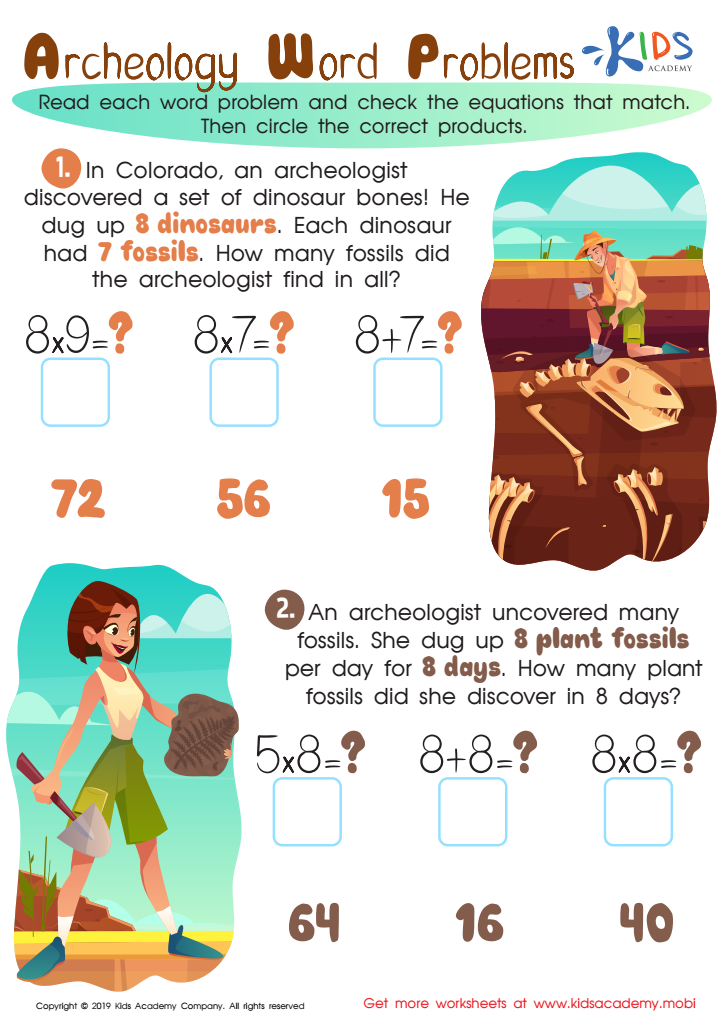
Archeology Word Problems Worksheet
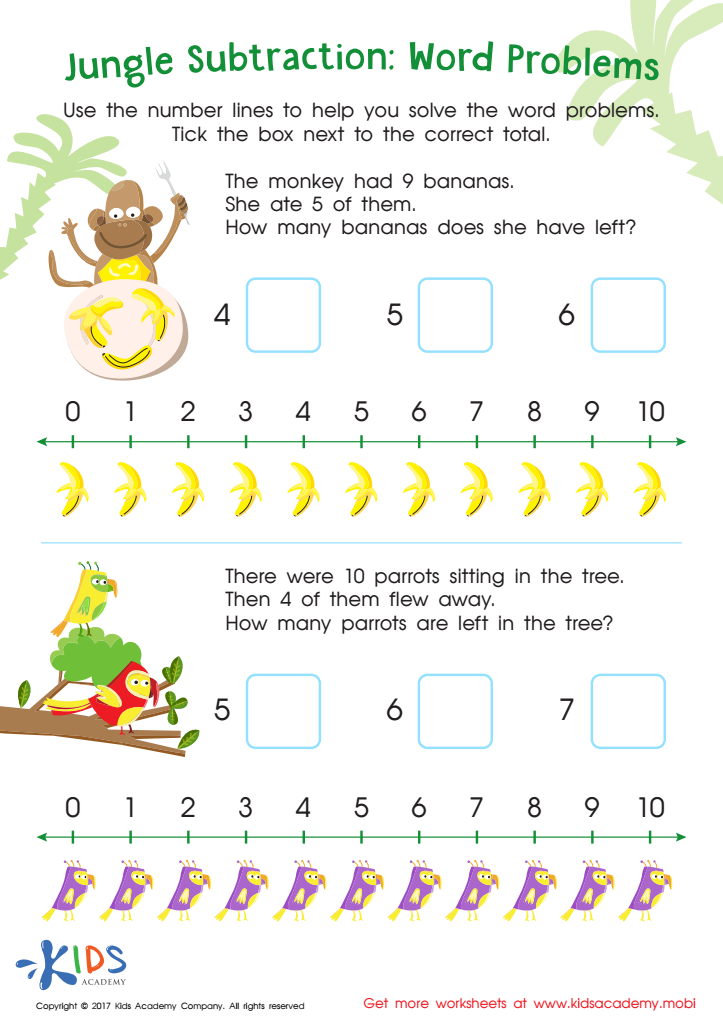
Jungle Subtraction Word Problems Substraction Worksheet








Reading comprehension word problems are essential building blocks for young learners aged 4-9. First and foremost, they foster critical thinking skills. Through these problems, children learn to analyze text, identify key information, and draw conclusions, which are foundational for effective problem-solving later in life. Furthermore, these word problems integrate literacy and numeracy. As children read and understand the written text to solve math problems, they are simultaneously improving their reading comprehension and mathematical reasoning, making the learning experience richer and more interconnected.
Additionally, engaging with word problems enhances vocabulary and language development. Children encounter new words and phrases within a meaningful context, which aids retention and understanding. Also, these tasks teach patience and perseverance. Young learners often face challenges in extracting key details or comprehending complex sentences, but through repeated practice, they develop resilience and grit, essential life skills beyond academics.
Moreover, reading comprehension word problems empower children to become confident communicators. When students explain their thought process verbally or in writing, they are honing their ability to articulate ideas clearly and logically. Consequently, this practice not only prepares them for academic success but also equips them with vital communication skills indispensable for future personal and professional interactions.








