Contextual understanding Building Vocabulary Worksheets for Ages 4-9
9 filtered results
-
From - To
Discover our engaging "Contextual Understanding Building Vocabulary Worksheets" designed specifically for children ages 4-9. These interactive resources help young learners enhance their vocabulary through contextual clues, ensuring they not only recognize words but also comprehend their meanings within different situations. Our worksheets feature fun activities that promote critical thinking and aim to improve reading skills, making learning enjoyable and effective. Perfect for classroom use or at-home practice, these worksheets align with early literacy goals and encourage a lifelong love of reading. Watch your child's vocabulary flourish as they engage with accessible, age-appropriate materials tailored to support their language development journey.
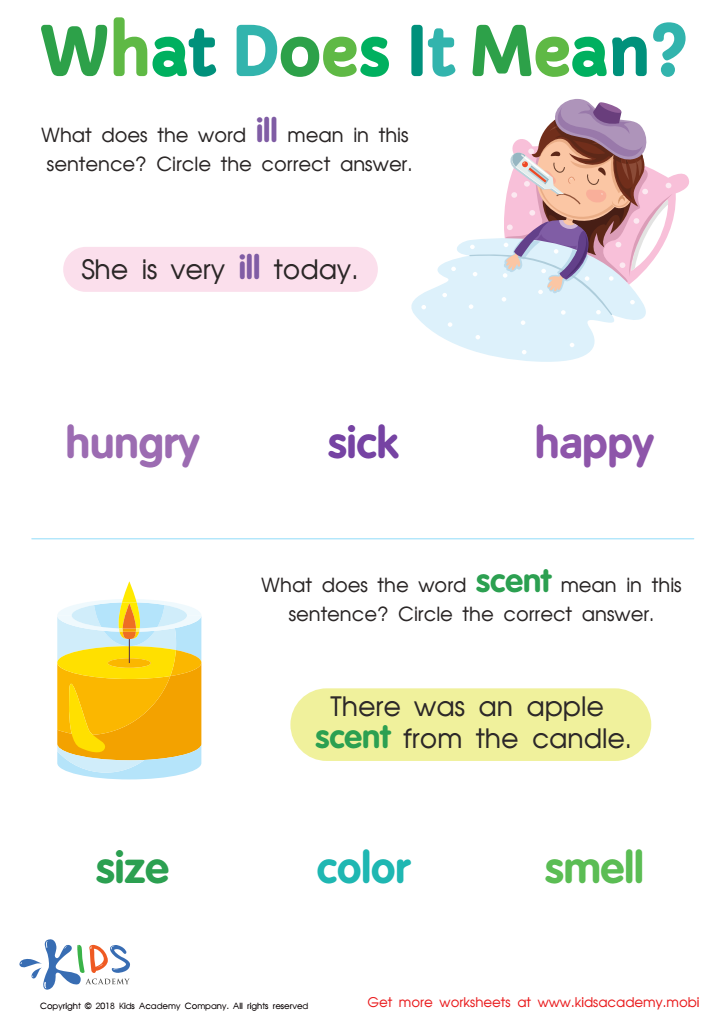
What Does It Mean? Worksheet
 Assign to My Students











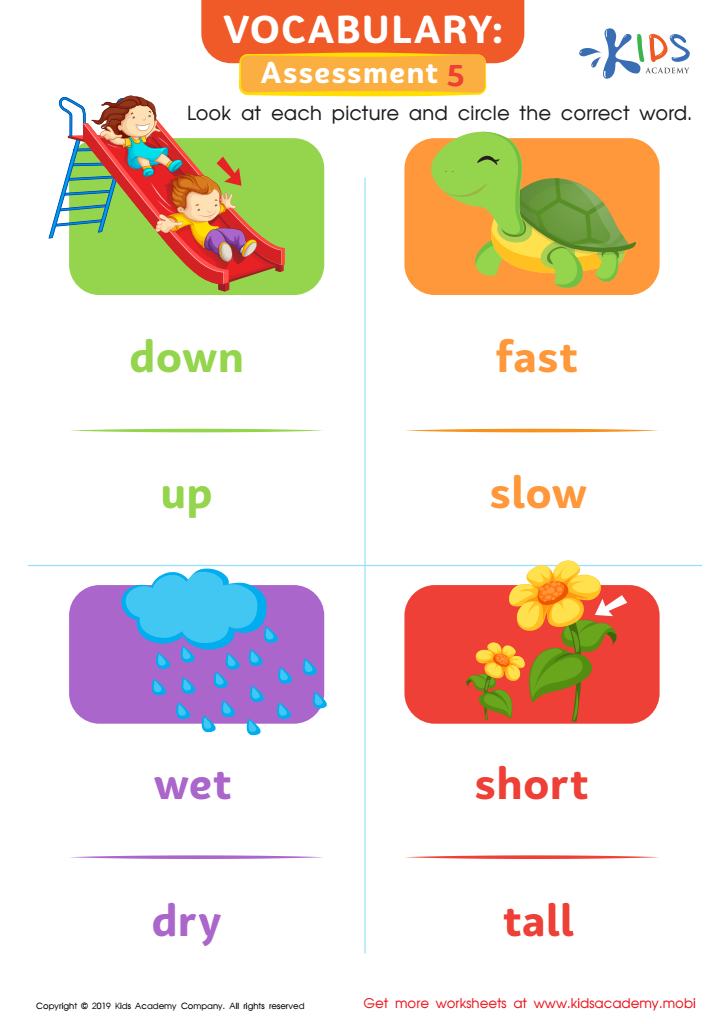
Vocabulary: Assessment 5 Worksheet
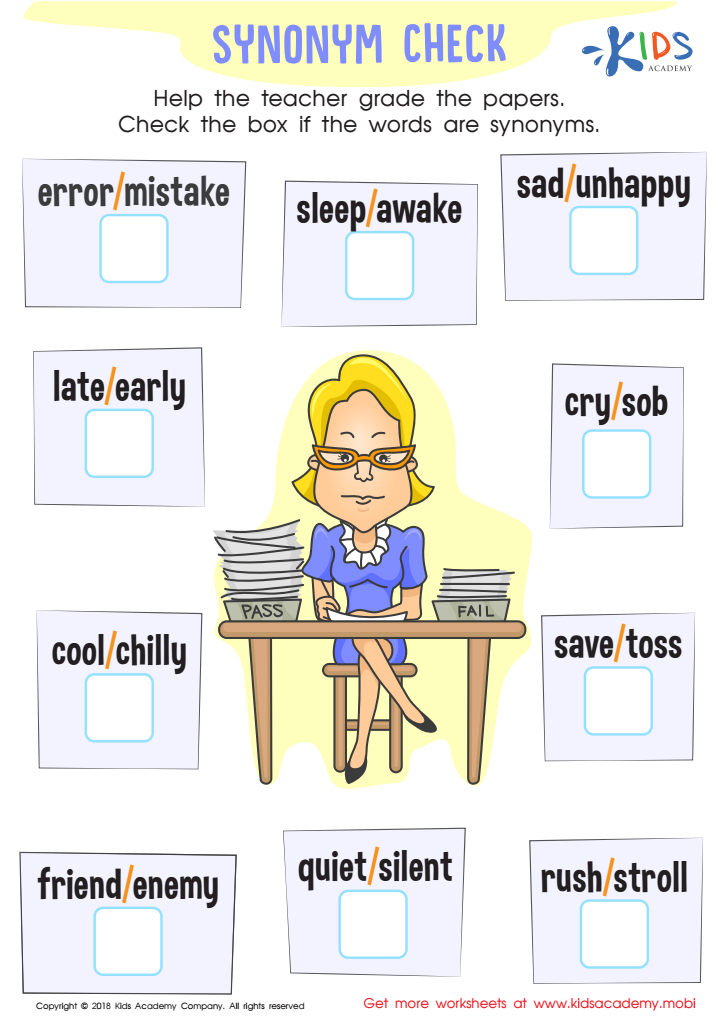
Synonym Check Worksheet
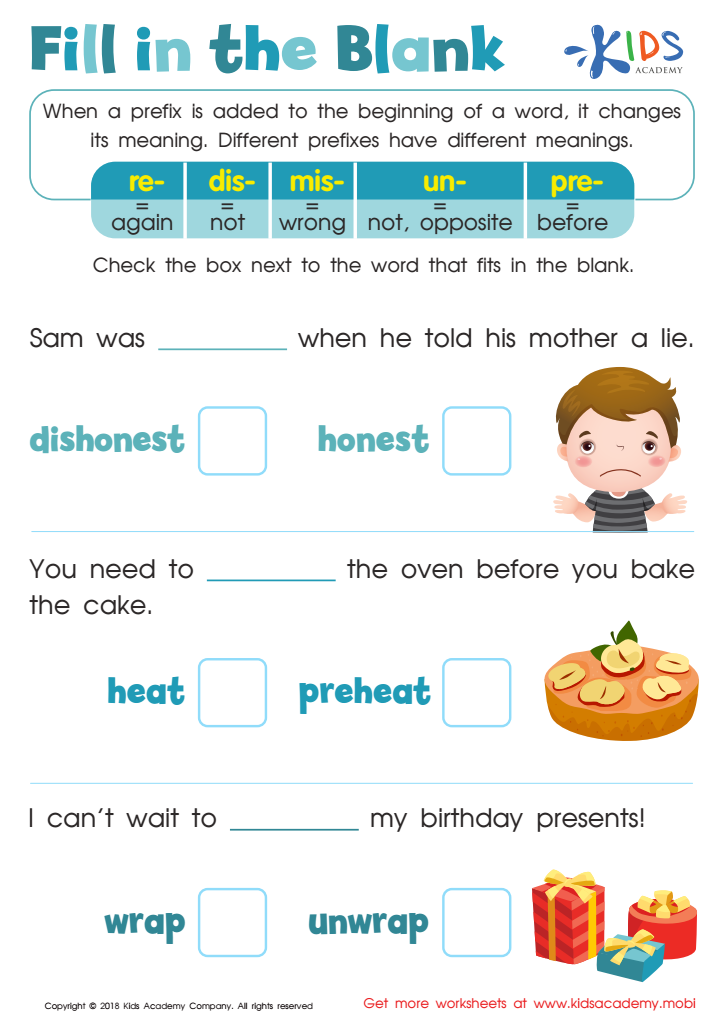
Reading: Fill in the Blank Worksheet
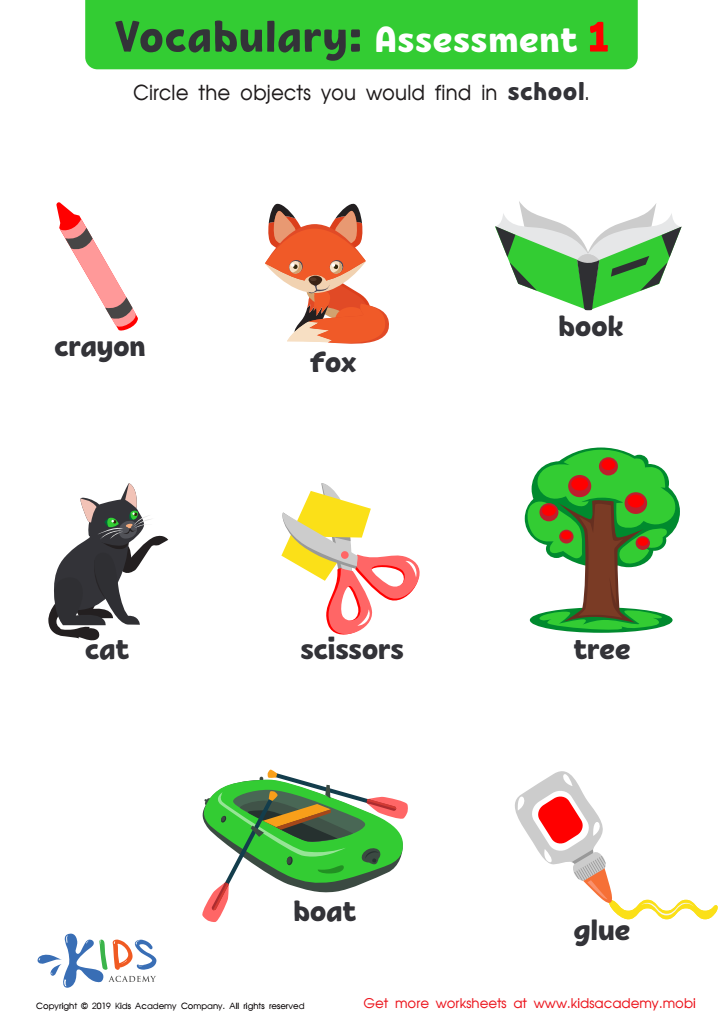
Vocabulary: Assessment 1 Worksheet
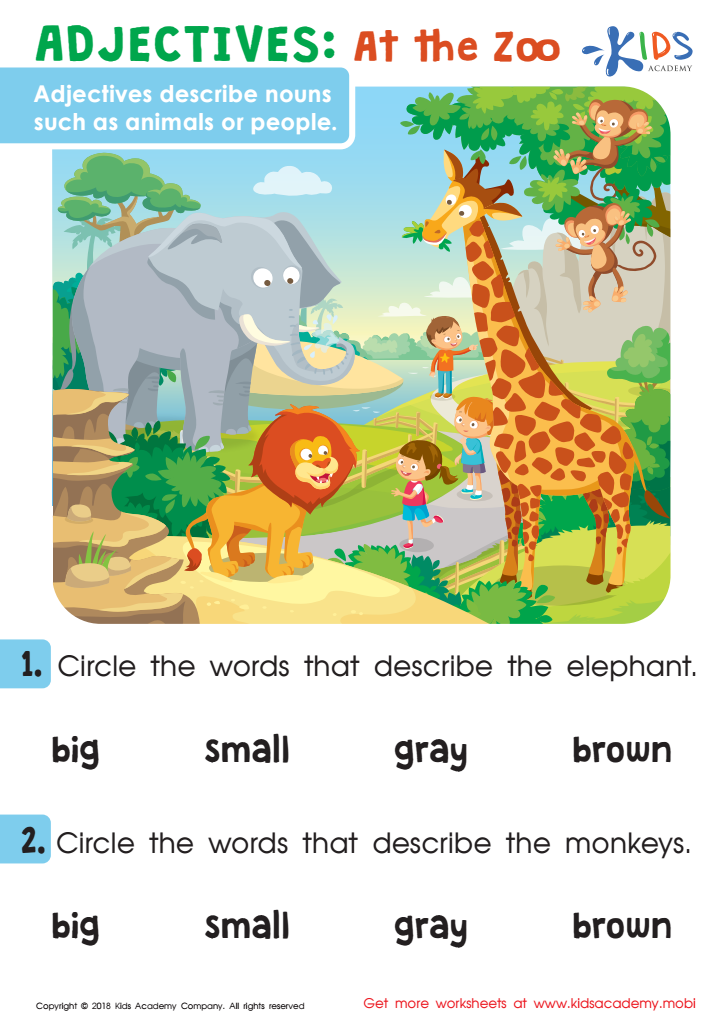
Adjectives: At The Zoo Worksheet
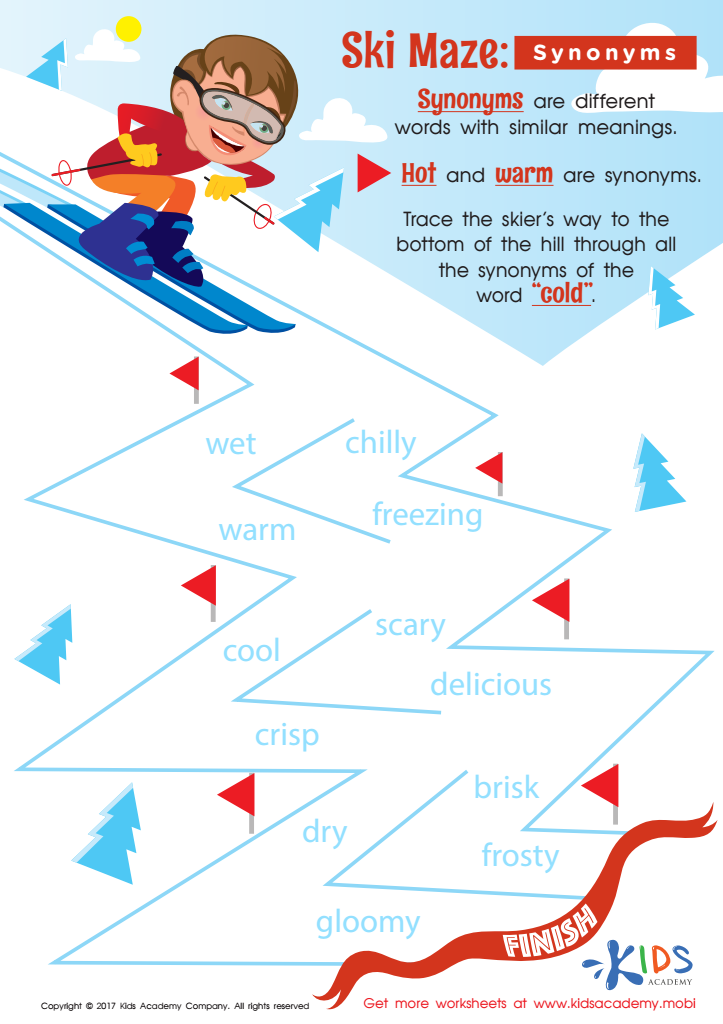
Free Printable Synonym Worksheet
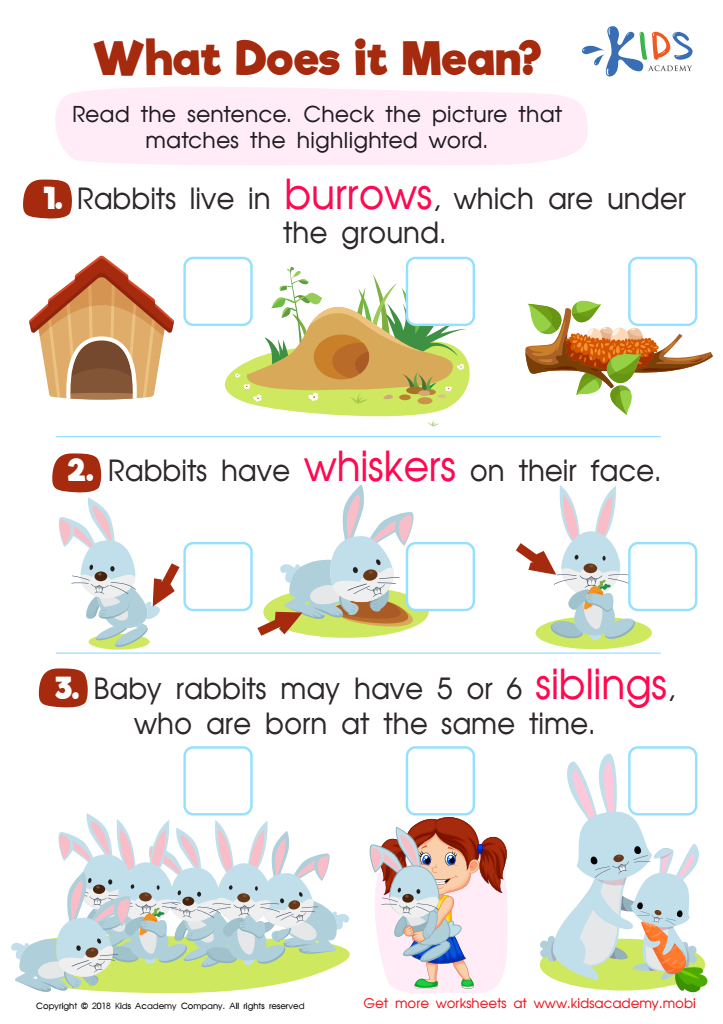
What Does It Mean? Worksheet
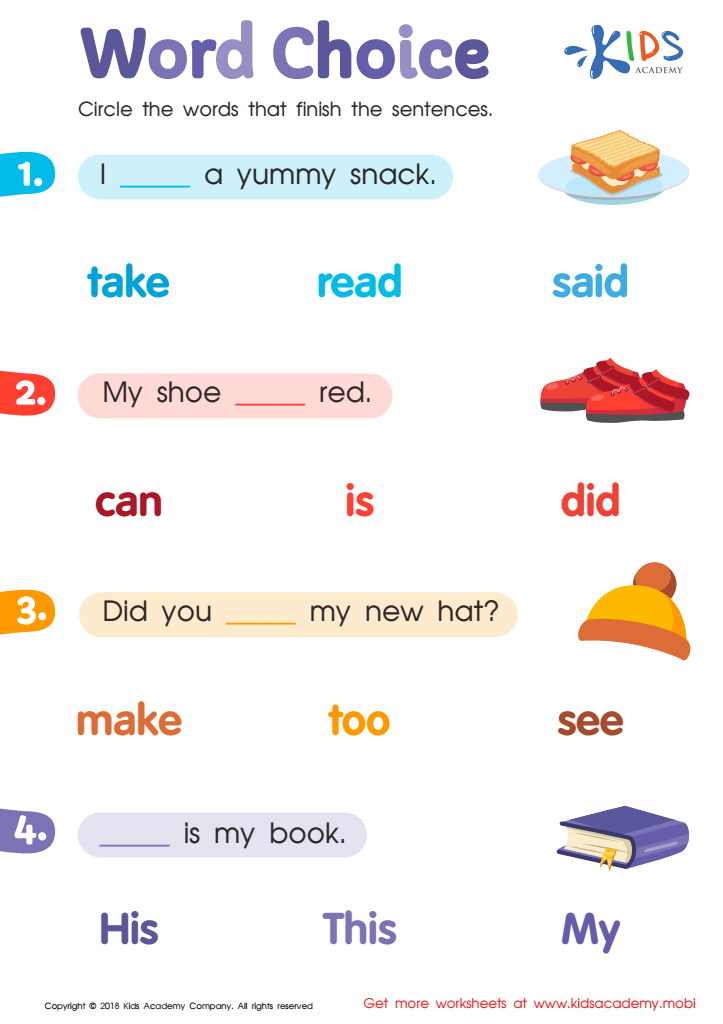
Word Choice Worksheet



.jpg)




Contextual understanding and building vocabulary are critical components of language development for children ages 4-9. At this age, children are not only learning new words but also how to use them in varying contexts, which promotes effective communication skills. When parents and teachers engage in contextual understanding, they help children grasp the meaning of words beyond definitions. For example, understanding that "jump" can mean literally leaping or metaphorically making a big move in life improves a child’s comprehension and use of language.
Building a robust vocabulary enhances literacy, which is foundational for academic success. Children with rich vocabularies are better equipped to understand and analyze stories, express themselves, and think critically about their surroundings. Contextual learning experiences, such as storytelling or engaging in interactive discussions, make vocabulary acquisition more relatable and memorable. Furthermore, nurturing this aspect of language development fosters curiosity and a love for learning, as children begin to explore and make connections between words and their environments.
Ultimately, prioritizing contextual understanding and vocabulary building will empower children with essential skills that form the bedrock of lifelong learning, helping them navigate their emotions and the world around them effectively. Parents and educators play a vital role in creating rich linguistic environments that enable this development.








