Problem-Solving Skills Building Vocabulary Worksheets for Ages 4-9
39 filtered results
-
From - To
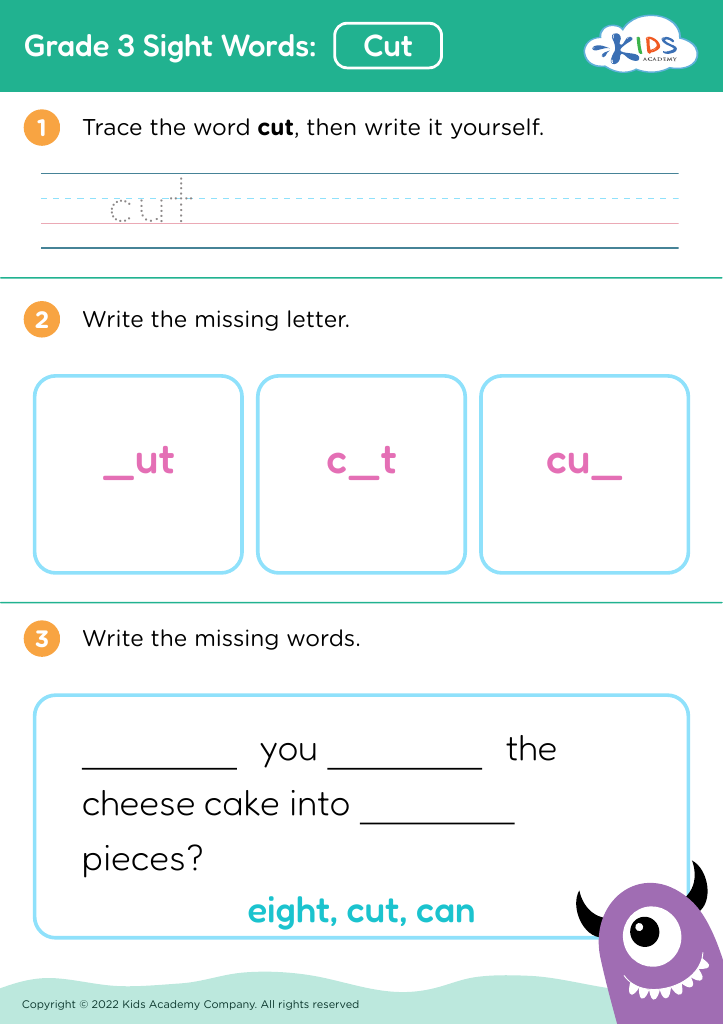
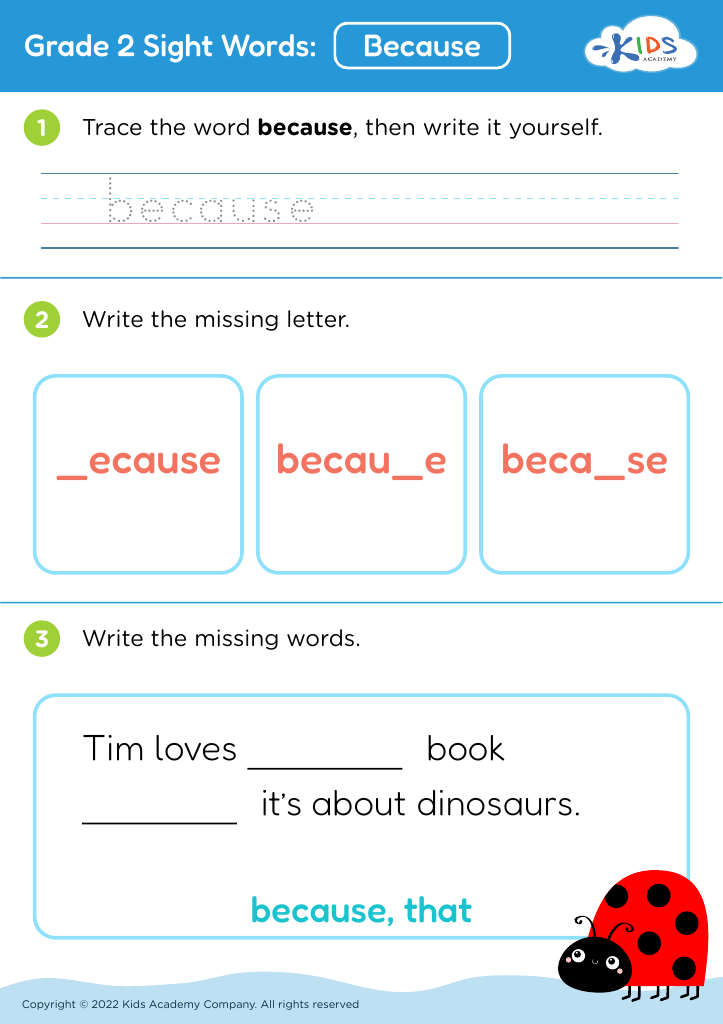
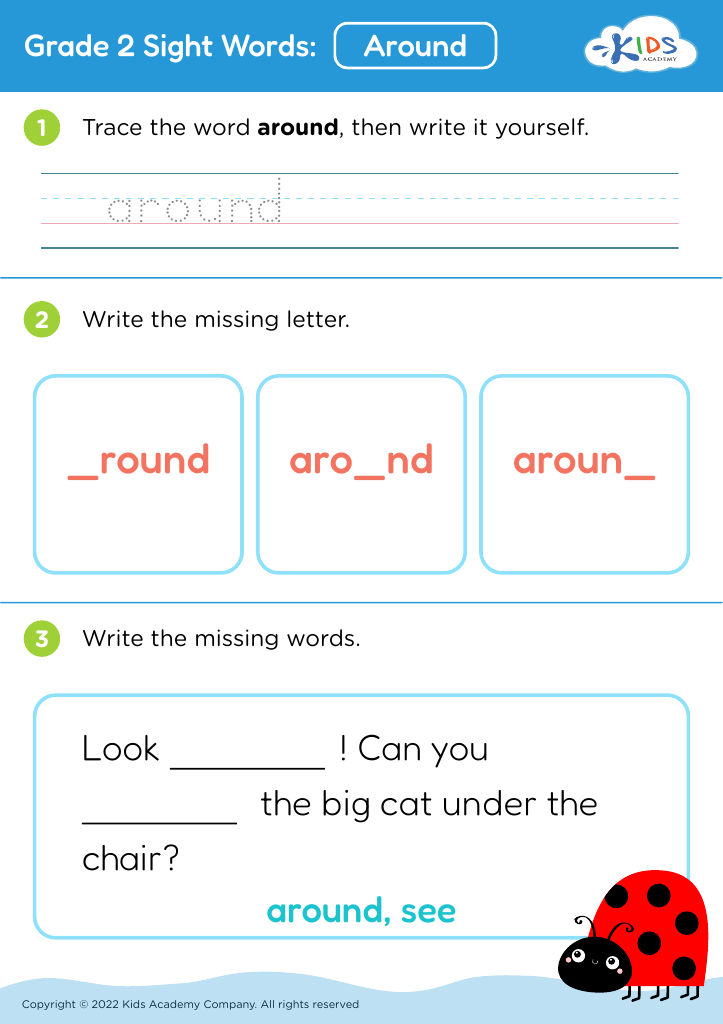
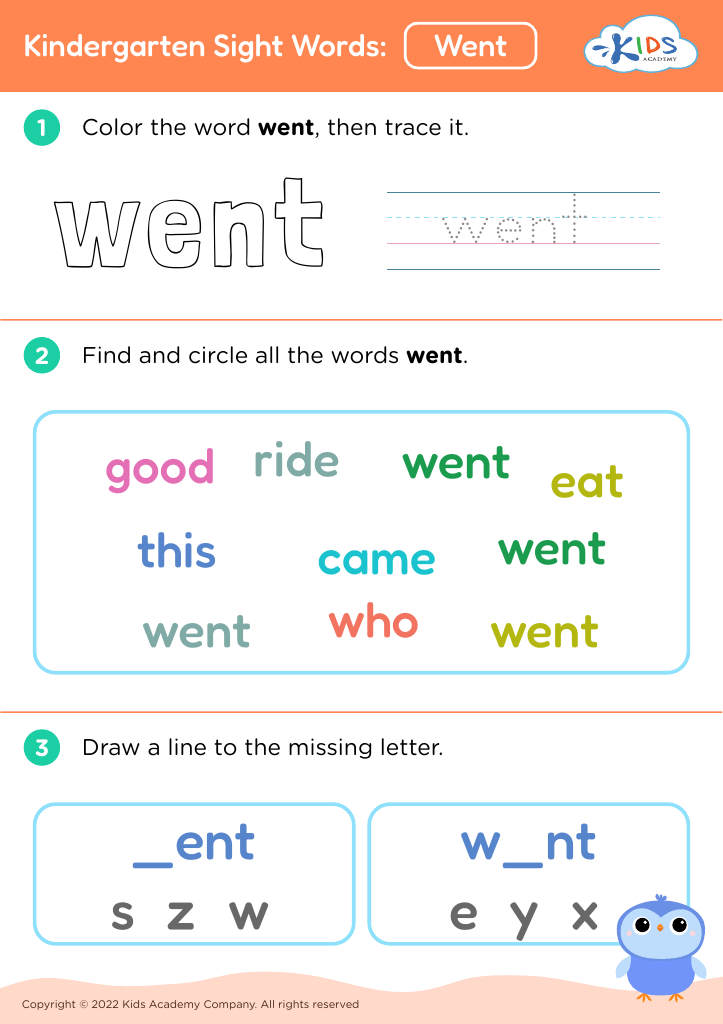
Unlock your child's potential with our Problem-Solving Skills Building Vocabulary Worksheets, designed specifically for ages 4-9. These engaging and interactive resources aim to enhance critical thinking and vocabulary development through fun activities that challenge young minds. Kids will explore various problem-solving scenarios while expanding their language skills, ensuring that learning is both effective and enjoyable. Our worksheets encourage creativity, boost confidence, and foster a positive attitude toward challenges. Perfect for home or classroom use, these tools help children learn to communicate their ideas better and think analytically. Start building essential problem-solving skills and vocabulary today!
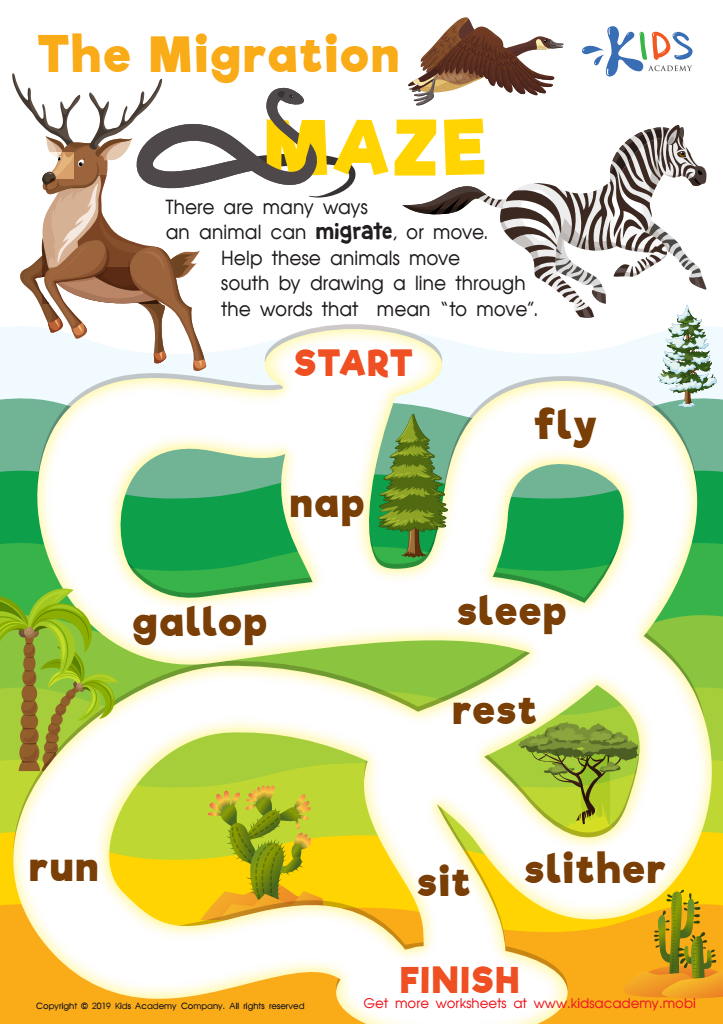
The Migration Maze Worksheet
 Assign to My Students











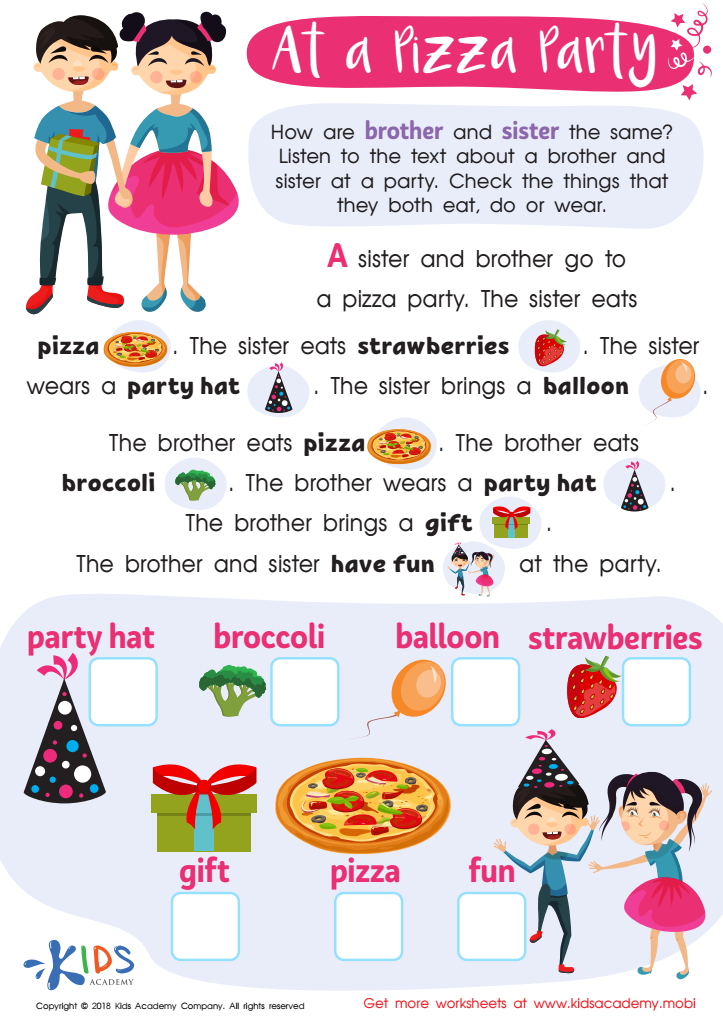
At a Pizza Party Worksheet
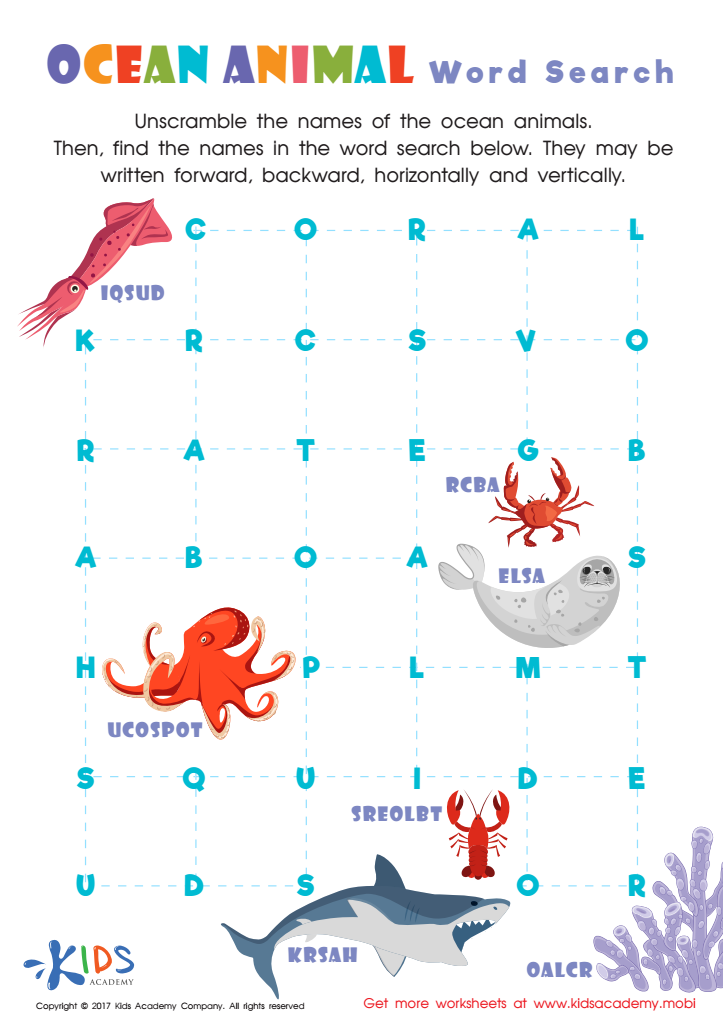
Ocean Animals Word Search Printable
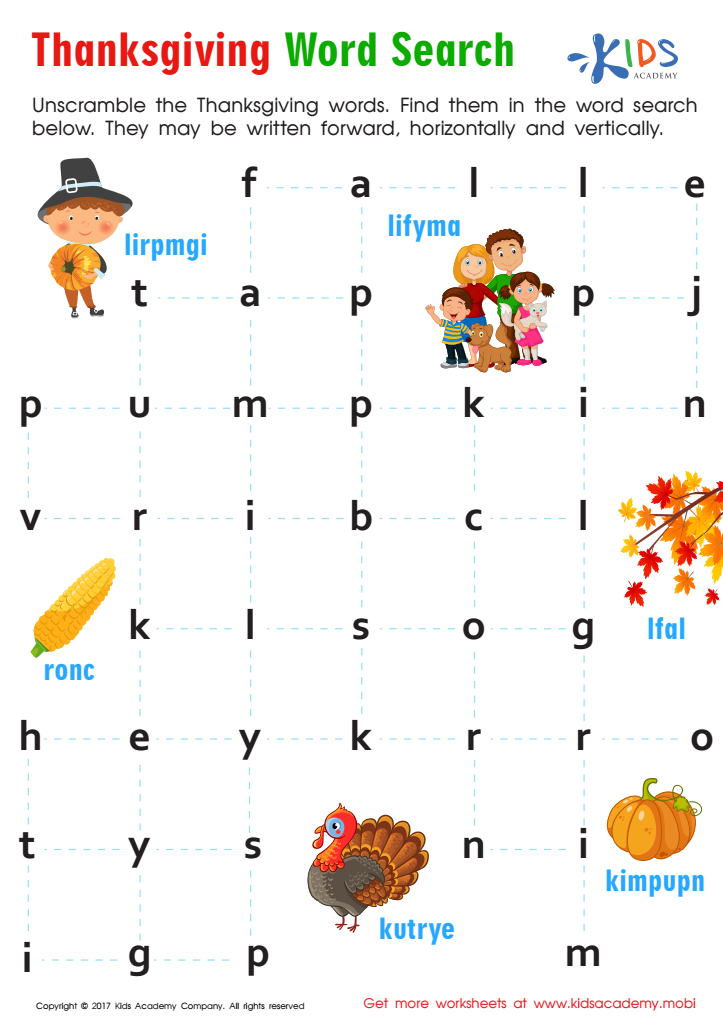
Thanksgiving Word Search Sight Words Worksheet
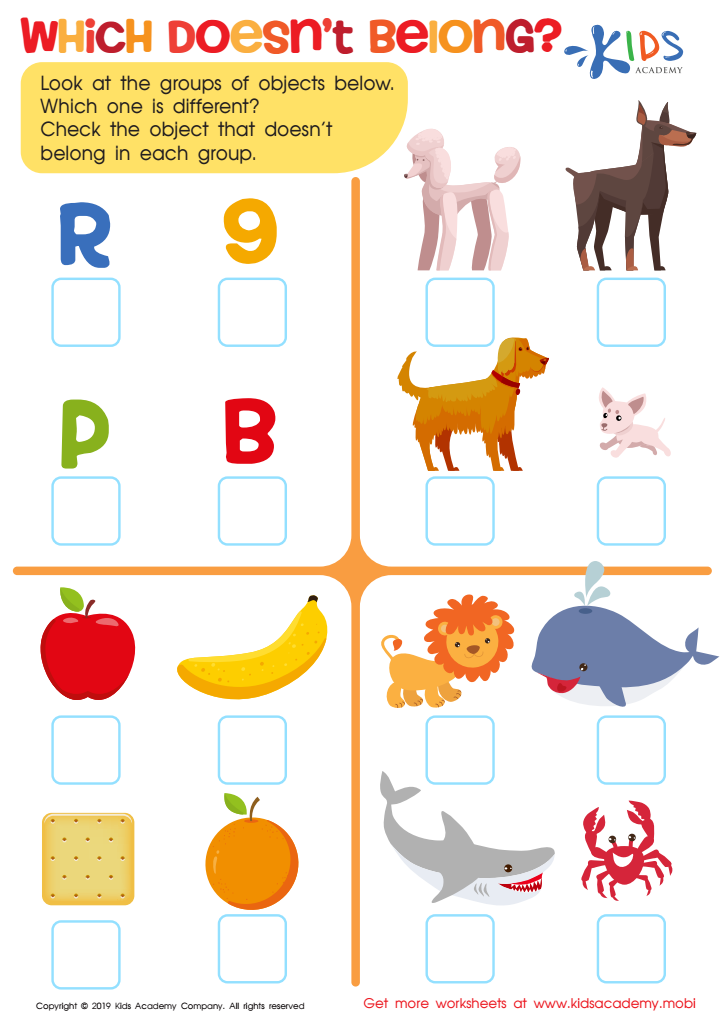
Which Doesn't Belong? Worksheet
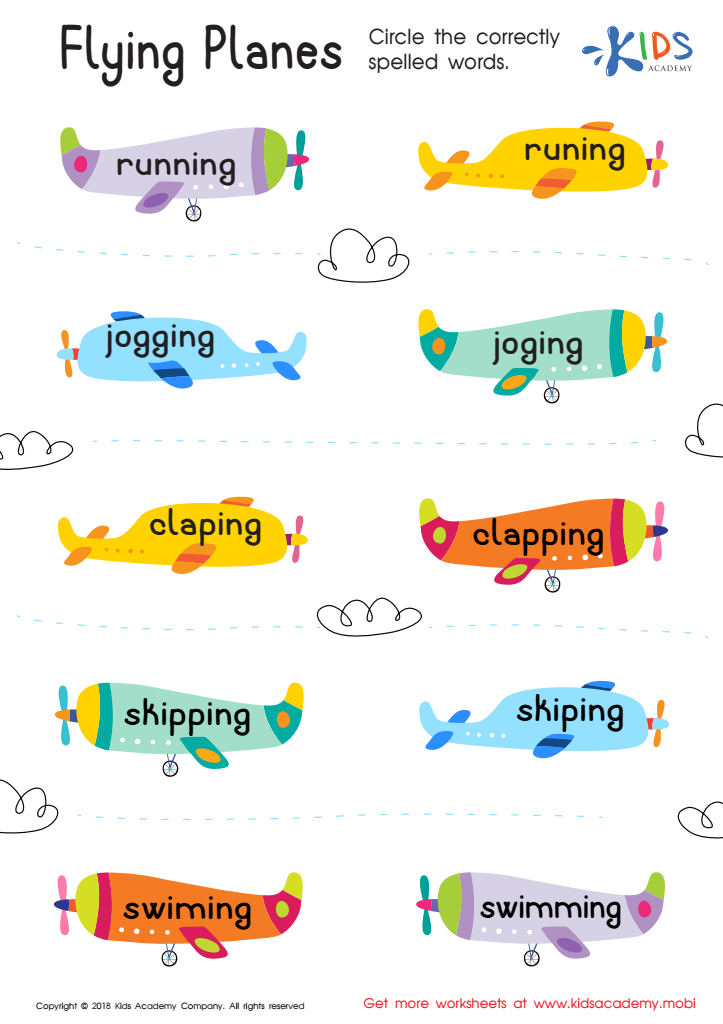
Flying Planes Worksheet
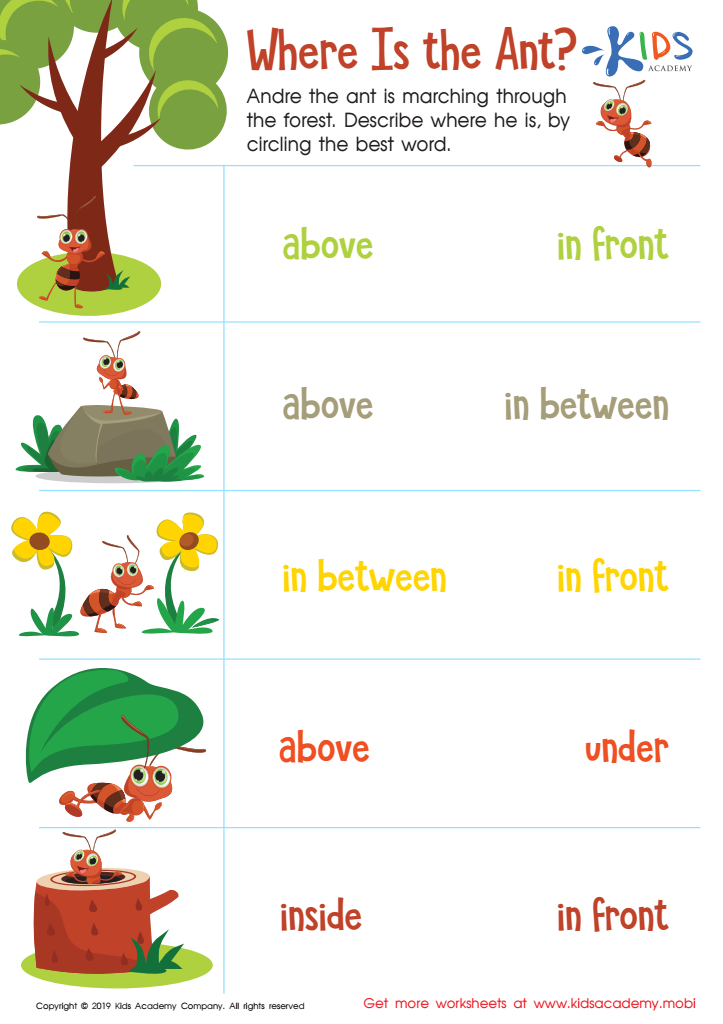
Where Is the Ant? Worksheet
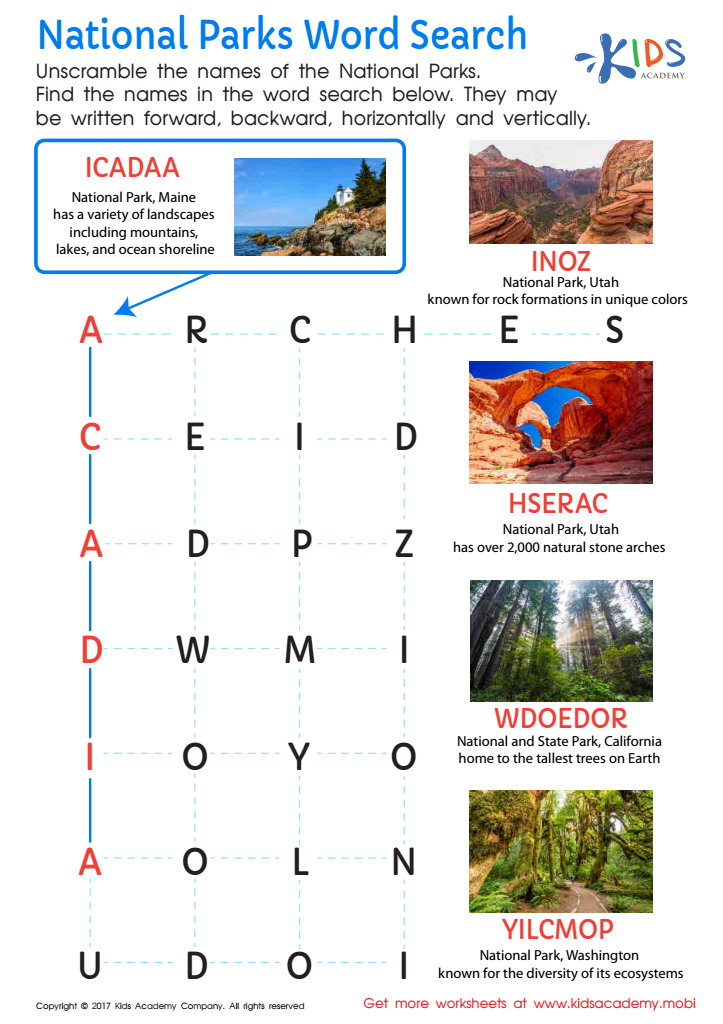
National Parks Word Search Worksheet
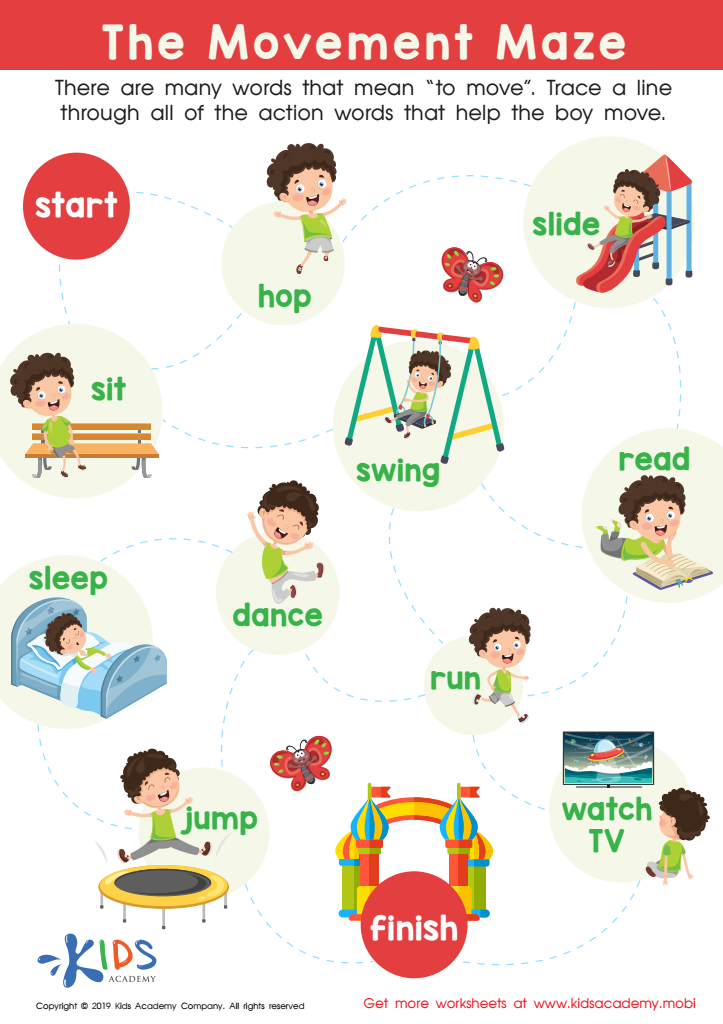
The Movement Maze Worksheet
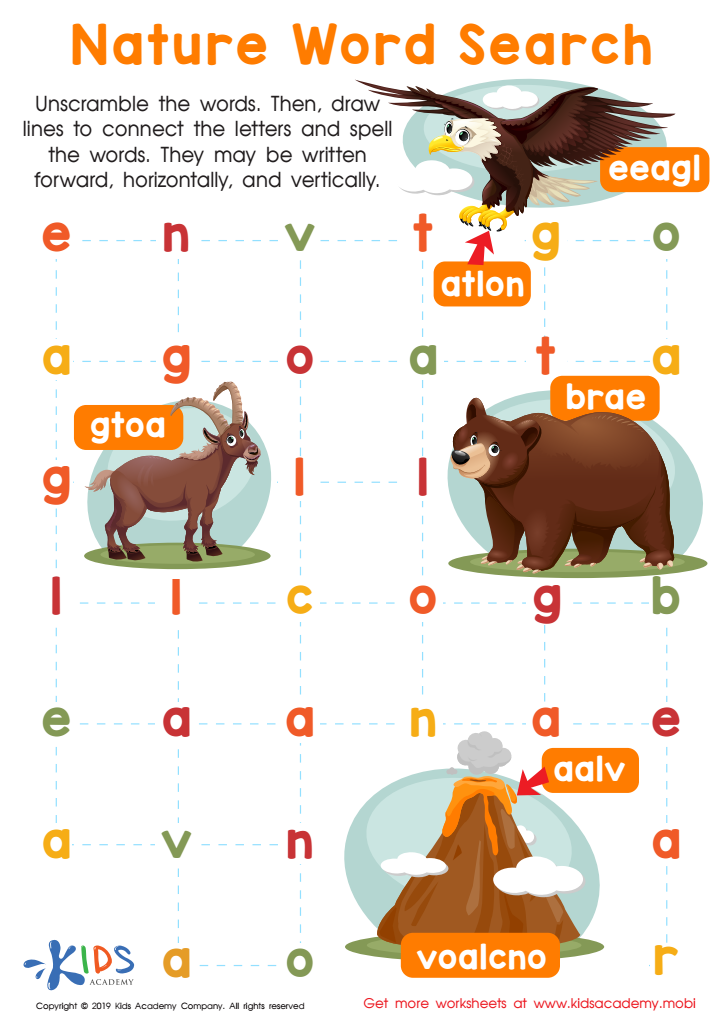
Nature Word Search Worksheet
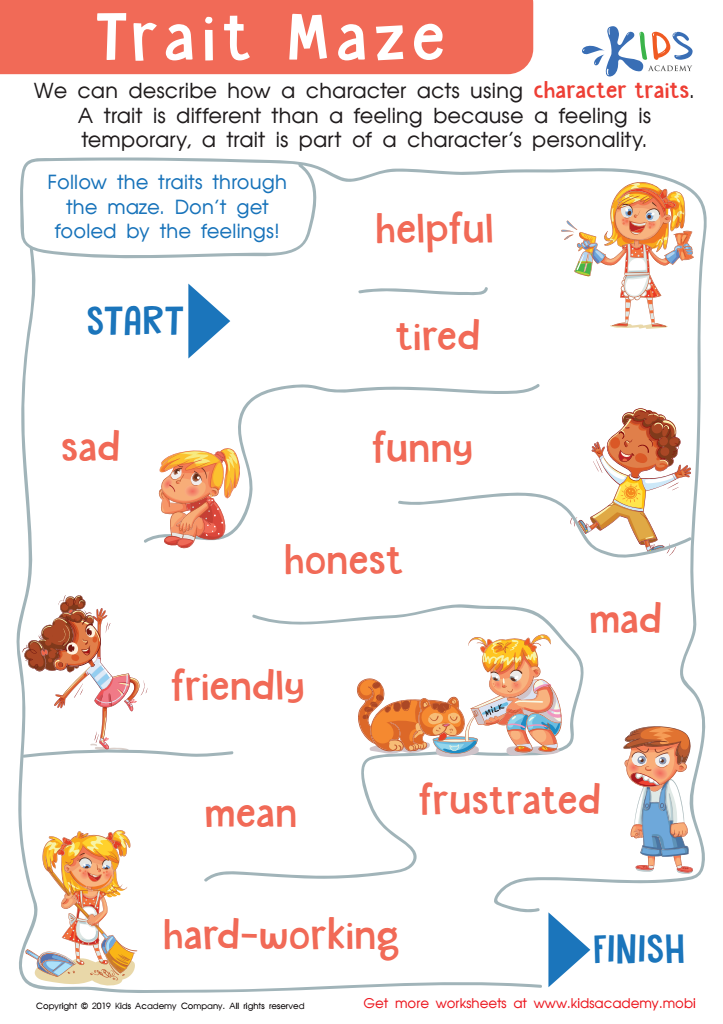
Trait Maze Worksheet
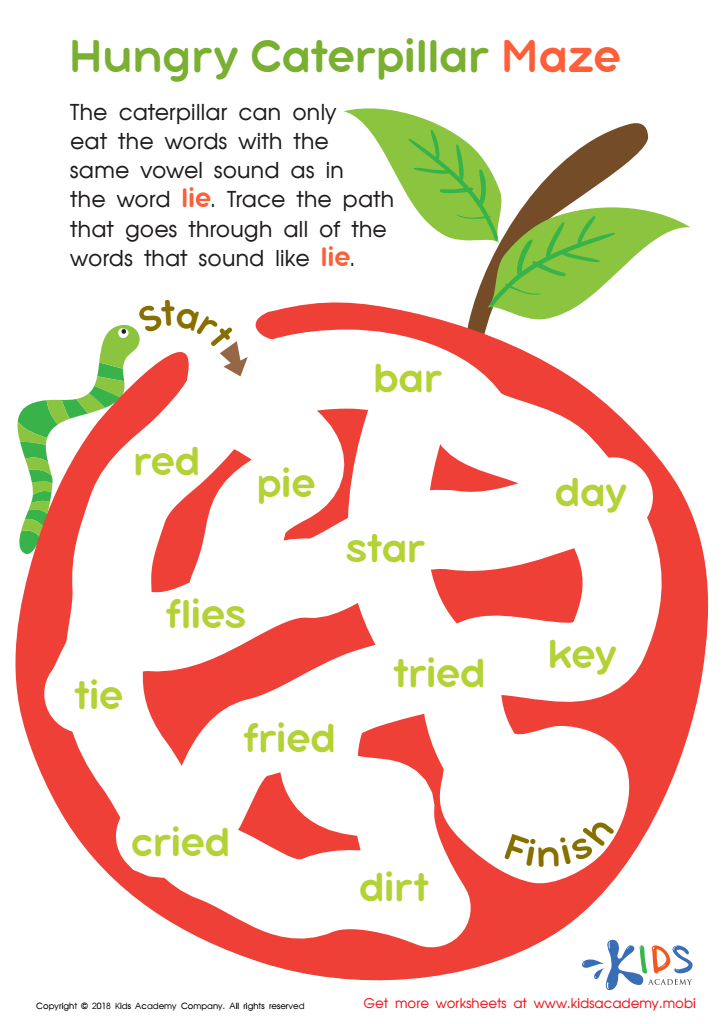
Hungry Caterpillar Maze Worksheet
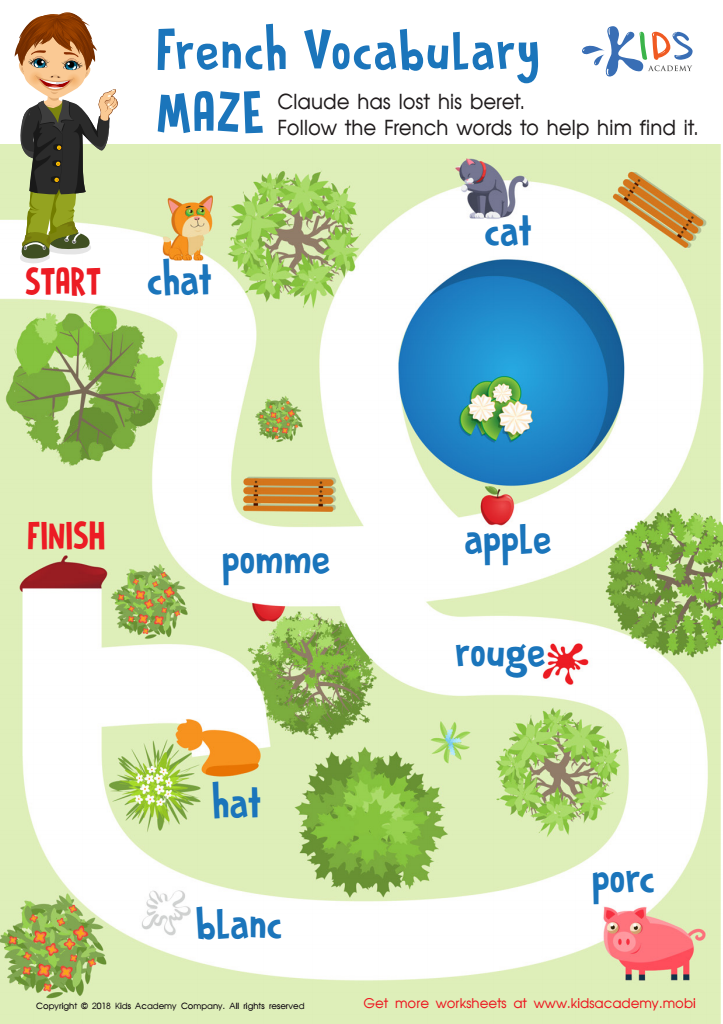
French Vocabulary Maze Worksheet
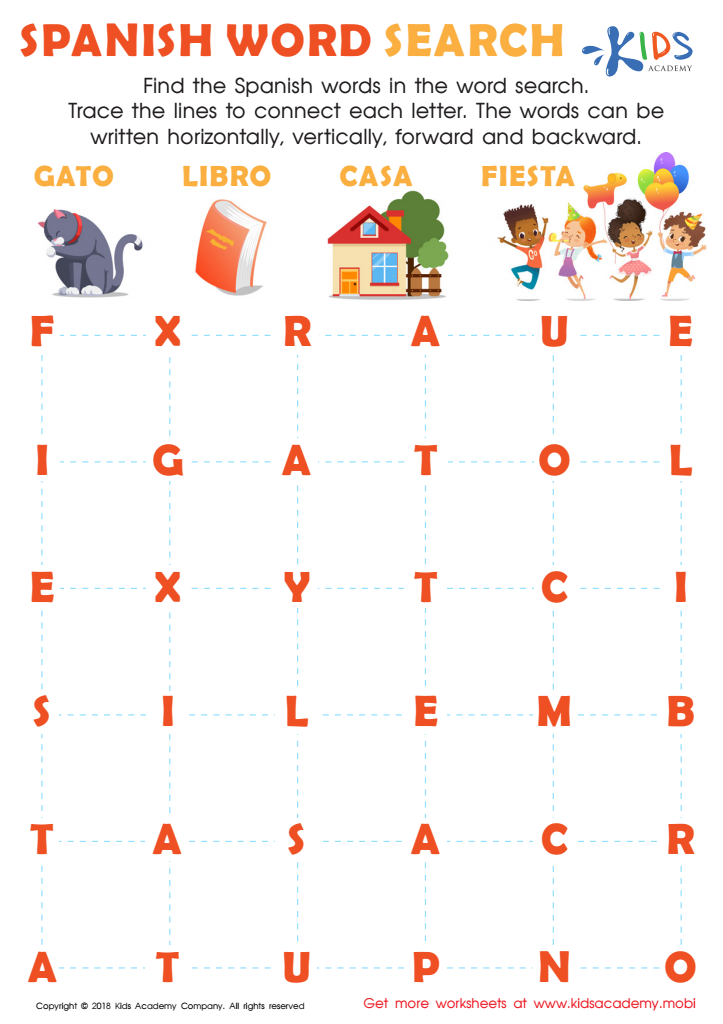
Spanish Word Search Worksheet
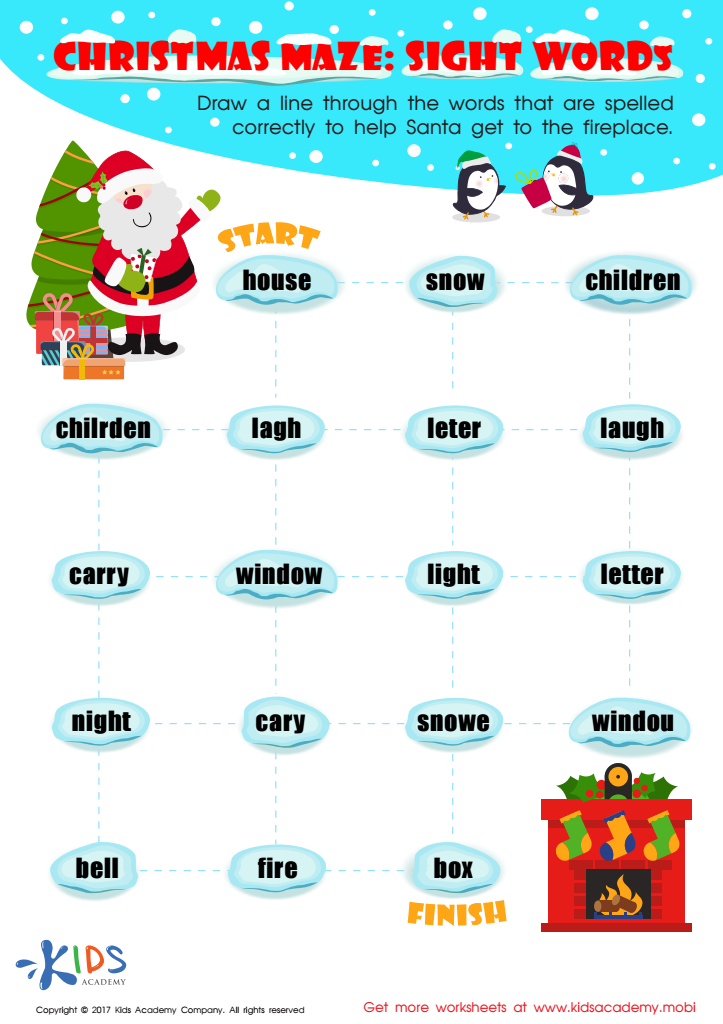
Sight Words Christmas Maze Printable
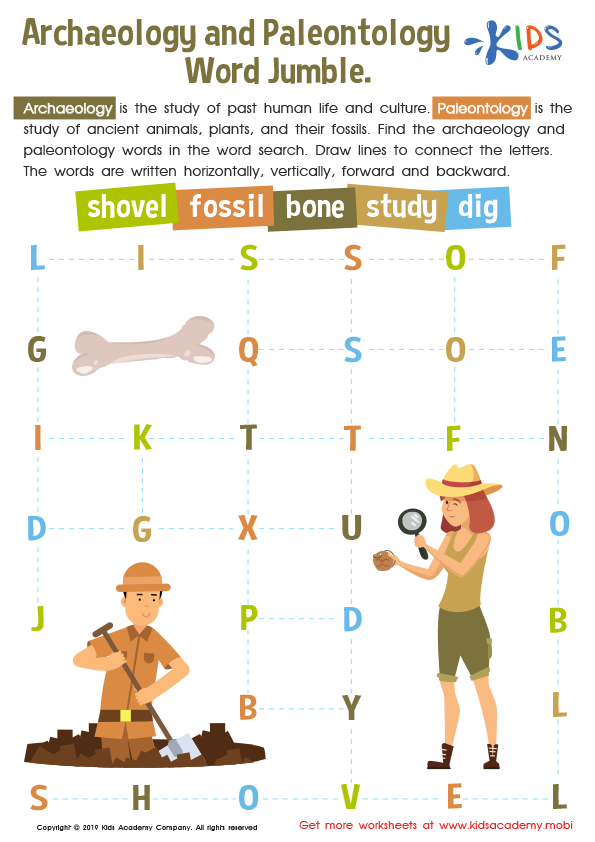
Archaeology and Paleontology Word Jumble Worksheet
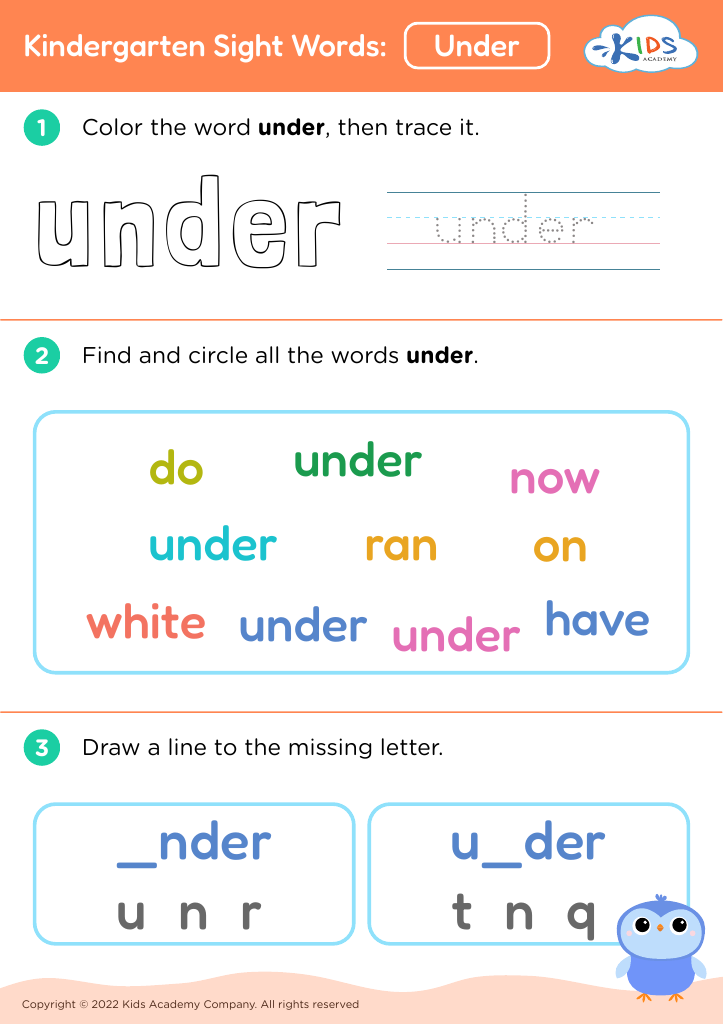
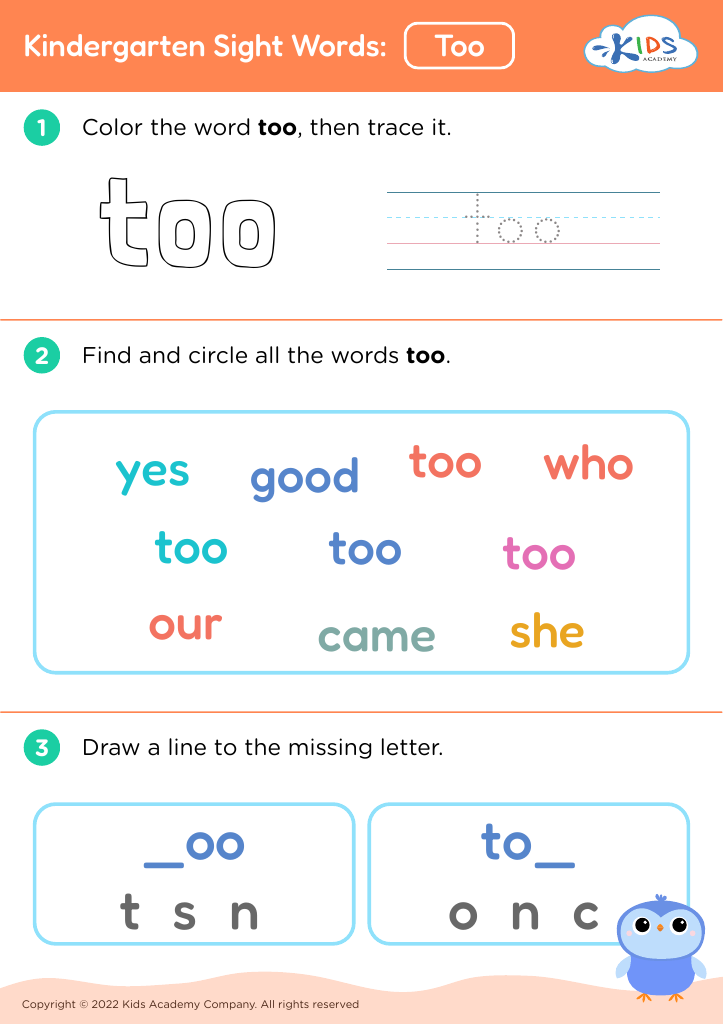
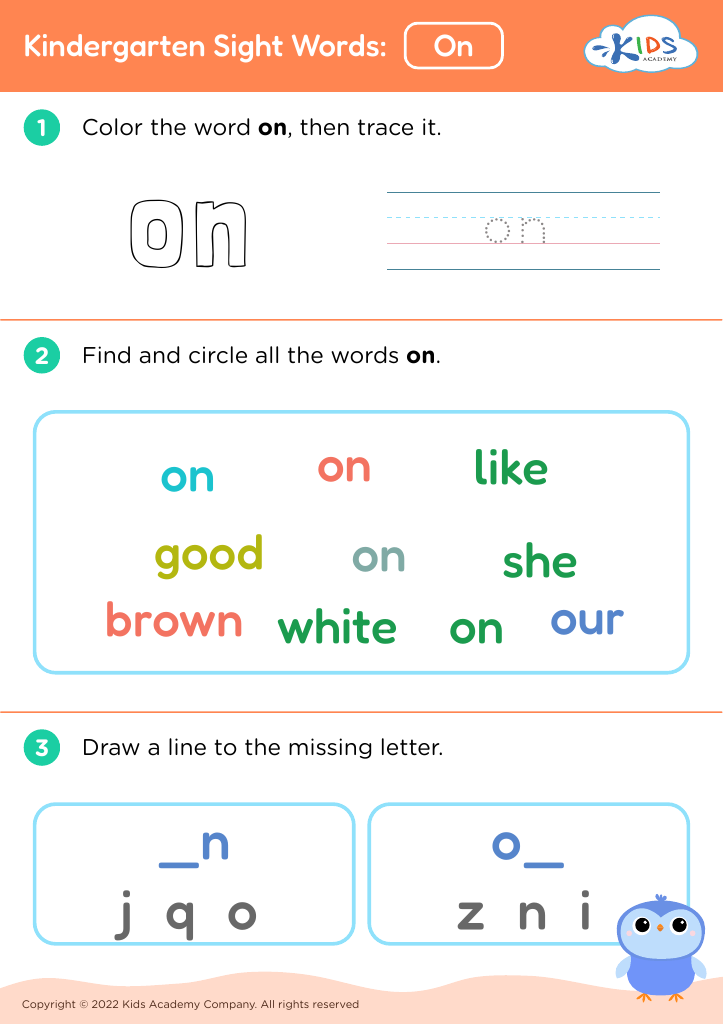
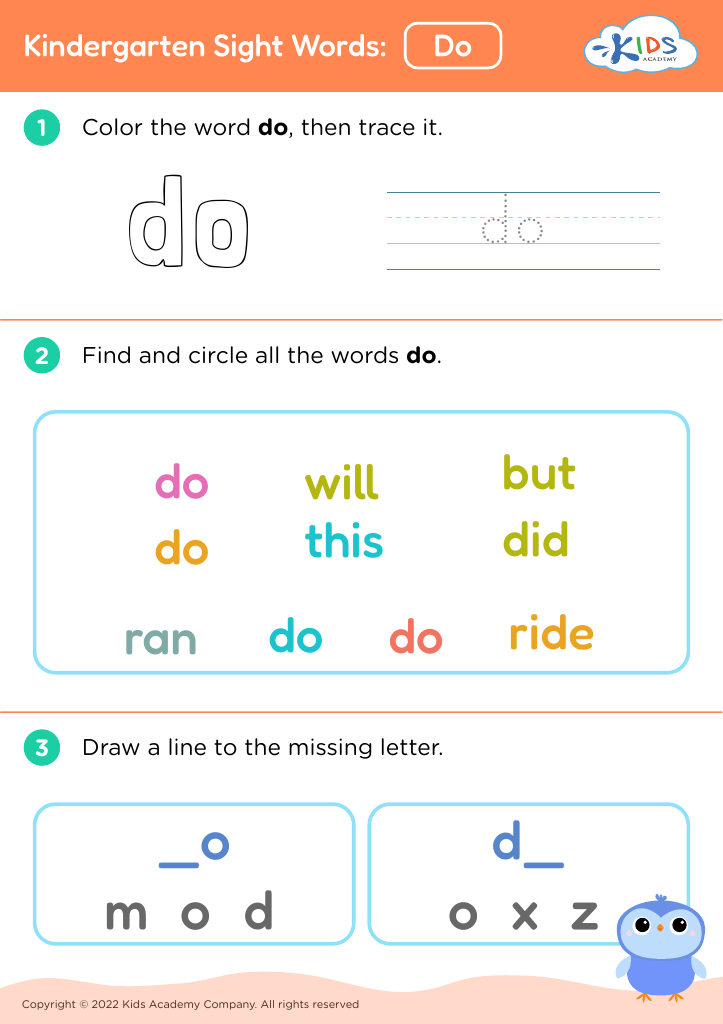






.jpg)

Problem-solving skills and building vocabulary are crucial for children aged 4-9, as they lay the foundations for future learning and success. At this age, children are incredibly curious and begin to encounter various challenges that require them to think critically and creatively. By fostering problem-solving abilities, teachers and parents encourage resilience and adaptability, essential traits for overcoming obstacles in both academic and personal life.
Building vocabulary is equally important; a rich vocabulary enhances comprehension, communication skills, and self-expression. When children can articulate their thoughts and feelings, they engage more effectively in social interactions and collaborative activities. Moreover, a strong vocabulary supports reading proficiency, allowing students to tackle a wider range of texts and enriching their overall educational experience.
Together, problem-solving skills and vocabulary development encourage a holistic approach to learning. They not only empower children to approach challenges with confidence but also keep them excited about the learning process. Ultimately, investing in these areas equips children with the cognitive tools they need to navigate their world, fostering a lifelong love of learning and ensuring they are prepared for future academic challenges. Therefore, parents and teachers should prioritize these skills as part of an enriching educational environment.








