Animal identification Reading Worksheets for Ages 4-9
6 filtered results
-
From - To
Discover our engaging Animal Identification Reading Worksheets tailored for ages 4-9! Designed to enhance early literacy skills, these worksheets invite young learners to explore the fascinating world of animals while developing essential reading comprehension. Each activity encourages children to identify different animals through vibrant images and simple text, making learning both fun and interactive. Perfect for home or classroom settings, our worksheets promote vocabulary expansion and critical thinking. Whether your child is identifying common pets or wild animals, these resources support a love for reading and curiosity about nature. Start your child's educational adventure today with our delightful animal-themed content!
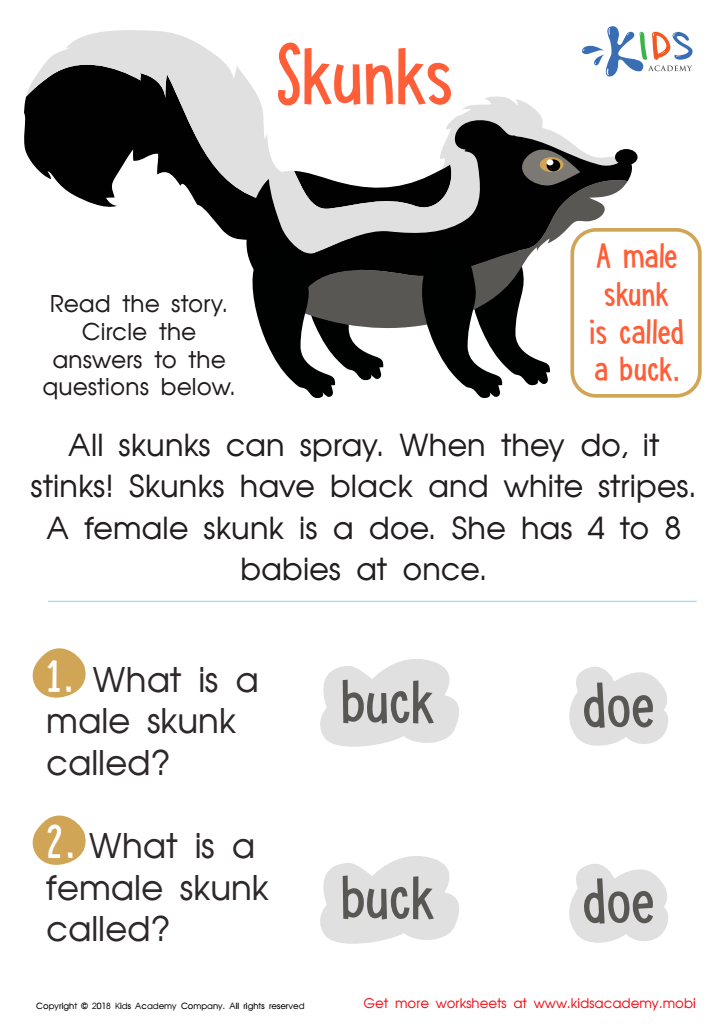
Skunks Worksheet
 Assign to My Students
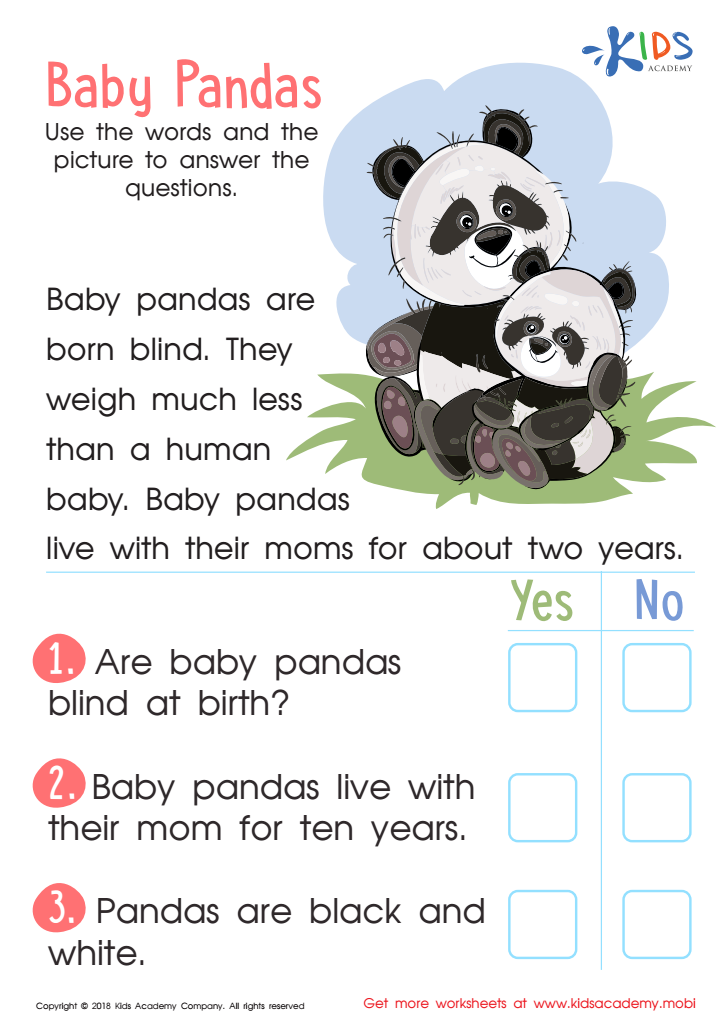
Baby Pandas Worksheet
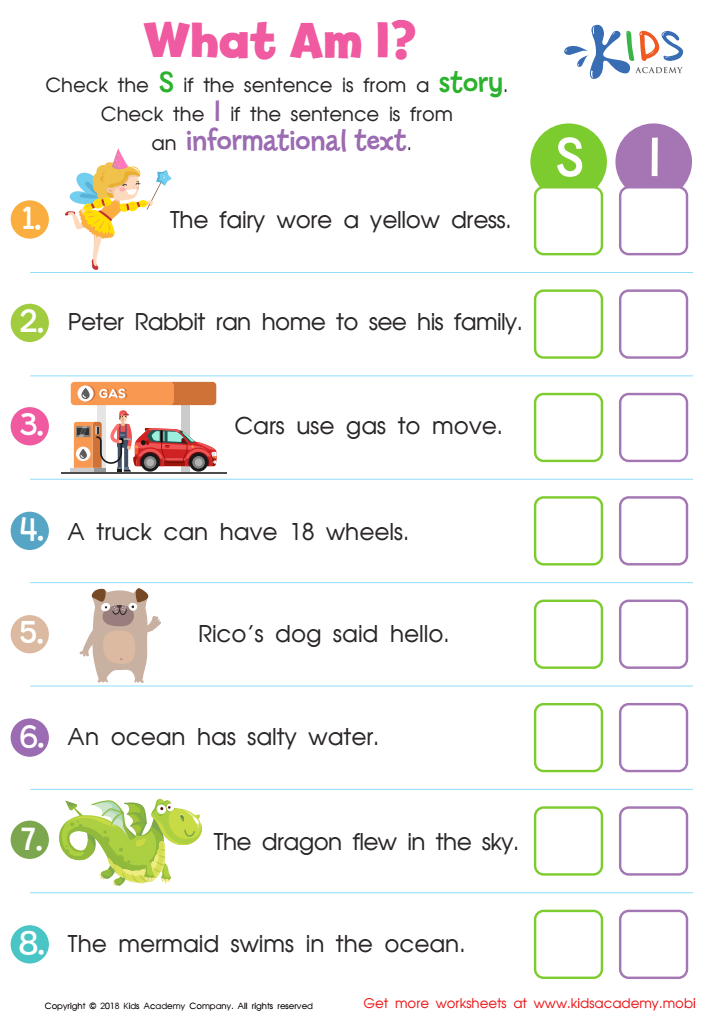
What Am I? Worksheet
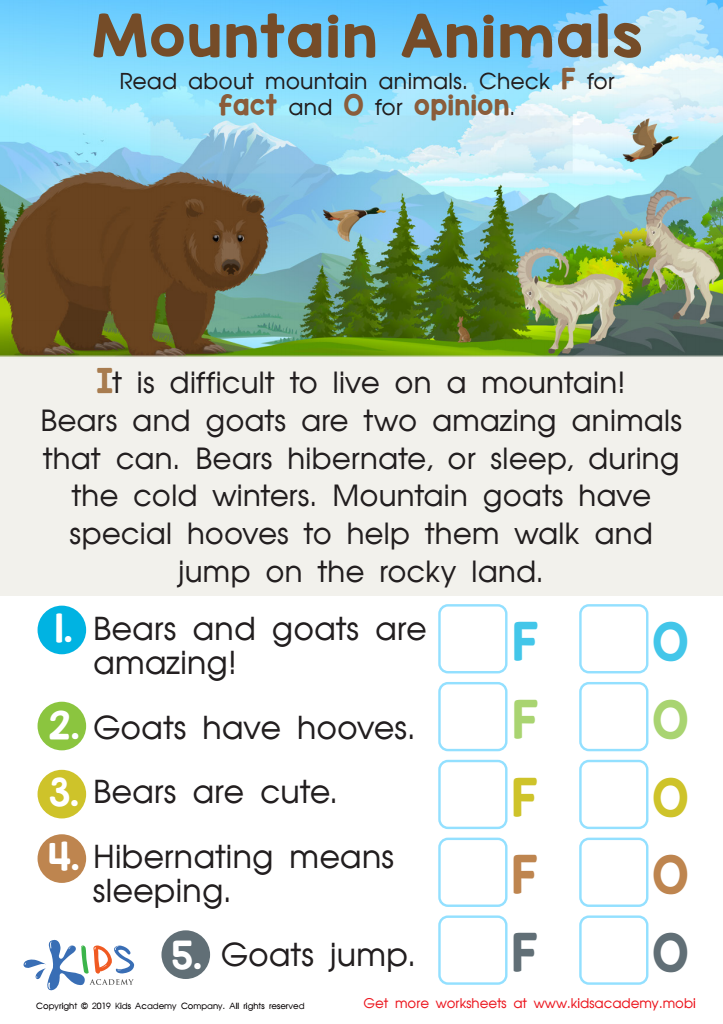
Mountain Animals Worksheet
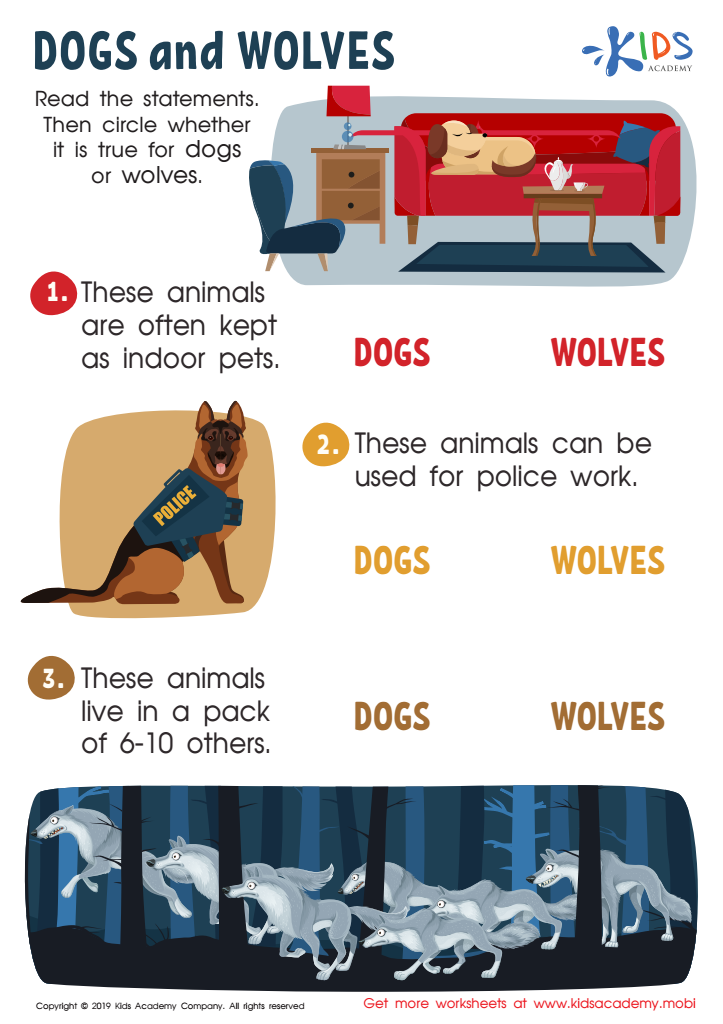
Dogs and Wolves Worksheet
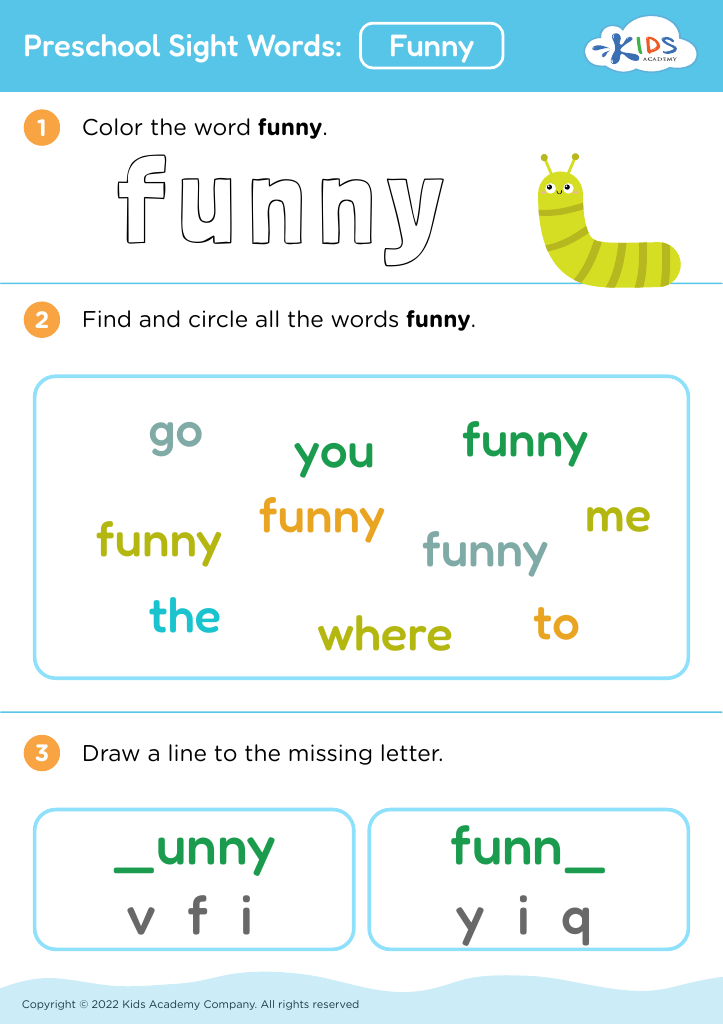


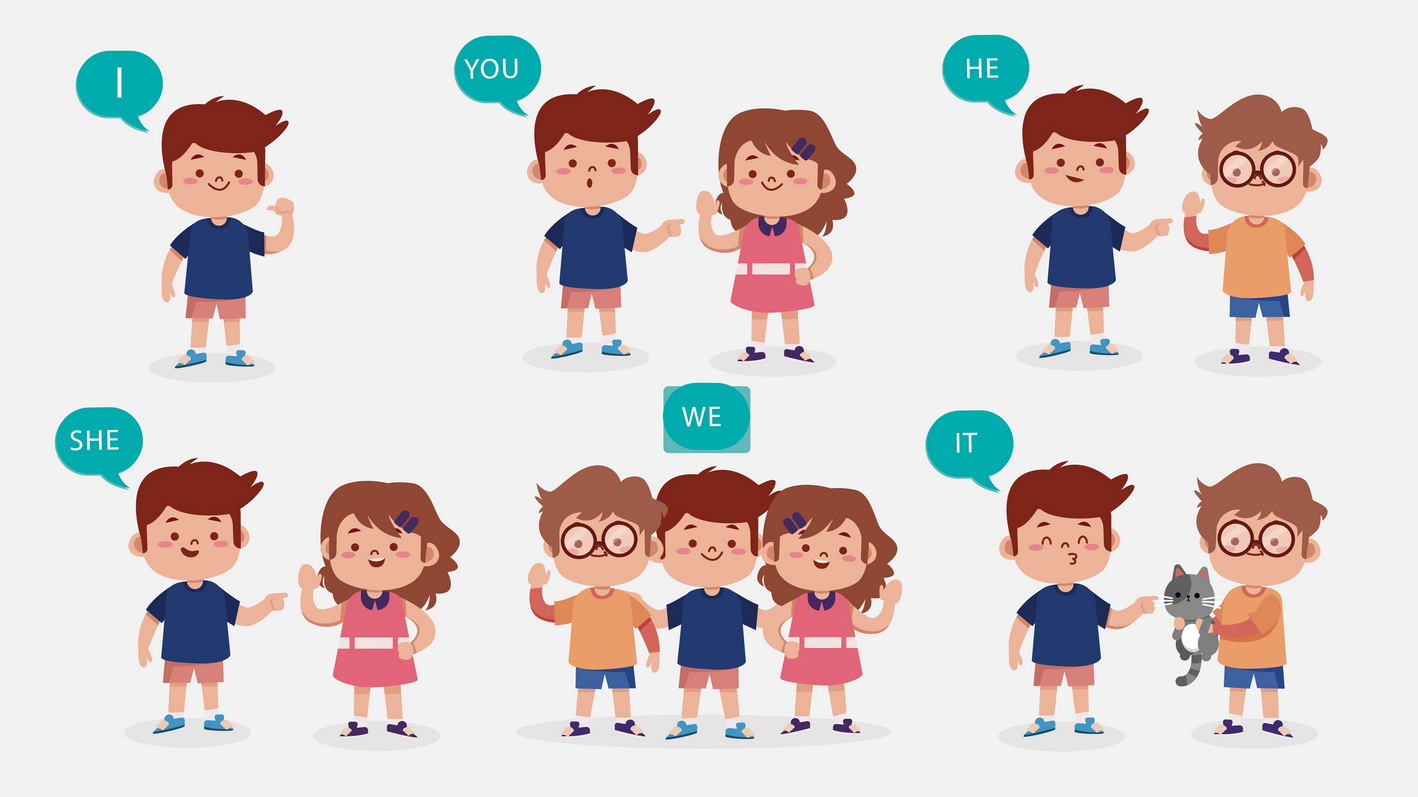





Parents and teachers should care about animal identification reading for ages 4-9 because it plays a crucial role in early childhood development. At this age, children are naturally curious about the world around them, and animal identification reading helps to nurture their curiosity. Engaging with texts about animals fosters cognitive skills such as observation, comparison, and classification.
Moreover, animal identification reading introduces young learners to fundamental concepts in biology and ecology. Understanding different species promotes a sense of respect and empathy for living creatures, which is pertinent for developing compassion and environmental awareness.
Additionally, these reading materials often include vibrant illustrations and interactive elements that can enhance literacy skills. They help expand vocabulary, improve comprehension, and encourage critical thinking as children learn to recognize patterns and make connections between various animals and their habitats.
Furthermore, reading together about animals provides a bonding experience between parents and children or teachers and students, fostering a positive attitude toward learning. By cultivating a love for reading and animal knowledge, we equip our children with the foundational skills they need for lifelong learning and positive environmental stewardship. Ultimately, animal identification reading enriches the educational experience for young learners.








