Animal recognition Reading Worksheets for Ages 4-9
5 filtered results
-
From - To
Discover a fun and educational way to enhance your child's reading skills with our Animal Recognition Reading Worksheets, designed for ages 4 to 9. These engaging worksheets help young learners recognize various animals and their names while building vocabulary and comprehension. Featuring colorful illustrations and age-appropriate activities, children will enjoy connecting words to pictures, reinforcing their knowledge of the animal kingdom. These printable resources are perfect for at-home learning or classroom environments, fostering a love for reading and enhancing literacy skills. Explore our collection today and support your child’s journey toward reading mastery with the fascinating world of animals!
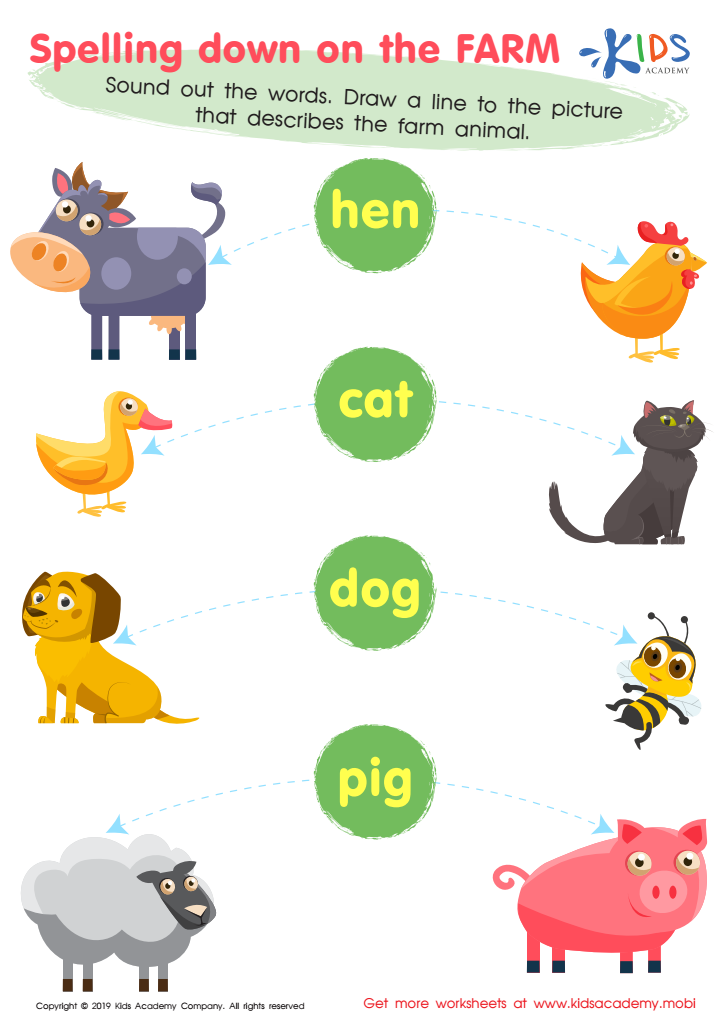
Spelling Down on the Farm Worksheet
 Assign to My Students
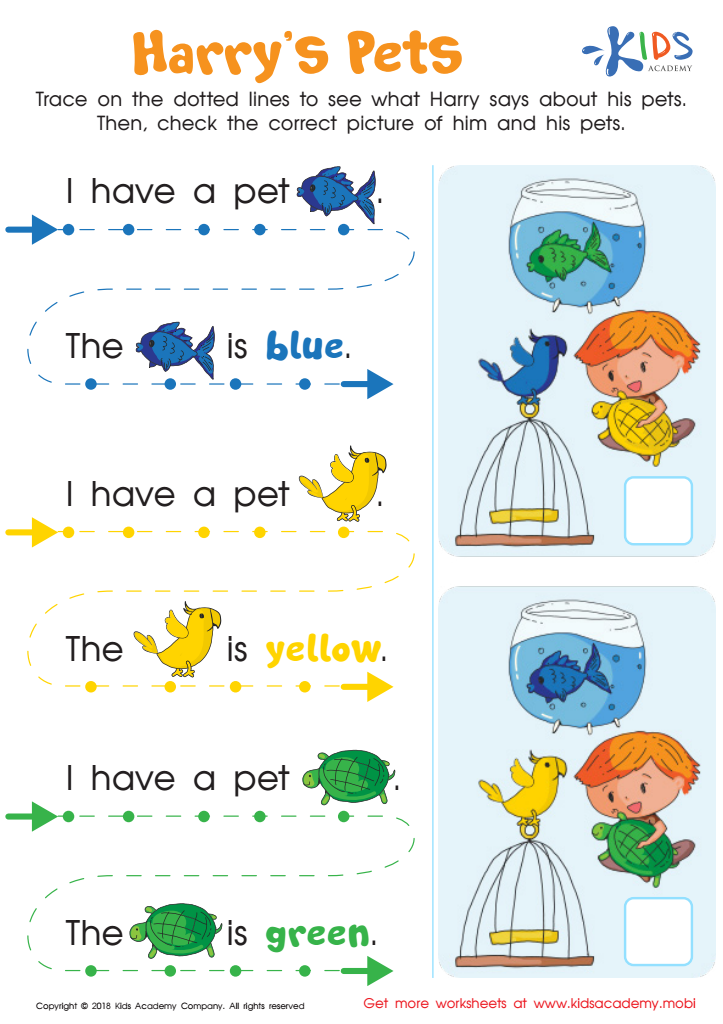
Read from Left to Right: Harry's Pets Worksheet
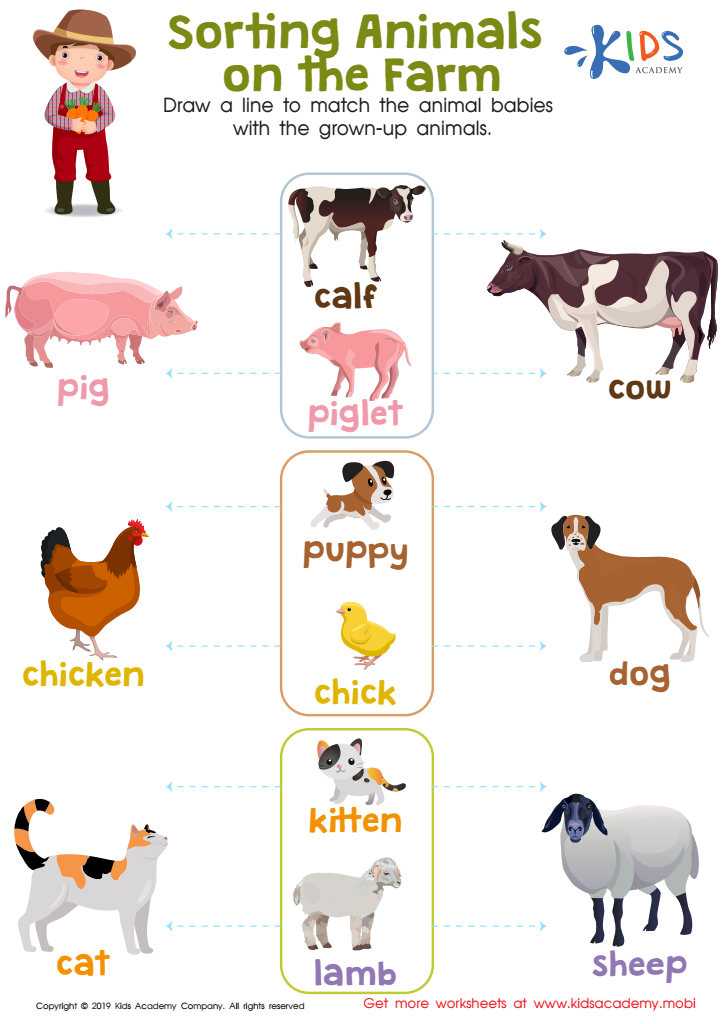
Sorting Animals on the Farm Worksheet
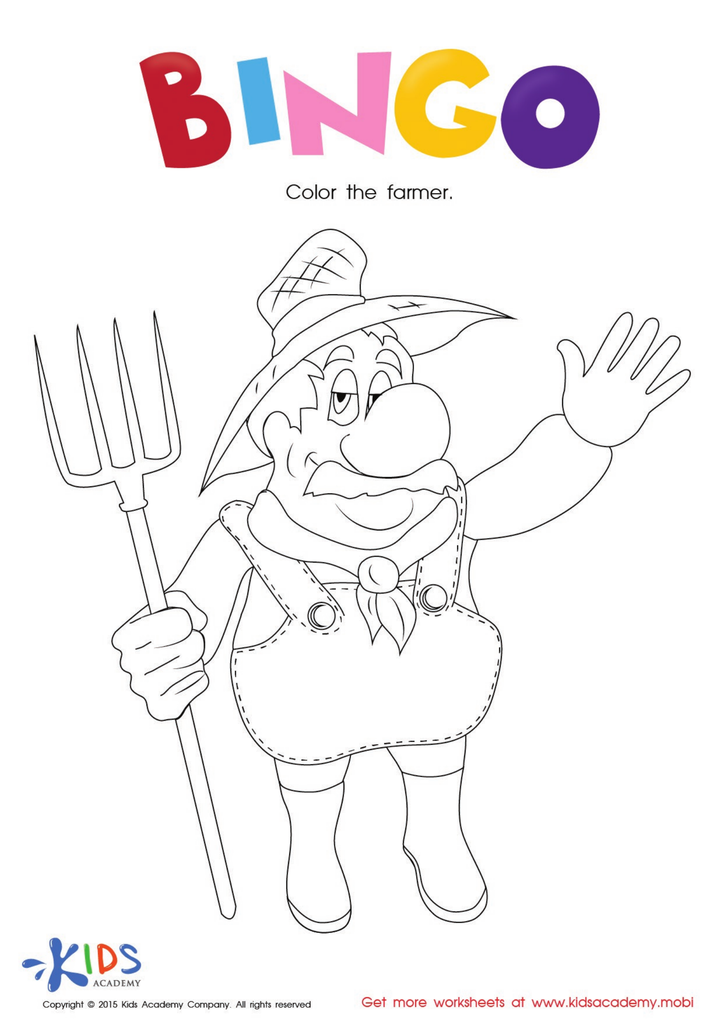
The Bingo Song: Coloring The Farmer Worksheet
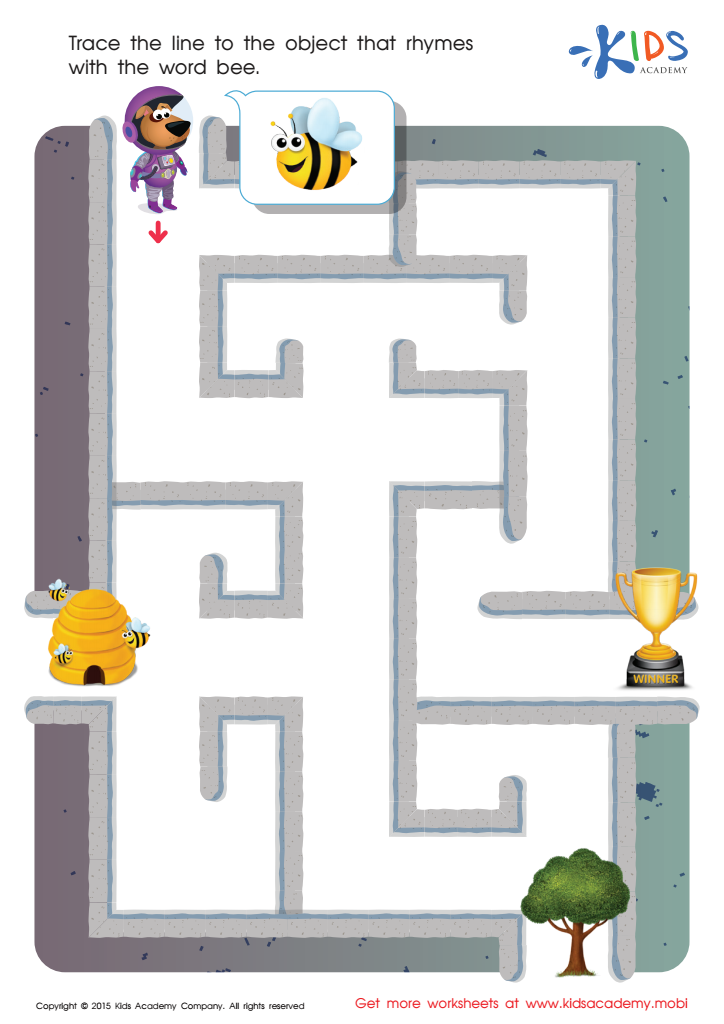
Bee Rhyming Words Worksheet






Animal recognition reading is crucial for children aged 4-9 for several reasons. Firstly, it helps develop early literacy skills, as children learn to associate words with images, enhancing their vocabulary and comprehension. Recognizing animals in books also stimulates curiosity, encouraging children to explore and ask questions about nature and the world around them.
Moreover, engaging with animal stories fosters emotional and social development. Through narratives that involve animals, children can learn empathy and compassion, as they connect with characters and their experiences. This helps in building emotional intelligence, essential for their overall development.
Parents and teachers should also consider that animal recognition reading aids in critical thinking and cognitive skills. Children learn to categorize, compare, and analyze different species, fostering observational skills. These activities not only enrich their understanding of biodiversity but also promote environmental awareness—a vital consideration in our interconnected world.
Finally, reading about animals can cultivate partnerships with families. Stories about animals often create natural discussions about outings to zoos or nature parks, reinforcing family bonding. By nurturing a love for reading and nature, parents and teachers set the foundation for lifelong learners and responsible stewards of the environment.








