Categorization skills Reading Worksheets for Ages 4-9
5 filtered results
-
From - To
Boost your child's reading and comprehension abilities with our engaging Categorization Skills Reading Worksheets, designed specifically for ages 4-9. These worksheets make learning fun and interactive by guiding young learners to group words and images based on similarities, enhancing their vocabulary and critical thinking skills. Perfect for home or classroom use, our categories focus on animals, objects, and more, catering to various interests. As children explore different topics, they build a solid foundation for future learning. Dive into our colorful, easy-to-use worksheets and watch your little ones master categorization with confidence while fostering a lifelong love for reading and learning!
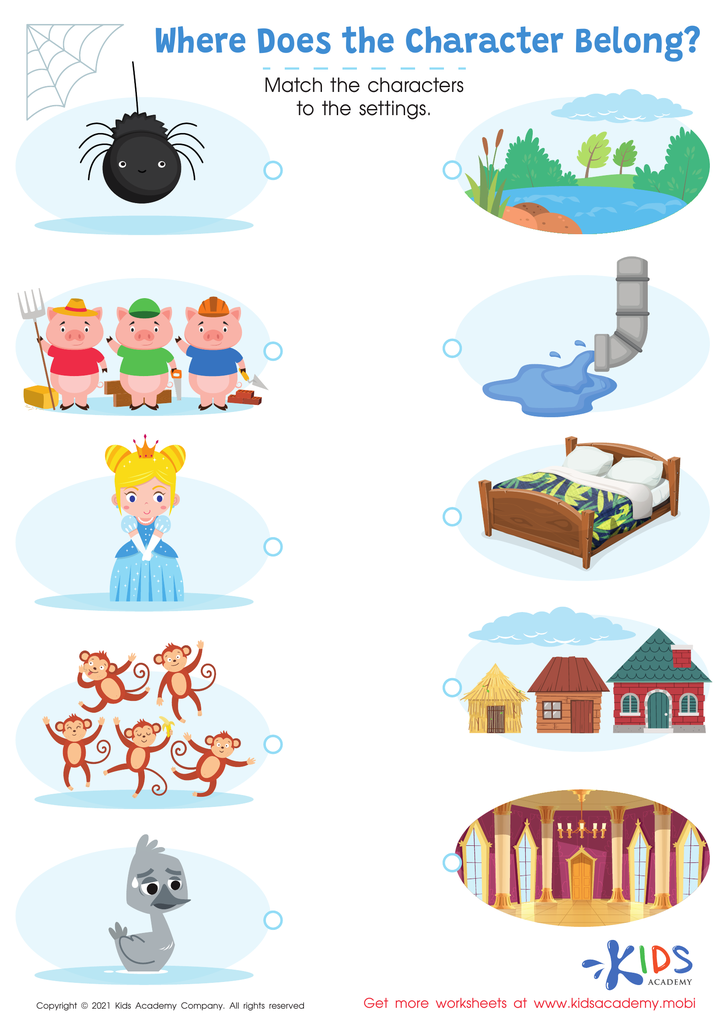
Where Does the Character Belong? Worksheet
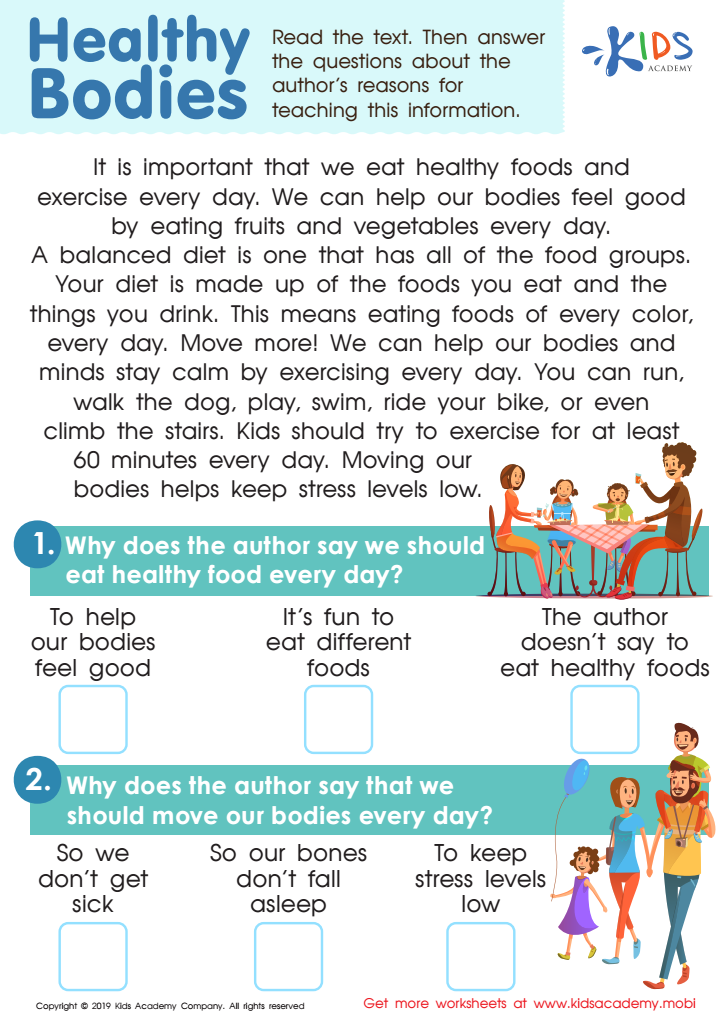
Healthy Bodies Worksheet
 Assign to My Students
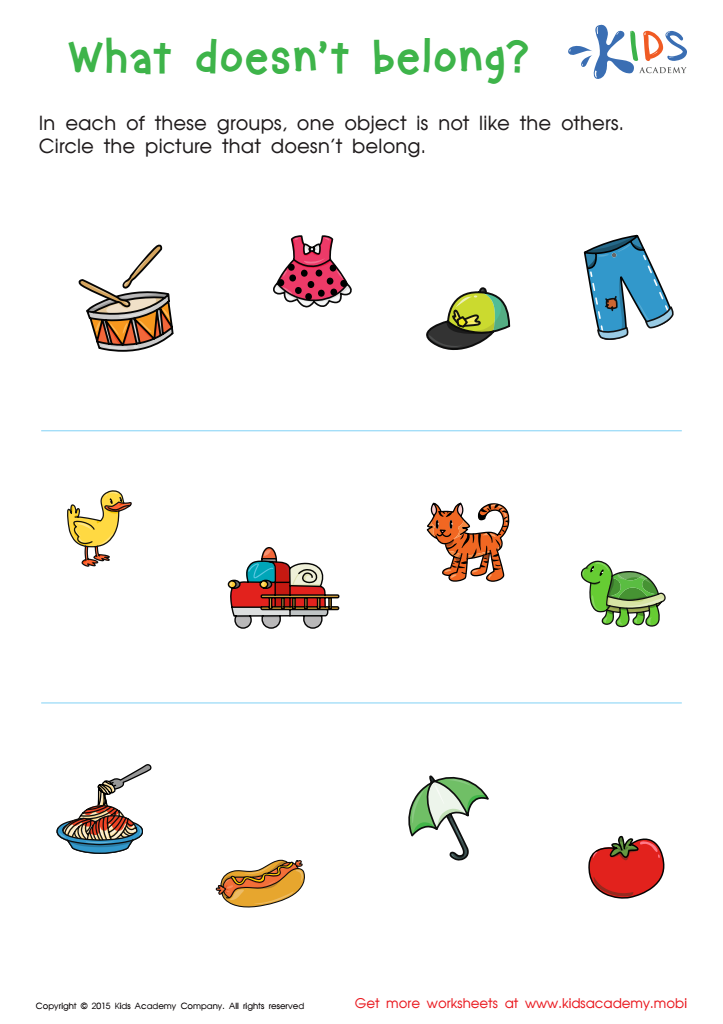
First Words: What Doesn't Belong Worksheet
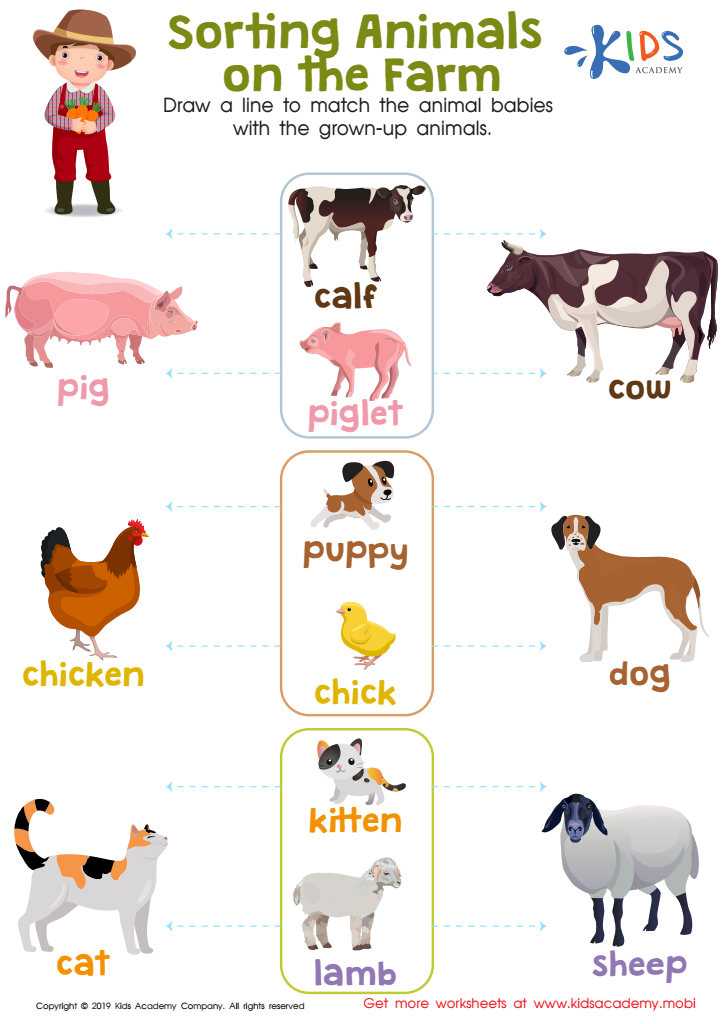
Sorting Animals on the Farm Worksheet
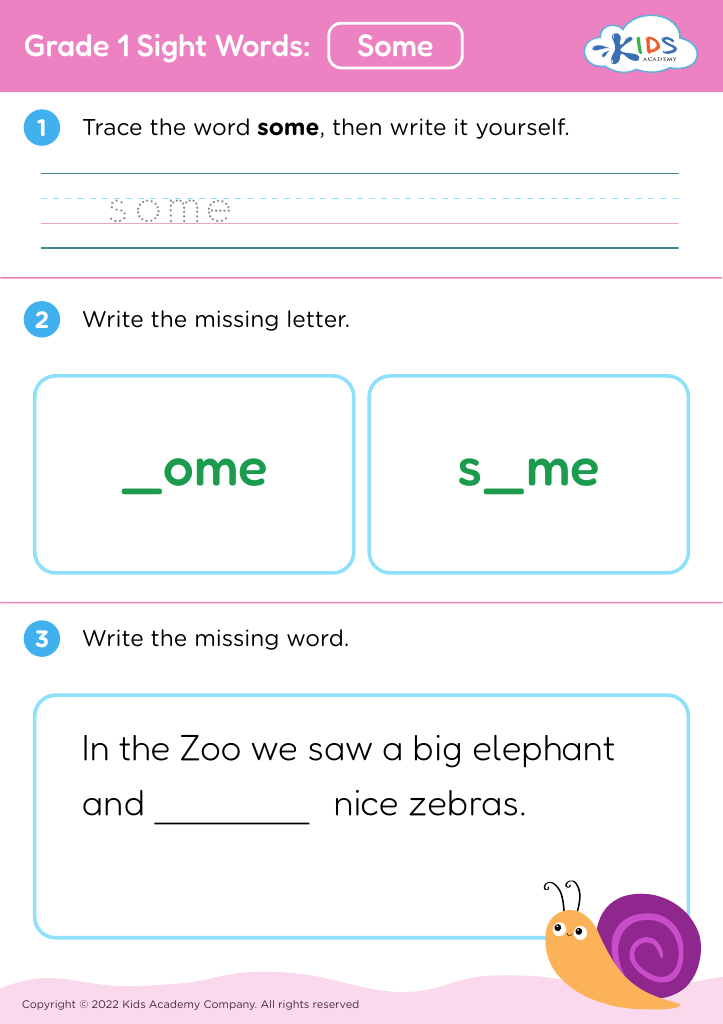








Categorization skills are foundational for reading development in children aged 4-9. These skills assist young learners in grouping similar objects, ideas, and words, which enhances their ability to comprehend and process information. Understanding categories aids in vocabulary development, as children learn to associate words with specific objects or concepts, facilitating easier recall and usage in context.
Moreover, categorization fosters critical thinking, enabling children to analyze similarities and differences, which is crucial for deeper understanding when they engage with texts. As children encounter various genres and themes in reading, being able to categorize helps them relate new information to their existing knowledge, making comprehension more accessible and meaningful.
Additionally, strong categorization skills can also lead to better engagement and motivation. When children recognize patterns and categories in stories, they become more invested in the material, often predicting outcomes and participating in discussions with greater enthusiasm.
Ultimately, by nurturing categorization skills, parents and teachers can lay the groundwork for lifelong literacy and cognitive abilities. An emphasis on such skills during the early years will not only benefit a child’s academic journey but also enhance their communication and analytical capabilities in everyday life.








