Check out this FREE Trial Lesson on Reading for age 4-9!

X

Favorites
With answer key
Interactive
  • 4-9
  • Comparing Fractions
  • Reading
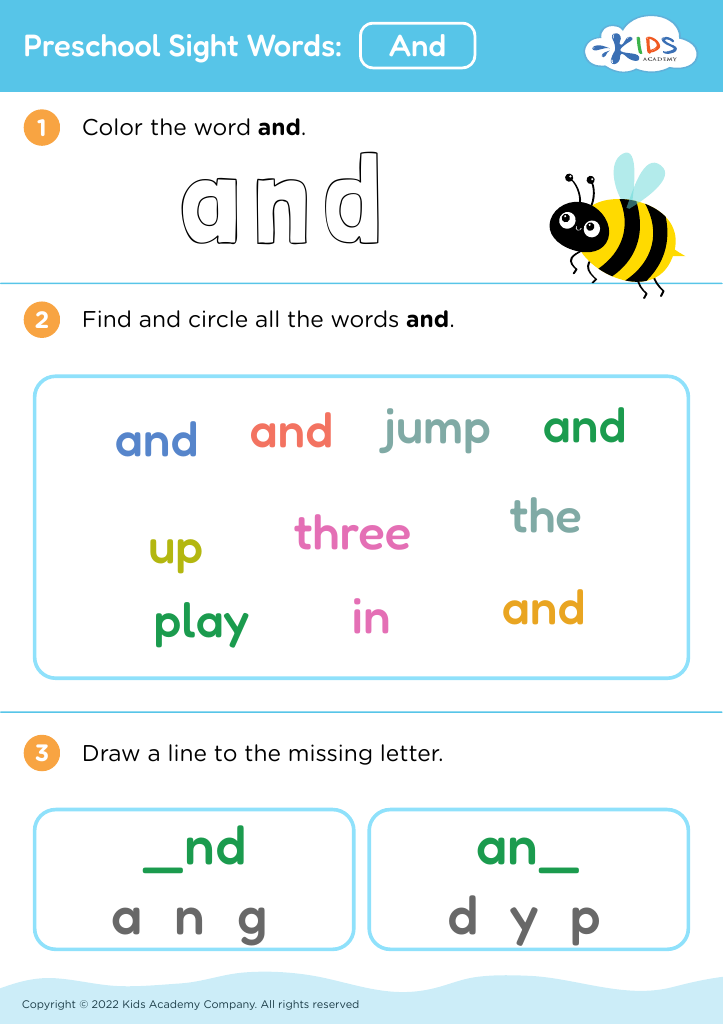
Preschool Sight Words: And

Preschool Sight Words: And

Preschool Sight Words: And
Worksheet
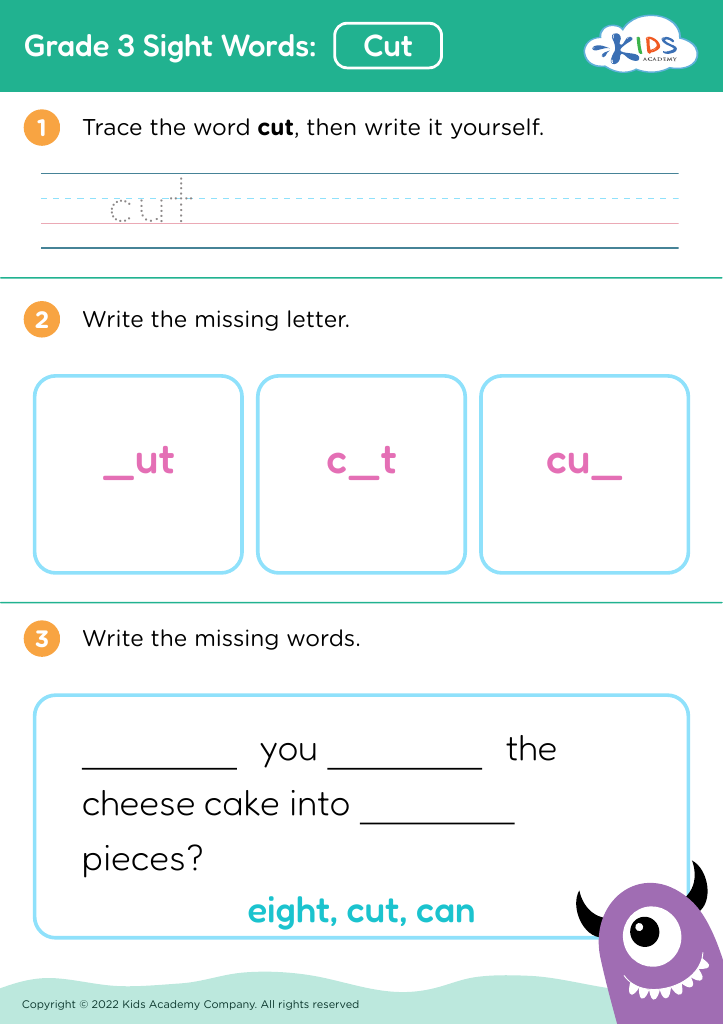
Grade 3 Sight Words: Cut

Grade 3 Sight Words: Cut

Grade 3 Sight Words: Cut
Worksheet
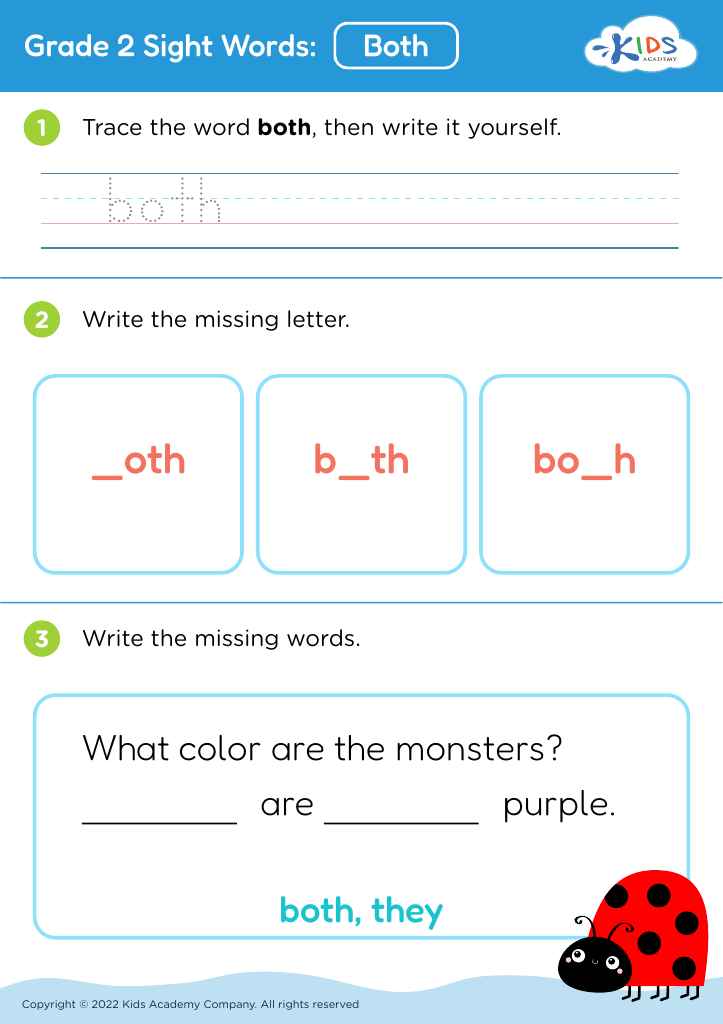
Grade 2 Sight Words: Both

Grade 2 Sight Words: Both

Grade 2 Sight Words: Both
Worksheet
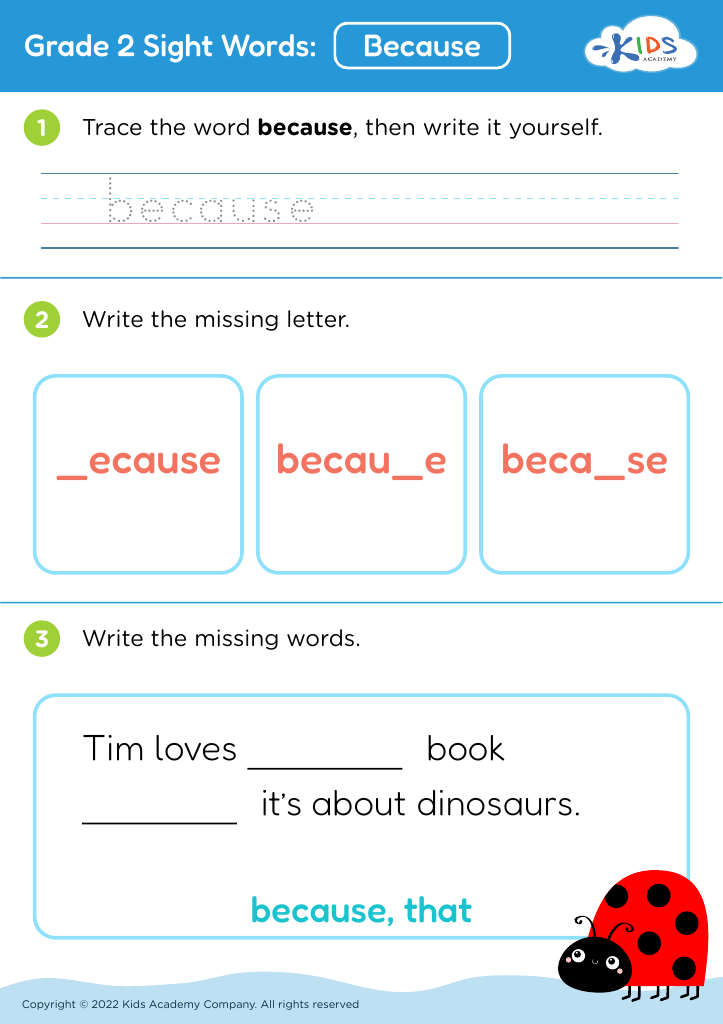
Grade 2 Sight Words: Because

Grade 2 Sight Words: Because

Grade 2 Sight Words: Because
Worksheet
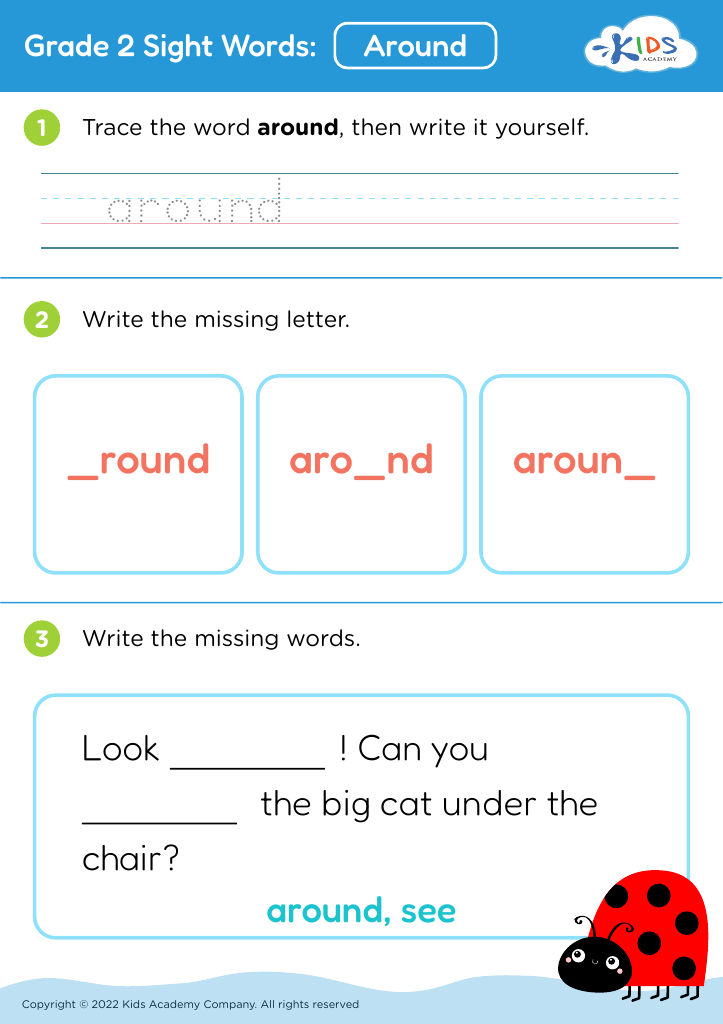
Grade 2 Sight Words: Around

Grade 2 Sight Words: Around

Grade 2 Sight Words: Around
Worksheet
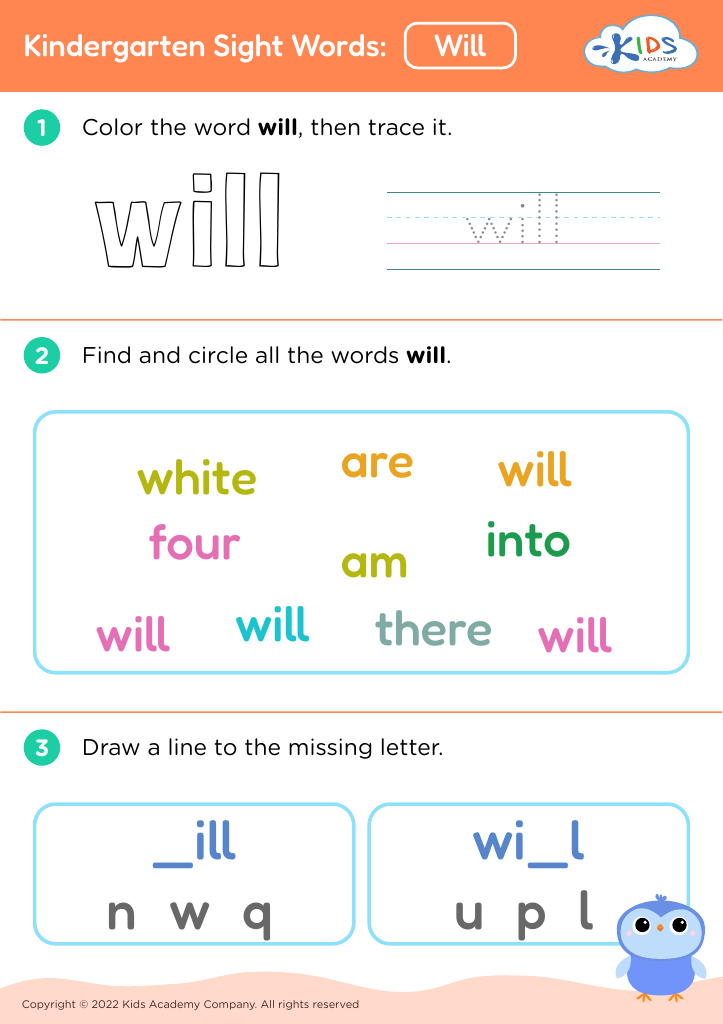
Kindergarten Sight Words: Will

Kindergarten Sight Words: Will

Kindergarten Sight Words: Will
Worksheet
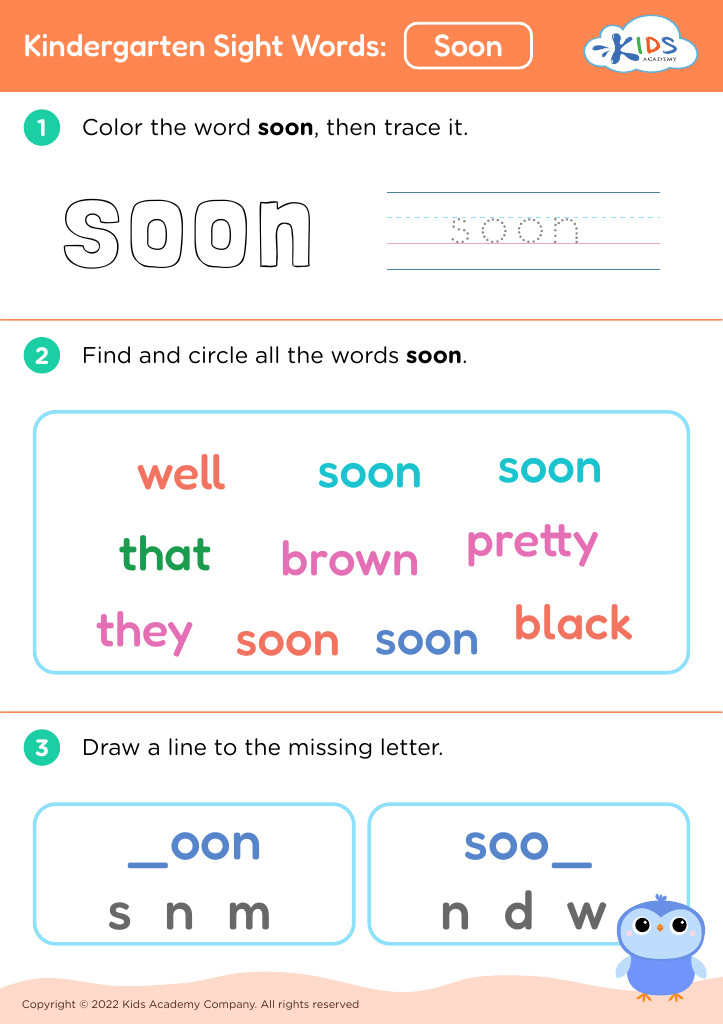
Kindergarten Sight Words: Soon

Kindergarten Sight Words: Soon

Kindergarten Sight Words: Soon
Worksheet
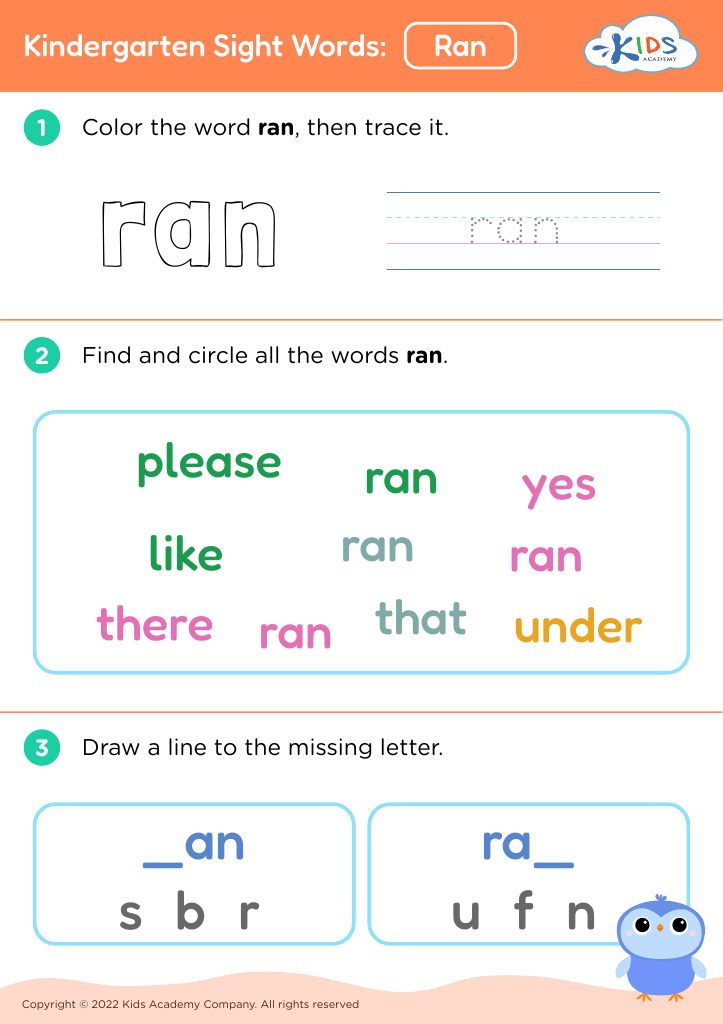
Kindergarten Sight Words: Ran

Kindergarten Sight Words: Ran

Kindergarten Sight Words: Ran
Worksheet
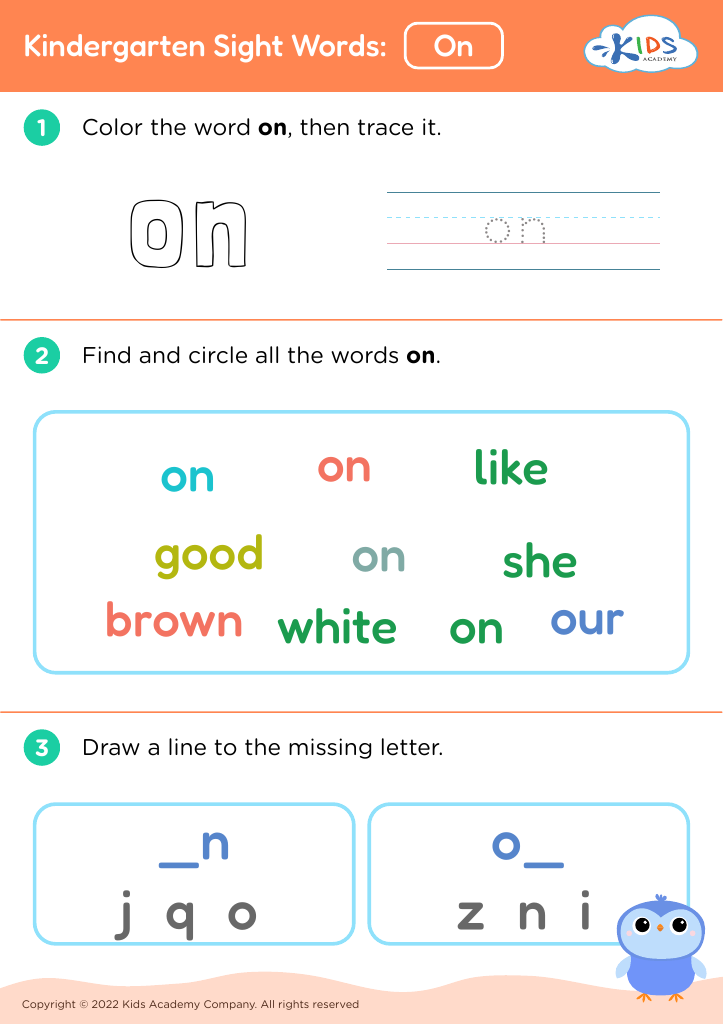
Kindergarten Sight Words: On

Kindergarten Sight Words: On

Kindergarten Sight Words: On
Worksheet
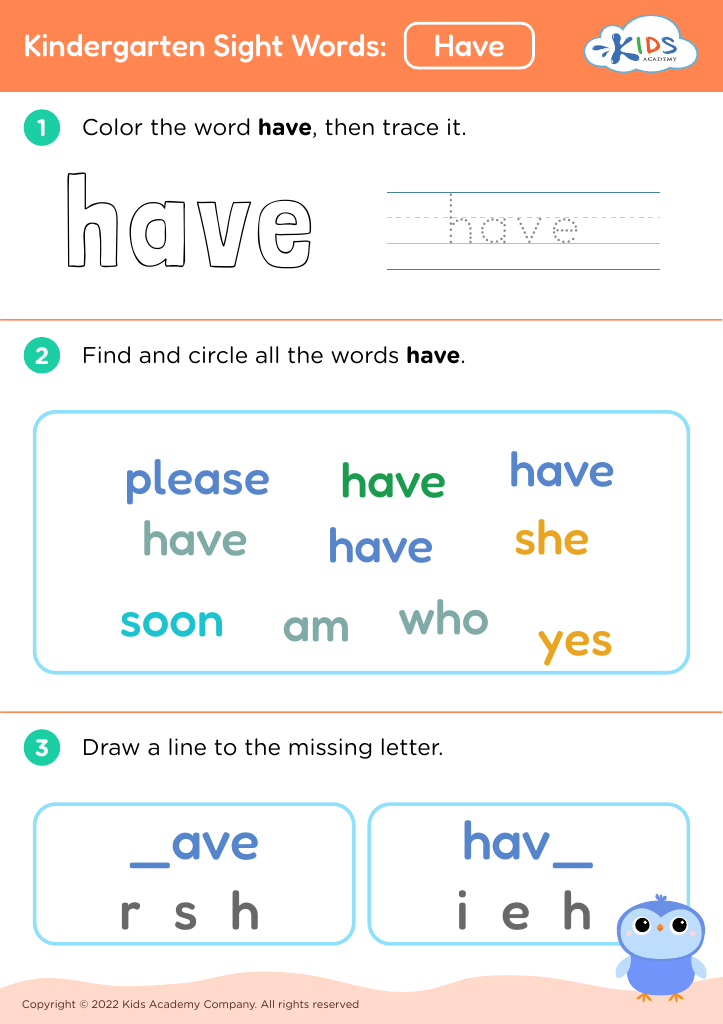
Kindergarten Sight Words: Have

Kindergarten Sight Words: Have

Kindergarten Sight Words: Have
Worksheet
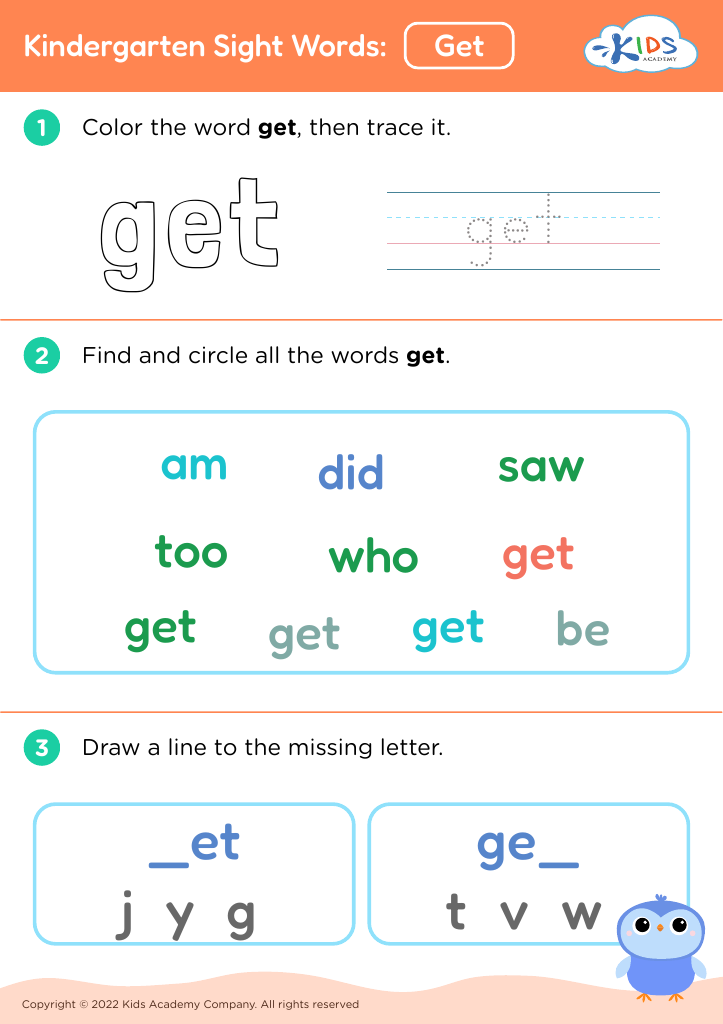
Kindergarten Sight Words: Get

Kindergarten Sight Words: Get

Kindergarten Sight Words: Get
Worksheet
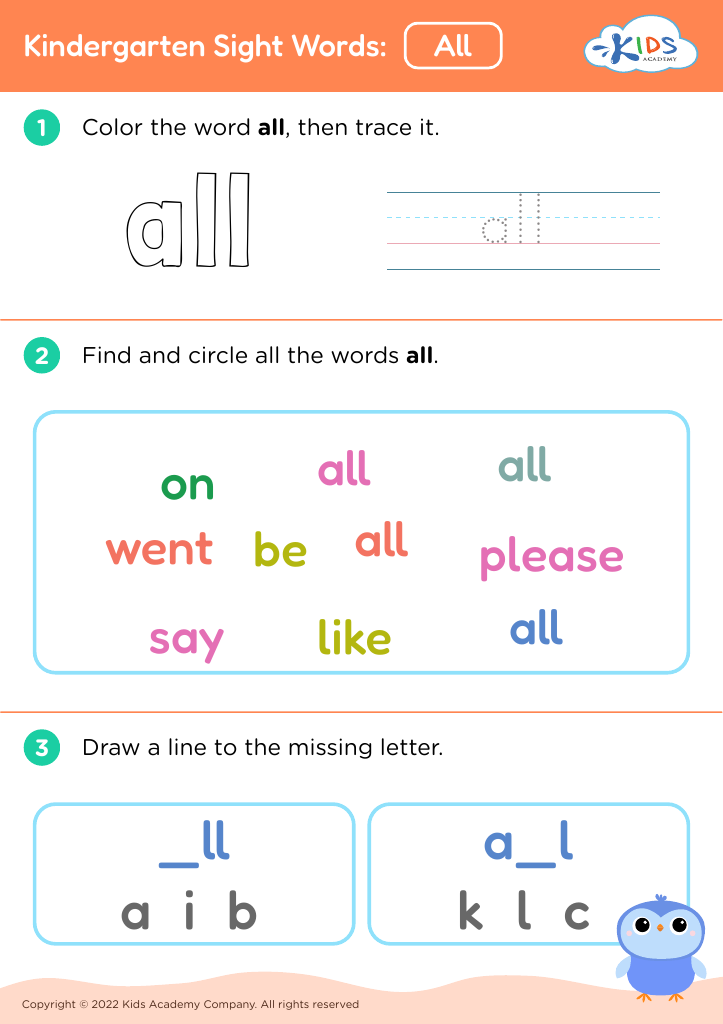
Kindergarten Sight Words: All

Kindergarten Sight Words: All

Kindergarten Sight Words: All
Worksheet
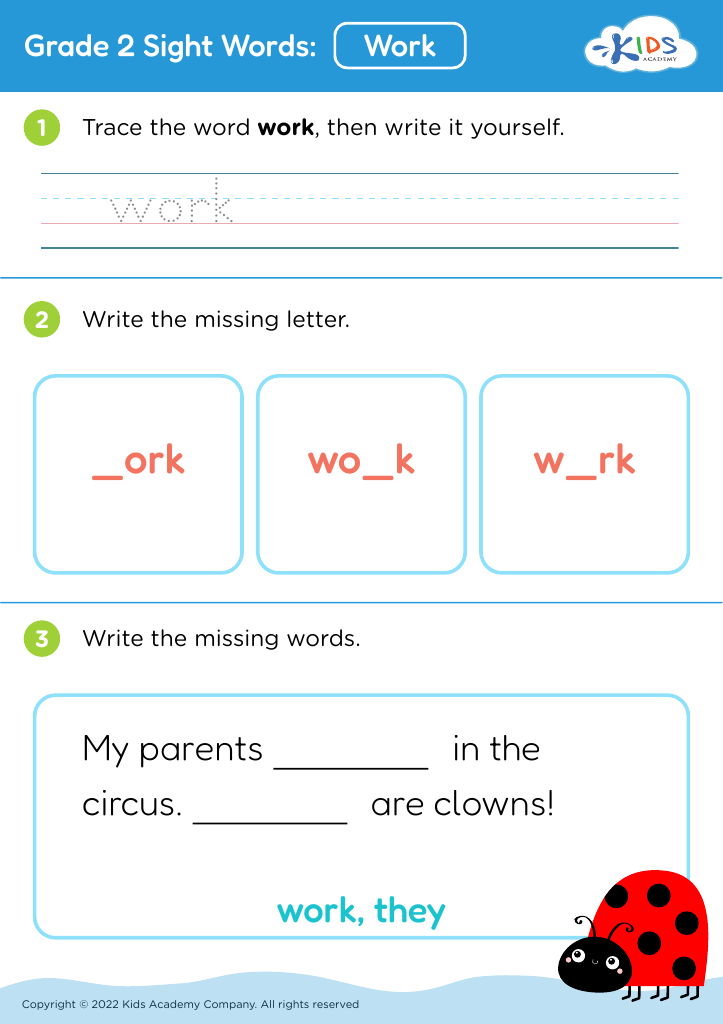
Grade 2 Sight Words: Work

Grade 2 Sight Words: Work

Grade 2 Sight Words: Work
Worksheet


Comparing fractions is a foundational math skill crucial for young children aged 4-9 as it lays the groundwork for more advanced mathematical concepts they will encounter later. Parents and teachers should care about this because it develops critical thinking, problem-solving, and number sense, which are applicable in daily life situations such as cooking or dividing tasks evenly.

Early introduction to comparing fractions helps children grasp the idea that parts of a whole can be equal or unequal, fostering an intuitive understanding of fair shares and proportionality. This skill also intersects with other core math areas, including division, ratios, and algebra, making future learning smoother and more coherent.

Moreover, comparing fractions enhances cognitive skills like attention to detail and logical reasoning. For young children, hands-on activities such as using pie charts, visual aids, and manipulatives make the learning process engaging and memorable. These activities foster a positive attitude towards math, a subject often met with anxiety.

Emphasizing comparing fractions during early grades empowers children, boosts their confidence, and sets a solid foundation for their academic journey. They are more likely to transition seamlessly into more complex topics without Math becoming a stumbling block, ultimately contributing to their overall intellectual growth and academic success.