Critical Thinking Reading Worksheets for Ages 4-9 - Page 3
68 filtered results
-
From - To
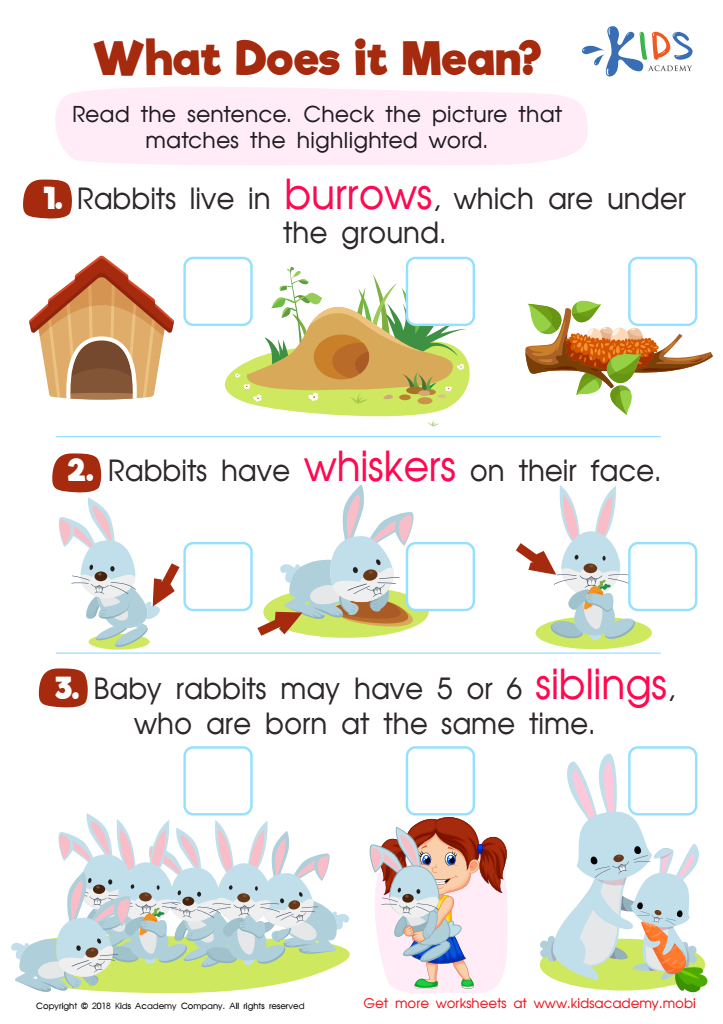
What Does It Mean? Worksheet
 Assign to My Students
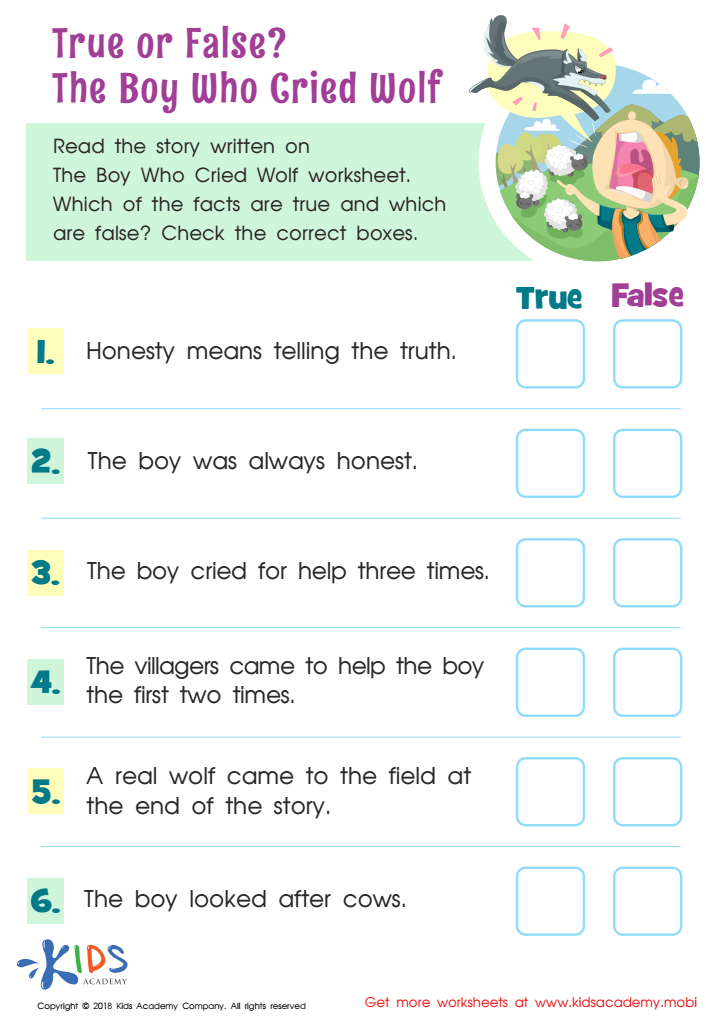
True or False? The Boy Who Cried Wolf Worksheet
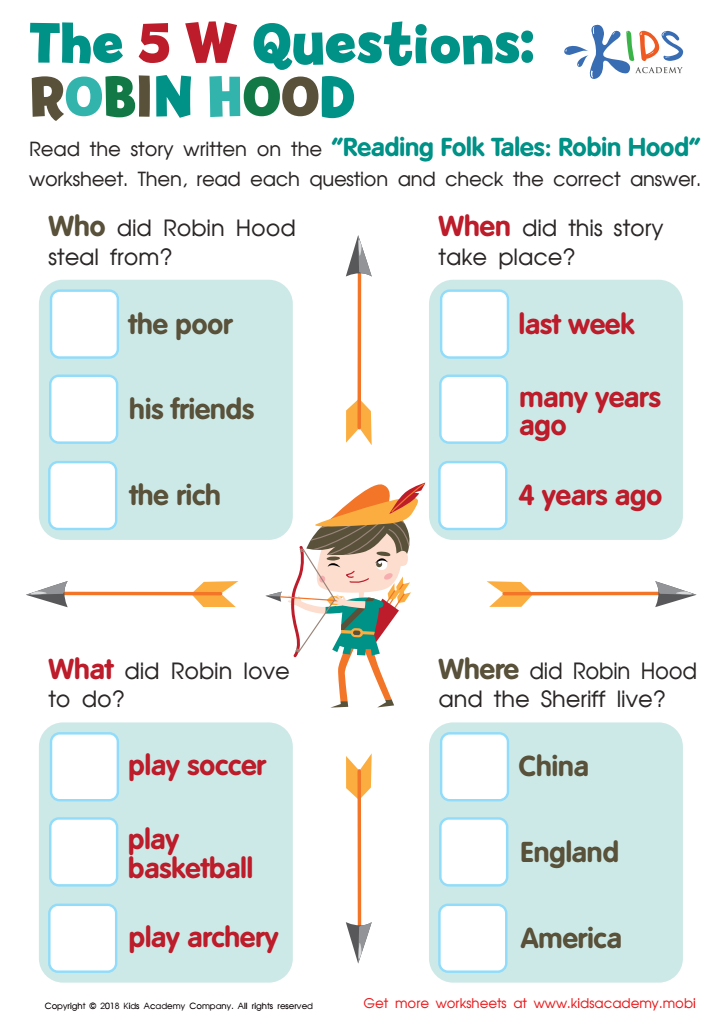
The 5 W Questions: Robin Hood Worksheet
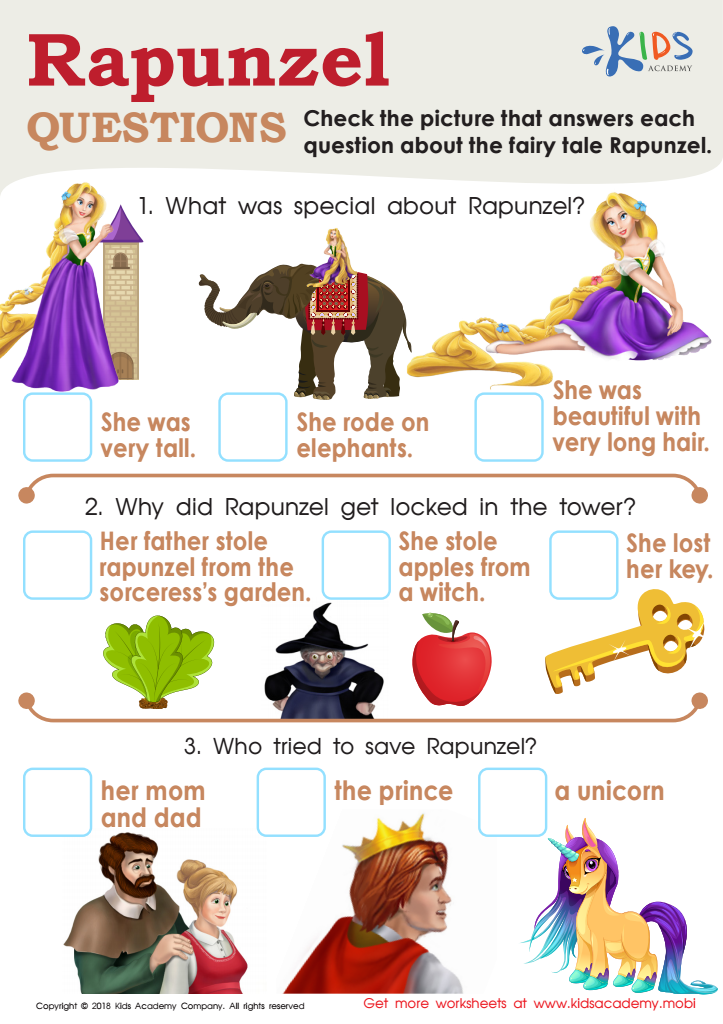
Rapunzel Questions Worksheet
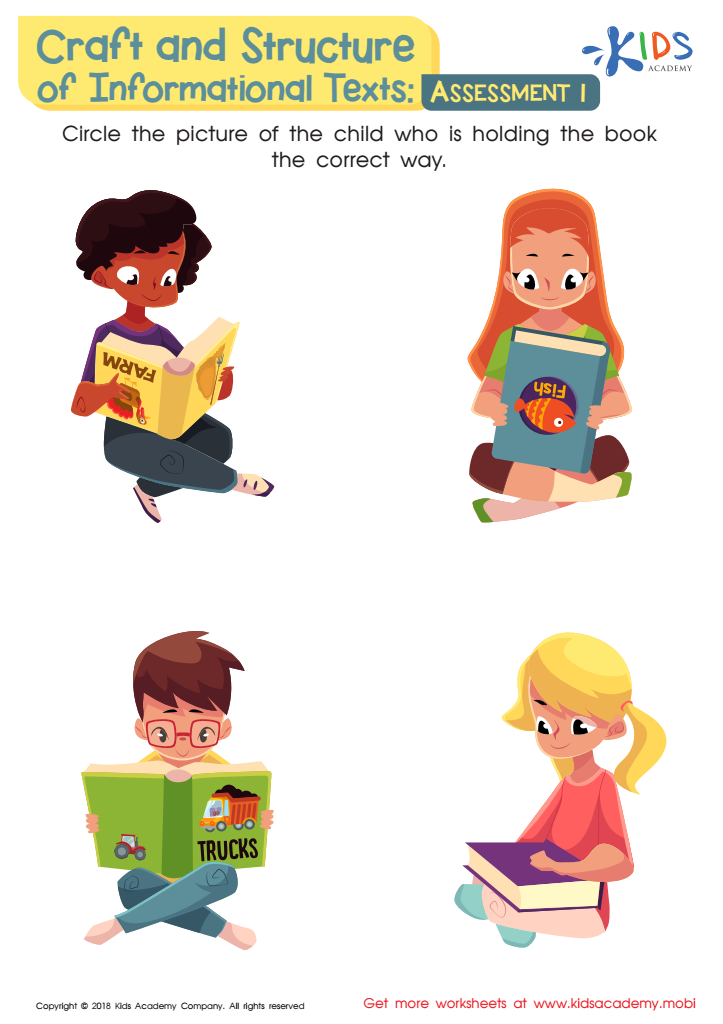
Craft and Structure of Informational Texts: Assessment 1 Worksheet
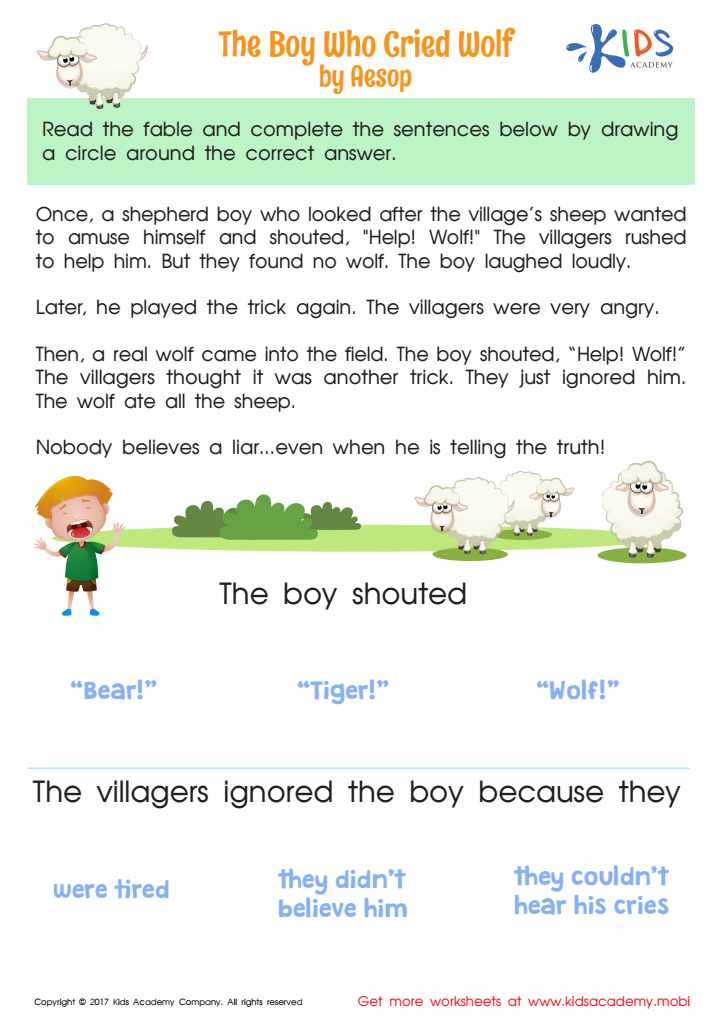
The Boy Who Cried Wolf Worksheet

Assessment: First Thanksgiving Worksheet
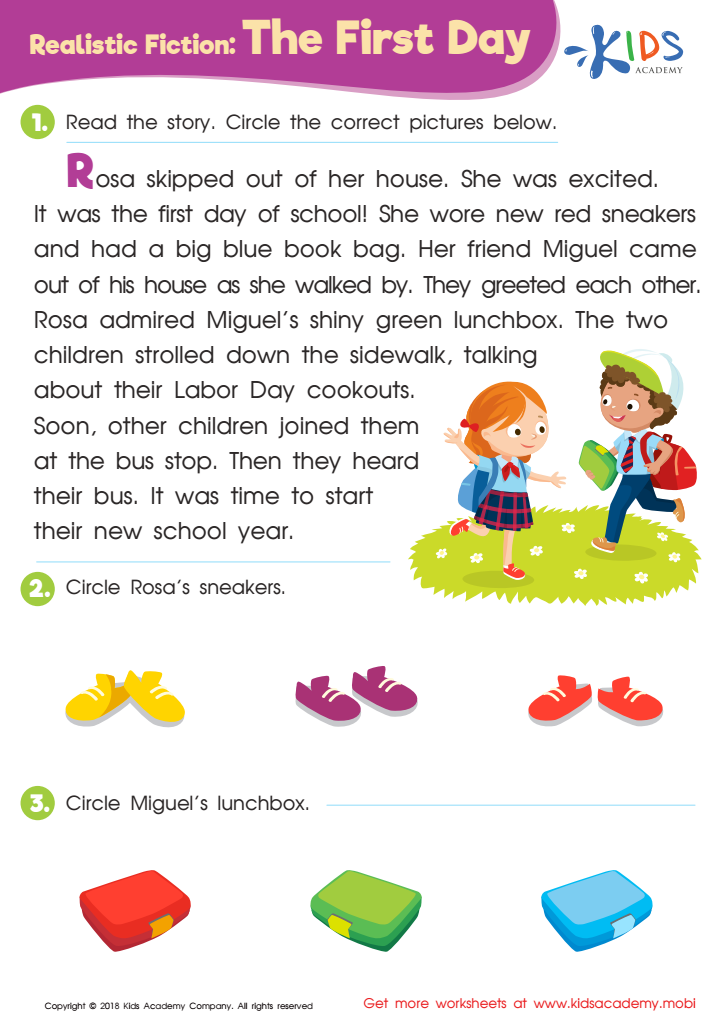
Realistic Fiction: The First Day Worksheet
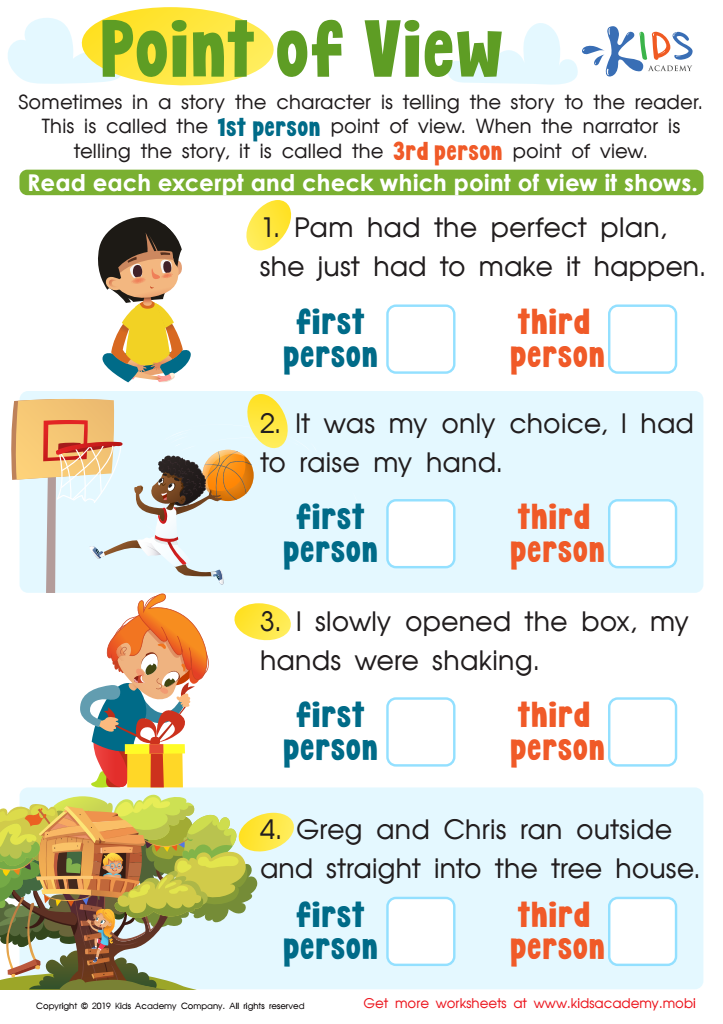
Point of View Printable
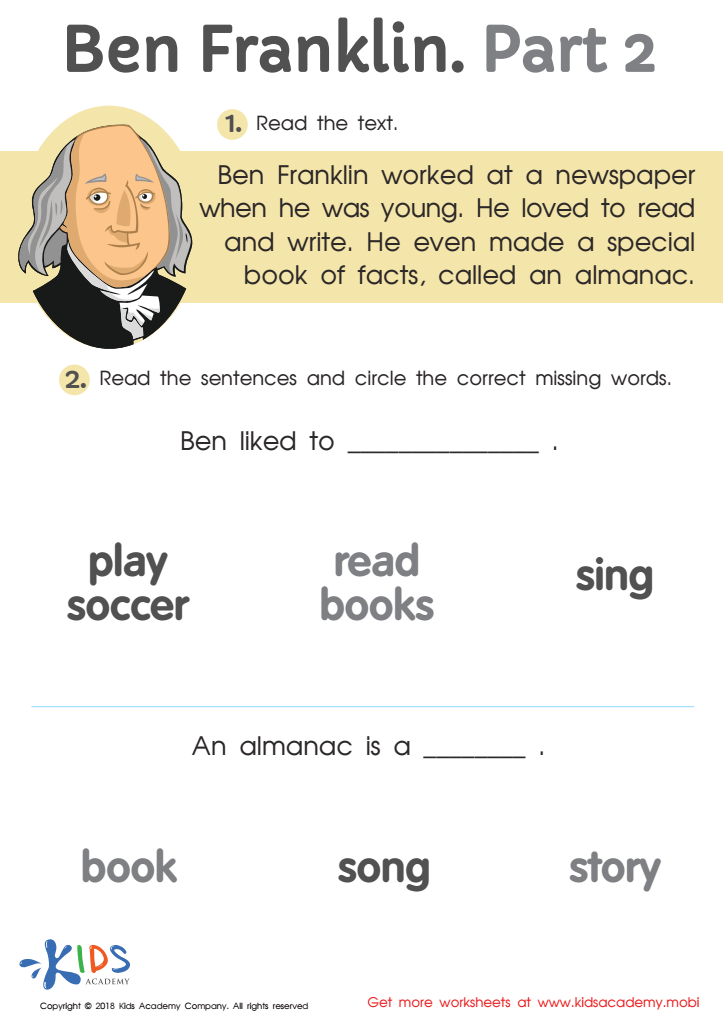
Ben Franklin Part 2 Worksheet
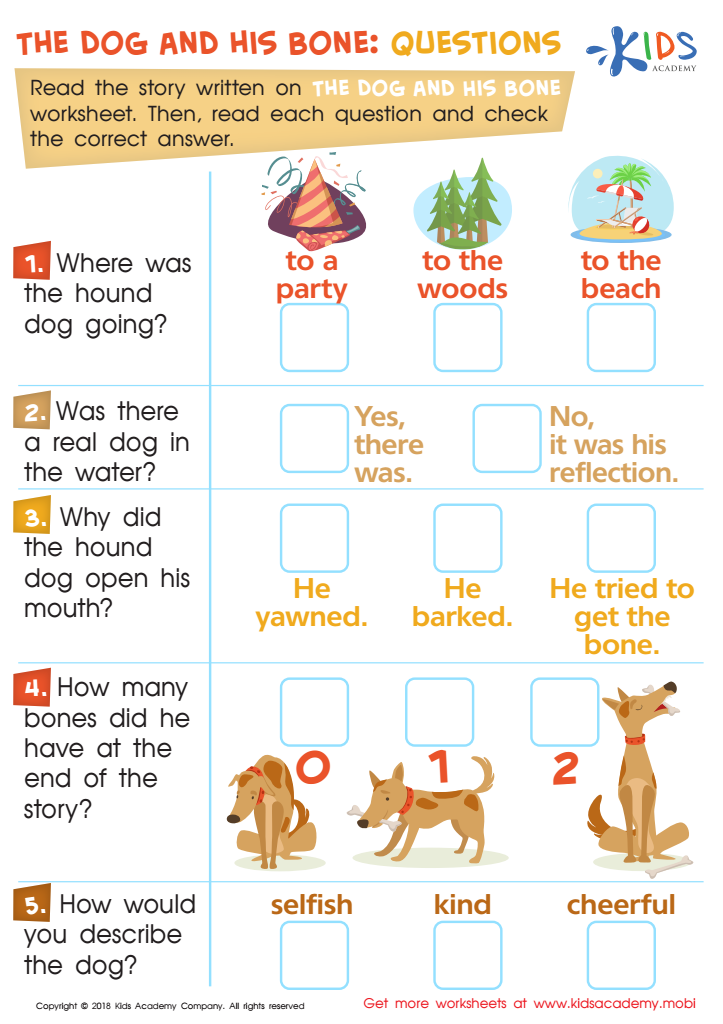
The Dog and His Bone: Questions Worksheet
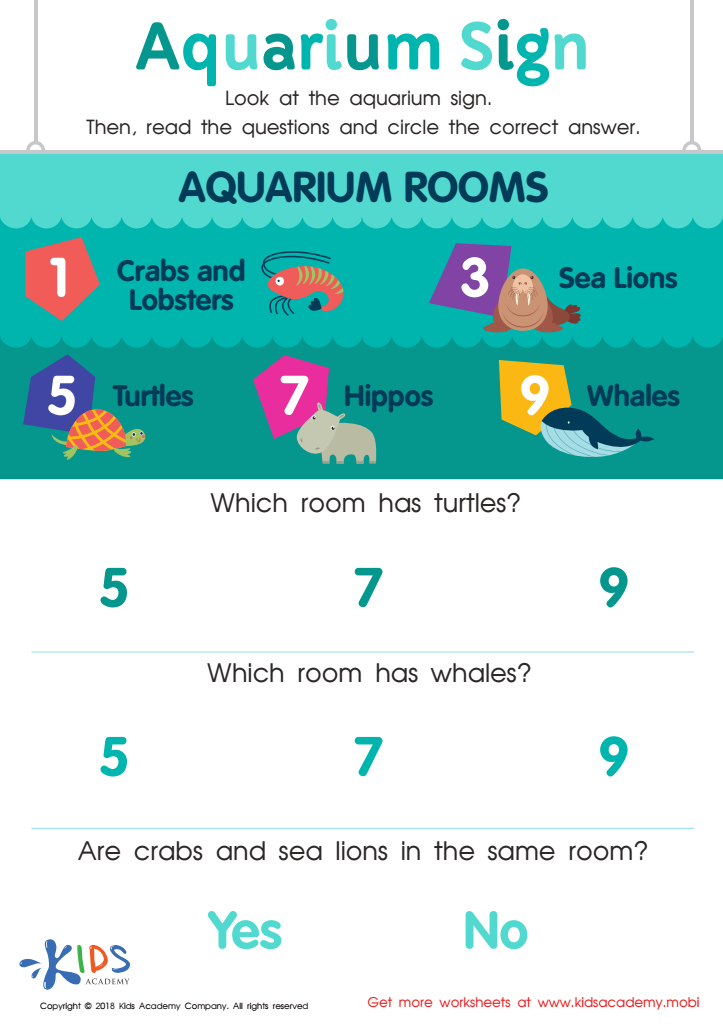
Assessment: Aquarium Sign Worksheet
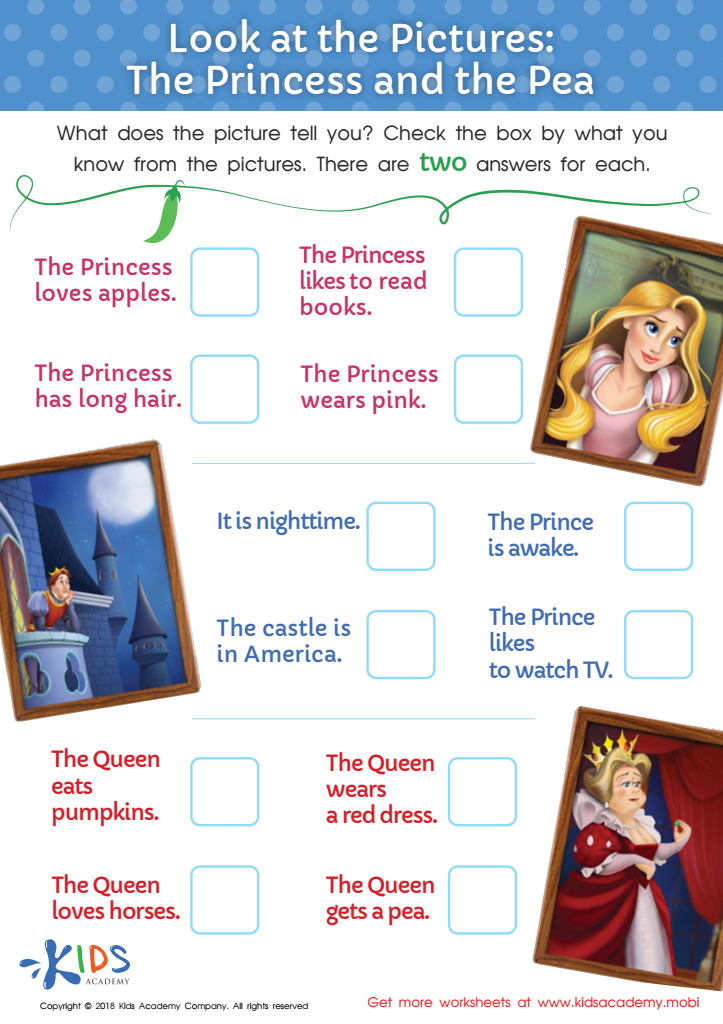
Look at the Pictures: The Princess and the Pea Worksheet
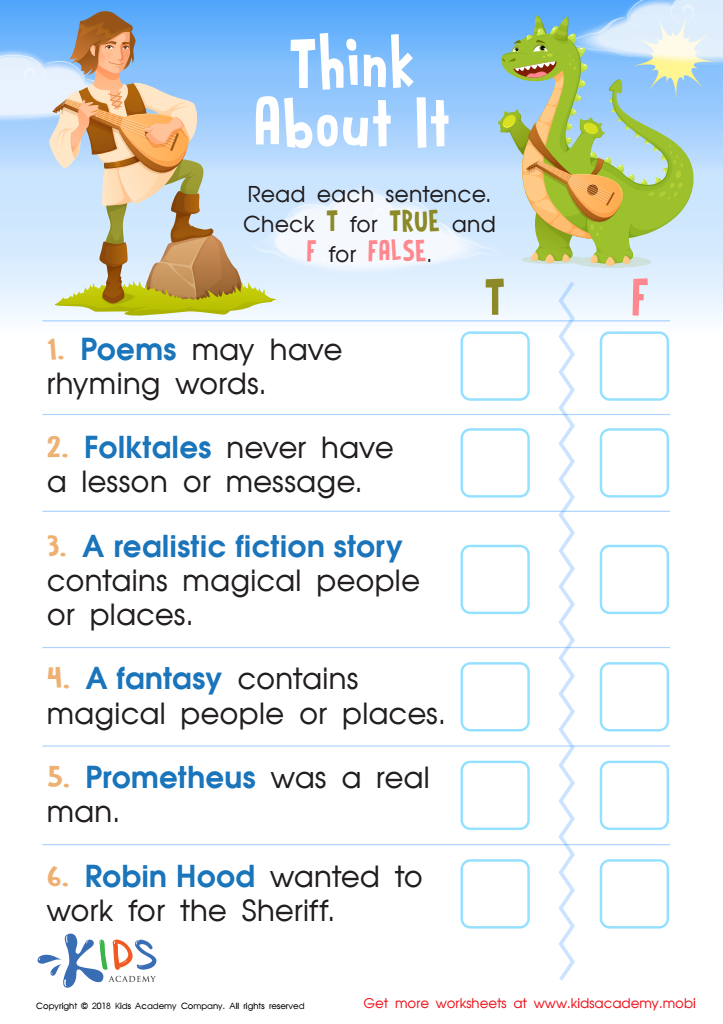
Think About It: Assessment Worksheet
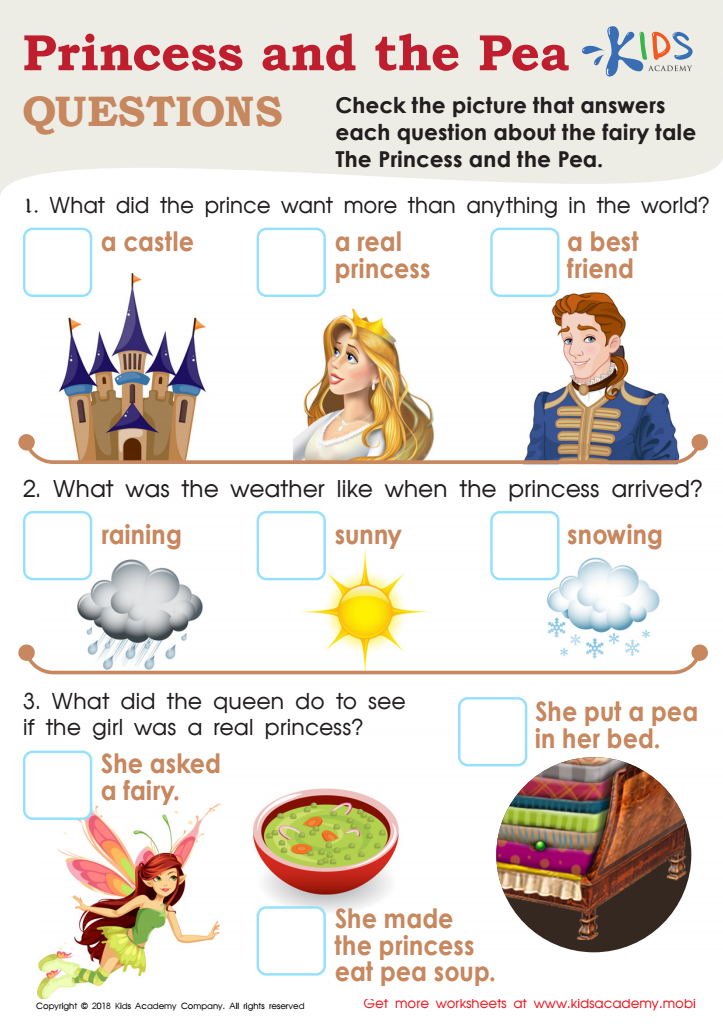
Princess and the Pea Questions Worksheet







Critical thinking reading is essential for children aged 4-9 as it lays the foundation for future academic success and everyday decision-making. At this pivotal developmental stage, children are increasingly able to analyze information and form opinions. Parents and teachers should prioritize critical thinking in reading because it enhances comprehension skills. When children learn to question what they read and identify different perspectives, they engage more deeply with the text, leading to a richer understanding of the material.
Encouraging critical thinking also fosters curiosity and creativity. Literature often presents diverse themes and scenarios that stimulate children’s imagination and encourage them to explore "what if" questions. This analytical approach nurtures their ability to solve problems and make reasoned judgments in various situations, equipping them for real-world challenges.
Additionally, engaged readers build stronger vocabulary and language skills, which are crucial for effective communication. In a rapidly changing world, these skills empower children to navigate complexities with confidence. Promoting critical thinking reading from an early age prepares children not just academically but also socially and emotionally, leading to well-rounded, resilient individuals. By investing in their critical thinking skills now, parents and teachers can play an essential role in shaping thoughtful, informed future adults.








