Enhance vocabulary skills Reading Worksheets for Ages 4-9
3 filtered results
-
From - To
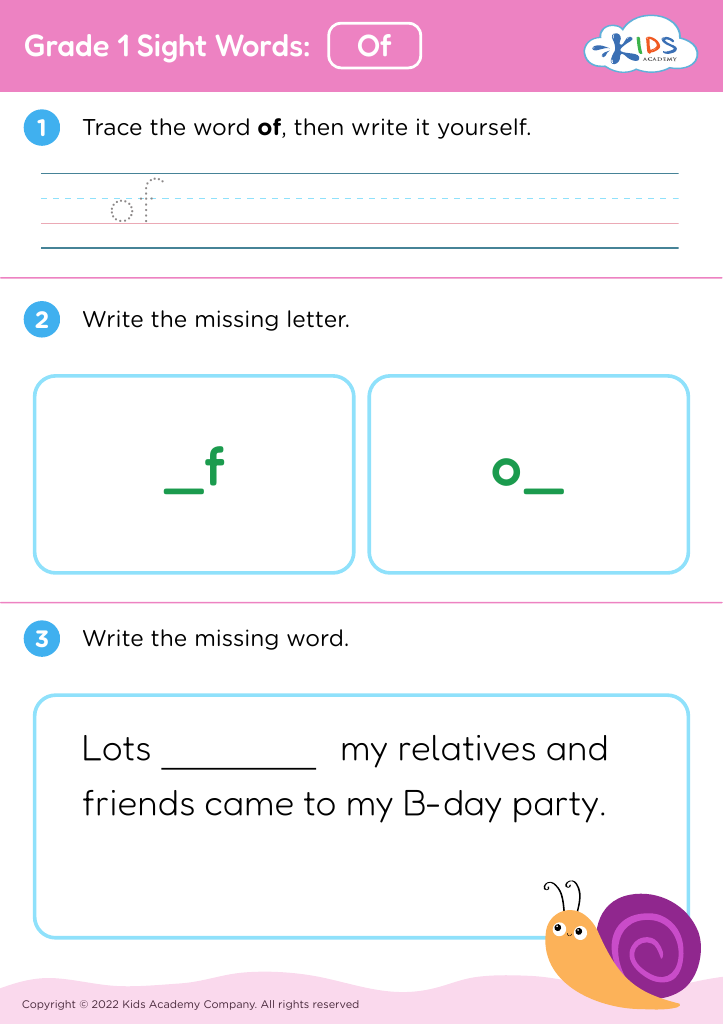
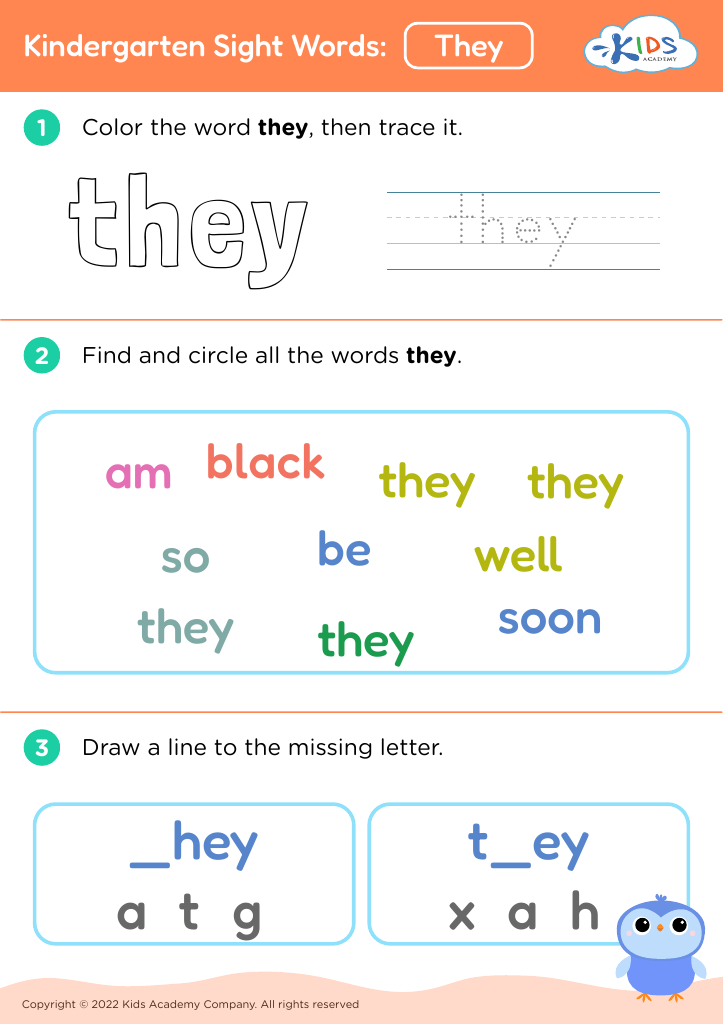
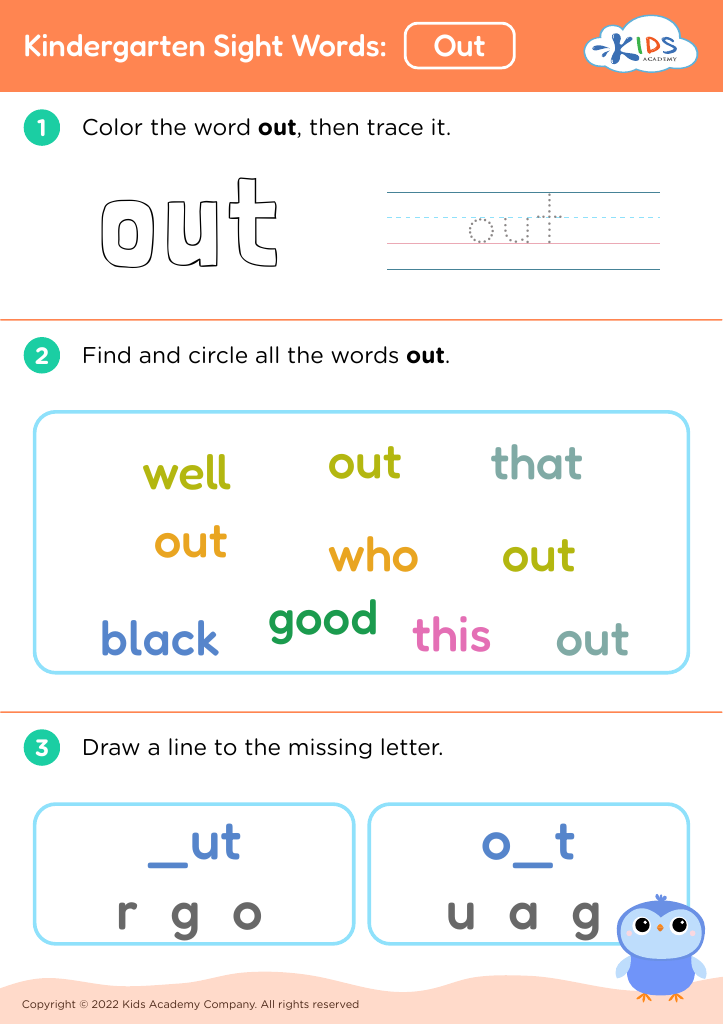
Discover the joy of learning with our "Enhance Vocabulary Skills Reading Worksheets" designed specifically for ages 4 to 9! Our engaging worksheets promote vocabulary development through fun activities that captivate young minds. From word matching to fill-in-the-blanks, each activity helps children expand their language abilities and comprehension in a playful way. Perfect for parents seeking supplemental reinforcement or teachers wanting to enrich their classroom materials. These interactive resources not only boost vocabulary but also foster a love for reading. Get ready to enhance your child's language skills and prepare them for a lifetime of learning. Explore our collection today!


.jpg)




Enhancing vocabulary skills in young children is crucial for their overall development, particularly for those aged 4-9. During these formative years, children are rapidly developing their language abilities, which are foundational for effective communication, reading comprehension, and academic success. A rich vocabulary not only empowers children to express their thoughts and emotions clearly but also fosters their cognitive development and critical thinking skills.
Parents and teachers play a significant role in nurturing vocabulary growth through interactive reading, storytelling, and engaging conversations. Reading exposes children to new words and contexts, broadening their understanding and encouraging curiosity. A strong vocabulary base enables children to decode written language more efficiently, laying the groundwork for proficient reading skills, essential for later academic achievements.
Moreover, vocabulary development contributes to social and emotional learning by aiding children in articulating their feelings and building relationships with peers. In an increasingly interconnected world, a robust vocabulary enhances a child's ability to engage with diverse perspectives and ideas. By prioritizing vocabulary skills in young learners, parents and teachers can equip children with essential tools for lifelong learning and success, ensuring they are confident communicators and critical thinkers in any context.








