Identification skills Reading Worksheets for Ages 4-9
3 filtered results
-
From - To
Discover our engaging Identification Skills Reading Worksheets designed specifically for children aged 4-9! These worksheets provide interactive and fun activities that help young learners develop essential identification skills, enhancing their reading comprehension and vocabulary. With colorful illustrations and age-appropriate exercises, kids will enjoy identifying words, pictures, and other elements that support their learning journey. Perfect for classroom or home use, these resources are tailored to make learning exciting and effective. Foster a love for reading while building crucial skills with our carefully crafted worksheets that cater to various learning styles. Explore our collection and ignite your child's passion for reading today!
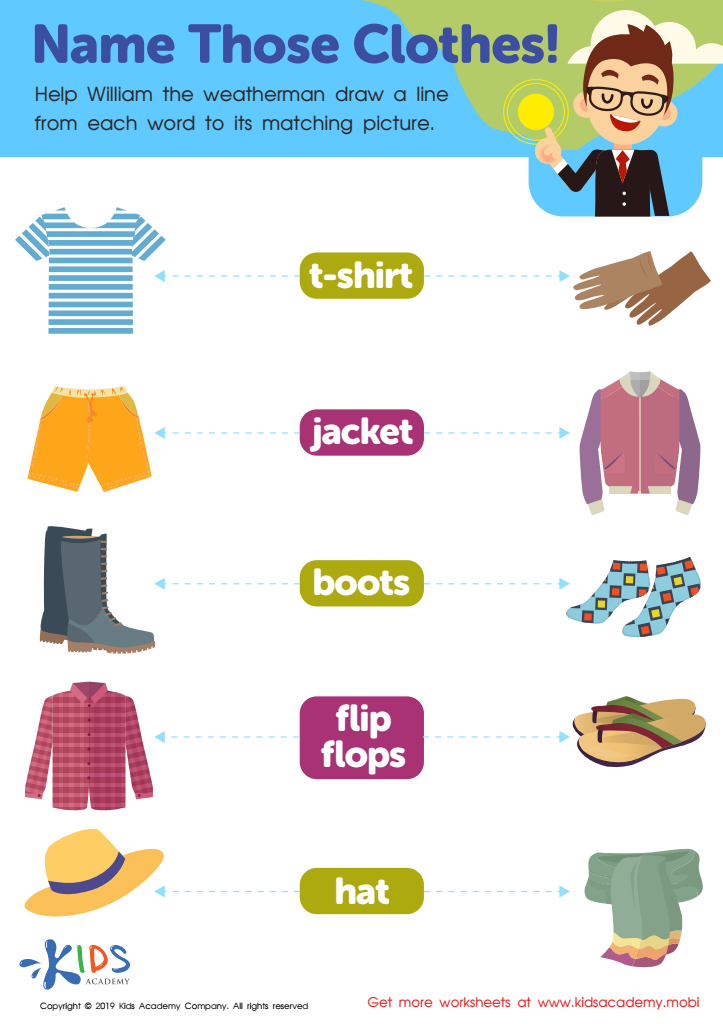
Name Those Clothes Worksheet
 Assign to My Students
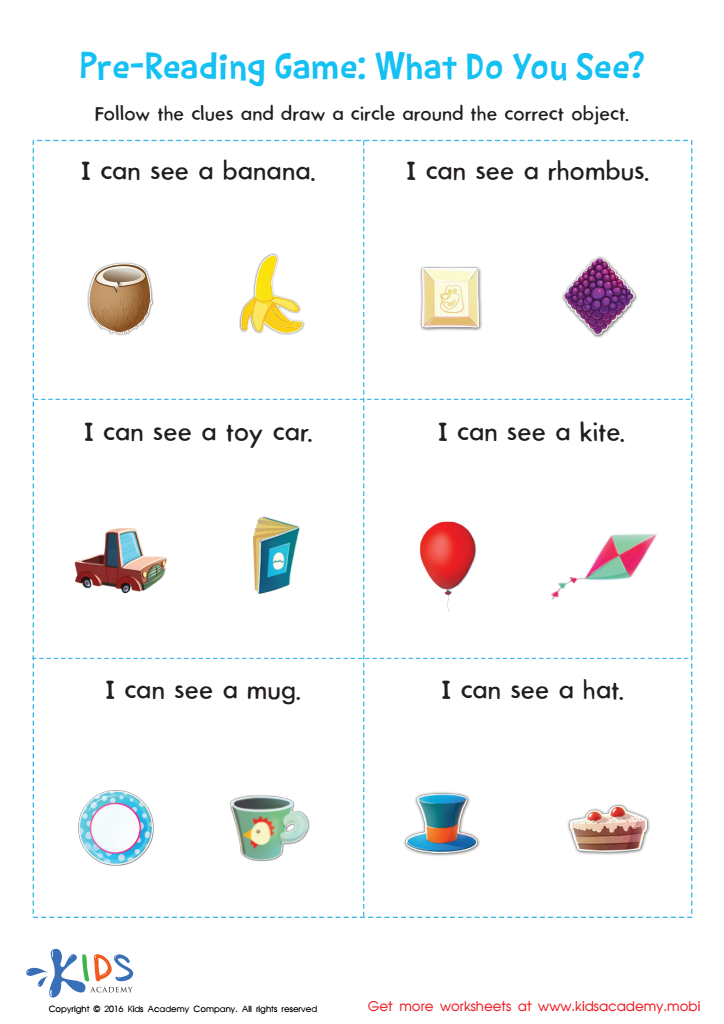
Pre–reading Worksheet: What Do You See?
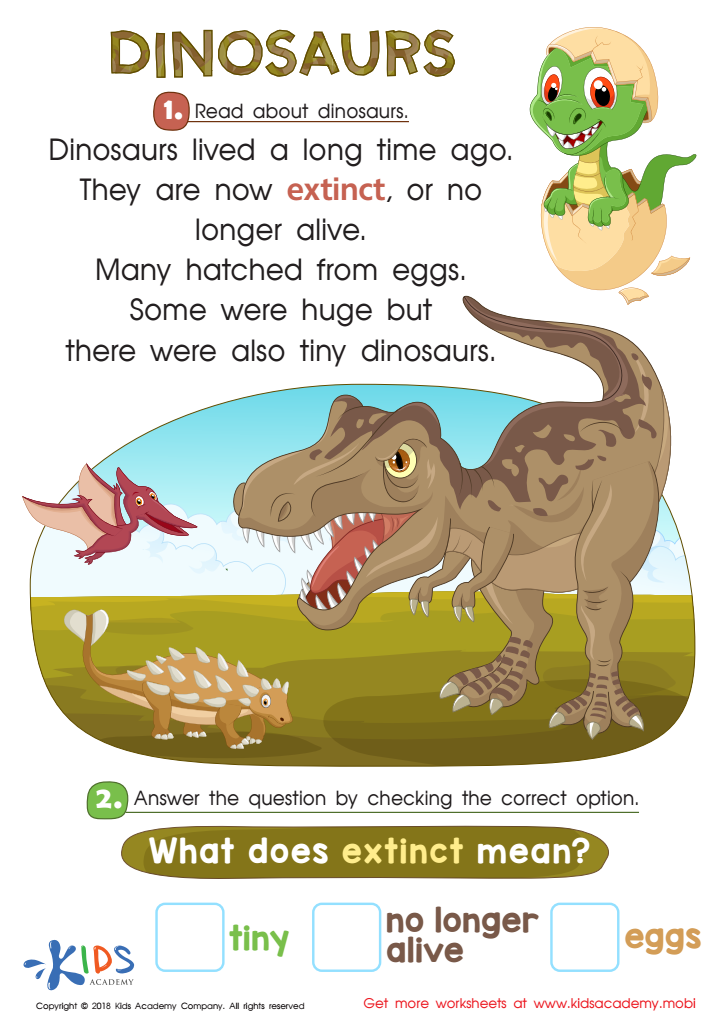
Dinosaurs Worksheet







Identification skills in reading are crucial for children aged 4-9 as they lay the foundational blocks for literacy development. During these formative years, children learn to recognize letters, understand their corresponding sounds, and identify words, which are essential components of effective reading. Parents and teachers should prioritize these skills because they directly influence a child's ability to decode text, comprehend spoken and written language, and ultimately engage with educational material.
Moreover, strong identification skills contribute to a child's confidence and motivation in reading. As children successfully identify and understand words, they experience a sense of achievement, fostering a love for books and learning. This enthusiasm is essential for developing a lifelong reading habit that appears in their academic success and social interactions.
Additionally, early identification skills can help identify potential reading challenges, allowing interventions to be implemented sooner, which is crucial for long-term success. When parents and teachers collaborate to support these skills—using strategies like phonemic awareness activities and interactive storytimes—they create a rich learning environment. This collaboration not only enhances language and literacy outcomes but also strengthens the parent-teacher relationship, ultimately benefiting the child’s overall educational journey.








